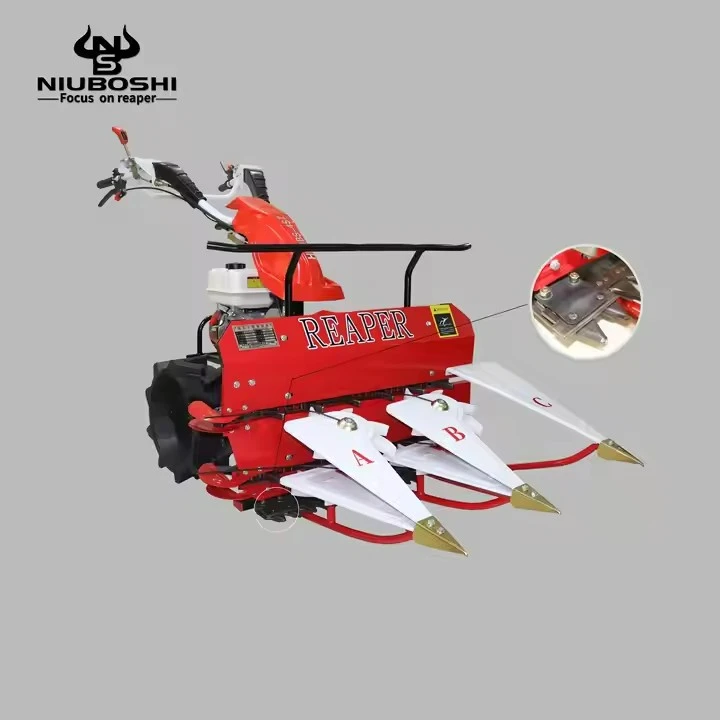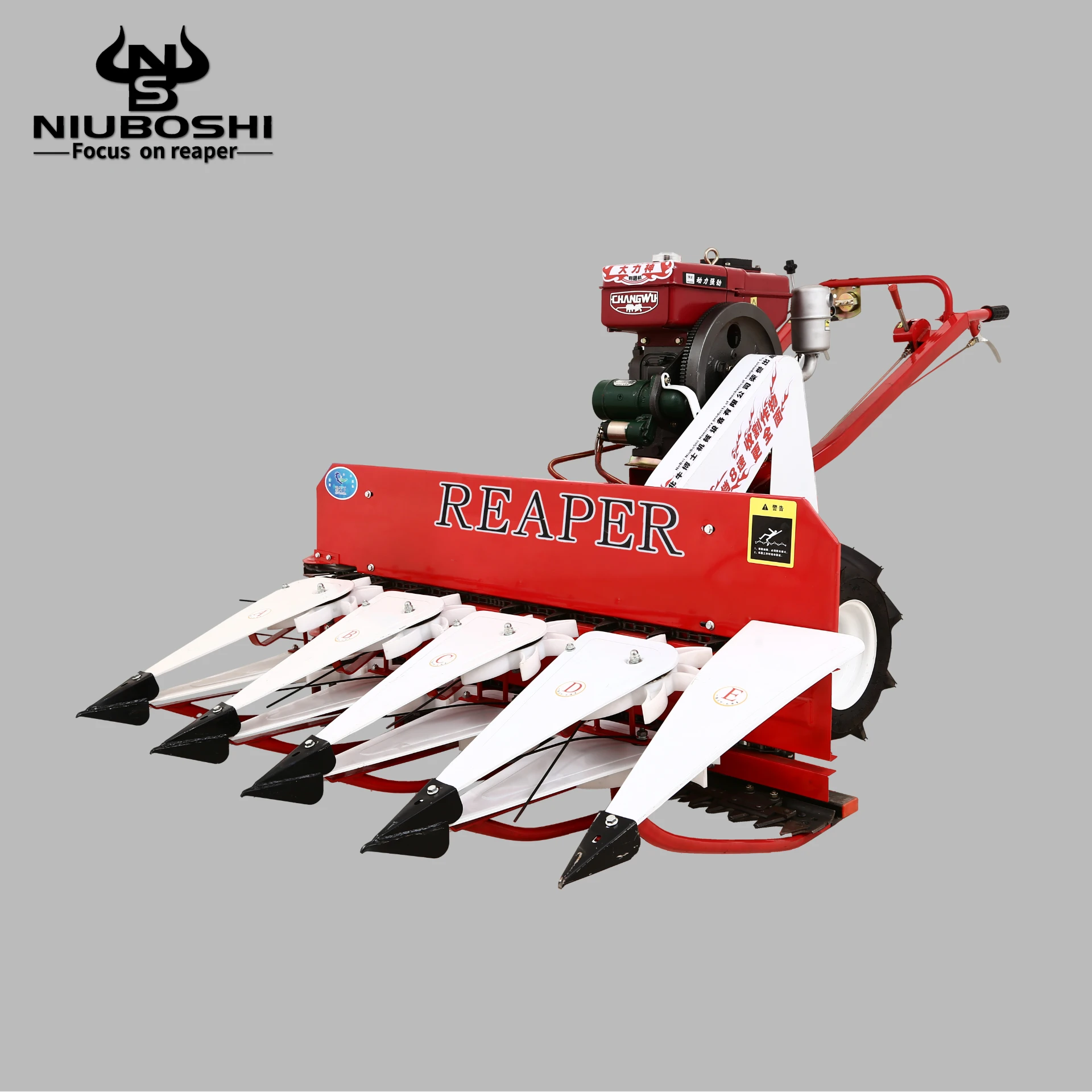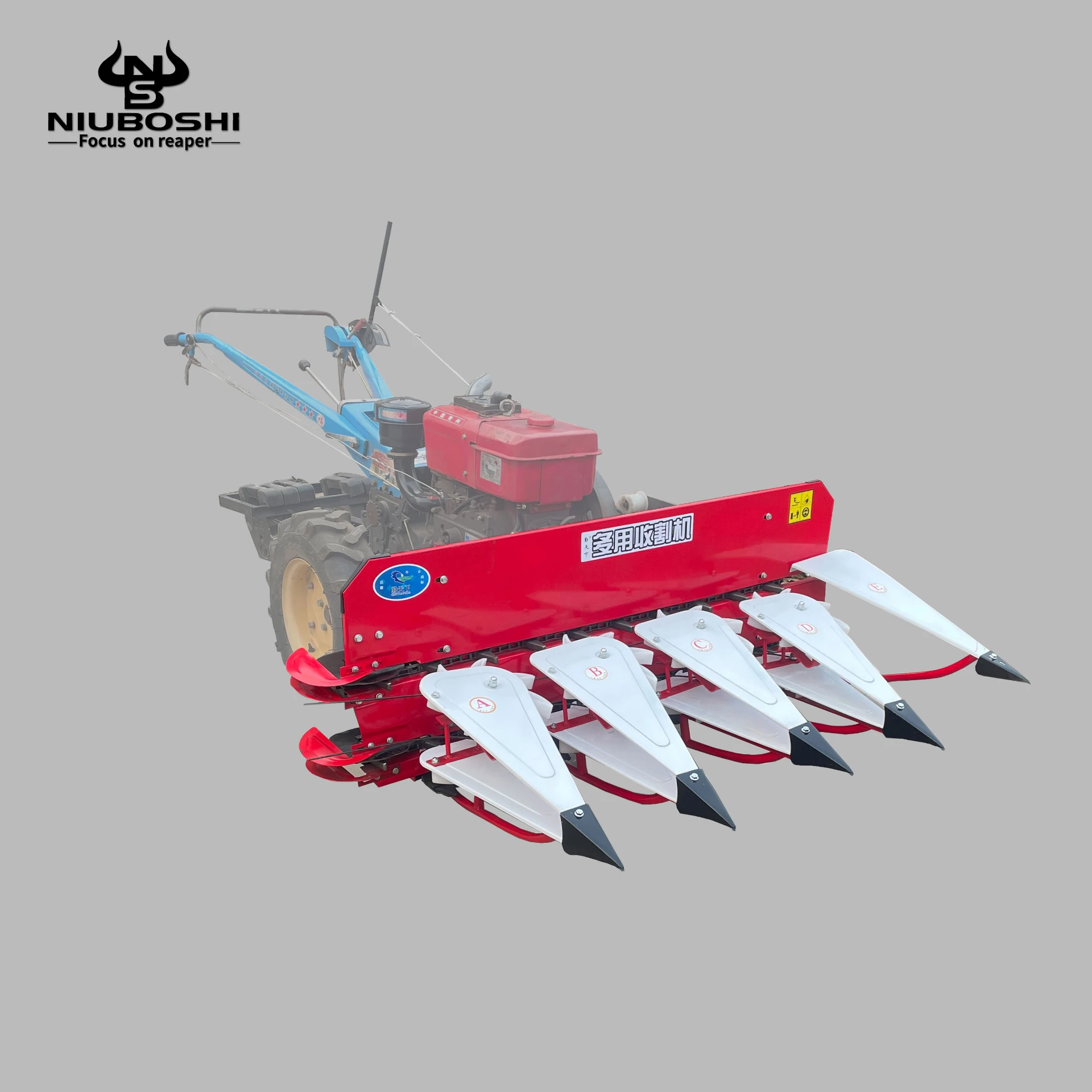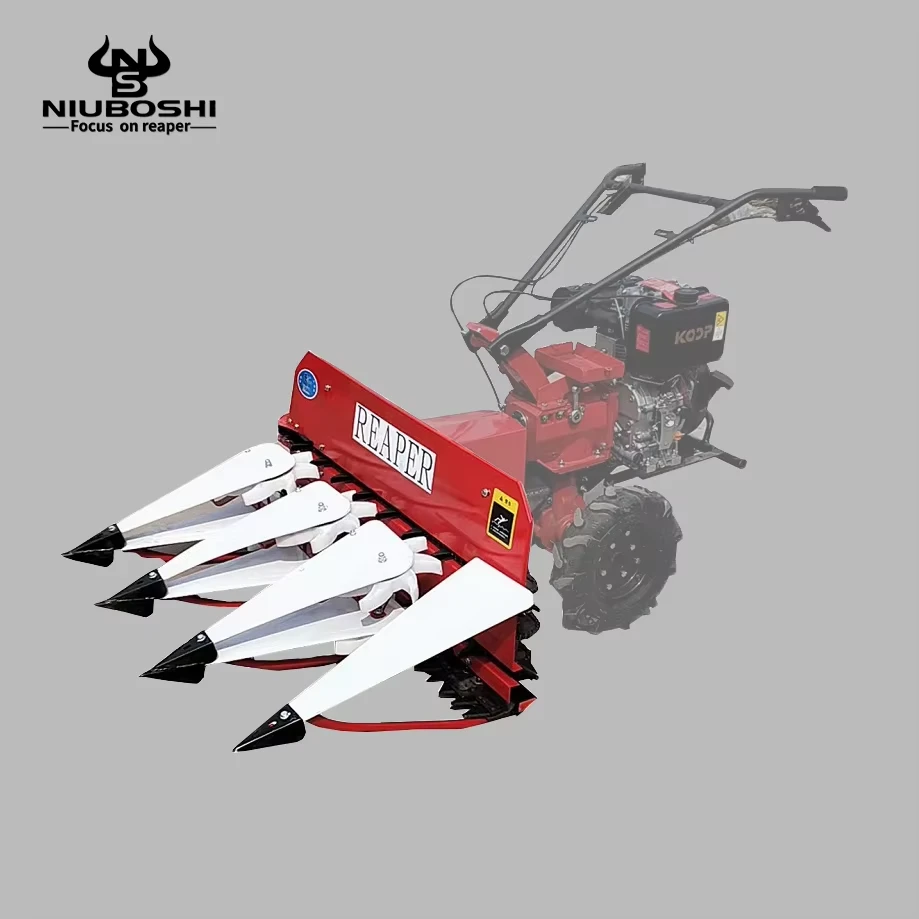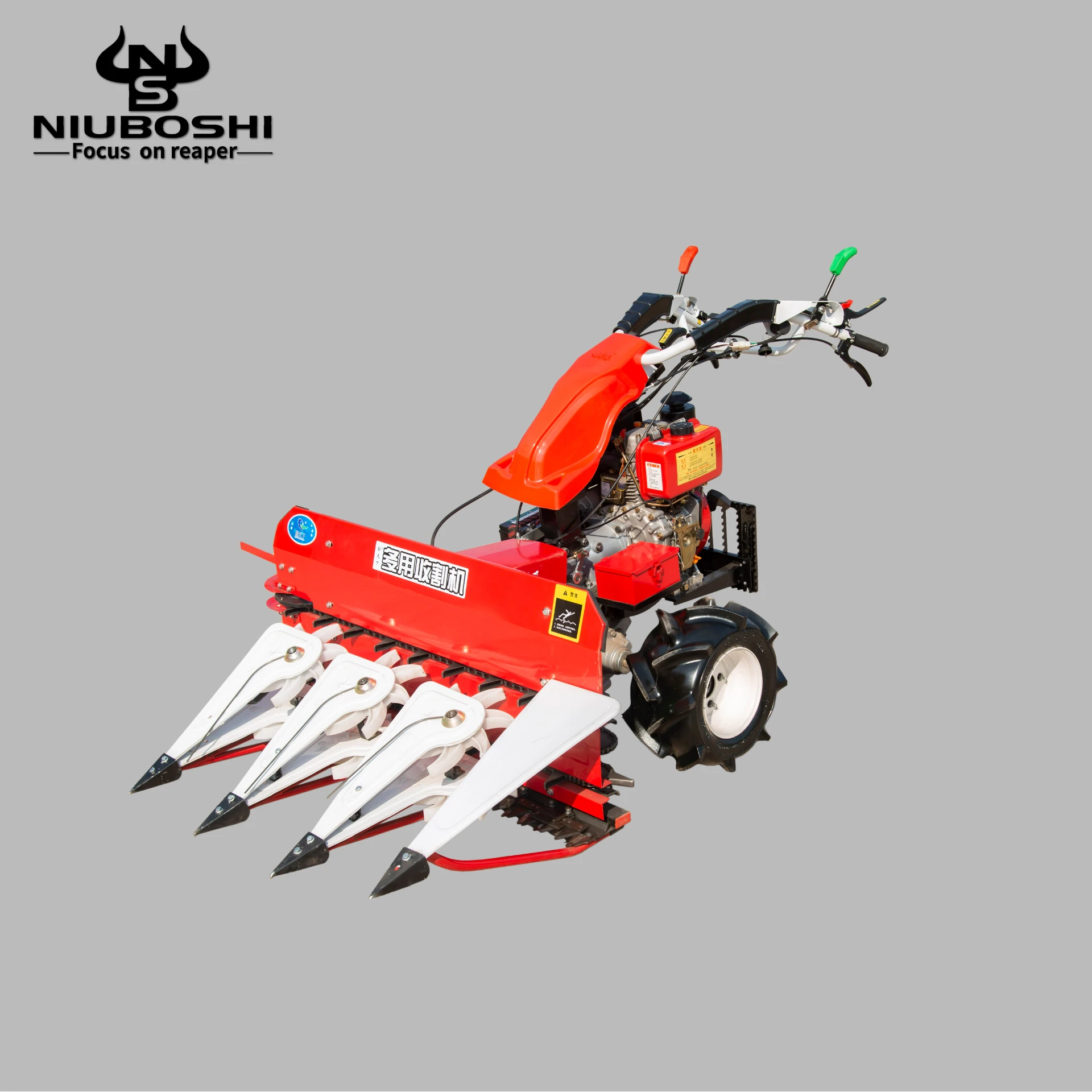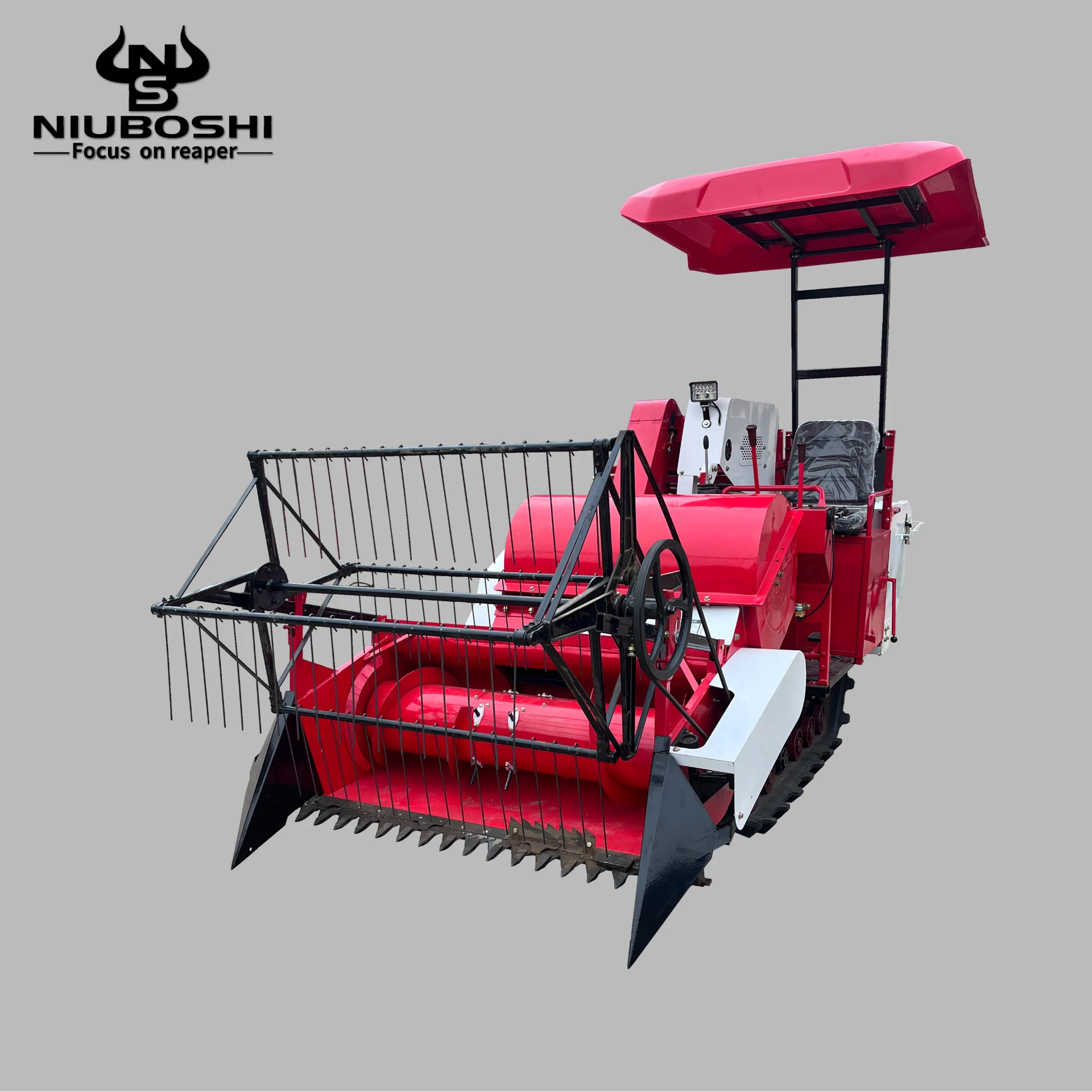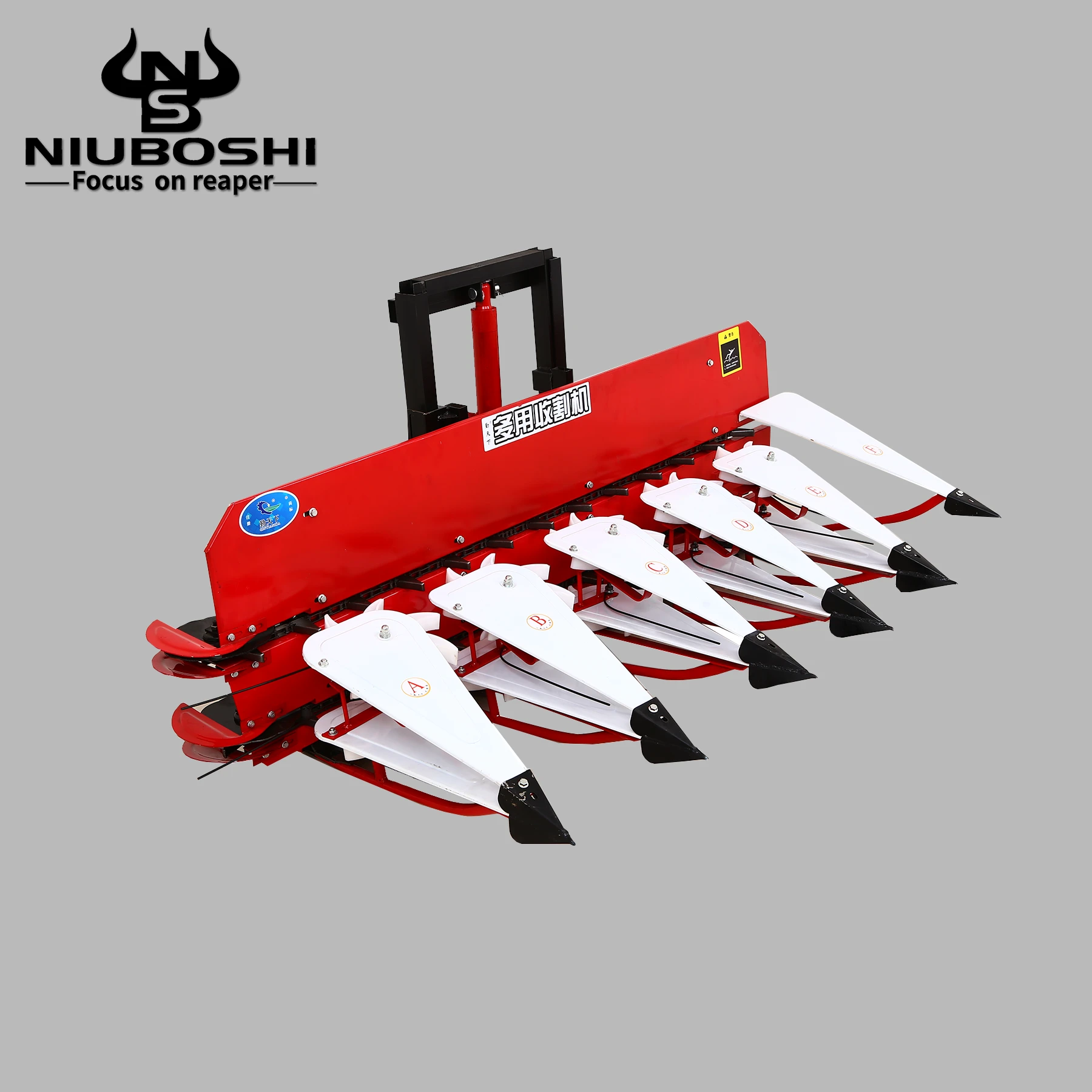
Small Wheat Harvesting Machine – Efficient Compact Combines for Small Farms
Small Wheat Harvesting Machine: Efficiency Meets Practicality
Having spent quite a few years in the agricultural equipment sector, I often come across the phrase "small wheat harvesting machine" tossed around casually—usually by folks looking for a pragmatic, cost-effective solution to their fields. Frankly, it's a niche that’s exploded in relevance over the past decade, especially among smallholder farmers and regional contractors who need reliable gear without the bulk or price tag of heavy machinery.
Oddly enough, many people assume smaller machines mean compromised performance. But that's not exactly the case. The wheat harvesting machine small models have really come a long way — merging solid engineering with clever design tweaks so they can thrive on smaller plots or in tighter geographical regions.
I recall visiting a customer’s farm in northern China last year who switched to a compact combine for his 5-acre wheat fields. He told me, “It feels like this machine understands the rhythm of my farm.” That’s the sort of practical feedback I treasure because it underscores what real users see as benefits beyond the spec sheet.
What Makes Small Wheat Harvesters Stand Out?
From my experience, the standout features usually boil down to size, maneuverability, and fuel efficiency. Unlike their larger siblings, these machines are lighter, easier to transport, and require less power. This means lower operating costs and less soil compaction — a crucial factor if you’re managing multiple crop cycles in the same area.
Many engineers note that the balance between threshing capacity and machine size is a tricky one. After all, you don’t want to sacrifice grain-cleaning performance or throughput. That’s why the newer models often come equipped with adjustable concaves, precision sieves, and reduced powertrain drag components. It’s the small engineering innovations that count.
| Specification | Value |
|---|---|
| Engine Power | 45-60 HP |
| Cutting Width | 1.5 - 1.8 meters |
| Fuel Consumption | 4-6 liters/hour |
| Grain Tank Capacity | 0.7 - 1.0 cubic meters |
| Weight | 950 - 1200 kg |
Comparing Top Vendors in the Small Wheat Harvester Segment
If you’re shopping around — which I always recommend — here’s a quick vendor comparison I put together. You might find that some brands lean on ruggedness, while others prioritize tech sophistication or user-friendly controls.
| Brand | Price Range (USD) | Engine Power | Special Feature |
|---|---|---|---|
| Niuboshi | 8,000 - 10,000 | 50 HP | Efficient threshing system |
| Kubota | 9,000 - 12,000 | 55 HP | Compact design with comfort cab |
| John Deere | 10,000 - 13,000 | 60 HP | Intelligent grain loss monitoring |
One thing I noticed, regardless of brand, is the value of after-sale service and customizable options — like real-time yield monitoring or adaptive cutting heights. Those little touches really separate the wheat from the chaff (pun intended).
In practical use, a small wheat harvester should feel intuitive and stable. I’ve seen farmers adapt quickly to these machines because they’re less intimidating, and oddly enough, that builds confidence that can translate into better harvest results.
So, if you’re working small plots or looking to reduce overheads without sacrificing output quality, the wheat harvesting machine small category deserves a good hard look.
In the end, machines like these underscore that farming doesn’t always require brute force machinery. Instead, it’s often smarter, efficient designs — made accessible — that truly move the needle for small farmers.
A little machine can make a big impact.
References:
- Field visit notes, Northern China, 2023.
- "Advances in Small-Scale Combine Technology," Journal of Agri Engineering, 2022.
- Vendor technical sheets from Niuboshi, Kubota, and John Deere.
Latest news
-
Maximize Harvest Efficiency with the Agro Reaper Binder MachineNewsApr.16,2026
-
Boost Harvest Efficiency with the Best Agriculture Reaper MachineNewsApr.09,2026
-
Revolutionizing Agriculture with the Efficient Agriculture Power ReaperNewsApr.07,2026
-
Comprehensive Guide to the 4 Wheel Reaper Binder for Efficient HarvestingNewsApr.04,2026
-
Comprehensive Guide to Reaperbinder Technology for Efficient Hay and Crop HarvestingNewsMar.31,2026
-
Mastering the Art of Reaper Cutting for Enhanced Agricultural EfficiencyNewsMar.28,2026