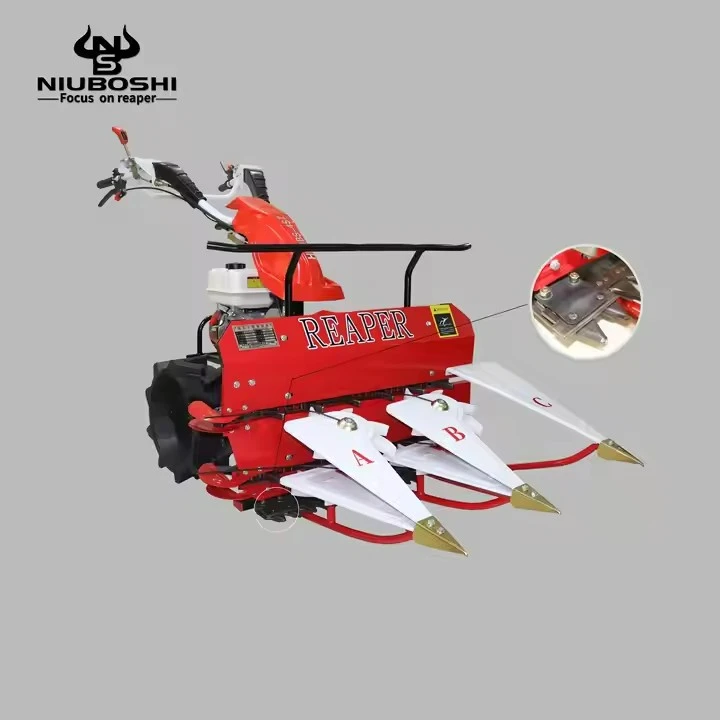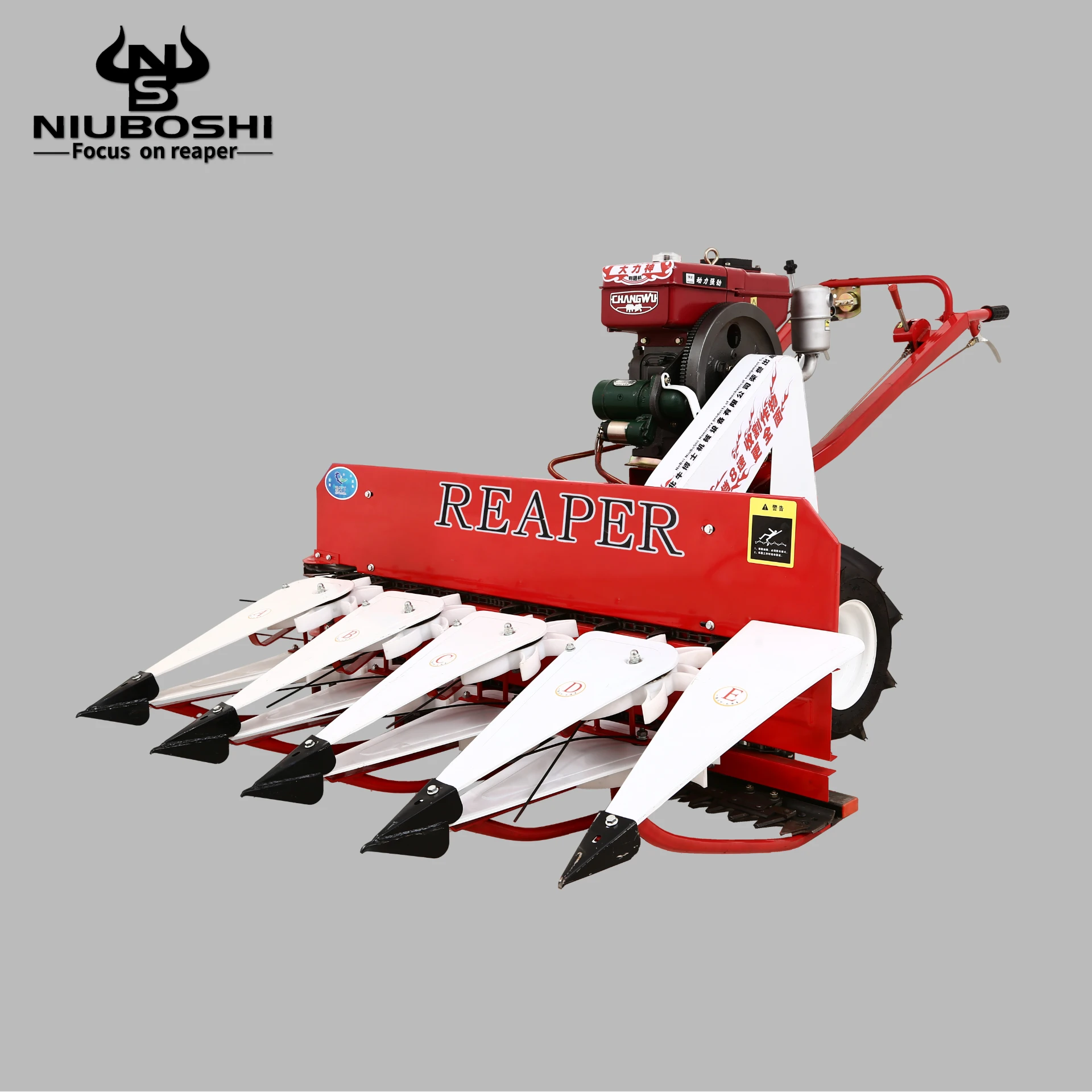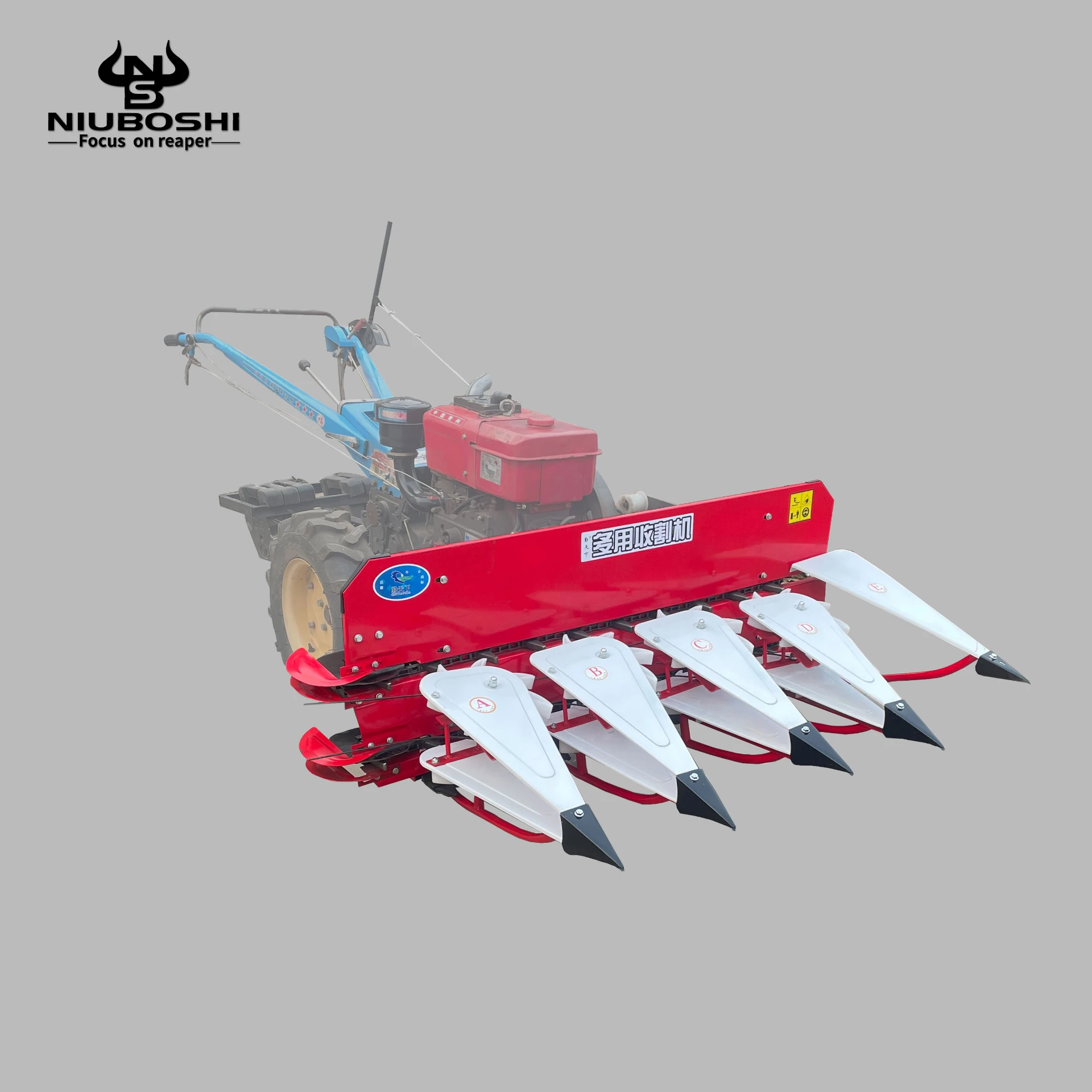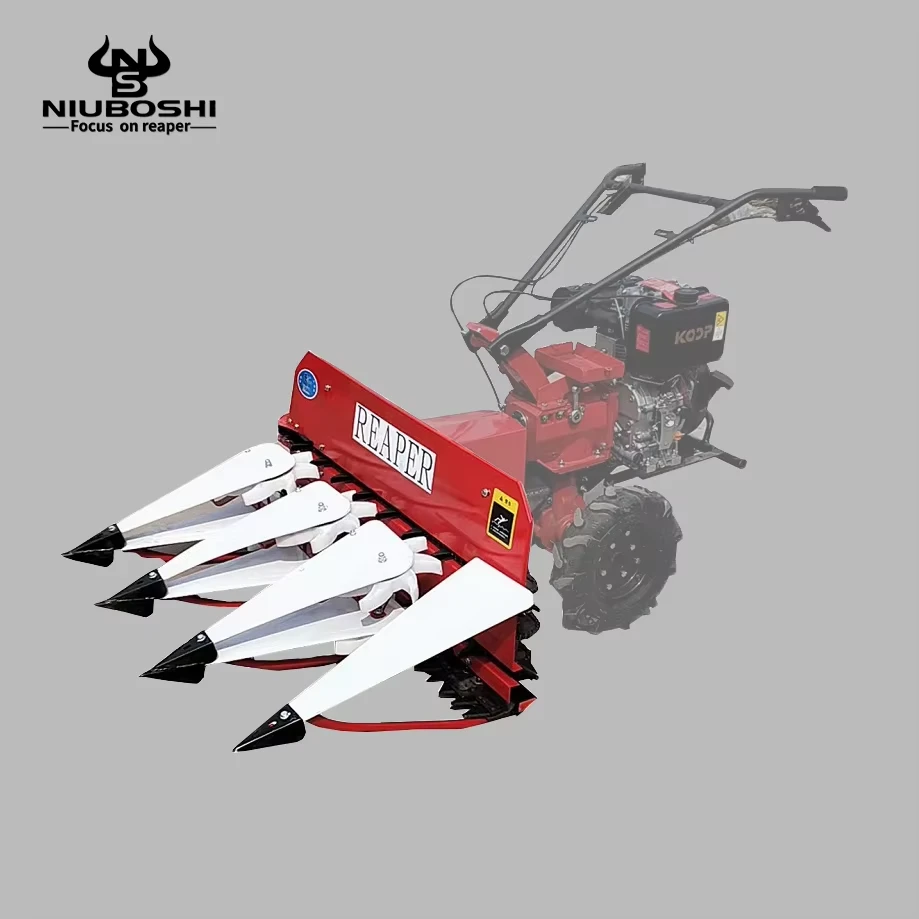
Discover Mini Combine For Sale: Compact Harvesters For Efficient Small-Scale Farming
Understanding Mini Combines: Why They Matter Globally
When you hear "mini combine for sale," you might just picture a smaller farm machine — which, frankly, it is — but its role is much bigger than that. These compact harvesting machines have quietly become game-changers for farming worldwide, especially for smallholder farmers in developing countries. According to FAO data, nearly 500 million small farms produce about 80% of the food in Asia and Africa. For these folks, affordable, efficient machinery isn’t just an upgrade; it’s the difference between a subsistence harvest and surplus crop sales.
Mini combines bridge that exact gap by offering high-performance harvesting suited for smaller fields, uneven terrain, and diverse crops — all without the price tag or upkeep hassle of full-sized models. So, getting familiar with what's on the market (mini combine for sale, and variants) isn't only useful for industries but also pivotal for food security, rural economic stability, and sustainable agriculture worldwide.
Global Landscape: Why Mini Combines Are In Demand
The rising demand for mini combine harvesters is a reflection of multiple global challenges. Landholdings are increasingly fragmented; mechanization costs are high; and the labor pool in agriculture is shrinking. The World Bank reports that global agricultural productivity must increase by about 70% by 2050 to feed a growing population. Mini combines help boost efficiency without requiring giant plots or deep pockets.
In countries like India, Vietnam, and parts of sub-Saharan Africa, traditional large combines are impractical — too big, too costly, too clunky on rough terrain. That’s where mini combines hop in: agile, affordable, and easier to maintain. Their emergence also aids humanitarian farming projects in regions suffering from food insecurity caused by climate change or conflict-related disruptions.
What Is a Mini Combine Harvester Anyway?
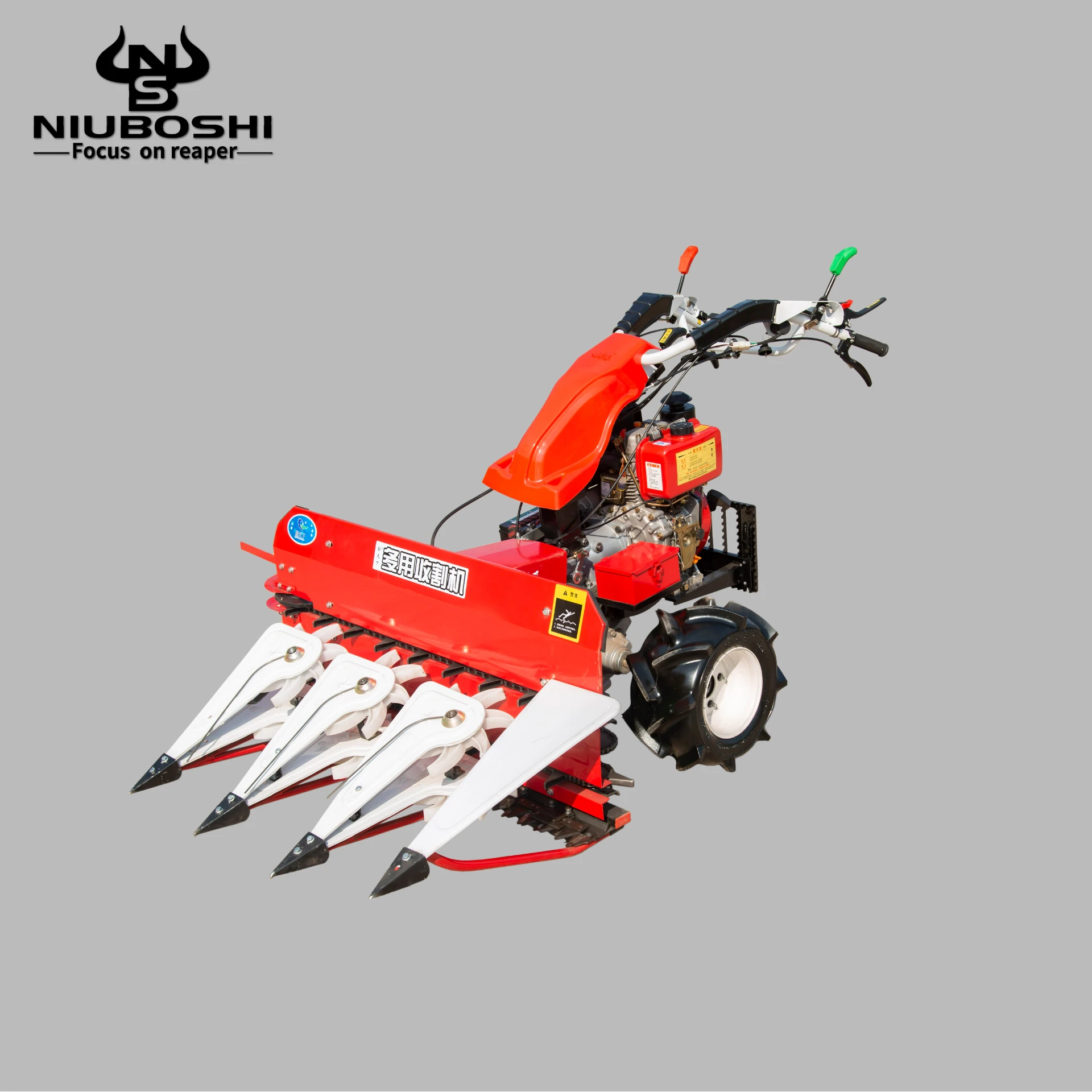
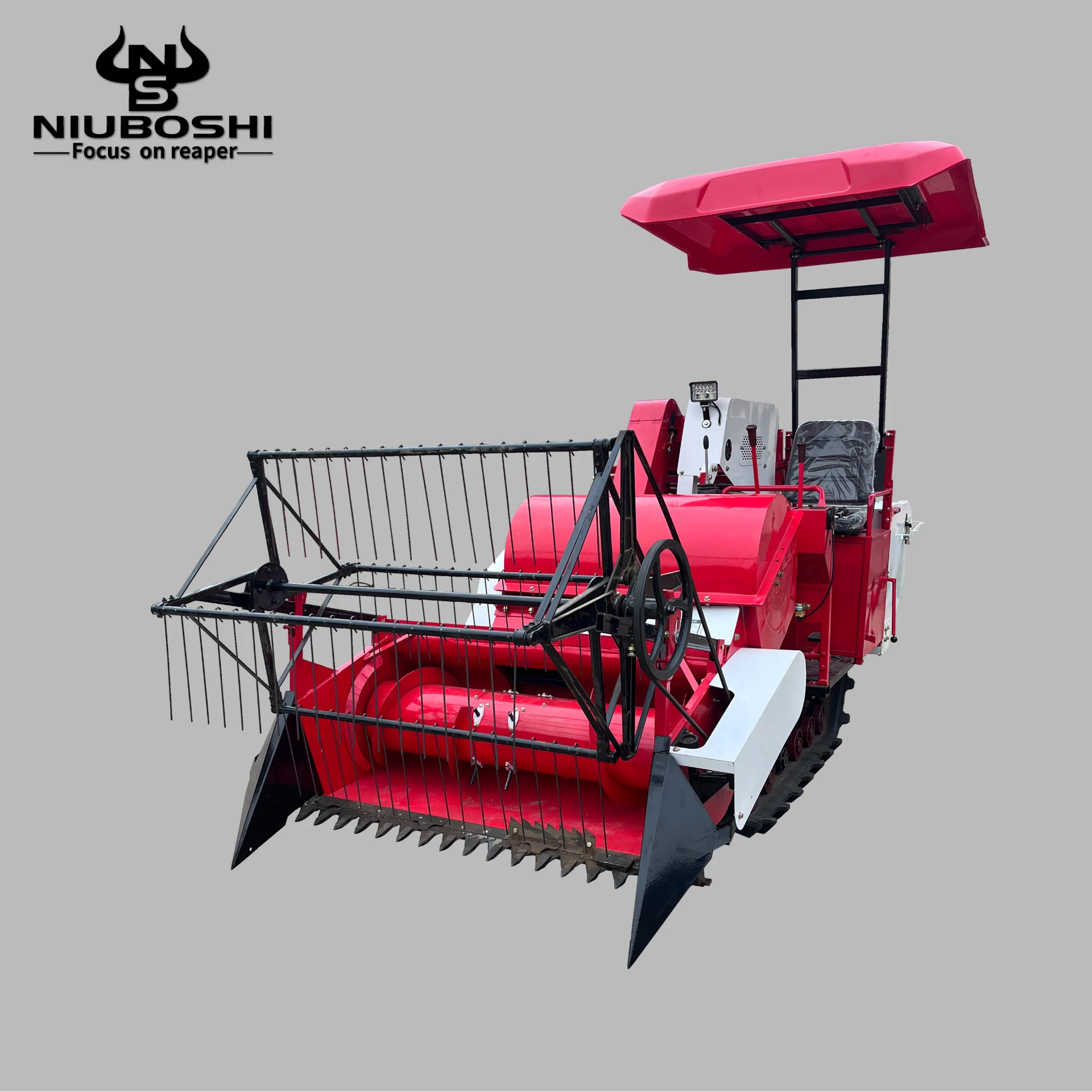
Simply put, a mini combine for sale refers to a smaller, more nimble version of the standard combine harvester. These machines combine multiple harvesting processes — reaping, threshing, and winnowing — into one operation, but on a scale that suits small or marginal farms.
Unlike their larger relatives, mini combines weigh less, consume less fuel, and have a compact design for maneuverability in tighter spaces. They’re a kind of “jack-of-all-trades” device designed to help farmers do more with less — less time, less labor, less land.
Interestingly, their importance goes beyond commercial agriculture. NGOs and international aid agencies also use mini combines in quick deployment programs to support smallholder farmers recovering from disasters or displaced by crises.
Key Features Making Mini Combines Useful
Durability and Build Quality
Many mini combines come built with robust steel frames and corrosion-resistant components, designed to survive tough tropical climates and abrasive dust. For farmers, it’s comforting to own machinery that doesn’t fall apart after one season.
Cost Efficiency
The smaller engine capacities (usually between 15-40 HP) translate into significantly lower fuel use and maintenance expenses. For cash-strapped farmers or cooperatives, this is a huge upside.
Scalability and Versatility
Mini combines tend to handle a variety of cereal crops — wheat, rice, barley — and sometimes even legumes or maize, though specialized add-ons or headers are needed. This flexibility means one machine can serve several crops across seasons.
Ease of Operation
Modern mini combines often feature simplified controls and low operator fatigue design. Given many users are first-time machine operators, an intuitive user experience tends to enhance productivity.
Precision and Reduced Crop Loss
Smaller headers allow for closer attention to field edges and reduce grain loss due to spillage. Given tight profit margins in small-scale agriculture, this is far from a trivial matter.
Mini takeaway:
- Quality construction extends machine life and protects farmer investment.
- Fuel efficiency and versatile crop handling maximize return.
- Operator-friendly control reduces errors and downtime.
Where Mini Combines Shine Worldwide
The regions most hungry for mini combines tend to be in Asia, Africa, and parts of Latin America. Here, farming plots are fragmented, mechanization is underdeveloped, and labor is increasingly scarce.
- Southeast Asia: Countries like Vietnam and the Philippines have adopted compact combines to harvest rice fields that are too hilly or small for full-scale machines.
- Sub-Saharan Africa: In places like Kenya and Nigeria, mini combines are introduced through developmental programs to improve cereal crop productivity.
- Europe: Even in southern European vineyards or orchards, mini harvesters help with specialized tasks that require nimble equipment.
In post-disaster recovery — for example, after floods or droughts — international NGOs sometimes supply mini combines for rapid restoration of local agriculture. This blend of humanitarian aid and technology fosters quick economic revival in vulnerable communities.
What Are the Benefits of Choosing a Mini Combine?
- Cost Savings: Lower capital and running costs allow a wider pool of farmers to mechanize.
- Environmental Sustainability: Reduced fuel consumption and emissions relative to larger machines.
- Social Impact: Increased mechanization lessens labor drudgery, empowers smallholders, and bolsters rural livelihoods.
- Reliability: Less complexity means fewer breakdowns in remote areas without easy repair access.
- Emotional Benefit: Owning dependable machinery boosts farmer confidence and promotes dignity in their work.
Product Specification Table
| Specification | Mini Combine Model A | Mini Combine Model B | Mini Combine Model C |
|---|---|---|---|
| Engine Power | 20 HP | 35 HP | 25 HP |
| Weight | 600 kg | 900 kg | 750 kg |
| Cutting Width | 1.2 meters | 1.8 meters | 1.5 meters |
| Fuel Type | Diesel | Diesel | Petrol |
| Suitable Crops | Rice, Wheat | Wheat, Barley, Maize | Rice, Soybeans |
| Price Range | $5,000 - $7,000 | $8,000 - $10,500 | $6,000 - $8,000 |
Comparing Vendors: What to Look Out For
| Vendor | Warranty | After-Sales Support | Customization Options | Delivery Time |
|---|---|---|---|---|
| AgriMachines Co. | 2 years | 24/7 phone support | Headers, Engine upgrades | 4-6 weeks |
| FarmEquip Ltd. | 1.5 years | Regional service centers | Custom paint & decals | 3-5 weeks |
| HarvestTech | 3 years | Comprehensive training included | Adaptable cutting widths | 6-8 weeks |
Looking Ahead: What’s Next For Mini Combines?
Innovation in mini combines is happening quietly but noticeably. Engineers are experimenting with electric-powered models to reduce emissions and noises, an improvement especially relevant in ecologically sensitive areas. Satellite-aided GPS and IoT integration promise smarter field mapping, better crop yield estimation, and predictive maintenance — yes, tiny combines might soon talk back! Green energy and precision farming together could be the next leap forward, making harvesting even more sustainable and cost-effective.
Policy-wise, governments in Asia and Africa are promoting subsidies and mechanization schemes that increase accessibility, recognizing their role in rural development and climate adaptation.
Challenges and Ways Forward
Mini combines aren’t perfect. Their smaller grain tank capacity means more frequent unloading. Terrain limits remain a challenge in some mountainous or swampy zones. Additionally, spare parts and skilled mechanics can be scarce in remote areas, resulting in downtime or improper repairs.
But solutions are emerging — manufacturers simplify designs to ease maintenance; NGOs organize training sessions; and local entrepreneurs repair and refit machines. In some cases, modular components can be swapped out quickly, keeping downtime to a minimum.
FAQs: Your Mini Combine Queries Answered
Q: How do mini combines compare in efficiency to their larger counterparts?
A: Mini combines usually operate at roughly 50–70% of the throughput of a full-sized harvester but with proportionally less fuel and maintenance costs. They're ideal for small to medium farms where large machines would be inefficient or impractical.
Q: Can mini combines handle different crop types?
A: Most mini combines are versatile enough to harvest cereals like rice, wheat, and barley. However, switching to crops like maize or legumes may require specialized headers or attachments.
Q: Are mini combines easy to maintain?
A: Yes, their simpler mechanics and lower complexity compared to full-sized models make mini combines relatively straightforward to maintain — provided operators adhere to routine checks and have access to basic tools.
Q: What should I consider when buying a mini combine?
A: Key considerations include engine power, header size, fuel type, warranty, after-sales support, and compatibility with crops. Also, consider the terrain and local availability of spare parts.
Q: Is there financing available for smallholder farmers interested in mini combines?
A: Many manufacturers and governments offer leasing, credit schemes, or subsidies for mechanization aimed at smallholder farmers. Checking with local agricultural agencies or NGOs can uncover financing options.
Wrapping Up: The Mini Combine Advantage
In the grand scheme, mini combines may be small, but their impact is mighty. By making mechanized harvesting accessible, efficient, and tailored to smaller farms, they contribute to sustainable agriculture, food security, and farmer livelihoods globally. If you’re considering investing in a mini combine for sale, you’re not just buying a machine — you’re planting a seed for future productivity and economic growth.
Curious to explore your options? Head to our website to see the latest models and offers!
Key Takeaway:
Mini combines pack versatility, affordability, and reliability into one neat package — ideal for the evolving face of small-scale agriculture worldwide.
References:
Latest news
-
Maximize Harvest Efficiency with the Agro Reaper Binder MachineNewsApr.16,2026
-
Boost Harvest Efficiency with the Best Agriculture Reaper MachineNewsApr.09,2026
-
Revolutionizing Agriculture with the Efficient Agriculture Power ReaperNewsApr.07,2026
-
Comprehensive Guide to the 4 Wheel Reaper Binder for Efficient HarvestingNewsApr.04,2026
-
Comprehensive Guide to Reaperbinder Technology for Efficient Hay and Crop HarvestingNewsMar.31,2026
-
Mastering the Art of Reaper Cutting for Enhanced Agricultural EfficiencyNewsMar.28,2026