Small Harvester Machine – Compact Solutions for Global Agriculture Efficiency
The Role of Small Harvester Machines in Modern Agriculture and Beyond
Small harvester machines might sound like niche farm equipment, but they have become quietly pivotal on a global scale. These compact, efficient machines solve many problems that large harvesters simply can’t address — from the cramped terraces of Southeast Asia to the scattered plots in Africa's emerging farming hubs. Understanding them unlocks benefits in food security, sustainable farming, and even humanitarian relief. Let's explore why this seemingly modest gadget matters so much, and how the innovations around it could shape agriculture for decades.
Why Small Harvester Machines Matter Globally
Globally, agriculture accounts for nearly 28% of employment and supports over 2.5 billion people worldwide according to the International Labour Organization (ILO, 2022). Yet, smallholder farmers often still rely on manual harvesting — which is labor-intensive, inconsistent, and slow. The rise of small harvester machines is addressing this with versatility and affordability.
Consider this: UN FAO reports that food losses during harvesting can reach up to 15-20% in developing countries. Small harvesters help reduce this by improving efficiency and reducing crop damage. This has a huge ripple effect on global food security, climate impact, and rural economies. But despite their importance, many small-scale farmers remain underserved by large agri-tech solutions — which is exactly where these machines shine.
Mini takeaway: Small harvester machines are compact heroes reducing post-harvest losses and empowering smallholders worldwide.
What Exactly Is a Small Harvester Machine?
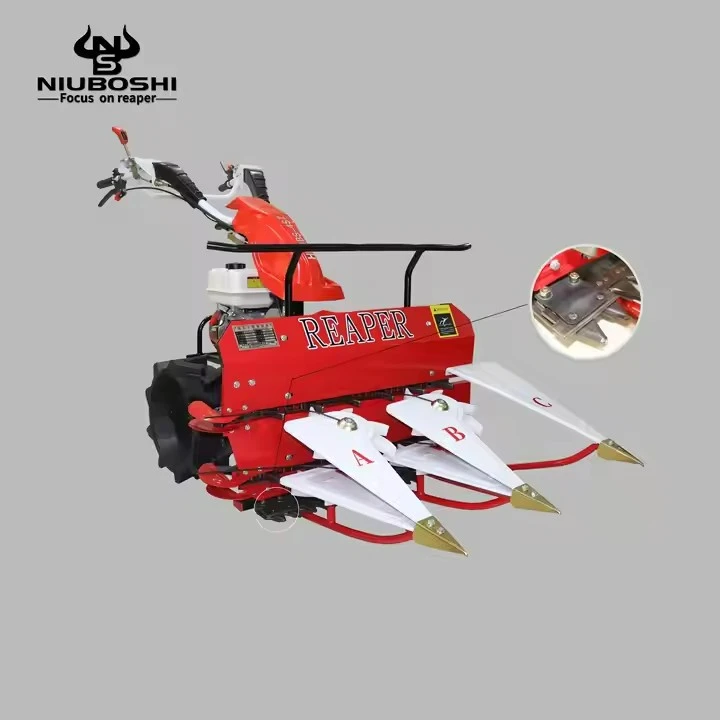
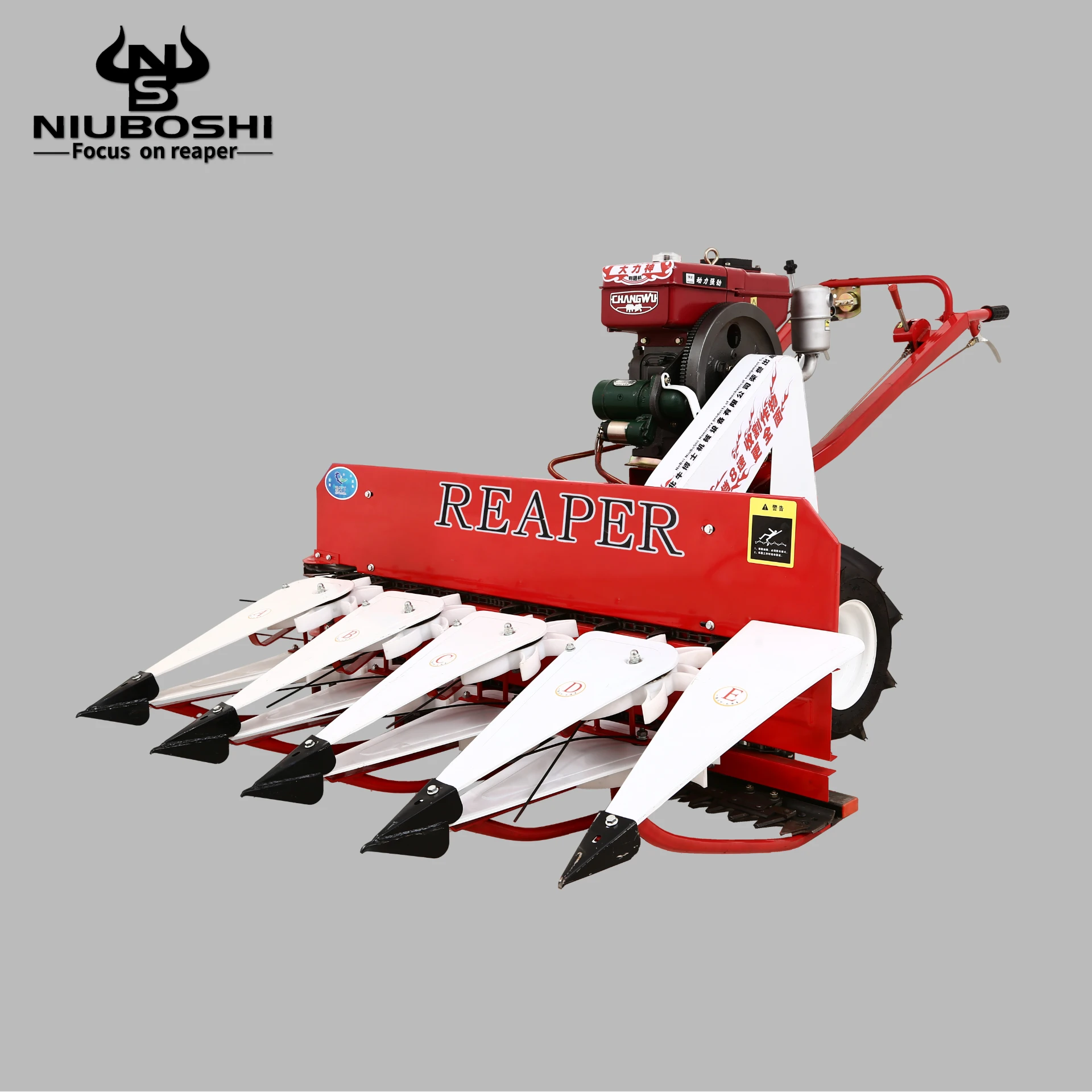
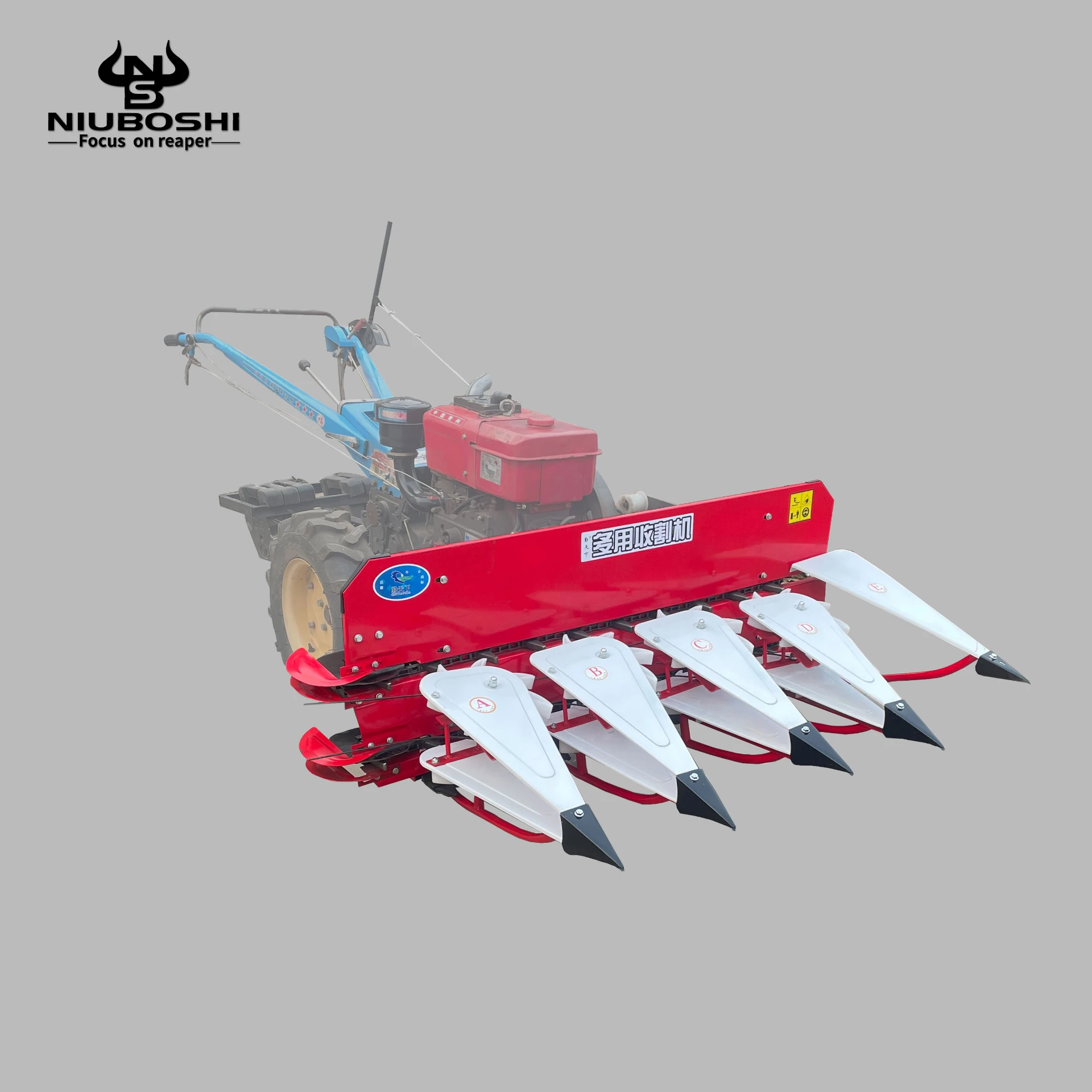
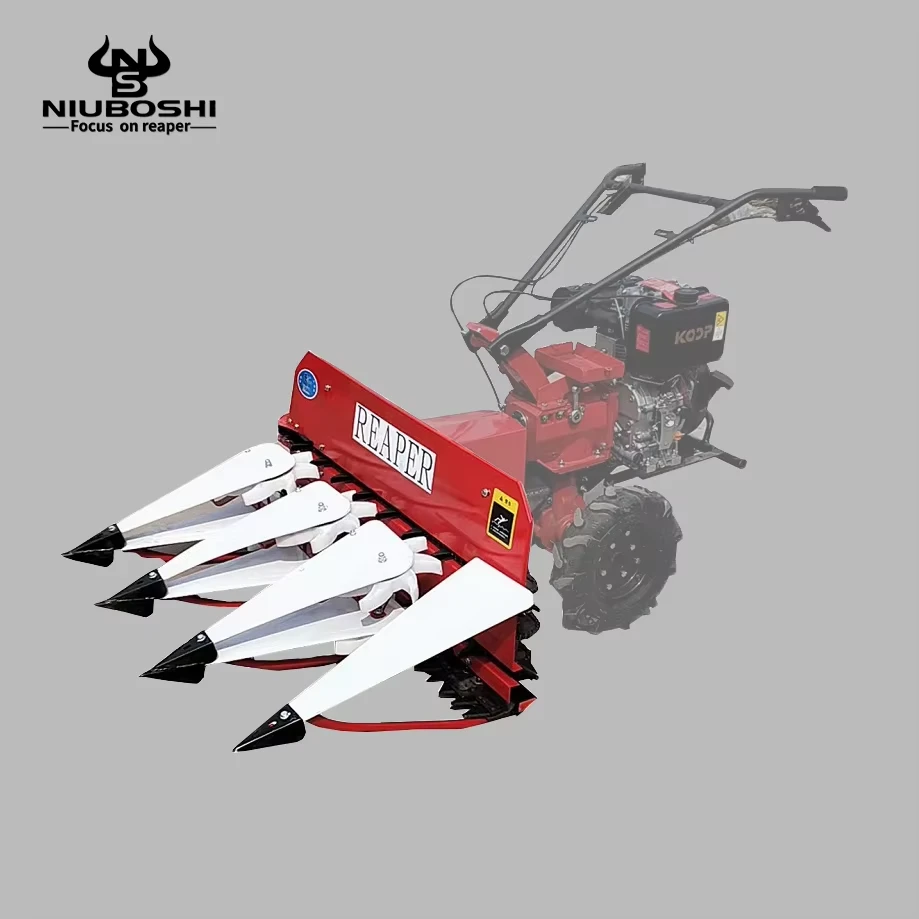
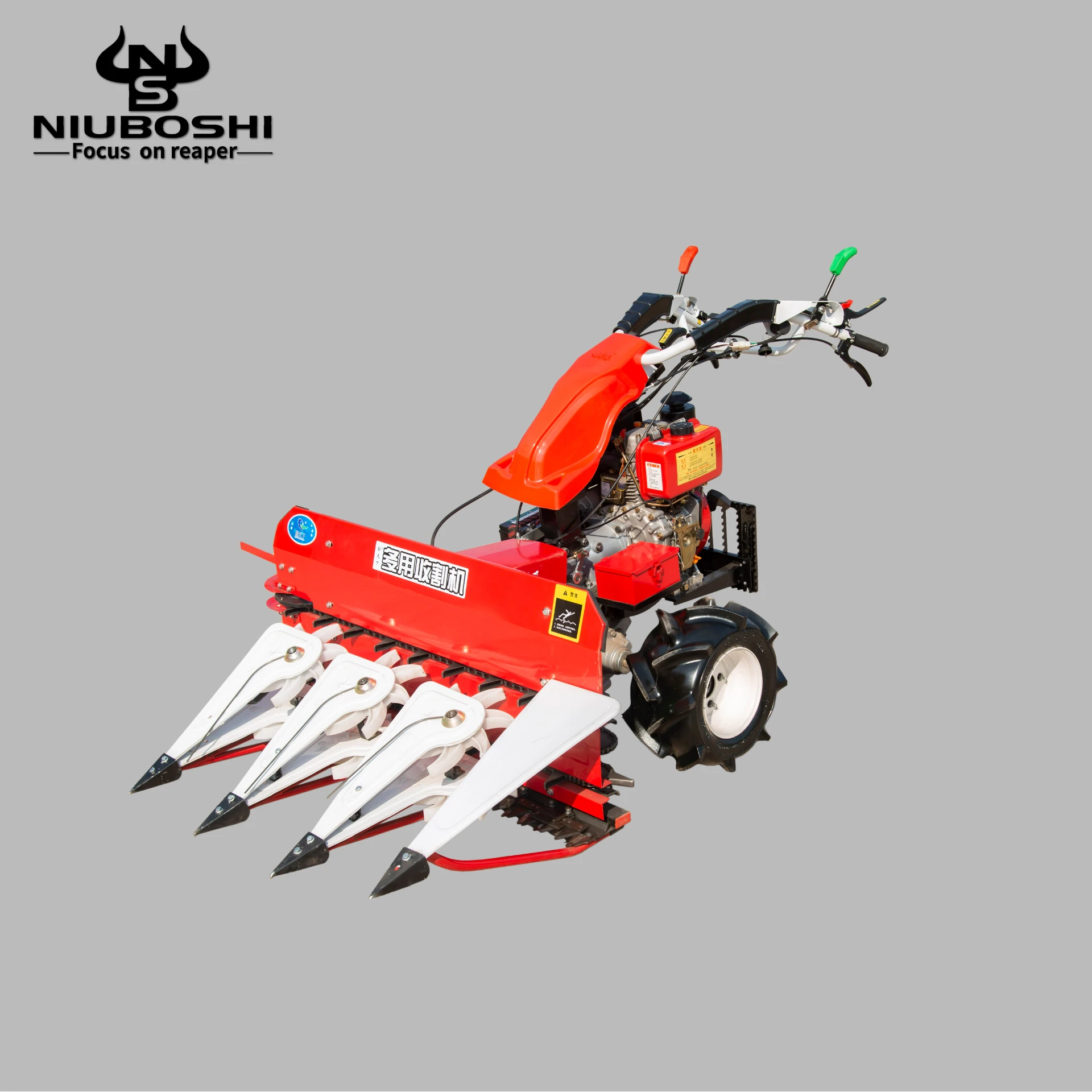
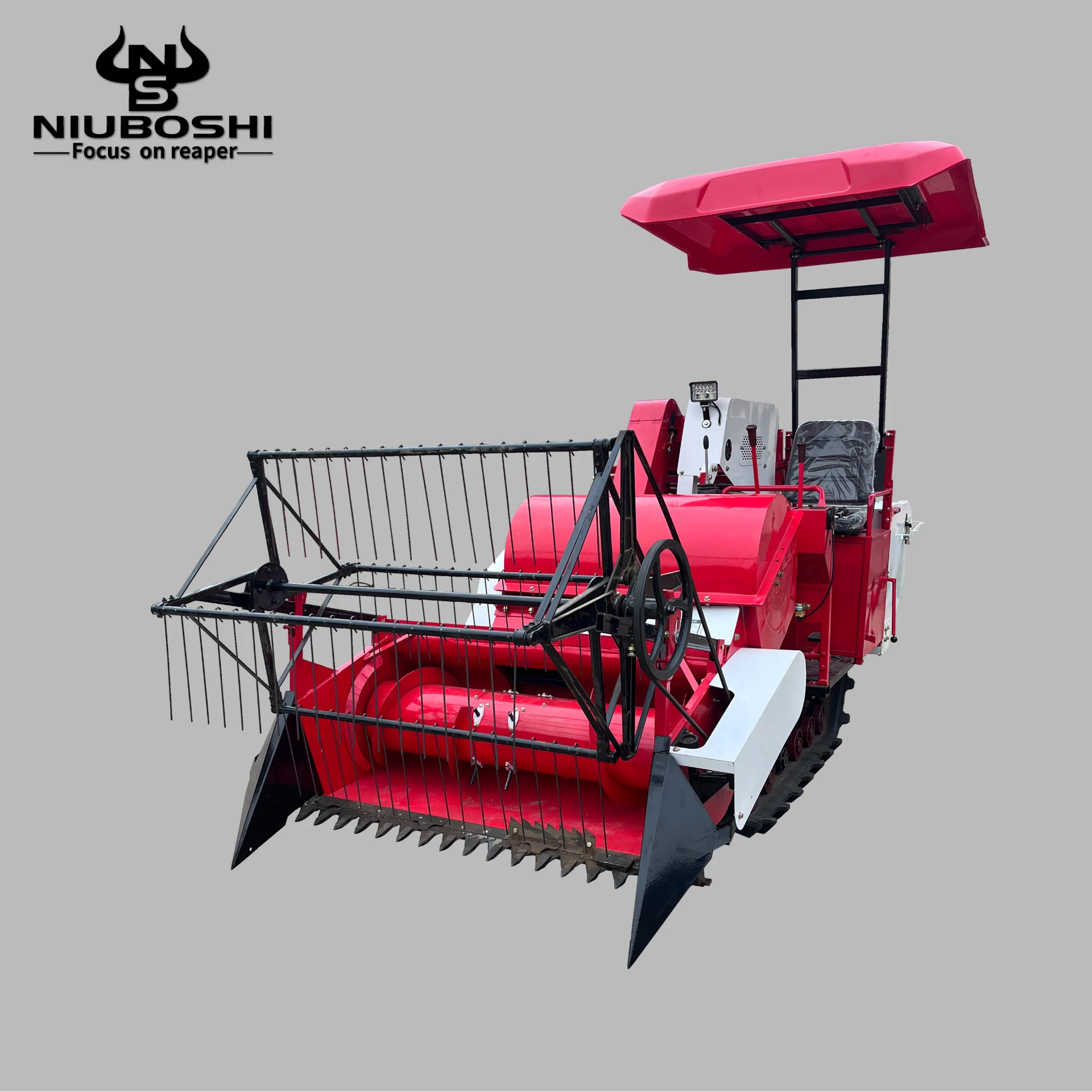
At its core, a small harvester machine is a mechanized tool designed to automate the harvesting process on a small to medium scale. Unlike massive combine harvesters, these machines are lightweight, maneuverable, and fit to smaller plots or difficult terrain.
Typically, “small” refers to devices with operational widths under 1.5 meters and engine powers ranging from 5 to 25 horsepower. They can harvest grains, rice, maize, and other cereal crops efficiently. In many regions, they double as multi-purpose machines that also aid planting and threshing, making them cost-effective for small-scale farmers or cooperatives.
Interestingly, beyond agriculture, small harvester machines have found use in humanitarian logistics, especially during post-disaster recovery where swift food production can be vital.
Core Components That Make Small Harvester Machines Tick
1. Durability and Build Quality
These machines must endure harsh field conditions—muddy paddies, rocky hills, uneven ground. Manufacturers often use reinforced steel frames, corrosion-resistant coatings, and rugged plastic to deliver long equipment lifespans with minimal maintenance.
2. Fuel Efficiency and Engine Type
Many small harvesters run on diesel or petrol, but increasingly, electric or hybrid models are emerging. The goal? To reduce operating costs and emissions, aligning with the UN’s Sustainable Development Goals (SDGs).
3. Scalability & Adaptability
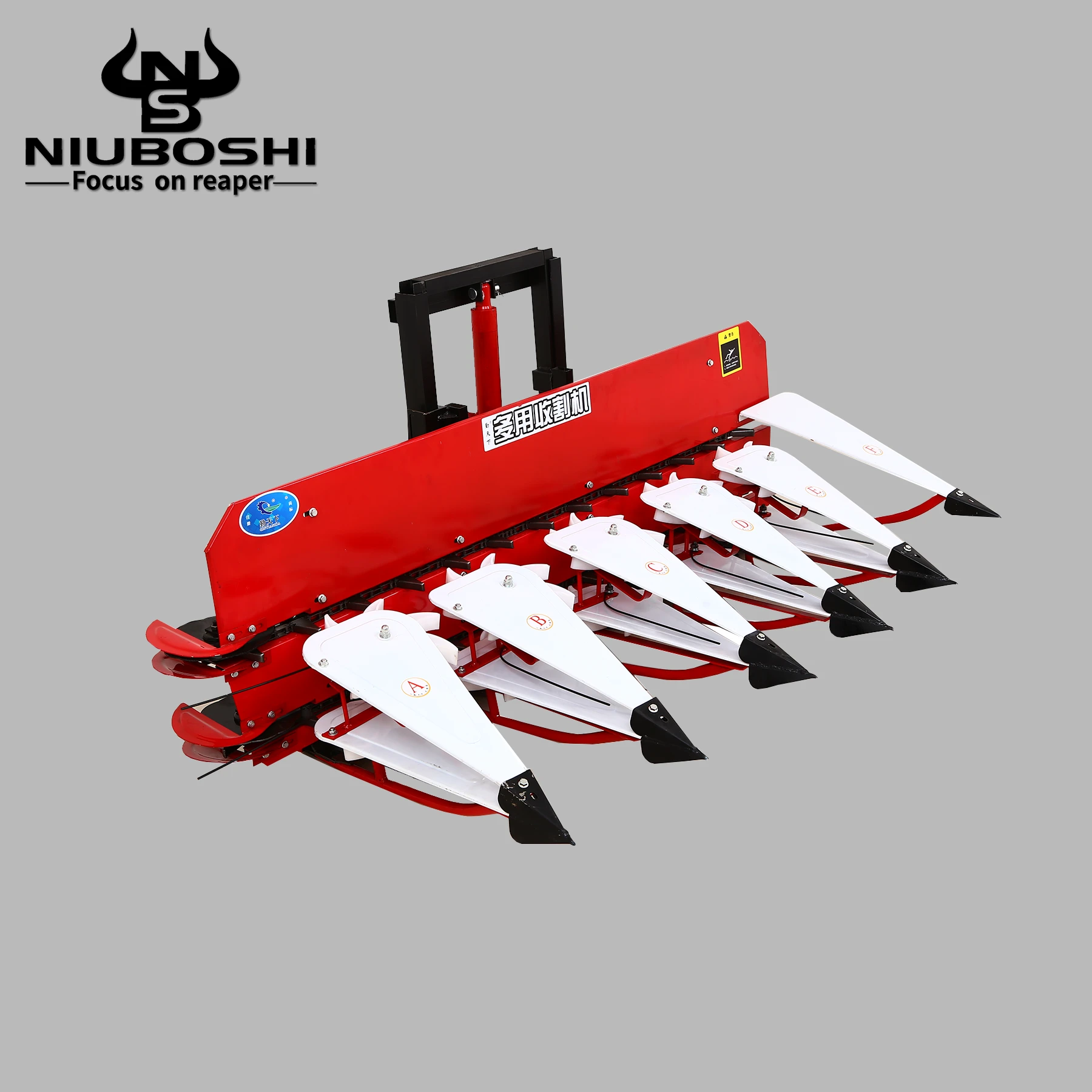
The ability to attach different modules—for example, different header sizes or threshing units—means these machines can be customized for various crops and workload scales. This modularity makes them extremely popular with diverse agricultural practices worldwide.
4. Ease of Use & Maintenance
Often operated by individual farmers with limited technical skills, small harvester machines are designed with intuitive controls and accessible maintenance points. This keeps downtime low and productivity high.
5. Cost Efficiency
Compared to large industrial harvesters that can cost over $100,000, small versions often range from $3,000 to $15,000, making them a sound investment for smallholders while offering great returns through labor savings.
Mini takeaway: The blend of toughness, efficiency, and practicality makes small harvester machines a versatile choice across terrains and users.
Small Harvester Machines in Action Around the World
Their global footprint is remarkable. In Southeast Asia, for instance, small rice harvesters have revolutionized production in flooded paddy fields. Vietnamese farmers, who used to spend days manually harvesting, now complete fields in hours.
In sub-Saharan Africa, NGOs partner with local cooperatives to provide these machines, helping communities boost food output and create jobs. The small harvester machine has even been instrumental after natural disasters, where rapid harvesting aids in relief efforts by stabilizing food supplies quickly.
In developed nations, the machinery is used in personal estates or smaller organic farms, where full-sized harvesters are impractical or would damage delicate crop layouts.
Advantages & Long-Term Value of Small Harvester Machines
- Cost Savings: Reduced manual labor means time is money saved.
- Sustainability: Efficient fuel use and less soil compaction preserve the environment.
- Social Impact: Empowerment for small farmers and rural employment.
- Reliability: Designed for tough conditions, they offer consistent performance.
- Safety & Dignity: Less backbreaking work and safer for farmers.
Frankly, the emotional reward for farmers — seeing harvests come in faster and safer — gives these machines a special place in farming communities’ hearts.
Looking Ahead: Innovations Shaping the Future of Small Harvester Machines
Automation, green energy, and connectivity are transforming these tools. Solar-powered models reduce dependency on fossil fuels. Integration with IoT sensors allows farmers to monitor machine health and field conditions remotely, optimizing performance. AI-driven guidance systems are starting to appear, helping even novice operators harvest with precision.
Apart from tech, policies encouraging affordable rural financing and subsidies are pushing adoption globally, especially in areas struggling with labor shortages.
Common Challenges and How Experts are Tackling Them
Some hurdles remain — like the need for maintenance infrastructure in remote farms, or the upfront cost barrier for the poorest farmers. Plus, adapting machines perfectly to diverse smallholder farms is an ongoing engineering puzzle.
Innovations such as community-based machine-sharing schemes and localized service hubs help solve these. Training programs and locally sourced parts further reduce bottlenecks.
Product Specification Table
| Specification | Model A | Model B | Model C |
|---|---|---|---|
| Engine Power | 10 HP Diesel | 12 HP Petrol | Electric 8 kW |
| Cutting Width | 1.2 m | 1.4 m | 1.0 m |
| Weight | 320 kg | 350 kg | 280 kg |
| Fuel Efficiency | 5 L/hr | 6 L/hr | N/A (electric) |
| Price Range | $6,000 - $7,500 | $7,000 - $8,200 | $8,000 - $9,000 |
Vendor Comparison: Choosing the Right Small Harvester Machine Supplier
| Vendor | Price Range | Warranty | After-Sales Support | Global Reach |
|---|---|---|---|---|
| AgriHarvest Co. | $5,000 - $9,000 | 1 year | Limited | Asia, Africa |
| GreenFields Ltd. | $6,500 - $10,000 | 2 years | Extensive, 24/7 | Global |
| FarmTech Solutions | $4,500 - $8,000 | 1.5 years | Moderate | Africa, South America |
FAQ: Frequently Asked Questions About Small Harvester Machines
Q1: How suitable is a small harvester machine for uneven, terraced fields?
A1: Small harvesters are often specifically engineered for challenging terrains. Their lightweight design and adjustable cutting widths allow them to navigate slopes and terraces better than larger machines, reducing soil damage and ensuring thorough harvests.
Q2: What maintenance is required for these machines in remote areas?
A2: Regular cleaning, oiling, and inspection of belts and blades are vital. Many vendors provide simple maintenance guides. Also, community training sessions and localized repair hubs greatly reduce downtime in remote zones.
Q3: Can these machines handle crops other than cereals?
A3: Most small harvesters are modular, so with the right attachments, they can be adapted to crops like legumes or even certain root vegetables, though their efficiency depends on machine design.
Q4: Are electric small harvester machines really viable for rural communities?
A4: While adoption is growing, electric models require stable electricity or solar charging systems, which might limit use in some rural zones. However, they greatly reduce emissions and noise, making them attractive where infrastructure supports them.
Q5: How easy is it to import small harvester machines for NGOs working overseas?
A5: Importing depends on local regulations and trade agreements. NGOs usually work through trusted vendors familiar with export logistics. Many suppliers offer turnkey solutions including shipping, customs, and training.
Conclusion: Why the Small Harvester Machine Is a Big Deal
While it might be easy to overlook smaller agricultural tools in a world chasing big tech, the small harvester machine is proof that size isn’t everything. These machines combine affordability, versatility, and innovation, delivering impactful change to millions of farmers. They reduce labor burdens, cut post-harvest losses, and promote sustainability. If you’re interested in exploring more about how these machines can power your agricultural efforts or community projects, visit our website to dive into options tailored for you.
It really feels like we’re living in a pivotal moment — where smart tools meet real-world needs and bring hope with every harvest...
References
Latest news
-
Maximize Harvest Efficiency with the Agro Reaper Binder MachineNewsApr.16,2026
-
Boost Harvest Efficiency with the Best Agriculture Reaper MachineNewsApr.09,2026
-
Revolutionizing Agriculture with the Efficient Agriculture Power ReaperNewsApr.07,2026
-
Comprehensive Guide to the 4 Wheel Reaper Binder for Efficient HarvestingNewsApr.04,2026
-
Comprehensive Guide to Reaperbinder Technology for Efficient Hay and Crop HarvestingNewsMar.31,2026
-
Mastering the Art of Reaper Cutting for Enhanced Agricultural EfficiencyNewsMar.28,2026