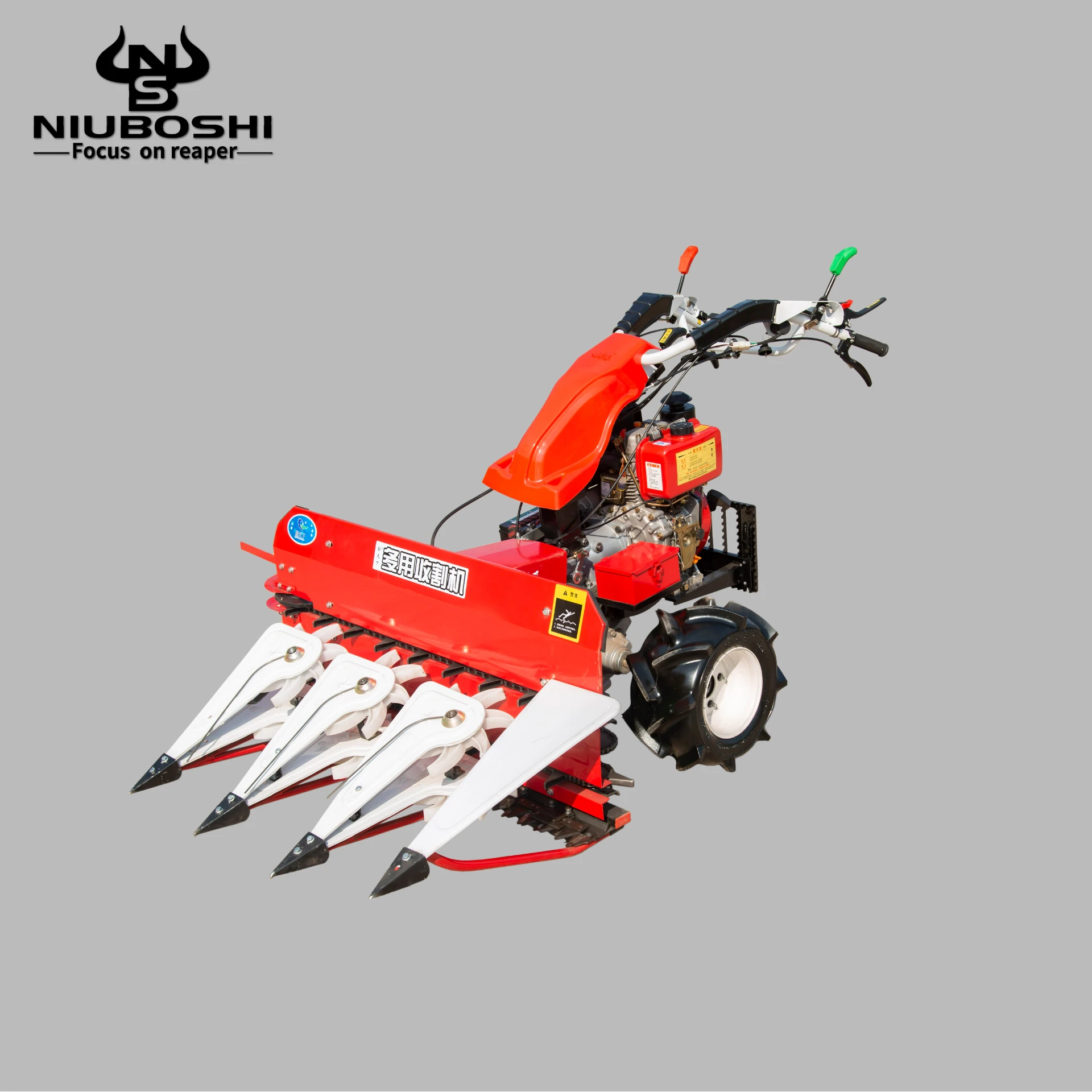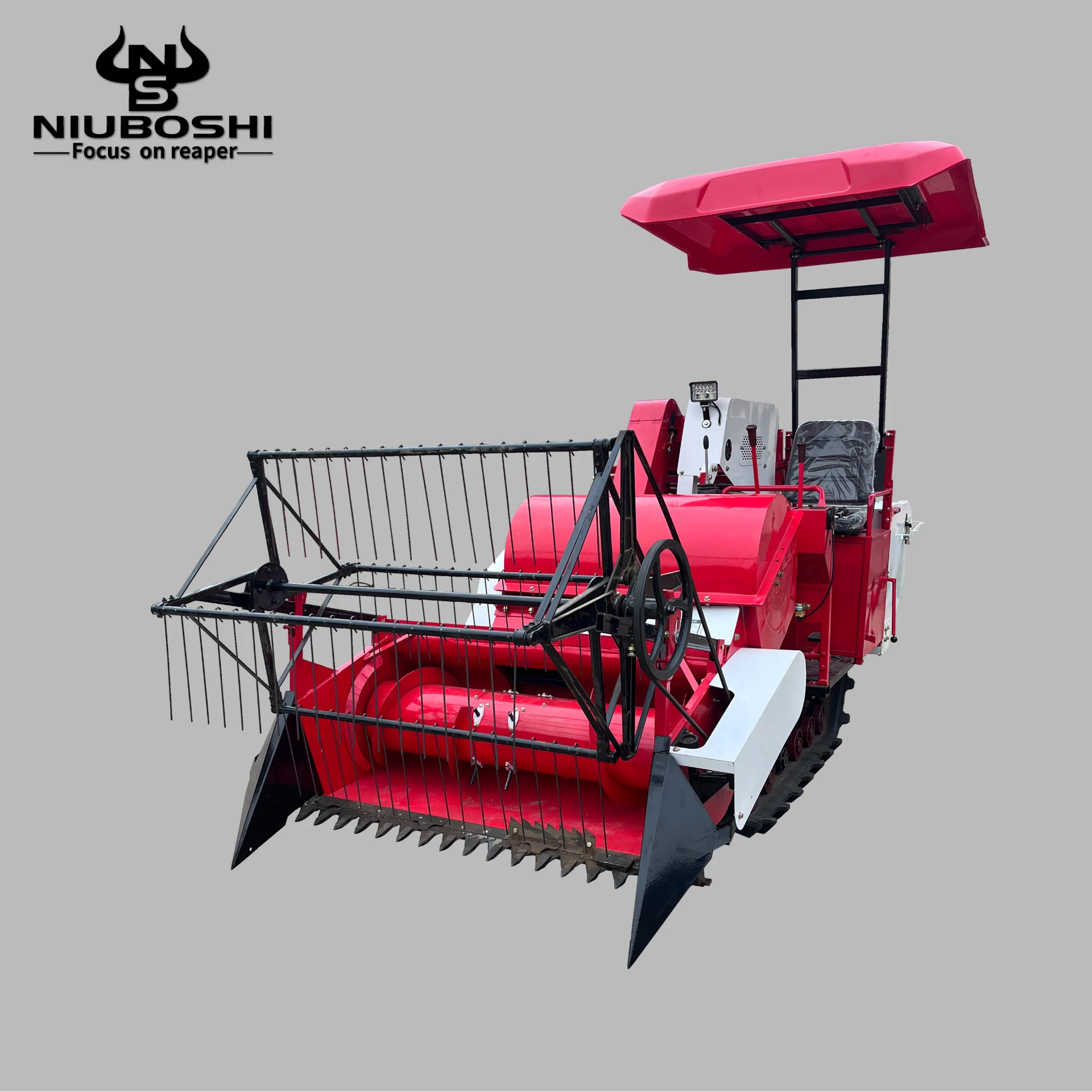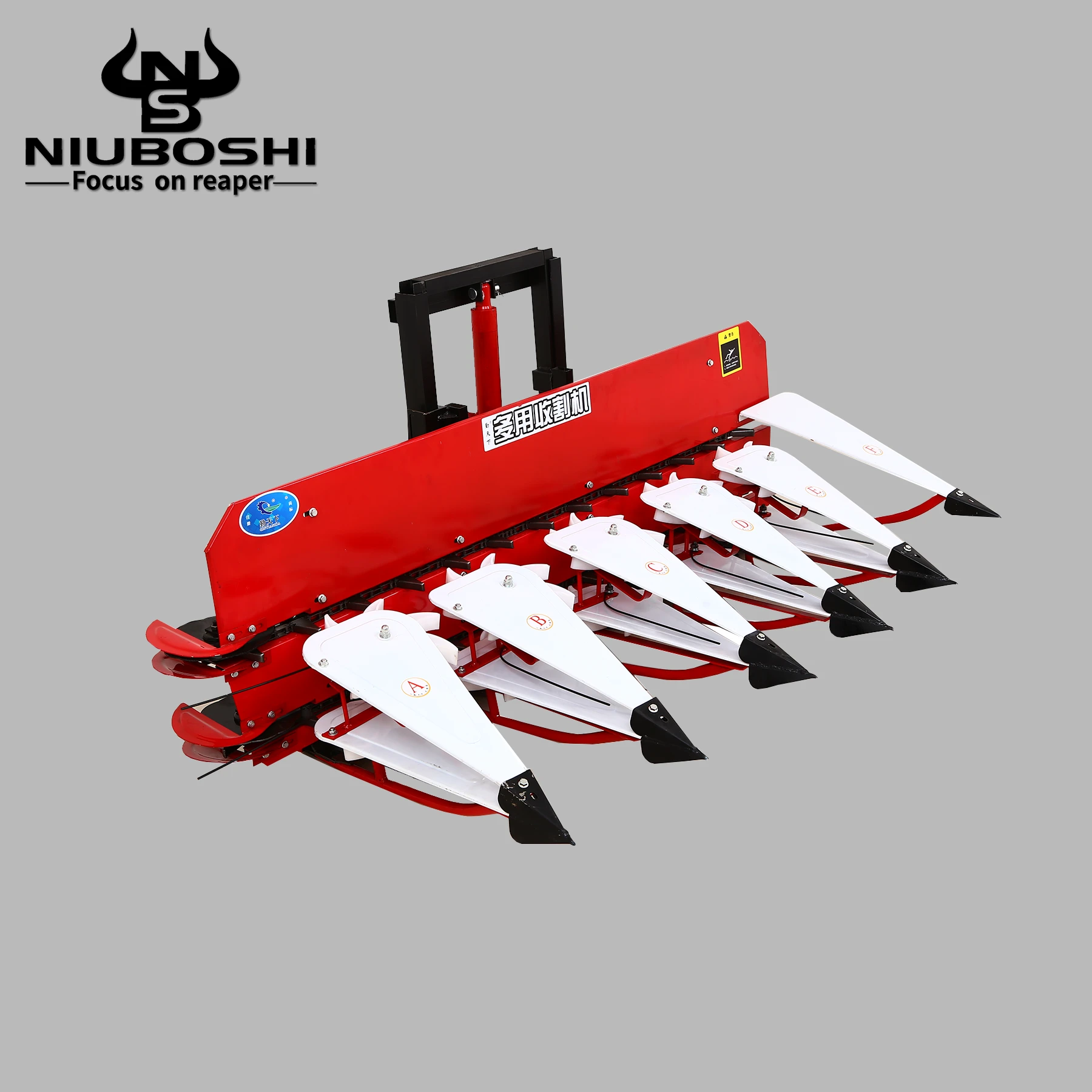
Reliable Mini Corn Combine Options for Efficient Small-Scale Harvesting
Why the mini corn combine is Gaining Ground in Modern Farming
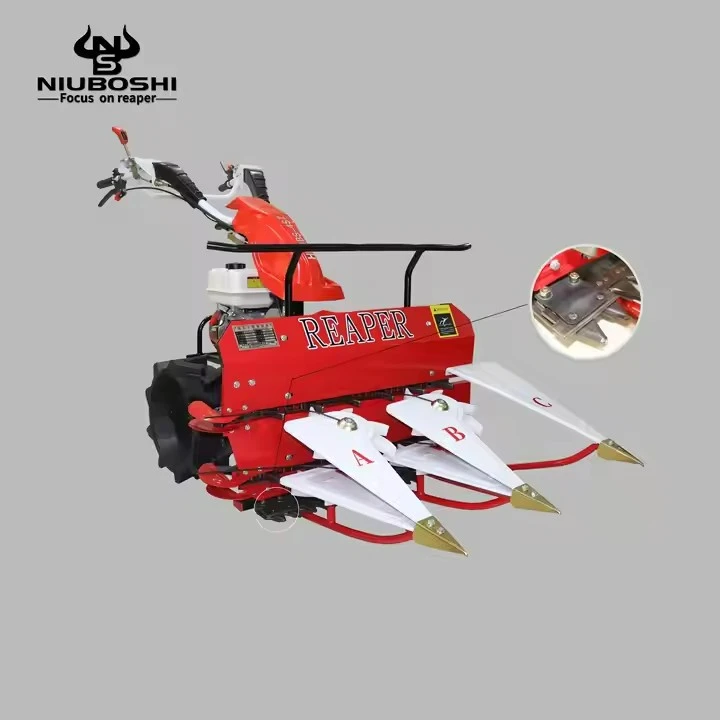
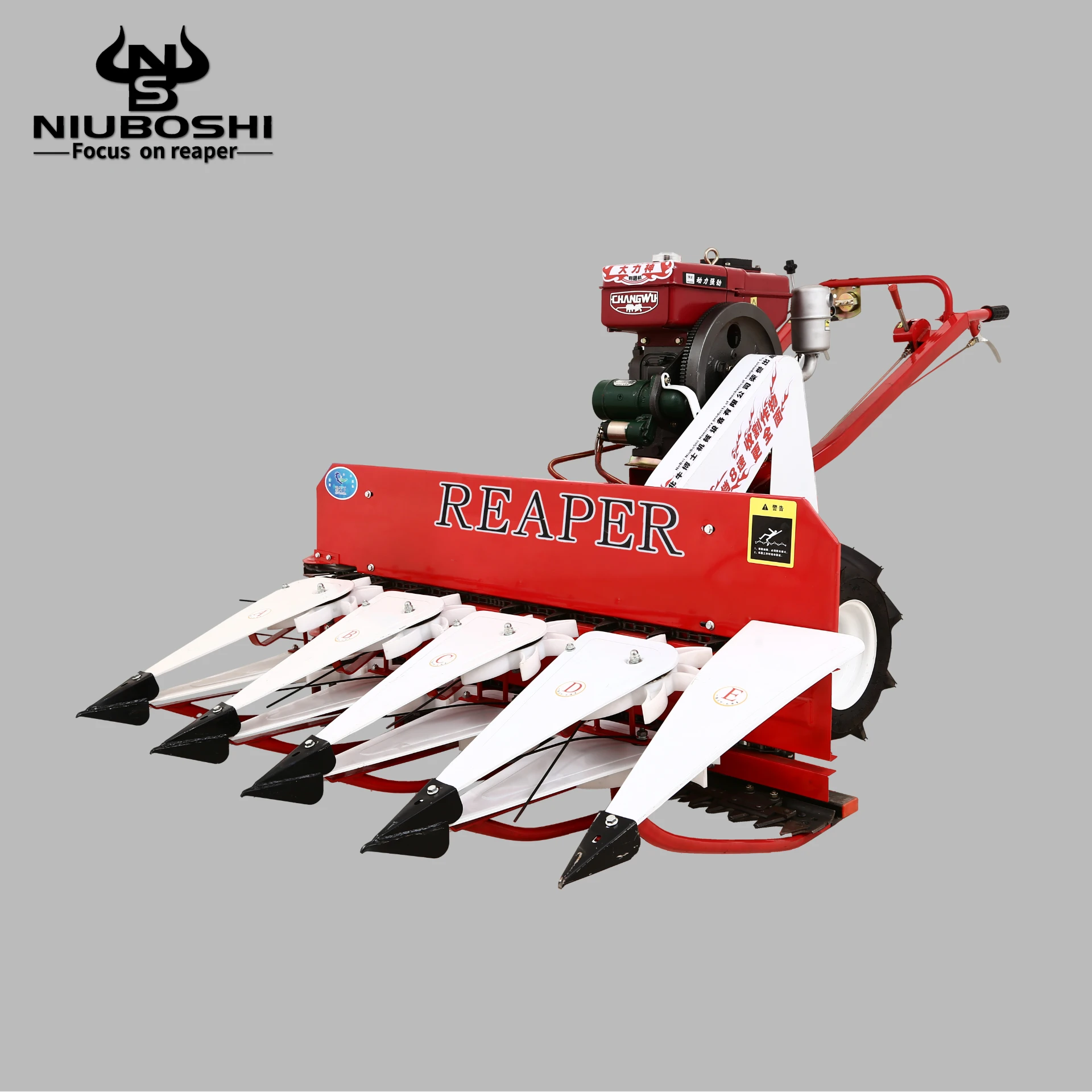
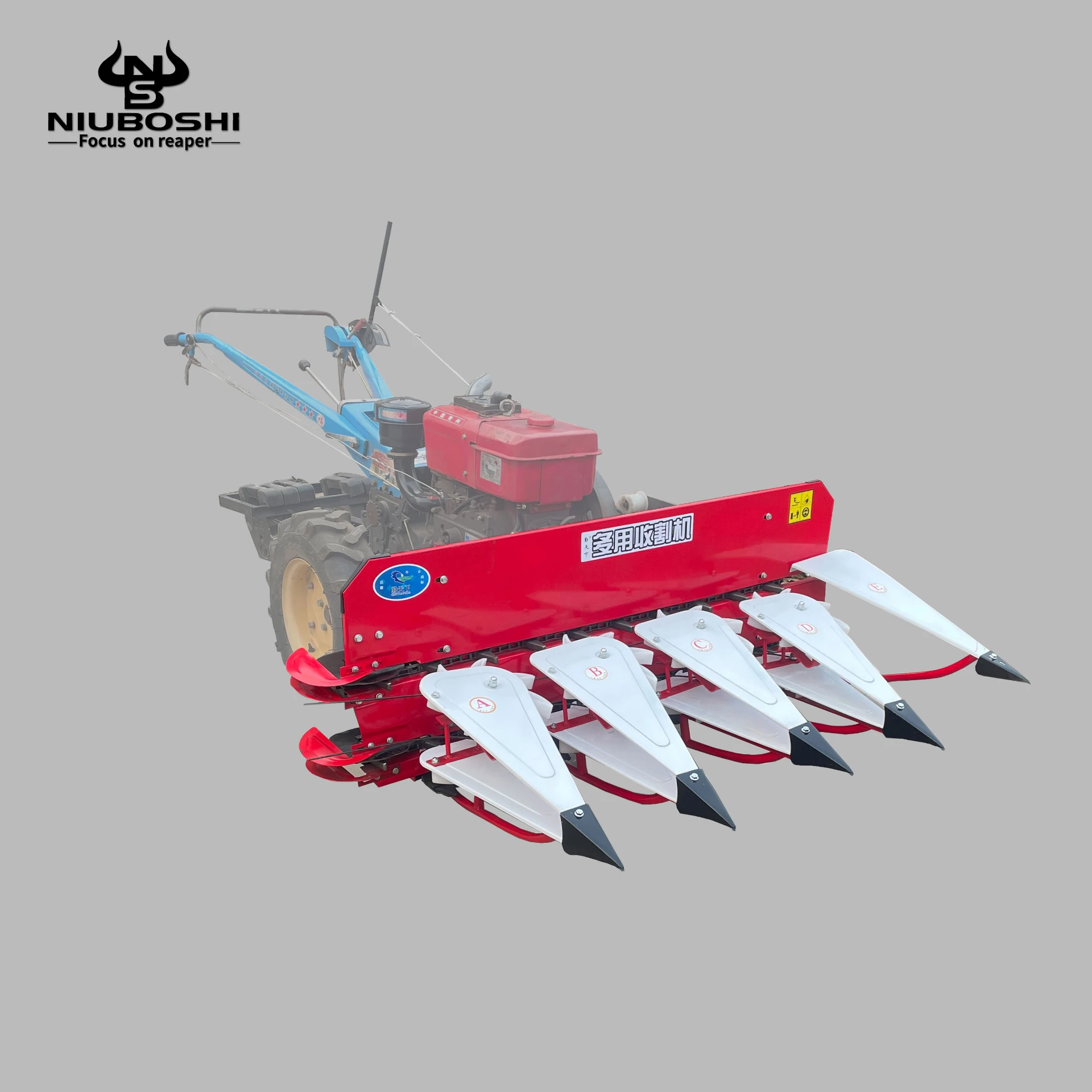
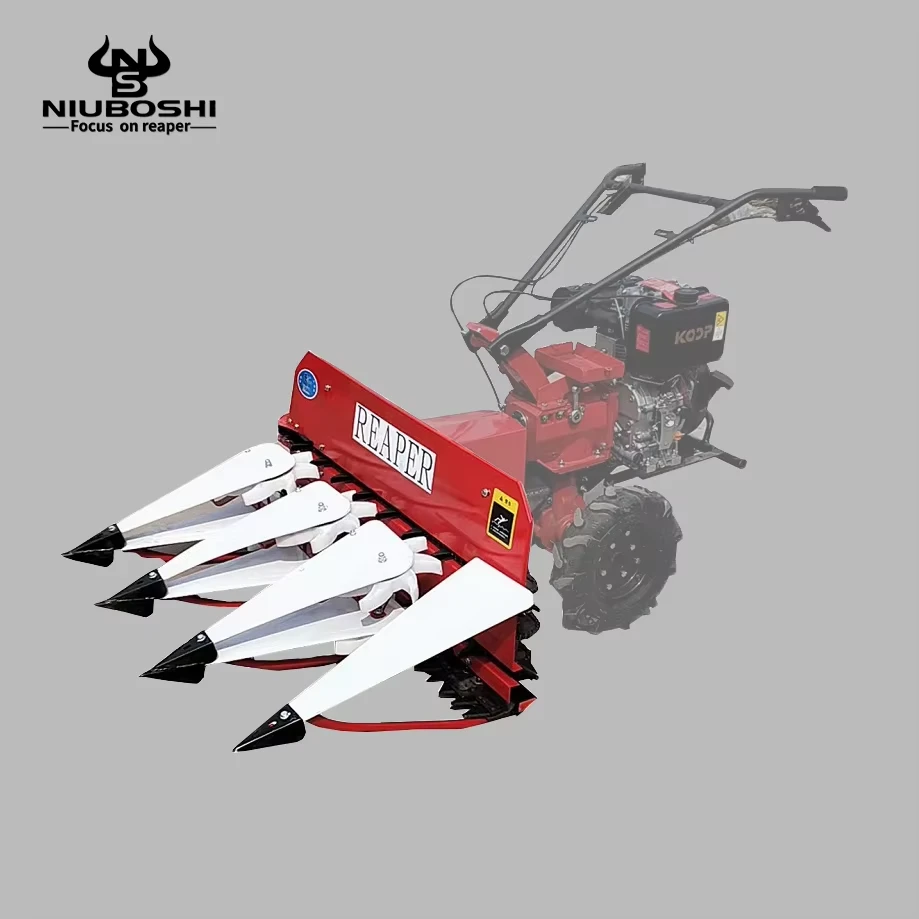
Having spent over a decade fiddling with industrial farming equipment, I can confidently say: the mini corn combine is one of those innovations that quietly changes the game. It's not flashy, like some massive machinery you see sprawling across fields, but it sure packs a punch when it comes to flexibility and efficiency — especially for smaller farms or specialized plots.
Oddly enough, I've noticed a growing trend toward downsized yet highly capable combines. It’s partly driven by the rising interest in sustainable farming and partly by sheer economics: not every operation needs a tractor-sized monster. Sometimes, a compact, nimble machine like these mini corn combines hits the sweet spot.
Key Features of Mini Corn Combines
| Specification | Details |
|---|---|
| Engine Power | 18-28 HP Diesel |
| Harvesting Capacity | 0.5 - 1.5 tons/hour |
| Weight | 700 - 900 kg |
| Dimensions (L×W×H) | 2500×1400×1500 mm |
| Fuel Tank Capacity | 20 liters |
| Suitable Crop | Corn, maize |
In real terms, what stands out is the machine’s balance between power and portability. It’s light enough to maneuver through tight rows and smaller fields, but robust enough to harvest efficiently without constant breakdowns. The diesel engine feels reliable — and that’s coming from lots of hours of fieldwork when reliability is king.
Vendor Comparison: Finding the Right Mini Corn Combine
| Brand | Engine (HP) | Harvesting Capacity | Weight (kg) | Estimated Price (USD) |
|---|---|---|---|---|
| Niuboshi | 20 | 1.2 ton/hr | 800 | $5,200 |
| AgroLite | 18 | 0.9 ton/hr | 750 | $4,800 |
| FieldPro | 28 | 1.5 ton/hr | 900 | $6,150 |
I've worked with a few brands over the years, but I must admit, Niuboshi stands out. Their mini corn combine is a solid middle ground — not too heavy, decent power, and quite affordable given its specs. Plus, their customization options make it easy to tailor the machine to specific farm needs. That kind of flexibility is a huge plus, especially if you’re dealing with irregular terrain or mixed crop patterns.
One farmer I know switched to a Niuboshi mini combine last season after struggling with a bulky model that wasn’t cutting it on his small plots. His harvest times halved, and he told me he saved significantly on fuel and maintenance. Stories like that make me think this isn’t just a fancy gadget — it’s a practical machine with real field-tested value.
Design & Durability: What to Expect
The build quality? Frankly, it’s impressive. The chassis uses a welded steel frame that feels durable but not over-engineered — kind of like the perfect balance between toughness and weight savings. Many engineers say this allows easier repairs on site without specialized tools, which aligns with what I’ve seen in the field.
Tested extensively under various conditions — from humid southern fields to dusty plains — these mini combines tend to hold up well. I suppose that’s partly thanks to the simpler mechanical design, fewer electronic parts to fiddle with, and ease of maintenance. You don't get overwhelmed with complex diagnostics, which in some cases is a relief, trust me.
Final Thoughts
In the end, while mega-machines will always have their place in industrial agriculture, the mini corn combine offers something refreshingly straightforward for the modern small-to-mid scale farmer. Efficient, flexible, and built to last — it’s a smart invest for those who want to maximize yield without overcommitting resources.
I'll be keeping an eye on how these evolve, especially as new materials and tech get introduced. But right now? If I had a modest corn operation, this would definitely be in my shortlist.
References:
- Industry reports on small-scale harvest equipment, AgriTech Journal, 2023
- Manufacturer specification sheets for Niuboshi and competitors
- Field interviews with independent farmers, 2022–2023
Latest news
-
Maximize Harvest Efficiency with the Agro Reaper Binder MachineNewsApr.16,2026
-
Boost Harvest Efficiency with the Best Agriculture Reaper MachineNewsApr.09,2026
-
Revolutionizing Agriculture with the Efficient Agriculture Power ReaperNewsApr.07,2026
-
Comprehensive Guide to the 4 Wheel Reaper Binder for Efficient HarvestingNewsApr.04,2026
-
Comprehensive Guide to Reaperbinder Technology for Efficient Hay and Crop HarvestingNewsMar.31,2026
-
Mastering the Art of Reaper Cutting for Enhanced Agricultural EfficiencyNewsMar.28,2026