Mini Corn Harvesting Machine - Affordable & Efficient Small-Scale Corn Harvesters
The Quiet Revolution of the Mini Corn Harvesting Machine
If you spend any time thinking about small-scale farming or agricultural machinery, then chances are you’ve heard about the mini corn harvesting machine. It might not grab headlines like the latest tractor, but these nifty devices play a surprisingly big role worldwide. Why? Because they introduce a manageable, affordable, and efficient way to harvest corn, especially in regions where large machinery is either impractical or outright impossible.
Globally, corn is one of the most widely grown crops, feeding billions directly and indirectly. According to the Food and Agriculture Organization (FAO), nearly 1.2 billion tons of corn were produced globally in 2022, and it’s no secret that harvesting efficiently at every scale remains a huge challenge. The mini corn harvesting machine fills a vital gap: smaller footprint, more accessible to family farms and developing nations, and sometimes a key factor in food security and economic livelihood.
Why Mini Corn Harvesters Matter in Global Agriculture
The global corn industry generates massive economic and nutritional value—from the American Midwest to smallholder farms in Asia and Africa. Yet, a staggering number of farmers still harvest manually or with inadequate tools, often due to financial or logistical constraints. Even the FAO stresses mechanization as a critical path to improving yield and livelihoods.
Mini corn harvesting machines answer this by offering a manageable, reliable alternative. They help reduce labor intensity and losses during harvest, two factors that can severely affect a farmer’s bottom line and food supply in fragile economies. They are often compact, lightweight, and relatively inexpensive — perfect for areas where large, costly combines just can’t make it.
Understanding the Mini Corn Harvesting Machine
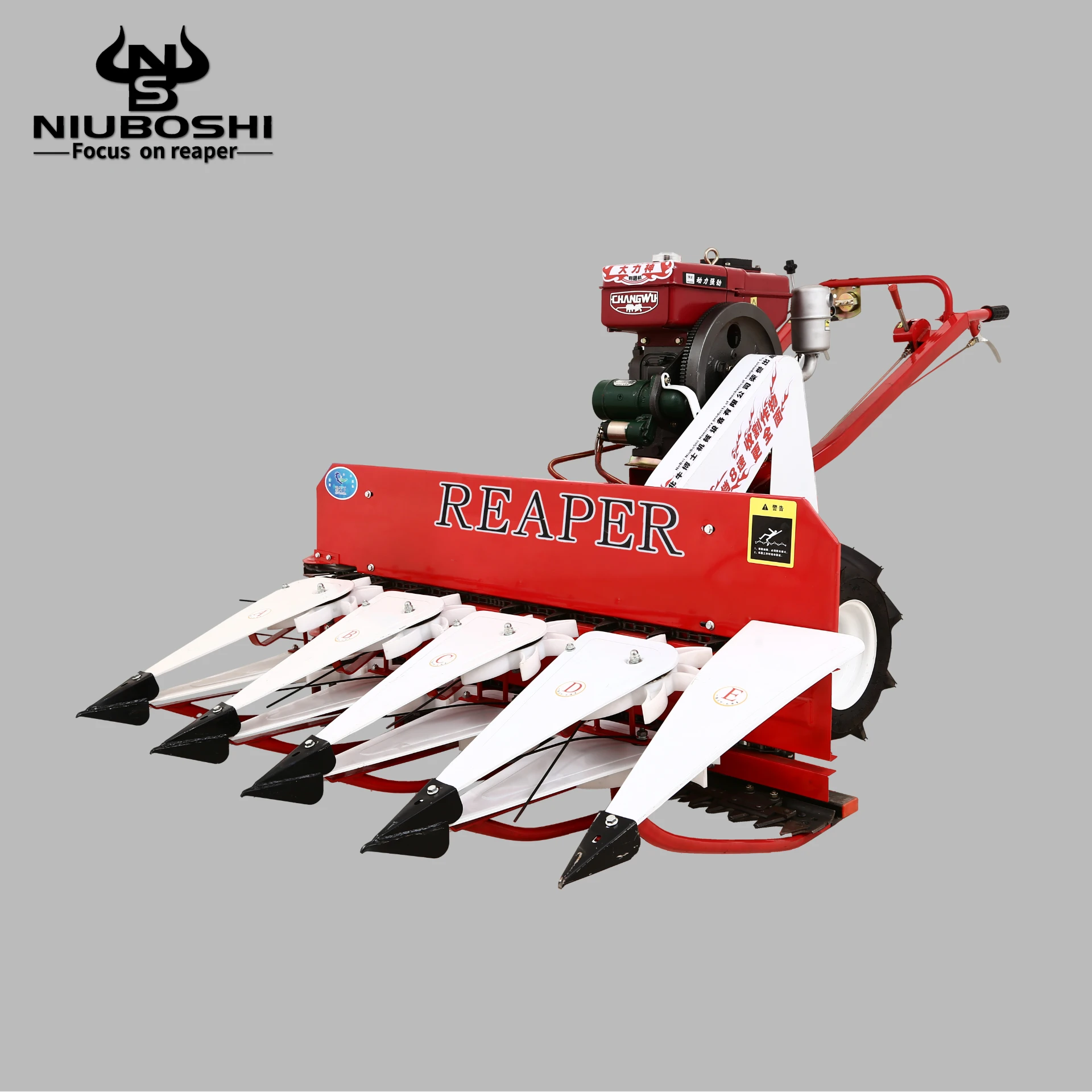
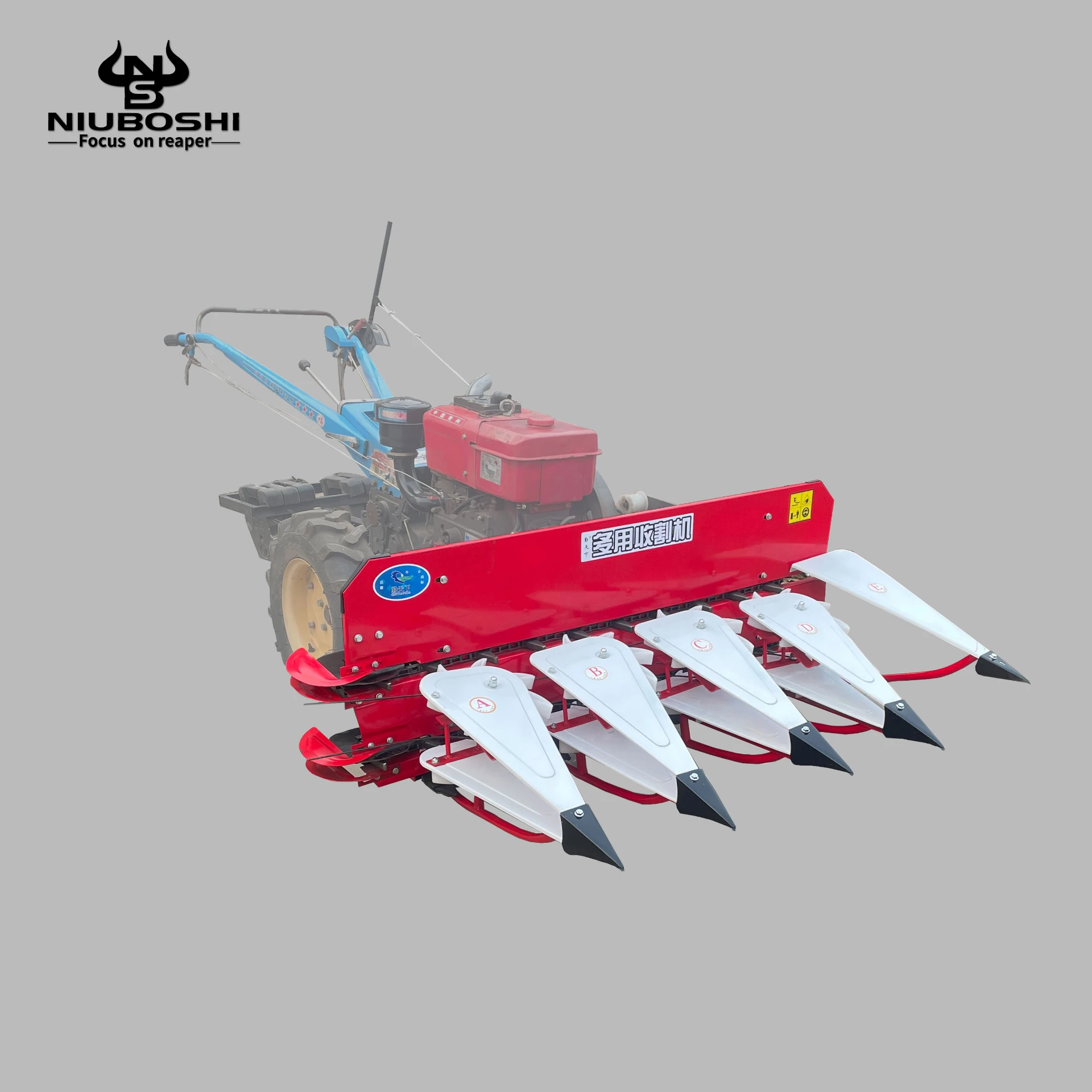
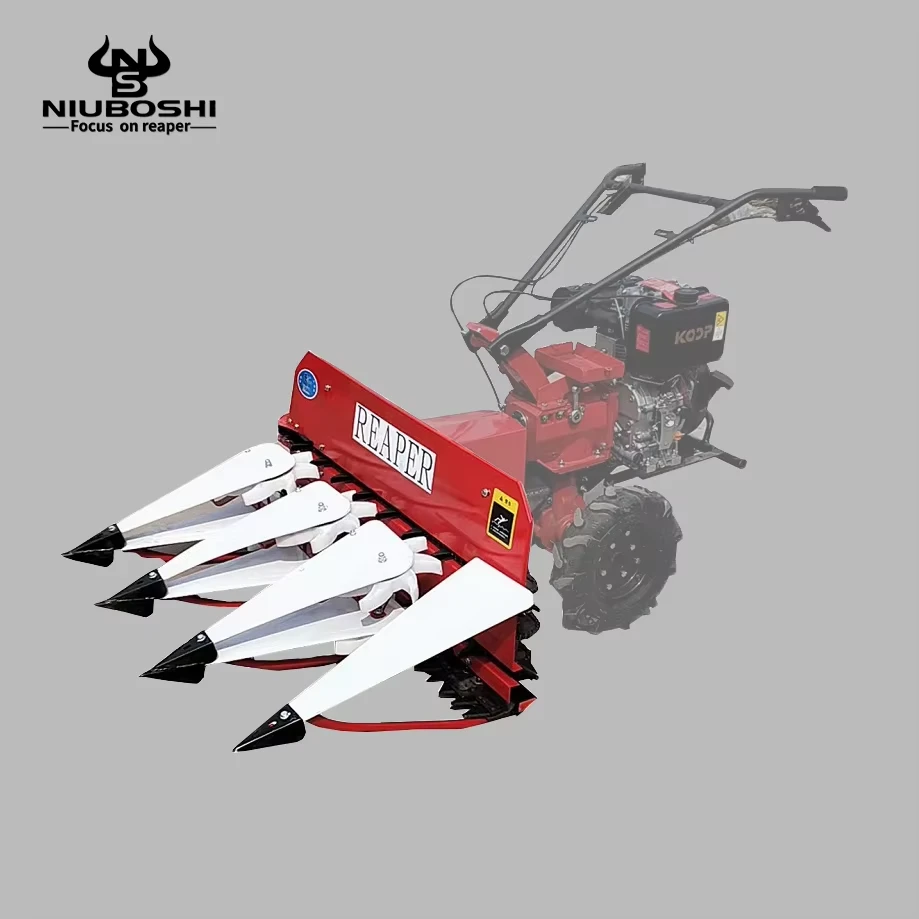
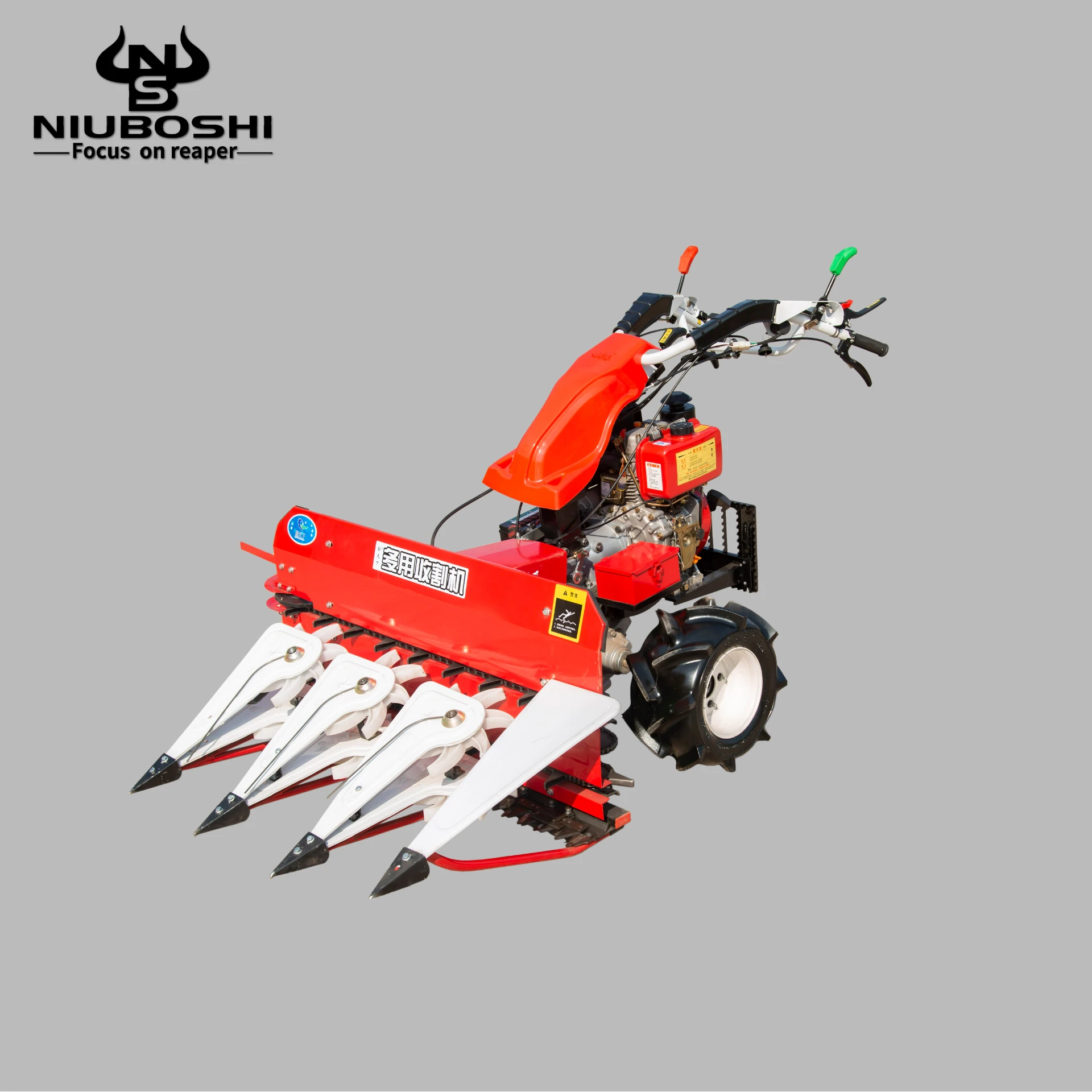
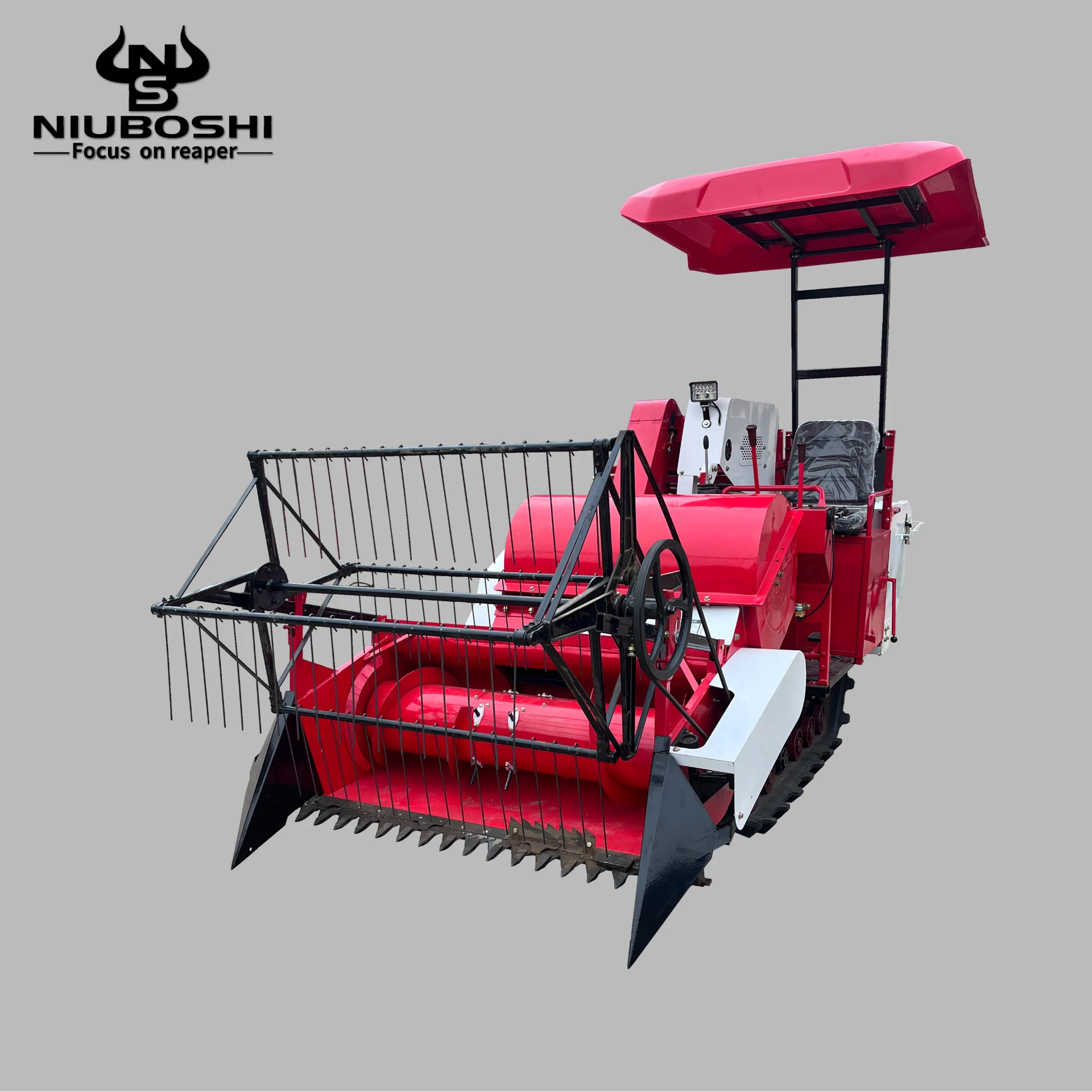
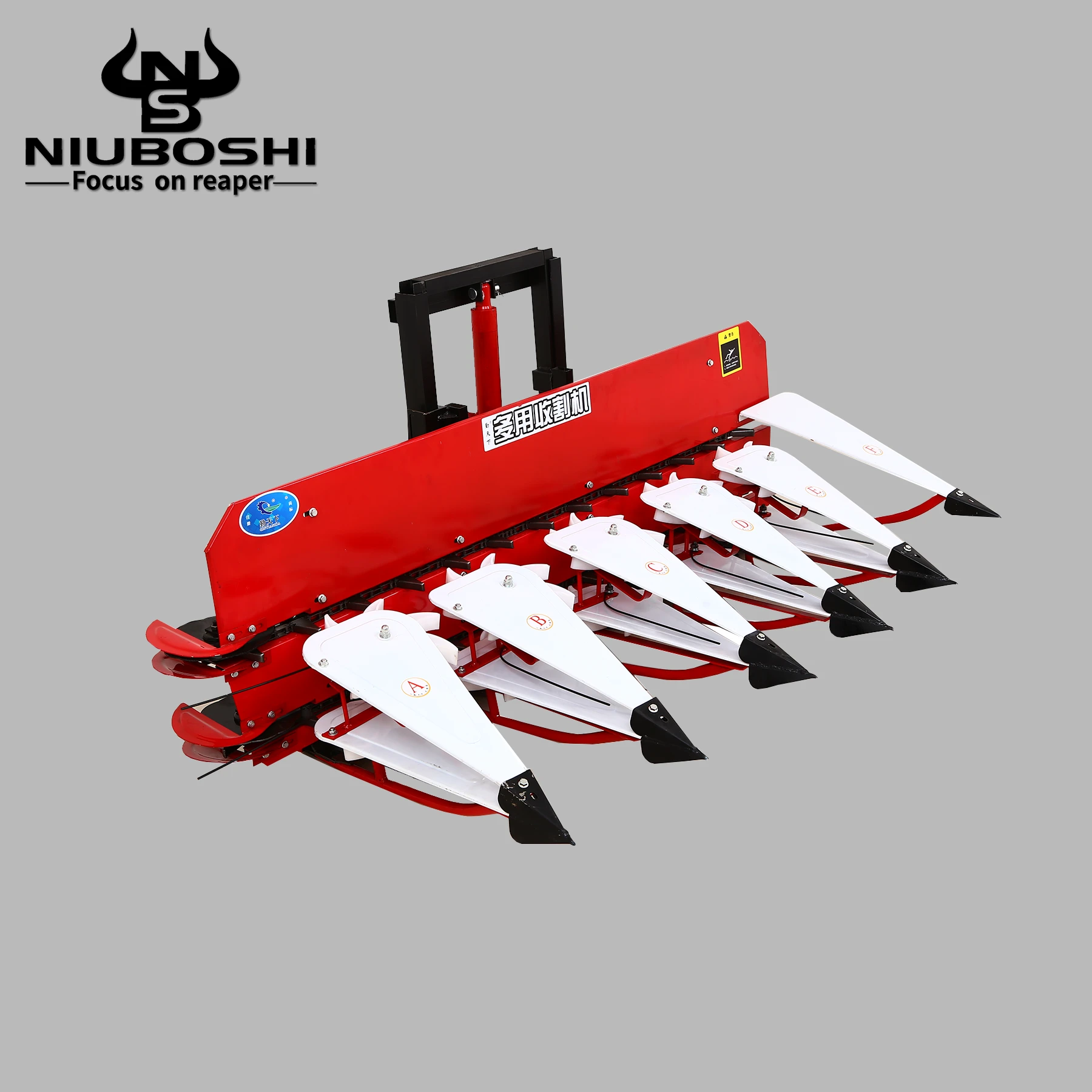
So, what exactly is a mini corn harvesting machine? In essence, it’s a small-scale mechanical harvester designed specifically for corn. Unlike giant combines, these are often pedestrian-controlled or lightweight tractor attachments. They can shell ears of corn and collect kernels or cut stalks, depending on the design.
At first glance, they might look like a mash-up of a mower and a thresher—but they’re specialized and fine-tuned for corn’s particular anatomy. The key goal being: effective harvesting without damaging the crop or soil, at a scale typical of small farms or niche growers.
Key Features Defining Mini Corn Harvesters
Durability and Build Quality
Many engineers say reliability is crucial because these machines often operate in tough environments—dusty fields, uneven terrain, and variable weather. Sturdy steel frames, corrosion-resistant coatings, and easily replaceable parts keep downtime low and repairs manageable.
Cost Efficiency
Mini corn harvesters typically come at a fraction of the price of large combines, running anywhere from $800 to $5,000 depending on features. For smallholder farmers or cooperatives, that can mean the difference between investing in mechanization or sticking with hand-harvesting.
Compact Size and Mobility
Unlike full-size machinery, mini harvesters are designed to be nimble—easy to transport, operate between tight rows, and navigate hilly or uneven fields where larger equipment struggles.
Ease of Operation
Most are designed for intuitive use, often requiring minimal training. Some newer models even feature ergonomic controls or propane/electric engines to make operation lighter on the operator.
Harvest Efficiency
The best mini corn harvesters achieve a respectable harvest rate of 0.1 to 0.3 hectares per hour, depending on conditions. While that won’t beat a giant combine, it massively outperforms manual methods and reduces crop losses.
| Specification | Typical Range | Notes |
|---|---|---|
| Engine Type | Gasoline / Diesel / Electric | Varies by model and power needs |
| Weight | 80 to 300 kg | Compact for use in diverse fields |
| Harvest Capacity | Up to 0.3 ha/hr | Depends on crop density & operator skill |
| Width of Cutting | 0.5 to 1.2 m | Adjustable models available |
| Power Output | 5 to 15 HP | Sufficient for small fields and tasks |
Where Mini Corn Harvesters Shine Around the World
Interestingly, these machines are not just important for small farms but play roles in:
- Africa and Asia: Many farmers in Kenya, India, and Myanmar use mini harvesters to boost productivity and reduce fatigue.
- Post-disaster agricultural recovery: NGOs in disaster-struck areas deploy them to rapidly aid food production.
- Remote mountainous regions: In places like the Andes or Southeast Asian highlands, their compact size enables work where large machines simply can’t go.
- Organic and specialty farms: Smaller machines can handle precision harvesting with less soil compaction and damage.
One NGO in East Africa told me recently that the mini harvesters they sponsored practically transformed harvesting in a drought-stricken region. The machines weren’t flashy, but they were a dependable workhorse.
Mini takeaway: These machines punch well above their weight in terms of empowering smaller or challenging agricultural environments.
Advantages and Long-Term Value
Beyond the obvious benefits like speed and less manual labor, mini corn harvesting machines really hit the mark in:
- Improving safety and reducing drudgery: Less bending, carrying, and exposure to danger.
- Cost-effectiveness: Low upfront cost with manageable maintenance.
- Sustainability: Lower fuel consumption and emissions compared to full combines.
- Enhancing food security: Faster harvests mean less spoilage and better timing for planting subsequent crops.
- Social impact: Enabling smallholders to remain competitive and independent.
Vendor Comparison: Which Mini Corn Harvester Fits Your Needs?
| Vendor | Price Range | Power Source | Key Features | Ideal For |
|---|---|---|---|---|
| AgriTech MiniPro | $1,200 - $1,800 | Gasoline | Lightweight, easy start, adjustable cutting width | Smallholder farms |
| GreenField Harvester | $2,500 - $4,000 | Diesel | High durability, low fuel consumption, extended warranty | Medium farms, cooperatives |
| EcoHarv Electric | $3,000 - $5,000 | Electric | Quiet operation, zero emissions, easy maintenance | Environmentally conscious farms |
Looking Forward: What's Next for Mini Corn Harvesting Technologies?
The trends shaping this space feel exciting and sensible at once. Automation — yup, some makers are experimenting with autonomous mini harvesters that can work in small plots without direct human control. Also, greener technology moves ahead with electric and even solar-powered models.
Material science improvements hint at lighter, stronger, and corrosion-resistant designs, which means less frequent replacements and easier repair kits. Plus, the rise of digital connectivity means these machines might soon come with monitoring apps to keep tabs on harvest progress and maintenance needs remotely.
Common Challenges and How They Are Tackled
Despite the promise, there are hurdles:
- Limited capacity: Smaller machines aren’t made for huge stretches of cornfields, so operators must balance speed with scale.
- Maintenance access: Not every rural area has technicians or spare parts readily available.
- Cost barriers: While cheaper than combines, initial investment can still be significant for very poor farmers.
Innovators respond by developing modular parts kits, offering micro-finance options, and training local operators to manage upkeep themselves—stepping stones toward sustainability.
FAQ: Mini Corn Harvesting Machine
- How does a mini corn harvesting machine compare to manual harvesting?
- Mini corn harvesters drastically cut down harvesting time and manual labor. Where manual picking can be tedious and slow, these machines streamline the process, reduce crop losses, and minimize physical strain, making farming more sustainable in the long run.
- Can a mini corn harvester be used on uneven or small plots?
- Absolutely. Most mini harvesters are designed with compact size and maneuverability in mind. They excel in small or irregular plots, where standard combines simply won’t fit or operate efficiently.
- Are electric mini corn harvesters practical in rural areas?
- They can be, especially as rural electrification improves globally. Electric models offer quiet, low-maintenance operation and zero emissions, a big plus for environmentally sensitive zones and places with fuel scarcity.
- What maintenance skills should operators have?
- Basic mechanical skills for oil changes, blade sharpening or replacement, and belt adjustment are ideal. Many vendors offer training or straightforward user manuals to help local operators maintain the machines effectively.
Wrapping It Up: Why Mini Corn Harvesting Machines Matter Today and Tomorrow
Looking at the bigger picture, mini corn harvesting machines offer far more than just a functional tool. They symbolize progress in agricultural democratization — putting technology into the hands of those who otherwise get left behind. For smallholders fighting time, labor shortages, and unpredictable markets, these machines can mean the difference between food insecurity and a thriving harvest.
If this sounds like something your farming operation could benefit from, or you represent an organization interested in practical agricultural tech solutions, I invite you to explore options like the mini corn harvesting machine range on our website.
References & Further Reading
- Food and Agriculture Organization (FAO) - Corn Production Data
- Wikipedia – Maize Harvesting
- ISO Standards for Agricultural Machinery
Latest news
-
Maximize Harvest Efficiency with the Agro Reaper Binder MachineNewsApr.16,2026
-
Boost Harvest Efficiency with the Best Agriculture Reaper MachineNewsApr.09,2026
-
Revolutionizing Agriculture with the Efficient Agriculture Power ReaperNewsApr.07,2026
-
Comprehensive Guide to the 4 Wheel Reaper Binder for Efficient HarvestingNewsApr.04,2026
-
Comprehensive Guide to Reaperbinder Technology for Efficient Hay and Crop HarvestingNewsMar.31,2026
-
Mastering the Art of Reaper Cutting for Enhanced Agricultural EfficiencyNewsMar.28,2026