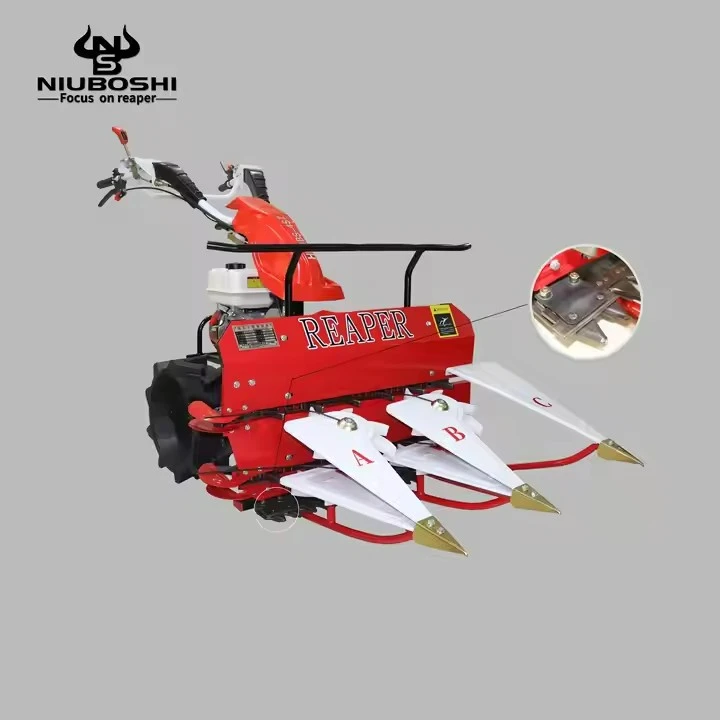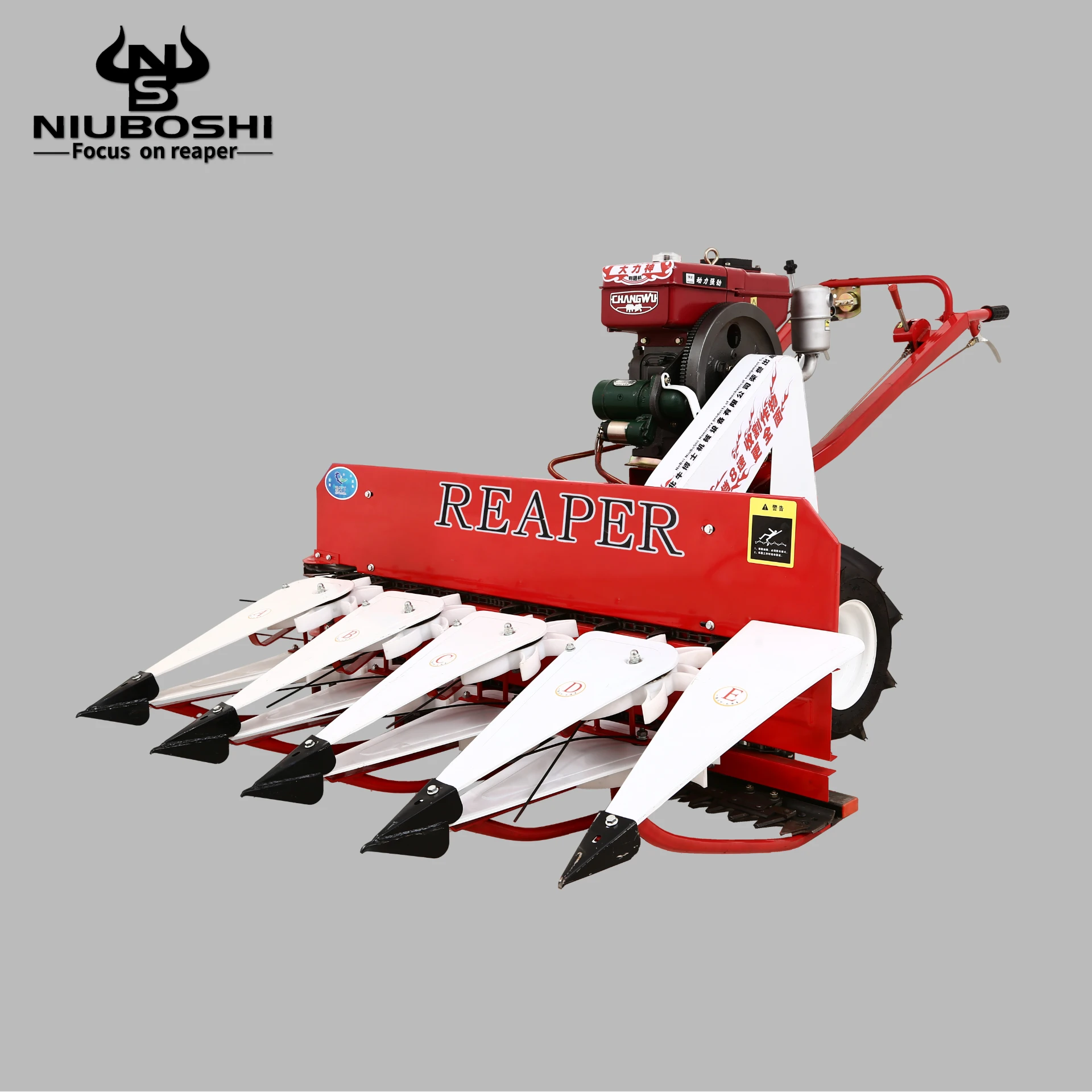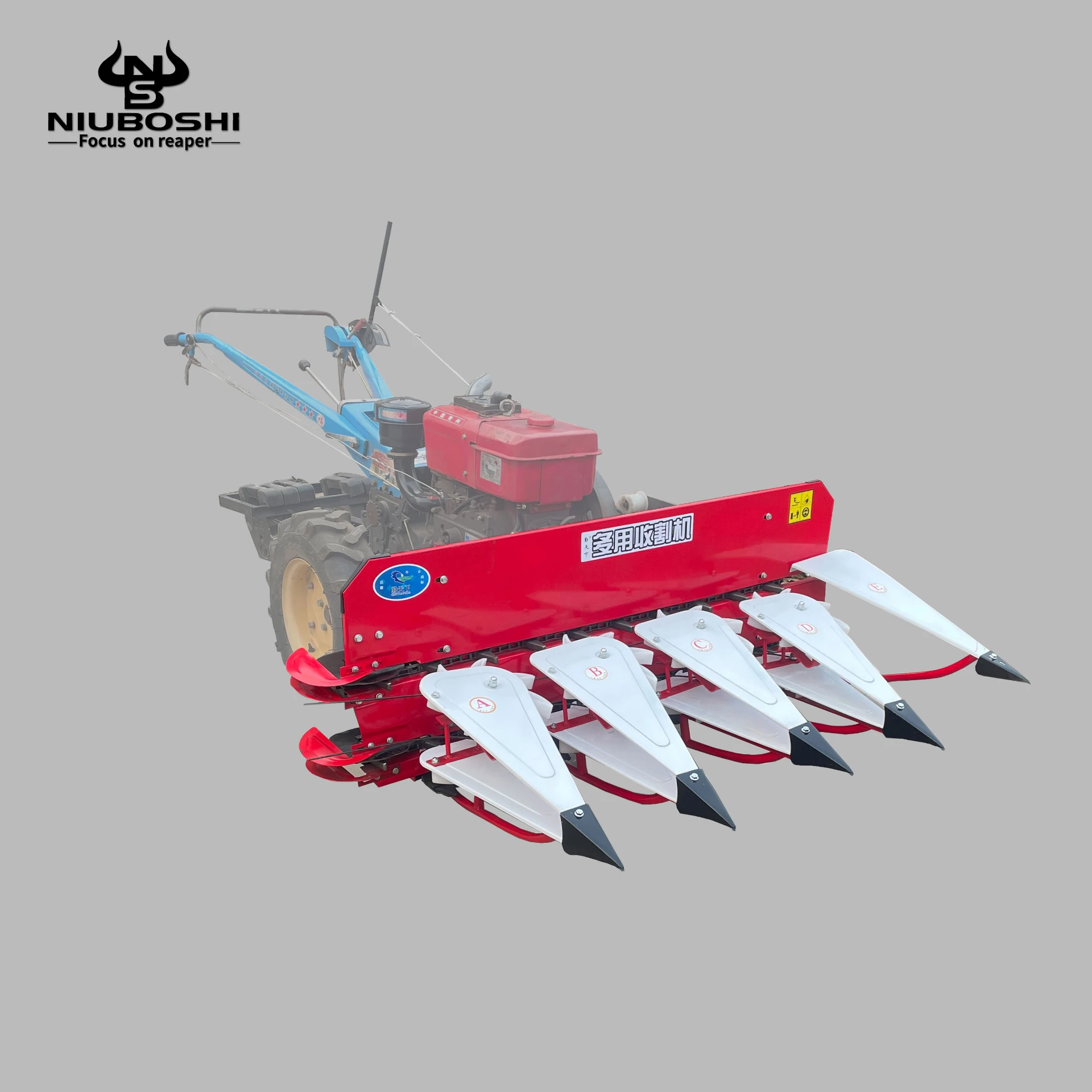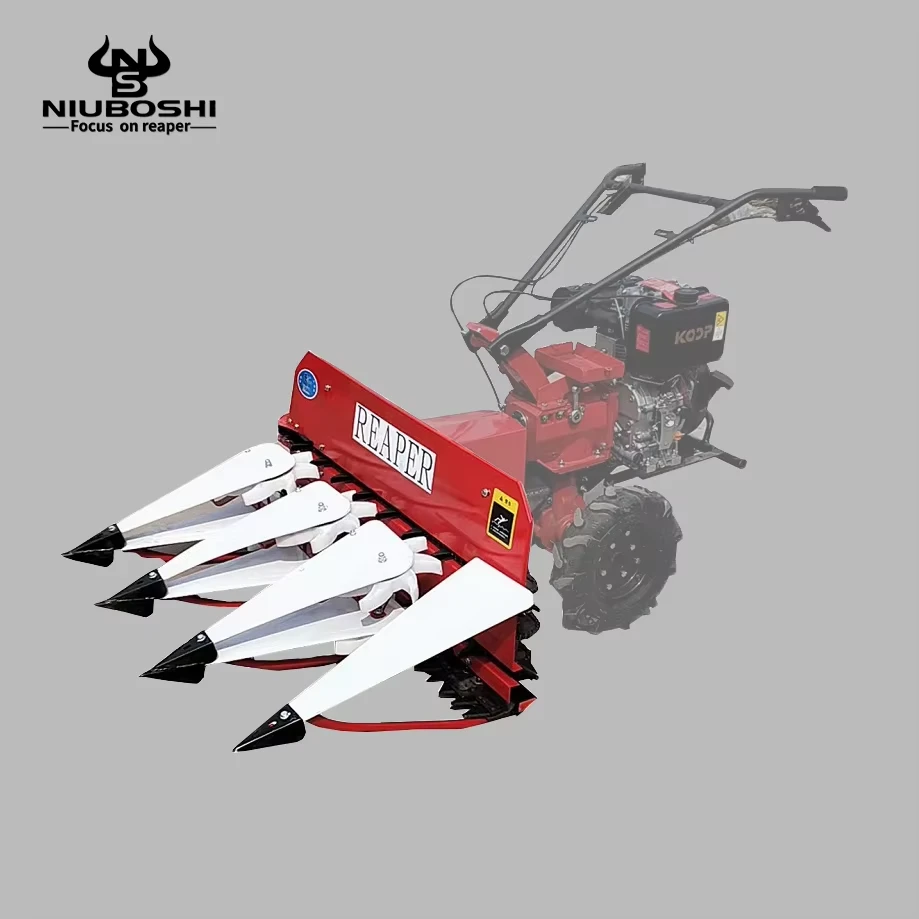
Small Corn Harvester Machine: Affordable Efficiency for Modern Agriculture
The Small Corn Harvester Machine: A Tiny Titan in Global Agriculture
At first glance, a small corn harvester machine might not seem like the hero of modern farming — but beneath its compact frame lies a pivotal solution to some surprisingly big challenges facing global agriculture. From smallholder farmers in Africa and Asia to commercial farms in the Americas, these machines bridge the gap between labor shortages, efficiency demands, and sustainable practices. Understanding their role isn't just a nod to modern tech; it’s an essential key to food security and rural livelihoods worldwide.
Globally, corn is one of the top crops by production volume, feeding billions directly and through livestock. According to the FAO Stat, over 1.1 billion tons of maize were produced worldwide in 2020 alone. But harvesting corn the old-fashioned way—handpicking or using bulky equipment—can be costly, time-consuming, and inaccessible in many regions. Enter the small corn harvester machine, designed for nimbleness, affordability, and practical efficiency.
Mini takeaway: Embracing these compact harvesters often means the difference between timely crop gathering and loss to weather or pests — a powerful incentive for farmers globally.
Why the Small Corn Harvester Machine Matters Globally
The modern agricultural landscape is riddled with challenges: climate unpredictability, shrinking labor forces due to urban migration, and the ever-present push for sustainability. The small corn harvester machine directly addresses these by offering a scalable, cost-effective mechanization alternative for small and medium-sized farms.
- Labor shortage relief: With many rural young people seeking jobs in cities, farming communities often find themselves short-staffed during peak seasons.
- Cost efficiency: Big combine harvesters make sense for huge farms but are out of reach or inefficient for smaller plots.
- Reducing crop loss: Timely harvesting reduces exposure to storm damage or pest infestations.
- Carbon footprint: Smaller machines often run on less fuel or can be adapted for electric or biofuel operation — a key trend in sustainable farming.
I sometimes wonder: how many farmers have lost entire harvests simply because they lacked easy access to reliable, affordable harvesting tools? With global food demand rising steadily, solutions like the small corn harvester machine become a quiet revolution.
Defining the Small Corn Harvester Machine
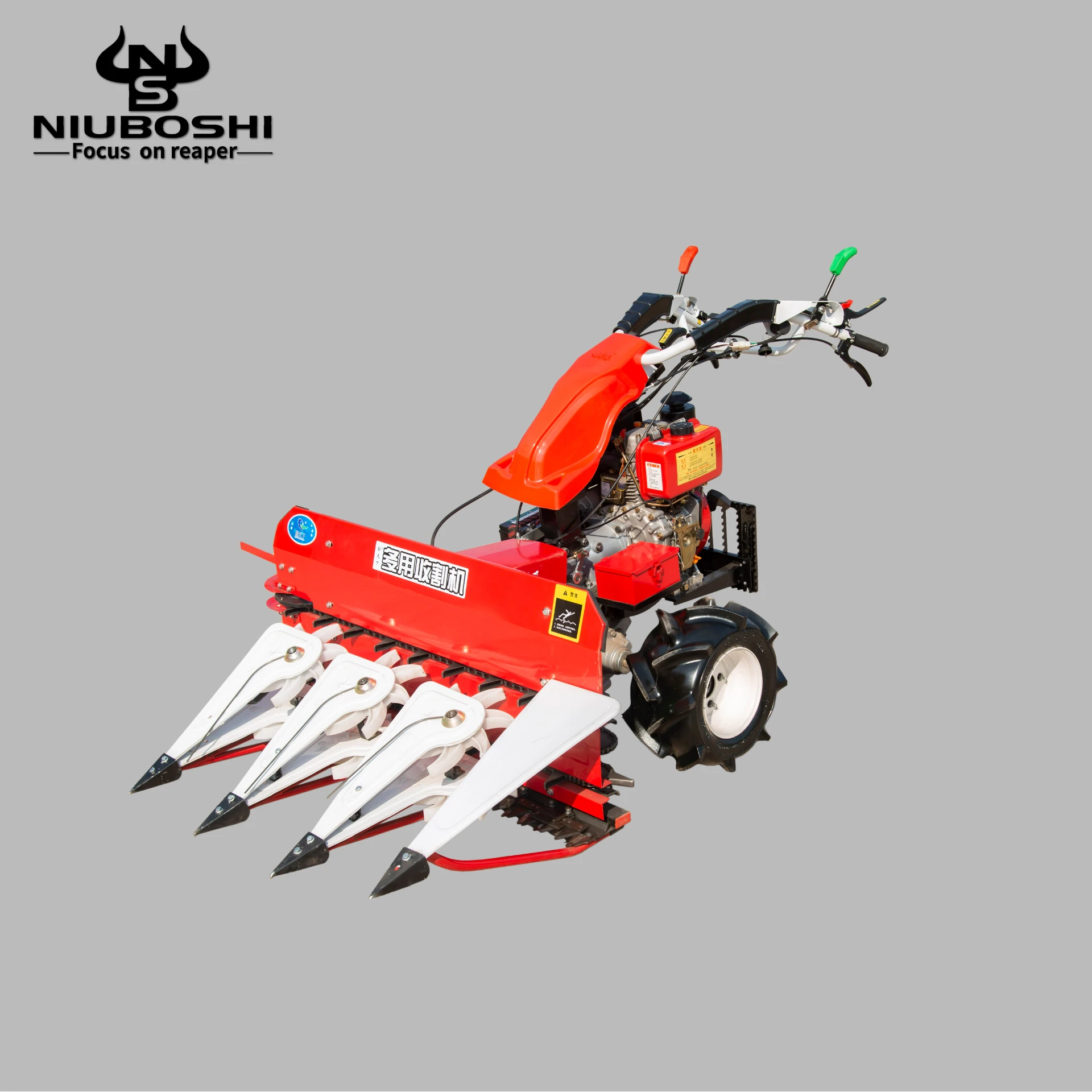
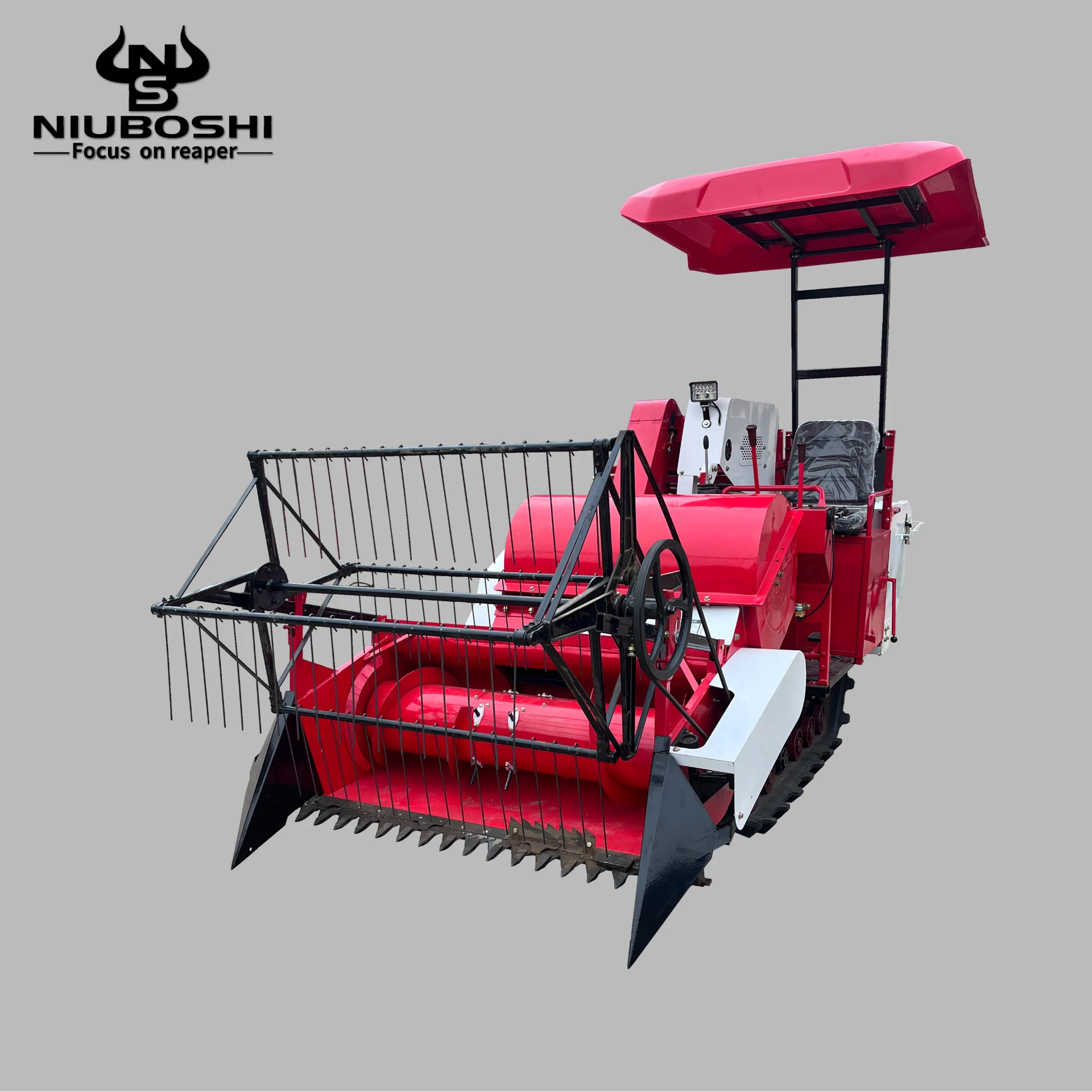
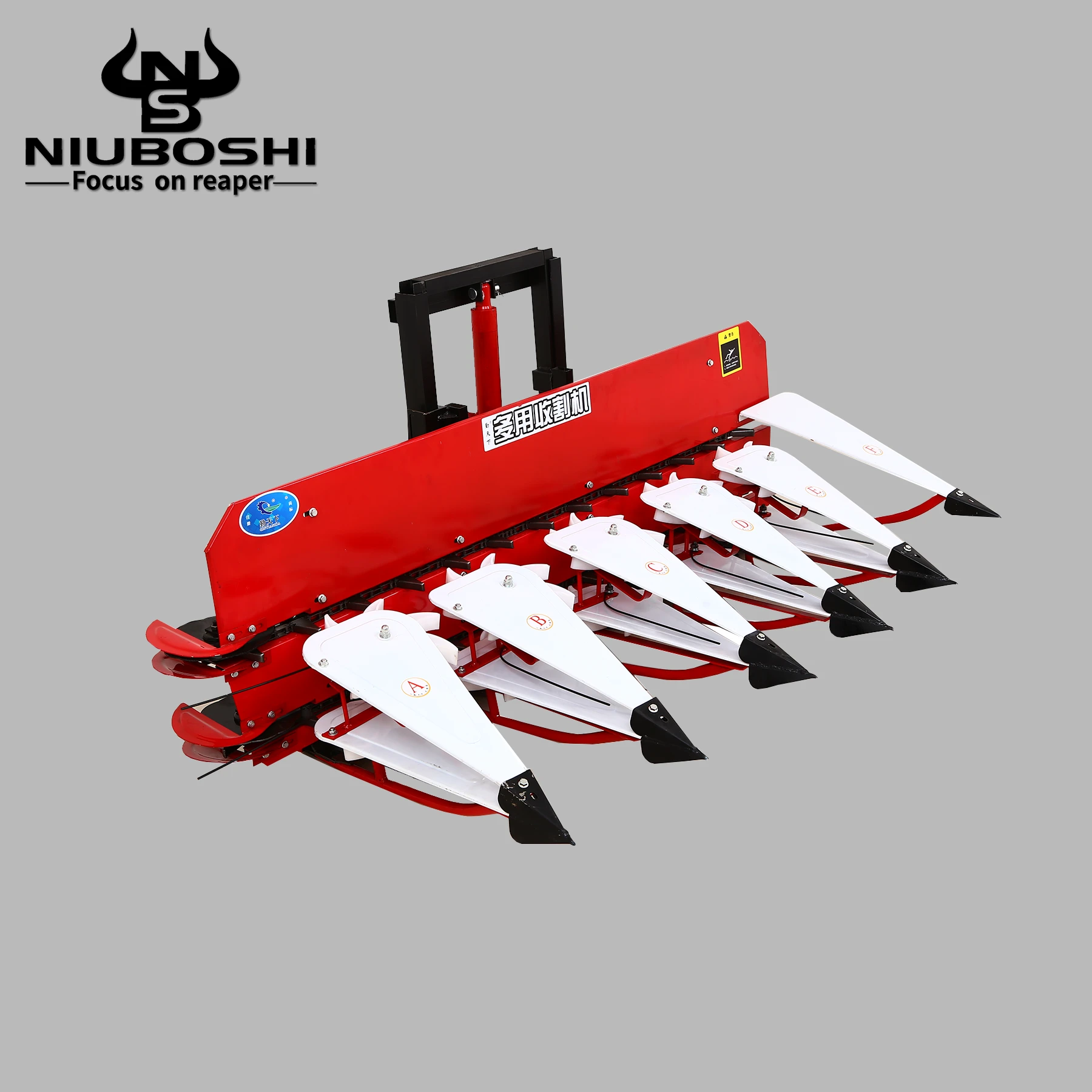
In simple terms, a small corn harvester machine is a compact agricultural implement designed to efficiently pick and process corn cobs from standing plants. Unlike giant combine harvesters that strip entire fields, these machines are often walk-behind or tractor-mounted, for smaller-scale applications.
Think of them as the "starter mechanization" tools, perfect for farms that can't justify multi-million-dollar equipment but still want to enhance productivity and reduce drudgery. They combine cutting, husking, and cob collection functions, streamlining what used to be a manual task — backbreaking for many.
This little marvel connects deeply with modern efforts to mechanize agriculture where it matters most: at the grassroots, ensuring humanitarian and economic development goals can take root (no pun intended).
Core Factors Behind Effective Small Corn Harvester Machines
1. Durability and Build Quality
Farmers rarely have the luxury of frequent repairs. These machines must be rugged enough to handle various terrains and endure dirt, dust, and weather fluctuations, all while requiring minimal maintenance.
2. Scalability and Flexibility
Since farm sizes and needs vary vastly, machines often come with attachments or adjustable components — like cutting width or collection bin size — letting users tailor performance to their land plot.
3. Cost Efficiency
Price tags aligned with smallholder budgets separate winners from also-rans. Beyond initial cost, affordability includes fuel consumption, maintenance, and availability of replacement parts.
4. Ease of Operation
The best designs keep controls non-intimidating and ergonomic, since operators might have minimal technical training.
5. Environmental Impact
Interest in greener options leads to machines that can run on alternative fuels, emit fewer pollutants, or optimize grain loss minimization for sustainability.
Mini takeaway: These factors aren’t just specs; they form a lifeline to farmers who operate at the sharp end of resource constraints and climatic unpredictability.
Global Applications: Who Uses Small Corn Harvester Machines and How?
These machines prove their worth all over:
- Sub-Saharan Africa: Small farms harvesting maize for local consumption and market sales rely on these to speed up harvest during short windows before rains.
- South Asia: Regions with fragmented landholdings see walk-behind harvesters making mechanization accessible.
- Latin America: Plantations integrating small machines for selective harvesting to maintain soil health.
- Disaster Relief & Food Security NGOs: Quick deployment of mechanized tools helps communities bounce back after floods or drought, reducing post-disaster hunger.
For example, a maize cooperative in Kenya reported a 40% reduction in harvest time after switching to walk-behind harvesters, which also lowered physical strain on their mainly female workforce.
Advantages and Long-Term Value of Investing in Small Corn Harvester Machines
When farmers switch from manual labor or oversized machinery, the payoff isn’t just in coins and cents, though that’s big. There’s a ripple effect touching multiple aspects:
- Economic savings: Lower fuel usage, less downtime, cheaper repairs.
- Social impact: Reduced manual strain improves worker health and dignity.
- Environmental benefits: Smaller machines typically have a reduced carbon footprint.
- Reliability: Farmers gain trust knowing their tools won’t let them down at critical moments.
- Innovation gains: Access to mechanization often leads farmers to adopt complementary technologies — better planting, improved storage.
Emotionally, there’s a real sense of empowerment. Owning or accessing such gear often raises spirits because it transforms work from backbreaking to manageable.
Looking Ahead: Future Trends in Small Corn Harvester Machines
Just as smartphones leapfrog traditional telephony in some regions, agricultural tech is evolving too. Industry voices highlight:
- Electrification: Battery-powered harvesters with zero emissions — perfect for environmental policy compliance and cost reduction in fuel-scarce settings.
- Smart Farming Integration: Sensors that gauge moisture, cob maturity, and yield data to optimize harvest timing.
- Lightweight Materials: Carbon fiber and composites lower machine weight, improving ease of transport and operation.
- Modular Designs: Machines that can quickly swap parts based on crop or local terrain.
- Manufacturing Localization: Increased production within regional clusters to lower costs and improve supply chain resilience.
It’s thrilling to think how these humble machines might look a decade from now — autonomous micro-harvesters darting nimbly through fields, yet priced for smallholder budgets.
Common Challenges and Practical Solutions
Of course, no tech is perfect. Here are some hurdles and how manufacturers or users tackle them:
| Challenge | Solution |
|---|---|
| Limited power hampers heavy soil or dense crops | Dual-motor systems or upgraded engines tailored for terrain. |
| Parts availability delayed in remote regions | Establishing regional warehouses and training local technicians. |
| Operator skill gaps reduce machine effectiveness | User-friendly designs and targeted training programs. |
| Fuel cost volatility | Transition to electric or fuel-efficient engines. |
Specification Snapshot: Typical Small Corn Harvester Machine
| Specification | Details |
|---|---|
| Engine | Petrol, 6-8 HP single-cylinder |
| Cutting Width | 60-80 cm adjustable |
| Operating Weight | 70-90 kg |
| Fuel Consumption | Approx. 1.5 L/hr |
| Harvesting Capacity | 0.4-0.6 hectares/hour |
| Additional Features | Adjustable handle, cob collector bin, interchangeable blades |
Vendor Comparison: Popular Small Corn Harvester Machine Brands
| Vendor | Price Range (USD) | Power Source | Unique Selling Point | Warranty |
|---|---|---|---|---|
| AgroCompact | $1,200 - $1,500 | Petrol | Lightweight, easy maintenance | 2 years |
| FieldWorks | $1,500 - $1,800 | Battery-powered | Eco-friendly, low noise | 3 years |
| FarmEase | $1,000 - $1,300 | Petrol | Affordable, rugged design | 1.5 years |
FAQ: Common Questions on Small Corn Harvester Machines
What size farm is best suited for a small corn harvester machine?
Small corn harvester machines are ideal for farms ranging from 1 to 10 hectares. They provide cost-effective mechanization without the large investment required for combines, making them perfect for smallholder and medium-sized farms.
How easy is it to maintain these machines in rural areas?
Many models are designed with simple mechanics and widely available parts to facilitate on-site repairs. Plus, many vendors support training workshops and have local service centers to help operators maintain smooth functionality.
Do small corn harvesters significantly increase productivity?
Yes. Compared to manual harvesting, these machines can reduce harvest time by up to 50%, while reducing physical strain. This allows farmers to harvest within optimal windows, minimizing crop loss.
Are electric or battery-powered machines reliable in remote fields?
Battery-powered harvesters are gaining popularity, especially where fuel costs or pollution are concerns. While they typically require charging infrastructure and slightly more upkeep, advances in battery life and portability are making them increasingly practical.
Wrapping Up: Why Small Corn Harvester Machines Deserve Attention
To put it simply: as global populations and food demands grow, efficient crop harvesting tools like the small corn harvester machine become unsung heroes. They allow farmers to do more with less—less time, fewer workers, lower fuel, all while supporting sustainability.
Whether you're a farmer, policymaker, or agribusiness stakeholder, considering these compact machines means embracing innovation at the grassroots level. The future of corn harvesting might just be a little machine with a lot of heart.
Interested in exploring high-quality small corn harvester machines and their specifications? Visit our website for more details. Let’s cultivate a more productive and sustainable tomorrow.
References
Latest news
-
Maximize Harvest Efficiency with the Agro Reaper Binder MachineNewsApr.16,2026
-
Boost Harvest Efficiency with the Best Agriculture Reaper MachineNewsApr.09,2026
-
Revolutionizing Agriculture with the Efficient Agriculture Power ReaperNewsApr.07,2026
-
Comprehensive Guide to the 4 Wheel Reaper Binder for Efficient HarvestingNewsApr.04,2026
-
Comprehensive Guide to Reaperbinder Technology for Efficient Hay and Crop HarvestingNewsMar.31,2026
-
Mastering the Art of Reaper Cutting for Enhanced Agricultural EfficiencyNewsMar.28,2026