Small Harvester – Compact, Efficient, and Sustainable Harvesting Solutions | NB Harvester
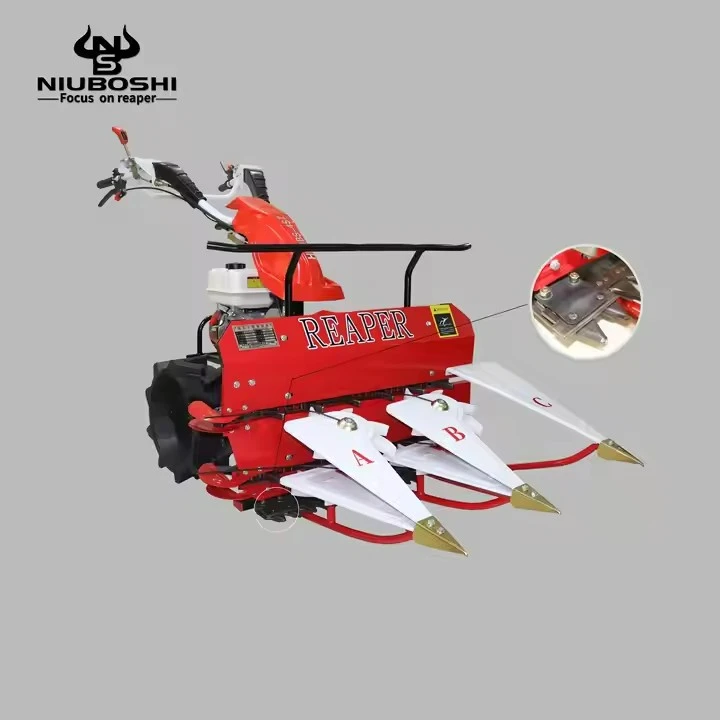
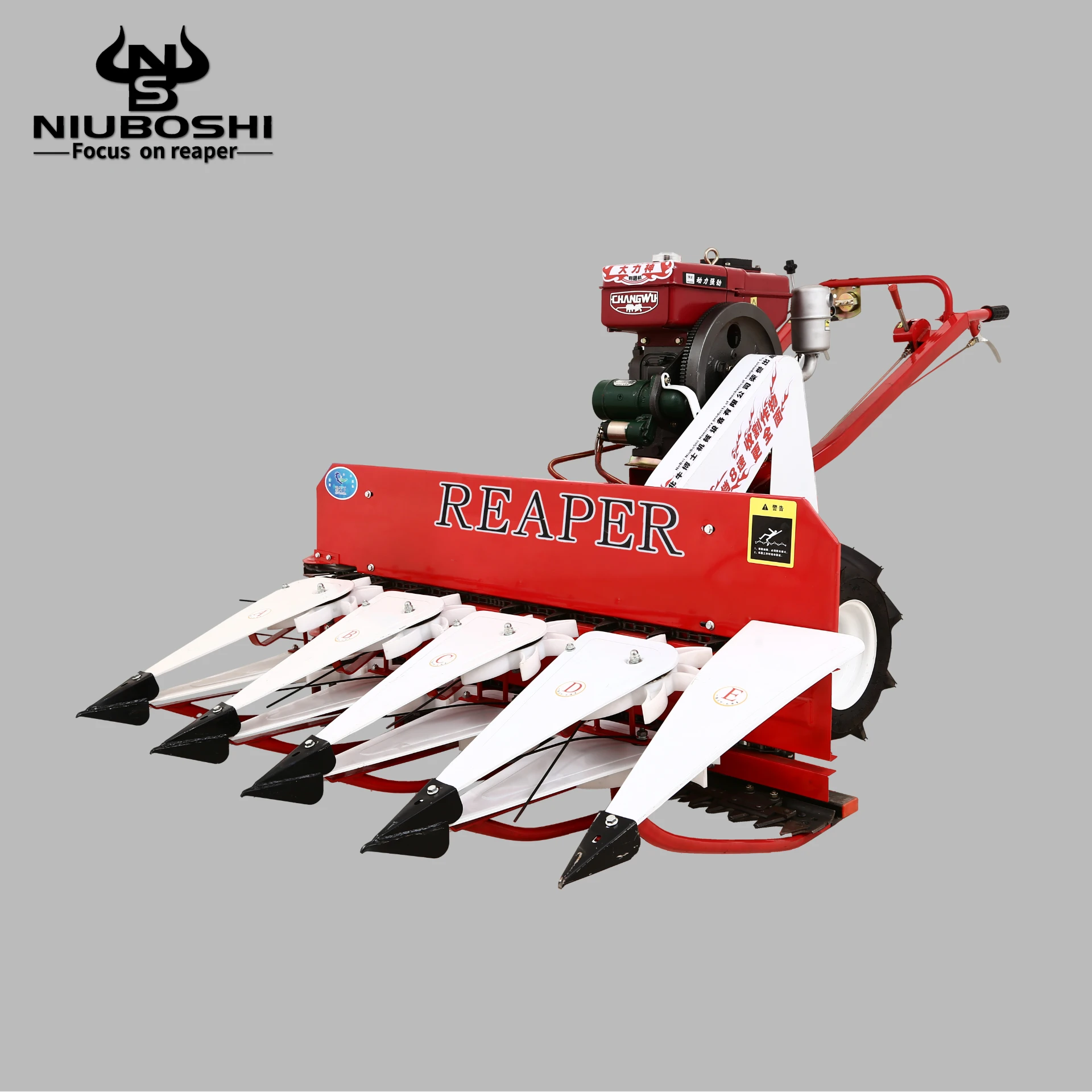
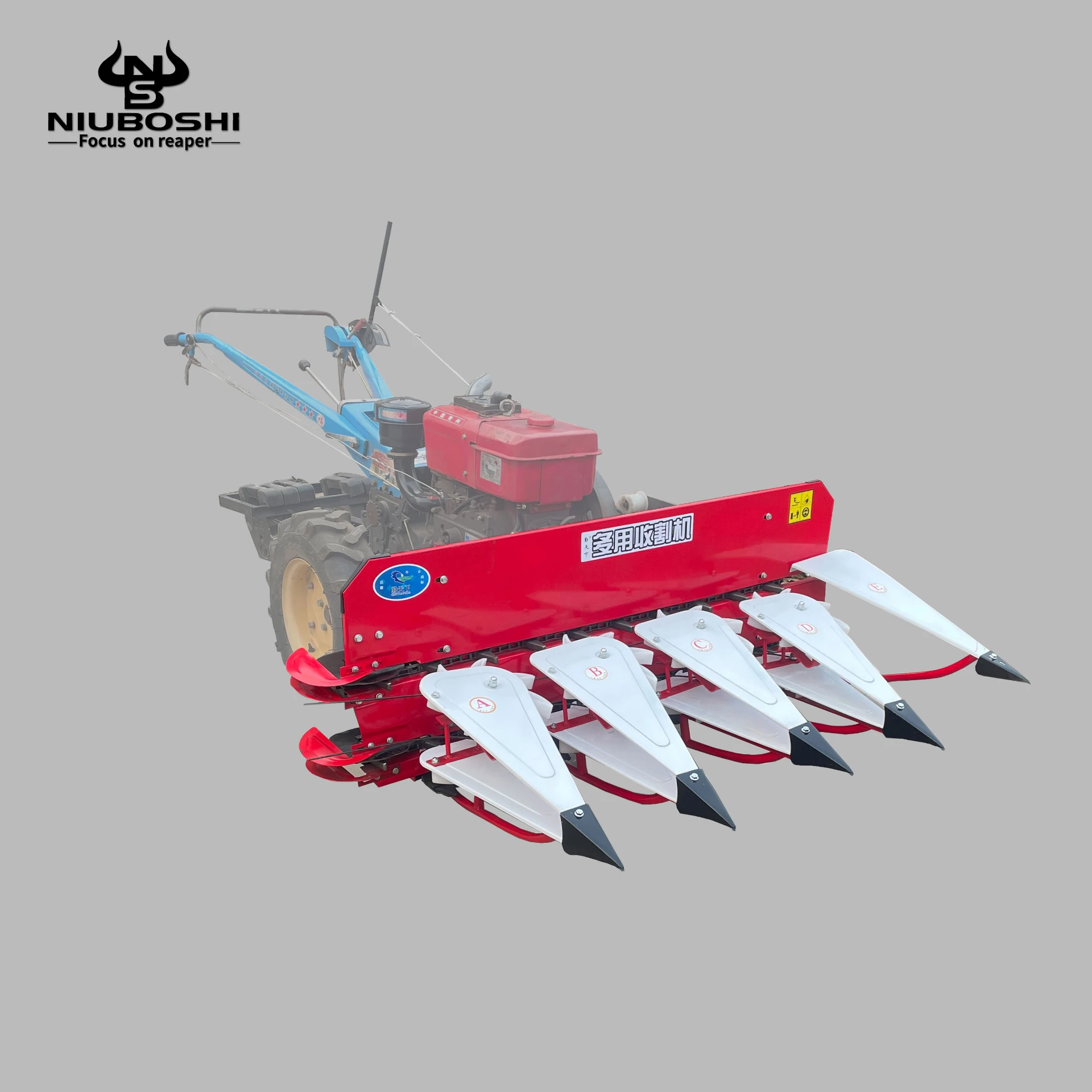
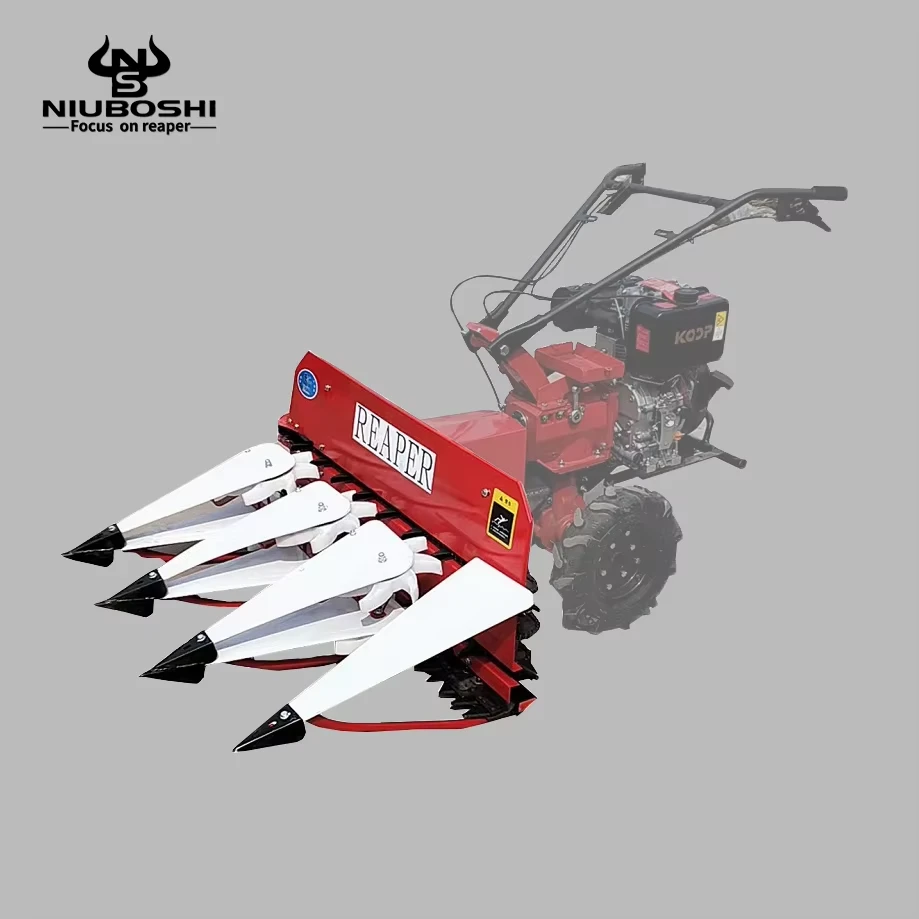
Small Harvester is a key solution in the industry, specifically within agriculture, forestry, and other resource management sectors. This article explores how https://www.hbniuboshi.com supports professionals with durable, high-performance products, and explains why this product is an ideal choice for businesses in these sectors.
Table of Contents
- Small Harvester Overview
- Benefits & Use Cases of Small Harvester
- Cost, Maintenance & User Experience
- Sustainability & Market Trends
- Frequently Asked Questions about Small Harvester
- Conclusion on Small Harvester from China
Small Harvester Overview
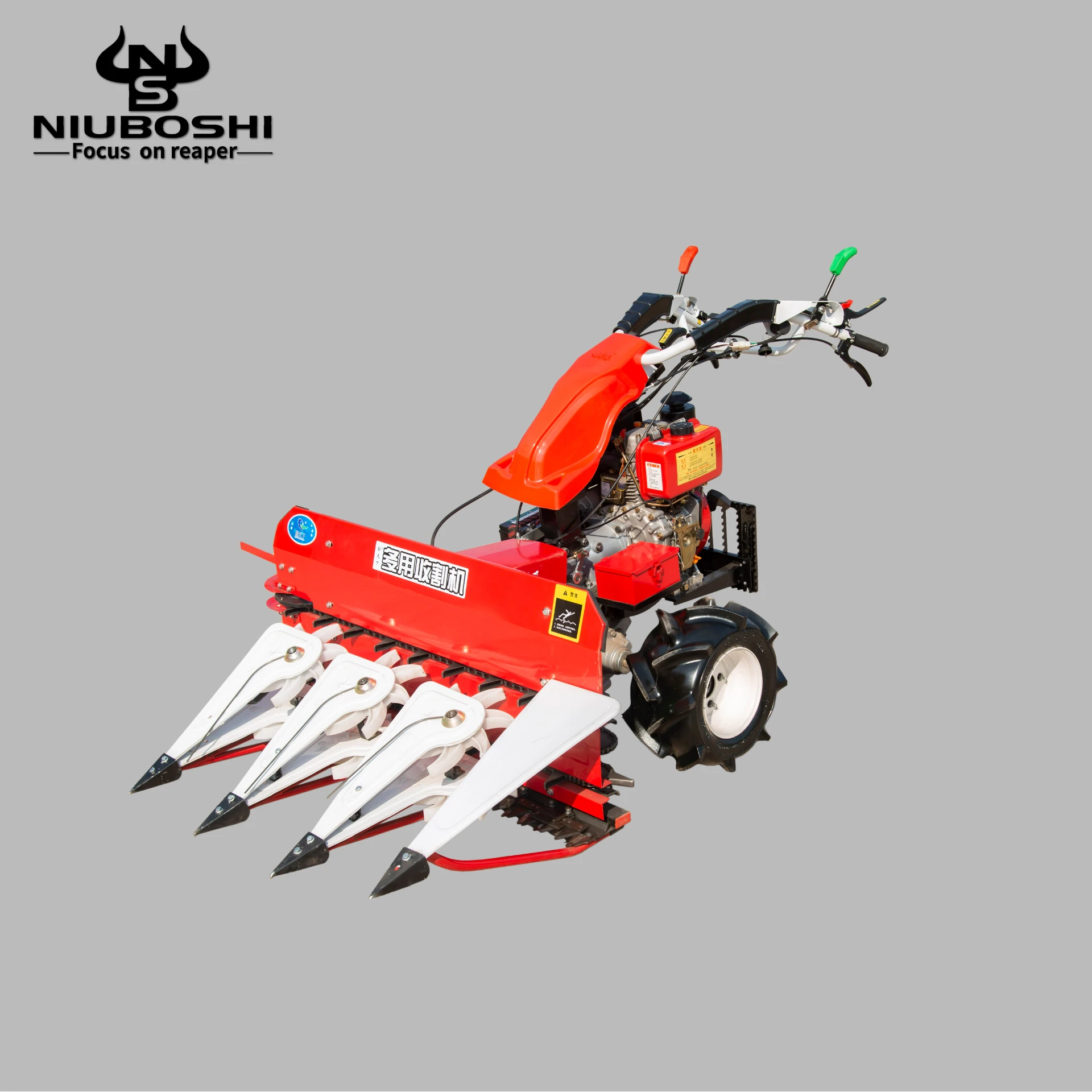
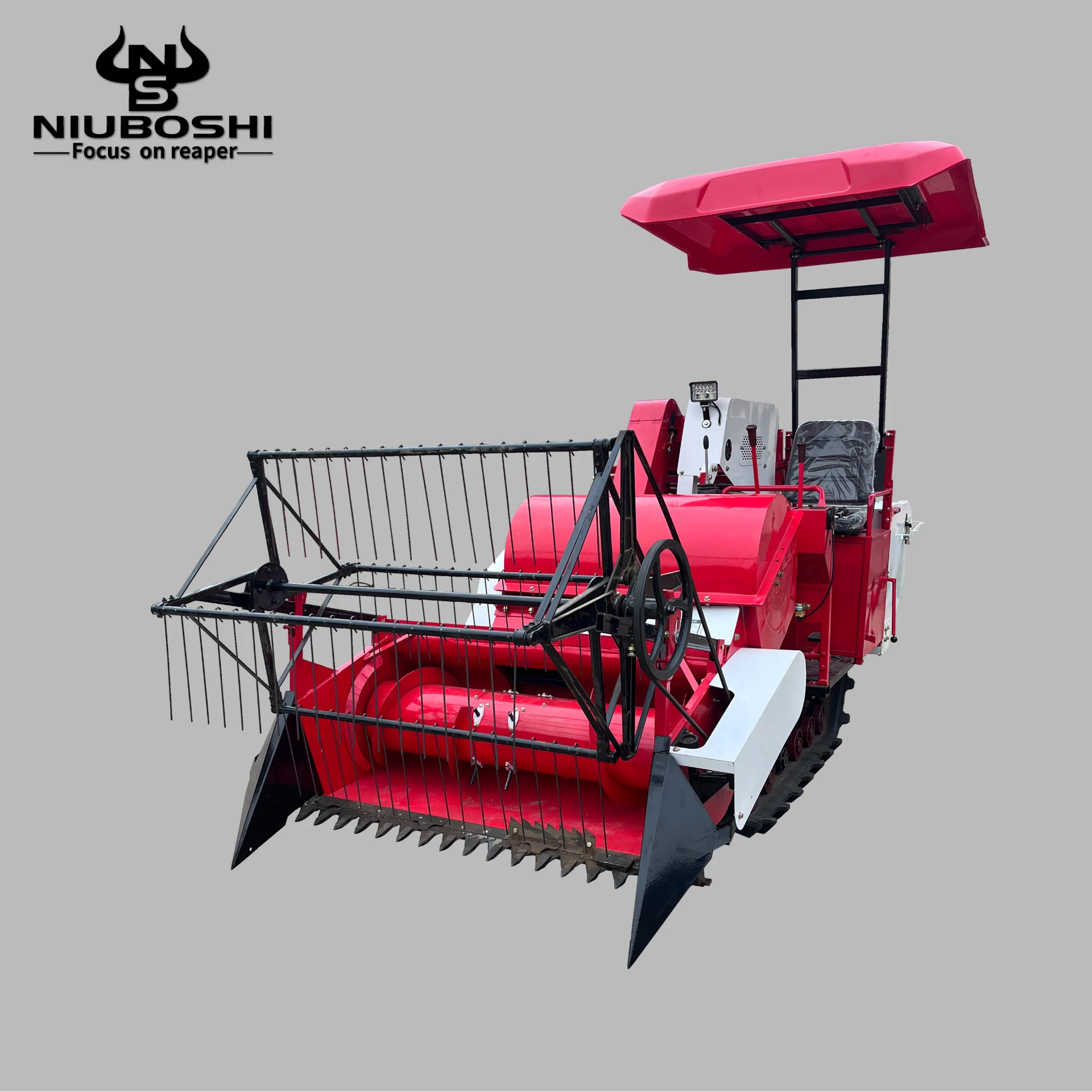
The term Small Harvester generally refers to compact yet robust harvesting machines designed for forestry and agricultural industries where maneuverability and precision are crucial. These machines are engineered to selectively fell trees, handle logs, and process biomass with efficiency but without the footprint of large harvesters. Their relevance has grown significantly thanks to a shift towards sustainable forest management and the need for flexible, agile equipment on diverse terrains.
Technically, a Small Harvester typically features a high-torque engine paired with articulated steering, hydraulic booms, and multi-functional grapples plus cutting heads. The models developed by NB Harvester are equipped with advanced computer controls for precision cutting and gathering. Interestingly, a recent case study from a forestry operation in northern China highlighted that switching to these compact machines increased wood recovery rates by nearly 15%, due mainly to their ability to work in tighter spaces.
| Specification | Details |
|---|---|
| Engine Power | 65-90 HP |
| Operating Weight | 7,000 - 9,200 kg |
| Hydraulic System Pressure | 28 MPa |
| Cutting Diameter | Up to 45 cm |
| Max Reach | 7.5 meters |
Benefits & Use Cases of Small Harvester
Small Harvesters shine in various industrial applications, especially where terrain challenges or workspace restrictions make larger machines impractical. For forest thinning, selective logging, and small-plot agriculture, these machines outperform traditional heavy equipment by offering unmatched agility without sacrificing power. Many forestry operators appreciate how these machines minimize soil compaction — frankly, that’s a big environmental plus that also helps long-term land productivity.
The competitive edge comes from smart engineering: precision hydraulic controls, fast cycle times, and modular attachments like grapples or cutters tailored for different tasks. For example, in urban green management spaces, the smaller footprint allows tree maintenance in spots larger machines simply cannot access. Plus, the user interface on NB Harvester’s models is designed to be intuitive, reducing operator fatigue and training time — not something you often get with heavy machinery.
Cost, Maintenance & User Experience
When looking at the total cost of ownership, Small Harvesters can offer compelling ROI. Their fuel consumption is generally lower than larger harvesters due to the smaller engine size, plus downtime for maintenance tends to be reduced thanks to accessible design layouts. Durability is a major factor here — NB Harvester units use premium-grade components tested for reliability in tough field conditions.
User feedback reveals a pattern: operators often report a smoother learning curve and less physical strain, largely because of comfortable cabins, ergonomic controls, and effective noise reduction inside. In a recent survey of logging companies using Small Harvesters from this vendor, 85% indicated improved operational efficiency within six months of deployment, which is quite remarkable. Admittedly, initial costs aren't the lowest on the market, but the maintenance savings and productivity boost soften that impact quickly.
Sustainability & Market Trends
In today’s industrial landscape, sustainability isn’t just a buzzword — it’s a mandate. Small Harvesters fit well into this trend by promoting selective harvesting techniques that reduce environmental disturbance and facilitate forest regeneration. Regulatory changes across North America, Europe, and parts of Asia increasingly encourage low-impact harvesting, and the compact design of these machines aligns perfectly with such policies.
Market trends also reveal a shift toward automation and data integration in small harvesters. You’ll find models increasingly equipped with GPS, yield mapping, and remote diagnostics — tools that help managers monitor productivity and reduce waste. Interestingly, though, many operators still prize straightforward mechanical reliability over fancy digital features, so vendors like NB strike a balance between cutting-edge tech and rugged design.
| Feature | NB Harvester | Competitor A | Competitor B |
|---|---|---|---|
| Max Engine Power | 90 HP | 85 HP | 80 HP |
| Cabin Comfort | Ergonomic with noise reduction | Standard | Improved cushioning |
| Technological Features | GPS and diagnostics | Basic controls | Limited automation |
| Maintenance Ease | Easy access to components | Moderate | Challenging access |
| Price Range | $$$ | $$ | $ |
Frequently Asked Questions about Small Harvester
- What is Small Harvester and how does it work?
- A Small Harvester is a compact machinery piece specially designed to efficiently cut, process, and handle trees or crop material. It generally combines a powerful engine with hydraulic arms and cutting heads that allow operators to selectively harvest without the need for large-scale equipment.
- What are the main benefits of using Small Harvester in industrial applications?
- Its benefits include better maneuverability, lower environmental impact, improved fuel efficiency, and the ability to work effectively in confined spaces or uneven terrains—resulting in cost savings and increased productivity.
- How does Small Harvester compare to traditional alternatives?
- Unlike larger, more cumbersome harvesters, Small Harvesters offer agile and precise operations, reduced soil damage, and often lower operational costs—making them more suitable for small-scale or selective operations.
- What industries can benefit most from Small Harvester implementation?
- Forestry, agriculture, urban landscaping, and biomass collection are the primary sectors that benefit. For instance, selective logging companies value their precision, and urban tree maintenance teams appreciate their compact size.
Conclusion on Small Harvester from china
To wrap things up, the Small Harvester is proving itself as a reliable, cost-effective solution for a range of industries seeking performance without excess size. For B2B decision makers weighing efficiency and sustainability, these harvesters offer a sensible, forward-thinking choice. Plus, with a trusted Chinese manufacturer like NB, you get quality and innovation combined.
- Recap the value of Small Harvester.
- - Visit our website: https://www.hbniuboshi.com
It’s fascinating how these compact giants are silently transforming how we approach harvesting — a quiet revolution in heavy industry.
- NB Harvester Product Datasheet, 2023
- Forestry Efficiency Case Studies, Journal of Sustainable Resources, 2022
- International Machinery Trends Report, 2023 Edition
Latest news
-
Maximize Harvest Efficiency with the Agro Reaper Binder MachineNewsApr.16,2026
-
Boost Harvest Efficiency with the Best Agriculture Reaper MachineNewsApr.09,2026
-
Revolutionizing Agriculture with the Efficient Agriculture Power ReaperNewsApr.07,2026
-
Comprehensive Guide to the 4 Wheel Reaper Binder for Efficient HarvestingNewsApr.04,2026
-
Comprehensive Guide to Reaperbinder Technology for Efficient Hay and Crop HarvestingNewsMar.31,2026
-
Mastering the Art of Reaper Cutting for Enhanced Agricultural EfficiencyNewsMar.28,2026