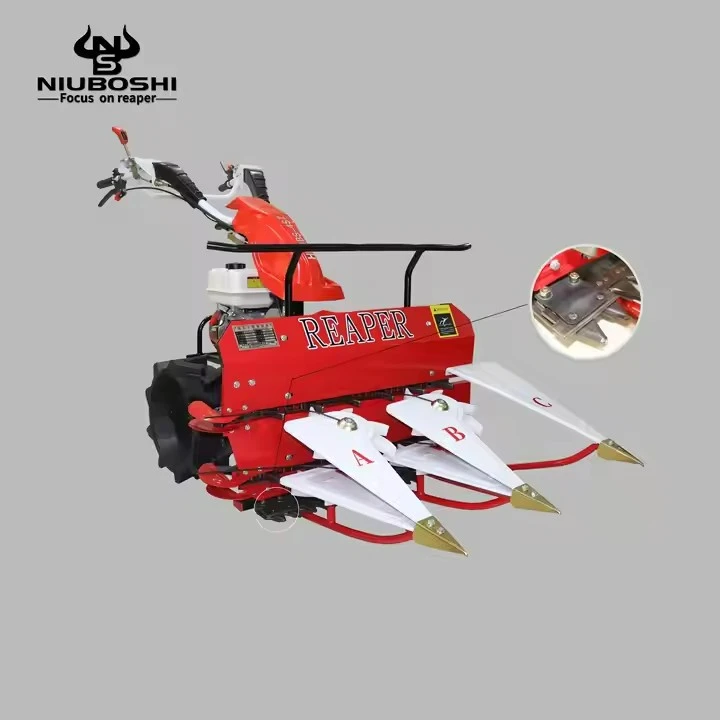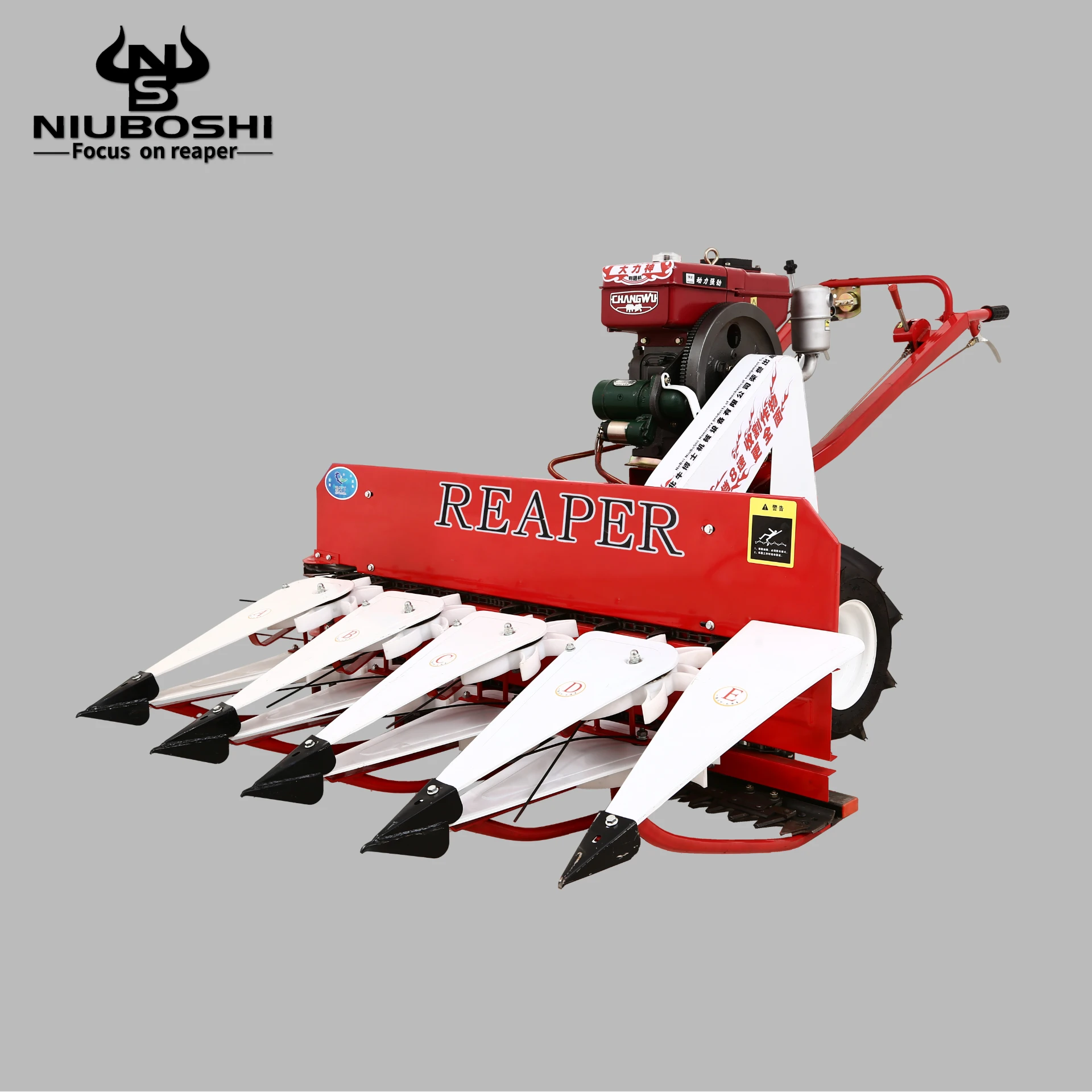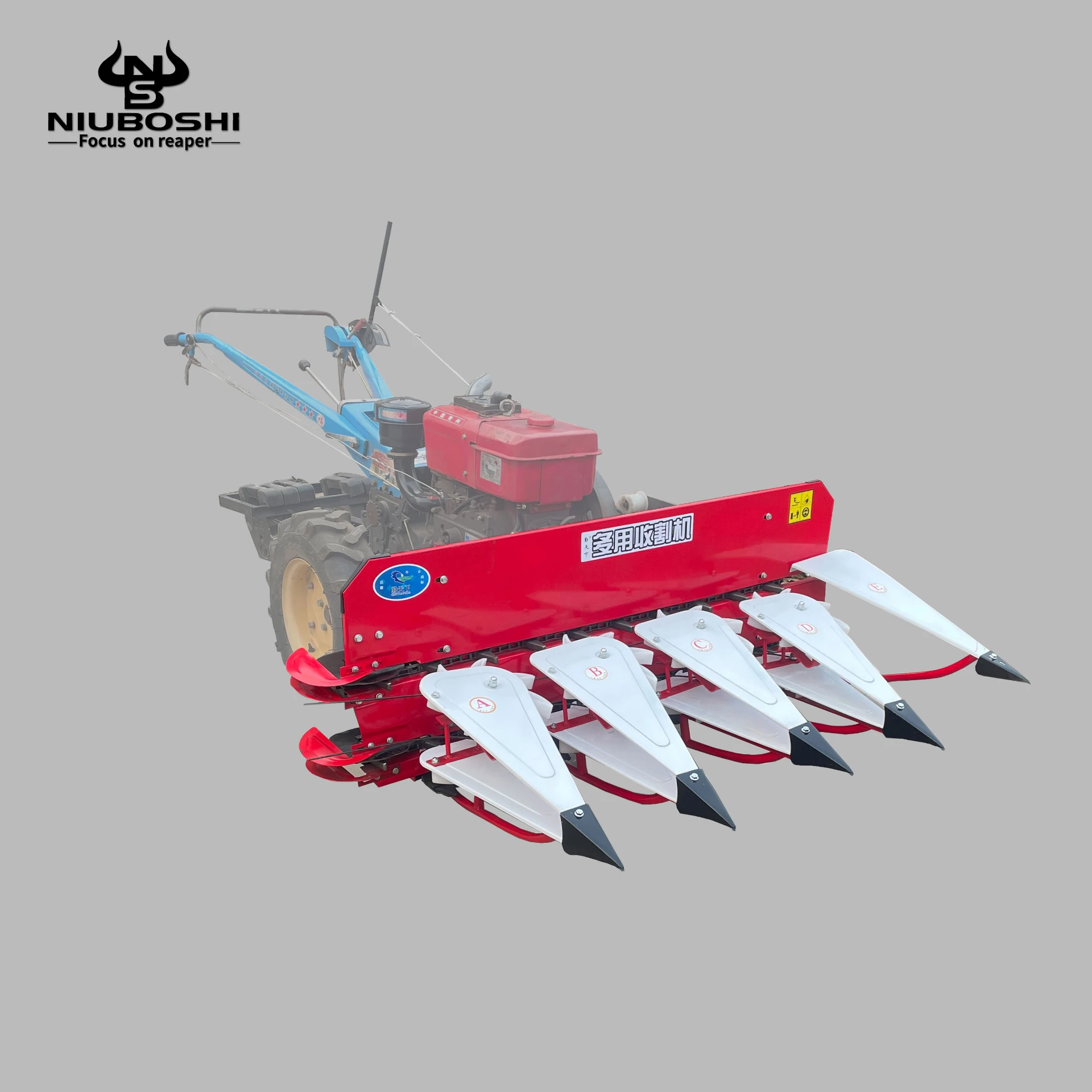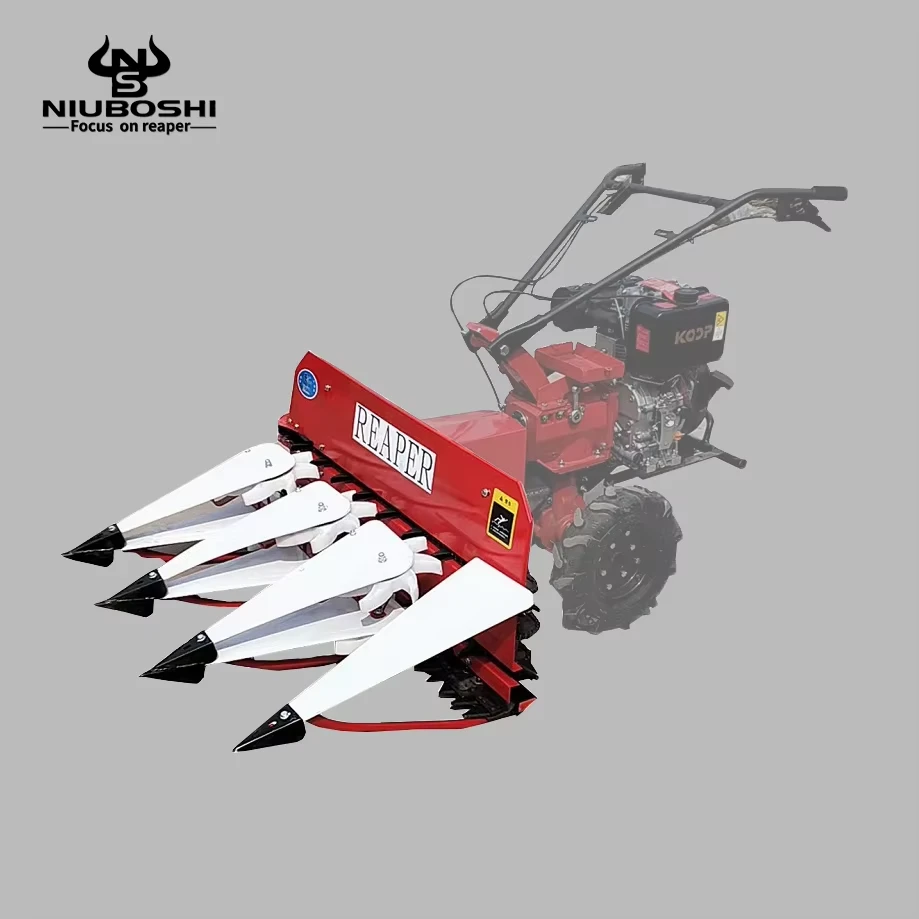
Mini Hand Harvester: Small Agricultural Tool with Big Global Impact
Understanding the Mini Hand Harvester: Small Tool, Big Impact
In the vast world of agricultural mechanization, the mini hand harvester might seem like a humble player — but don’t let its size fool you. This compact tool is actually a game changer for farmers, especially smallholders, across the globe. It offers an efficient and cost-effective means of harvesting crops like rice, wheat, or even corn with greater speed and less fatigue. As the pressure mounts to feed a growing population sustainably, understanding the role and benefits of mini hand harvesters has never been more critical.
Why does it matter globally? Well, according to the Food and Agriculture Organization of the United Nations (FAO), small-scale farmers account for roughly 500 million farms worldwide, often struggling with labor-intensive practices and limited machinery access. The mini hand harvester addresses these issues by boosting productivity while remaining affordable and accessible. In a nutshell, it’s not just a tool — it’s a pathway toward improved food security, economic empowerment, and sustainable farming.
Mini takeaway: The mini hand harvester packs significant productivity and sustainability benefits for small farms worldwide.
How Mini Hand Harvesters Fit Into the Global Farming Puzzle
Globally, agriculture is at a crossroads. Rapid urbanization, shifting labor markets, and climate variability have drastically altered how farming gets done. Machines that once seemed too large or costly for small farmers are simply off the table, but manual labor alone is daunting and slow. Enter the mini hand harvester.
Data from the World Bank indicates that rural labor shortages and rising wage costs have made manual harvesting less viable. At the same time, the International Organization for Standardization (ISO) has been pushing for more sustainable, ergonomic farm equipment. Mini harvesters align perfectly with these international shifts — their design focuses on portability and user-friendliness, enabling farmers in Asia, Africa, and Latin America to harvest quickly without massive capital.
Yet, the challenge remains: how to scale usage while keeping costs low and maintenance practical? It’s a problem the industry is actively addressing, fueling innovation from workshops to startups.
Mini takeaway: Mini hand harvesters answer global labor shortages and sustainability goals within agriculture.
What Exactly is a Mini Hand Harvester?
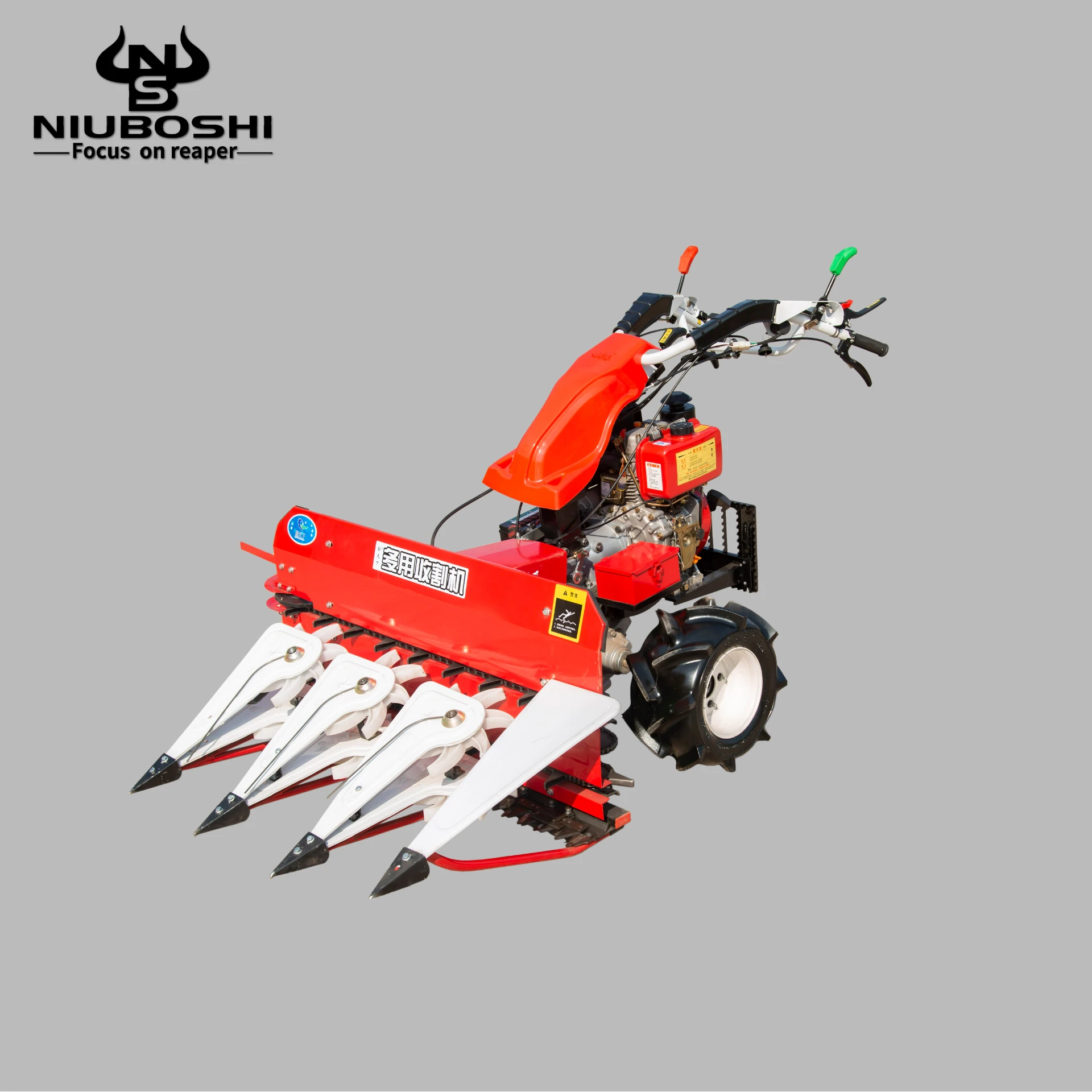
Straightforwardly: a mini hand harvester is a lightweight, portable machine designed to cut and gather crops by hand. Typically powered by a small gasoline engine or electric motor, it combines manual handling with mechanized cutting, significantly reducing the time and physical effort required.
This tool emerged as an evolution from sickles and scythes, providing an ergonomic alternative that doesn’t demand full-size tractors or harvesters. The connection to humanitarian and developing regions is strong — many NGOs support mini harvesters to boost productivity post-disaster or support food programs.
Mini hand harvesters often come with adjustable blades and guards to suit different crops, making them versatile across various field conditions.
Mini takeaway: The mini hand harvester is a simple yet powerful mechanized tool bridging manual labor and modern efficiency.
Core Components that Make Mini Hand Harvesters Tick
1. Engine Type & Power
Most mini hand harvesters are powered by a small two-stroke or four-stroke gasoline engine, with some models now offering battery-powered alternatives. The engine’s power generally ranges between 0.8 to 2.5 HP—enough to slice through stalks without weighing down the user.
2. Cutting Mechanism
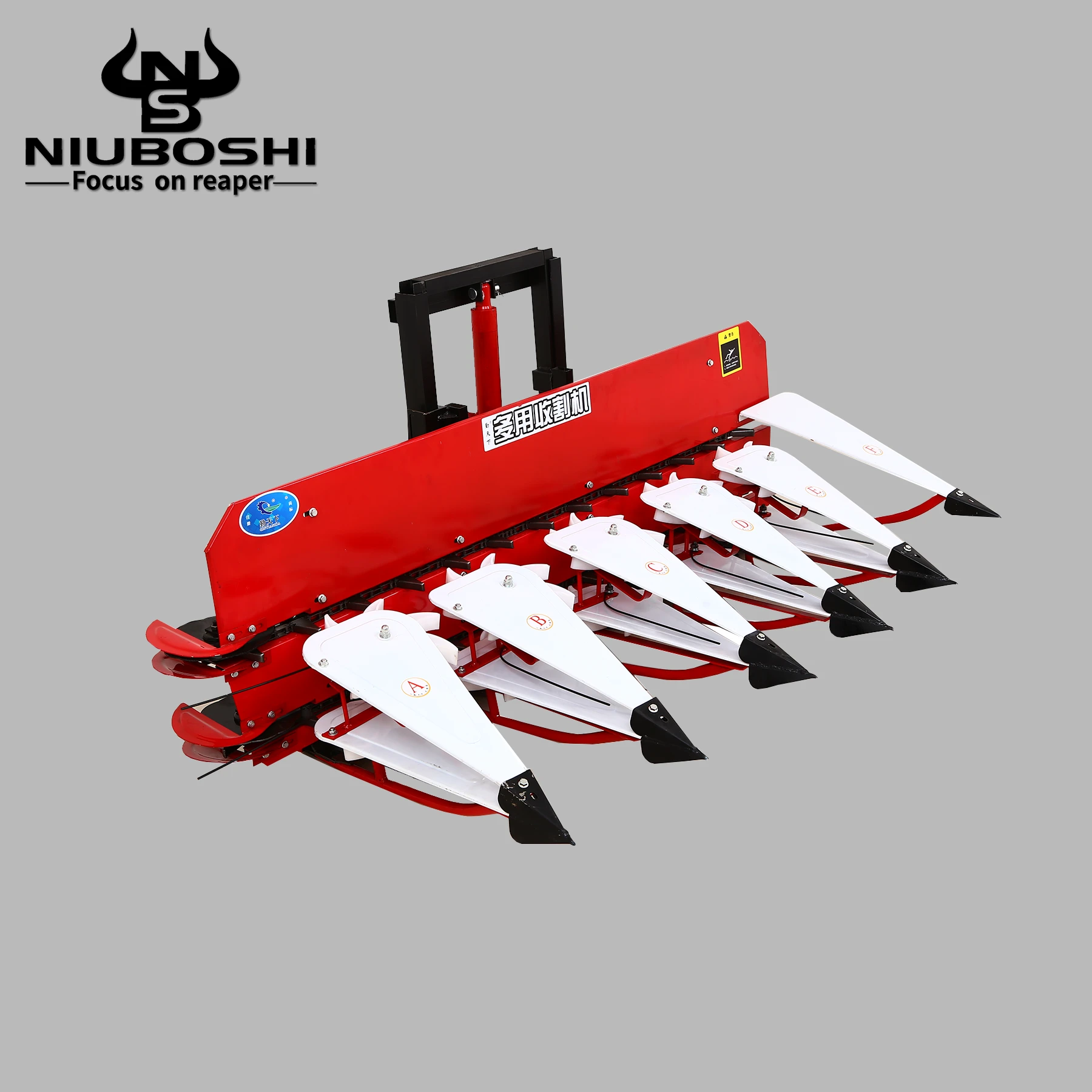
The cutting blades — often a reciprocating sickle bar — are designed to mimic manual cutting but twice or thrice as fast. Some harvesters feature adjustable blade height to accommodate different crop types and field conditions.
3. Frame & Ergonomics
Lightweight metals or durable plastics constitute the frame, often with a comfortable grip and balancing designed to minimize user fatigue during extended sessions.
4. Residue Management
Some models include mechanisms to collect or scatter plant residue, which can aid quick field clearing or support soil enrichment practices.
5. Portability & Storage
Compact folding or detachable parts make transportation and storage easier, which is critical when working on fragmented land plots or multiple sites.
| Specification | Typical Range | Notes |
|---|---|---|
| Engine Power | 0.8 – 2.5 HP | Gasoline or battery-powered options |
| Cutting Width | 30 – 50 cm | Adjustable to crop type |
| Weight | 4 – 7 kg | Optimized for prolonged use |
| Fuel Tank Capacity | 0.3 – 0.6 L | Enough for several hours' work |
| Noise Level | 65 – 80 dB | Lower noise models emerging |
Mini takeaway: Mini hand harvesters blend practical engine power, ergonomic design, and versatile cutting tools to serve diverse agricultural needs.
Where and How Are Mini Hand Harvesters Being Used?
The mini hand harvester truly shines in regions where farming parcels are small, terrain rugged, or mechanization options scarce. Southern and Southeast Asia see extensive use due to rice cultivation patterns. Similarly, parts of sub-Saharan Africa use these machines for maize and millet harvesting.
Here are a few notable scenarios:
- Post-disaster agriculture: In flood-affected zones where larger machinery couldn’t be mobilized quickly, NGOs offer mini hand harvesters to restore food production.
- Organic farms: Without heavy machines that damage soil ecology, small organic farms favor mini harvesters to keep operations light and green.
- Farm cooperatives: Shared access to mini hand harvesters in cooperatives saves costs and increases harvest efficiency.
One interesting vignette comes from a small village in Vietnam where traditional manual cutting took an entire day for 1 hectare. By introducing mini hand harvesters, harvest time was cut to 4 hours, freeing labor for planting and other farm tasks.
Mini takeaway: The mini hand harvester proves invaluable in smallholder, organic, and difficult-to-access farms worldwide.
The Many Advantages of Mini Hand Harvesters That Keep Them Popular
Why does this tool continue to draw enthusiasm? For starters:
- Cost efficiency: With comparatively low acquisition and running costs, mini harvesters deliver strong ROI.
- Environmental friendliness: They consume less fuel and reduce soil compaction, supporting sustainable farming.
- Worker safety & comfort: Ergonomic design reduces strain and injury risk.
- Empowerment: Particularly for women and elderly farmers who find large harvesters unwieldy.
There’s also a subtle social element: farms that can harvest faster tend to have better market access and community well-being. I always find it heartwarming to hear how farmers talk about “freeing up time” for their families thanks to these machines.
Mini takeaway: Mini hand harvesters unlock economic, environmental, and social value far beyond their size.
What’s Next for Mini Hand Harvesters? Future Trends and Innovations
The future looks lively, with trends worth watching:
- Electric and battery-powered models: Rising environmental concerns push for greener alternatives, reducing noise and fumes.
- Smart agriculture integrations: Sensor-based feedback systems for blade angle, crop density, or maintenance alerts.
- Material advancements: Use of carbon fiber or recycled plastics to reduce weight and boost durability.
- Customization platforms: 3D printing and modular designs allowing easy swaps or repairs on the field.
- Government subsidies: Policy shifts encouraging adoption among small farmers.
Though not perfect, these advances hint at mini hand harvesters becoming even more reliable, efficient, and accessible.
Mini takeaway: Innovation in power sources, materials, and smart tech will elevate mini hand harvesters to new levels of productivity and sustainability.
Facing Challenges: What Holds Mini Hand Harvesters Back and How to Fix It
Of course, no tool is flawless. Common hurdles include:
- Maintenance complexity: Small engines sometimes need specialized service not available in remote areas.
- Fuel availability: Gasoline options can be impractical for off-grid farmers.
- Limited blade versatility: Some crops or uneven terrains require different cutting mechanisms.
Solutions emerging involve:
- Training programs for local technicians to handle repairs.
- Expanding electric or manual hybrid models.
- Developing adaptive blade sets and universal attachments.
Many field engineers I talked to believe local manufacturing collaboration is key, so farmers can maintain machines without long waits or parts shortages.
Mini takeaway: Addressing maintenance, fuel, and adaptability issues is crucial for broader mini hand harvester adoption.
FAQ: Practical Questions About Mini Hand Harvesters
- Q: How does a mini hand harvester compare to manual sickle cutting in terms of efficiency?
- A: Mini hand harvesters can speed up harvesting by two to three times while reducing physical strain. This efficiency helps farmers complete work faster and increases overall productivity.
- Q: What crops are best suited for harvesting with mini hand harvesters?
- A: They work well with cereals like rice, wheat, barley, and maize. Some models are also adaptable for legumes or similar stalked crops, depending on blade design.
- Q: Are mini hand harvesters easy to transport between fields?
- A: Generally yes. Most models are lightweight (4–7 kg) with foldable or detachable parts, making them convenient for fragmented land use common in smallholder farming.
- Q: Can a mini hand harvester be used by farmers who have never operated machinery before?
- A: Absolutely. These machines are designed for simplicity, with basic starting procedures and minimal controls. Some vendors provide training to first-time users.
- Q: What maintenance is required to keep a mini hand harvester running efficiently?
- A: Regular cleaning, blade sharpening, oil changes, and fuel checks are essential. Prompt repair of worn parts extends machine life significantly.
Vendor Comparison: Choosing the Right Mini Hand Harvester Supplier
| Vendor | Price Range (USD) | Power Source | Warranty | Additional Features |
|---|---|---|---|---|
| AgriTech Solutions | $250 - $400 | Gasoline (2-stroke) | 1 year | Adjustable blade height, easy start |
| EcoHarvest Ltd. | $350 - $500 | Electric battery-powered | 2 years | Quiet operation, low emissions |
| FieldMasters | $200 - $350 | Gasoline (4-stroke) | 6 months | Lightweight frame, easy repair |
Wrapping It Up: Why Mini Hand Harvesters Matter More Than Ever
In the grand narrative of farming mechanization, the mini hand harvester is a quiet hero. It offers a practical, affordable, and ergonomic solution that empowers millions of small farmers to work smarter, not harder. By bridging the gap between manual labor and full-scale machinery, these tools help secure food production, improve livelihoods, and support sustainable practices.
As innovations continue — electric motors, smarter designs, and accessible maintenance — the future looks bright for this humble but mighty machine. If you want to explore the latest models or learn more about mini hand harvesters, don’t hesitate to visit our website. Farming’s future could just be a few small, efficient cuts away.
And that’s a comforting thought, isn’t it?
References
Latest news
-
Maximize Harvest Efficiency with the Agro Reaper Binder MachineNewsApr.16,2026
-
Boost Harvest Efficiency with the Best Agriculture Reaper MachineNewsApr.09,2026
-
Revolutionizing Agriculture with the Efficient Agriculture Power ReaperNewsApr.07,2026
-
Comprehensive Guide to the 4 Wheel Reaper Binder for Efficient HarvestingNewsApr.04,2026
-
Comprehensive Guide to Reaperbinder Technology for Efficient Hay and Crop HarvestingNewsMar.31,2026
-
Mastering the Art of Reaper Cutting for Enhanced Agricultural EfficiencyNewsMar.28,2026