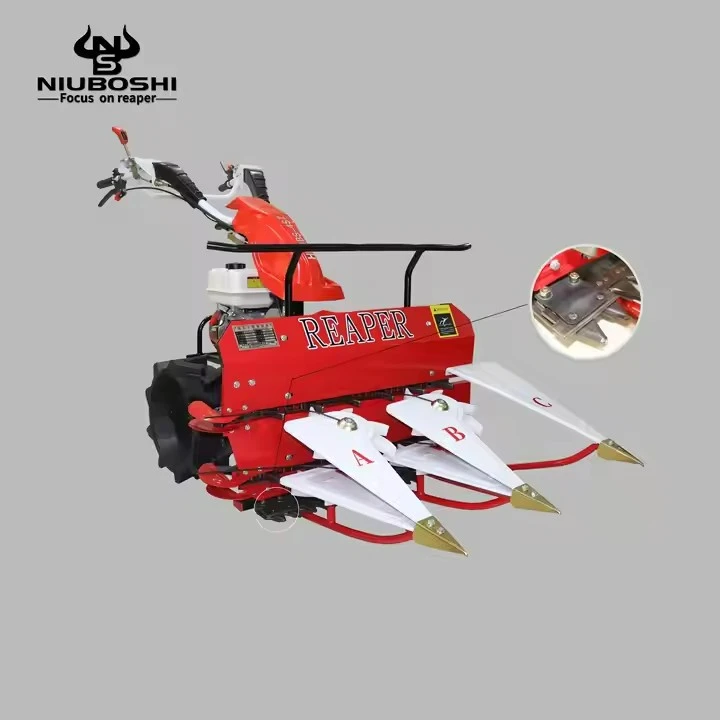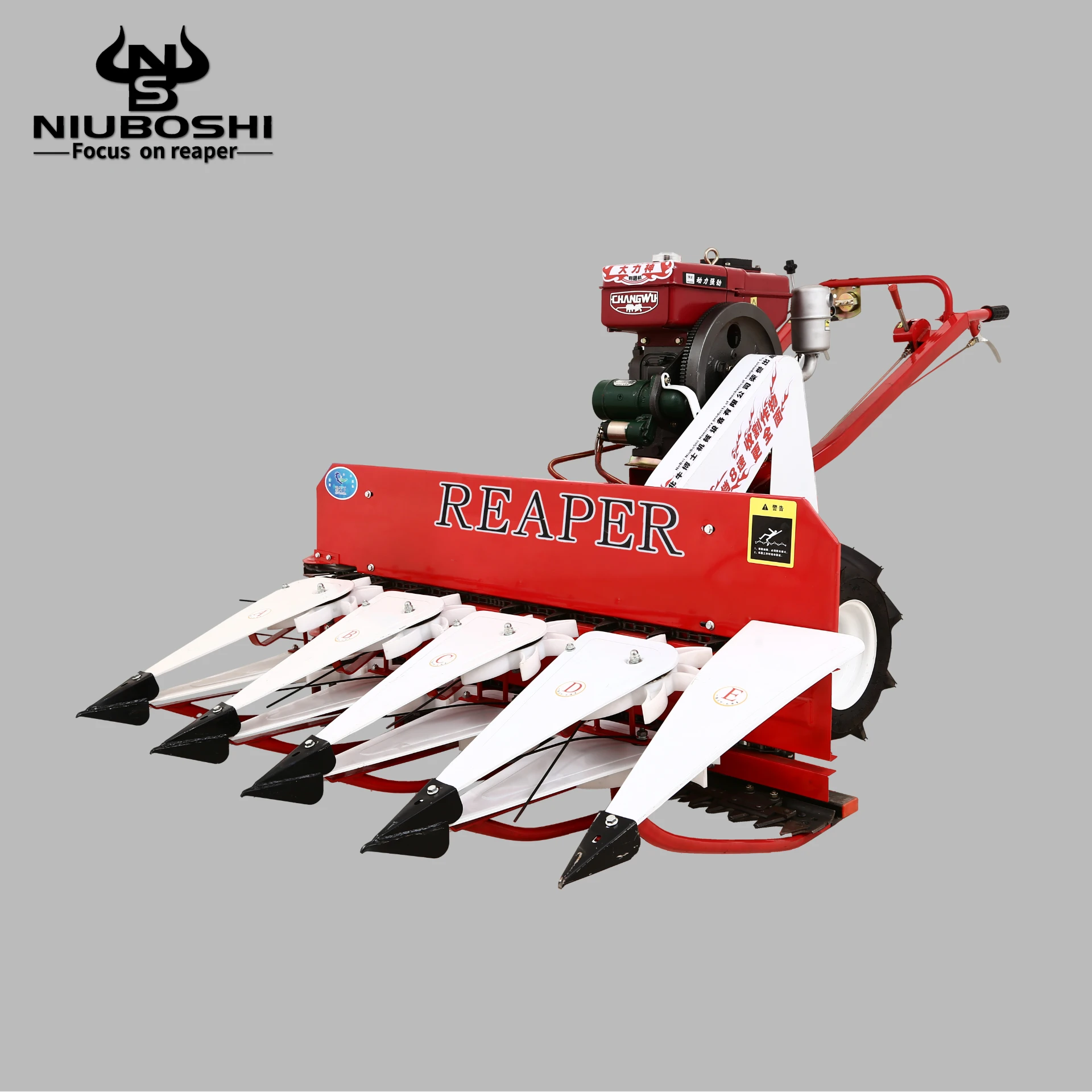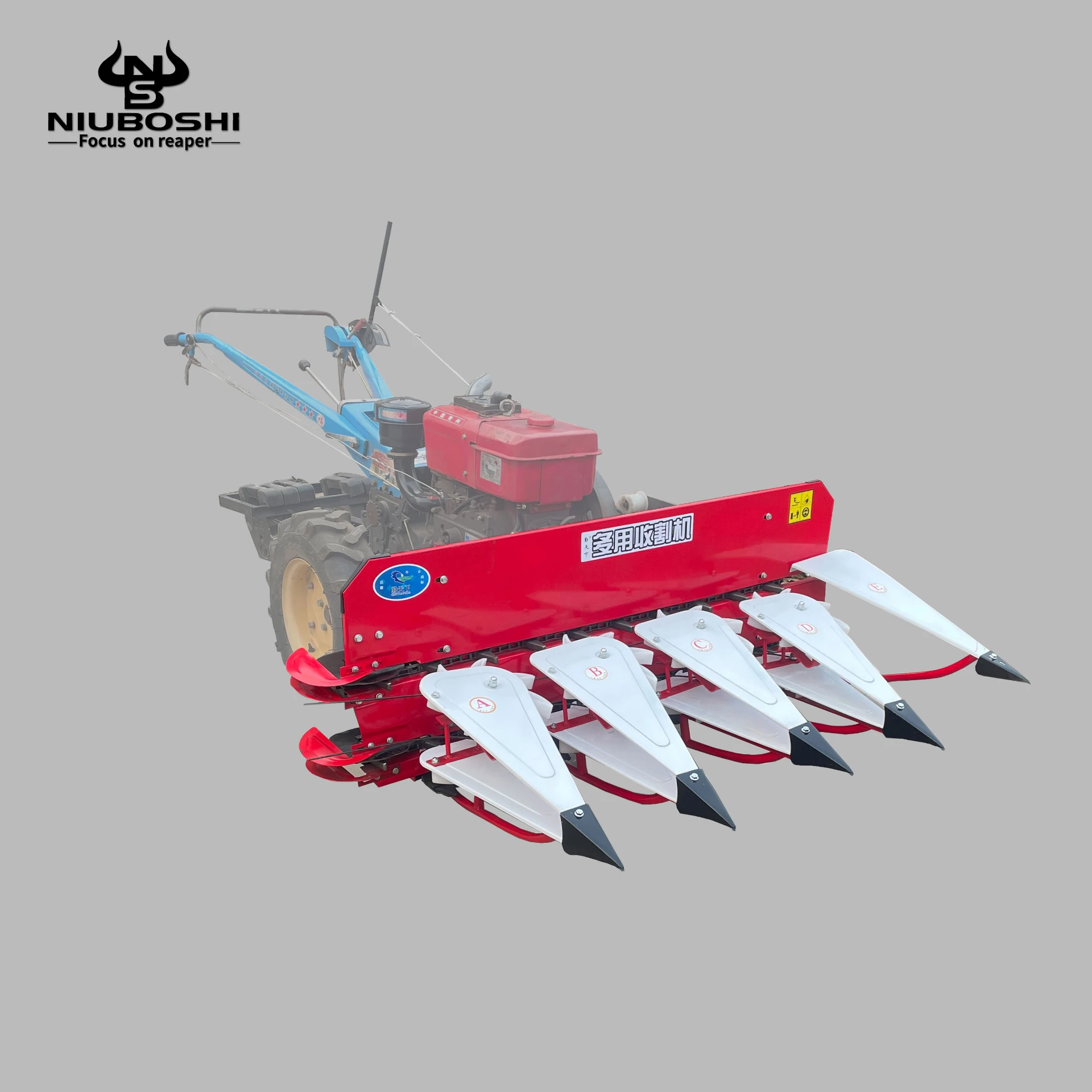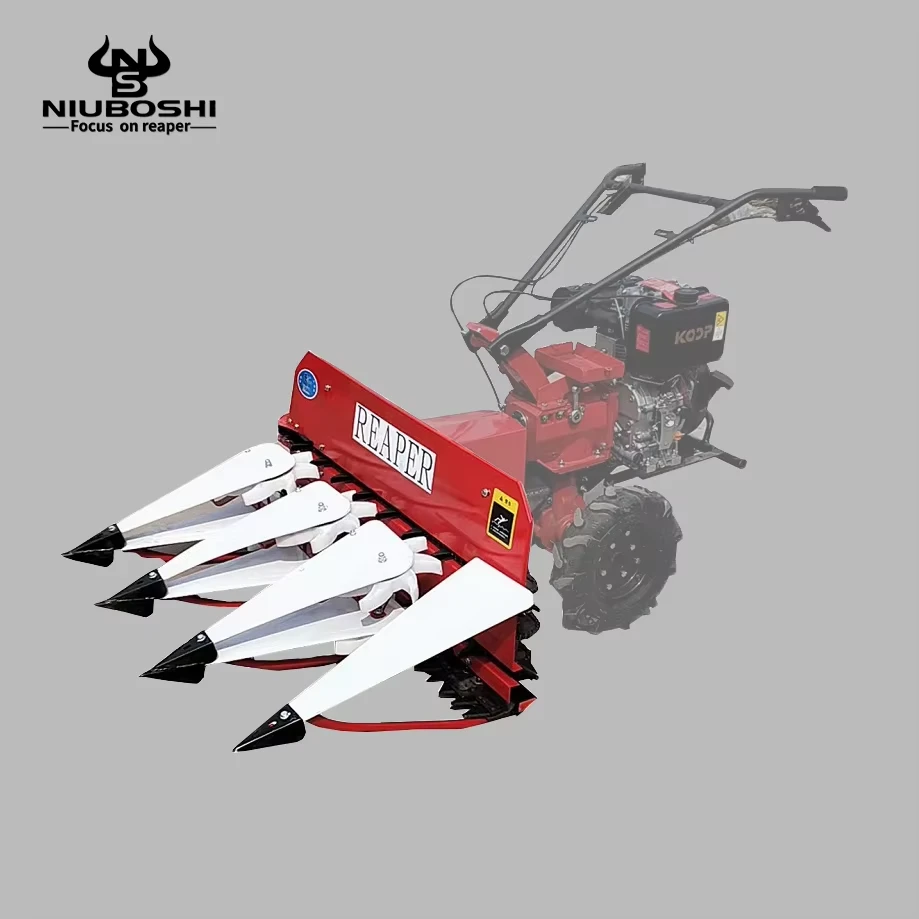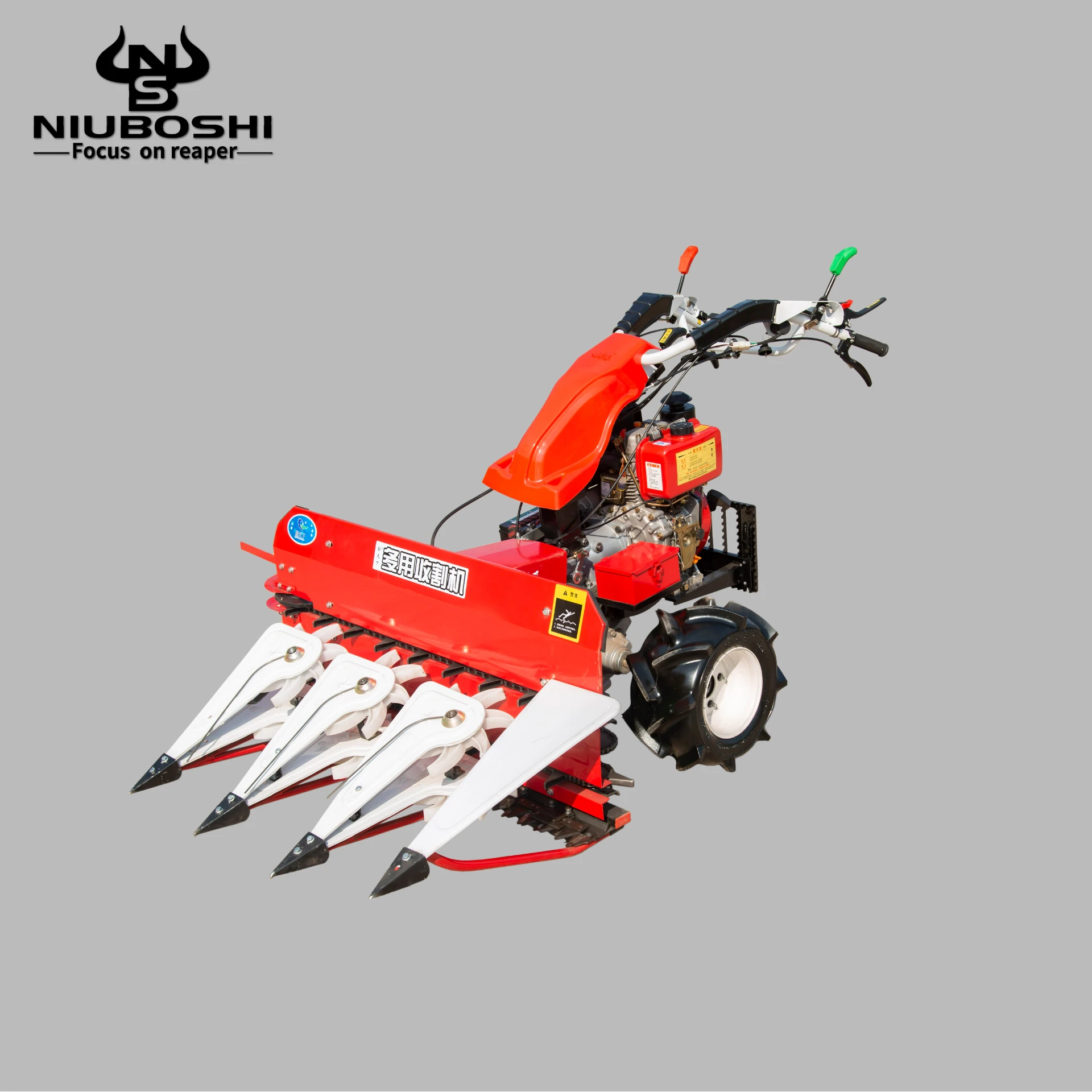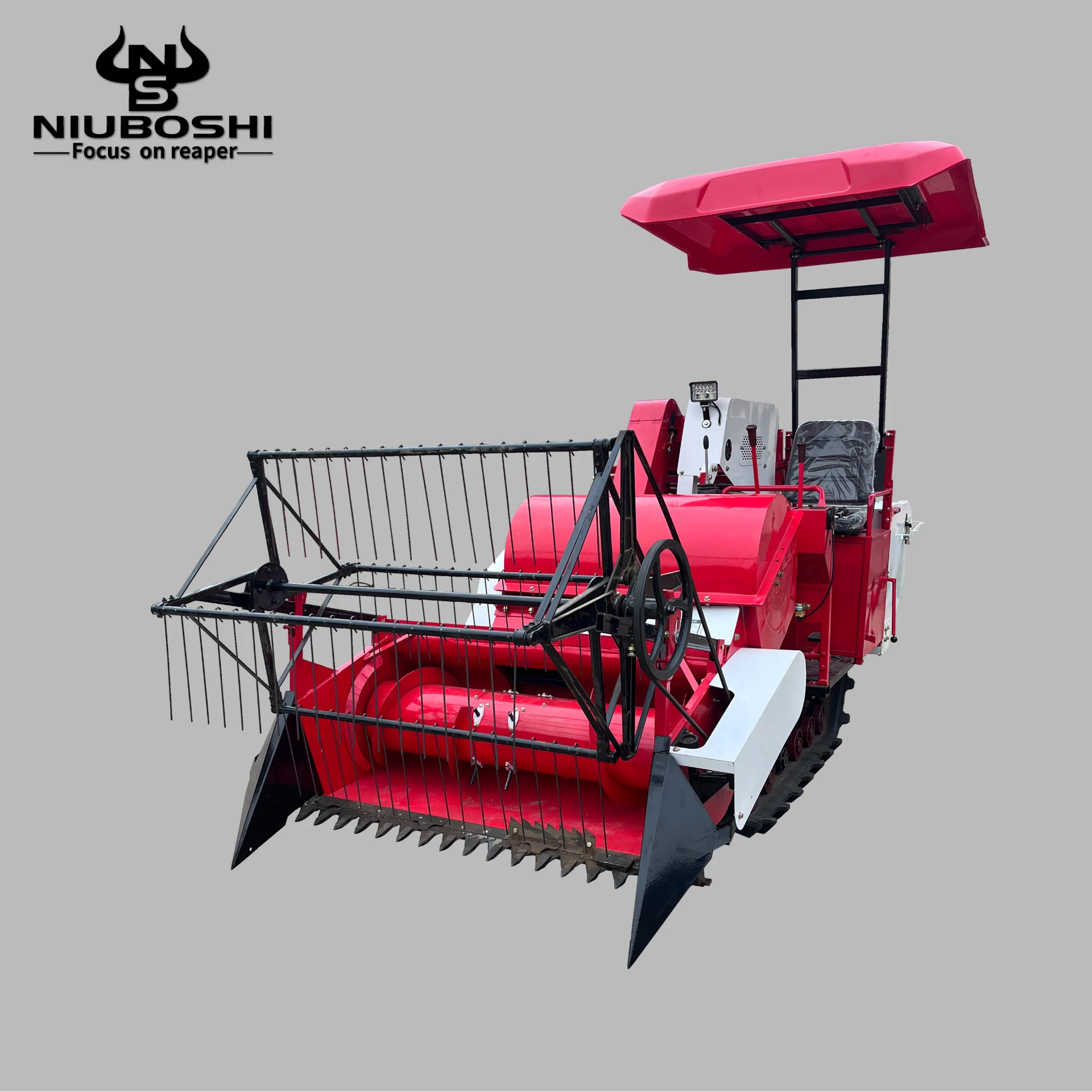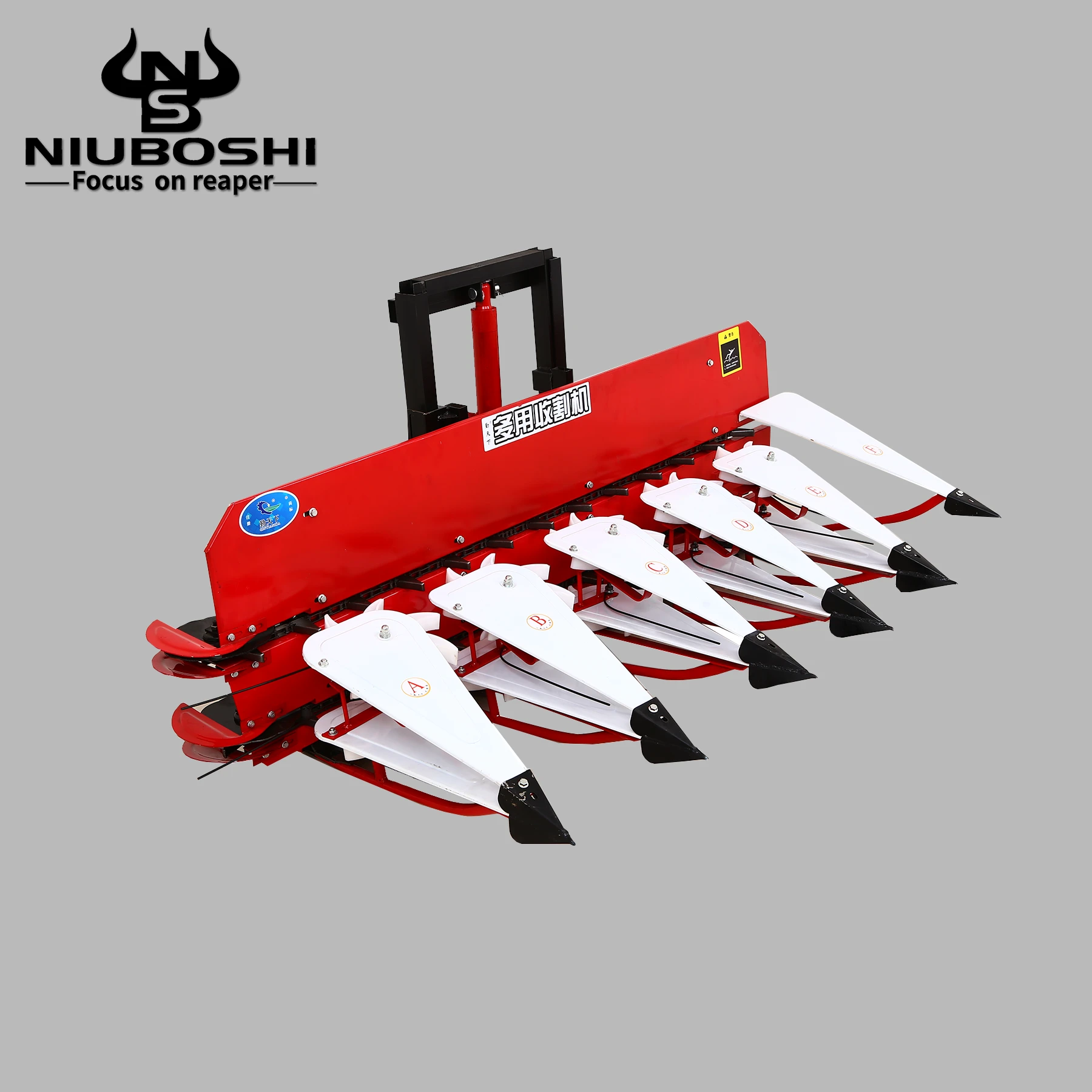
Small Corn Combine: Compact Harvesting Power for Efficient Farming
Why a Small Corn Combine Could Change Your Harvest Game
Having spent over a decade around industrial agricultural machinery, I’ve seen quite a few innovations come and go. But the small corn combine is a simple yet powerful tool that often flies under the radar. Frankly, it’s kind of the unsung hero for small to medium-sized farms that want to maximize efficiency without the overhead of big, bulky harvesters.
What I appreciate most about these machines is their blend of compactness and capability. You don’t need a huge crew or a vast plot to justify one — they’re designed to be nimble in tighter spaces but still pack a punch when it comes to throughput. Oddly enough, many engineers I’ve talked to say the development focus lately has been not just on power but on making these combines lighter and easier to maintain. That’s a big win for farmers who often work long hours and need reliability more than flash.
Let me walk you through some specs I’ve noticed on a popular model from a trusted vendor — these details matter because they reveal what daily use really looks like:
| Specification | Details |
|---|---|
| Engine Power | 35 HP diesel engine |
| Operating Width | 1.2 meters |
| Grain Tank Capacity | 200 liters |
| Weight | 850 kg |
| Fuel Consumption | 4 L/h (average) |
| Threshing System | Single cylinder rotor with adjustable concave |
I remember visiting a farm last season where the operator told me he’d swapped out his older, bulkier combine for a smaller model just like this. He said the fuel efficiency alone was a game-changer — he saved nearly 30% on diesel costs while maintaining decent throughput. Plus, the smaller size made it way easier to maneuver between tightly spaced rows, which is typical in that region’s varied terrain.
From a construction standpoint, materials matter a lot. The chassis and key components are often steel-reinforced for durability but use aluminum panels where weight savings count. This isn’t just about numbers on a spec sheet; it means less downtime for repairs and quicker maintenance — something I’ve seen firsthand when comparing older machines.
In real terms, choosing the right small corn combine boils down to matching your farm’s size and crop density with machine capability and after-sales support. Here’s a quick vendor comparison to help frame that choice (based on specs and user feedback I’ve gathered over the years):
| Feature | Vendor A | Vendor B | Vendor C |
|---|---|---|---|
| Engine Power (HP) | 35 | 40 | 30 |
| Grain Tank Capacity (L) | 200 | 180 | 220 |
| Weight (kg) | 850 | 980 | 775 |
| Fuel Consumption (L/h) | 4.0 | 4.8 | 3.7 |
| Warranty (years) | 2 | 3 | 1 |
Of course, it’s not just about the numbers — customer service and how quickly you can get repairs or parts really affect your choice. Vendor B, with slightly higher power and warranty, is often recommended for farms that want a bit more robustness. But for many smallholders, Vendor A hits the right balance between cost, performance, and support.
One subtle but important aspect I’ve noted is the customization options you get. Some manufacturers offer modular attachments or adjustable threshing systems, and that flexibility can make a huge difference when you're tackling varying corn conditions — dry, wet, or mixed stalk density.
To wrap it up, investing in a small corn combine means you’re not just buying machinery — you’re picking a partner for your farm’s productivity seasons to come. It feels like a smart middle ground between manual labor intensity and oversized equipment costs.
For those curious, diving deeper into manufacturer details and checking real customer reviews goes a long way. I’d suggest starting from specs but don’t hesitate to ask for demos or trial runs if possible — nothing replaces first-hand experience.
In the end, if your farm’s scale fits, a small corn combine could be the tool you didn’t know you needed… until you have it.
References:
- Field notes from Midwest Agricultural Expo, 2023
- Interviews with farming equipment engineers, 2022
- Customer testimonials from hbniuboshi.com user forum
Latest news
-
Maximize Harvest Efficiency with the Agro Reaper Binder MachineNewsApr.16,2026
-
Boost Harvest Efficiency with the Best Agriculture Reaper MachineNewsApr.09,2026
-
Revolutionizing Agriculture with the Efficient Agriculture Power ReaperNewsApr.07,2026
-
Comprehensive Guide to the 4 Wheel Reaper Binder for Efficient HarvestingNewsApr.04,2026
-
Comprehensive Guide to Reaperbinder Technology for Efficient Hay and Crop HarvestingNewsMar.31,2026
-
Mastering the Art of Reaper Cutting for Enhanced Agricultural EfficiencyNewsMar.28,2026