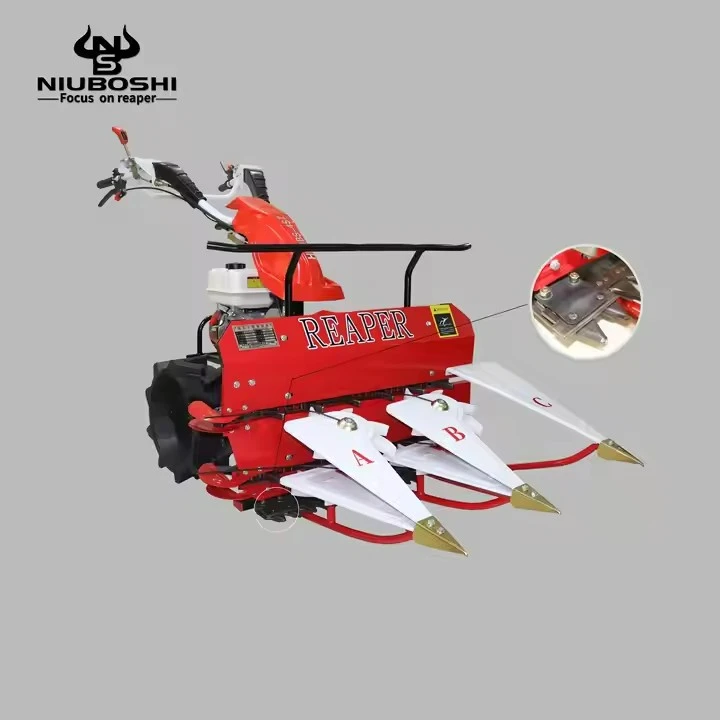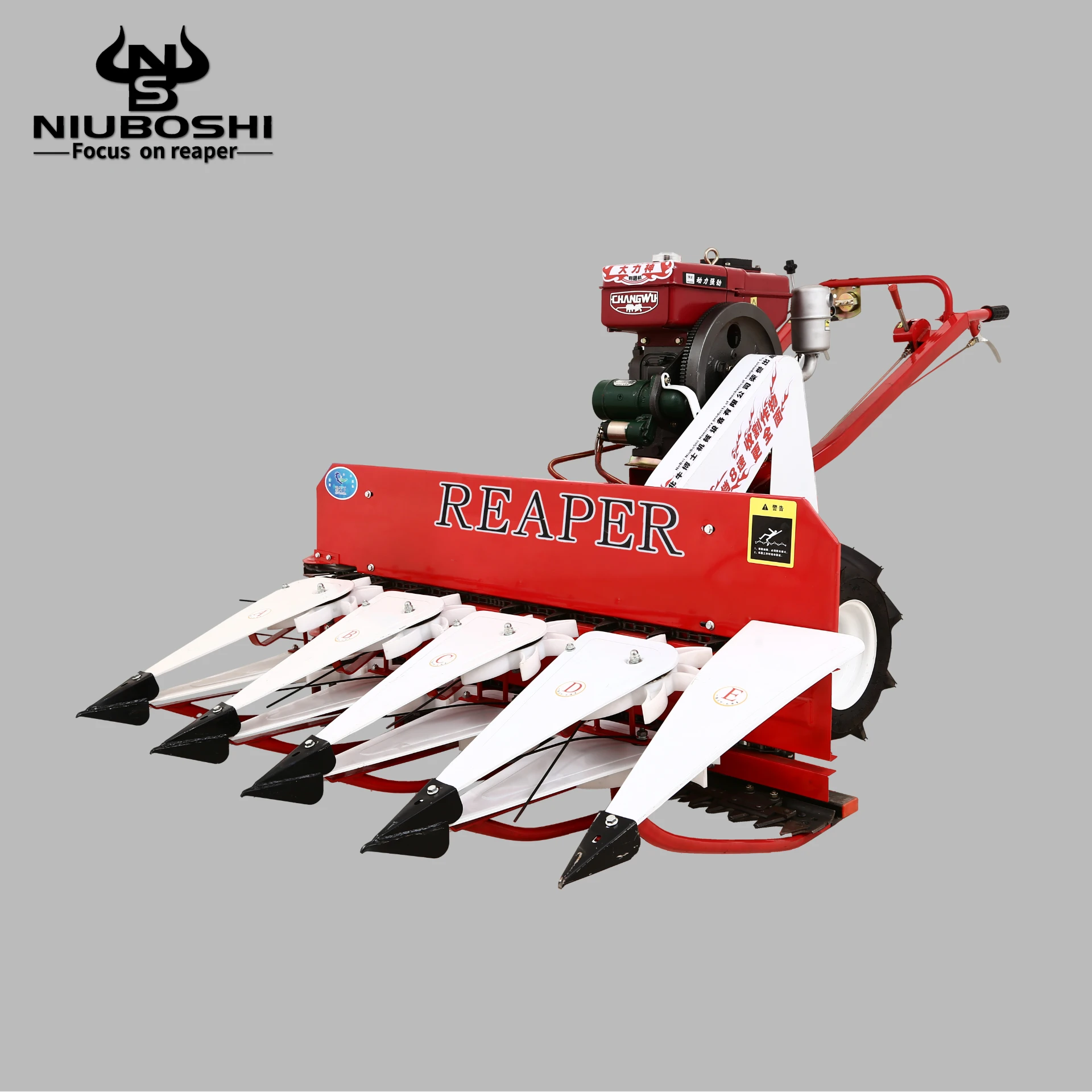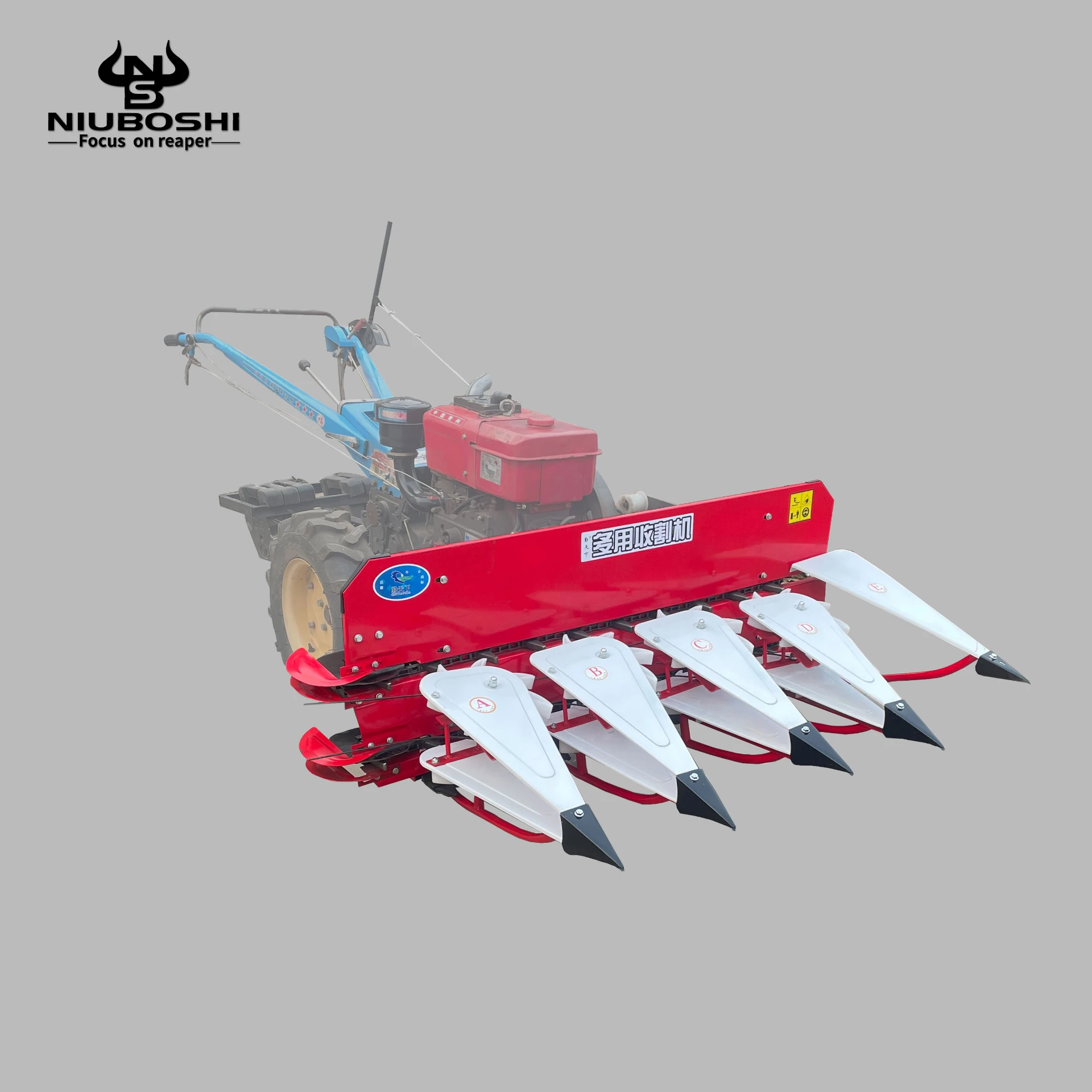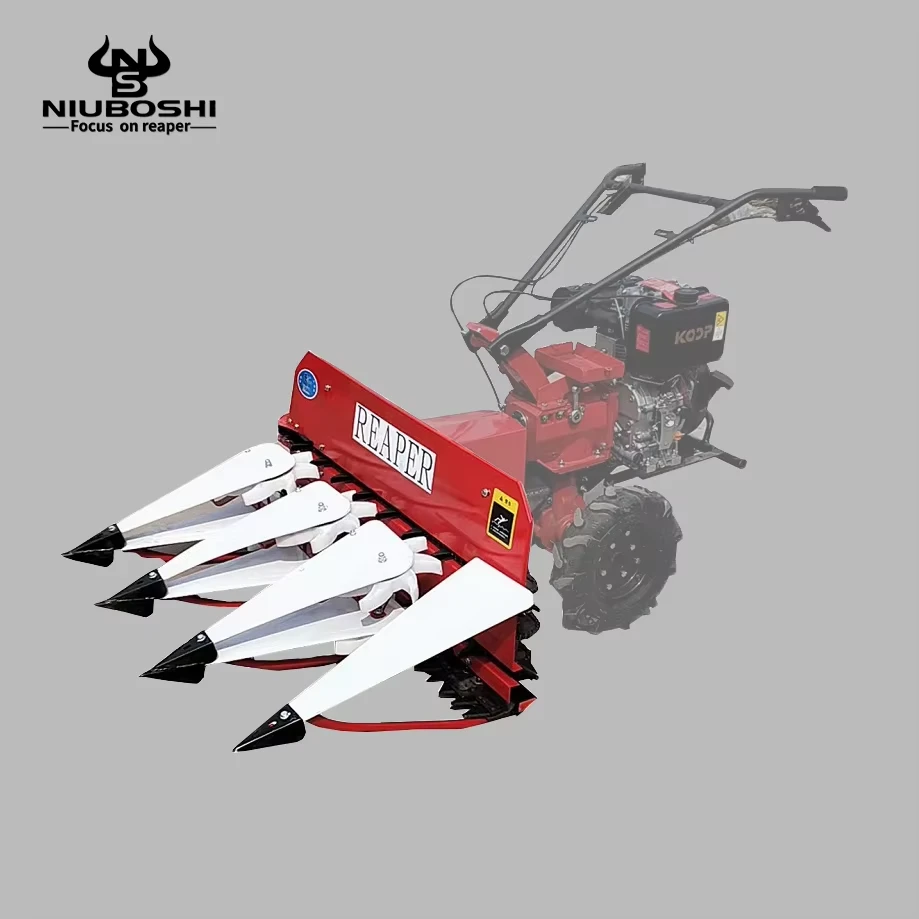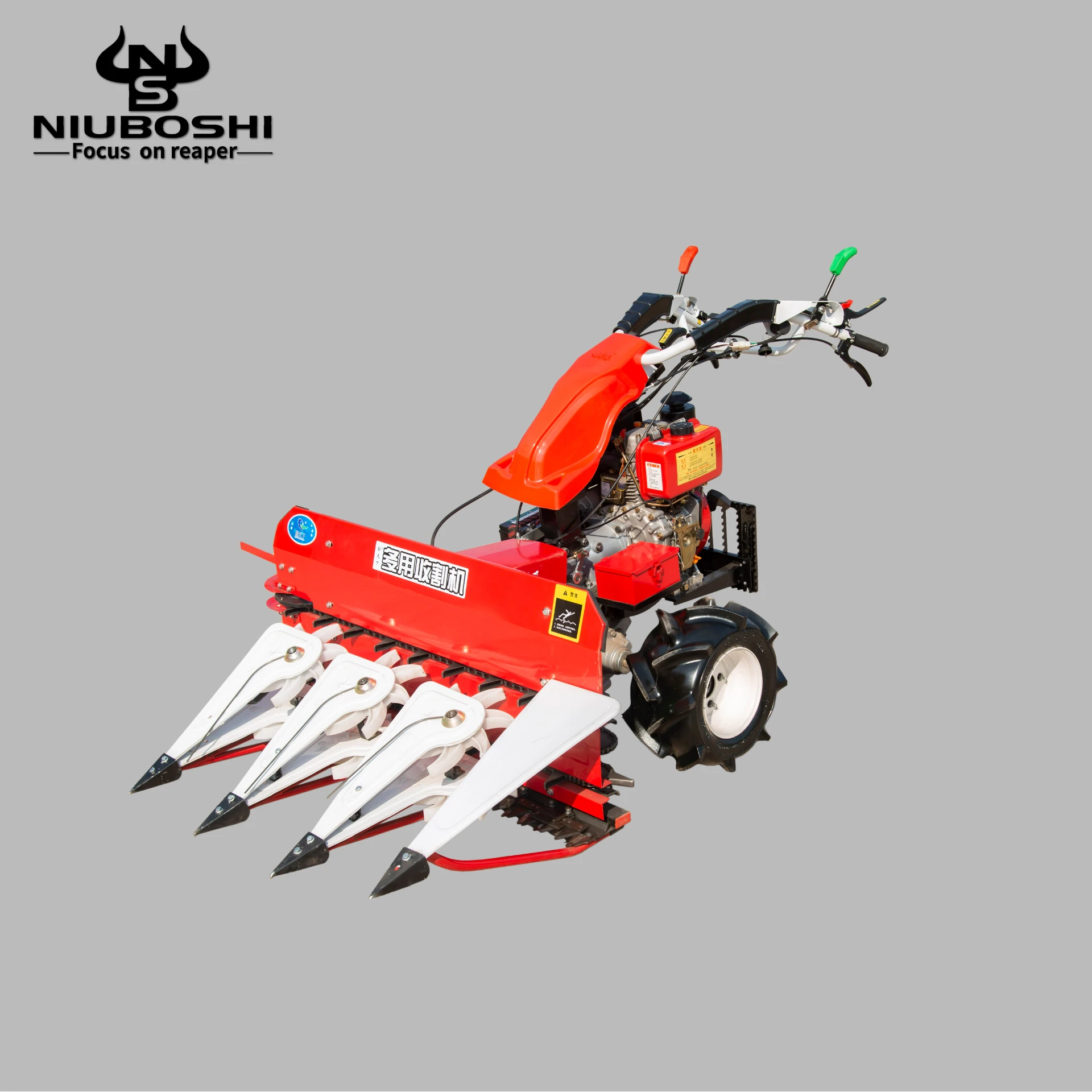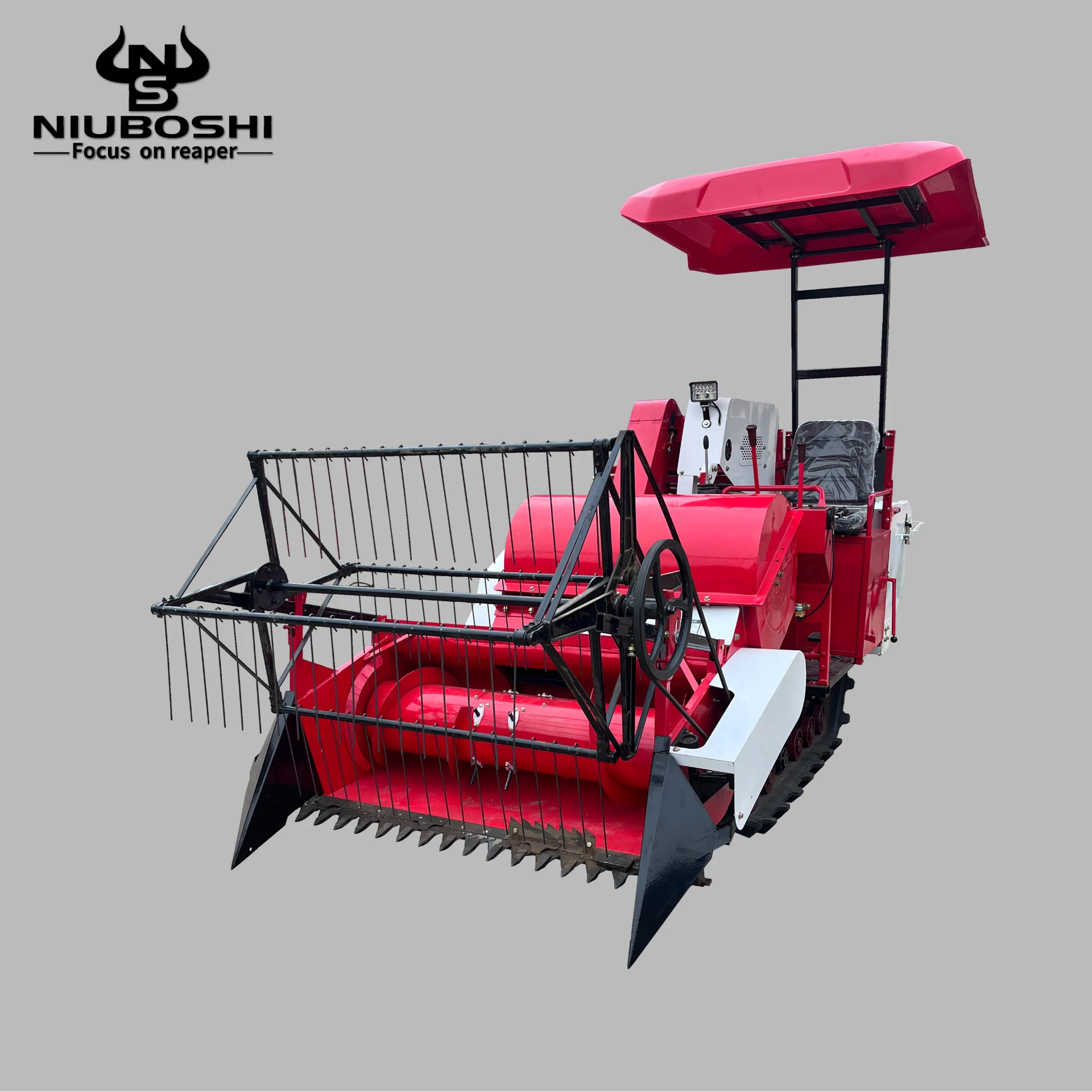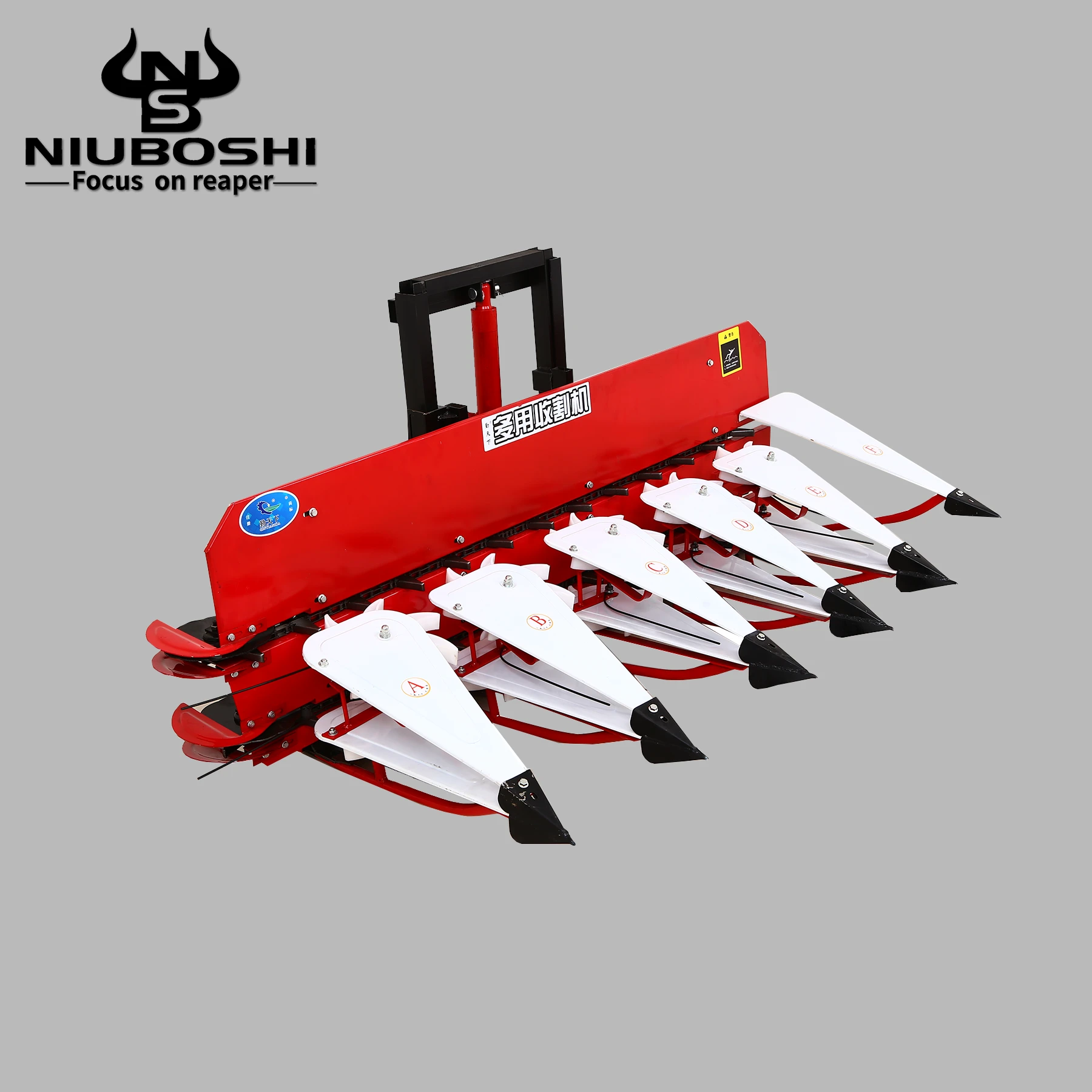
Standard Mini Harvester: Compact Logging Power for Tough Terrains
The Standard Mini Harvester: Compact Power in Industrial Logging
You know, after spending more than a decade stepping through shumacres and logging yards, I keep coming back to one piece of machinery — the standard mini harvester. It’s odd, really. You’d think bigger equipment would always steal the show, but these compact giants are rewriting the rules of timber operations. Let me share some thoughts and observations from the trenches.
First off, the appeal of the mini harvester boils down to versatility and efficiency. Frankly, these machines are designed to tackle tight, uneven terrain where conventional harvesters just can't fit. If your operation involves thinning out small parcels of forest or maintenance logging on slopes, the mini harvester shines literally and figuratively.
One thing I’ve noticed over the years is how manufacturers balance lightweight design with durable components. For example, the chassis often combines high-strength steel alloys with reinforced hydraulic lines, ensuring the machine can bear reasonable loads without compromising maneuverability. In real terms, this means the standard mini harvester can operate longer hours without excessive wear—something many engineers appreciate.
| Specification | Details |
|---|---|
| Operating Weight | 4,500 - 6,000 kg |
| Engine Power | 75 - 100 kW |
| Hydraulic Flow Rate | 120 - 140 L/min |
| Cutting Diameter Capacity | Up to 350 mm |
| Track Type | Rubber or Steel Tracks (Customizable) |
Testing these machines in varied conditions is something I’ve been fortunate to observe firsthand. Manufacturers seem to stress long-term reliability under real working conditions — and I mean, months of nonstop operation in cold, wet, or dusty environments. The standard mini harvester doesn’t just survive; it adapts. Operators often tell me how the intuitive controls and cab ergonomics reduce fatigue during long shifts. That’s big; because, after all, a happy operator means higher productivity.
Speaking of operators, I recall one forestry contractor who switched their fleet to these compact harvesters. They praised the reduced soil compaction, which helped preserve forest ecology while maintaining steady throughput. In their words: “We can now access tricky slopes without resorting to manual cutting.” That kind of customer validation is golden in our business.
Now, the big question often is: “Which vendor’s mini harvester do I pick?” It’s not always straightforward, since options range from budget-friendly to premium high-tech. Here’s a simple comparison that might clear things up, based on what I frequently see in the market:
| Vendor | Price Range | Key Feature | After-sales Support |
|---|---|---|---|
| HB Niuboshi | Mid-range | Customizable track options & robust hydraulic system | Excellent, with quick response times |
| ForestPro | High-end | Advanced automation & remote diagnostics | Comprehensive but costly |
| EcoHarvest | Budget-friendly | Simplified design & easy maintenance | Limited, mostly online support |
Customization is another area that deserves a shout-out. Depending on your forest type or workload, you might want rubber tracks for minimal ground disturbance or steel tracks for extra traction. Add-on tools—like grapple heads or special cutting heads—make these machines flexible to your needs. You basically get a toolbox on tracks.
I suppose if I had to distill the standard mini harvester’s value in one short line, it’d be: it brings the muscle of big logging machines into spaces big equipment can only dream of reaching.
To wrap up, whether you’re a seasoned logger, equipment manager, or forestry contractor, this type of machine merits consideration. It fits the niche where agility meets power and where thoughtful engineering meets practicality.
References:
1. Industry logs and field reports, 2018-2023
2. HB Niuboshi product catalog & user feedback
3. Forestry equipment comparative studies, 2022
Latest news
-
Maximize Harvest Efficiency with the Agro Reaper Binder MachineNewsApr.16,2026
-
Boost Harvest Efficiency with the Best Agriculture Reaper MachineNewsApr.09,2026
-
Revolutionizing Agriculture with the Efficient Agriculture Power ReaperNewsApr.07,2026
-
Comprehensive Guide to the 4 Wheel Reaper Binder for Efficient HarvestingNewsApr.04,2026
-
Comprehensive Guide to Reaperbinder Technology for Efficient Hay and Crop HarvestingNewsMar.31,2026
-
Mastering the Art of Reaper Cutting for Enhanced Agricultural EfficiencyNewsMar.28,2026