Small Wheat Combine Guide – Efficient Harvesting for Smallholder Farms
Understanding the Small Wheat Combine: Why It Matters in Modern Agriculture
When you hear “small wheat combine,” you might picture a modest, almost friendly-looking machine quietly doing the heavy lifting on a rustic farm. But this compact marvel is much more than just a piece of farm equipment—it’s a cornerstone of efficient, sustainable agriculture worldwide, impacting food security and rural economies. Why focus on this small but mighty machine? Because, frankly, it holds the key to addressing modern farming challenges with smart, scalable solutions that fit in less expansive fields and meet resource constraints.
Wheat is a staple for billions, and how it’s harvested—efficiently and with minimal loss—can affect everything from local incomes to global grain markets. That’s where small wheat combines come in: blending agility with technology to harvest patches that wouldn’t fit big machines and to empower smaller farmers globally. Understanding these machines helps us appreciate the technological advances ensuring food keeps flowing as our climate and economies shift.
Global Context: Why Small Wheat Combines Are Gaining Traction
Across the world, agriculture faces growing hurdles: shrinking farmland, unpredictable weather, and the constant push for sustainability. According to the Food and Agriculture Organization of the UN, almost 570 million farms worldwide are family-run and often manage less than 2 hectares each — making large combines impractical. In regions like South Asia, Sub-Saharan Africa, and Eastern Europe, mechanization remains spotty, and smaller combines have become essential for accessible and affordable harvesting.
Consider this: global wheat production hovers around 760 million tonnes annually, yet inefficient harvesting can lead to 10-15% yield loss in many small-plot farms. Small wheat combines directly combat this by adapting to limited field sizes and reducing labor intensity, enabling faster, cleaner harvests even in tough terrain. It’s a vital piece of the puzzle in boosting food security without pushing excessive capital expenditure.
small wheat combineWhat Exactly Is a Small Wheat Combine?
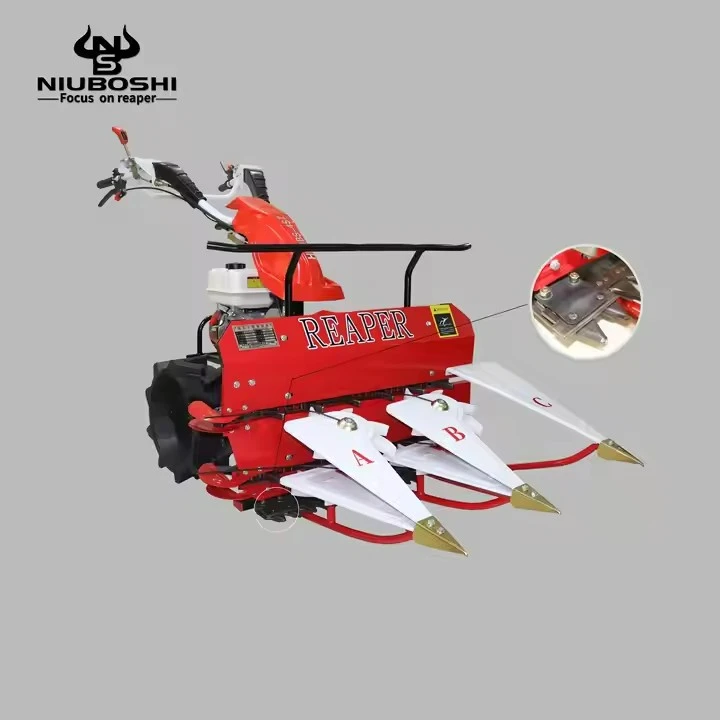
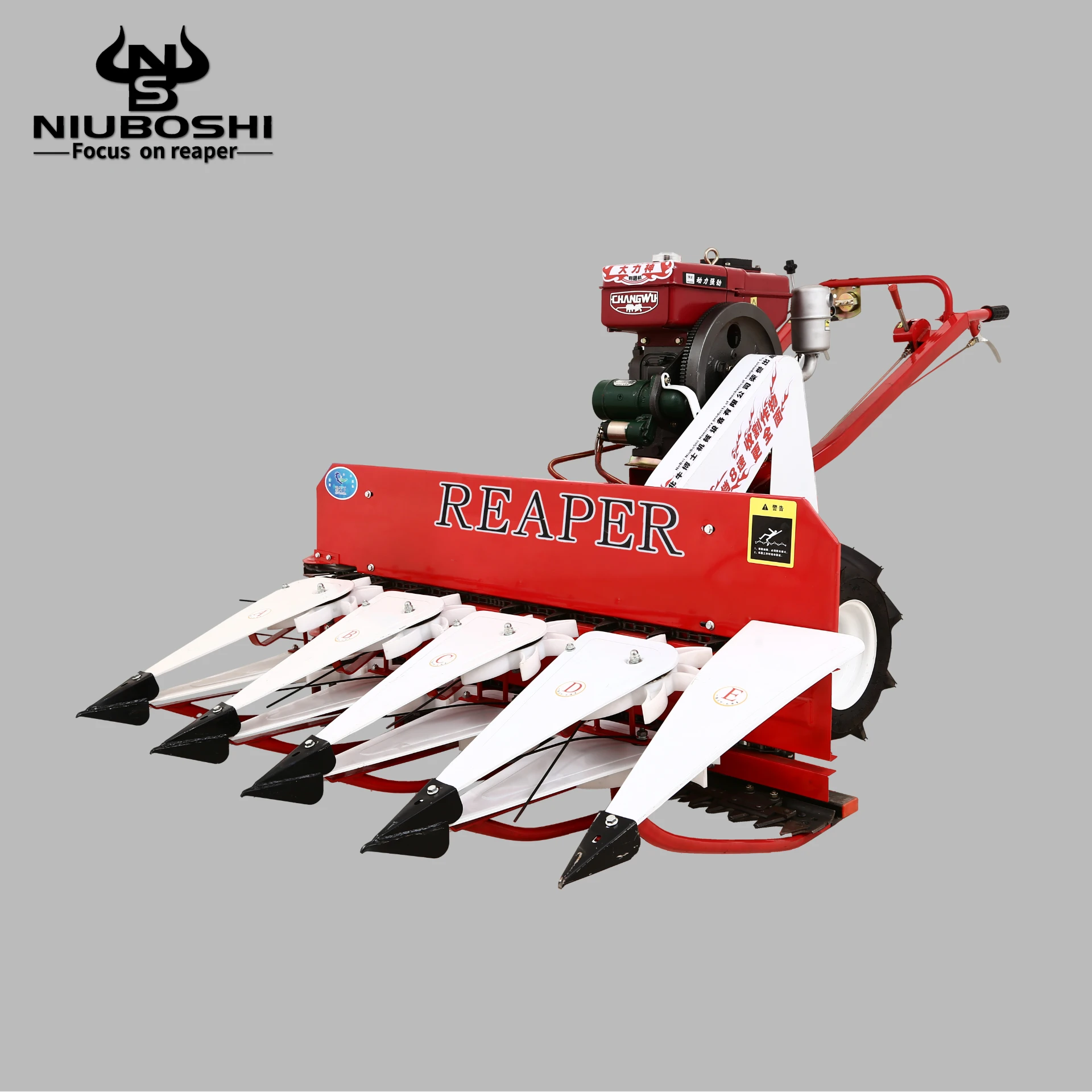
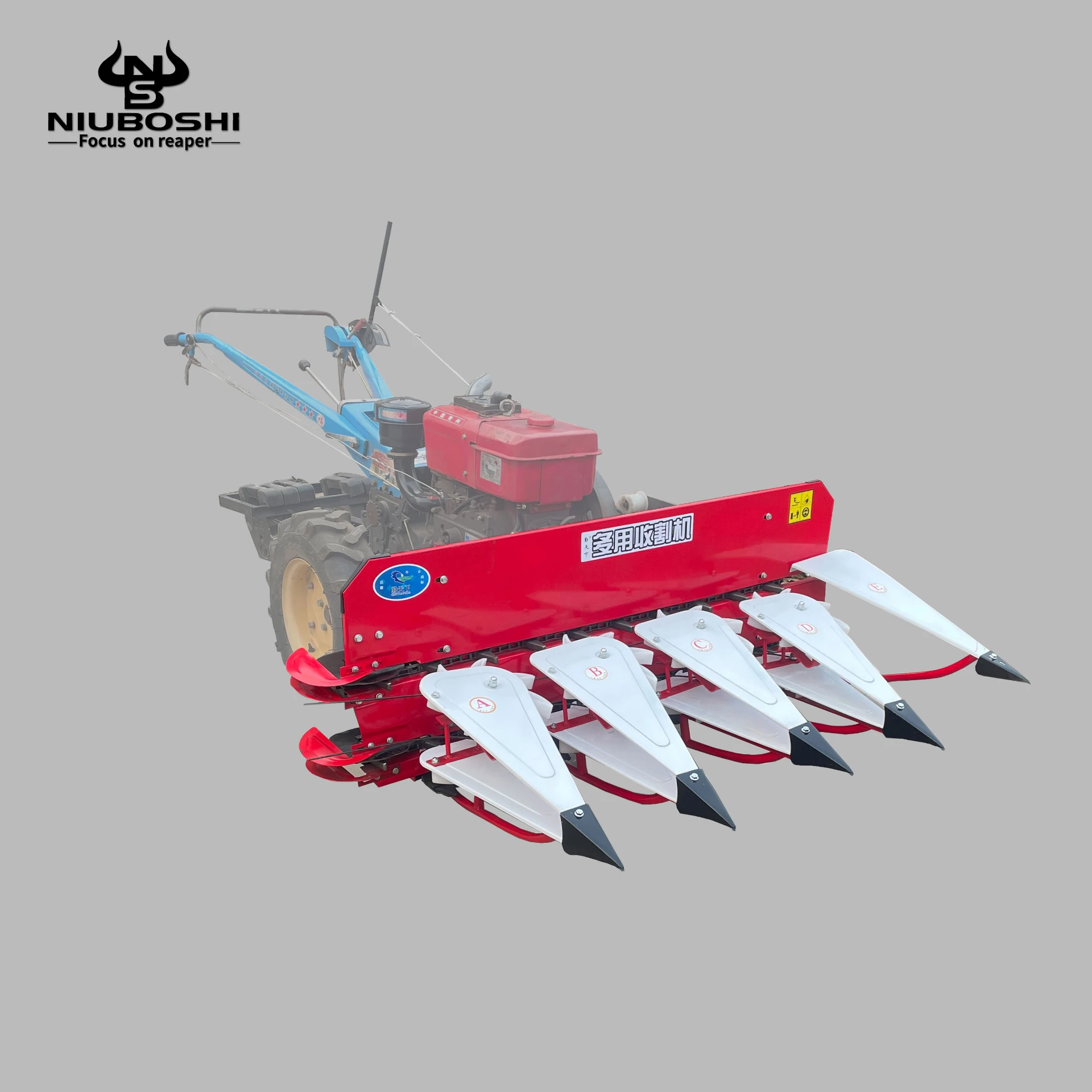
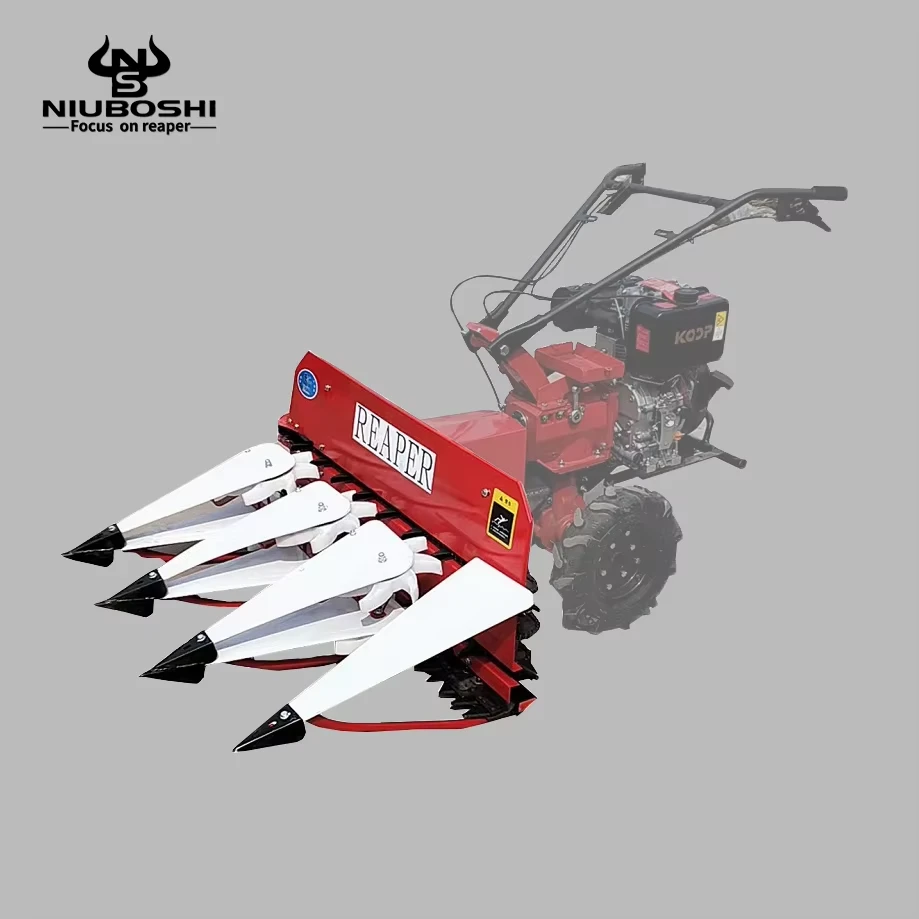
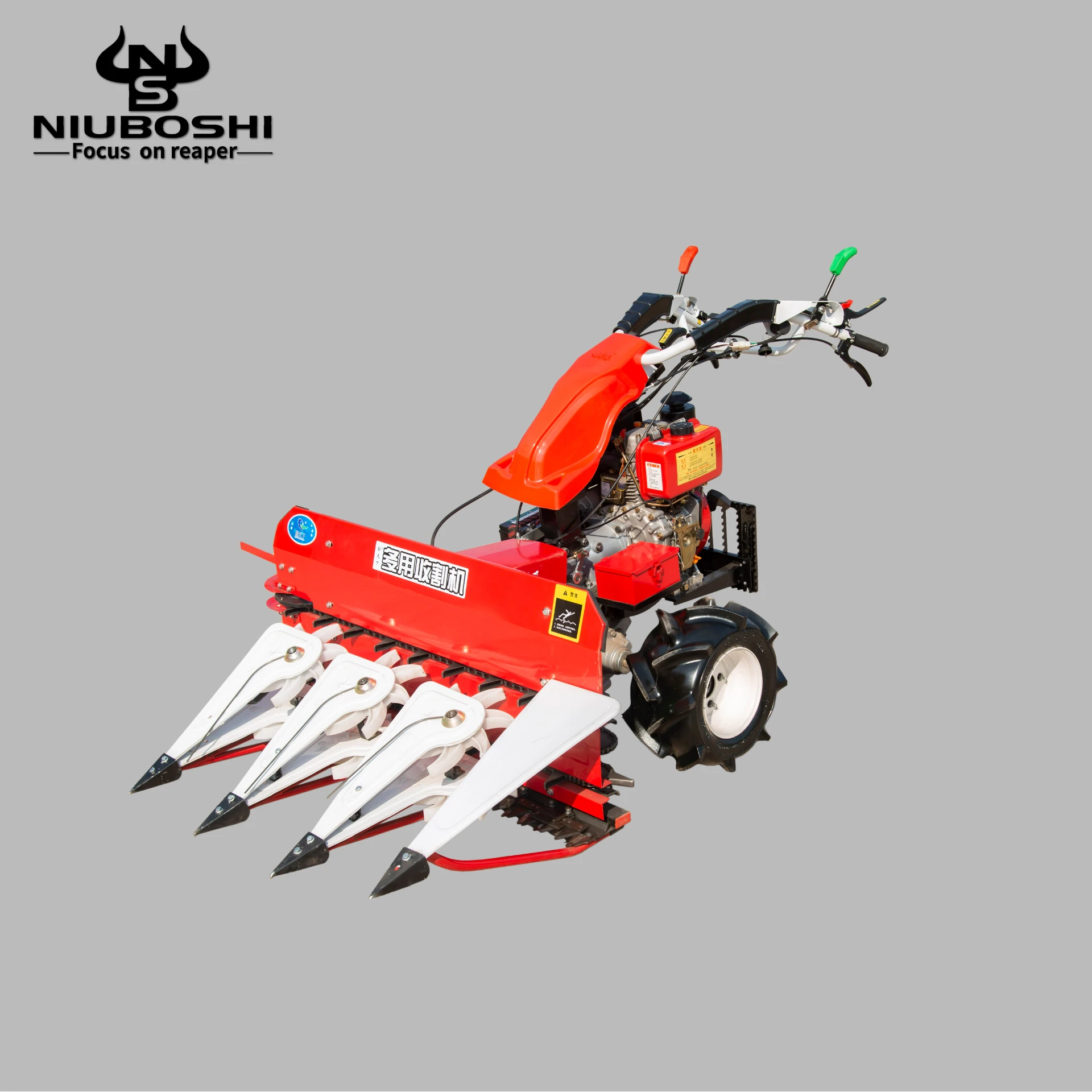
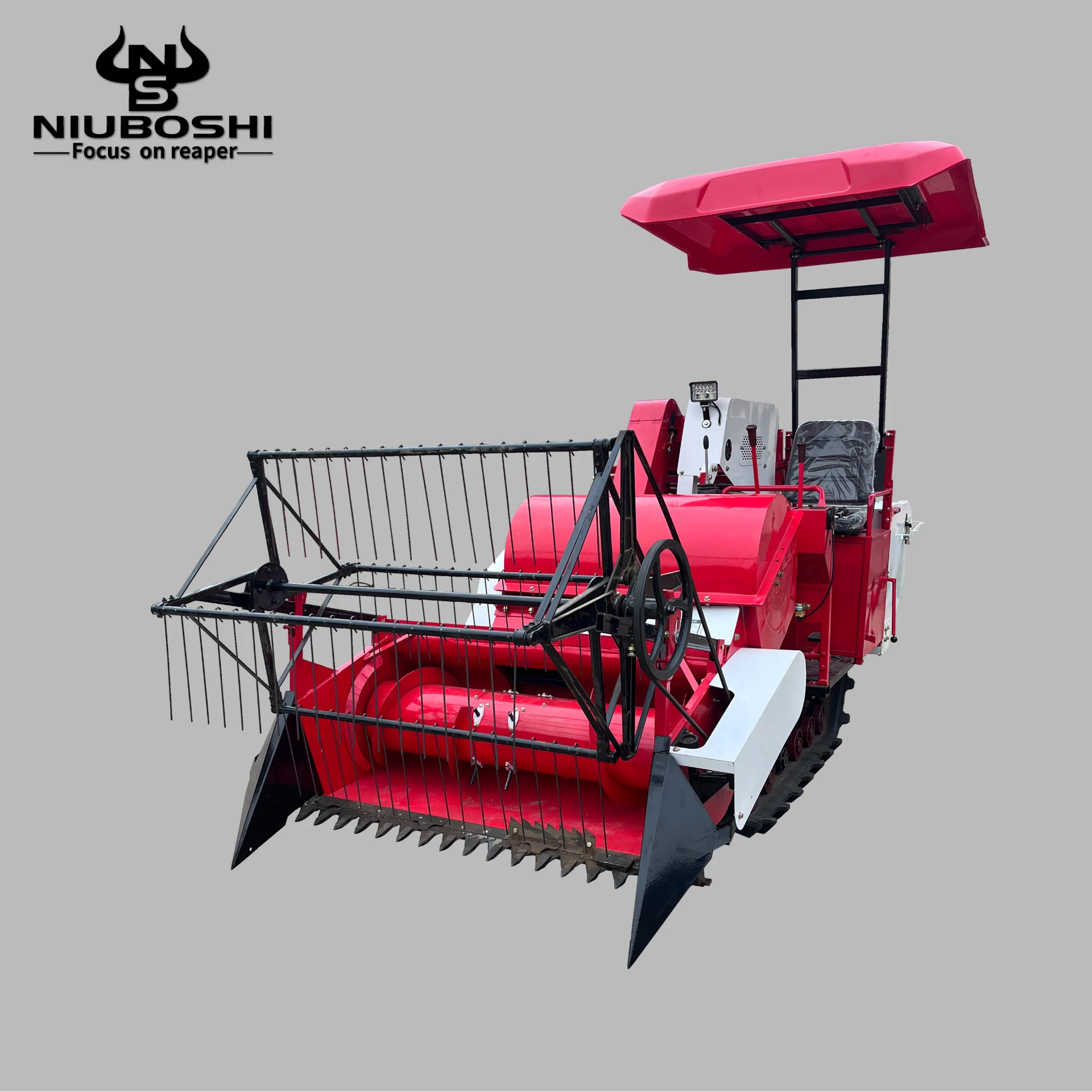
Simply put, a small wheat combine is a compact harvesting machine tailored for small-scale wheat farms. It combines three functions traditionally handled by separate machines:
- Reaping: Cutting the wheat stalks
- Threshing: Separating grains from stalks
- Winnowing: Removing husks and debris from grains
Think of it as an all-in-one harvester designed to fit smaller plots and reduce manual labor. Unlike industrial combines, the “small” version balances power and maneuverability — an ideal match for farms where bigger vehicles simply can’t fit.
Beyond that, it speaks volumes about modern agriculture’s push for inclusivity: not every farmer can buy or operate a massive machine, but with a small wheat combine, they’re given a seat at the automation table. This connection to tech democratization makes it as much a social tool as an industrial one.
Core Components That Define Efficiency and Usability
1. Durability
These machines might look simple but they need to endure rough fields, variable weather, and long hours. Components like hardened steel blades, reinforced threshing drums, and quality belts ensure they don’t break down mid-harvest.
2. Scalability and Size
The compact design allows easy navigation through small, irregular plots and even terrace farms. Plus, the ability to scale from micro-tenants to larger landowners helps keep costs manageable.
3. Cost Efficiency
Small combines sip on fuel and cut labor hours dramatically. Many models prioritize affordability with simple engines — sometimes adapted to run on locally available fuels — making them accessible in developing regions.
4. Ease of Maintenance
Users report the best designs enable field repairs with common tools, minimal technical expertise, and readily available replacement parts. This reduces downtime and that sinking feeling when your machine decides to quit mid-season.
5. Operator Comfort & Safety
Ergonomic seats, basic controls, and safety guards mean the harvesting work is less tiring and safer, which frankly can be overlooked in cost-focused buying decisions but pays off in long-term usage and trust.
Mini Takeaway:
Small wheat combines are not just miniaturized harvesters; they’re finely tuned tools designed to thrive in small-scale, resource-conscious farming systems. Their success hinges on durability, manageable size, cost-savings, ease of upkeep, and operator-friendly designs.
Global Applications and Real-Life Deployments
Small wheat combines find their homes from the chilly fields of Eastern Europe to the sun-baked plots in Central India. Farmers cultivating two to five hectares cherish these machines—the difference between a backbreaking manual harvest and a smoother, quicker process.
In post-disaster relief scenarios, NGOs often deploy small combines to jumpstart food production after floods or droughts, where large machinery is impractical or unavailable. Similarly, remote mountainous regions with uneven land benefit because these combines can navigate steep and irregular fields.
Beyond wheat, some variants are adaptable for other grains and legumes, expanding their utility and making them a multi-functional investment that appeals to cooperatives and small-scale agribusinesses.
Advantages and Long-Term Value You Can Count On
- Cost Savings: Less capital invested upfront, lower fuel, and decreased need for seasonal labor.
- Sustainability: Smaller footprint, minimal soil compaction, and less fuel consumption mean greener harvesting practices.
- Social Impact: Empowers smallholder farmers, contributing to rural livelihoods and food sovereignty.
- Reliability: Proven to work in diverse environments, often with a simple but tough build.
- Innovative Potential: Many manufacturers are integrating IoT sensors and GPS mapping, so these machines aren’t stuck in the past.
Looking Ahead: Innovations Shaping the Future of Small Wheat Combines
Automation is slowly creeping into small harvesters. Some new models boast semi-autonomous guidance, reducing operator fatigue. Others incorporate solar-powered engines or hybrid systems, trimmed to the needs of smallholder farmers who might not have consistent fuel access.
Material science is also influencing design — lightweight composites improve fuel efficiency without sacrificing durability. Digital apps now help farmers track machine maintenance or even forecast the best harvest periods. The industry seems poised to embrace smart, sustainable growth rather than just more brute power.
Challenges in Current Use and How They’re Being Tackled
One sticking point: access to spare parts can still be an issue, especially in remote regions. Manufacturers and NGOs are collaborating to establish local service centers and training programs, empowering users to do routine fixes themselves.
Another challenge is adapting machines for multiple crops without excessively complicating maintenance or price. Modular designs are a promising avenue, letting farmers swap out components based on season or crop needs.
FAQ: Common Questions About Small Wheat Combines
- Q: How does a small wheat combine compare to manual harvesting in terms of efficiency?
- A: Small wheat combines can speed up the harvest process by 2-5 times while reducing grain loss from manual cutting and threshing. They also reduce labor fatigue, allowing farmers to save time and effort during peak seasons.
- Q: Can these combines be used on uneven or terraced land?
- A: Yes, many small models are designed for maneuverability in irregular terrain, with narrower widths and adjustable cutting heights suited for terraces or hilly farms.
- Q: Are these machines affordable for smallholder farmers?
- A: Generally, yes — many manufacturers offer financing options or low-cost models that balance functionality with budget constraints, ensuring broader accessibility in developing areas.
- Q: How difficult is it to maintain a small wheat combine?
- A: Most are engineered for ease of maintenance, requiring only common tools. Local workshops often support routine repairs, minimizing downtime.
- Q: Does using a small combine affect grain quality?
- A: If operated correctly, small wheat combines provide clean harvesting with minimal grain damage, often improving overall grain quality compared to manual methods.
Product Specification Table: Popular Small Wheat Combine Models
| Model | Engine Power (HP) | Cutting Width (m) | Grain Tank Capacity (L) | Weight (kg) | Fuel Type |
|---|---|---|---|---|---|
| EcoHarvest 200 | 25 | 1.2 | 250 | 600 | Diesel |
| AgriMini C150 | 30 | 1.5 | 350 | 750 | Petrol |
| Compact GrainPro X | 28 | 1.3 | 300 | 700 | Diesel |
Vendor Comparison: Leading Small Wheat Combine Manufacturers
| Manufacturer | Price Range (USD) | Warranty | Service Network | User Rating (out of 5) |
|---|---|---|---|---|
| AgriMech Industries | 3,000 - 4,200 | 2 years | Global (50+ countries) | 4.3 |
| HarvestPro Solutions | 3,500 - 5,000 | 3 years | Regional (Asia & Africa) | 4.5 |
| GreenField Tech | 2,800 - 3,800 | 1.5 years | Local (Select countries) | 4.0 |
Bringing It All Together: Why Your Farm Could Benefit From a Small Wheat Combine
To wrap up, the small wheat combine is more than a simple farm tool — it’s a game-changer for many agricultural communities worldwide. By offering affordable, durable, and adaptable harvesters that fit the scale and scope of smallholder operations, these machines are quietly sowing the seeds of innovation, sustainability, and food security. Whether you’re a farmer navigating tight land plots or an NGO supporting rural development, understanding and leveraging the small wheat combine could be your next crucial step.
Ready to take that step? Dive deeper and explore options tailored to your needs at small wheat combine.
References & Further Reading
Latest news
-
Maximize Harvest Efficiency with the Agro Reaper Binder MachineNewsApr.16,2026
-
Boost Harvest Efficiency with the Best Agriculture Reaper MachineNewsApr.09,2026
-
Revolutionizing Agriculture with the Efficient Agriculture Power ReaperNewsApr.07,2026
-
Comprehensive Guide to the 4 Wheel Reaper Binder for Efficient HarvestingNewsApr.04,2026
-
Comprehensive Guide to Reaperbinder Technology for Efficient Hay and Crop HarvestingNewsMar.31,2026
-
Mastering the Art of Reaper Cutting for Enhanced Agricultural EfficiencyNewsMar.28,2026