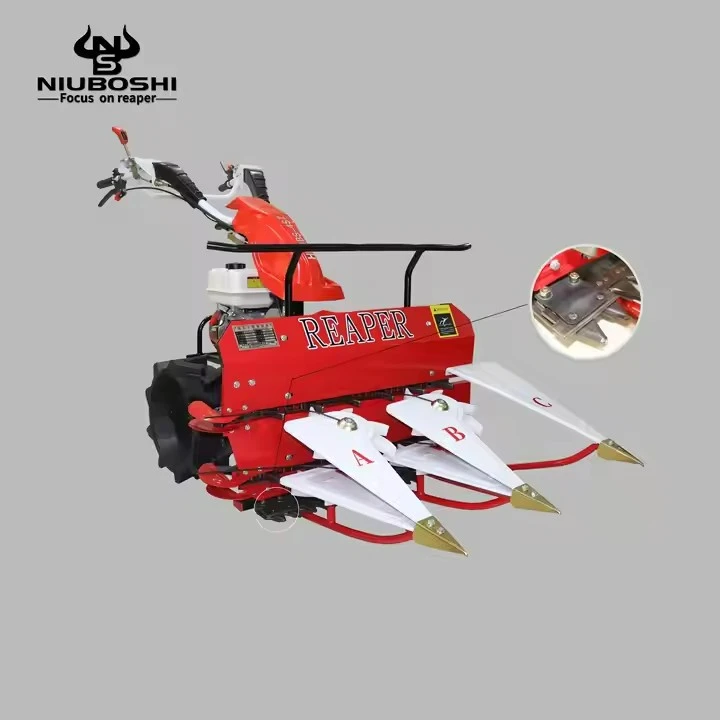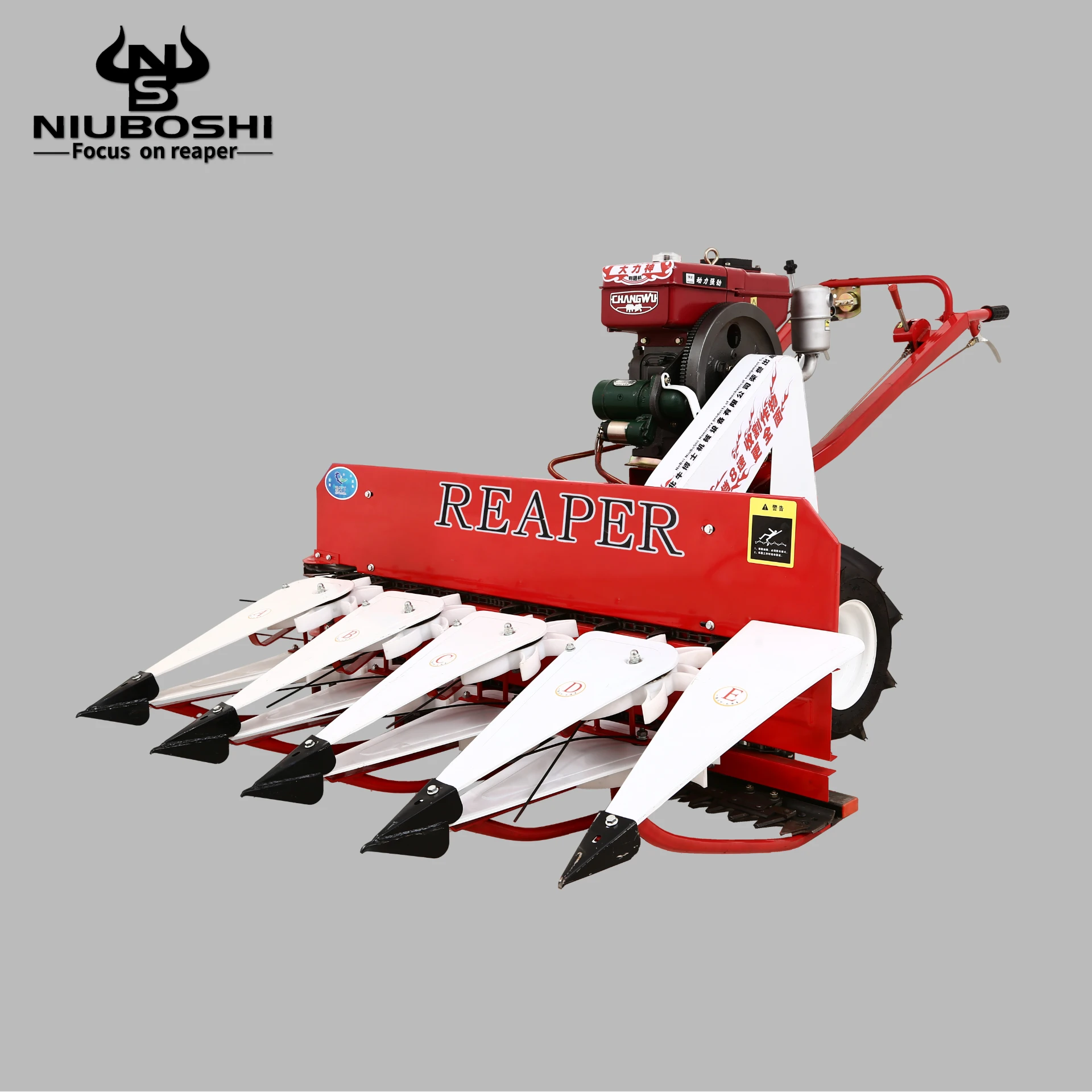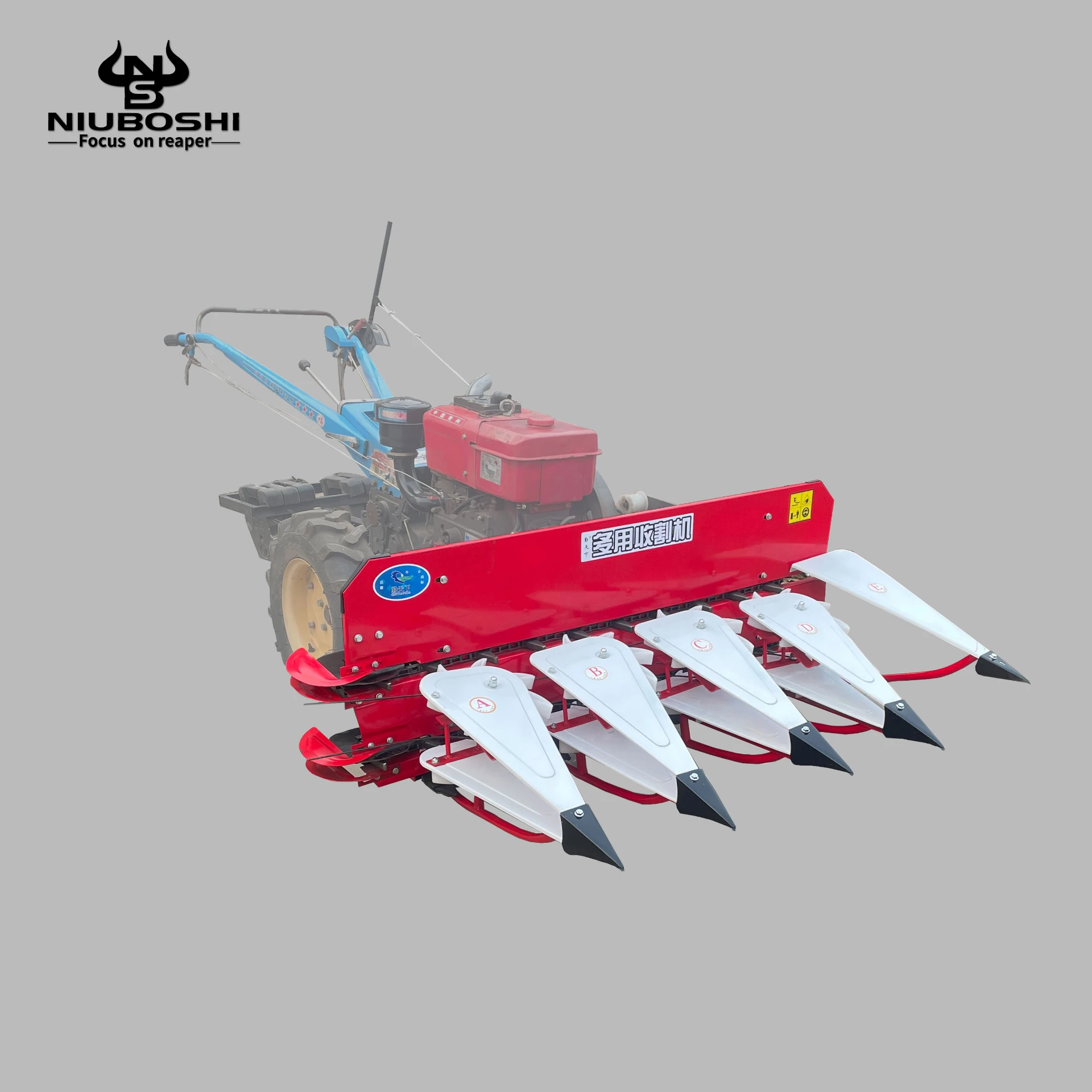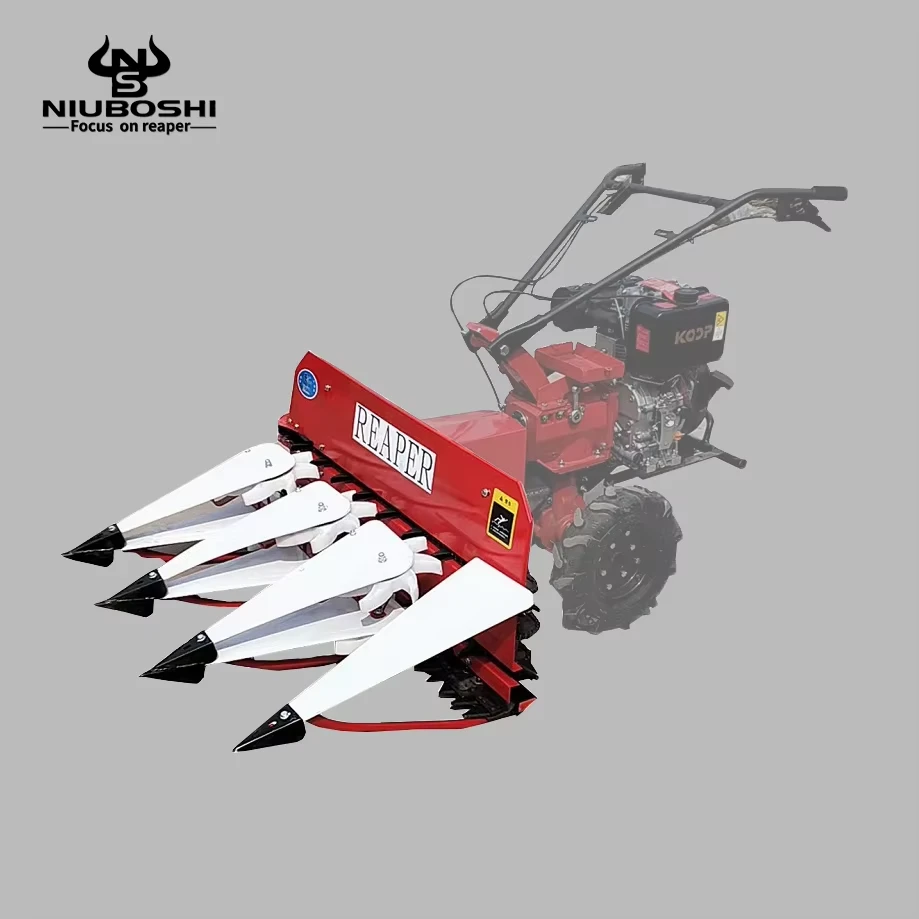
Revolutionizing Harvesting The Comprehensive Guide to Reaper Machine Technology
The Ultimate Guide to Reaper Machines
In the world of agriculture, efficiency and timely harvesting are paramount. A reaper machine is a crucial piece of equipment for farmers looking to maximize yields and minimize labor costs. This comprehensive guide will explore the benefits, types, features, and applications of reaper machines, offering insights for both seasoned agricultural professionals and those new to the technology. We'll delve into how these machines can revolutionize your harvesting process.
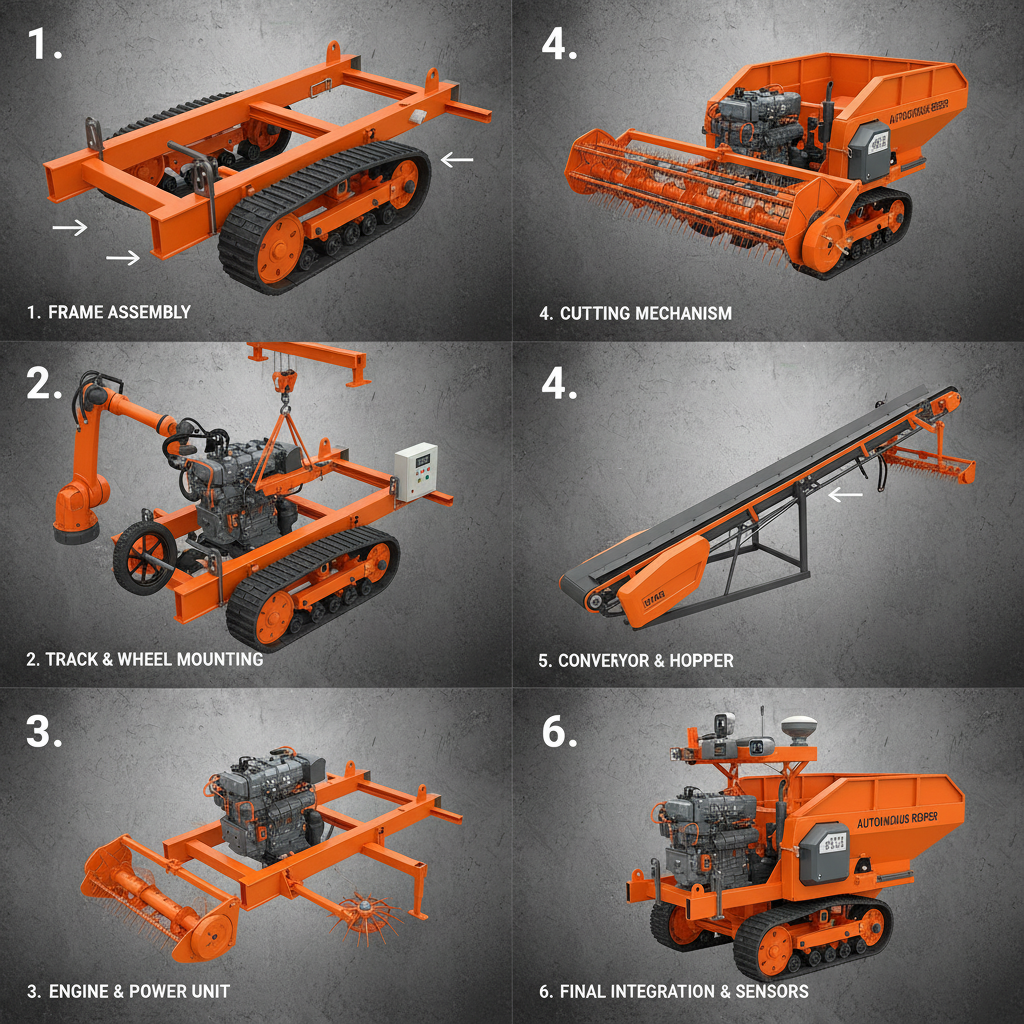
Understanding Reaper Machines: A Historical Perspective
The concept of a reaper machine dates back centuries, with early versions relying on animal power. However, the modern reaper machine represents a significant technological leap. It’s designed to efficiently cut, and often collect, crops such as wheat, rice, barley, and soybeans. The core function remains the same – to reduce the physical strain and time required for harvesting – but modern machines offer vastly improved speed, precision, and automation. The evolution from manual labor to mechanized harvesting has been transformative for global food production.
Key Benefits: Reduced labor costs, increased harvesting speed, minimized crop loss, and improved efficiency.
Types of Reaper Machines
There are several types of reaper machines available, each suited to different crop types and farm sizes. The most common include:
- Self-Propelled Reaper Machines: These are large, powerful machines typically used on extensive farms.
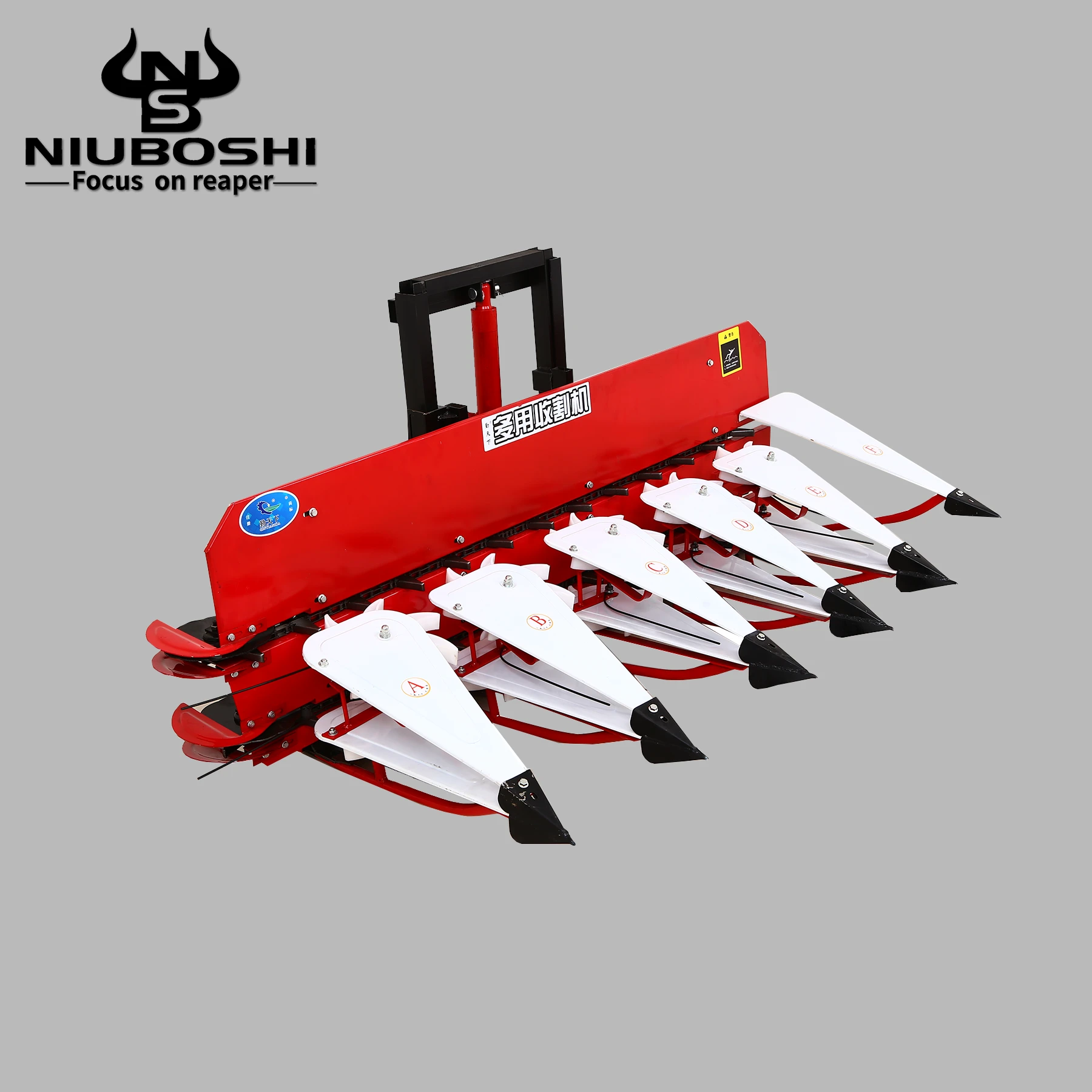
- Tractor-Pulled Reaper Machines: More affordable and versatile, these machines are pulled by a tractor.
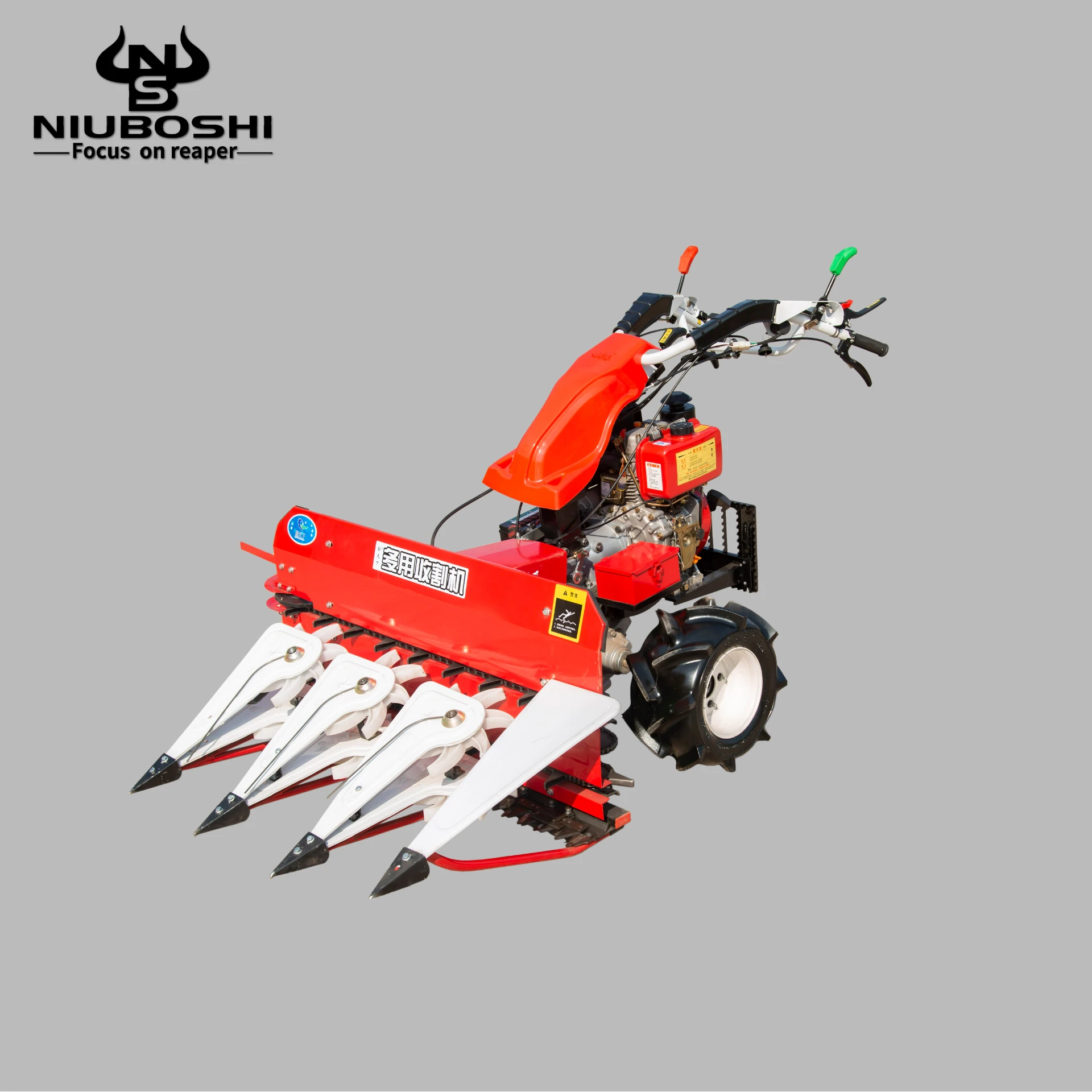
- Walk-Behind Reaper Machines: Suitable for smaller farms or fields with difficult terrain.
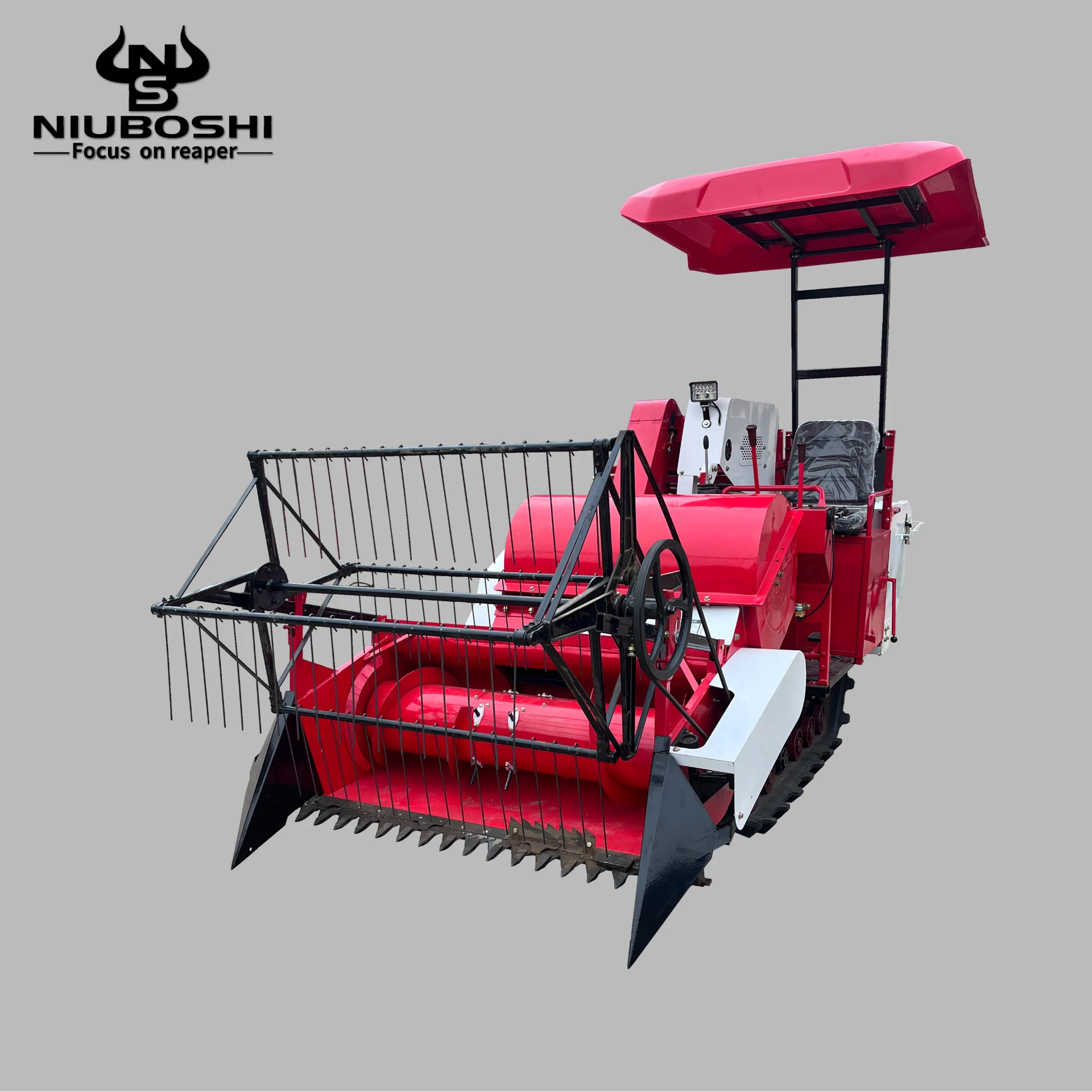
- Combine Harvesters: These machines perform multiple operations – reaping, threshing, and winnowing – in a single pass.
Key Features to Consider When Choosing a Reaper Machine
Selecting the right reaper machine requires careful consideration of several features. Important factors include cutting width, engine power, fuel efficiency, ease of maintenance, and operator comfort. Look for machines with adjustable cutting heights to accommodate different crop varieties and growth stages. Modern machines often include features like automatic leveling, yield monitoring, and GPS guidance for increased precision.
Essential Features:
• Adjustable cutting height
• Efficient engine and fuel consumption
• Durable construction for longevity
• Easy-to-use controls and maintenance
Reaper Machine Comparison: Factors Affecting Cost and Performance
The cost and performance of reaper machines vary significantly based on type, features, and brand. Here’s a comparative overview:
Maintenance and Longevity of Your Reaper Machine
Regular maintenance is crucial for maximizing the lifespan and performance of your reaper machine. This includes daily checks of fluid levels, belts, and blades, as well as periodic servicing by a qualified technician. Proper storage during the off-season is also essential. Keeping the machine clean and protected from the elements will prevent rust and corrosion. Consider a preventative maintenance schedule to identify and address potential issues before they escalate into costly repairs. HB Niuboshi offers comprehensive maintenance services and genuine replacement parts.
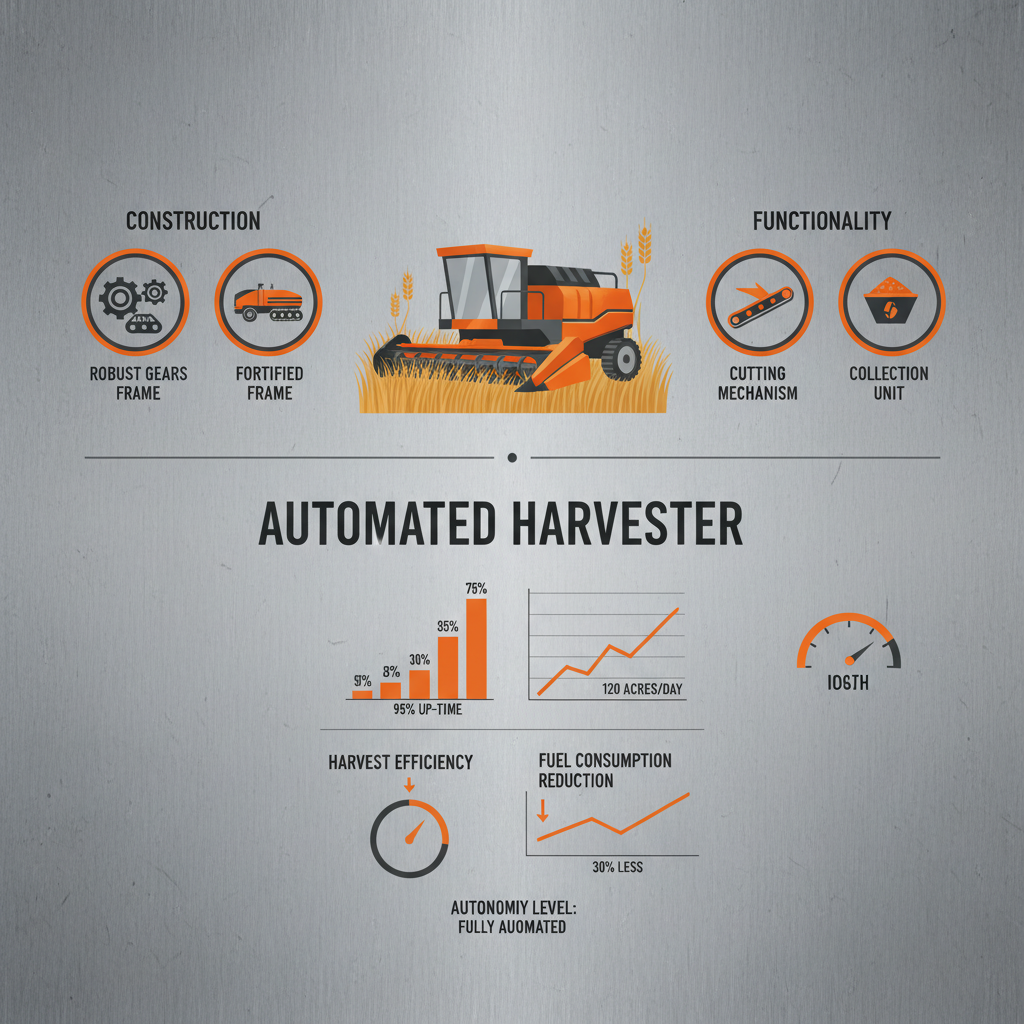
Conclusion: Investing in a Reaper Machine for a Brighter Harvest
Boosting Your Agricultural Productivity
Investing in a reaper machine is a strategic move for any farmer looking to enhance efficiency and profitability. By carefully considering your needs, farm size, and budget, you can select a machine that delivers optimal performance and long-term value. Don’t hesitate to consult with agricultural experts to ensure you make the right choice for your operation.
Frequently Asked Questions (FAQs)
What crops can a reaper machine harvest?
Reaper machines are versatile and can harvest a wide range of crops, including wheat, barley, rice, soybeans, oats, and various types of forage. The specific type of reaper machine and its attachments may vary depending on the crop. Some machines are designed for specific crops, while others can be adapted with different cutting heads and components. It's essential to choose a machine compatible with the crops you intend to harvest.
What safety precautions should be taken when operating a reaper machine?
Safety is paramount when operating a reaper machine. Always read and understand the operator's manual before use. Wear appropriate personal protective equipment (PPE), including safety glasses, gloves, and sturdy footwear. Ensure the area around the machine is clear of people and obstacles before starting. Never attempt to repair or adjust the machine while it's running. Be aware of your surroundings and operate the machine at a safe speed. Regular safety training is highly recommended.
How does the size of my farm impact my reaper machine choice?
The size of your farm is a crucial factor in determining the appropriate reaper machine. Smaller farms (under 100 acres) may benefit from a walk-behind or tractor-pulled reaper, while larger farms (over 500 acres) typically require a self-propelled reaper or combine harvester. The scale of your operation dictates the efficiency and capacity needed from the machine. It’s important to consider your long-term growth plans when making your decision.
Latest news
-
Maximize Harvest Efficiency with the Agro Reaper Binder MachineNewsApr.16,2026
-
Boost Harvest Efficiency with the Best Agriculture Reaper MachineNewsApr.09,2026
-
Revolutionizing Agriculture with the Efficient Agriculture Power ReaperNewsApr.07,2026
-
Comprehensive Guide to the 4 Wheel Reaper Binder for Efficient HarvestingNewsApr.04,2026
-
Comprehensive Guide to Reaperbinder Technology for Efficient Hay and Crop HarvestingNewsMar.31,2026
-
Mastering the Art of Reaper Cutting for Enhanced Agricultural EfficiencyNewsMar.28,2026