Mini Multi Crop Harvester: Versatile Small-Scale Agricultural Machinery Explained
Understanding the Mini Multi Crop Harvester: An Agricultural Game-Changer
In today’s rapidly evolving agricultural landscape, the mini multi crop harvester represents a crucial technology that matters globally. With world population surging and arable land shrinking, efficient, versatile harvesting solutions aren’t just nice to have—they’re essential. This compact, adaptable machinery offers farmers and communities the key benefits of labor savings, increased productivity, and flexibility across various crops. Whether in smallholder farms in Asia, relief efforts in Africa, or emerging markets in Latin America, grasping how these harvesters work can unlock better food security and sustainability outcomes.
Global Significance and Industry Context
Globally, agriculture still employs over 1.3 billion people according to the Our World in Data project. But small-scale farmers often face hurdles like labor shortages, rising costs, and crop diversity demands. The mini multi crop harvester addresses many of these — backed by data from the FAO noting mechanization's role in reducing manual labor up to 60% in some regions.
Yet, an ongoing challenge remains: machinery that’s too large or specialized can be impractical for fragmented farms or diverse crop rotations. This is where our mini harvester steps in, easing the burden while maximizing output.
What Is a Mini Multi Crop Harvester?
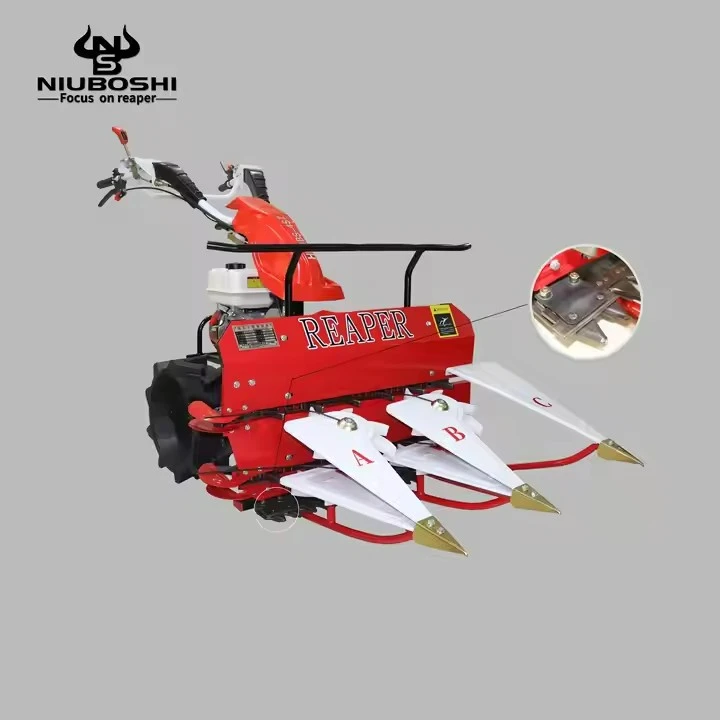
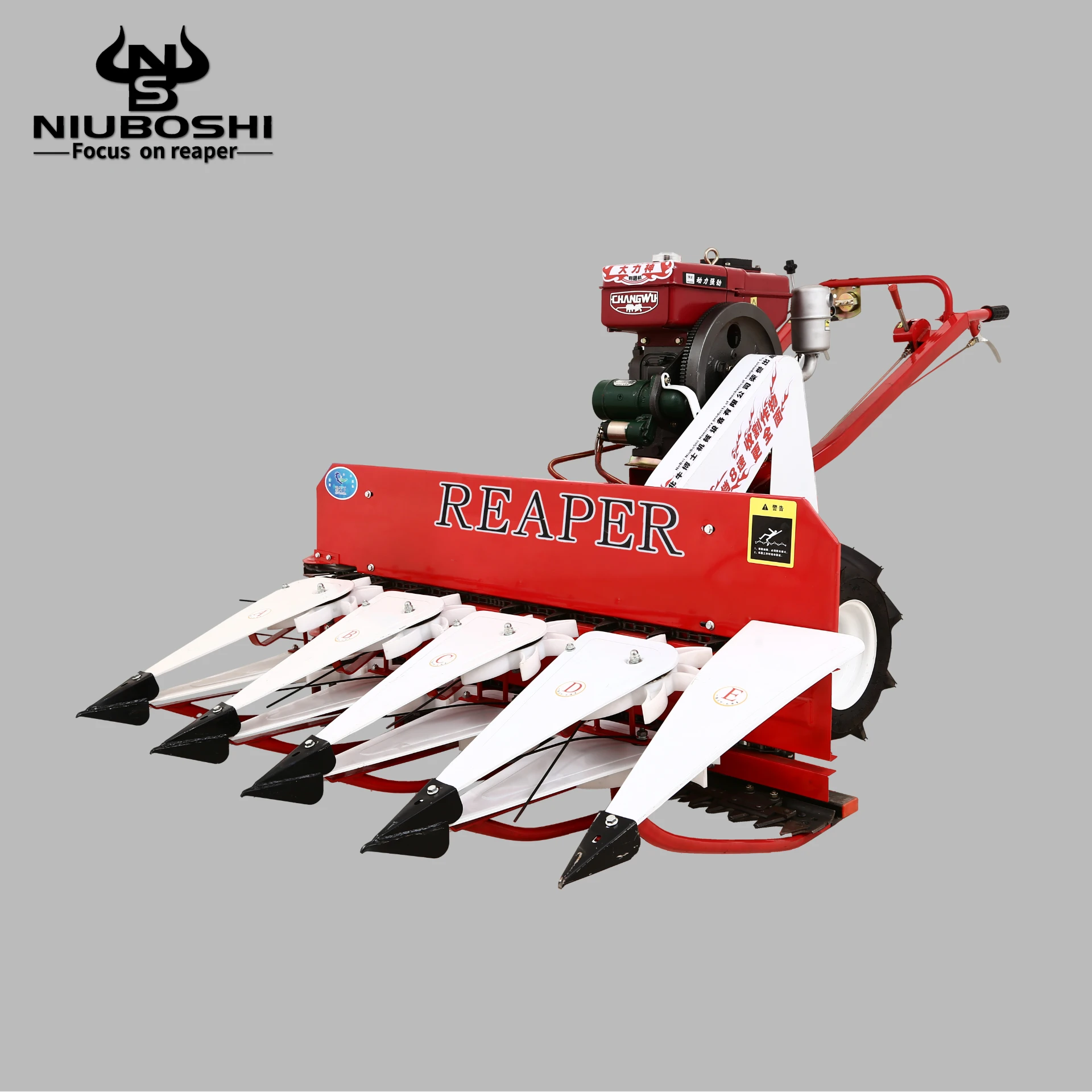
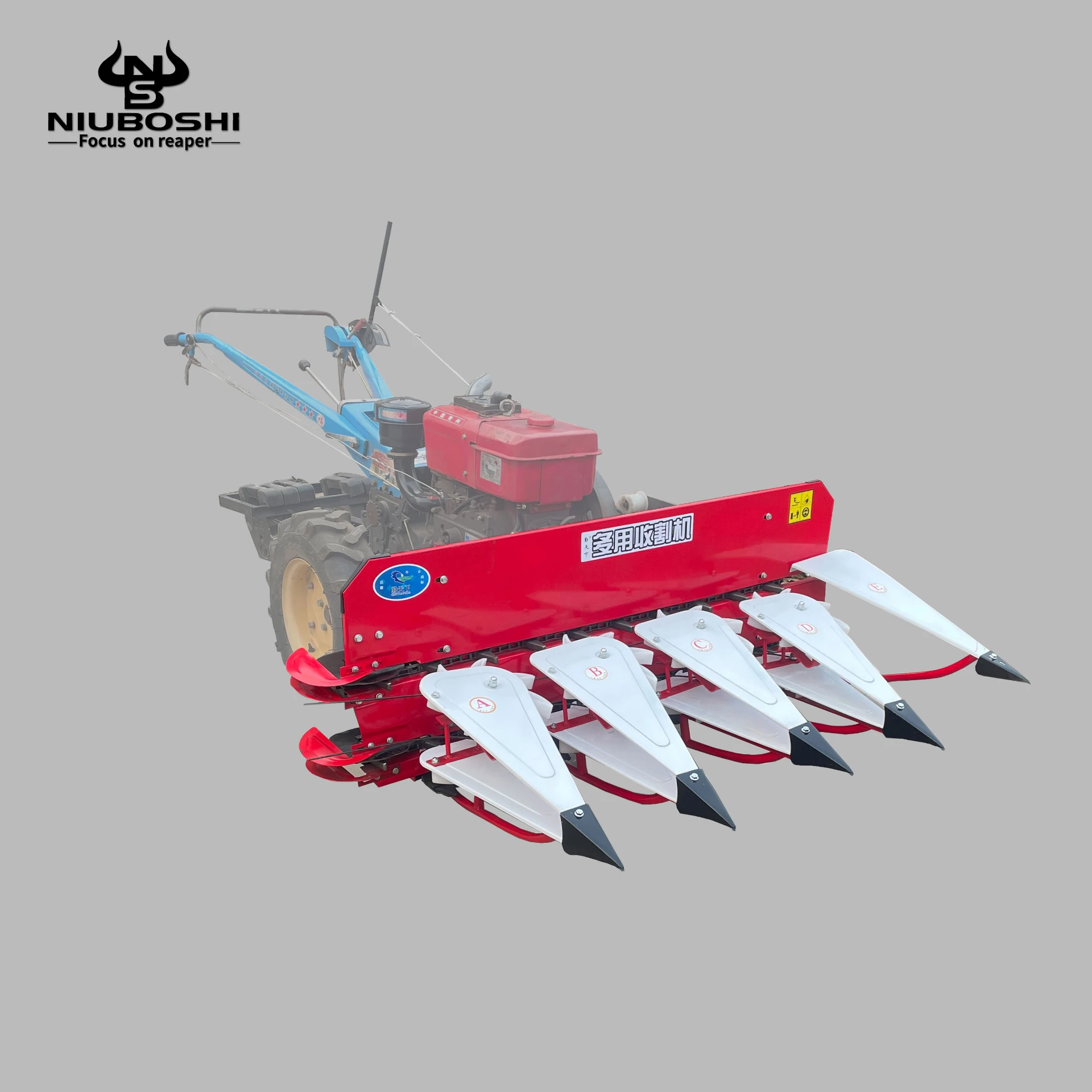
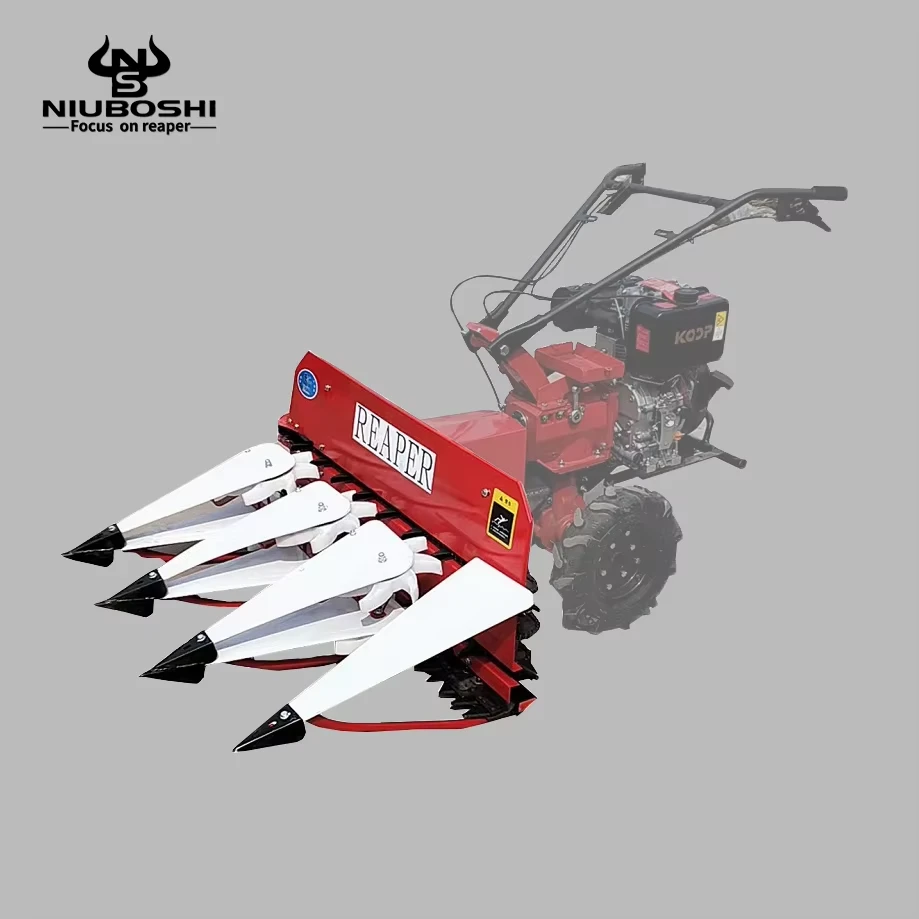
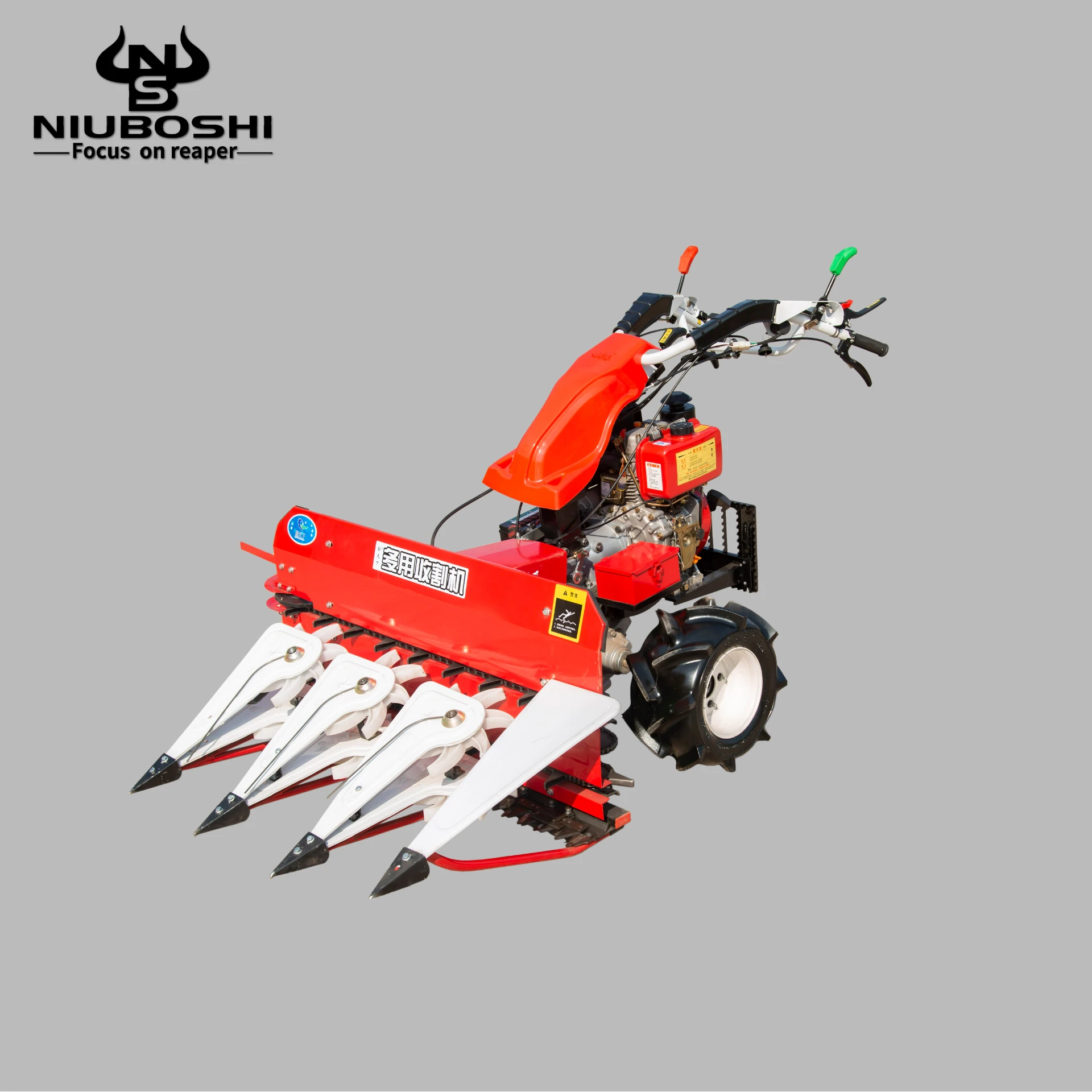
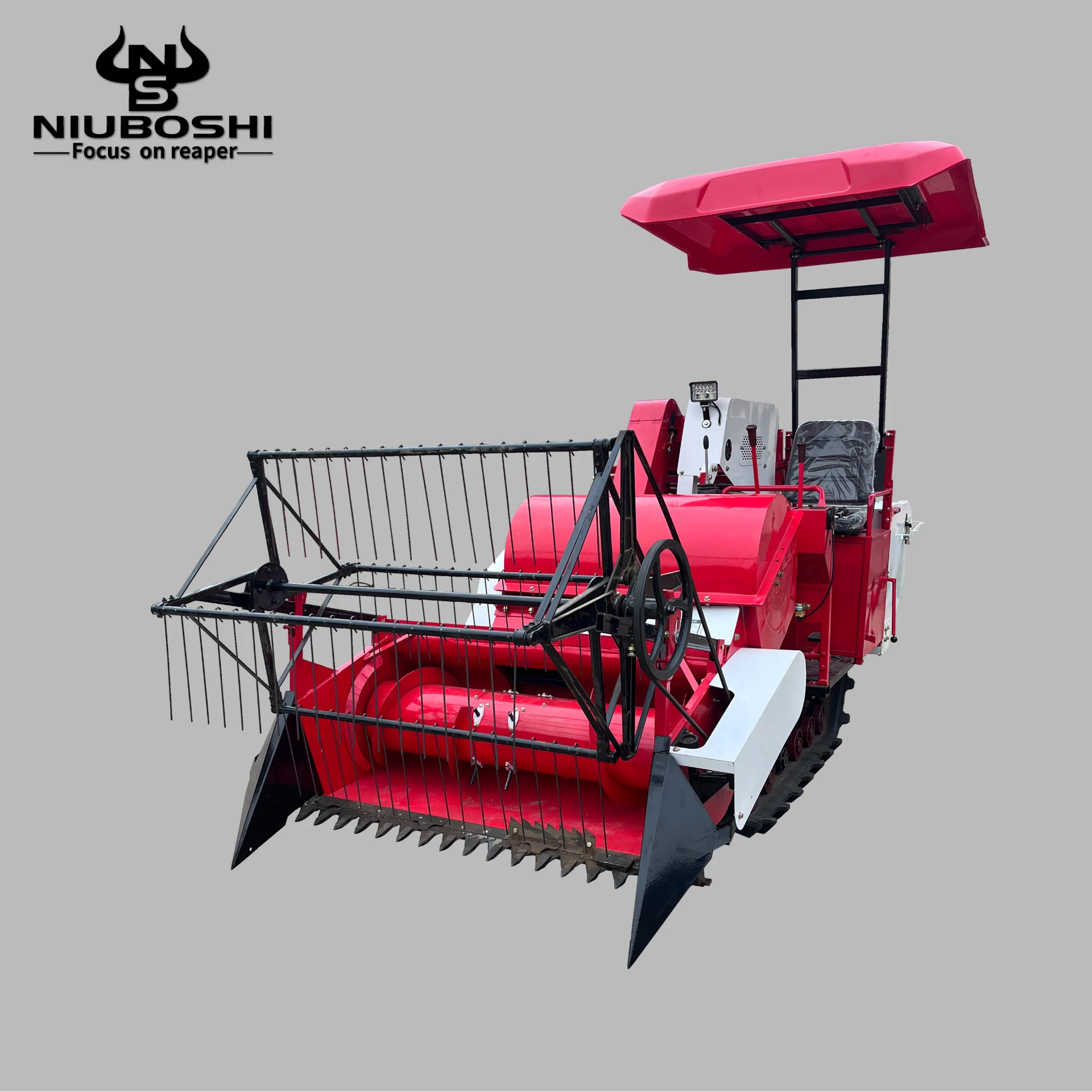
Simply put, a mini multi crop harvester is a small, versatile machine designed to harvest various crops efficiently. Unlike full-sized combines, it’s compact enough to maneuver through narrow fields or small plots and can handle grains, legumes, or even some root crops, depending on configuration.
Its relevance stretches beyond commercial farms to humanitarian contexts — for instance, enabling quick harvest cycles in post-disaster zones or regions with limited mechanization infrastructure.
Core Components & Key Factors
Durability
These harvesters are built to last, often using reinforced steel frames and robust engines designed for rugged rural environments. It’s not just about lasting years but performing under varied weather and terrain conditions without constant repair.
Scalability & Portability
Oddly enough, the mini harvester’s size is both its strength and limitation. While small enough to be transported easily on rural roads or light trucks, scalability means attachments can be swapped or upgraded to suit crop types — from wheat to soybeans.
Cost Efficiency
They fall into a sweet spot where initial investment is manageable for small-scale farmers, yet operational costs remain low, helped by fuel efficiency and relatively simple maintenance requirements.
Multi-Crop Capability
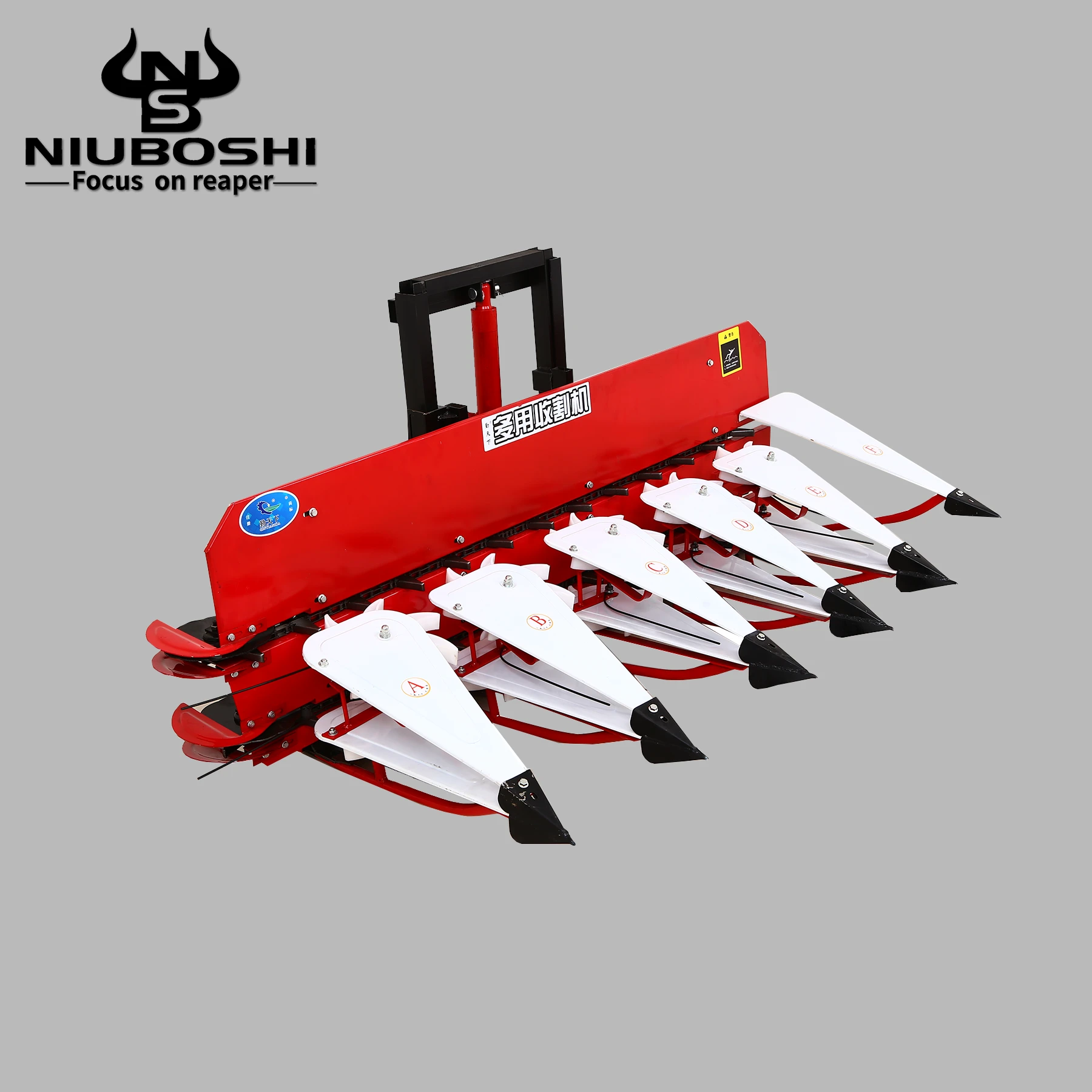
This adaptability is central. With adjustable threshing systems and blade configurations, one machine harvests multiple crops, reducing the need for multiple machines and storage complexities.
Mini Multi Crop Harvester Specifications
| Specification | Typical Value |
|---|---|
| Engine Power | 10-15 HP Diesel |
| Weight | 450-600 kg |
| Harvesting Width | 0.8-1.2 meters |
| Crop Types | Wheat, Rice, Barley, Millet, Pulses |
| Fuel Consumption | Approx. 3-4 L/hour |
| Operational Speed | 2-3 km/h |
Mini takeaway: The mini multi crop harvester is intentionally engineered for a balance of power, lightweight design, and multi-functionality, making it a practical asset on many small to mid-sized farms.
Who Supplies These Machines? Vendor Overview
| Vendor | Price Range (USD) | Key Feature | Warranty |
|---|---|---|---|
| Agrotech Solutions | $2,500 - $3,200 | Modular crop heads, easy maintenance | 2 years |
| FarmEase | $2,800 - $3,500 | Fuel-efficient diesel engines | 3 years |
| HarvestPro | $2,300 - $3,000 | Adaptability to diverse terrains | 18 months |
Global Use Cases and Industry Impact
In Southeast Asia, mini multi crop harvesters have revolutionized rice and millet harvesting, dramatically cutting time compared to manual methods. Meanwhile, NGOs deploy these machines in East Africa’s rural agricultural zones, boosting food supplies and empowering women farmers who traditionally rely on hand tools.
Post-disaster reconstruction programs in India and Bangladesh use these harvesters to speed up recovery, allowing communities to replant and harvest within tighter seasonal windows.
Advantages and Long-Term Value
- Cost savings: Lower fuel and labor expenses than large combines.
- Sustainability: Enables smaller farms to mechanize without heavy environmental footprints.
- Reliability: Simplified maintenance and durable build means fewer breakdowns.
- Social impact: Promotes dignity through mechanized harvesting rather than back-breaking manual labor.
It’s fascinating how such a machine blends technical innovation with deeply human benefits — safety, pride, and trust among farm communities.
Future Trends & Innovations
Looking ahead, the mini multi crop harvester is poised for exciting developments. Hybrid engines running on green fuels like bio-diesel or even solar-power assist are in the works. Digitally integrated sensors could allow real-time crop health monitoring, transforming these machines into smart farming assistants.
Also, policies encouraging low-emission rural tech and subsidies for smallholder mechanization could accelerate adoption worldwide.
Challenges and Expert Solutions
Still, no technology is perfect. Sometimes mini harvesters struggle on very uneven terrain or with extremely dense crops. There’s also the barrier of initial purchase cost for the poorest farmers and the need for training on proper use.
Some companies now offer rent-to-own schemes or community-shared ownership models that ease financial hurdles. Local training workshops and online tutorials also fill knowledge gaps, ensuring better handling and upkeep.
FAQ: Common Questions About Mini Multi Crop Harvester
- Q: What types of crops can a mini multi crop harvester handle?
A: Typically grains like wheat, rice, barley, millet, and some pulses. Certain models have attachments for root crops, but always check the specs before purchase. - Q: How does it compare cost-wise to traditional harvesting methods?
A: Although upfront cost is higher than manual labor, the harvester drastically reduces labor hours and increases yield efficiency — often paying for itself in two to three seasons. - Q: Can this equipment be used in small or fragmented farms?
A: Absolutely, its compact size is ideal for smaller plots and narrow field access, unlike bigger combines that require large, contiguous land. - Q: What kind of maintenance does it require?
A: Regular cleaning, lubricating parts, and engine check-ups are essential. Most models are designed for ease-of-maintenance with replaceable parts. - Q: Are there financing options for farmers interested?
A: Many vendors and NGOs offer leasing, rent-to-own, or cooperative ownership models to make acquisition more accessible.
If you want to dive deeper into specs, vendor options, or applications, do explore more at mini multi crop harvester.
Conclusion: A Smarter Future for Farming with Mini Multi Crop Harvesters
Ultimately, the mini multi crop harvester is more than just machinery — it’s a step forward in empowering farmers worldwide. By delivering adaptability, cost-efficiency, and sustainability, these compact marvels secure better livelihoods and food systems. If your farm or community could benefit, check out options at mini multi crop harvester. Trust me, once experienced, going back to manual harvesting feels like hiking uphill barefoot.
Quick takeaway: Small size, big impact — mini multi crop harvesters are reshaping agriculture one field at a time.
References
Latest news
-
Maximize Harvest Efficiency with the Agro Reaper Binder MachineNewsApr.16,2026
-
Boost Harvest Efficiency with the Best Agriculture Reaper MachineNewsApr.09,2026
-
Revolutionizing Agriculture with the Efficient Agriculture Power ReaperNewsApr.07,2026
-
Comprehensive Guide to the 4 Wheel Reaper Binder for Efficient HarvestingNewsApr.04,2026
-
Comprehensive Guide to Reaperbinder Technology for Efficient Hay and Crop HarvestingNewsMar.31,2026
-
Mastering the Art of Reaper Cutting for Enhanced Agricultural EfficiencyNewsMar.28,2026