Mini Paddy Harvesting Machine - Efficient Small-Scale Paddy Solutions
Mini Paddy Harvesting Machine: Compact Power for Small-Scale Fields
Having spent many years in the industrial equipment sector, I’ve seen all sorts of machinery when it comes to paddy harvesting — from the bulky giants that roam large farms, to those small but surprisingly competent mini paddy harvesting machines. Oddly enough, these smaller machines often don’t get the spotlight they deserve, but frankly, for smallholders and those working tight plots, they’re a game-changer.
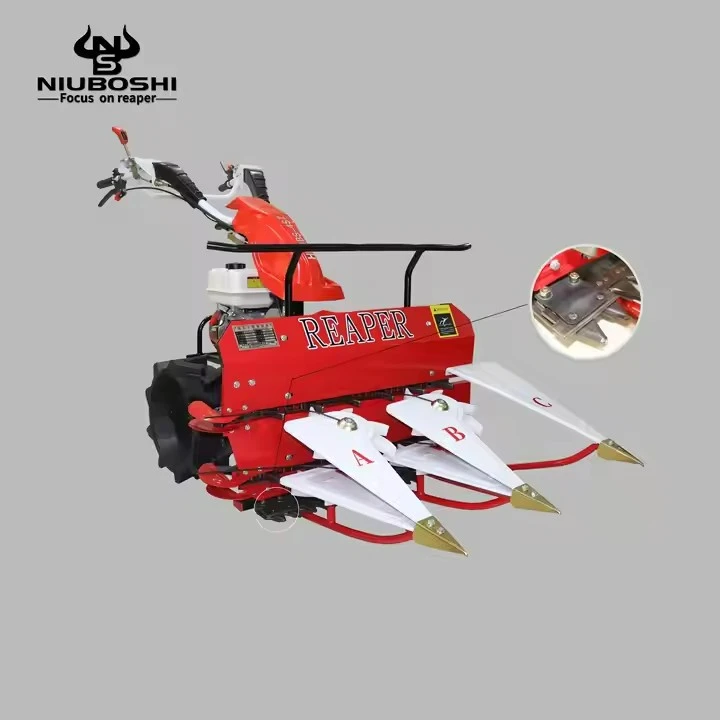
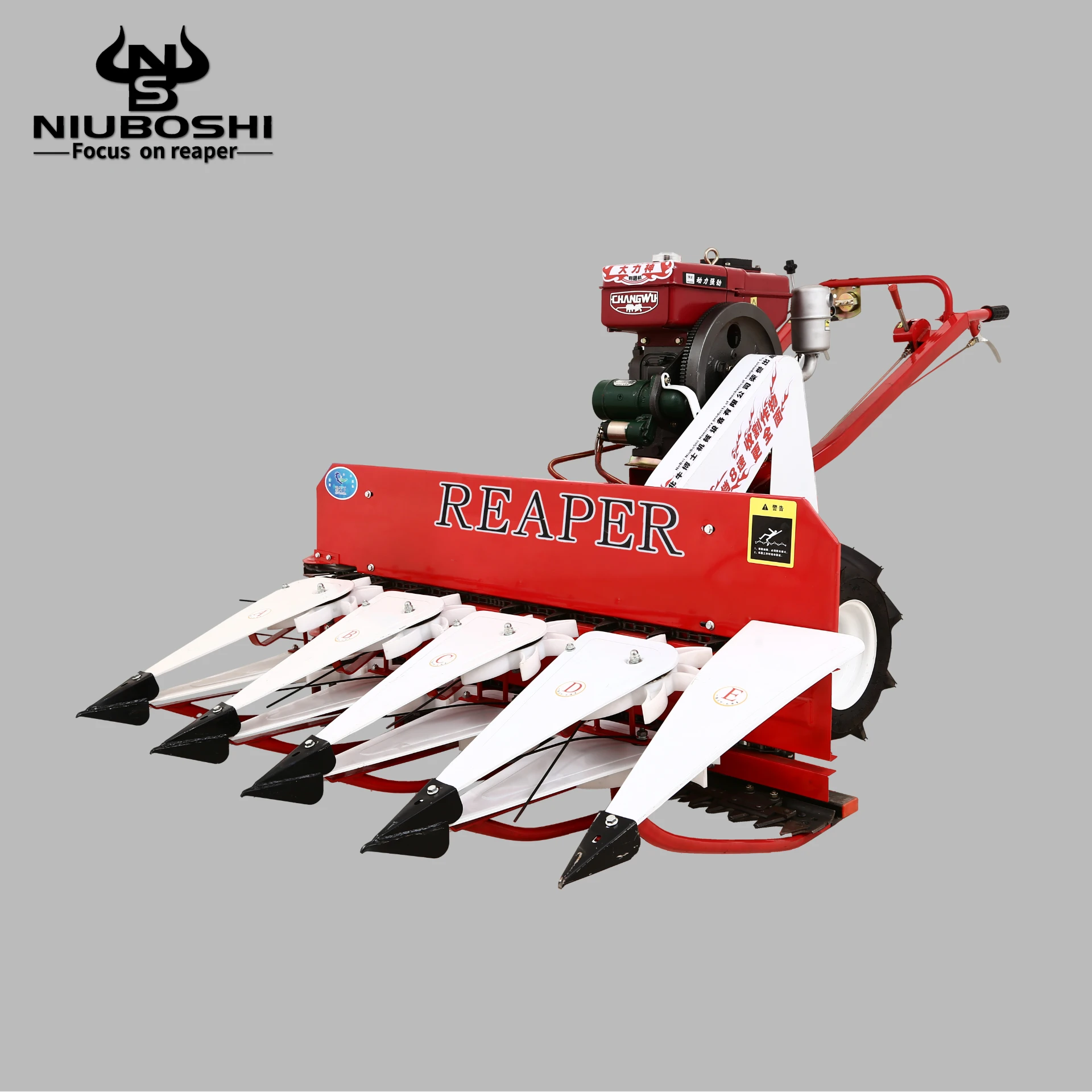
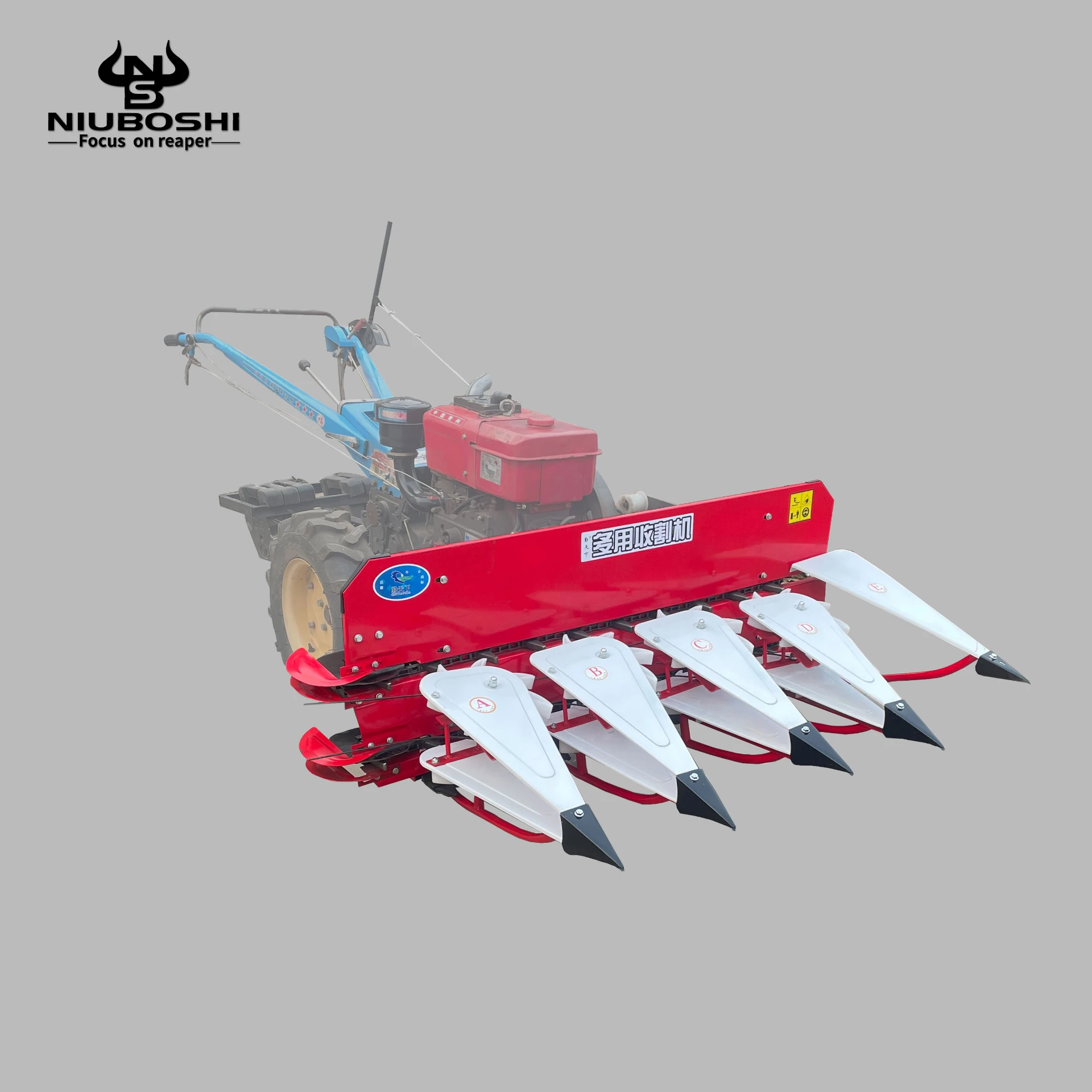
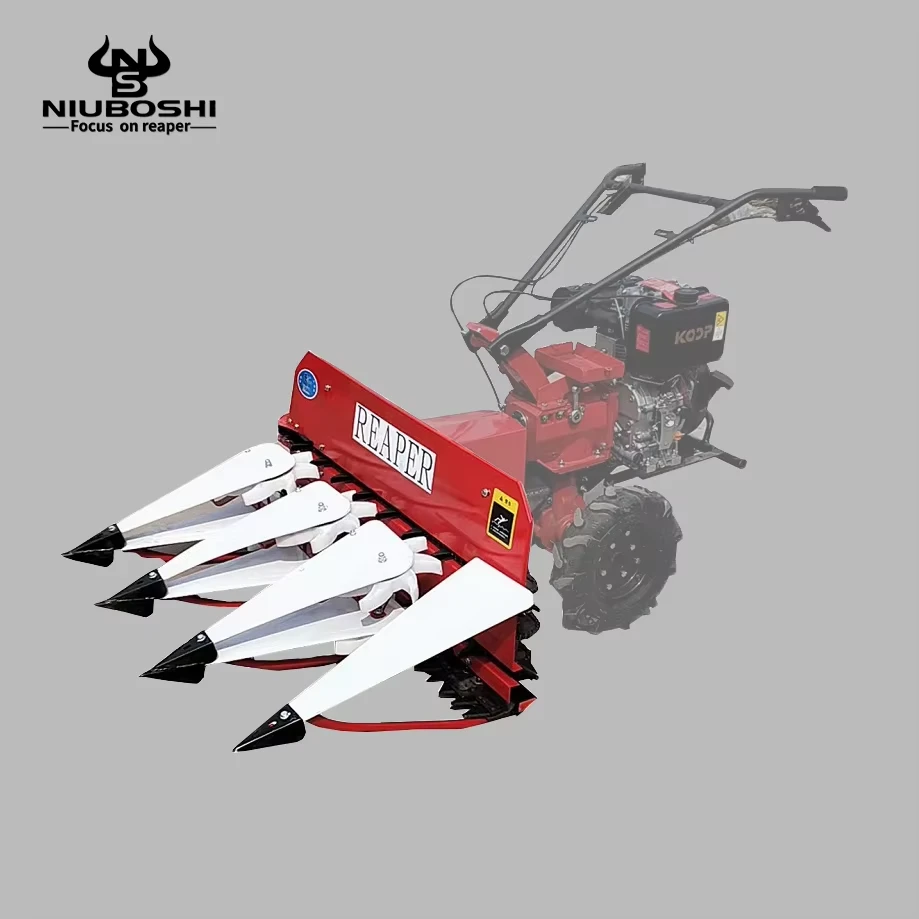
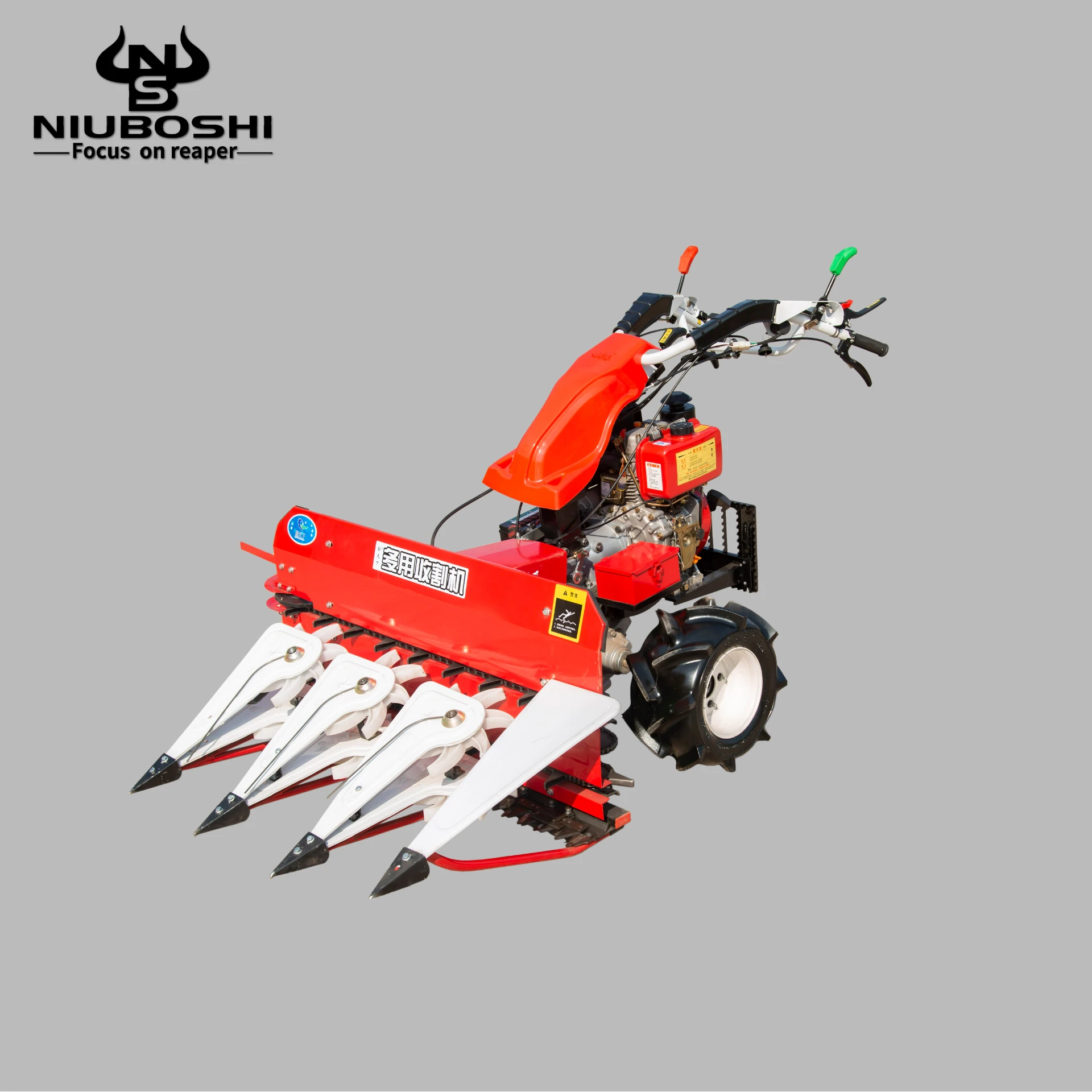
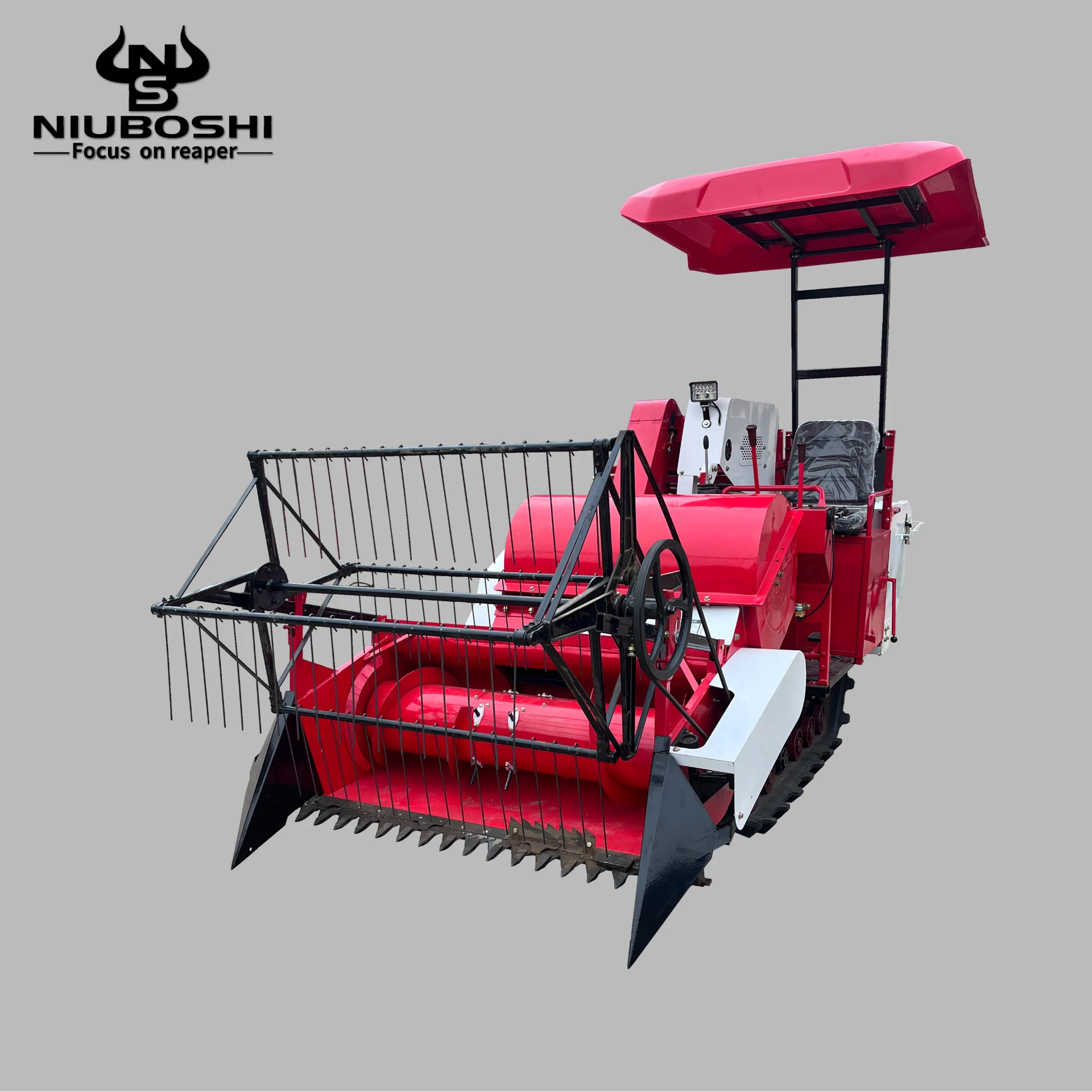
In real terms, a mini paddy harvesting machine is designed to be lightweight, highly maneuverable, and cost-effective without skimping on the essential functions. You know, in certain regions where fields are fragmented or hilly, these machines can access areas large combines simply cannot. Plus, they’re easier to maintain and often more affordable upfront — a big deal for many farmers who don’t have the budget for a full-sized harvester.
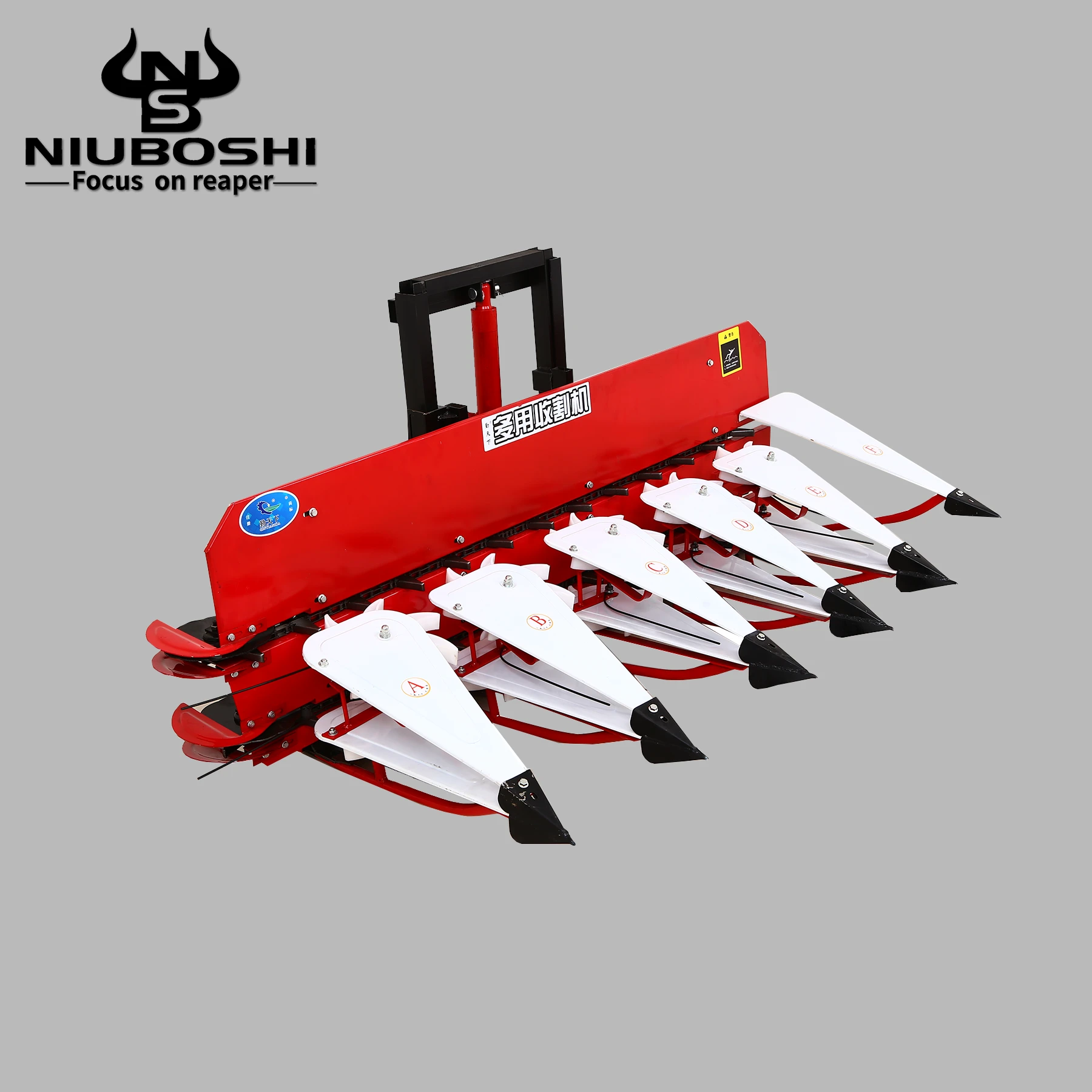
One of the things that often surprises newcomers is how well these mini harvesters are engineered. Many come with a precision-designed cutting head, capable threshing systems, and even grain cleaning — all scaled down but thoughtfully maintained. You might hear from engineers that using quality materials like durable alloy steels and rust-resistant coatings is critical to extending machine life, especially in humid, muddy conditions typical for paddy fields.
Testing is another big factor in these machines’ reliability. Manufacturers often simulate rough field conditions many times over before deeming a model ready. Based on what I’ve seen, the ones that really shine handle uneven terrain smoothly, avoid excessive grain damage, and allow easy part replacement or adjustments. That sort of practical reliability is invaluable in real-world farming, where downtime can literally cost a harvest.
Customization is something I’ve noticed becoming more common. A few years back, mini harvesters were pretty uniform, but nowadays you can get features tailored to specific crops or farming scales — anything from adjustable cutting widths, to fuel-efficient engines, or even attached conveyors for faster grain collection. This kind of flexibility is what often sways farmers deciding between a mini harvester or traditional manual methods.
On a more personal note, I recall a customer from northeast India who switched to a mini paddy harvesting machine after battling back-breaking manual harvests for years. They told me it felt like going from a tricycle to a motorbike — suddenly, their team could harvest twice as fast with far less physical strain. Stories like these remind me why these machines matter beyond specs and prices.
| Feature | Details |
|---|---|
| Engine Power | 6.5–8 HP Diesel |
| Cutting Width | 800–1000 mm |
| Weight | 170–220 kg |
| Threshing Rate | 95–98% |
| Fuel Consumption | 1.2–1.5 L/hr |
It’s important, I suppose, to understand how these machines stack up with options from different suppliers. That’s why the following vendor comparison table reflects some key factors you’d want to know before deciding.
| Vendor | Price (USD) | Engine Power | After-Sales Service | Warranty |
|---|---|---|---|---|
| Niuboshi | 1,200 | 7.5 HP Diesel | Excellent (local & global) | 2 years |
| Supplier A | 1,050 | 6.5 HP Diesel | Moderate (regional only) | 1 year |
| Supplier B | 1,400 | 8 HP Petrol | Good (limited areas) | 18 months |
Picking the right mini paddy harvesting machine isn’t just about specs and price. Frankly, it’s often about who can back you up after the sale, and how well the equipment suits your land and farming style. That’s why, if you’re curious, it’s worth diving into specific brands–like Niuboshi—who I’ve found consistently provide solid performance and support.
From my on-the-ground experience, these machines bridge a big gap between manual labor and mechanized efficiency in a way that really benefits small farmers. It feels like they’re not just selling a machine, but a promise of better harvest days.
At the end of the day, investing in a mini paddy harvester feels a lot like betting on a reliable teammate — one that’s small, agile, and just gets the job done — year after year.
References:
1. Field testing reports from agricultural equipment expos
2. Interviews with farmers in Southeast Asia (2022-2023)
3. Manufacturer brochures and product trials by Niuboshi
Latest news
-
Maximize Harvest Efficiency with the Agro Reaper Binder MachineNewsApr.16,2026
-
Boost Harvest Efficiency with the Best Agriculture Reaper MachineNewsApr.09,2026
-
Revolutionizing Agriculture with the Efficient Agriculture Power ReaperNewsApr.07,2026
-
Comprehensive Guide to the 4 Wheel Reaper Binder for Efficient HarvestingNewsApr.04,2026
-
Comprehensive Guide to Reaperbinder Technology for Efficient Hay and Crop HarvestingNewsMar.31,2026
-
Mastering the Art of Reaper Cutting for Enhanced Agricultural EfficiencyNewsMar.28,2026