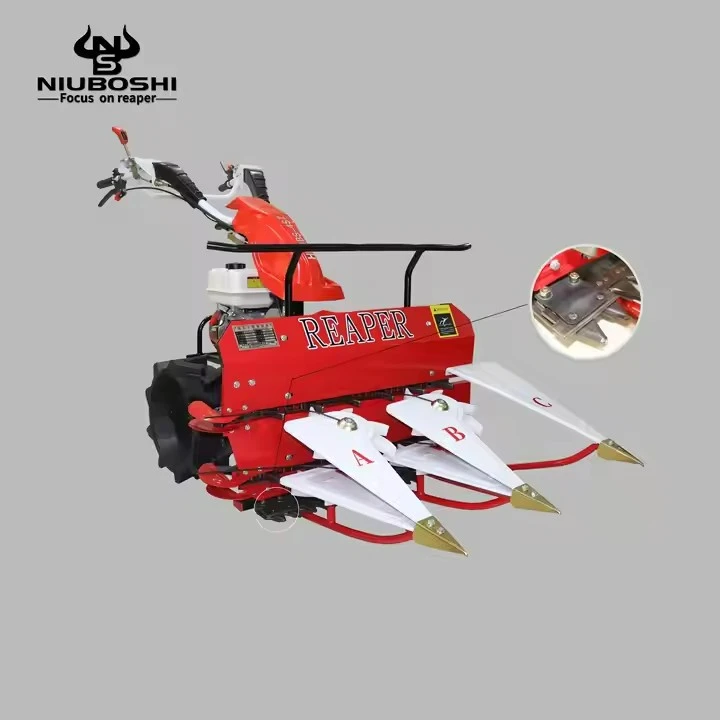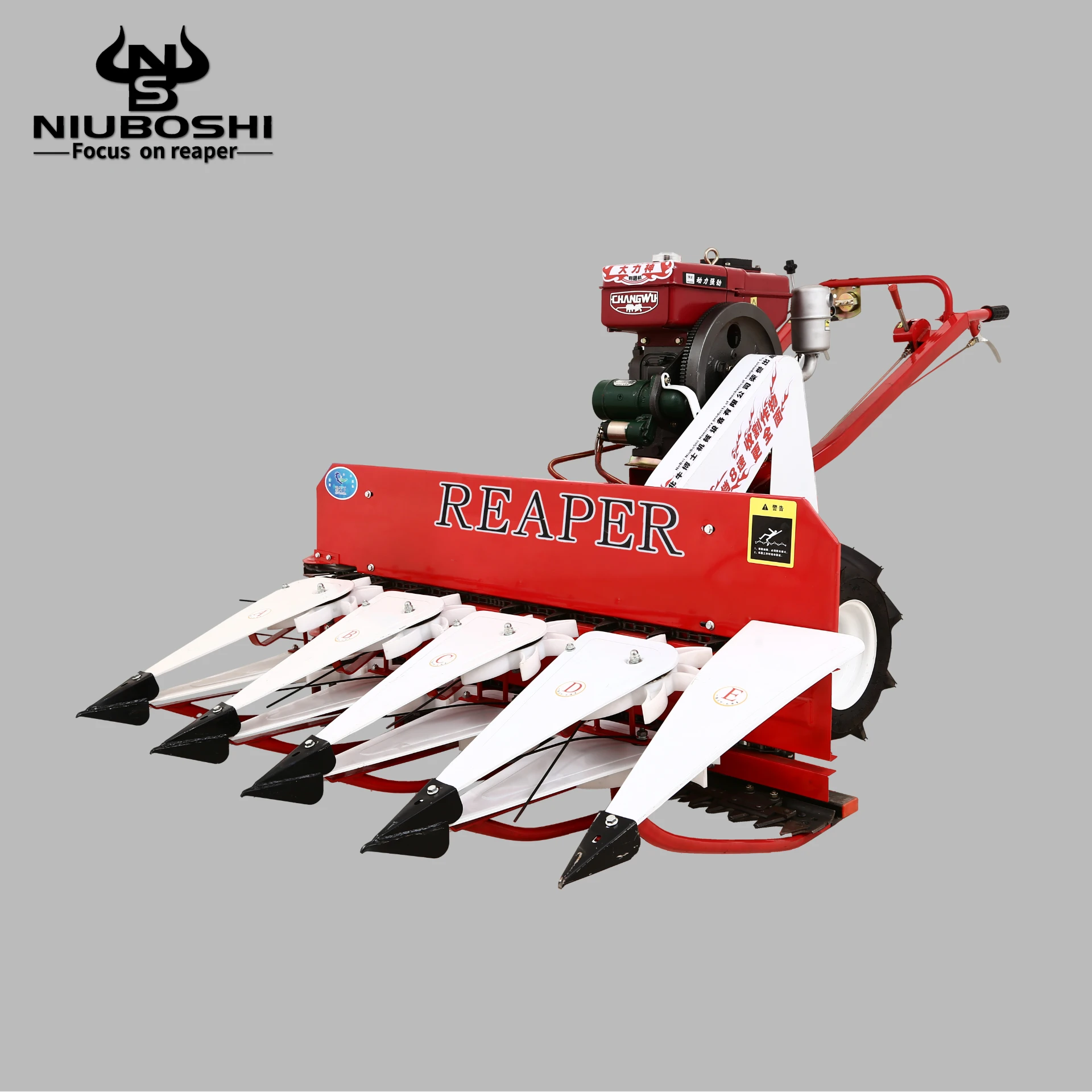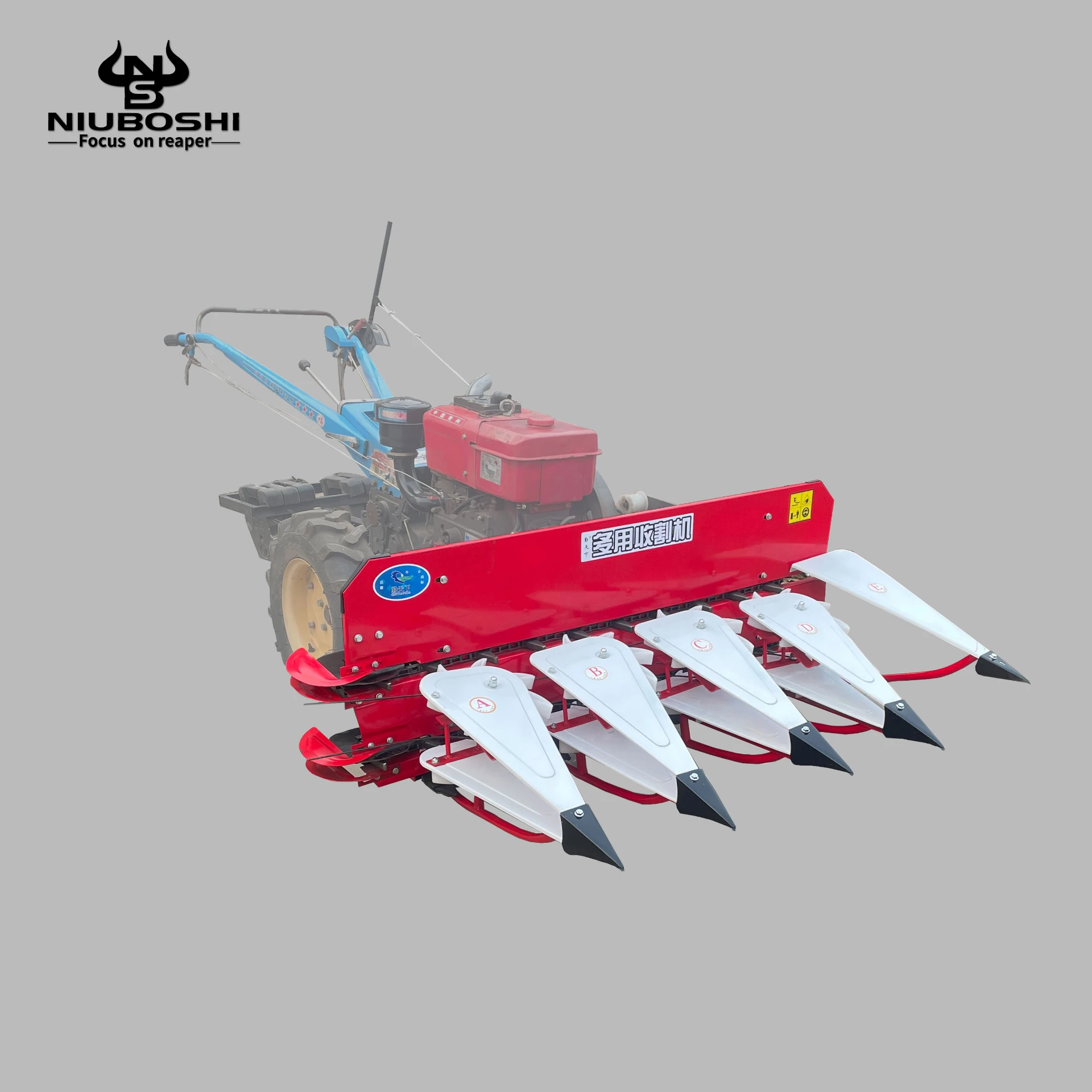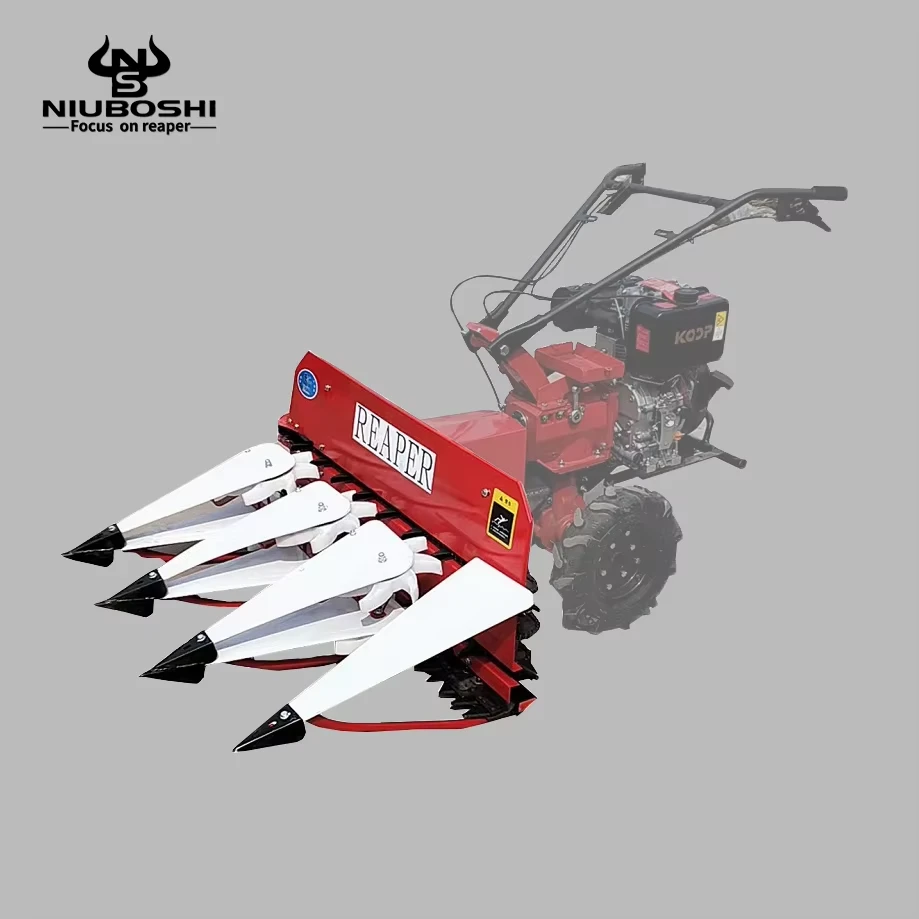
Combine Harvester Small Size – Efficient, Compact Harvest Solutions for Your Business
Combine Harvester Small Size is a key solution in the industry, specifically within agricultural mechanization for mid to small scale farms where efficiency and maneuverability matter. This article explores how https://www.hbniuboshi.com supports professionals with durable, high-performance products, and explains why this product is an ideal choice for businesses in these sectors.
Table of Contents
- Combine Harvester Small Size Overview
- Benefits & Use Cases of Combine Harvester Small Size
- Cost, Maintenance & User Experience
- Sustainability & Market Trends
- Frequently Asked Questions
- Conclusion on Combine Harvester Small Size from China
Combine Harvester Small Size Overview
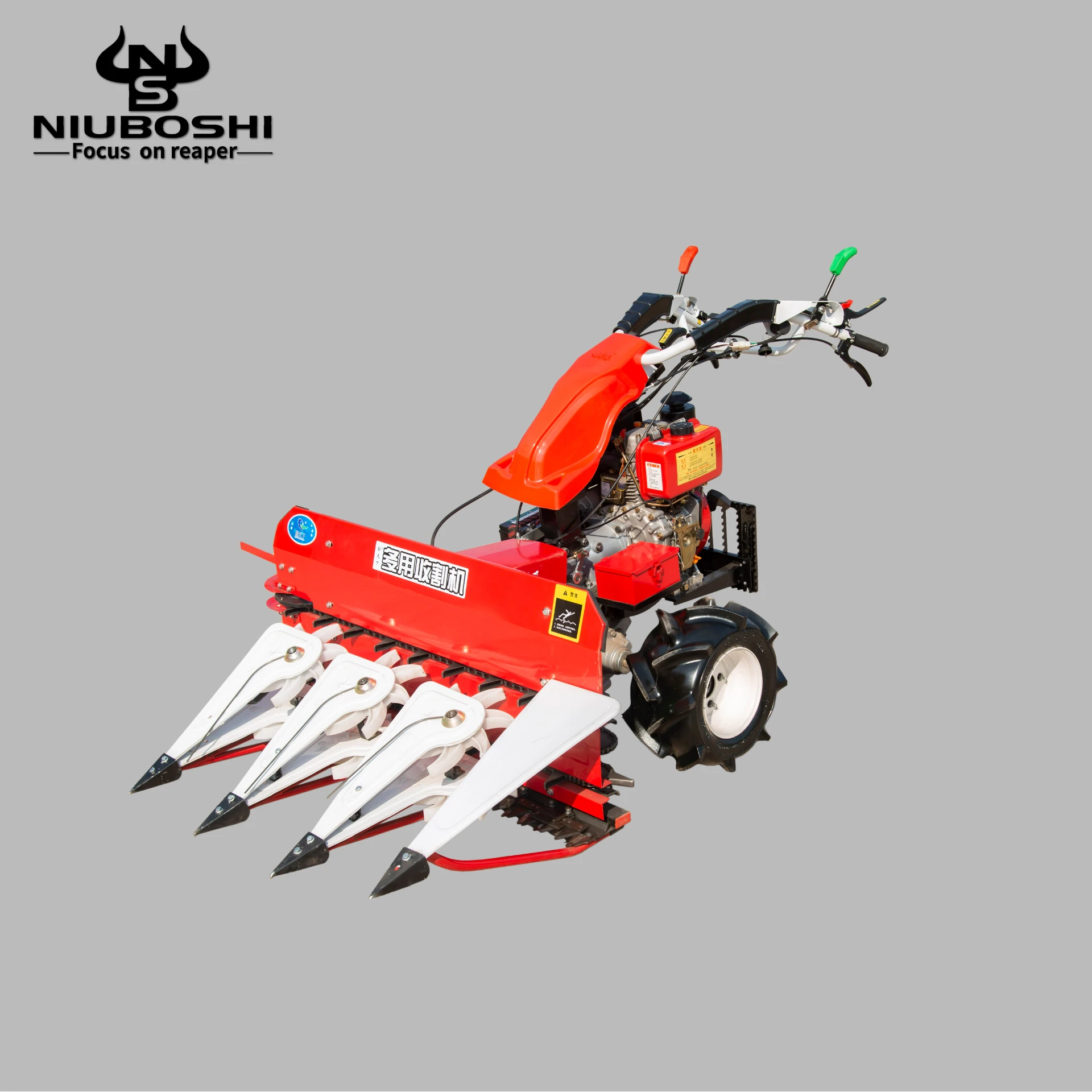
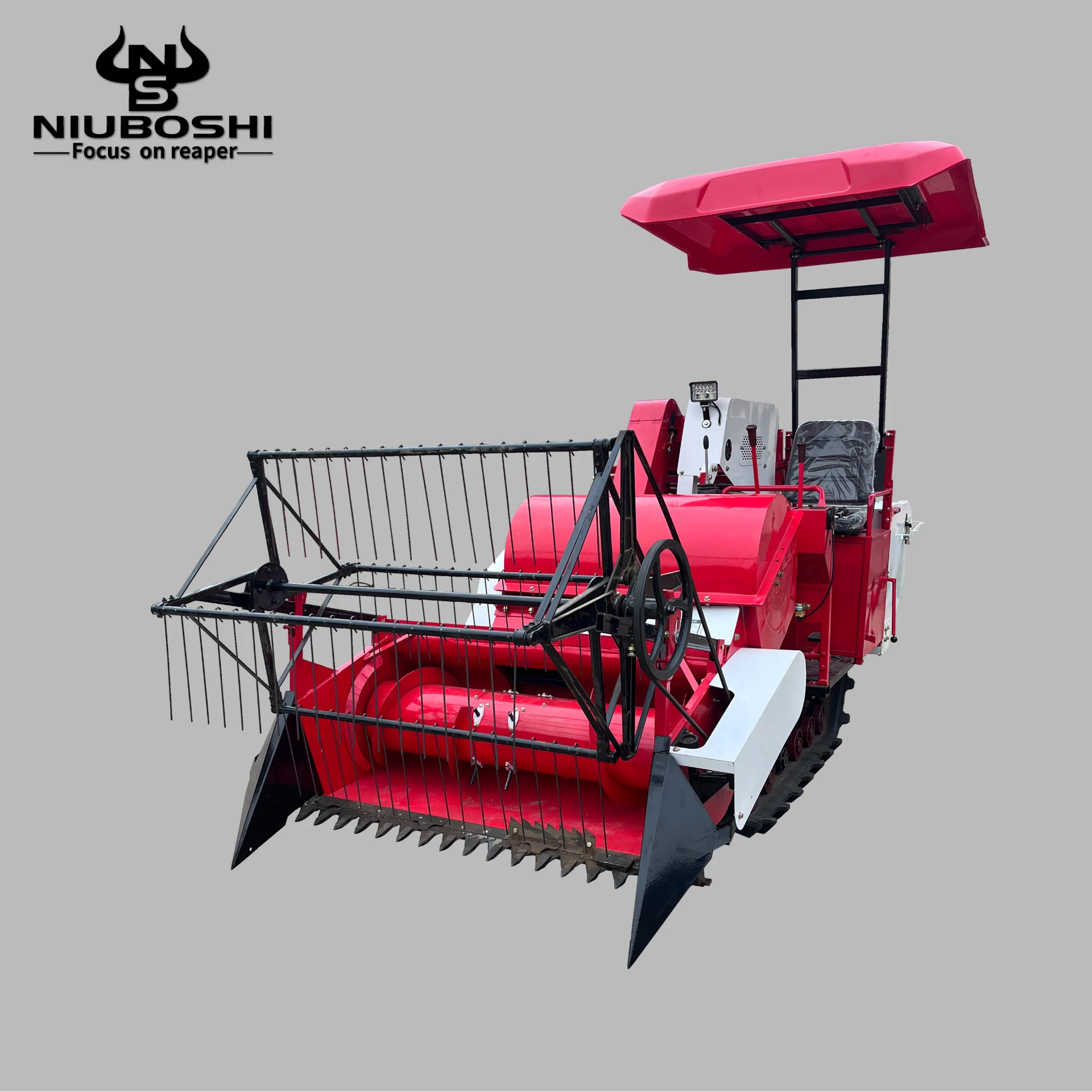
When talking about Combine Harvester Small Size, we’re referring to compact, versatile harvesting machines designed to suit smaller farms and fields that larger combines simply can't handle well. Unlike bulky, heavy-duty combines, these smaller versions offer excellent maneuverability without compromising on performance. They’re roughly 1.5 to 2.5 meters wide, which makes navigating tight spaces less of a headache.
Technically speaking, these machines pack a punch with engines around 50-70 HP, equipped with cutting-edge threshing systems adapted for a range of crops like wheat, barley, rice, and corn. The specs vary slightly depending on the model, but manufacturers like Niuboshi focus on a balance between power, durability, and ease of maintenance. In fact, a recent case study showed a small rice farm in Zhejiang province increasing their harvest efficiency by 30% after switching to a small-sized combine harvester, proving that size really doesn’t always limit capability.
| Specification | Typical Range | Description |
|---|---|---|
| Width | 1.5m - 2.5m | Compact size for smaller plots and easier transport |
| Engine Power | 50 - 70 HP | Sufficient power for mixed crops with fuel efficiency |
| Grain Tank Capacity | 300 - 500 liters | Optimized for small to medium harvest volumes |
| Threshing System | Rotary or Conventional | Flexible options based on crop type and crop conditions |
Benefits & Use Cases of Combine Harvester Small Size
Oddly enough, while large-scale agriculture gets the headlines, there’s a growing demand for small-sized combine harvesters in emerging markets and diversified farms. These machines really shine where terrain is rugged, plots are irregular, or where farms specialize in multiple crop types. I suppose the compact size means they can be used efficiently on hilly or fragmented fields – think terraces or irregular paddies – where big machines would just get stuck or cause soil damage.
From a feature standpoint, these combines include adjustable headers for multi-crop compatibility, user-friendly controls, and surprisingly robust durability thanks to reinforced steel parts. The advantages? Lower fuel consumption, ease of transport (you can actually trailer it behind a small truck), and the capacity to keep fields clean without excessive residue scatter. Niuboshi’s product line, for example, boasts responsive hydraulic controls and an anti-clogging system that many operators say improves uptime during challenging harvest seasons.
Cost, Maintenance & User Experience
Now, when it comes to total cost of ownership, these small-sized combine harvesters surprise many budget-conscious decision-makers with their favorable ROI figures. The upfront price is notably lower than traditional large combines, but I’ve noticed the maintenance is also less intensive — partly due to easier access to parts and simpler mechanical setups. Niuboshi machines come with comprehensive after-sales support and local service networks, which frankly reduces downtime significantly.
Users highlight the simplicity of daily checks and fuel efficiency; this is no small deal when operating across long hours during peak season. Feedback from a few medium-scale farms in Henan indicates these machines last 4 to 6 years without major overhaul, which seems consistent with manufacturers’ claims. Of course, like any industrial equipment, routine lubrication, belt checks, and blade sharpening remain the bread and butter of upkeep – but nothing out of the ordinary.
| Vendor | Average Price (USD) | Warranty | After-sales Support | Notable Pros |
|---|---|---|---|---|
| Niuboshi | $18,000 - $25,000 | 2 Years | Strong local dealer networks | Reliable parts availability, user-friendly design |
| Competitor A | $20,000 - $28,000 | 1.5 Years | Limited regional support | Slightly more powerful engine |
| Competitor B | $16,000 - $22,000 | 1 Year | Basic support | Lower price but shorter warranty |
Sustainability & Market Trends
Let’s face it: sustainability isn’t optional anymore, especially for B2B buyers seeking equipment that reduces emissions and environmental footprint. Small-sized combine harvesters generally consume less fuel, thanks to lighter weight and smaller engines. Many vendors, including Niuboshi, are pushing towards greener engine technologies that comply with Tier 4 emissions standards – a big plus for farms under increasing regulatory scrutiny in China and abroad.
Market trends show growing adoption in Southeast Asia and Africa, where fragmented land holdings make these machines indispensable. Oddly enough, despite their small scale, their impact on farm economics and rural livelihoods can be quite significant. Plus, advances like GPS-assisted harvesting, and digital monitoring, though often found on larger machinery, are trickling down to these smaller models, showing the industry’s commitment to innovation at every size.
Frequently Asked Questions about Combine Harvester Small Size
- What is Combine Harvester Small Size and how does it work?
- It's a compact agricultural machine designed to efficiently cut, thresh, and separate grain crops on smaller farms or challenging terrains. It combines multiple harvesting steps in one operation, increasing speed and reducing labor.
- What are the main benefits of using Combine Harvester Small Size in industrial applications?
- Benefits include better maneuverability, lower fuel consumption, cost-effectiveness, and versatility for a variety of crops. They help improve harvesting efficiency in smaller or fragmented plots.
- How does Combine Harvester Small Size compare to traditional alternatives?
- Unlike large combines, small-sized variants are easier to transport, require less capital investment, and offer customized solutions for smaller farms while maintaining comparable performance for their scale.
- What industries can benefit most from Combine Harvester Small Size implementation?
- Primarily mid- to small-scale agriculture sectors such as rice, wheat, maize farms, and diversified crop operations, especially in regions with small landholdings or fragmented farming plots.
Conclusion on Combine Harvester Small Size from China
To wrap things up, Combine Harvester Small Size machines present a practical and efficient option for businesses looking to optimize their crop harvesting without the overhead of large-scale machinery. Their flexibility, cost-effectiveness, and support infrastructure make them well-suited to the needs of modern, diverse agricultural operations. For decision makers invested in reliability and innovation, Niuboshi’s equipment represents a smart investment that pays off season after season.
- Recap the value of Combine Harvester Small Size.
- Visit our website: https://www.hbniuboshi.com
Reflection: For industries balancing scale and cost, embracing smaller, smarter machinery isn't just a trend—it’s becoming a necessity that blends tradition with technology.
References:
- Niuboshi Official Product Specs, 2024.
- China Agricultural Machinery Market Report, 2023.
- Case Study: Zhejiang Rice Farm Efficiency Upgrade, 2022.
Latest news
-
Maximize Harvest Efficiency with the Agro Reaper Binder MachineNewsApr.16,2026
-
Boost Harvest Efficiency with the Best Agriculture Reaper MachineNewsApr.09,2026
-
Revolutionizing Agriculture with the Efficient Agriculture Power ReaperNewsApr.07,2026
-
Comprehensive Guide to the 4 Wheel Reaper Binder for Efficient HarvestingNewsApr.04,2026
-
Comprehensive Guide to Reaperbinder Technology for Efficient Hay and Crop HarvestingNewsMar.31,2026
-
Mastering the Art of Reaper Cutting for Enhanced Agricultural EfficiencyNewsMar.28,2026