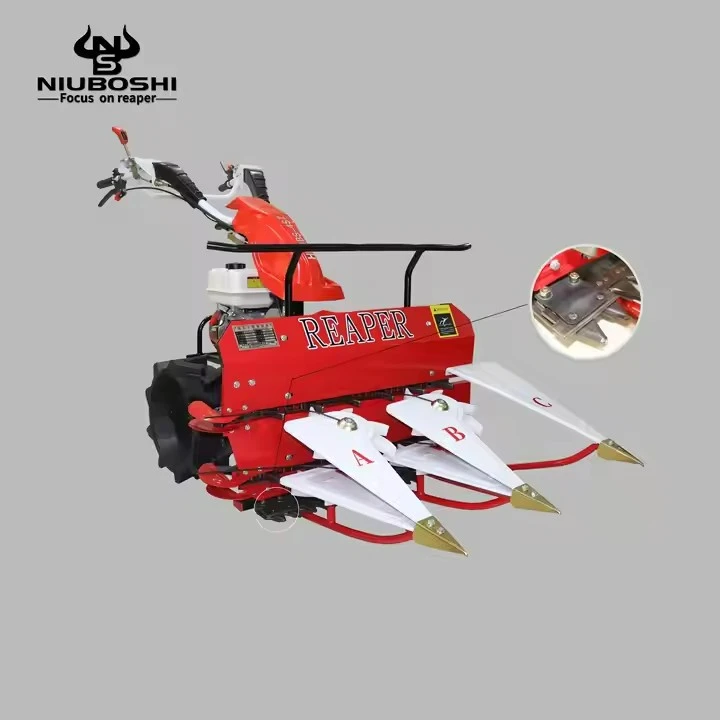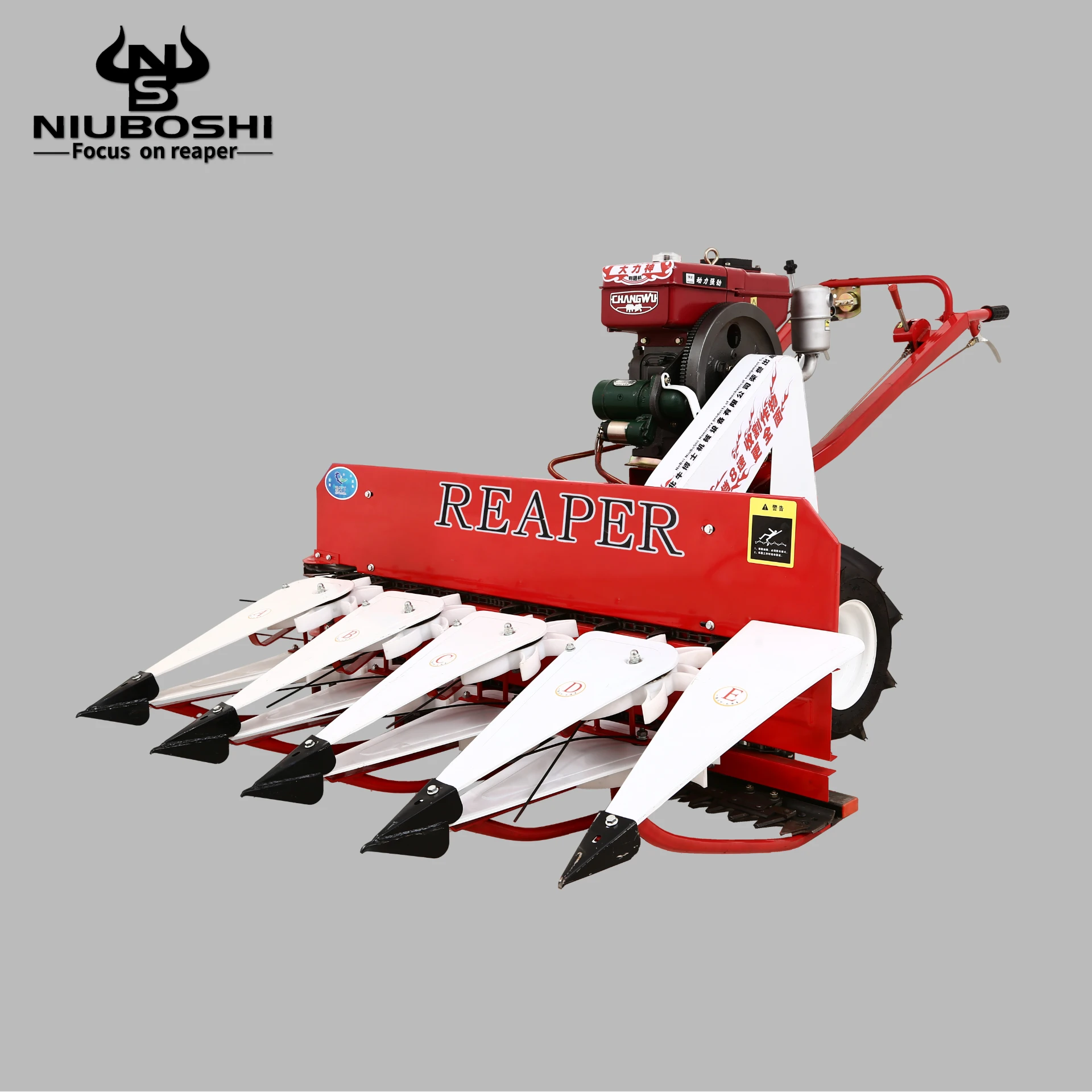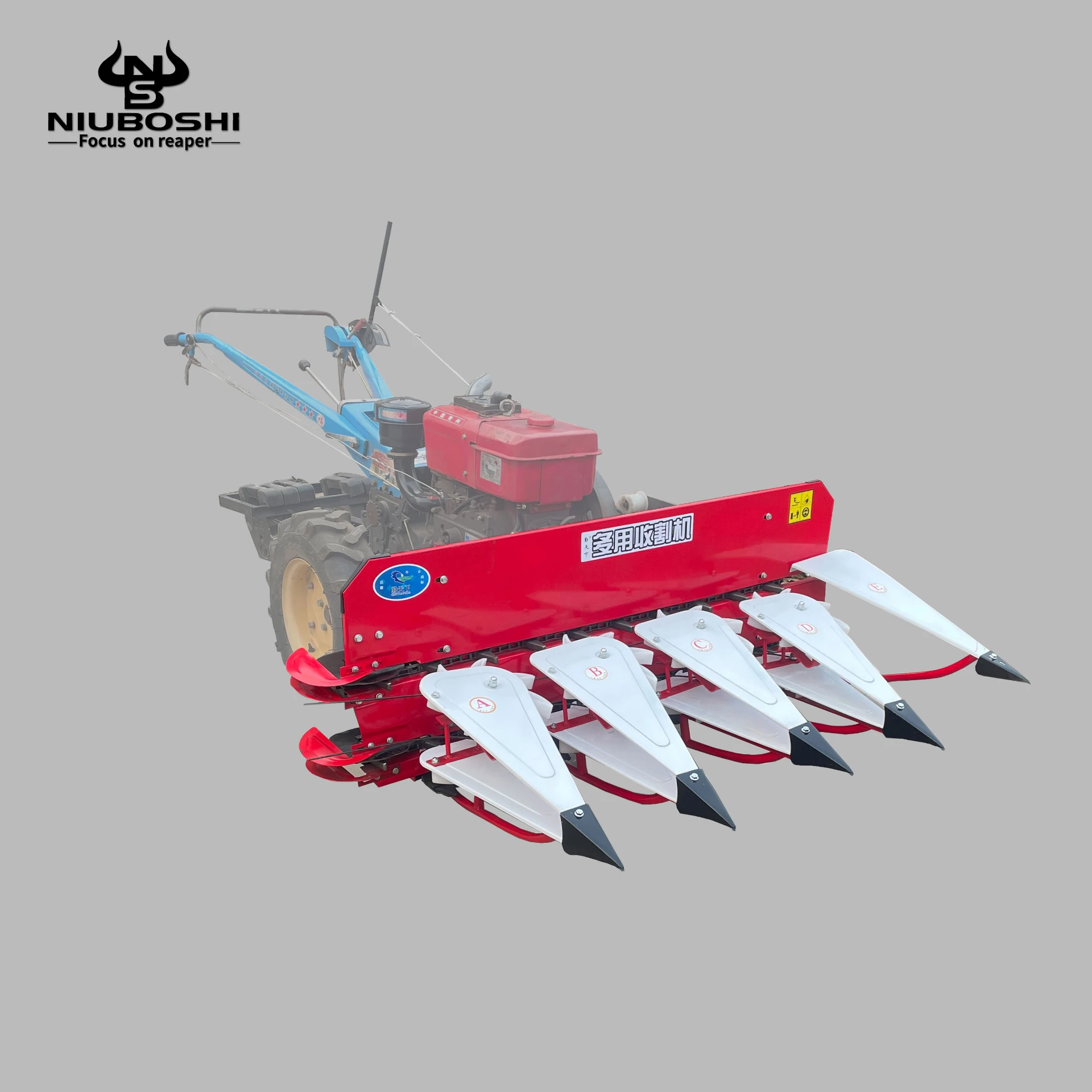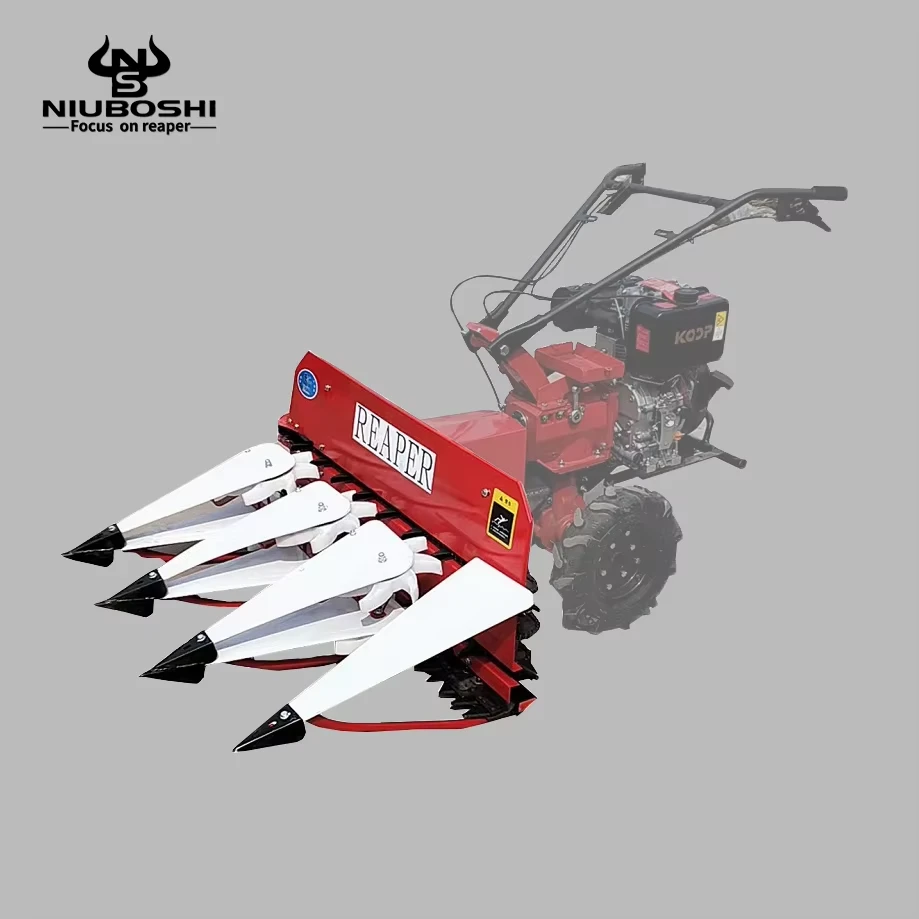
Mini Wheat Combine Harvester – Compact, Efficient Wheat Harvesting Solutions
Why the Mini Wheat Combine Harvester Is More Relevant Than Ever
The mini wheat combine harvester might not sound like the flashiest piece of farming equipment, but its global importance is quietly growing by leaps and bounds. For small-scale farmers and agricultural communities worldwide, especially in regions where big machinery is either impractical or prohibitively expensive, these compact harvesters bridge a critical gap. They save time, reduce labor costs, and improve yields—making a small yet powerful difference in food security and economic stability.
Globally, wheat feeds over 2.5 billion people, per the Food and Agriculture Organization (FAO), and mechanized harvesting plays a huge role in meeting the demand. However, large industrial combines, while efficient, tend to be too costly or simply too big for many growers, especially in developing countries or smaller plots. This is exactly where the mini wheat combine harvester comes into play, reshaping how wheat harvests get done in a more accessible, sustainable way.
Mini takeaway: Understanding this machine means grasping a significant shift in agricultural mechanization that supports small farmers worldwide.
The Global Story: Challenges & Demand for Mini Combine Harvesters
According to the UN’s World Food Programme and several agricultural development studies, about 40% of farmers worldwide operate on less than two hectares of land. In these contexts, traditional large-scale combines are overkill — both financially and logistically. Instead, mini wheat combine harvesters offer a nimble, affordable, and scalable alternative. They directly address issues such as the rising cost of labor, erratic fuel prices, and the urgent need to boost food production efficiency due to increasing global populations.
Additionally, climate change is shifting harvesting windows unpredictably and increasing the physical challenges of farming. A lightweight, efficient, and easy-to-maintain mini combine is a vital solution for many communities trying to adapt quickly.
Problem raised: How can farmers with small plots efficiently and affordably mechanize wheat harvesting without hefty investment or complex machinery?
Mini takeaway: These combines support not just agriculture but rural livelihoods and food resilience in a changing world.
Defining the Mini Wheat Combine Harvester
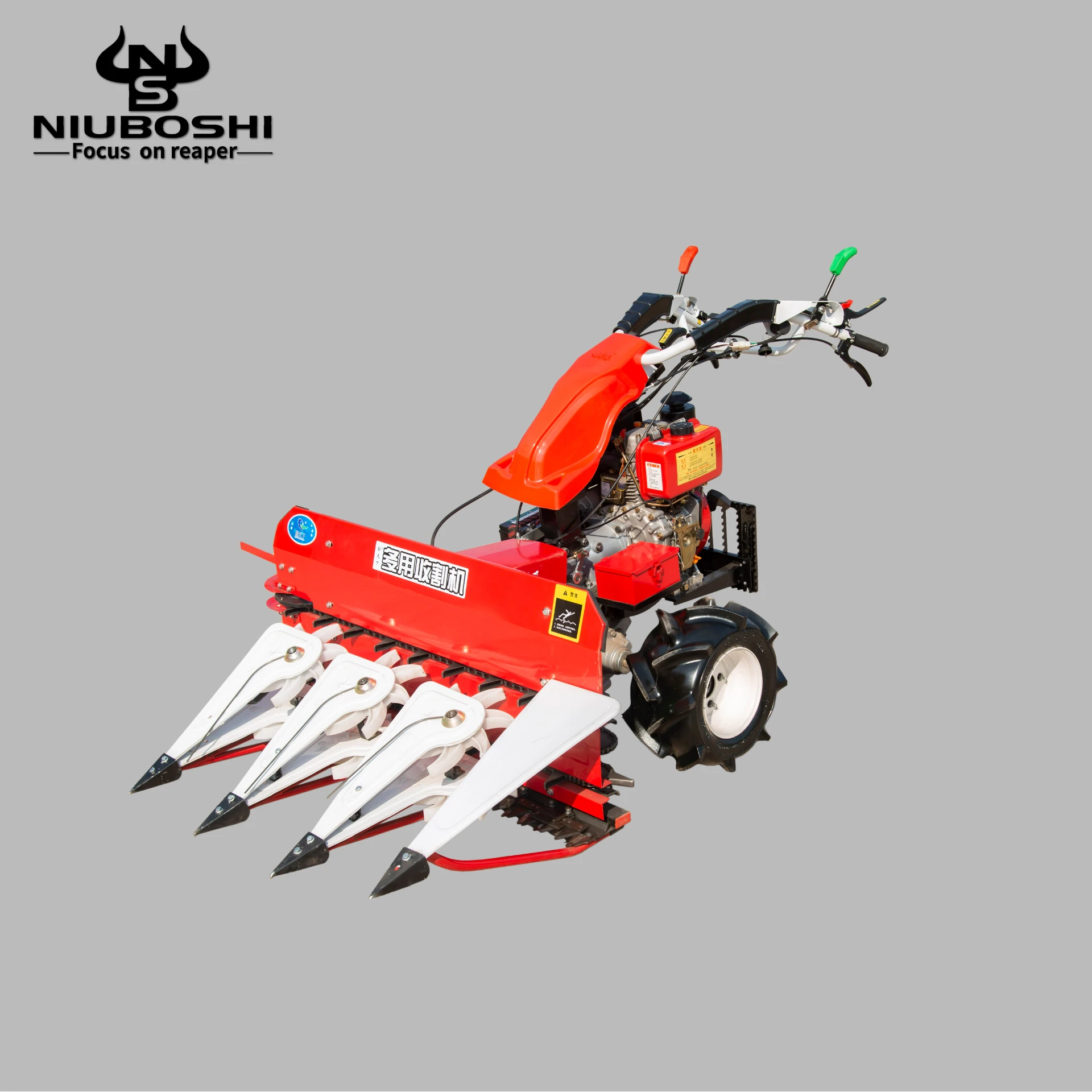
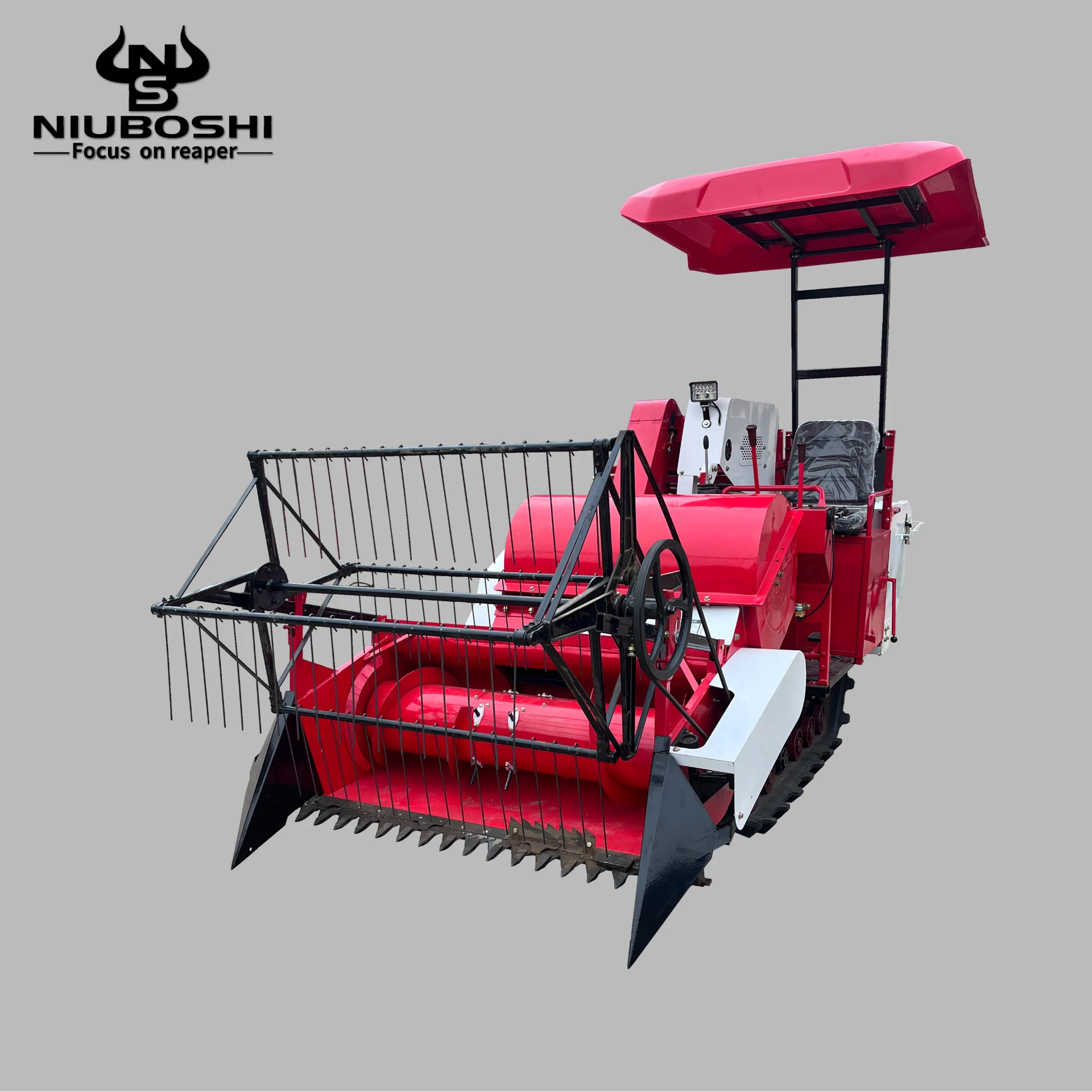
So, what exactly is a mini wheat combine harvester? Simply put, it's a compact, often lightweight machine designed to automate the cutting, threshing, and cleaning of wheat crops in smaller-scale operations. Unlike their larger cousins, these mini versions usually have lower horsepower engines, narrower cutting headers, and simpler controls, but they still perform the essential tasks farmers need for a good harvest.
This equipment is frequently used in smallholder farms, community farms, and regions where terrain limits larger machinery's access. It’s a direct descendant of traditional combines but optimized for agility, affordability, and ease of maintenance — qualities critical for many agricultural zones globally.
Interestingly, the mini wheat combine harvester also plays a role in humanitarian efforts, sometimes deployed in post-conflict or disaster-stricken rural areas to fast-track food production recovery and support displaced communities.
Mini takeaway: Think of these combines as the right tool for a very specific job — efficient wheat harvesting where bigger machines just won’t work.
Core Components That Make Mini Wheat Combine Harvesters Tick
1. Power and Engine Efficiency
Because they are designed for smaller fields, mini combines typically feature diesel engines ranging from 20-50 HP. This power is just enough to process a moderate load without excessive fuel consumption, crucial for cost-conscious farmers.
2. Cutting Header and Threshing System
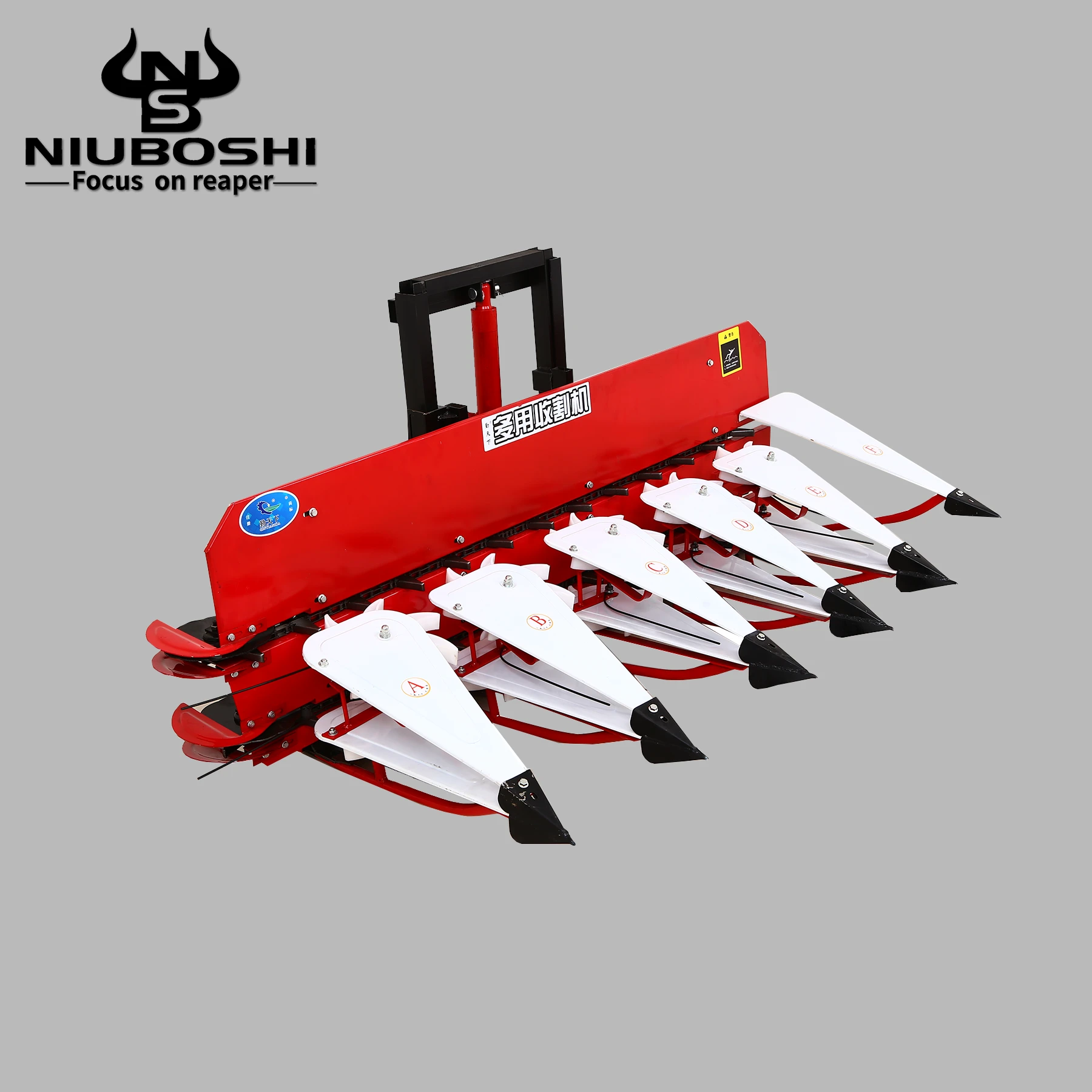
The cutting width normally spans 1.2 to 1.8 meters, enabling maneuverability in tight row spaces. The threshing drum and concave assembly is engineered to minimize grain damage while efficiently separating the kernels.
3. Grain Cleaning and Collection
Mini combines often include a fan system and sieves tailored for wheat grains, leaving behind chaff and plant residue. The grain hopper size is smaller but designed for easy manual unloading or quick transfer to bags.
4. Operator Comfort & Controls
Thoughtful ergonomics—like adjustable seats, intuitive levers, and sometimes even basic GPS—make operation less strenuous, even during long harvesting days.
5. Durability and Maintenance
Manufactured with affordable yet sturdy materials, these combines often require minimal maintenance. Replacement parts are widely available in local and regional markets, making repairs relatively easy—a big plus in rural communities.
| Feature | Typical Value | Notes |
|---|---|---|
| Engine Power | 25–40 HP | Diesel, fuel-efficient |
| Cutting Width | 1.2–1.5 meters | Compact for small plots |
| Grain Tank Capacity | 200–350 kg | Easy grain unloading |
| Weight | 700–1200 kg | Lightweight for transport |
| Fuel Consumption | 3–5 L/hr | Depends on load and terrain |
Mini takeaway: Key components balance power, size, and simplicity — making these machines surprisingly effective for their footprint.
Real-World Applications Around the Globe
Smallholder farmers across Asia, Africa, and Eastern Europe have embraced the mini wheat combine harvester for its undeniable practicality. For instance, in India’s Punjab region, many farmers operate plots under two hectares where these combines can harvest wheat rows efficiently while preserving soil health.
Similarly, in the steppes of Kazakhstan or parts of Ukraine, these machines enable rapid harvesting before adverse weather — a critical timing advantage against crop loss.
NGOs working in disaster-affected zones use compact combines to restore local agriculture after floods or conflicts, speeding up food production reestablishment with minimal infrastructure.
Even in parts of Australia and New Zealand, where remote farms stretch across difficult terrain, small combines prove to be essential for select wheat plots not suited to larger farm equipment.
Mini takeaway: Mini combines suit a surprisingly diverse set of environments, from small Asian farms to remote Southern Hemisphere plains.
Why Mini Wheat Combine Harvesters Are Worth It
Let's be honest — cost is king for many farmers. Mini wheat combine harvesters typically cost a fraction of industrial-scale machines, making mechanized harvesting accessible to small owners who might otherwise rely on backbreaking manual labor.
Environmental impact also nudges in their favor. Their smaller engines consume less fuel, and many newer models embrace emission-reducing technologies. Over time, this can reduce carbon footprint and air pollutants compared to older, larger models.
Socially, they can transform rural economies by reducing labor bottlenecks during harvest seasons, preserving farmers’ health, and even allowing women and elderly farmers to participate more actively.
Reliability and low maintenance mean less downtime, fewer repair costs, and continued productivity. When you’re working on a tight schedule or budget, that peace of mind counts a lot.
Mini takeaway: Affordable, eco-friendly, and empowering — these machines pack value beyond the simple mechanics.
Looking Forward: Innovations on the Horizon
Technology doesn't stand still. Several manufacturers are experimenting with electric or hybrid mini combines to drive down fuel costs and emissions further. Lightweight carbon fiber components might soon replace steel parts, improving durability without adding heft.
Digital features such as GPS-guidance, yield monitoring, and even remote diagnostics are slowly trickling down from large-scale combines, enhancing precision and usability.
There is also growing interest in adaptability — machines that can switch between crops like wheat, barley, or even rice with minimal configuration. This kind of versatility is a game-changer for mixed-farming communities.
Mini takeaway: The future’s looking hybrid, smarter, and more versatile, all while keeping that compact size farmers love.
Common Challenges & Clever Solutions
One notable challenge is terrain and weather. Mini combines don’t tackle extremely uneven or muddy fields as well as bigger machines. However, adjustable tracks, improved stabilization systems, and operator training help mitigate these issues.
Spare parts availability sometimes challenges remote farmers, but international shipping options and local manufacturing hubs are combating this slowly. A growing network of dealers and service centers, alongside digital spare parts catalogs, are helping as well.
Cost can still be a barrier in some very low-income areas — cooperative ownership or government subsidies are often the answer. Several NGO and governmental programs provide financing or leasing options, which means a mini combine isn’t out of reach.
Mini takeaway: While not perfect, practical tweaks and smarter distribution networks are making these machines more viable everywhere.
FAQ: Common Questions on Mini Wheat Combine Harvesters
- Q1: How much land can a mini wheat combine harvester cover in a day?
- A typical mini combine can harvest between 2 to 5 hectares per day, depending on field conditions, crop density, and operator experience. This makes it ideal for small farms or community projects.
- Q2: Are mini combines easy to repair and maintain without specialized skills?
- Yes. Most mini wheat combine harvesters are designed with simplicity in mind. Basic mechanical skills suffice for routine maintenance, and many manufacturers offer user manuals and local training.
- Q3: Can these harvesters be used for crops other than wheat?
- Absolutely. Many models support barley, oats, and other small grains with minor adjustments. Some machines are even modular to handle multiple crop types efficiently.
- Q4: How can I purchase a reliable mini combine harvester internationally?
- Look for trusted manufacturers who provide export support and after-sales service. Websites like mini wheat combine harvester vendors often assist with shipping, documentation, and user guidance.
- Q5: What fuel type do these mini combines use, and how efficient are they?
- Most run on diesel for reliability and power, with fuel consumption roughly between 3–5 liters per hour, depending on job intensity. Electric and hybrid models are emerging but are less common as of now.
A Quick Look at Some Leading Mini Wheat Combine Harvester Vendors
| Brand | Engine Power (HP) | Price Range (USD) | Warranty | Global Service Network |
|---|---|---|---|---|
| AgriMini | 30 HP | $7,500–$9,000 | 2 Years | Moderate (Asia, Africa) |
| FarmTech Compact | 40 HP | $9,000–$11,500 | 3 Years | Strong (Europe, Australia) |
| Niuboshi | 25 HP | $6,800–$8,500 | 2 Years | Growing (Asia, Middle East) |
| GreenFields Mini | 35 HP | $8,500–$10,000 | 3 Years | Wide (Global) |
Wrap-up & Next Steps
At its core, the mini wheat combine harvester offers a focused solution to a global challenge: how to mechanize wheat harvesting effectively on small farms without breaking the bank or requiring complex infrastructure. Its versatility, affordability, and efficiency have already touched countless farming communities worldwide — and its future innovations promise even greater impact.
So if you’re curious about mini wheat combine harvester options that fit your farm or organizational needs, it’s well worth exploring current models and ongoing developments. The barrier to better harvests might be smaller than you think!
References
Latest news
-
Maximize Harvest Efficiency with the Agro Reaper Binder MachineNewsApr.16,2026
-
Boost Harvest Efficiency with the Best Agriculture Reaper MachineNewsApr.09,2026
-
Revolutionizing Agriculture with the Efficient Agriculture Power ReaperNewsApr.07,2026
-
Comprehensive Guide to the 4 Wheel Reaper Binder for Efficient HarvestingNewsApr.04,2026
-
Comprehensive Guide to Reaperbinder Technology for Efficient Hay and Crop HarvestingNewsMar.31,2026
-
Mastering the Art of Reaper Cutting for Enhanced Agricultural EfficiencyNewsMar.28,2026