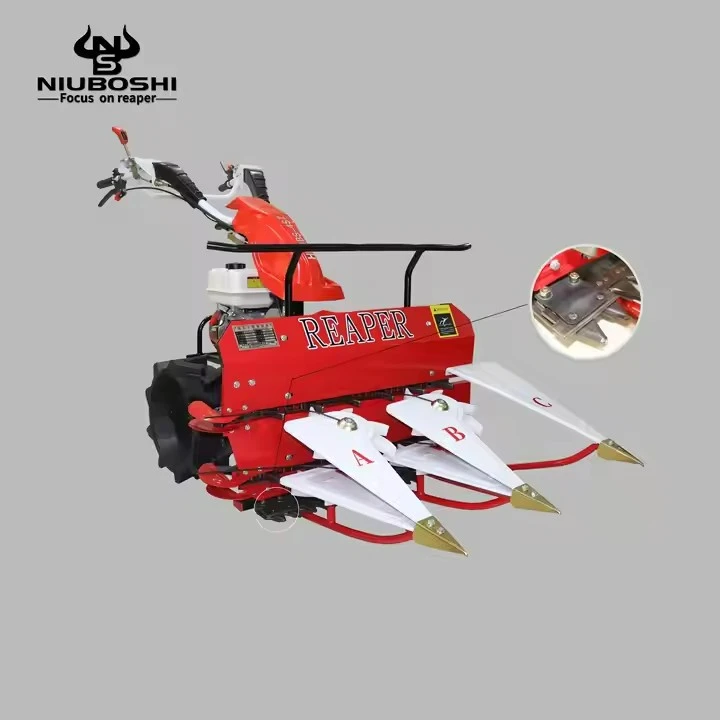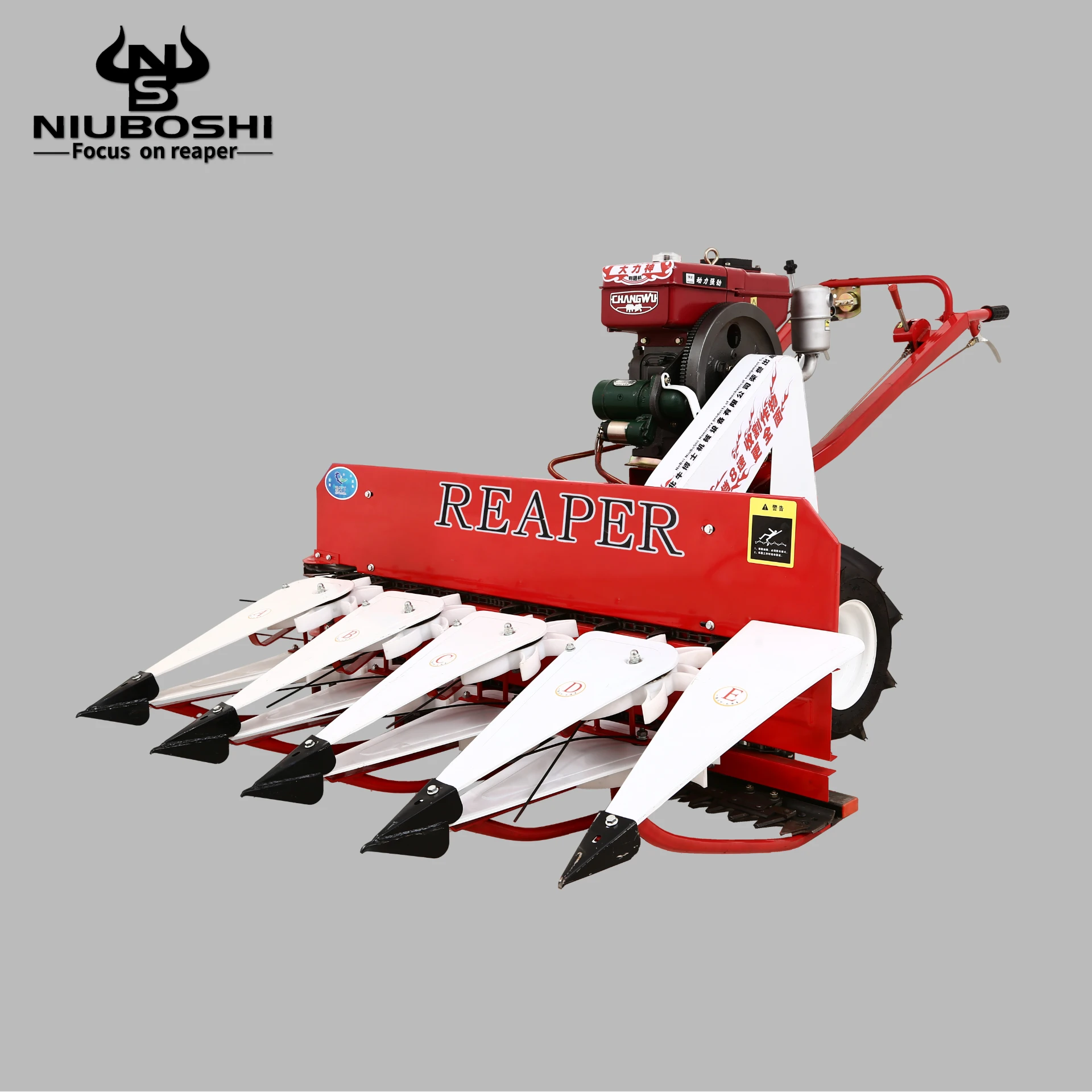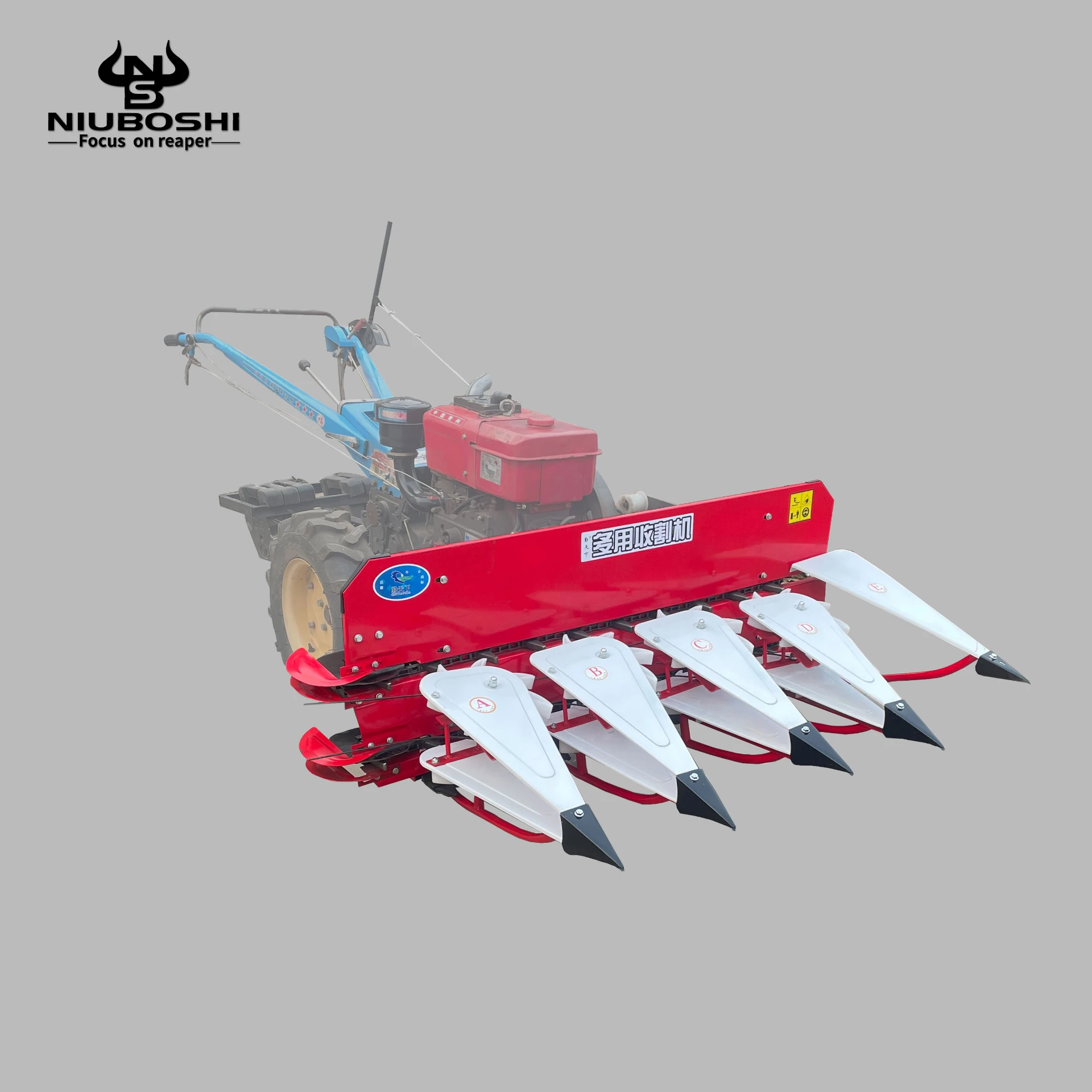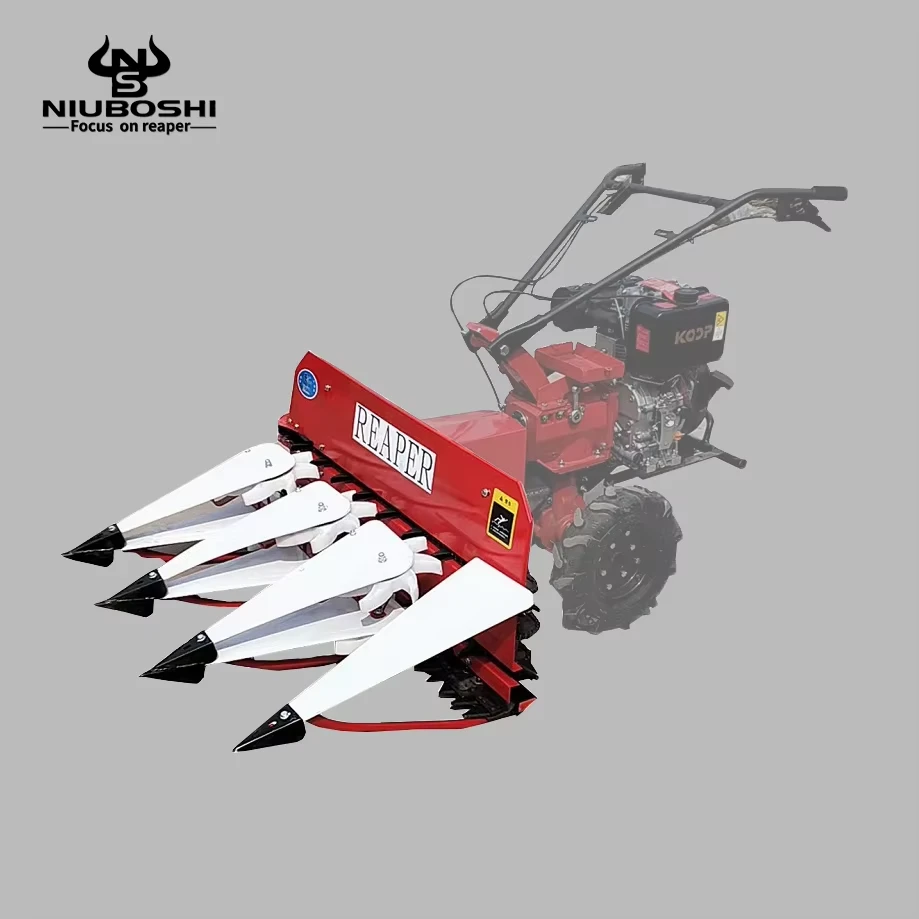
Mini Rice Cutter: Efficient Harvesting Solutions for Smallholder Farmers
The Growing Need for a Mini Rice Cutter in Today’s World
Rice, as a staple food for over half the global population, isn’t just a crop; it’s a lifeline. And yet, the ways we harvest and process this grain can be surprisingly overlooked when we talk about innovation or sustainability. Enter the “mini rice cutter” — a compact, efficient, and increasingly essential tool that’s quietly changing how small-scale farmers and vendors handle rice. Let’s unpack why understanding this tiny powerhouse matters globally and what it actually brings to the table.
Why Mini Rice Cutters Matter Globally
Oddly enough, while the world grows more mechanized, many rice farms — especially across Asia, Africa, and parts of Latin America — remain heavily reliant on manual labor and traditional methods. According to the Food and Agriculture Organization (FAO), over 80% of smallholder rice farmers operate on farms smaller than two hectares, many lacking access to big machinery.
This is where mini rice cutter technology shines. These tools are specifically designed to bridge the gap between large-scale, expensive machinery and purely manual, laborious methods. They significantly improve efficiency without requiring a big capital investment or complex training. In a world struggling with food security, climate change, and rural employment, mini rice cutters offer a small but potent solution to multiple challenges.
What Exactly Is a Mini Rice Cutter?
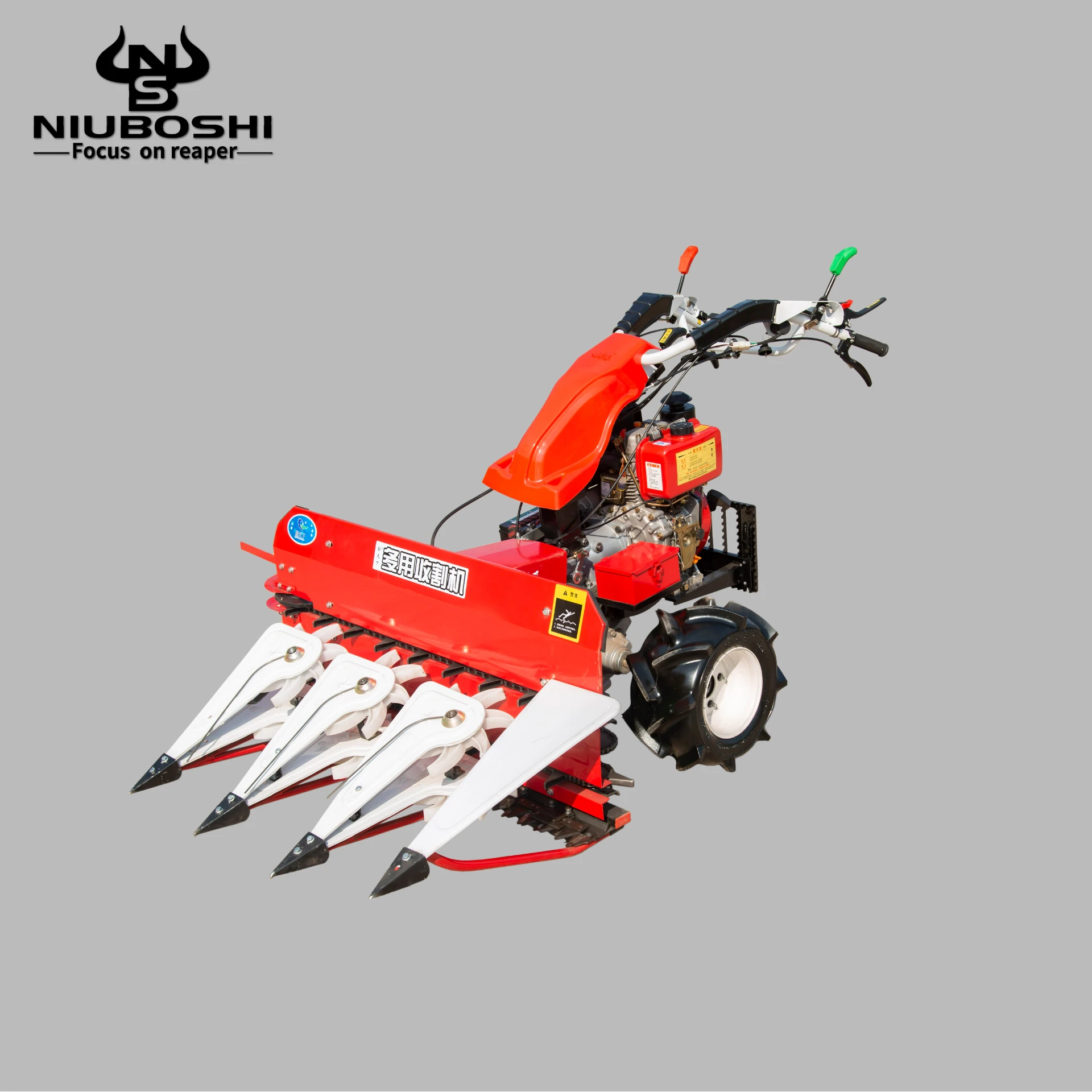
Put simply, a mini rice cutter is a handheld or portable mechanical tool built to cut rice stalks efficiently during harvesting. Unlike bulkier cutting machines, these cutters are lightweight, easy to maneuver, and perfect for smaller plots or difficult terrain. They reduce cutting time, minimize grain loss, and ease the physical strain on workers. They’re especially crucial in regions where mechanized harvesters are impractical due to land size, cost, or geography.
What’s interesting is how this piece of equipment blends low-tech engineering with practical applications — a real-world example of “appropriate technology” designed to meet humanitarian and economic needs simultaneously.
Key Components That Make Mini Rice Cutters Essential
1. Durability and Build Quality
Harvesting rice involves thick, occasionally wet stalks. Mini rice cutters must be robust enough to withstand frequent use in harsh field conditions without rusting or breaking down. Several models use stainless steel blades combined with lightweight aluminum or reinforced plastics for the handle and frame.
2. Portability and Ergonomics
Since many users operate these devices in small or irregularly shaped fields, the cutter needs to be light and easy to handle. Many designs incorporate ergonomic grips and adjustable blade angles to reduce fatigue while improving precision.
3. Cost Efficiency
Cost is a huge factor. Mini rice cutters typically cost a fraction of full-scale machinery but still offer dramatic improvements over hand sickling. This sweet spot makes them accessible for smallholder farmers, NGOs, and local cooperatives.
4. Maintenance and Ease of Use
Saving time on cutting is useless if constant repairs are required. Most mini rice cutters are built for easy blade replacement and low maintenance. This extends their lifespan and keeps downtime minimal.
5. Safety Features
A good mini rice cutter includes blade guards or safety switches to protect users from accidental injury, especially important when training inexperienced harvesters.
Mini takeaway: The mini rice cutter’s balance of durability, ergonomics, and cost-efficiency makes it a practical game-changer for farmers operating on small plots or challenging terrain.
Global Use Cases: Where Are Mini Rice Cutters Making a Difference?
From the paddy fields of Cambodia to the terraces of Nepal, mini rice cutters are popping up in some unexpected places. They find particular use:
- In rural Asian farming communities: Where small landholdings and fragmented fields limit usage of harvesters.
- During post-disaster recovery efforts: NGOs distribute mini rice cutters to restore local food production quickly.
- Remote or mountainous regions: Where bulky machines can’t access the fields.
- Local rice markets and vendors: Cutting rice for display or pre-processing in small batches.
One interesting story involves a cooperative in the Philippines that replaced hand sickle harvesting with mini rice cutters. They reported 25% faster cutting times and dramatic reductions in injury rates during harvesting. It’s the kind of small innovation that quietly boosts rural economies and food security.
Product Specifications: What Should You Expect from a Mini Rice Cutter?
| Specification | Typical Values | Remarks |
|---|---|---|
| Blade Length | 15 – 20 cm | Enough for efficient stalk cutting |
| Weight | 1 – 2.5 kg | Allows easy handheld use |
| Material | Stainless steel blade, aluminum or plastic handle | Corrosion resistant & lightweight |
| Safety Features | Blade guard, ergonomic grip | Protects users, reduces fatigue |
| Cost Range | $15 – $60 | Varies by brand & features |
Comparing Leading Mini Rice Cutter Brands
| Brand | Weight (kg) | Blade Material | Price ($) | Safety Features |
|---|---|---|---|---|
| GreenField Tools | 1.5 | Stainless Steel | 45 | Blade guard, ergonomic handle |
| AgroCut Mini | 2.2 | High-Carbon Steel | 30 | Safety switch, padded grip |
| FarmEase | 1.1 | Stainless Steel | 55 | Adjustable blade, grip guard |
Benefits of Using a Mini Rice Cutter
Let’s get real — it’s not just about cutting rice faster. The advantages of these mini rice cutters stack up logically and emotionally:
- Time-saving: Farmers typically cut rice 30-50% faster than with a sickle, freeing up hours during crucial harvest windows.
- Reduced Grain Loss: Fewer dropped grains means more sellable rice and better livelihoods.
- Safety and Comfort: Ergonomic design reduces strain and risk of accidents.
- Environmental Impact: Less fuel usage compared to gas-powered harvesters, aligning with sustainable farming goals.
- Empowerment: Giving smallholders a cost-effective, easy-to-use tool boosts independence.
It’s the kind of practical innovation that brings dignity and trust to rural economies — something that statistics don’t always capture.
What’s Next? Emerging Trends in Mini Rice Cutter Technology
The humble mini rice cutter is evolving. Engineers are experimenting with:
- Lightweight composites: Carbon fiber components making cutters even easier to handle without sacrificing strength.
- Battery-powered blades: Small electric motors to reduce manual effort on rough terrains.
- Smart sensors: Helping operators optimize cutting patterns or even remotely manage fleets of tools in cooperatives.
- Sustainable manufacturing: Using recycled metals and bio-plastics to reduce environmental footprints.
Frankly, I find this blend of old-fashioned craft with 21st-century tech fascinating. It shows that even simple agricultural tools have room for innovation.
Challenges and Solutions
Mini rice cutters aren’t perfect. Some common issues encountered include:
- Blade dulling quickly: Needs frequent sharpening or replacement, which can be costly or inconvenient.
- Limited capacity: Not suitable for very large farms or fully mechanized operations.
- Training gaps: Improper use can lead to safety risks or inefficiency.
Addressing these means better after-sales support, local training programs, and modular designs where blades or parts can be swapped out affordably. NGOs and local governments are starting to invest there, which is promising.
Frequently Asked Questions About Mini Rice Cutters
Q1: How does a mini rice cutter improve harvesting compared to hand sickling?
A1: Mini rice cutters significantly reduce physical strain, increase cutting speed by around 30-50%, and minimize grain losses. They offer a more consistent cut and ergonomic benefits, which save time and improve safety.
Q2: Are mini rice cutters suitable for mountainous or irregular fields?
A2: Yes, their lightweight and portable nature makes them ideal for small, uneven plots, terraces, and rugged landscapes where heavy machinery cannot easily operate.
Q3: What maintenance is required for mini rice cutters?
A3: Regular blade sharpening or replacement is necessary, along with cleaning to prevent rust. Many models are designed for easy blade swaps and simple repairs, allowing farmers to maintain tools locally.
Q4: Can NGOs or cooperatives purchase mini rice cutters in bulk?
A4: Definitely. Numerous suppliers offer bulk purchasing options, often with discounts. These tools are popular among NGOs during agricultural rebuilding efforts or development projects.
Q5: How much can a mini rice cutter cost and is it affordable for smallholders?
A5: Prices generally range from $15 to $60 depending on quality and features. This price point is accessible for many smallholders, especially when supported by microloans or cooperative buying schemes.
Conclusion: Why Investing in Mini Rice Cutters Makes Sense
When you think about it, the mini rice cutter is a testament to how small tools can have outsized impacts. It helps feed families, boost local markets, and preserve farming traditions while injecting needed modern efficiencies. If you’re involved in agriculture, rural development, or food security, understanding and leveraging this technology is no longer optional.
Want to explore these mini rice cutters further? Visit https://www.hbniuboshi.com for detailed product info, purchasing options, and expert advice.
Just a little piece of machinery, but with big potential to change the game — that’s what caught my attention.
References
Latest news
-
Maximize Harvest Efficiency with the Agro Reaper Binder MachineNewsApr.16,2026
-
Boost Harvest Efficiency with the Best Agriculture Reaper MachineNewsApr.09,2026
-
Revolutionizing Agriculture with the Efficient Agriculture Power ReaperNewsApr.07,2026
-
Comprehensive Guide to the 4 Wheel Reaper Binder for Efficient HarvestingNewsApr.04,2026
-
Comprehensive Guide to Reaperbinder Technology for Efficient Hay and Crop HarvestingNewsMar.31,2026
-
Mastering the Art of Reaper Cutting for Enhanced Agricultural EfficiencyNewsMar.28,2026