Multi Crop Mini Harvester: Efficient Farming Solutions for Smallholder Agriculture
The Growing Importance of Multi Crop Mini Harvesters in Global Agriculture
Globally, agricultural demands are shifting fast. With climate change, population growth, and urbanization pressing hard, farming efficiency isn't just a nice-to-have; it’s a lifeline. Enter the multi crop mini harvester: a nimble, versatile machine designed for harvesting various crops with precision and minimal waste. This tool has quietly transformed planting seasons from smallholder farms in Africa to remote rural pockets in Asia and Latin America.
Why does it matter? Well, according to the FAO, small farms produce over 70% of the world’s food but often lack technologies to boost yield sustainably. A multi crop mini harvester bridges that gap, providing efficiency traditionally only accessible to bigger agribusinesses.
In short, these compact harvesters offer farmers economic relief, speed up harvest times, and reduce post-harvest loss. For anyone interested in sustainable agriculture or rural development, they’re a quiet game changer.
Mini takeaway:
Multi crop mini harvesters matter because they help small-scale farmers scale up sustainably with affordable, efficient tech—closing the gap between subsistence farming and commercial yields.
Why the Multi Crop Mini Harvester is a Global Agricultural Solution
Across continents, farming faces a universal challenge: how to maximize output while minimizing costs and environmental damage. Traditional harvesting often involves heavy machinery that’s impractical for small plots or multiple crop types. Meanwhile, labor shortages and rising wages squeeze profits. A multi crop mini harvester tackles this neatly by being adaptable, maneuverable, and low on operating costs.
The World Bank reports that mechanized tools improve output by up to 40% in low-income countries [1]. These mini harvesters often weigh less than 500 kg, making them easy to transport even on rough terrains. For farmers growing rice one season, corn or wheat the next, having one machine that can handle multiple crops is worth its weight in gold.
But challenges remain—the diversity of crops means machines must be engineered for versatility without compromising durability or efficiency. That’s led to an evolving market of ingenious designs that matter economically and socially.
Mini takeaway:
Multi crop mini harvesters offer scalable solutions to farming inefficiencies worldwide, especially where flexible, small-scale mechanization is vital.
What Exactly is a Multi Crop Mini Harvester?
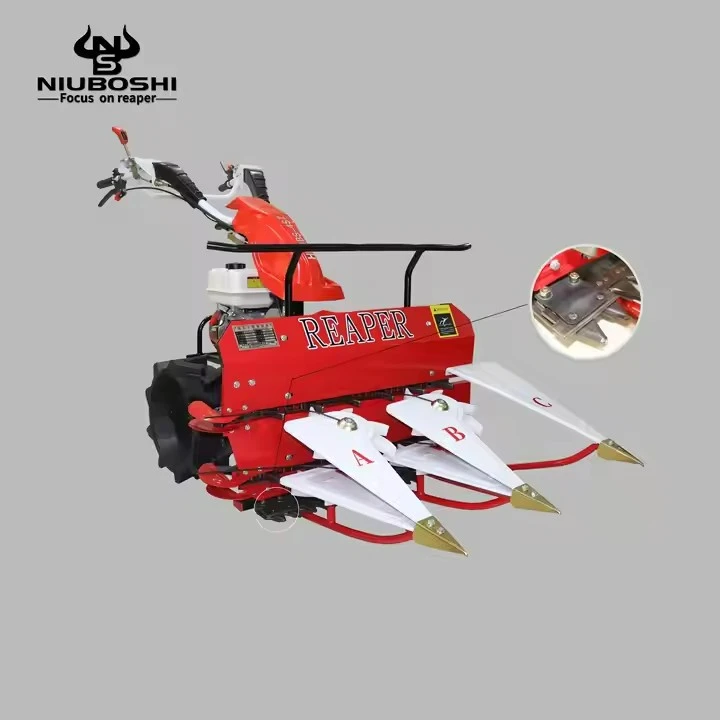
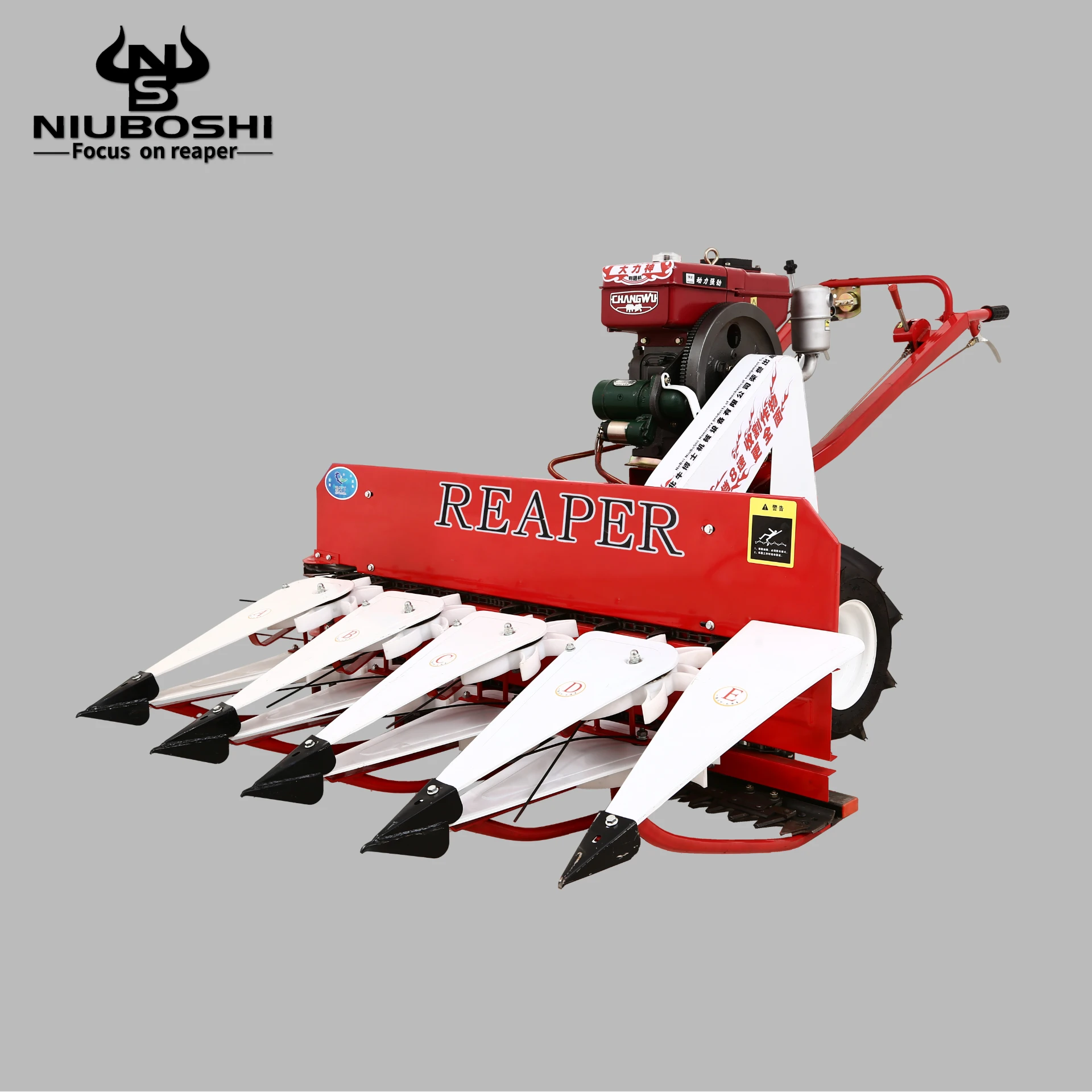
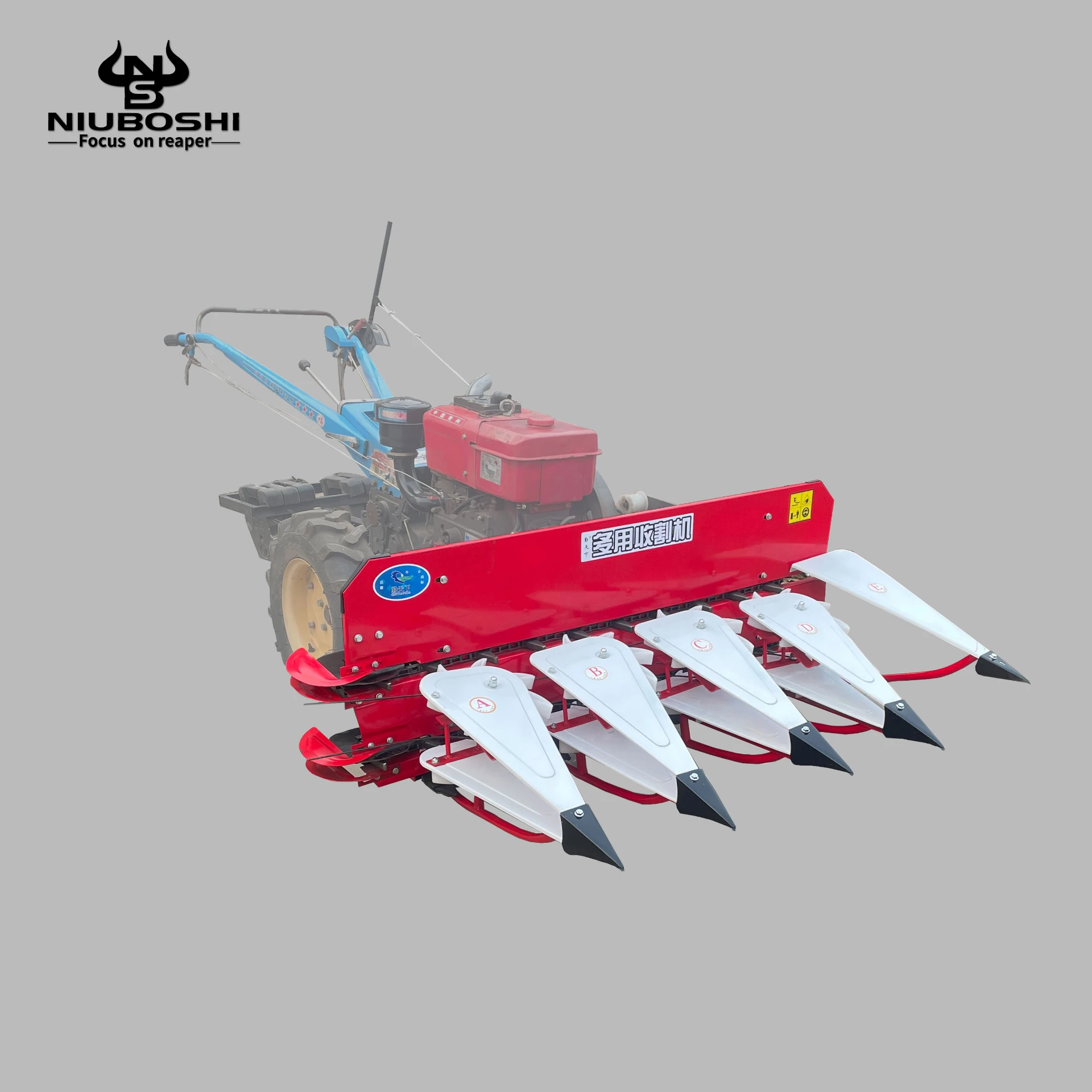
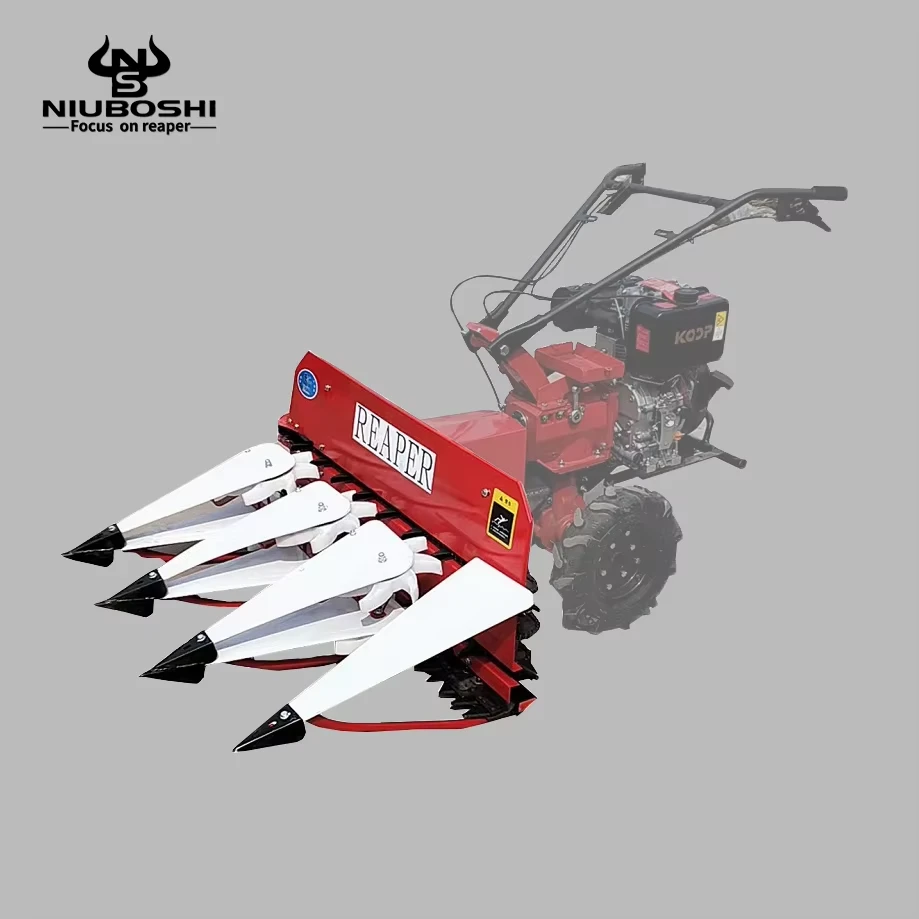
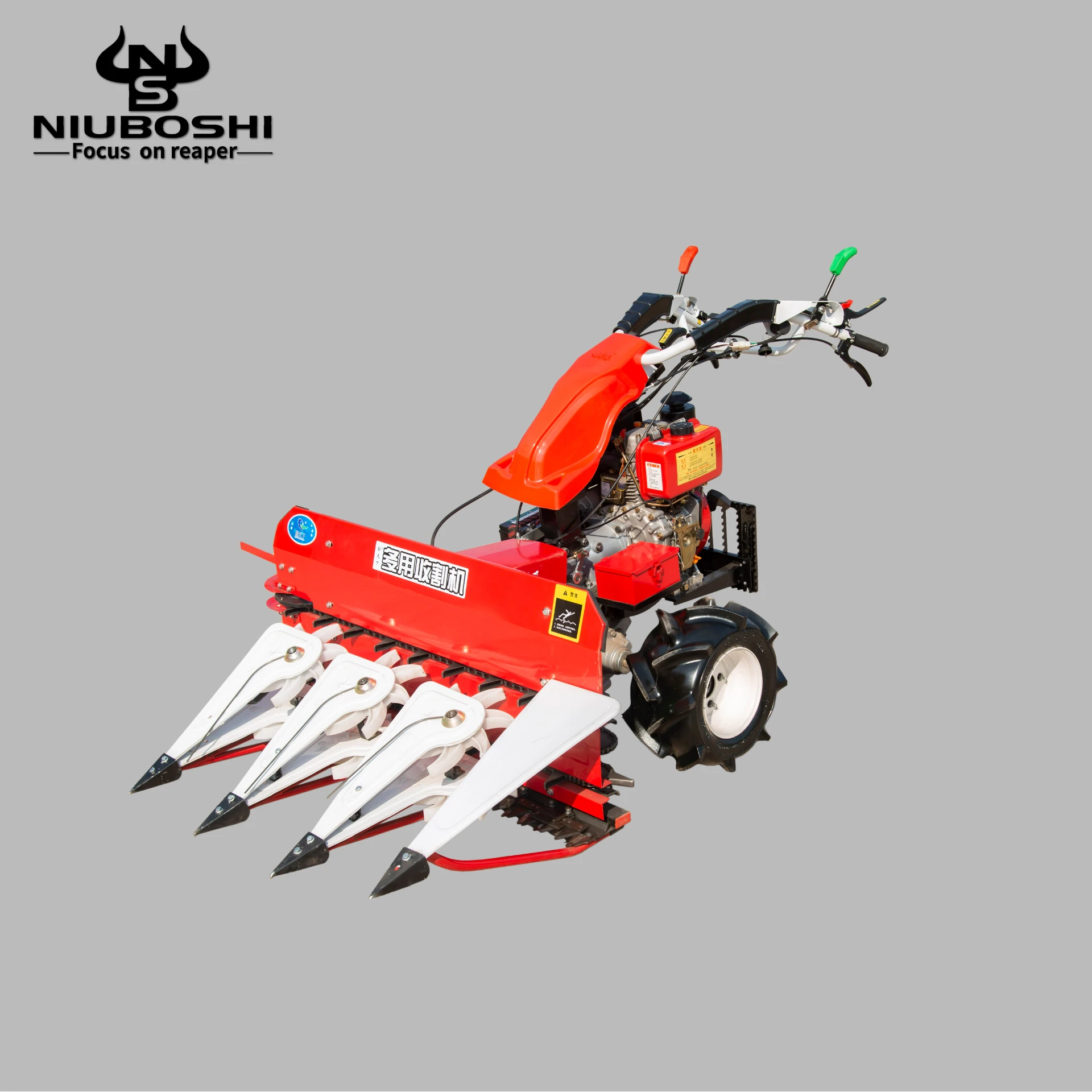
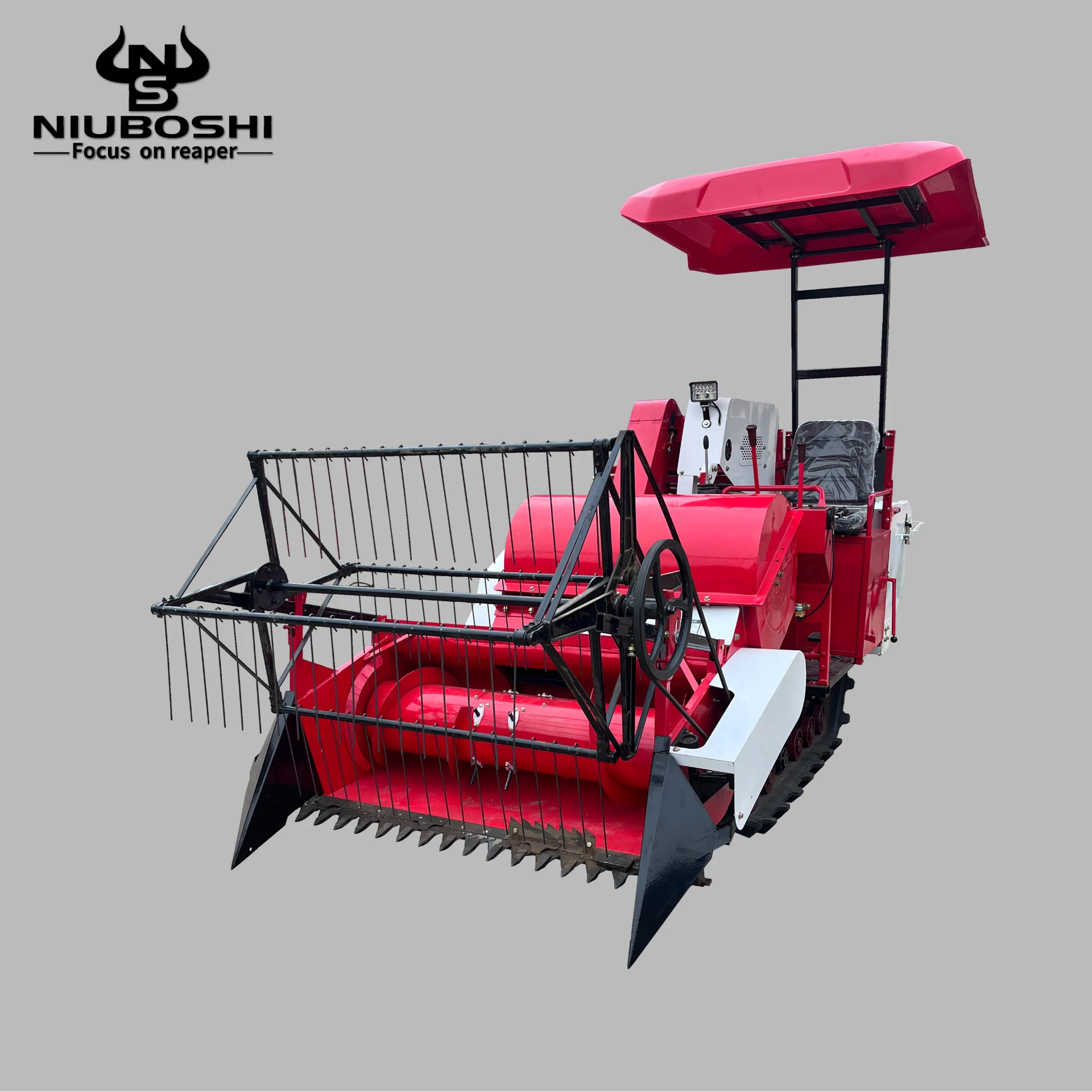
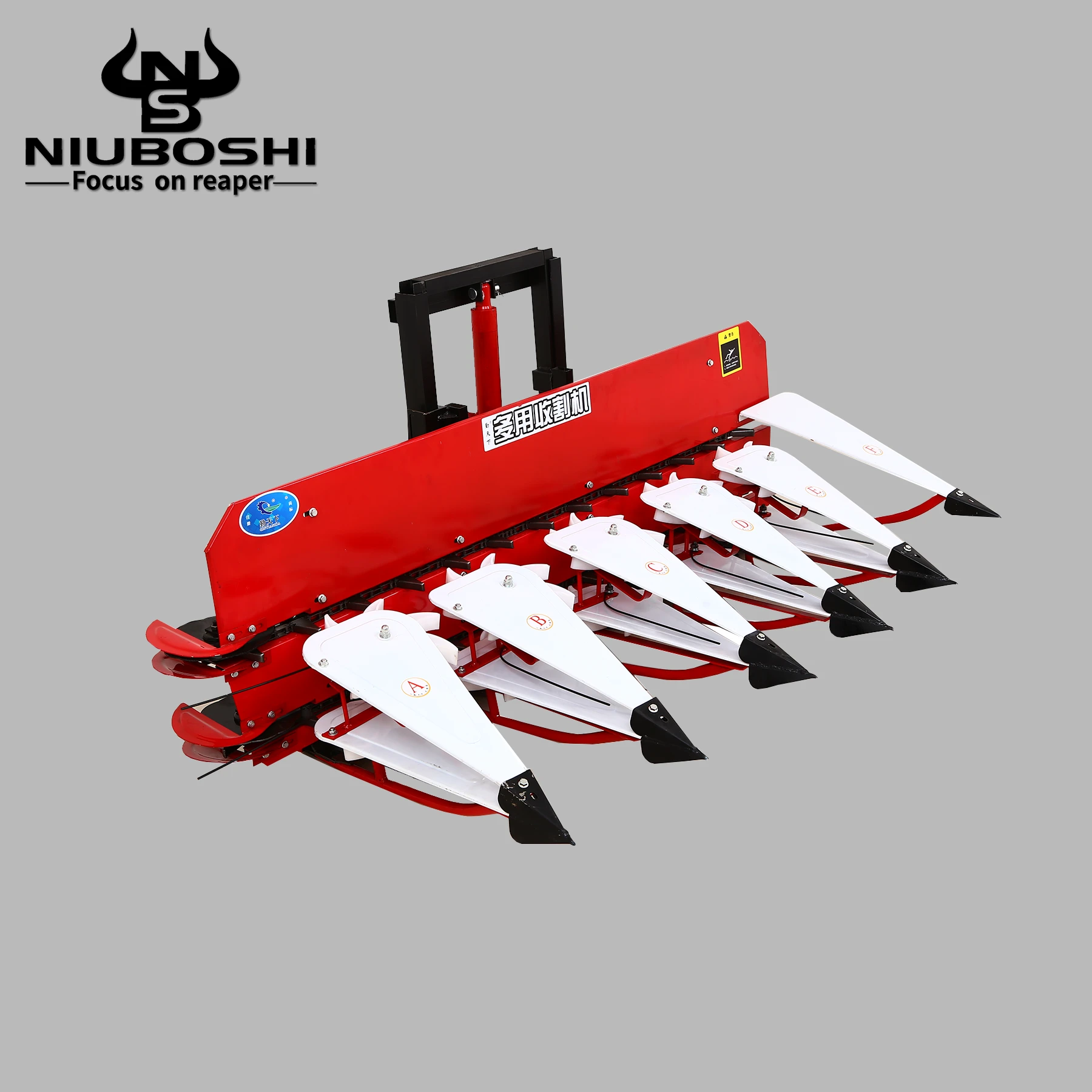
Simply put, a multi crop mini harvester is a compact agricultural machine designed to harvest multiple types of grains or crops—think rice, wheat, barley, corn, and more. Its 'mini' size allows for agile movement between small plots and across difficult terrains, while still delivering mechanized harvesting quality.
Unlike traditional large combine harvesters, these machines focus on affordability and simplicity but don’t skimp on essential features like threshing, cutting, and cleaning. They’re linked closely to modern agriculture’s push for inclusivity—helping farmers who can’t afford bulkier equipment or don’t have fields large enough to justify it.
In terms of humanitarian needs, these machines are invaluable too. Post-disaster farming recovery or refugee camp agriculture often requires flexible equipment. Mini harvesters fill that niche with practical prowess.
Mini takeaway:
Think of the multi crop mini harvester as a smart, jack-of-all-trades farm companion for smaller or diversified farms striving for modern mechanization.
Key Features and Core Components of Multi Crop Mini Harvesters
1. Versatility
The hallmark of these harvesters is their ability to switch between crops with minimal adjustments. Whether cutting wheat stalks or harvesting rice panicles, the mechanism adapts quickly, which saves time and money.
2. Durability and Build Quality
Farm conditions aren’t gentle. Dust, mud, and constant vibration call for rugged construction—usually from treated steel alloys and corrosion-resistant components. Many models include reinforced frames that hold up across seasons.
3. Ease of Operation
A simple control system caters to farmers who may not have formal technical training. Intuitive levers, detailed manuals, and straightforward maintenance routines make these machines accessible.
4. Fuel Efficiency
Since many operate in remote areas with limited fuel access, conserving energy is a priority. Smaller diesel engines or electric models (where infrastructure allows) cut down operating costs and environmental impact.
5. Affordable Maintenance
Parts are designed to be easily replaceable or repairable locally. This is critical because downtime during harvest season can be disastrous.
6. Compact Design and Transportability
The unit’s size allows for easy hauling on motorcycles, tractors, or trucks. This also means farmers can switch between fields or crops on the same day.
| Specification | Typical Range | Units |
|---|---|---|
| Engine Power | 8 - 15 | HP |
| Weight | 350 - 480 | kg |
| Cutting Width | 900 - 1300 | mm |
| Fuel Consumption | 1.3 - 2.0 | L/hr |
| Capacity (per hour) | 0.3 - 0.6 | hectares |
Mini takeaway:
The core of these harvesters is adaptability backed by rugged, efficient design. They’re not luxury machines but practical workhorses crafted to last.
Where and How These Harvesters Make a Real World Difference
From the terraces of Nepal to the savannas of Kenya, the multi crop mini harvester finds homes in small farms and cooperative farming schemes. In Vietnam, rice farmers reduce their manual labor by up to 60% during peak season using mini harvesters. In South America, corn and soybean producers rely on these machines to turn fields quickly when weather windows are tight.
International relief organizations use these harvesters in humanitarian agriculture projects, enabling displaced communities to rebuild food security quickly. For example, after floods in Bangladesh, about 500 units were distributed with training to local farmers, drastically reducing post-harvest losses.
Even urban farmers experimenting with vertical or rooftop farms sometimes employ smaller-scale harvesting tools adapted from these machines to fit confined spaces, which is oddly futuristic...
Mini takeaway:
Multi crop mini harvesters are versatile heroes far beyond traditional fields — from extreme remote farming to emergency humanitarian work.
Long-Term Benefits: Why Invest in a Multi Crop Mini Harvester?
- Cost Savings: Reduced need for manual labor, fewer breakdowns, and fuel efficiency add up quickly.
- Increased Productivity: Faster harvest cycles, less waste, better grain quality.
- Sustainability: Small footprint, better fuel use, sometimes electric options.
- Improved Livelihoods: Empowering farmers to work smarter, not harder.
- Reliability and Trust: Proven builds backed by distributor support networks.
There’s an emotional side here, too. Many farmers say their mini harvester isn’t just a machine, but “a partner” — it represents independence and hope in uncertain times. For a device often overlooked by big media, that kind of reverence is worth noting.
Mini takeaway:
Technically efficient but deeply human in impact, these mini harvesters are investments with ripples beyond the field.
Looking Ahead: Innovations on the Horizon
Frankly, the technology keeps getting smarter. Expect hybrid electric/diesel engines, integration with GPS monitoring for streamlined field tracking, and sensor-based threshing to minimize grain loss. 3D printing of parts could make repairs even simpler in isolated areas.
Policy-wise, more governments are pushing subsidies for small-scale machinery to encourage sustainable farming, which opens new markets. Environmental regulations also nudge designers toward greener fuels and recycling-friendly materials. It’s exciting — and a bit of a race to see which innovations become standard.
Mini takeaway:
The future of mini harvesters is electric, smart, and green — all while getting easier to use and maintain.
Challenges and How the Industry is Tackling Them
The biggest struggles? Crop diversity still means occasional crop-specific limitations, and quality control varies among manufacturers. In some regions, spare parts availability can delay repairs at critical times. Operator training is often patchy too.
These issues are being met with smarter modular designs, stronger international dealer networks, and digital training platforms. Companies increasingly build in local service centers, while NGOs provide hands-on workshops. Slowly but surely, the mini harvester becomes a less daunting tool.
Mini takeaway:
Challenges remain, but collaboration between manufacturers, governments, and farmers is steadily improving reliability and usability.
FAQ: Your Burning Questions About Multi Crop Mini Harvesters—Answered
- What kinds of crops can a multi crop mini harvester handle?
- These harvesters typically manage grains like rice, wheat, barley, corn, and millet. Models vary, but most are built to quickly switch between these common crops without major retooling.
- How much land can one unit cover in a day?
- Depending on crop and terrain, an average mini harvester can cover roughly 0.3 to 0.6 hectares per hour, translating to about 3–5 hectares over a full workday.
- Are mini harvesters suitable for hilly or uneven terrain?
- Yes, their lightweight design and compact size make them ideal for terraced farms or rough landscapes where larger combines can’t reach safely.
- What maintenance do these machines require?
- Regular cleaning, oil changes, and blade sharpening are the main tasks. Manufacturers emphasize easy-to-replace parts and local repair options to reduce downtime.
- Where can I find reliable multi crop mini harvesters?
- You can explore reputable distributors who specialize in agricultural machinery, or check online marketplaces with verified user reviews. For example, visit our recommended site: multi crop mini harvester.
Comparing Vendors: What to Look for When Choosing a Mini Harvester
| Feature | Vendor A | Vendor B | Vendor C |
|---|---|---|---|
| Crop Adaptability | High | Medium | High |
| Engine Power (HP) | 12 | 9 | 15 |
| Fuel Efficiency (L/hr) | 1.5 | 1.9 | 1.7 |
| Ease of Maintenance | High | Medium | Medium |
| Price Range (USD) | $3,000 - $4,500 | $2,500 - $3,800 | $4,000 - $5,500 |
Final Thoughts: The Future of Farming Is Mini—and Multi-Crop
So, after all this, what’s the big takeaway? The multi crop mini harvester is an essential part of the agricultural landscape’s future. From balancing economics and environment to empowering the small farmer, they fit a niche that no other machine quite nails. They’re ready-made allies in a world where food security feels increasingly fragile.
Interested in upgrading your farm or supporting rural mechanization? Don’t just take my word for it — get hands-on, explore options, and visit multi crop mini harvester for trustworthy info and products.
References:
1. World Bank Agriculture and Food Department – worldbank.org
2. Food and Agriculture Organization - fao.org
3. International Organization for Standardization (ISO) on Agricultural Machinery Standards
Latest news
-
Maximize Harvest Efficiency with the Agro Reaper Binder MachineNewsApr.16,2026
-
Boost Harvest Efficiency with the Best Agriculture Reaper MachineNewsApr.09,2026
-
Revolutionizing Agriculture with the Efficient Agriculture Power ReaperNewsApr.07,2026
-
Comprehensive Guide to the 4 Wheel Reaper Binder for Efficient HarvestingNewsApr.04,2026
-
Comprehensive Guide to Reaperbinder Technology for Efficient Hay and Crop HarvestingNewsMar.31,2026
-
Mastering the Art of Reaper Cutting for Enhanced Agricultural EfficiencyNewsMar.28,2026