Small Wheat Cutting Machine - Boost Efficiency & Sustainability in Grain Harvesting
Small Wheat Cutting Machine: Why It Matters in Agriculture and Food Security
Imagine a device that can swiftly and efficiently cut wheat stalks with minimal effort, helping farmers worldwide save time and reduce manual labor. That’s essentially what a small wheat cutting machine does. Although it might sound niche, this tool has quietly boosted agricultural productivity, especially in small-scale and family-owned farms where mechanization is often limited.
Understanding this machinery's global impact isn’t just about agriculture; it’s about food security, rural livelihoods, and even environmental sustainability. As population pressures mount and cultivating land becomes more challenging, innovations like these small-scale machines become crucial.
The Global Context: Mechanizing Small-Scale Wheat Harvesting
Wheat is the backbone of global food systems, supplying roughly 20% of the calories consumed worldwide, per FAO statistics. Yet, in many developing countries, harvesting remains a manual, back-breaking task. The World Bank reports that mechanization rates in smallholder wheat farming hover around just 20%, compared to over 80% in more industrialized nations.
This gap highlights a serious challenge: how to improve yields and efficiency without pushing farmers into costly or complex machinery? A small wheat cutting machine is a middle-ground solution—portable, affordable, and easier to maintain. It offers a direct response to persistent issues like labor shortages during peak harvest seasons, crop losses, and slow harvest cycles.
But it’s not without challenges. One must consider local terrain, crop varieties, and the socio-economic context. Think of a hillside farm in Nepal versus a flat plain in Kansas—same product, drastically different needs.
What Exactly Is a Small Wheat Cutting Machine?
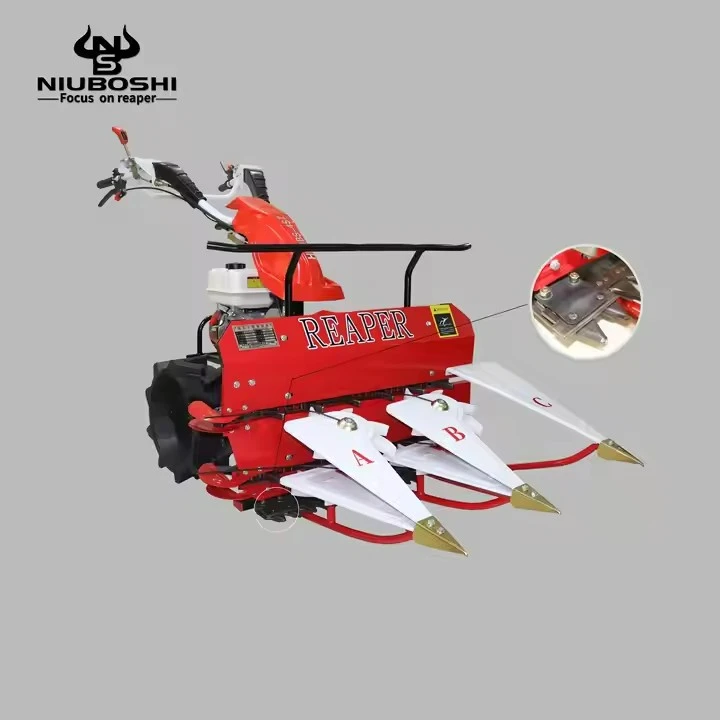
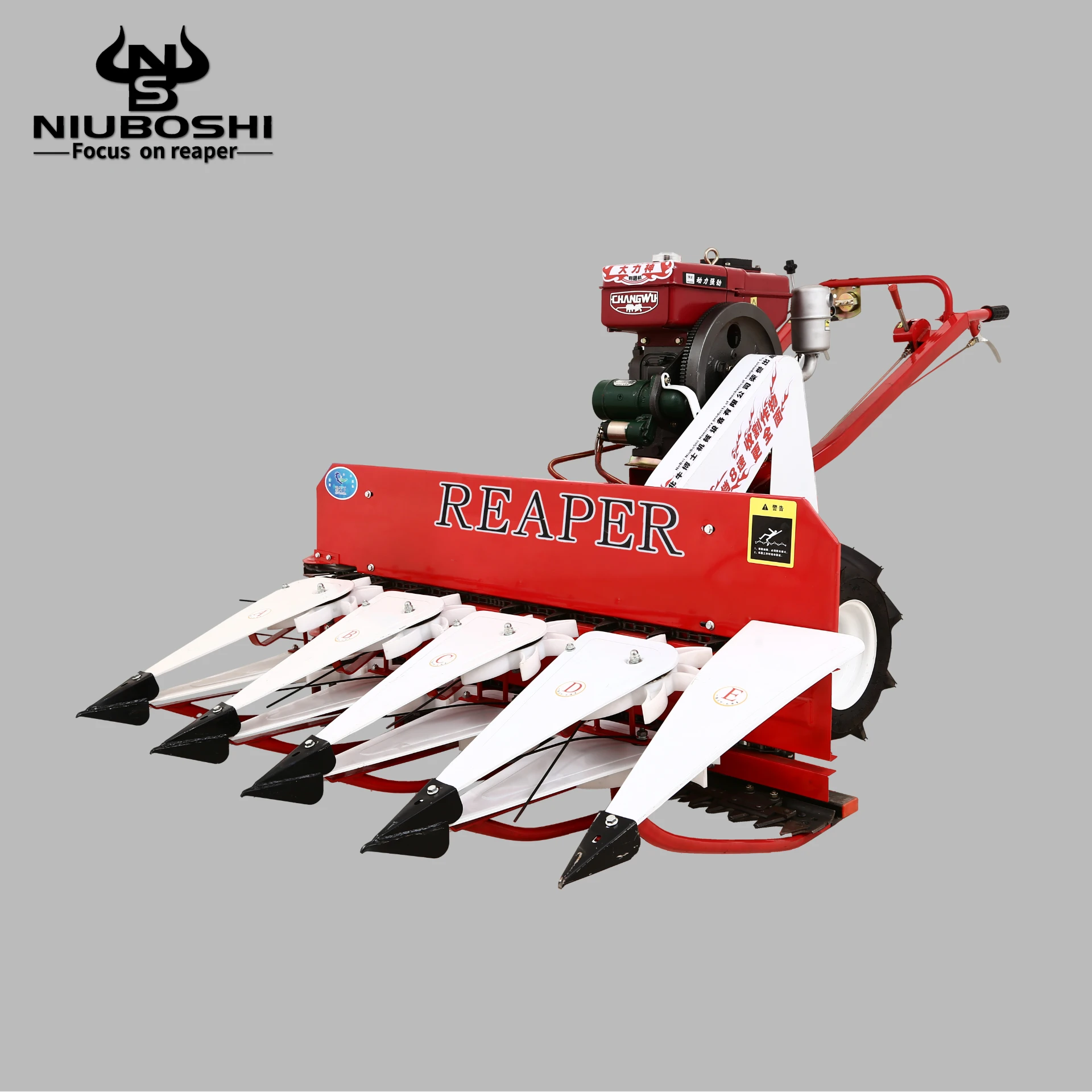
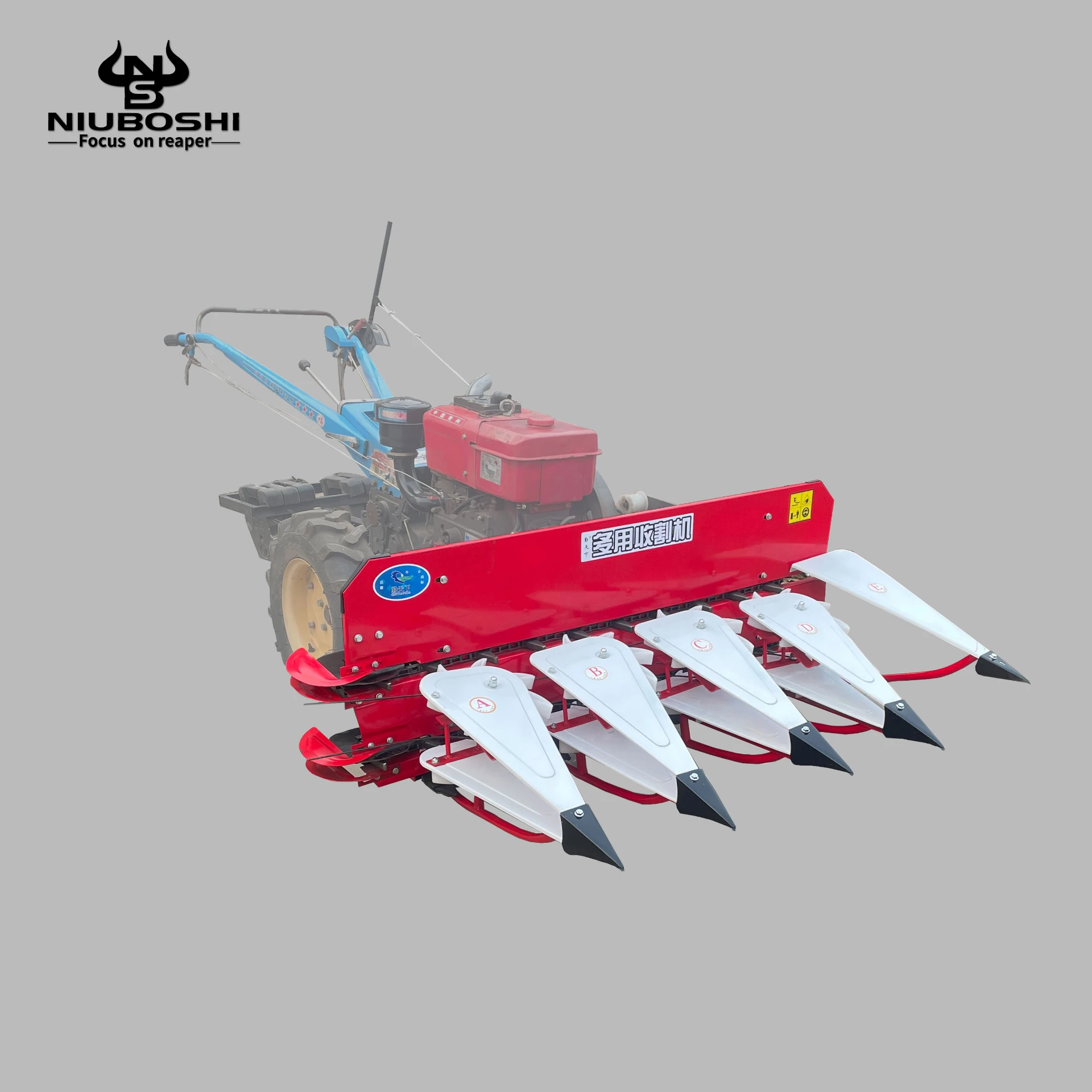
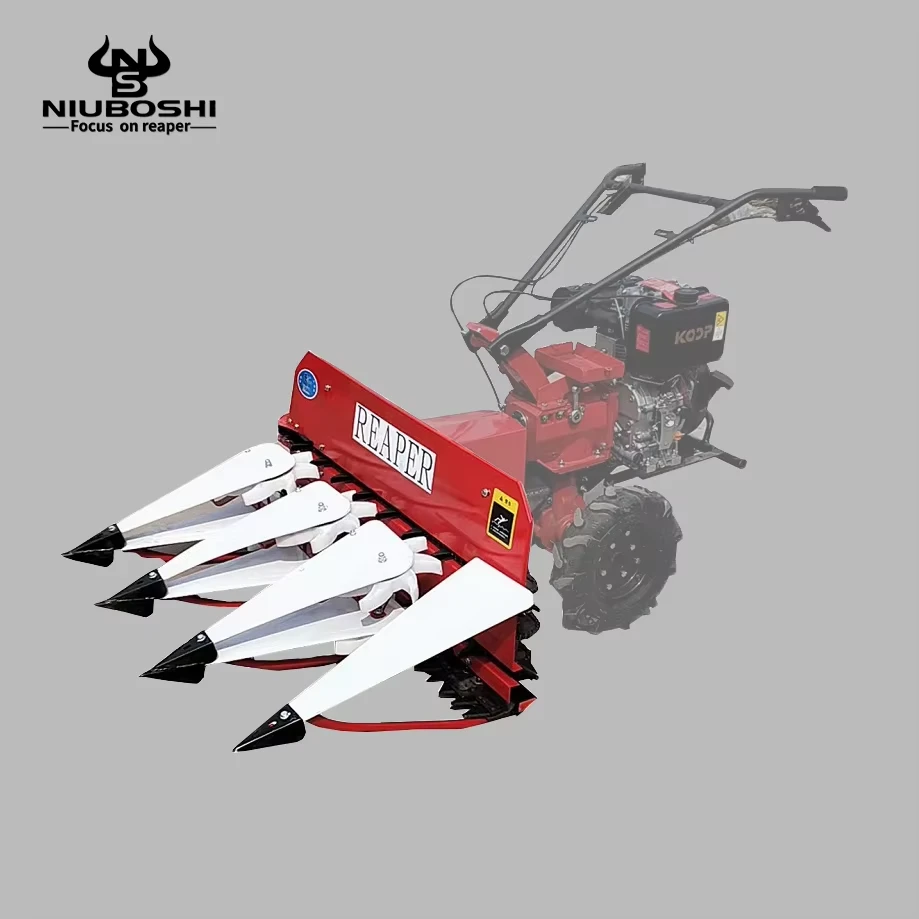
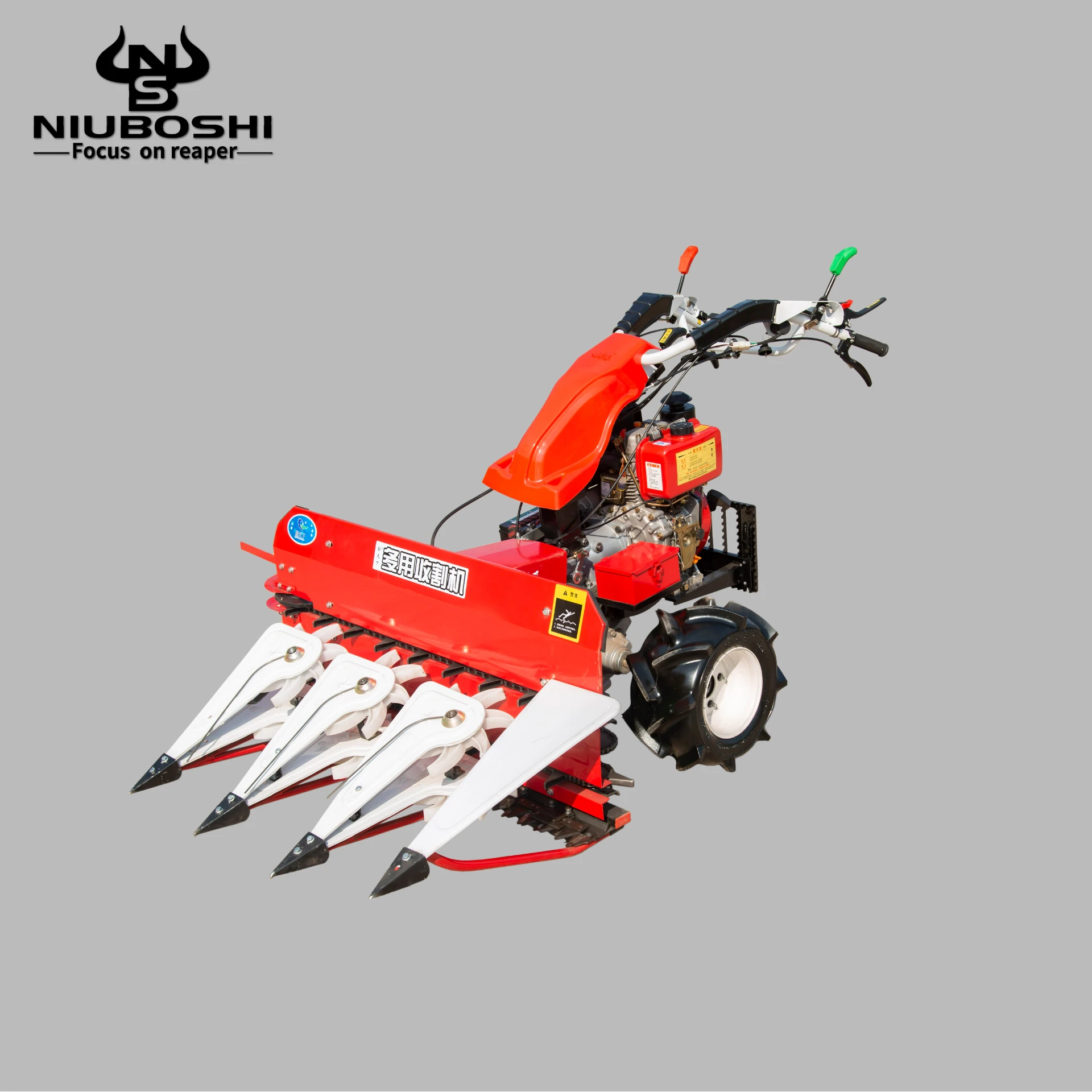
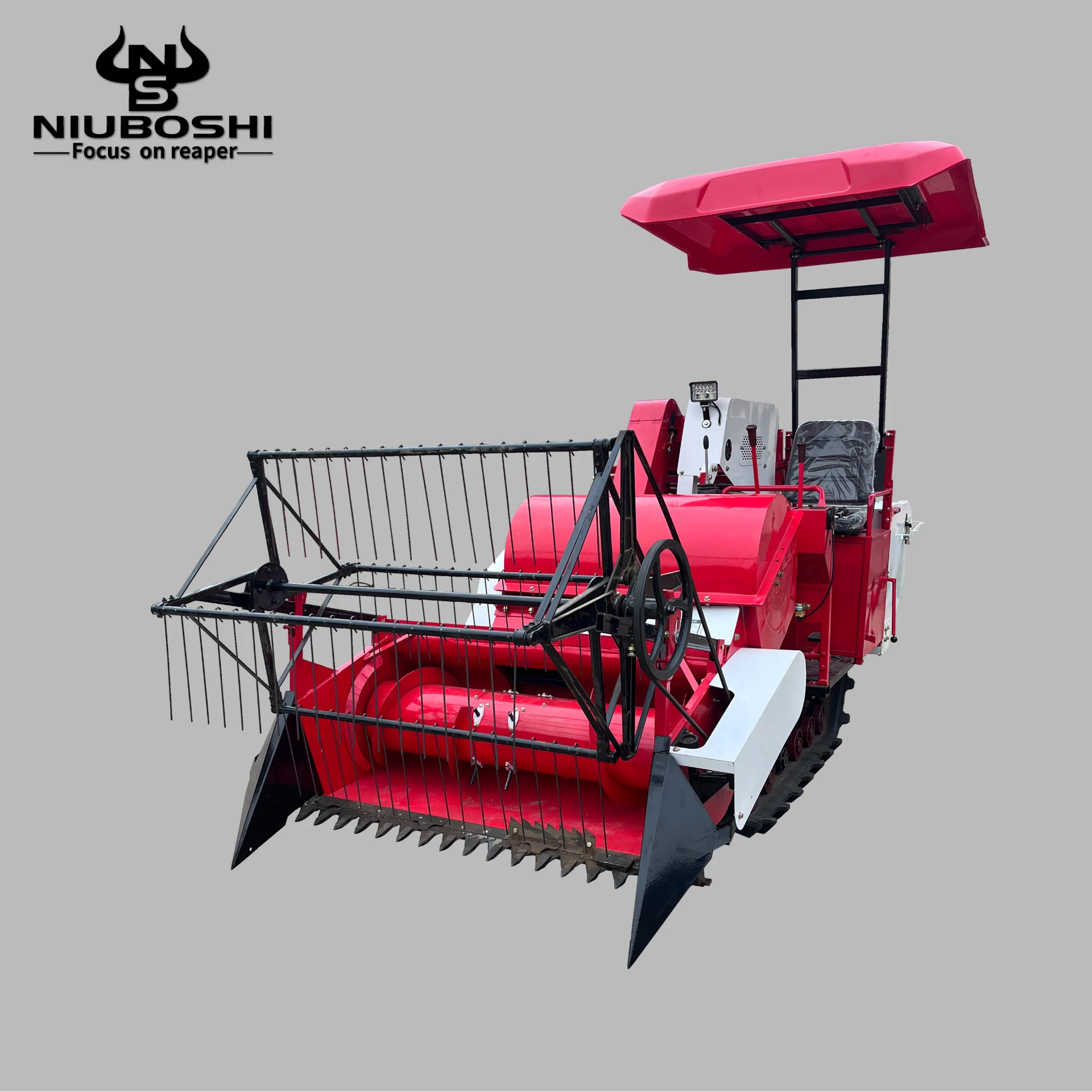
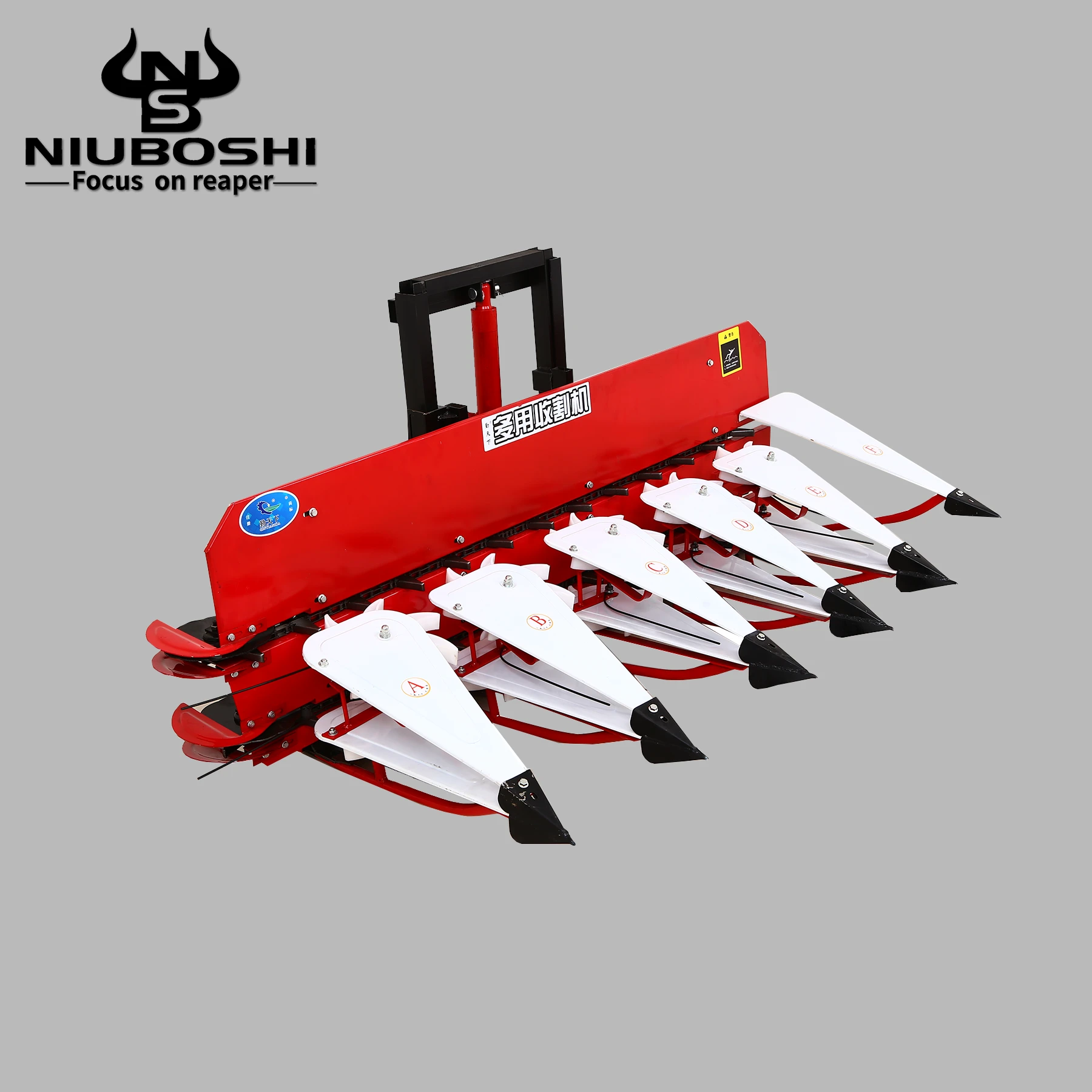
At its core, a small wheat cutting machine is a compact mechanized tool designed to cut wheat stalks close to the base quickly and cleanly. Unlike giant combine harvesters that reap, thresh, and winnow in one heavy unit, these machines focus solely on cutting – think of it as the precision scalpel to the harvester’s two-handed butcher knife.
Typically powered by small gasoline engines or electric motors in more advanced models, these units are handheld or tractor-mounted and ideal for small to medium-sized plots. They often come with replaceable blades, adjustable cutting heights, and vibration-reducing handles for ergonomic use during long hours.
In modern agriculture and humanitarian efforts, these machines facilitate faster harvests, reduce crop wastage, and help maintain the dignity and safety of farm workers by reducing back-breaking manual labour. It’s no wonder they’ve found usage beyond farming fields—for example, in food relief prep scenarios or research farms.
Key Features and Components
1. Durability and Build Quality
Since these machines are often used in harsh field conditions, materials like stainless steel blades and reinforced plastic housing improve longevity. Many engineers point out that ruggedness directly influences operational cost and downtime.
2. Scalability and Portability
The design emphasis is often on making these machines lightweight for easy transportation between fields but robust enough for continuous use. Portable units increase their appeal in remote areas where infrastructure is lacking.
3. Cost Efficiency
One of the biggest draws is affordability. Low upfront costs combined with minimal maintenance mean even smallholder farmers find them attainable investments. Plus, they often cut more time, meaning earlier market sales or better crop quality.
4. Safety Features
Certain models integrate blade guards and ergonomic grips to reduce injury risk. Some newer models even come with auto stop functions when blade jams occur, highlighting an unsung design upgrade that often goes unnoticed.
5. Adaptability for Different Crops
While mainly designed for wheat, some models can adjust to cut other small grains, like barley or rye, which is a bonus for mixed-crop farmers.
Spec Table: Small Wheat Cutting Machine Technical Specifications
| Feature | Specification | Details/Comments |
|---|---|---|
| Power Source | Gasoline Engine / Electric Motor | 12V/24V for electric models; 2-stroke 25cc for petrol |
| Weight | 4.5 - 6 kg | Portable for manual handling |
| Cutting Width | 300 - 450 mm | Covers rows efficiently |
| Fuel Efficiency | 1.5 L/hour (gasoline) | Depends on model and load |
| Safety Features | Blade guard, auto-stop sensor | Improved user protection |
| Cutting Height | Adjustable 10–50 cm | Adaptation for variety of stalk lengths |
Mini takeaway: the small wheat cutting machine is designed for practicality — light, efficient, and tailored for variable farming conditions. If you’ve ever struggled pulling a sickle, this technology is a godsend.
Global Users: How and Where Small Wheat Cutting Machines Are Making a Difference
Across Asia and Africa, where millions rely on manual wheat harvesting, small wheat cutters have become indispensable. For example:
- India: Smallholdings adopting mechanized cutters report up to 30% faster harvest times.
- Northern Africa: NGOs distributed these machines in refugee camps to boost local food production during crises.
- Eastern Europe: Family shops and research farms prefer them for controlled plots and pilot programs.
In post-disaster relief operations, such as in flood-affected areas, small wheat cutting machines help speed up wheat recovery cycles, mitigating food shortages. Oddly enough, they also aid researchers testing drought-resistant wheat varieties by enabling quick sample harvesting.
Vendor Comparison: Popular Small Wheat Cutting Machines
| Brand | Price (USD) | Power Type | Avg. Runtime | Special Feature |
|---|---|---|---|---|
| AgriCut Pro | $250 | Gasoline | 2.5 Hours | Easy blade change system |
| GreenHarvest Mini | $300 | Electric | 3.5 Hours (Battery) | Silent Operation |
| FarmSwift 450 | $220 | Gasoline | 2 Hours | Lightweight design (4.3 kg) |
| CropBuddy Lite | $280 | Electric | 4 Hours (Battery) | Integrated debris catcher |
Mini takeaway: Choosing the right machine depends on your power access, budget, and application needs. Electric models shine in quiet, eco-friendly contexts, while gasoline engines fare better in remote areas.
Advantages & Long-Term Value of Using Small Wheat Cutting Machines
Putting a number on the emotional side of farm life is tricky, but many farmers report less fatigue and better mental health after switching to mechanized cutting. Plus, faster harvest means fresher wheat, reducing rot and spoilage—a very real financial boost.
- Cost savings: Less labor time translates directly to lower harvesting costs.
- Sustainability: Smaller fuel consumption and adjustable cutting reduce waste.
- Safety: Ergonomic designs cut back injuries from repetitive manual cutting.
- Dignity: Mechanization helps keep workers from exhausting and sometimes hazardous chores.
- Innovation: The machine’s adaptability keeps farms competitive.
What’s Next? Future Trends & Innovations
We’re starting to see integrations of IoT sensors in some high-end small wheat cutters. These can monitor daily running times, blade wear, and even GPS track plots for better farm management.
There’s growing interest in solar-powered electric cutters, especially in sunny regions where battery charging infrastructure is sparse. Lighter composite materials replace steel in some prototypes, to slice down weight further and improve user comfort.
Digital transformation is quietly reshaping even modest agricultural tools — matching cutting tasks to variable crops using AI-driven adjustments might sound far, but it’s closer than you think.
Common Challenges & How Experts Are Overcoming Them
Of course, no machine is perfect. Issues like blade clogging with damp wheat, limited battery life on electrics, and difficulties sourcing spare parts complexity remain real. Yet:
- Modular Blade Packs: Easily swapped blades mean less downtime.
- Local Service Training: NGOs and suppliers partner with communities to train on maintenance and repairs.
- Hybrid Power Options: Some new models combine gas and electric to mitigate range issues.
With each hurdle addressed, the small wheat cutting machine inches closer to becoming a staple in smallholder fields everywhere.
FAQ: Frequently Asked Questions About Small Wheat Cutting Machines
- 1. What power option is best for small wheat cutting machines in rural areas?
- Gasoline-powered models typically provide longer runtimes suitable for off-grid areas, but electric models are gaining popularity where electricity or solar charging is available, thanks to their quieter operation and environmental benefits.
- 2. How much area can a small wheat cutting machine cover in a day?
- Depending on model and operator skill, some machines can cut between 0.5 to 1 hectare per day, which is significantly faster than manual methods and useful for timely harvest.
- 3. Are these machines suitable for other crops apart from wheat?
- Yes, many can be adjusted to cut similar cereal crops like barley, oats, and rye by tweaking the cutting height and blade setup, making them versatile for farmers.
- 4. How often do blades need replacement or sharpening?
- Typically, blades require sharpening every 15-25 hours of use, but this varies with crop conditions. Quick blade change features reduce downtime.
- 5. Can NGOs and organizations import these machines easily?
- Many manufacturers support international shipping and provide documentation for customs clearance. Partnering with local distributors can simplify import procedures and after-sales support.
Wrapping Up: Stepping Into a More Efficient Wheat Harvest
The small wheat cutting machine may seem like a humble tool, but its ripples across global agriculture are undeniable. It empowers farmers, supports sustainable practices, and even fosters innovation in traditional farming landscapes. For anyone curious about mechanizing small-scale wheat cutting, these machines offer a perfect blend of technology and practicality — quite frankly, a small miracle of modern farming.
If you want to explore reliable options and cutting-edge features, do check out small wheat cutting machine providers. They can help you find the right match for your land, climate, and budget.
Latest news
-
Maximize Harvest Efficiency with the Agro Reaper Binder MachineNewsApr.16,2026
-
Boost Harvest Efficiency with the Best Agriculture Reaper MachineNewsApr.09,2026
-
Revolutionizing Agriculture with the Efficient Agriculture Power ReaperNewsApr.07,2026
-
Comprehensive Guide to the 4 Wheel Reaper Binder for Efficient HarvestingNewsApr.04,2026
-
Comprehensive Guide to Reaperbinder Technology for Efficient Hay and Crop HarvestingNewsMar.31,2026
-
Mastering the Art of Reaper Cutting for Enhanced Agricultural EfficiencyNewsMar.28,2026