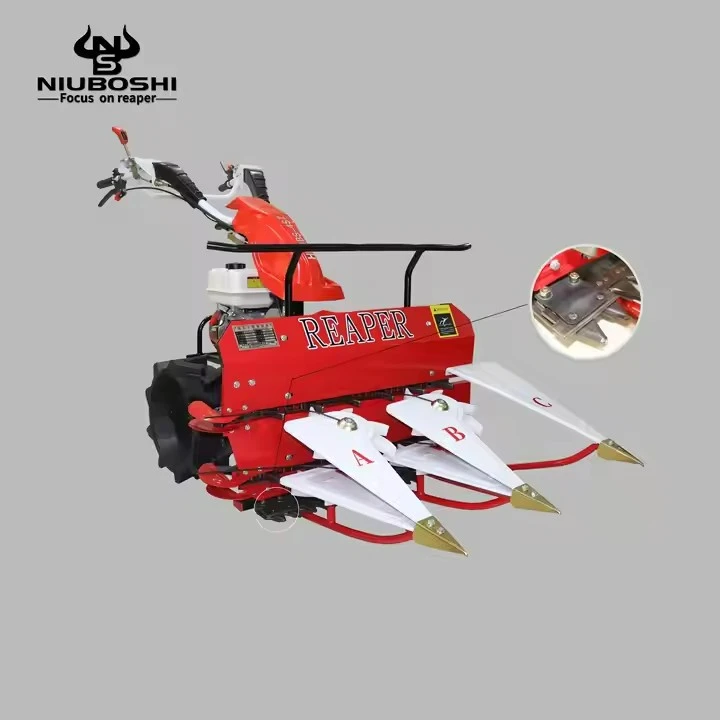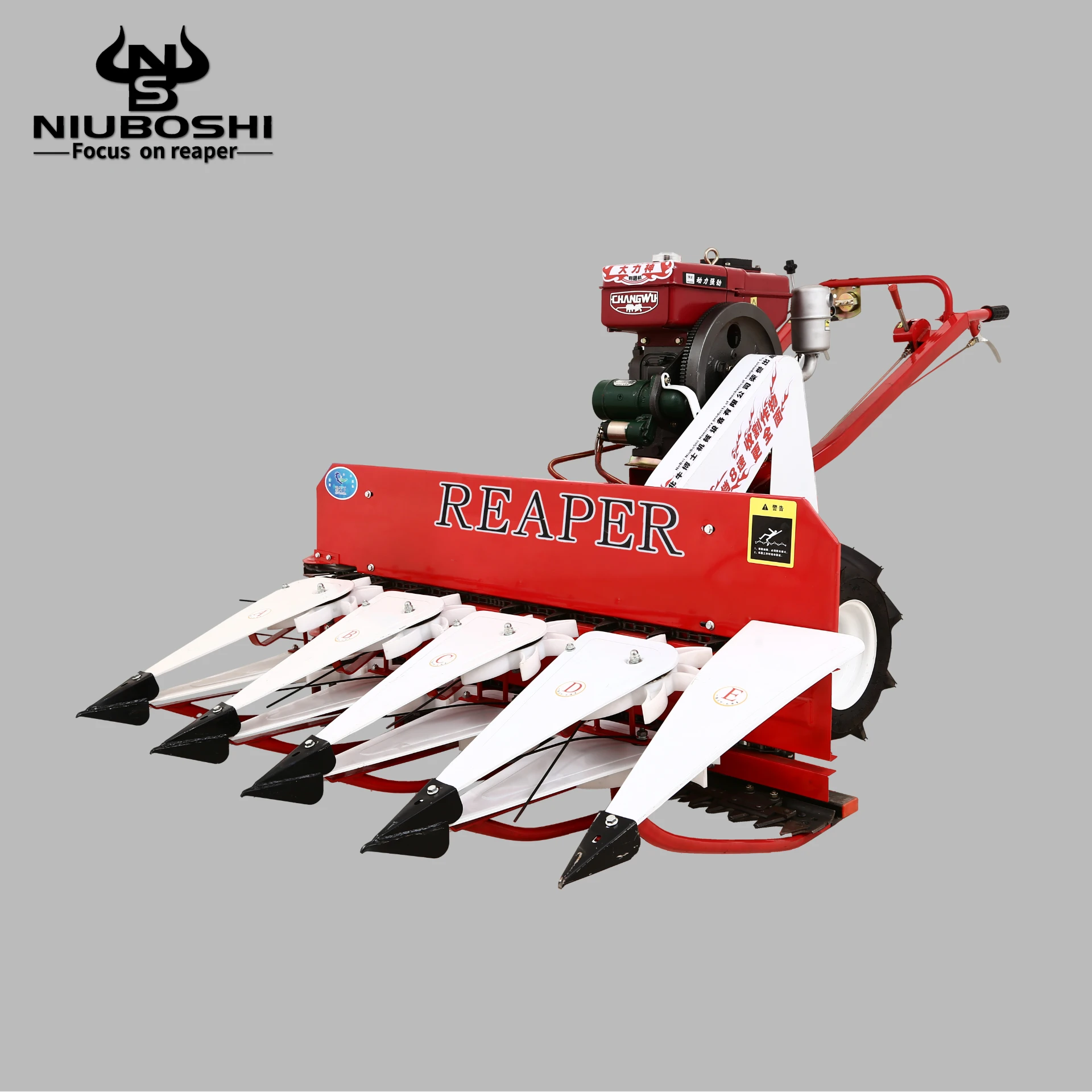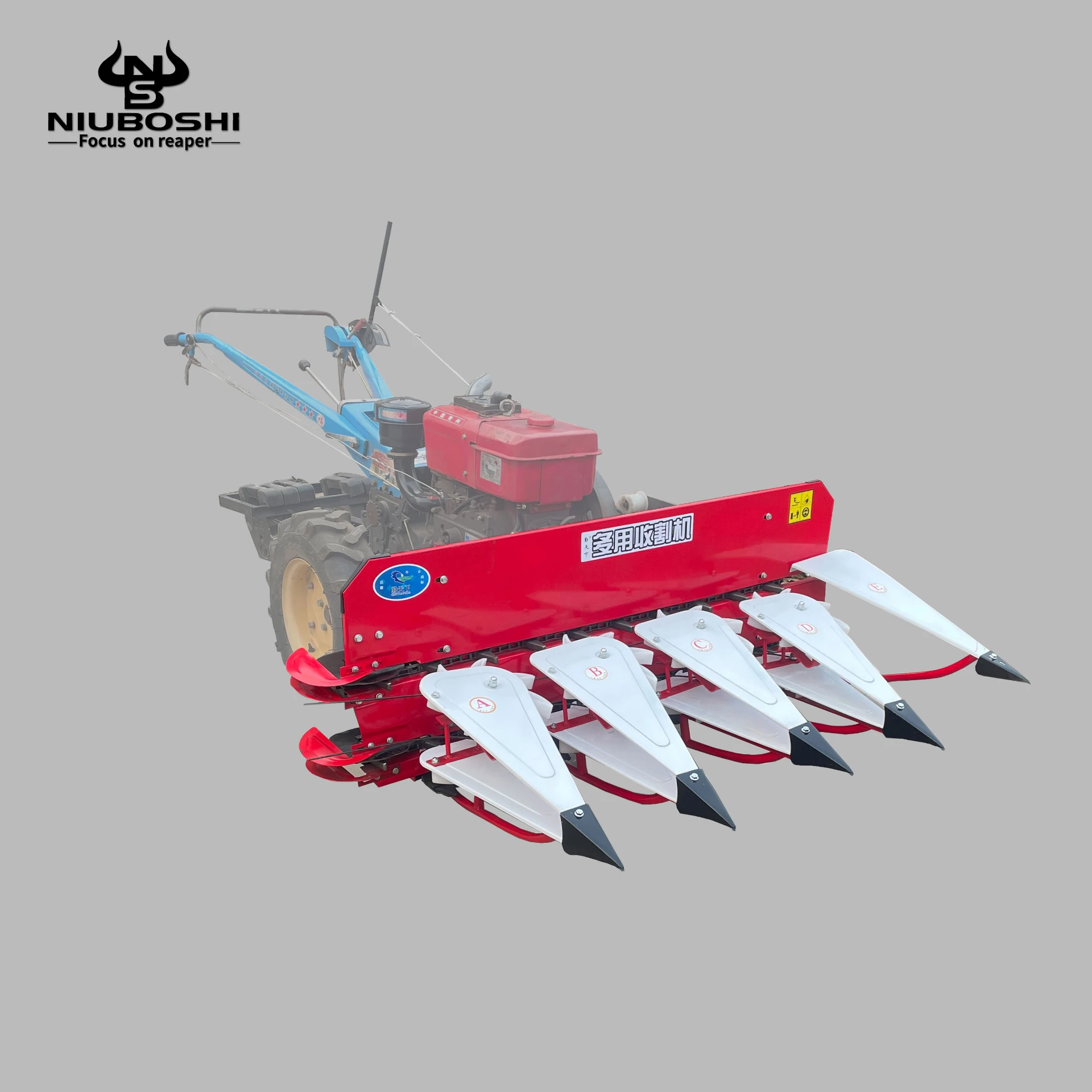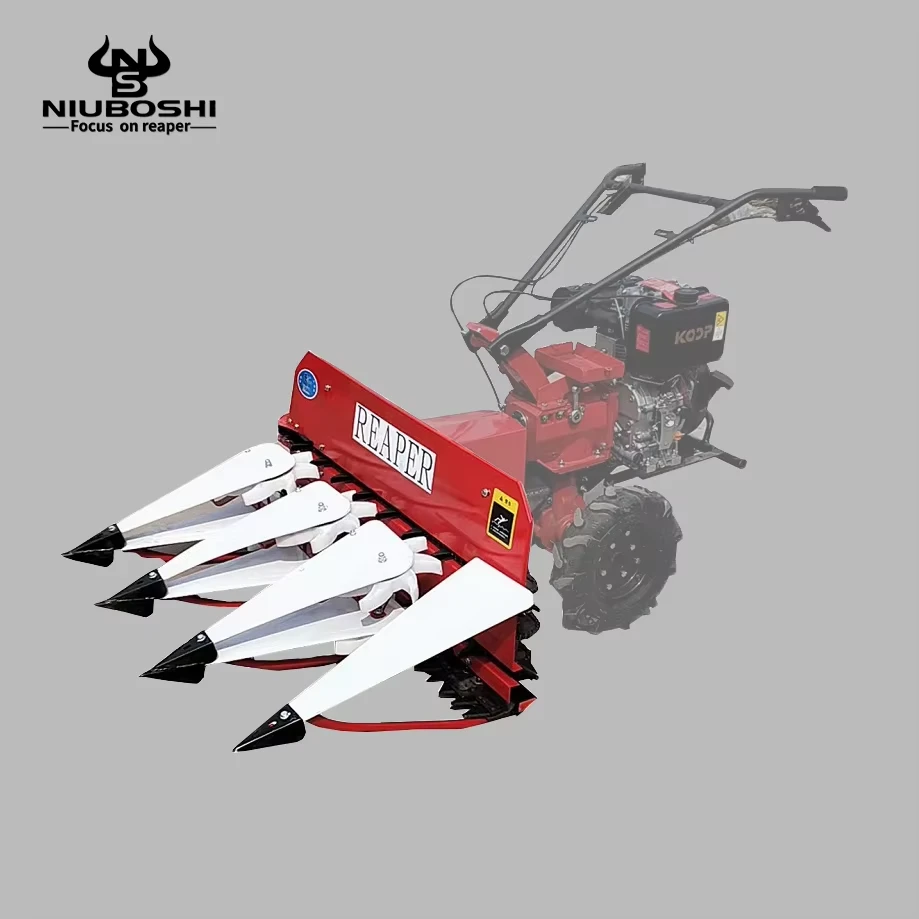
Mini Harvester with Tractor – Affordable Mechanization for Small Farms
The Rising Importance of a Mini Harvester with Tractor in Today’s Agriculture
Mini harvesters paired with tractors might sound like a niche tool mostly used by hobby farmers or smallholders, but their impact reaches far beyond small-scale farming. Globally, as demands for food security rise and labor shortages become real hurdles, understanding and leveraging these compact yet powerful machines is more important than ever. These units bring benefits from improving harvest efficiency to enabling mechanization in regions where large equipment isn’t feasible.
Why Mini Harvesters with Tractors Matter Globally
According to the Food and Agriculture Organization (FAO), smallholder farms represent up to 80% of agricultural production in many developing countries, yet many such farms struggle with mechanization due to cost, terrain, and farm size constraints. The World Bank, similarly, highlights that improving smallholder productivity is critical to feeding a projected 9.7 billion people by 2050. This is where the mini harvester with tractor niche actually shines: offering a mechanized solution that fits small plots and tight budgets.
In regions like remote Asia, parts of Africa, and even in post-disaster zones where rebuilding needs to happen fast, mini harvesters equip farmers—and relief efforts alike—with a flexible, cost-effective way to get crops off the field. But here’s the challenge: traditional large harvesters are costly, heavy, and require infrastructure that small plots or developing areas can’t support.
What Is a Mini Harvester with Tractor? Breaking It Down
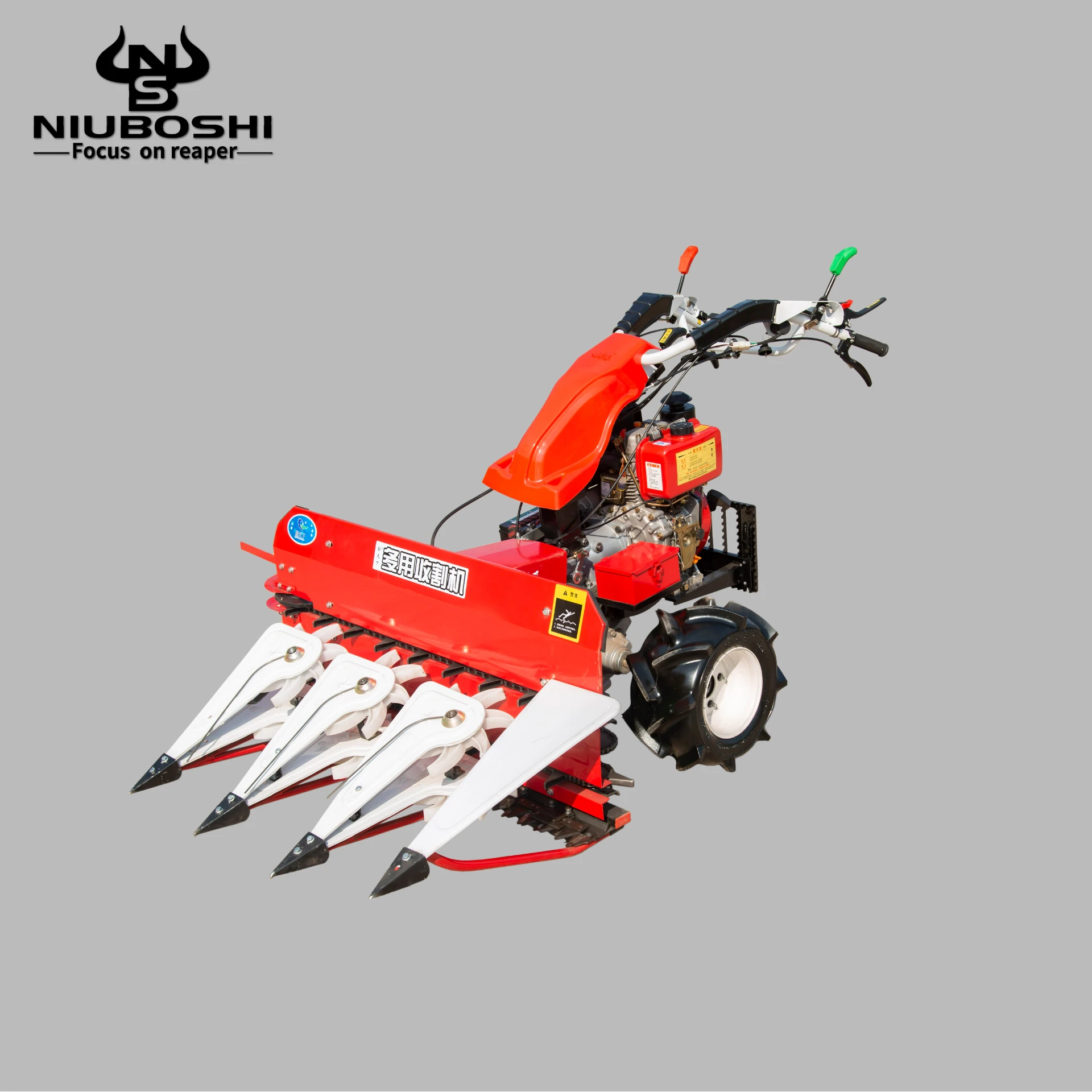
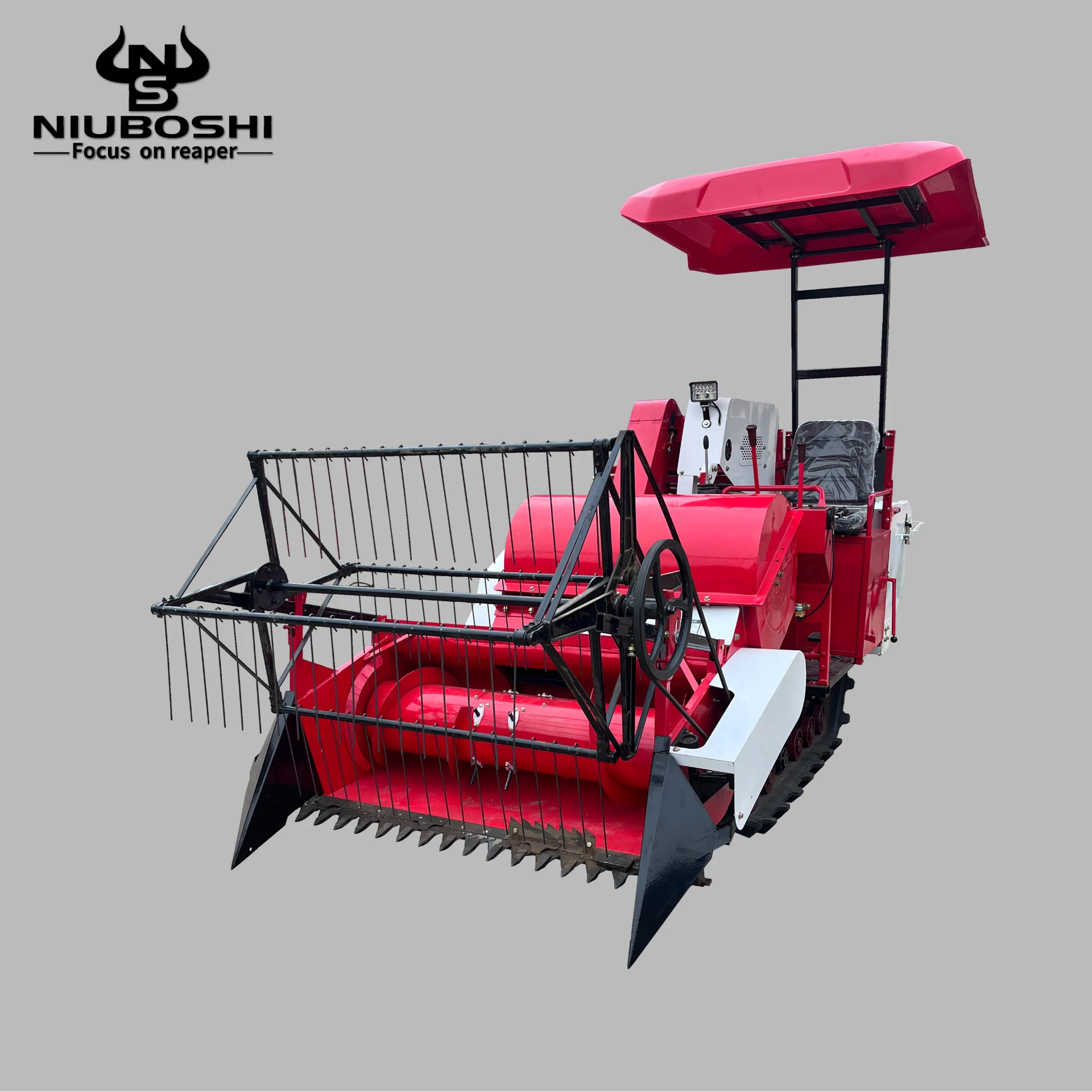
Simply put, a mini harvester with tractor describes a smaller, tractor-compatible harvesting machine designed mainly for small to medium-sized farms or specialized crop harvesting. Instead of vast fields, these machines work in tight spaces, hilly landscapes, or farms with mixed crop plots. Many models integrate easily with standard tractors or come as compact self-propelled units that can be towed.
The modern agricultural landscape, combined with humanitarian needs in food security, increasingly depends on equipment that maximizes output while minimizing costs and environmental impact. Mini harvesters meet this by being adaptable and affordable to some of the most underserved farming communities worldwide.
Key Features that Make Mini Harvesters Essential
1. Portability and Size
Unlike traditional harvesters, mini harvesters are designed for portability, allowing access to small farms or irregular terrain. This means farmers in mountainous or constrained areas can mechanize without extensive land preparation.
2. Cost Efficiency
Mini harvesters offer a lower price point in purchase, fuel consumption, and maintenance compared to full-size equipment—enabling farmers with limited budgets to invest confidently.
3. Versatility and Crop Compatibility
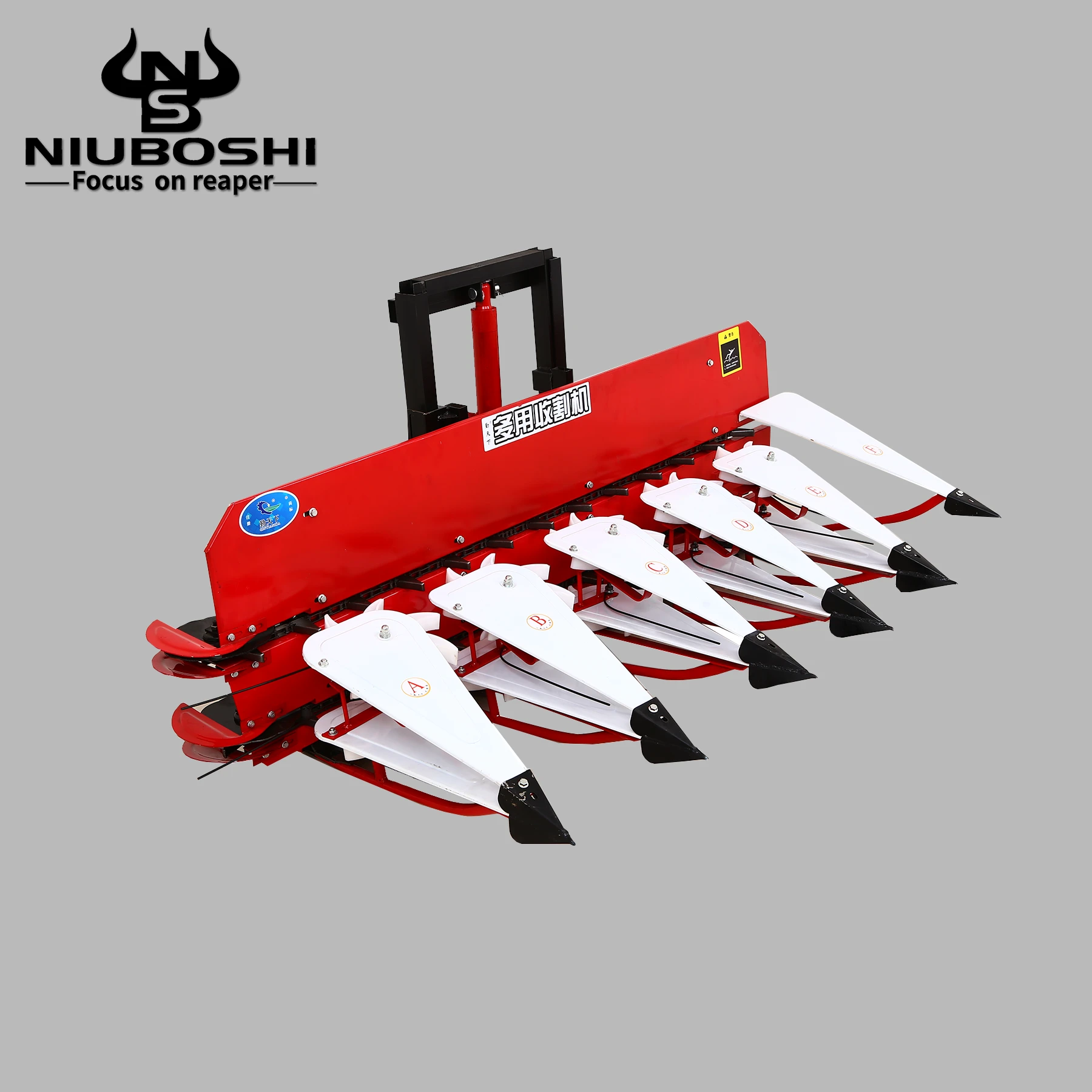
Whether harvesting rice, wheat, or maize, or even less common crops, many mini harvester models come with adaptable headers and adjustable settings to cover varieties of crops.
4. Durability and Ease of Maintenance
In rural or developing regions, equipment that’s easy to fix and lasts long is crucial. Most mini harvesters with tractors are designed with this in mind, using commonly available parts.
5. Environmental Efficiency
Due to their size, mini harvesters cause less soil compaction and can be more fuel-efficient, helping reduce environmental impact.
Real-World Applications Across Continents
You see these machines in many contexts:
- South Asia: In India and Bangladesh, mini harvesters enable rapid rice harvesting during narrow seasonal windows.
- East Africa: Farmers in Kenya and Ethiopia use mini-harvesting tech to boost maize and wheat yields on small plots.
- Post-Disaster Zones: After storms or floods, humanitarian agencies deploy mini harvesters to restore local food production quickly.
- Greenhouses and Vertical Farms: Industrial indoor farming sometimes employs scaled-down harvesting equipment for specialized crops.
Mini Harvester with Tractor: Typical Product Specifications
| Specification | Typical Range | Notes |
|---|---|---|
| Weight | 500 - 1200 kg | Light enough for transport on trailers |
| Working Width | 1.2 – 2.5 meters | Crop-dependent |
| Engine Power | 15 – 35 HP | Compatible with small tractors |
| Fuel Type | Diesel / Electric (emerging) | Electric models gaining traction |
| Fuel Consumption | 2 – 5 Liters/hour | Lower than large harvesters |
| Price Range | $8,000 – $25,000 | Varies by brand and features |
How Do the Leading Mini Harvester Vendors Stack Up?
| Vendor | Product Models | Price Range | Key Strengths | Customer Support |
|---|---|---|---|---|
| AgriCompact | MiniHarv 120, LiteHarv S | $9,000-$20,000 | Wide crop compatibility, solid build | Global, 24/7 online support |
| TractoHarvest | TH Mini 15, TH Eco | $8,000-$18,000 | Eco-friendly electric options, lightweight | Regional hubs, quick delivery |
| FieldSwift | SwiftMini 25, FieldMini Pro | $12,000-$25,000 | High horsepower, advanced tech integration | Direct factory support worldwide |
The Advantages and Long-Term Value of Using Mini Harvesters
Beyond the upfront cost savings, mini harvesters offer sustainability benefits: their smaller engines typically produce fewer emissions, and their reduced weight means less soil damage—important for maintaining farmland health over time.
On the social side, mechanization with mini harvesters helps preserve rural livelihoods by reducing grueling manual labor and speeding up harvest periods. Farmers also gain dignity and empowerment by accessing modern tools without massive investments. You can almost feel the relief in the community when harvest times become more predictable and less rushed.
Innovations at the Horizon: What’s Next for Mini Harvesters?
Looking forward, I’m seeing a few exciting trends: electric-powered mini harvesters are breaking ground, especially in regions with costly diesel. Some models now come with smart sensors for crop monitoring and machine diagnostics, a mini glimpse into full digital farming automation.
Further, manufacturers are experimenting with lighter composite materials to increase durability without adding weight, increasing efficiency. Expect stronger emphasis on carbon neutrality and sustainable manufacturing, spurred by ISO 14000 environmental standards.
Challenges and How Experts Suggest Overcoming Them
It’s not all smooth sailing. Mini harvesters often face issues like limited capacity, requiring multiple passes in larger plots, and sometimes parts availability in remote regions. Plus, operator training remains a bottleneck in many areas.
Innovators recommend modular designs to ease repairs, localized partnerships for distribution, and digital training modules accessible via smartphones—helping farmers and technicians alike.
Frequently Asked Questions About Mini Harvesters with Tractors
Q1: What size farm is best suited for a mini harvester with tractor?
A: Mini harvesters excel on farms ranging from 0.5 to 5 hectares, where large combines are impractical. Their compact size allows easy maneuvering and efficient harvesting on smaller or irregular plots.
Q2: Can mini harvesters be used for all types of grain crops?
A: Many mini harvesters are designed to handle a variety of grains such as rice, wheat, barley, and maize, often featuring adjustable headers and settings to accommodate crop differences. It's best to check model specs for specific crop compatibility.
Q3: How does a mini harvester with tractor compare cost-wise to manual harvesting?
A: While initial investment is higher than manual labor, the faster harvesting times, reduced post-harvest losses, and less physical stress can translate into significant long-term savings and improved yields.
Q4: Are there electric versions of mini harvesters available?
A: Yes, electric mini harvesters are emerging, especially in markets emphasizing green energy, offering lower operating costs and emissions. However, they may require reliable electricity infrastructure and typically have shorter operational windows per charge.
Q5: How do I maintain a mini harvester to extend its lifespan?
A: Regular cleaning, lubrication, and timely replacement of worn parts are key. Many manufacturers provide user manuals and online video tutorials, and choosing models with easily accessible components helps simplify upkeep.
Wrapping It Up: The Lasting Value of Mini Harvesters with Tractors
In summary, mini harvesters with tractors represent a sweet spot: affordable, versatile, and suited to many real-world conditions worldwide. Whether you’re a smallholder grappling with labor shortages or an NGO seeking fast food production post-crisis, these machines deliver tangible, long-term benefits.
Curious to explore models or learn more? Visit our website: mini harvester with tractor. Sometimes the best solution is smaller but smarter.
1. Food and Agriculture Organization (FAO) - Smallholder Agriculture Facts and Figures
2. World Bank - Mechanization and Agricultural Productivity
3. ISO 14000 Environmental Management Standards Summary
Latest news
-
Maximize Harvest Efficiency with the Agro Reaper Binder MachineNewsApr.16,2026
-
Boost Harvest Efficiency with the Best Agriculture Reaper MachineNewsApr.09,2026
-
Revolutionizing Agriculture with the Efficient Agriculture Power ReaperNewsApr.07,2026
-
Comprehensive Guide to the 4 Wheel Reaper Binder for Efficient HarvestingNewsApr.04,2026
-
Comprehensive Guide to Reaperbinder Technology for Efficient Hay and Crop HarvestingNewsMar.31,2026
-
Mastering the Art of Reaper Cutting for Enhanced Agricultural EfficiencyNewsMar.28,2026