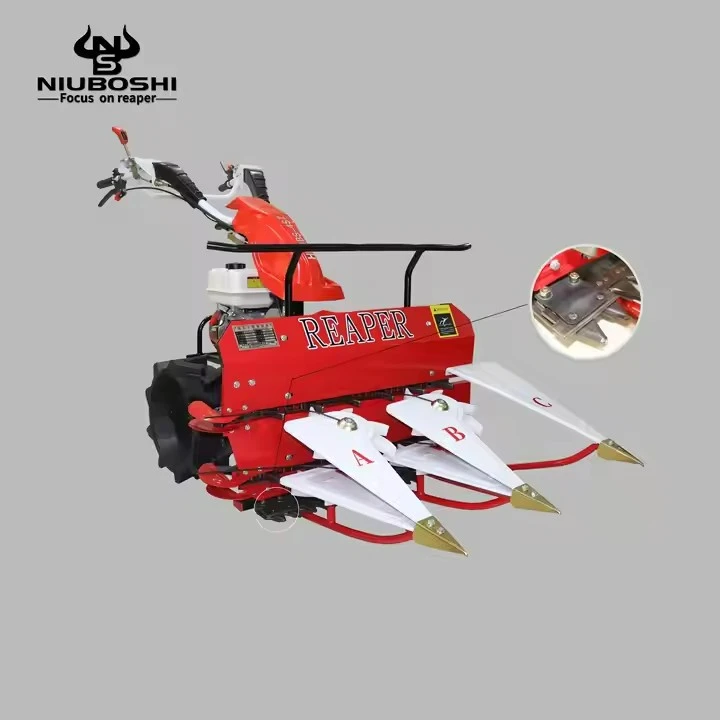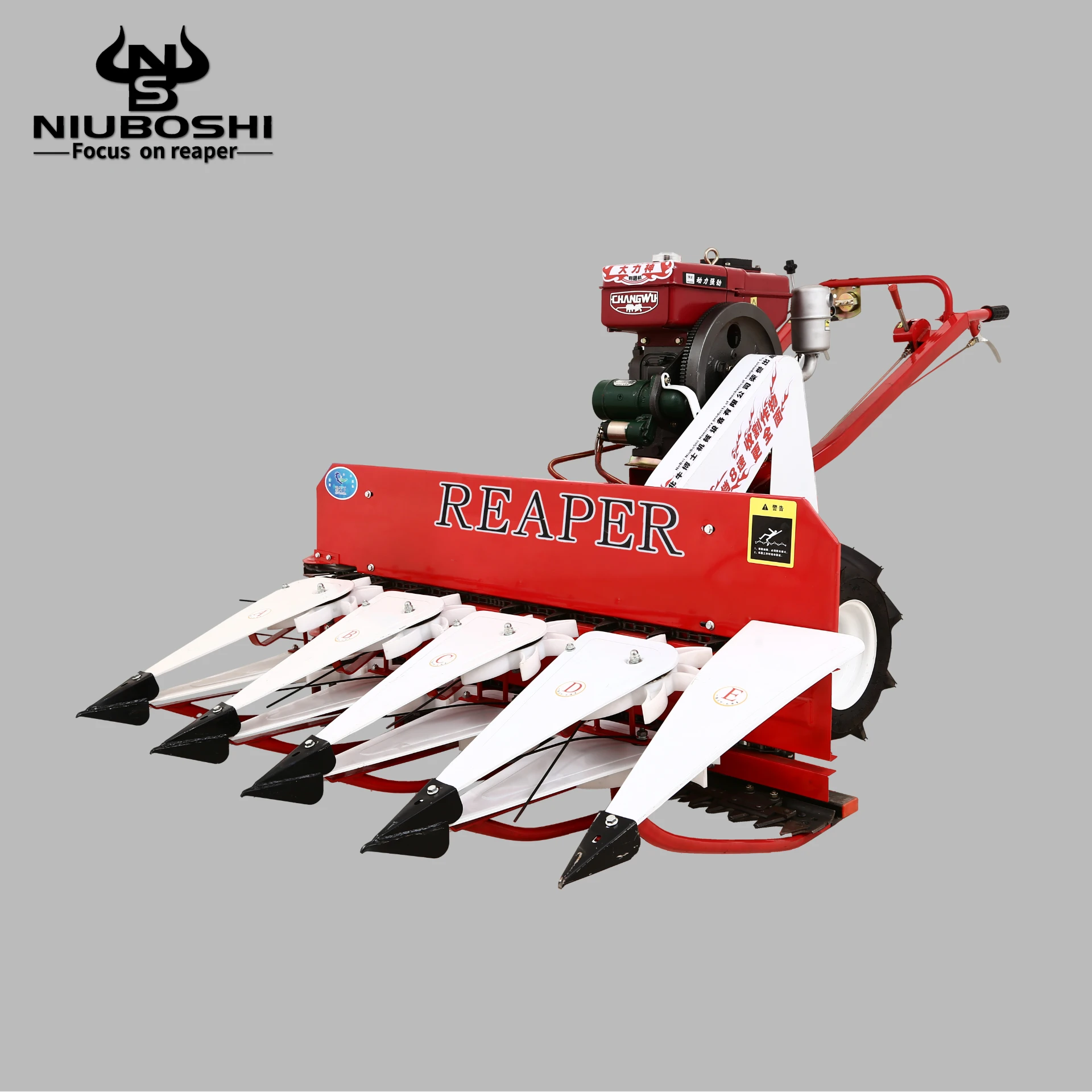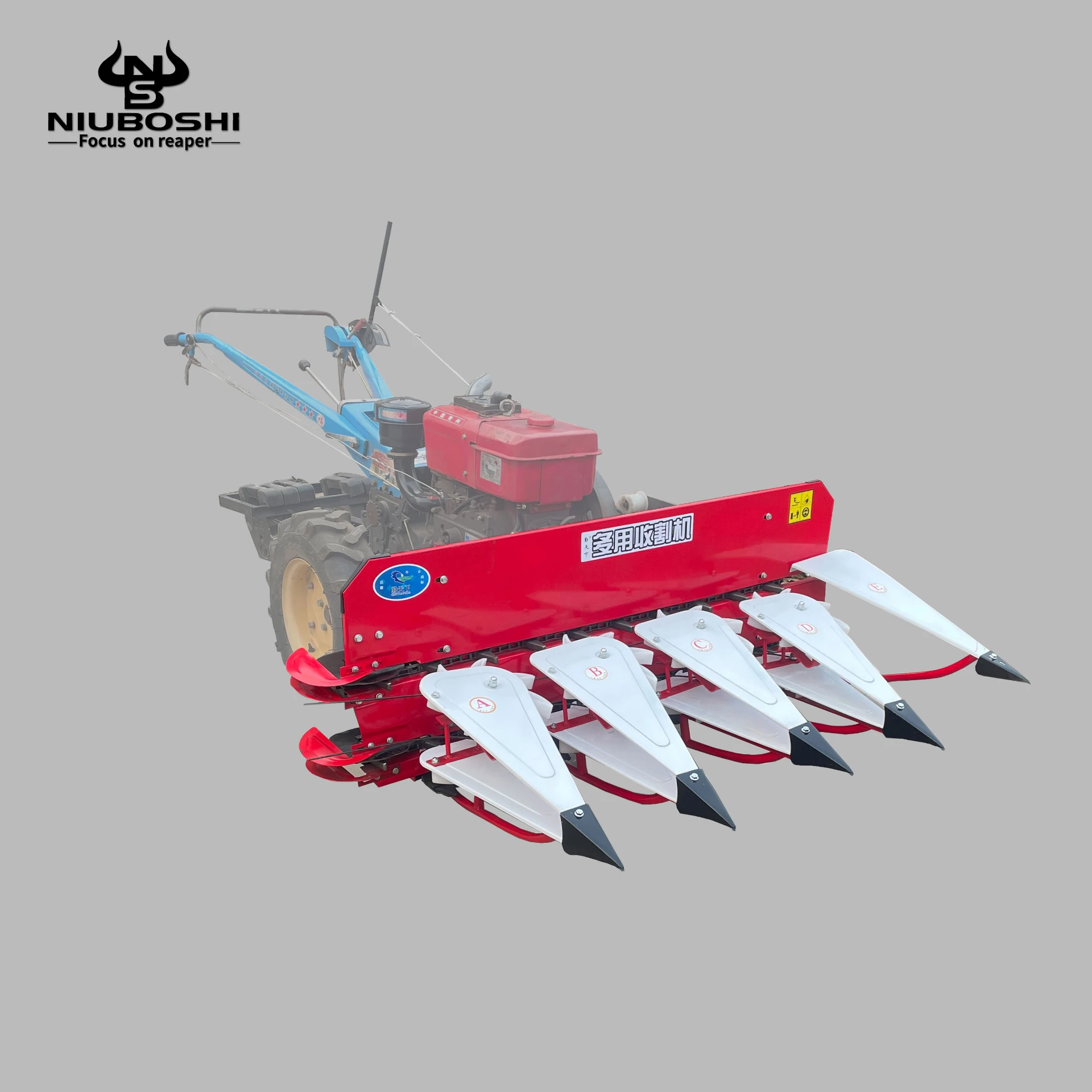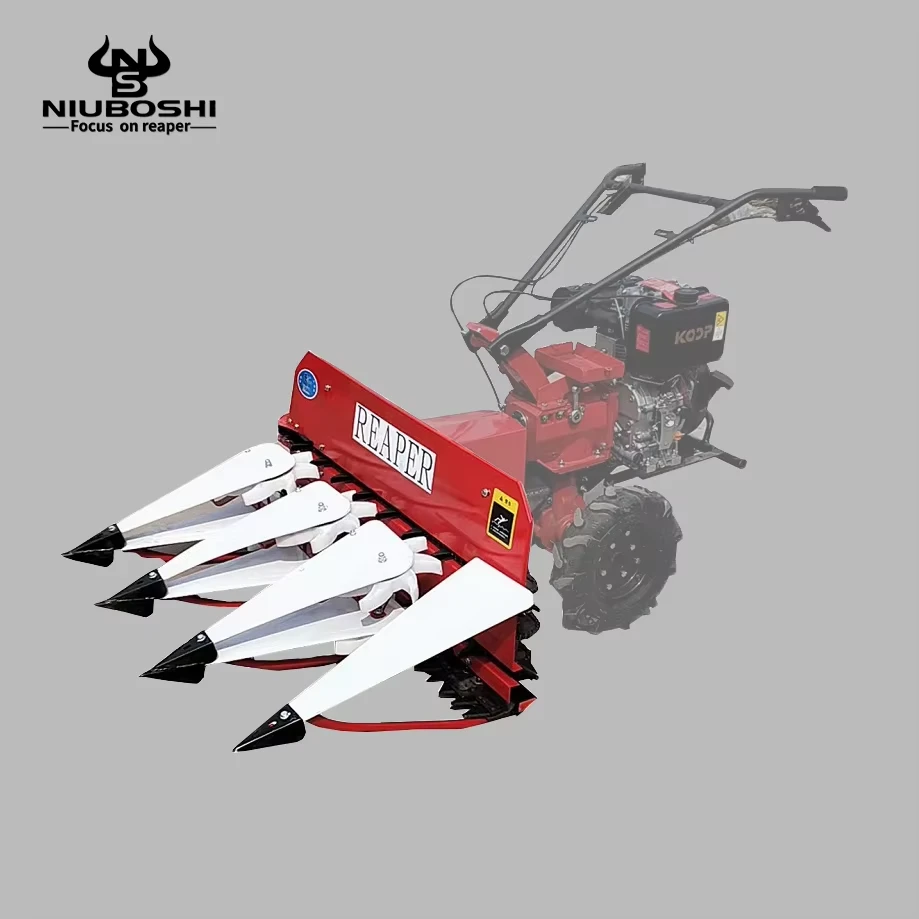
Mini Corn Combine – Compact Harvesting Solutions for Modern Agriculture
Understanding the Mini Corn Combine and Its Global Importance
If you’re in agriculture, even tangentially, you’ve probably stumbled across the term mini corn combine. At first glance, it might seem like just another piece of farming equipment, but this little machine packs a punch far beyond mere convenience. It plays a critical role globally, helping smallholder farmers increase efficiency, reduce labor, and ultimately boost food security—especially in regions where full-sized combines aren’t practical.
Why does this matter? The Food and Agriculture Organization of the United Nations estimates that over 570 million smallholder farms worldwide are responsible for a significant portion of the global food supply. However, these farmers typically lack access to large machinery due to cost, terrain, or infrastructure limitations. Mini corn combines are bridging that gap by offering affordable and portable harvesting solutions, empowering farmers to scale up their production sustainably.
The Global Context: Why Mini Corn Combines Are Gaining Traction
In recent years, global corn production has seen steady growth but faces mounting challenges: labor shortages, climate unpredictability, and shrinking arable land. The World Bank reports that mechanization in agriculture significantly improves productivity and reduces post-harvest losses, but the upfront investment cost for conventional combines is still prohibitive for many.
Enter the mini corn combine, a compact, lightweight piece of equipment tailored to smaller plots and rugged terrains — common in sub-Saharan Africa, Southeast Asia, and Latin America. These machines are the perfect fit for areas where traditional combines can't maneuver, and where manual labor is either unavailable or inefficient. They tackle a very real problem: how to modernize farming without pushing farmers into debt or forcing them to abandon small-scale agriculture altogether.
What Exactly Is a Mini Corn Combine?
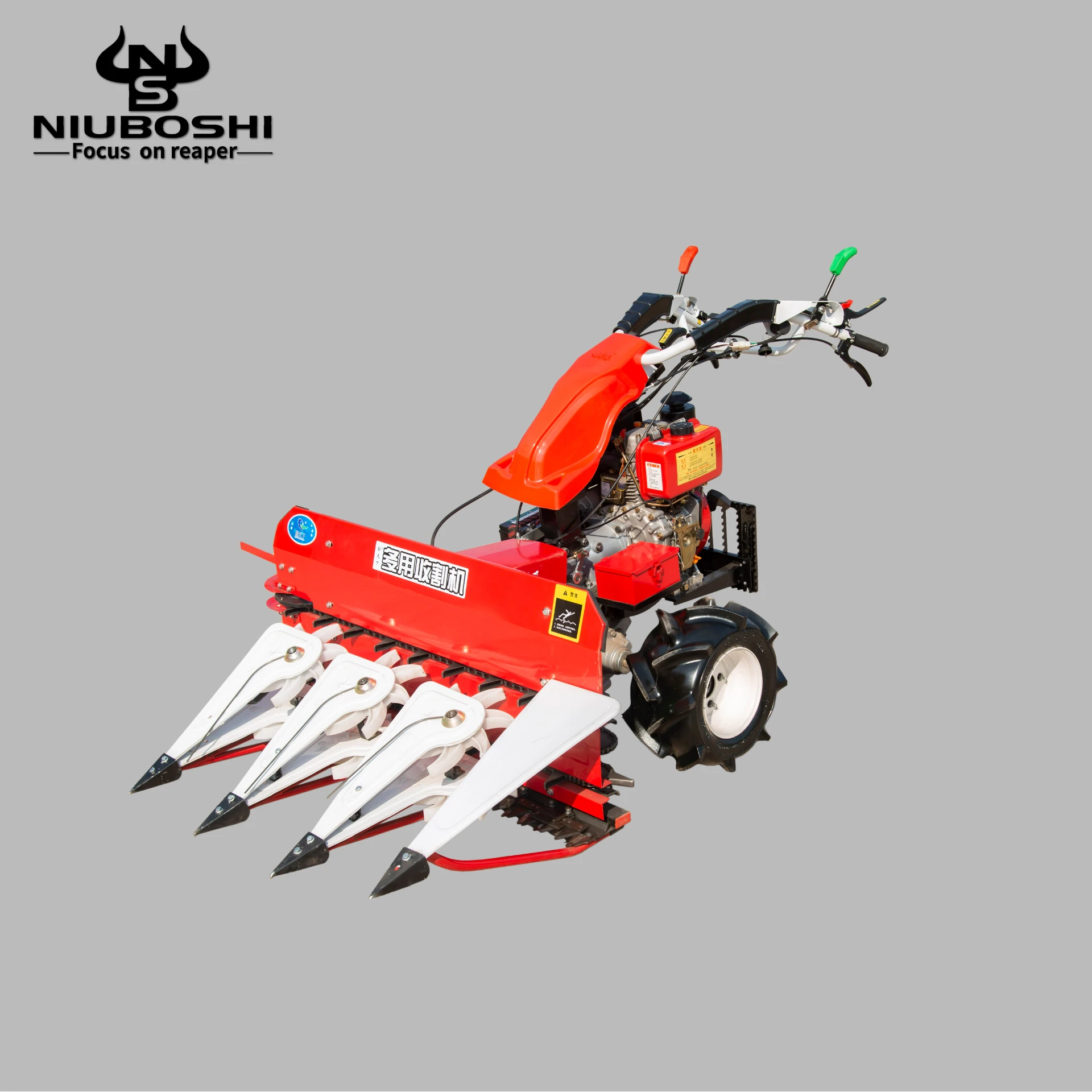
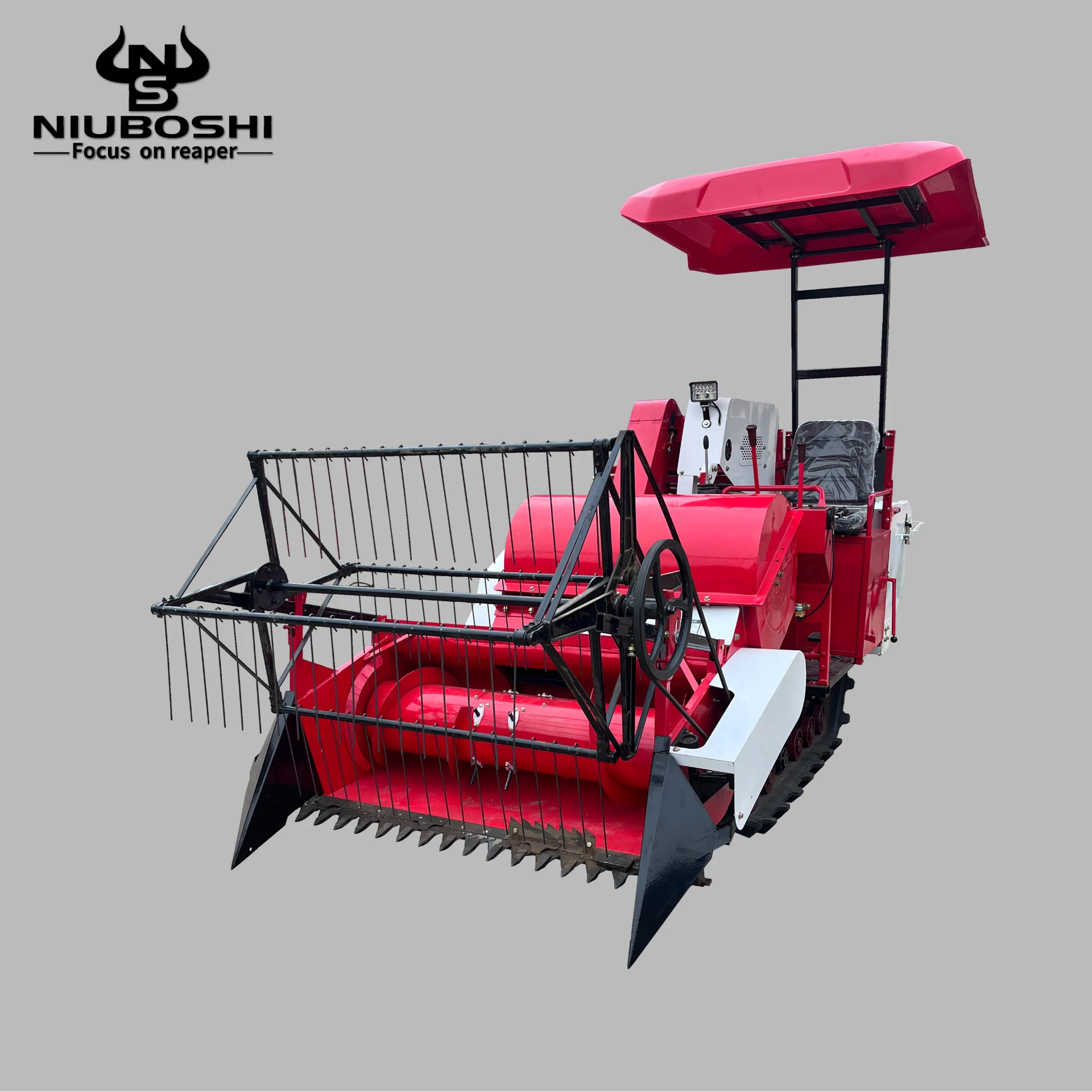
At its core, a mini corn combine is a smaller, often more affordable variant of the traditional corn harvester. Think of it as a precision harvester designed to cut, thresh, and clean corn stalks on a scale suitable for farms ranging from a single hectare up to a few dozen hectares.
Such machines combine multiple functions — harvesting, gathering, and cleaning — into one pass, speeding up the process and reducing labor fatigue. They also allow for faster post-harvest processing, which matters when weather unpredictably threatens crops left in the field.
In humanitarian terms, mechanized mini combines are also making an impact. Non-profits and agricultural extension programs increasingly employ these machines in post-conflict or disaster-affected rural zones to help restart food production quickly and efficiently.
Core Components That Make Mini Corn Combines Tick
1. Compact Design and Mobility
The mini corn combine’s smaller frame means it can navigate narrow, uneven fields — a must-have in mountainous or fragmented farming regions. Many models weigh roughly 700–900 kg and are easy to transport on small trailers, making them ideal for rented or shared machinery schemes.
2. Efficient Threshing and Separation System
Technicians and farmers alike praise the adaptability of these machines’ threshers, which gently but thoroughly process ears without excessive kernel damage — unlike basic manual methods. The separation systems are designed for high throughput on varied corn varieties and moisture contents.
3. Fuel and Cost Efficiency
Mini combines typically run on diesel engines between 12-20 HP, striking a balance between power and fuel economy. Lower fuel consumption not only reduces operating costs but aligns with growing sustainability goals for rural farming communities.
4. Ease of Maintenance and Durability
Many manufacturers design with simplicity in mind: easy-to-access parts, fewer electronic complications, and basic mechanical systems that can be repaired with widely available tools — crucial in remote areas without specialist technicians.
5. Scalability and Versatility
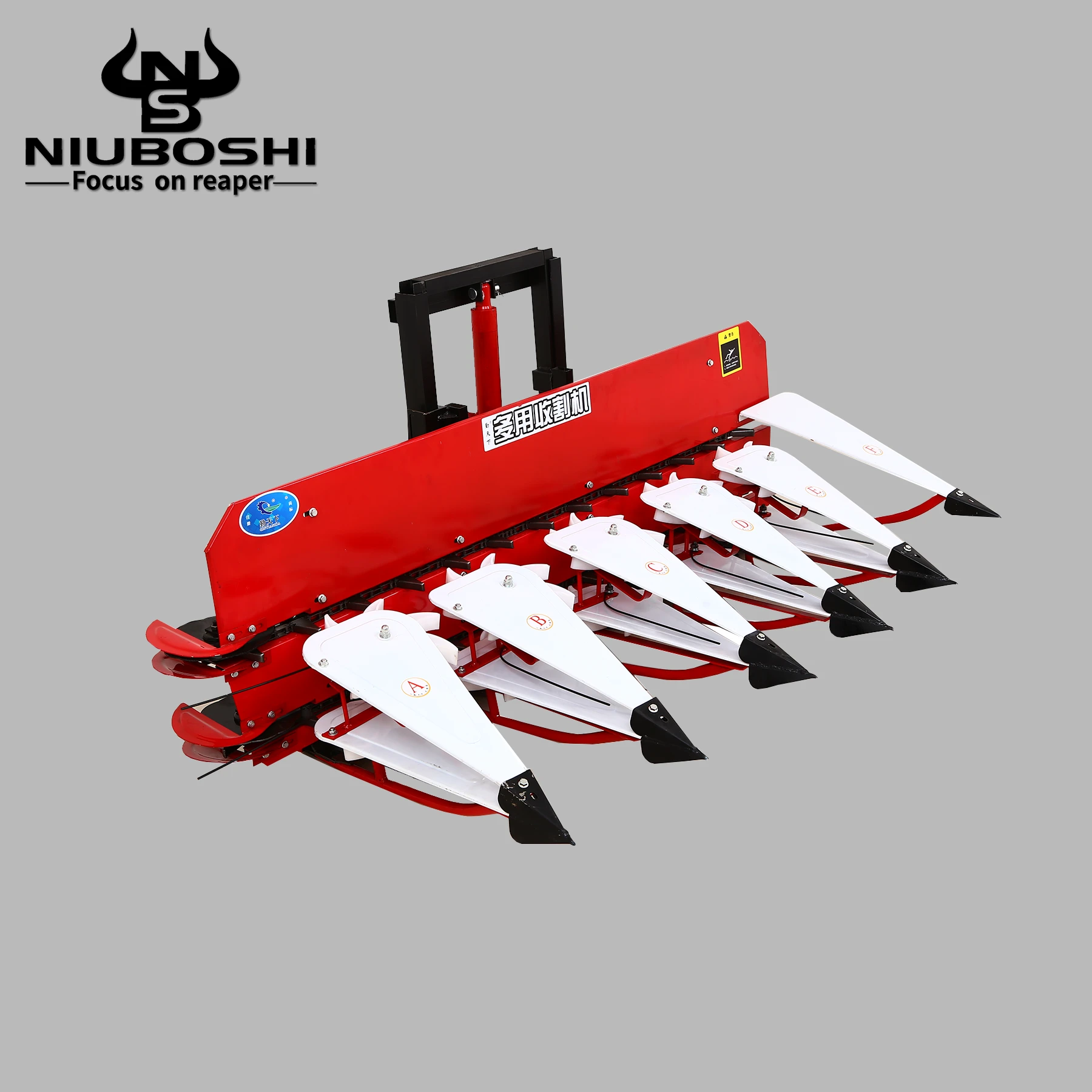
Some mini corn combines come with adjustable headers or attachments, letting farmers switch between harvesting corn, soybeans, or even sorghum, increasing their utility beyond a single crop season.
Mini Takeaway
The mini corn combine is really a “big machine in small clothes”: optimized for agility, efficiency, and adaptability—qualities that matter for small-scale agriculture at scale.
Where in the World Are Mini Corn Combines Making a Difference?
From eastern Nigeria to parts of Thailand, mini corn combines enhance productivity in regions where full-sized combines are simply not feasible. For instance:
- West Africa: Shares among cooperative farming groups reduce costs, while mechanization combats post-harvest loss, estimated by the FAO to reach 20–30% for cereals.
- Southeast Asia: Growing demand for corn as livestock feed leads smallholders to adopt mini combines to increase yield and meet market needs faster.
- Latin America: Remote hillside farms use these machines to tackle steep terrains.
Even agricultural NGOs find mini corn combines useful after climate events like floods or droughts, facilitating rapid recovery by shortening harvest timeframes.
Advantages That Make Mini Corn Combines a Long-Term Investment
When evaluating agricultural equipment, price tags alone don’t tell the full story. Mini combines present lasting values that include:
- Economic Boost: Reduced manual labor frees family members for other projects or education.
- Crop Quality: Less damage and timely harvesting improve grain quality — and thus market prices.
- Environmental Friendliness: Lower fuel consumption cuts emissions and energy use.
- Social Impact: Mechanization can increase local employment in service and repair sectors.
- Reliability: Solid, simple build models withstand tough field conditions and keep farms running smoothly.
Mini Corn Combine: Specifications at a Glance
| Specification | Typical Value |
|---|---|
| Engine Power | 12-20 HP Diesel |
| Weight | 700-900 Kg |
| Harvesting Capacity | 0.2-0.5 ha/hr |
| Fuel Consumption | 5-7 Liters/hr diesel |
| Threshing Efficiency | Over 95% |
| Width (Transport Mode) | ~1.2 Meters |
Comparing Leading Mini Corn Combine Vendors
| Vendor | Price Range | Fuel Efficiency | Durability | Service Network |
|---|---|---|---|---|
| AgriTech MiniHarvest | $3,500 - $4,200 | 7 L/hr | High | Strong (Worldwide) |
| FieldMaster Compact | $3,000 - $3,700 | 6.5 L/hr | Medium | Moderate |
| GreenHarvest Mini | $3,800 - $4,500 | 5.5 L/hr | High | Selective |
Where Are Mini Corn Combines Headed? Future Trends & Innovations
Oddly enough, the little combine is no stranger to tech buzz. Engineers are pushing boundaries by integrating GPS-based guidance, IoT sensors for monitoring engine health, and even experimenting with electric or hybrid powertrains to reduce emissions further. You can imagine a not-so-distant future where the combine sends you a text when service is due or adjusts harvest speed automatically based on field conditions.
Meanwhile, sustainability and circular economy ideas influence material choices—lighter alloys, recycled plastics, and modular parts that can be locally fabricated. Digital job-sharing marketplaces for renting mini combines are also growing, allowing smallholders to access these machines without full ownership.
Common Challenges and How Innovations Are Answering Them
Mini corn combines, while great, are not without limits. They often face issues such as:
- Limited capacity compared to full-scale combines, meaning bigger farms may require multiple machines or methods.
- Maintenance difficulties in extremely remote areas due to parts unavailability.
- Operator training needs, as even small machines require some know-how.
Experts say that local dealer networks, open-source repair manuals, and cooperative machinery hiring models help fill these gaps pretty impressively. Plus, ongoing R&D keeps driving small machines to punch above their weight.
FAQ: Common Questions About Mini Corn Combines
Q1: What size farm is suitable for a mini corn combine?
A mini corn combine typically excels on farms between 1 to 10 hectares but can be used effectively on plots up to 20 hectares depending on worker availability and terrain. It’s designed to optimize labor and reduce harvest time for small to mid-scale producers.
Q2: How does the mini corn combine compare in cost to manual harvesting?
While initial investment is higher than manual labor, savings become clear over time due to reduced labor hours, higher yield recovery, and improved grain quality. Many farmers break even within a couple of seasons, especially if combined with rental or share schemes.
Q3: Can a mini combine be used for crops other than corn?
Yes, many mini combines are designed with versatility to harvest crops like sorghum, soybean, and wheat, often with adjustable settings or interchangeable headers.
Q4: What kind of maintenance does a mini corn combine require?
Routine maintenance includes cleaning filters, lubricating moving parts, checking belts, and timely engine servicing. Most models are designed for easy servicing with commonly available tools, making field repairs safer and faster.
Q5: Are mini corn combines environmentally friendly?
Generally, yes. Their smaller engines consume less fuel, lowering carbon footprints compared to larger combines. New models also explore electric or hybrid options to further reduce emissions.
Wrapping Up: Why Mini Corn Combines Are Here to Stay
In real terms, mini corn combines symbolize much more than mechanized harvesters—they’re enablers of agricultural resilience and food security for countless small farmers worldwide. They balance affordability and efficiency while embracing innovation and local realities.
If you’re curious to explore models, specs, or even share-harvesting options, visit our website: mini corn combine — your gateway to smarter, scaled, and sustainable harvesting solutions.
References & Further Reading
Latest news
-
Maximize Harvest Efficiency with the Agro Reaper Binder MachineNewsApr.16,2026
-
Boost Harvest Efficiency with the Best Agriculture Reaper MachineNewsApr.09,2026
-
Revolutionizing Agriculture with the Efficient Agriculture Power ReaperNewsApr.07,2026
-
Comprehensive Guide to the 4 Wheel Reaper Binder for Efficient HarvestingNewsApr.04,2026
-
Comprehensive Guide to Reaperbinder Technology for Efficient Hay and Crop HarvestingNewsMar.31,2026
-
Mastering the Art of Reaper Cutting for Enhanced Agricultural EfficiencyNewsMar.28,2026