Efficient Small Tractor Combine Harvester Solutions for Modern Farming
Understanding the Small Tractor Combine Harvester: An Agricultural Game Changer
In the vast landscape of agricultural technology, the small tractor combine harvester holds a uniquely practical allure. It’s a machine that’s become essential for small to mid-scale farms worldwide, blending the functions of reaping, threshing, and winnowing into a compact, efficient package. Why does it matter globally? Well, with food demand soaring alongside a growing global population, it’s critical we leverage machinery that increases yields while fitting within the budgets and terrains of smallholder farmers. In this article, we’ll uncover what the small tractor combine harvester truly is, why it’s transforming agriculture, and how various factors influence its design and deployment.
If you’ve ever wondered “how do smaller farms mechanize effectively without the massive budgets of commercial agriculture?”—this is the read for you.
The Global Context: Why Small Tractor Combine Harvesters Matter Now More Than Ever
The Food and Agriculture Organization (FAO) estimates that nearly 80% of the world’s farms are small-scale operations, many in developing countries where agriculture forms the livelihood backbone. Yet, only a fraction of these farms have access to labor-saving machinery due to cost, availability, and terrain challenges (FAO, 2021).
The advent of the small tractor combine harvester addresses one key bottleneck: harvesting efficiency. Traditional manual harvesting or even animal-drawn methods simply can’t scale sustainably to meet the increasing food production demand. According to the World Bank, increasing farm productivity by mechanization could potentially boost yield by up to 30% on these plots (World Bank, 2019).
However, there’s a catch. Many regions have challenging field conditions — uneven terrain, small fragmented plots, or lack of reliable fuel supply — that large machines struggle with. This is where small tractor combine harvesters come into their own: compact, fuel-efficient, and versatile.
Mini Takeaway
Small tractor combine harvesters are a sweet spot solution bridging traditional manual labor and large-scale mechanization, especially critical for enhancing food security in developing regions.
Defining the Small Tractor Combine Harvester
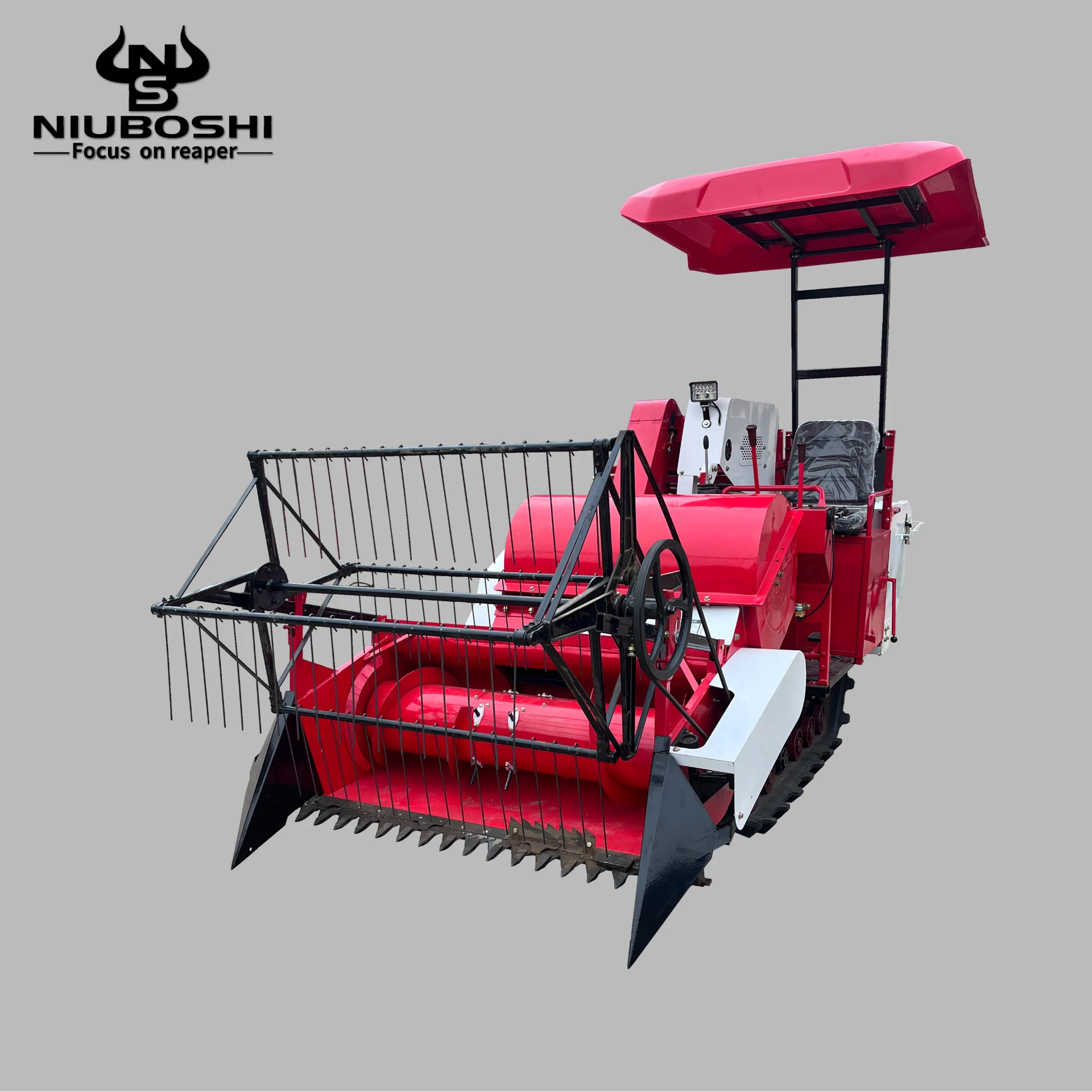
Put simply, a small tractor combine harvester is a compact agricultural machine designed to combine the key processes of harvesting—cutting, threshing, and cleaning grains—into one seamless operation, typically mounted or tethered to a small tractor. Unlike bulky industrial combine harvesters intended for vast fields, these smaller variants suit limited acreage, allowing farmers to mechanize crops like rice, wheat, maize, and so on.»
In humanitarian terms, such machines can be vital in post-disaster agricultural recovery, enabling communities to quickly resume food production with limited resources.
Key Components to Keep in Mind
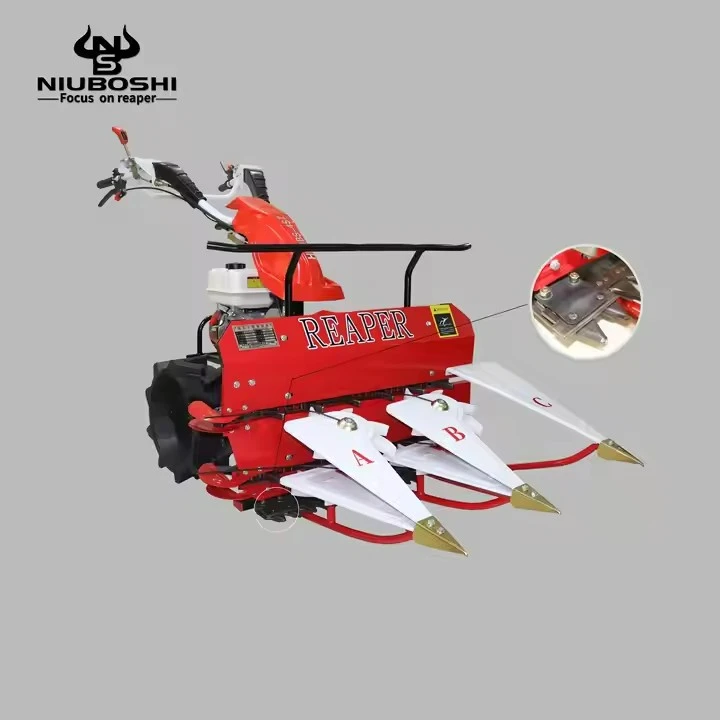
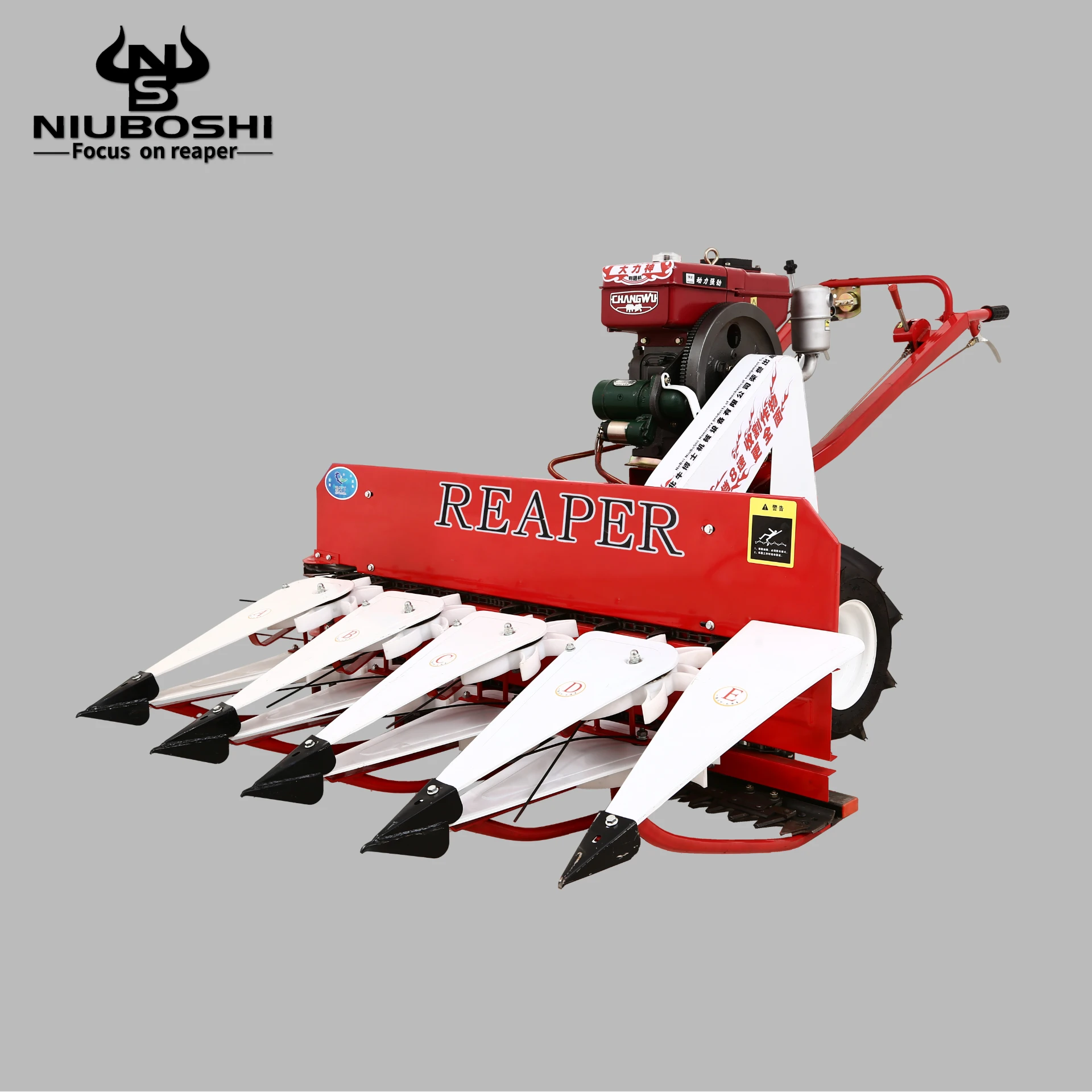
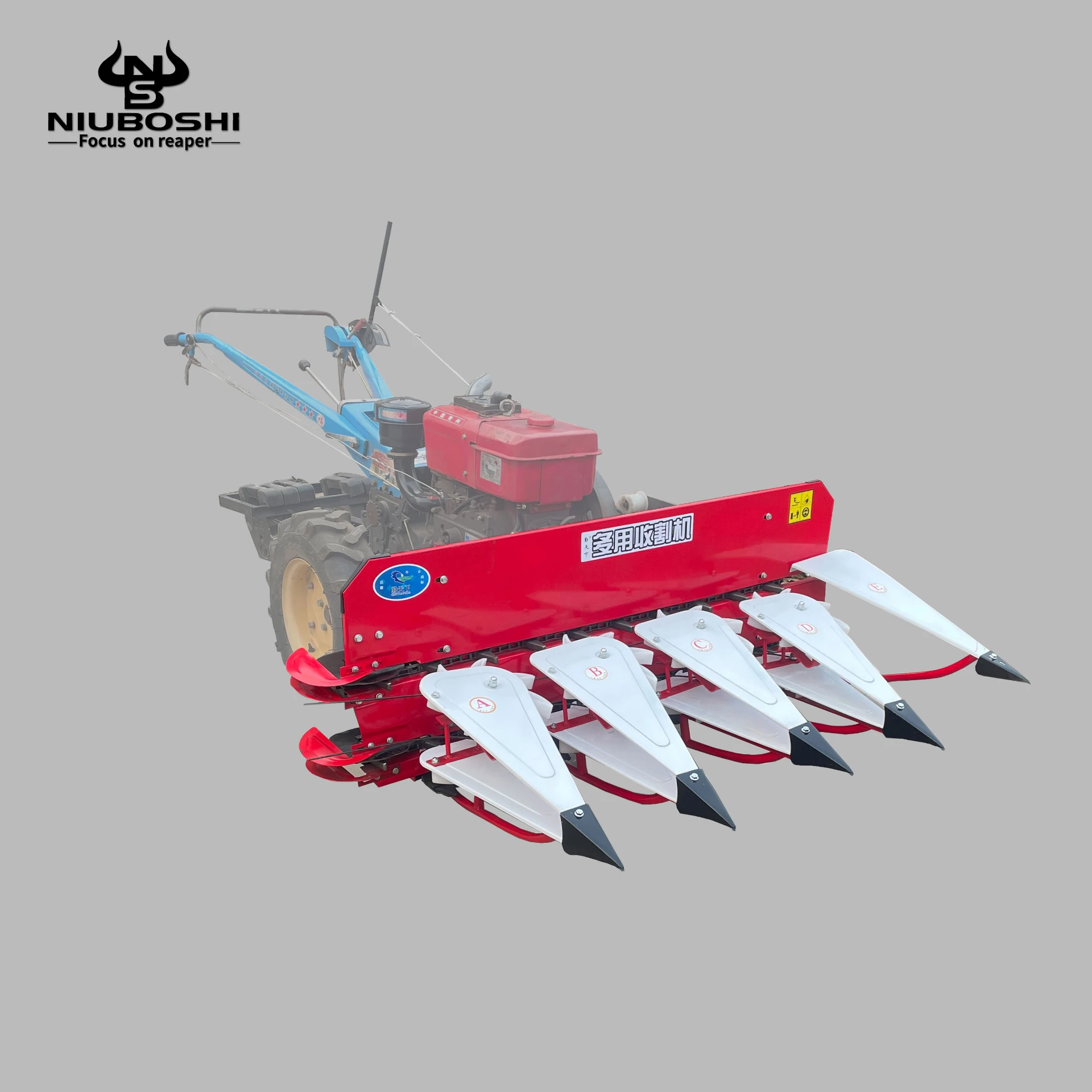
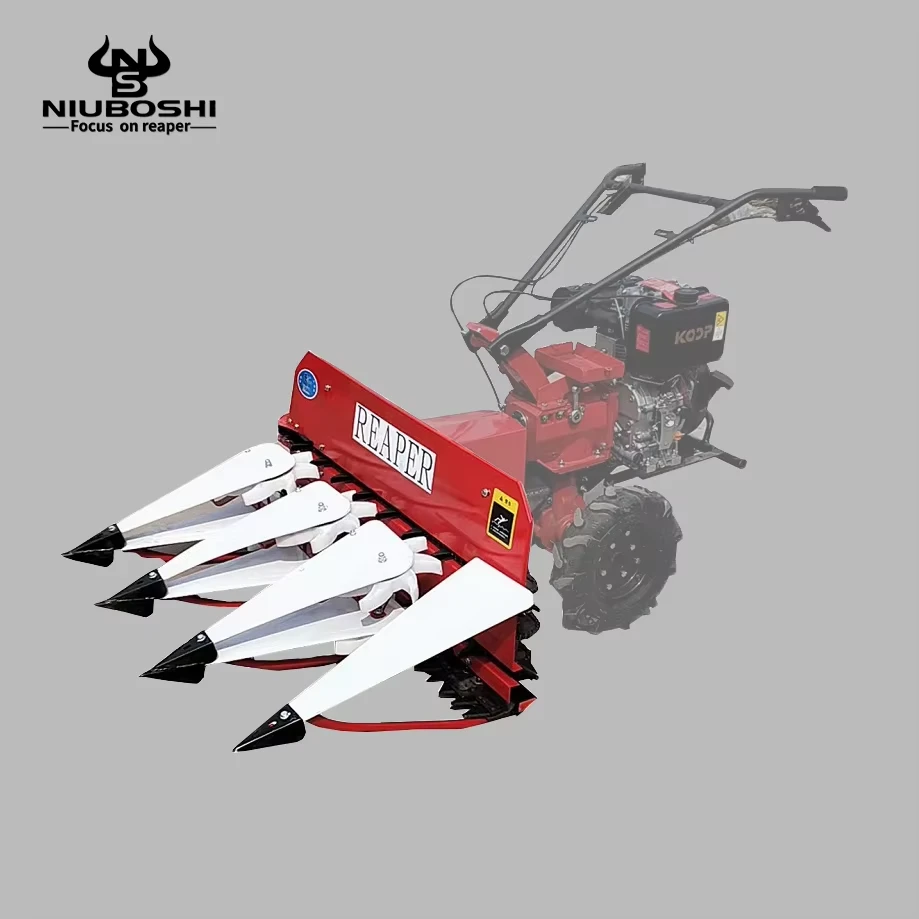
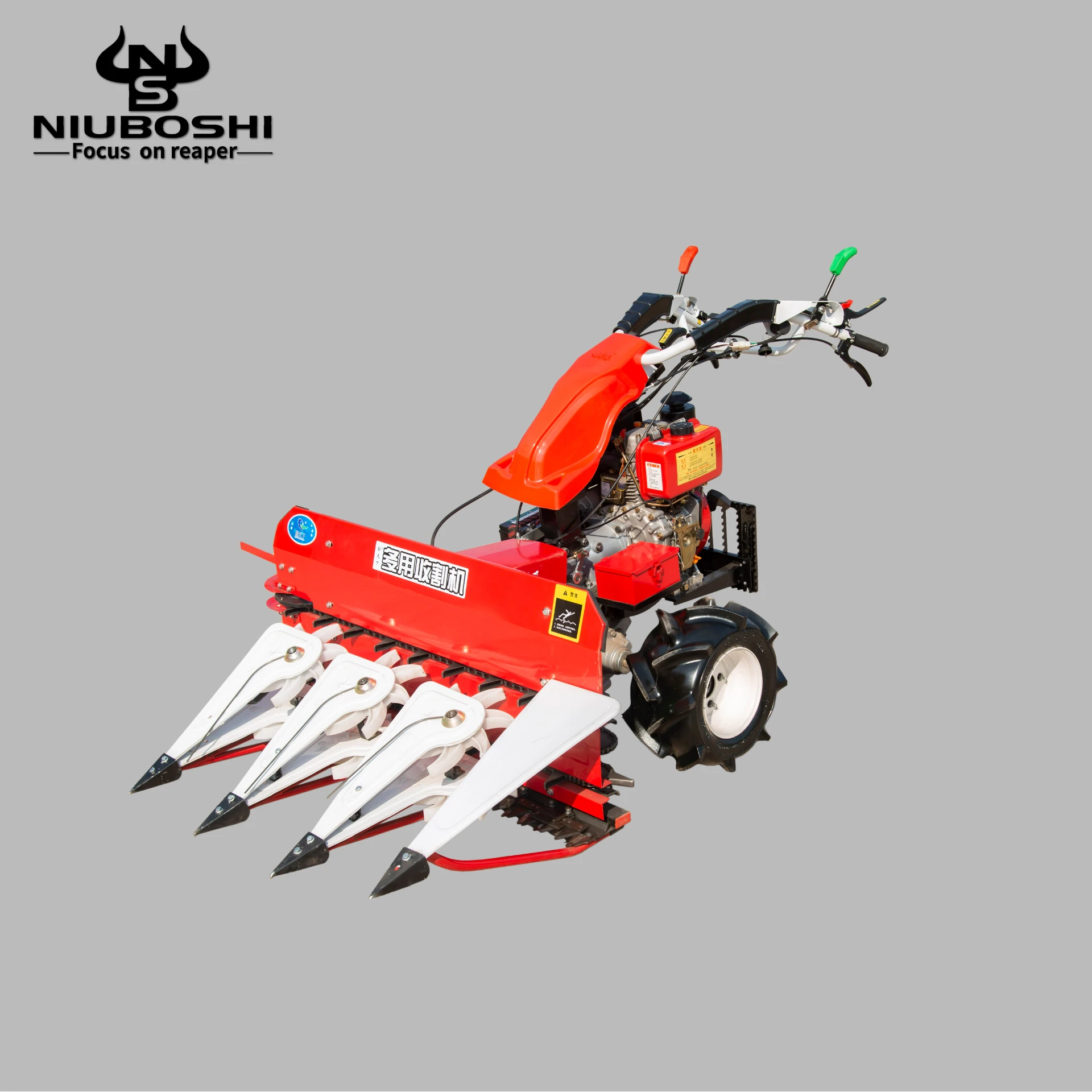
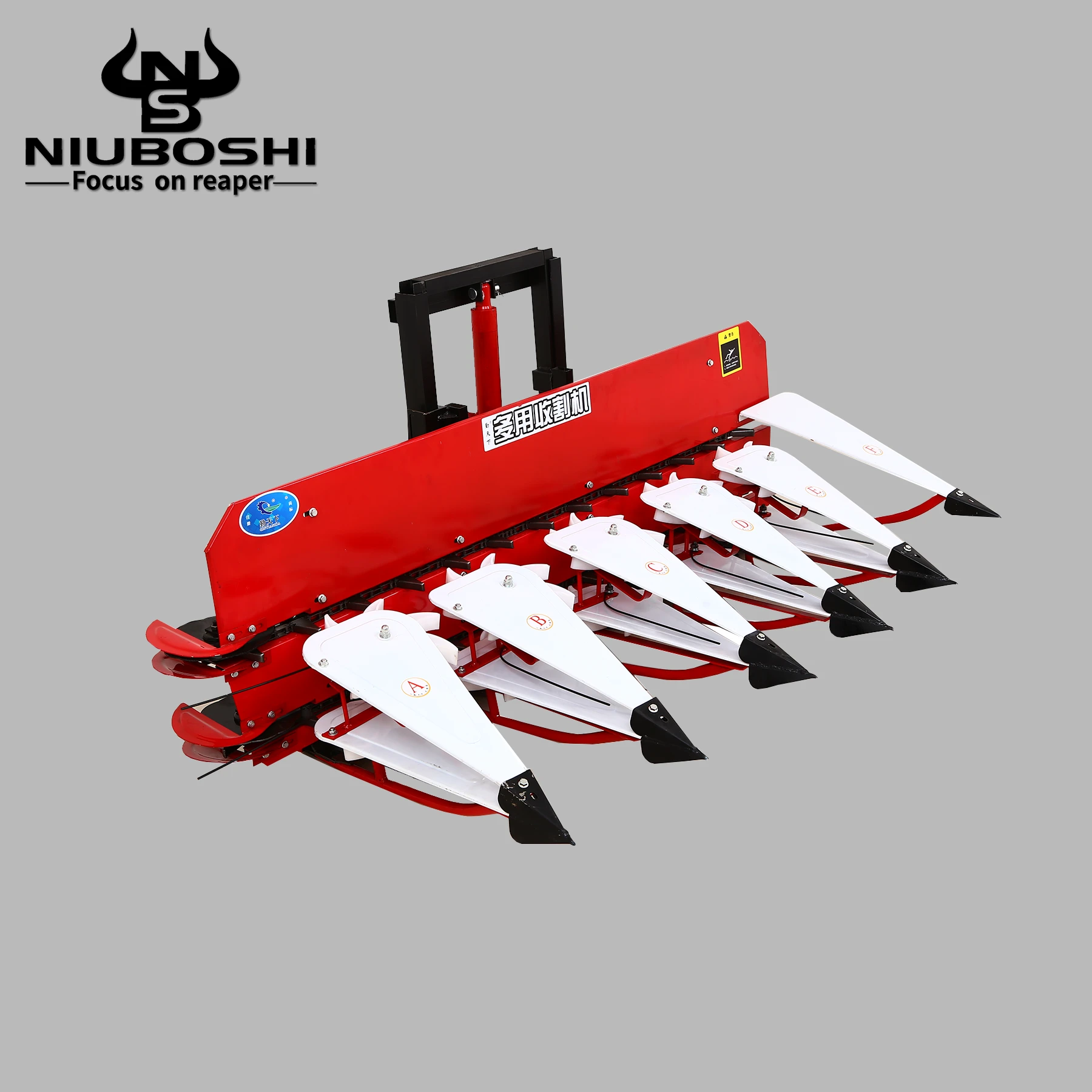
- Reaper Head: The cutting part that clips crops close to the ground.
- Threshing Drum: Removes grains from stalks efficiently without damaging kernels.
- Cleaning System: Uses airflow or sieves to separate chaff and impurities.
- Power Unit: Often a small tractor providing drive, sometimes integrated engines.
- Control Systems: Manual or semi-automated controls for adjusting speed and processing.
Mini Takeaway
The genius lies in integrating multiple harvesting functions into a lightweight, maneuverable platform that’s both cost-effective and adaptable.
Core Features That Define Practical Use
1. Durability in Diverse Conditions
Small tractor combine harvesters need to endure dusty, muddy, and uneven fields. The robustness of components like the threshing cylinder and drive chains often determine the machine’s lifespan.
Many engineers stress steel selection and heat treatment processes to avoid premature wear, especially since repair facilities may be far away.
2. Cost Efficiency and Affordability
Unlike large combines priced beyond tens of thousands of dollars, these smaller units typically range in the low thousands — making them more attainable to individual farmers or cooperatives. Fuel consumption is also optimized, roughly half or less than industrial models, providing slow but steady savings.
3. Scalability & Modularity
Some models allow attachment swapping from reaper heads to other implements, turning one tractor into an all-round field tool. This flexibility is valuable in mixed-cropping systems, common in Asia and Africa.
4. Operator-Friendly Design
The best machines are simple to operate and maintain, with easy-to-access parts and minimal technical skills required. This matters a lot in rural areas with limited training resources.
5. Environmental Impact
Thanks to smaller engines and lower fuel consumption, these machines emit less CO2 compared to full-sized combines. There’s also growing adoption of electric or hybrid variants, though still experimental.
Mini Takeaway
Balancing durability, cost, and ease-of-use is what makes small tractor combine harvesters truly viable for daily farm life.
Global Applications & Who’s Using Them?
Across Asia’s rice terraces, African maize fields, and Latin America’s wheat belts, small tractor combine harvesters have found a foothold. Their adaptability to small plots means they’re popular in countries like India, Vietnam, Kenya, and Brazil.
In humanitarian efforts, agencies sometimes deploy these machines post-natural disaster to quicken recovery of food production. For example, after flooding in Bangladesh (2017), local NGOs distributed small harvesters to farmers as part of resilience-building programs.
Industrial zones with limited space but a need for high productivity also utilize these machines — including agricultural research stations or biofuel crop producers growing energy cane or sorghum.
Mini Takeaway
The versatility of small tractor combine harvesters lets them adapt from rugged rural fields to specialized industrial farming zones.
Specifications at a Glance
| Specification | Typical Range | Notes |
|---|---|---|
| Engine Power | 15-40 HP | Depends if tractor-mounted or self-propelled |
| Cutting Width | 1.2 - 2.5 meters | Smaller widths for terraced or uneven lands |
| Threshing Capacity | 0.5-1.5 tons/hour | Varies widely by crop type |
| Fuel Consumption | 3-7 L/h | More efficient than large combines |
| Weight | 800-1500 kg | Portable but sturdy |
Comparing Trusted Vendors
| Vendor | Price Range (USD) | Features | Warranty & Support |
|---|---|---|---|
| AgriMek | $3,000 - $5,000 | Modular attachments, easy controls, diesel engine | 2 years, regional service centers |
| HarvestPro | $4,500 - $6,500 | Electric hybrid option, GPS assisted navigation | 3 years, online support and spare parts |
| FarmTech Solutions | $2,500 - $4,000 | Basic models with manual controls, low maintenance | 1 year, phone support only |
Advantages & Long-Term Benefits
There’s more than just numbers behind why small tractor combine harvesters are becoming essential tools:
- Cost Savings: Significantly reduces labor costs. Instead of multiple workers harvesting over days, one operator can do the job in hours.
- Sustainability: Less fuel use and more targeted harvesting reduce environmental footprint.
- Reliability: Mechanization lessens crop losses from human error or weather delays.
- Social Impact: Enhances farmer dignity and safety by minimizing backbreaking manual labor.
Oddly enough, many operators I spoke with highlight how the machine “restores pride to farming,” pulling families out of subsistence struggles.
Future Trends & Emerging Innovations
Looking ahead, the small tractor combine harvester seems poised for exciting leaps. Some manufacturers already explore:
- Electric Powertrains: Quiet, emission-free models that lower operating costs.
- AI & Automation: Sensors that optimize threshing based on crop conditions in real time.
- Advanced Materials: Lightweight alloys improving fuel efficiency without sacrificing durability.
- Digital Connectivity: Integration with farm management apps for tracking yields and maintenance status.
The trend clearly follows global priorities of sustainability and digital transformation, making it a fascinating space to watch.
Challenges & How to Overcome Them
Yet, it’s not all smooth sailing:
- Maintenance & Repairs: In remote areas, lack of qualified technicians creates downtime risks. Training local operators can help mitigate this.
- Initial Cost: Even affordable models are a stretch for some farmers; microcredit or cooperative purchasing schemes fill this gap.
- Terrain Limitations: Extremely rocky or wet soils still challenge machinery use; sometimes manual methods remain essential.
Industry experts suggest combining machine deployment with extension services and farmer education ensures better long-term impact.
FAQ: Your Small Tractor Combine Harvester Questions Answered
- Q: What crops can a small tractor combine harvester handle?
- A: Typically, these harvesters are suitable for grains like rice, wheat, barley, maize, and some legumes. Crop height and density influence efficiency, so some customization might be necessary.
- Q: How often does the machine require maintenance?
- A: Regular checks after every 30-50 hours of use are recommended. This includes lubrication, belt tension inspection, and cleaning. Annual thorough servicing keeps it running longer.
- Q: Are replacement parts readily available?
- A: Availability depends on the vendor and region. It’s best to source machines with local representation or stock parts to reduce downtime.
- Q: Can the harvester work on sloped or uneven fields?
- A: Yes, but performance decreases with steep slopes. Models with adjustable cutting heights or flexible headers handle undulating terrain better.
- Q: Is operator training necessary?
- A: Absolutely. While many units are straightforward to operate, training improves safety, maintenance, and productivity significantly.
Conclusion: Why Invest in a Small Tractor Combine Harvester?
So, what’s the big deal about a small tractor combine harvester? It’s about empowering farmers who can’t afford the behemoths but need to optimize their harvests efficiently. It brings together cost efficiency, durability, and adaptability while aligning with global goals for sustainable food production.
If you're ready to take the next step towards smarter farming, check out our resources and detailed models at small tractor combine harvester.
Here's to better harvests and a sustainable future.
References
- Food and Agriculture Organization - Smallholder Agriculture Reports (FAO, 2021)
- The World Bank - Enhancing Agricultural Productivity (World Bank, 2019)
- ISO 4254-17:2019 - Agricultural machinery — Safety requirements for combine harvesters
Latest news
-
Maximize Harvest Efficiency with the Agro Reaper Binder MachineNewsApr.16,2026
-
Boost Harvest Efficiency with the Best Agriculture Reaper MachineNewsApr.09,2026
-
Revolutionizing Agriculture with the Efficient Agriculture Power ReaperNewsApr.07,2026
-
Comprehensive Guide to the 4 Wheel Reaper Binder for Efficient HarvestingNewsApr.04,2026
-
Comprehensive Guide to Reaperbinder Technology for Efficient Hay and Crop HarvestingNewsMar.31,2026
-
Mastering the Art of Reaper Cutting for Enhanced Agricultural EfficiencyNewsMar.28,2026