Mini Rice Cutter Machine: Boost Smallholder Harvest Efficiency & Sustainability
What Is a Mini Rice Cutter Machine and Why It Matters Worldwide
At first glance, a mini rice cutter machine might sound like niche farming equipment — and that’s partly true. But if you pause and think about the ripple effects in agriculture and food security, its global importance suddenly sharpens. Essentially, the mini rice cutter machine streamlines rice harvesting on a smaller scale, ideal for family farms or local food providers who don’t have access to large, expensive machinery.
Given that rice feeds more than half the world’s population, any innovation that improves efficiency or reduces labor-intensive steps deserves a closer look. From the paddies of Southeast Asia to smallholders in Africa and Latin America, this tool offers a practical, affordable solution that connects traditional farming with modern needs.
Introduction: How Mini Rice Cutter Machines Respond to Global Agricultural Challenges
Rice remains the staple for roughly 3.5 billion people worldwide according to recent FAO reports. Yet, agricultural labor shortages, climate-related disruptions, and rising production costs constantly put pressure on growers. This is where mini rice cutter machines step in — designed to help small-scale farmers harvest quickly without the need for large combines or excessive manual labor.
Consider that according to the UN’s Food and Agriculture Organization, smallholder farms produce up to 80% of food in Asia and sub-Saharan Africa. These farms often operate on tight margins with limited machinery access. The mini rice cutter machine, therefore, not only boosts productivity but also supports rural livelihoods.
Defining a Mini Rice Cutter Machine Simply
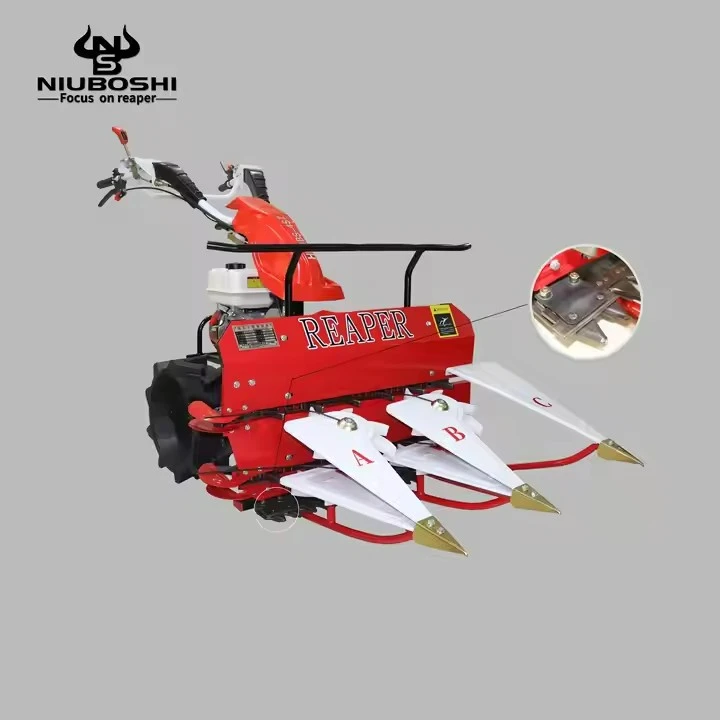
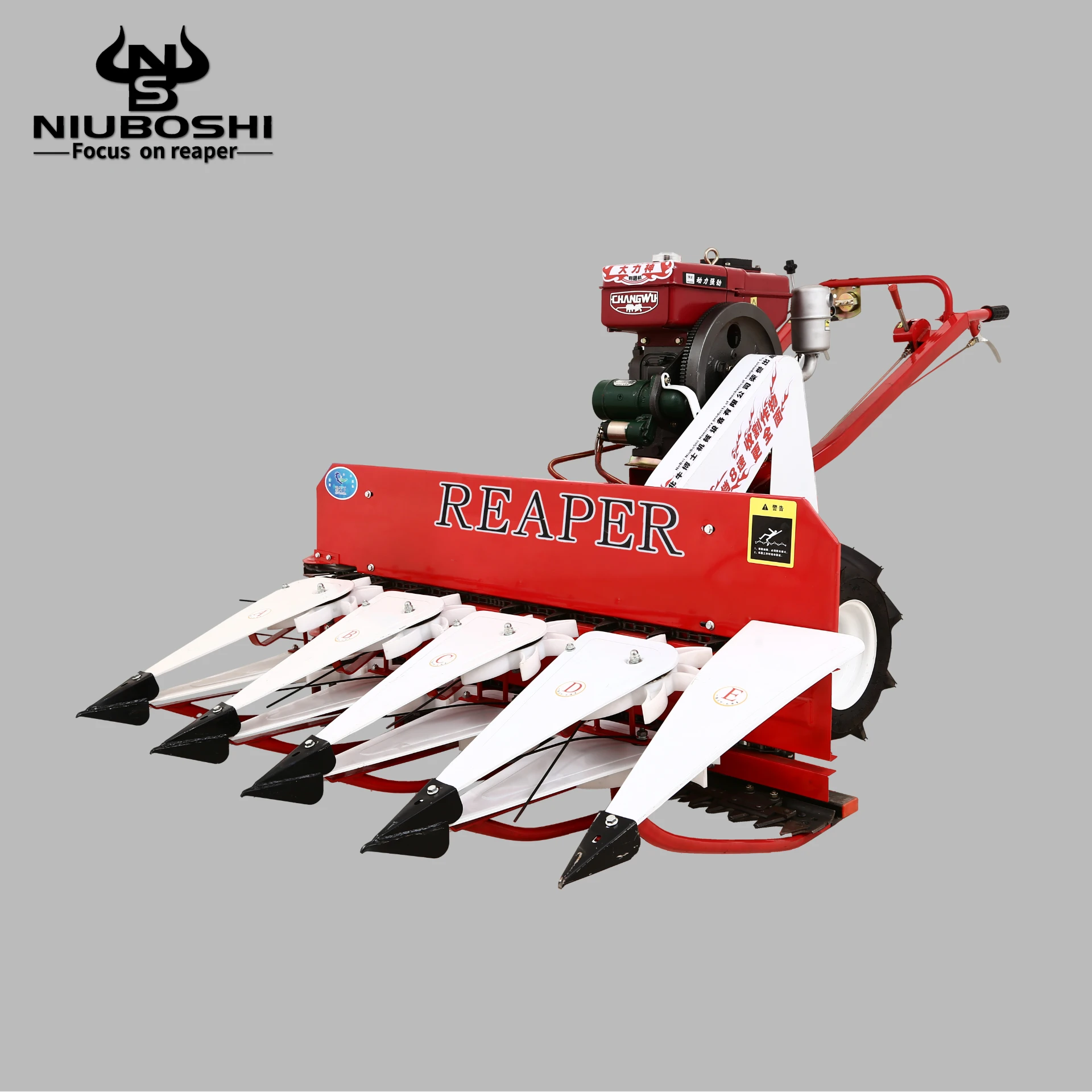
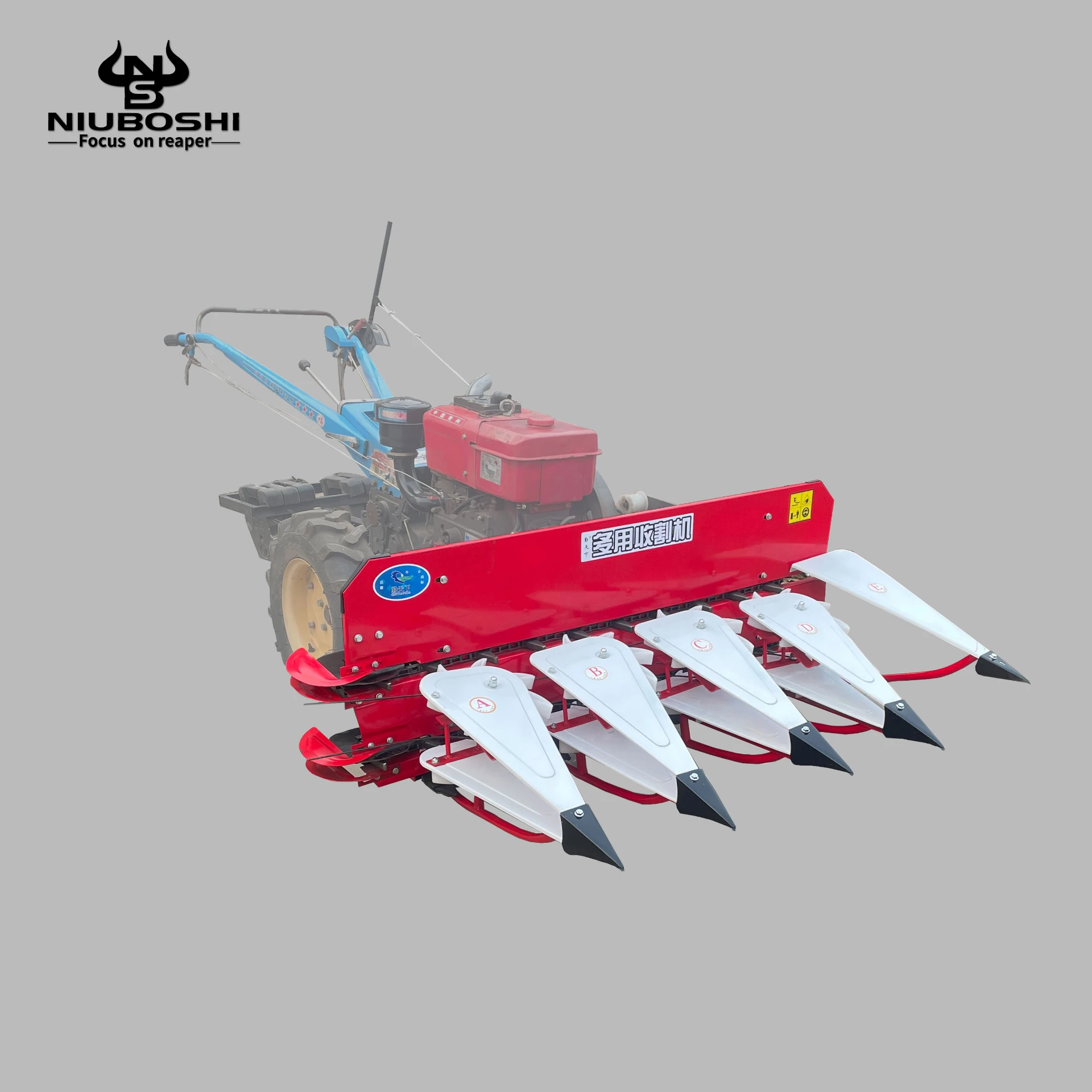
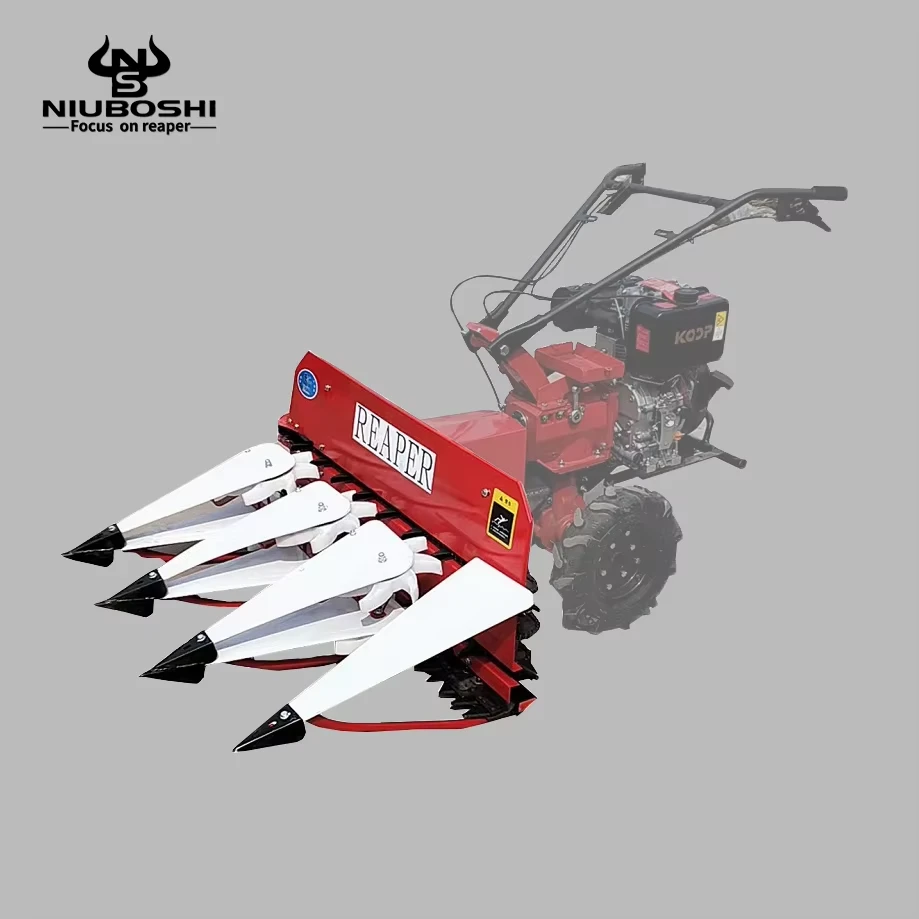
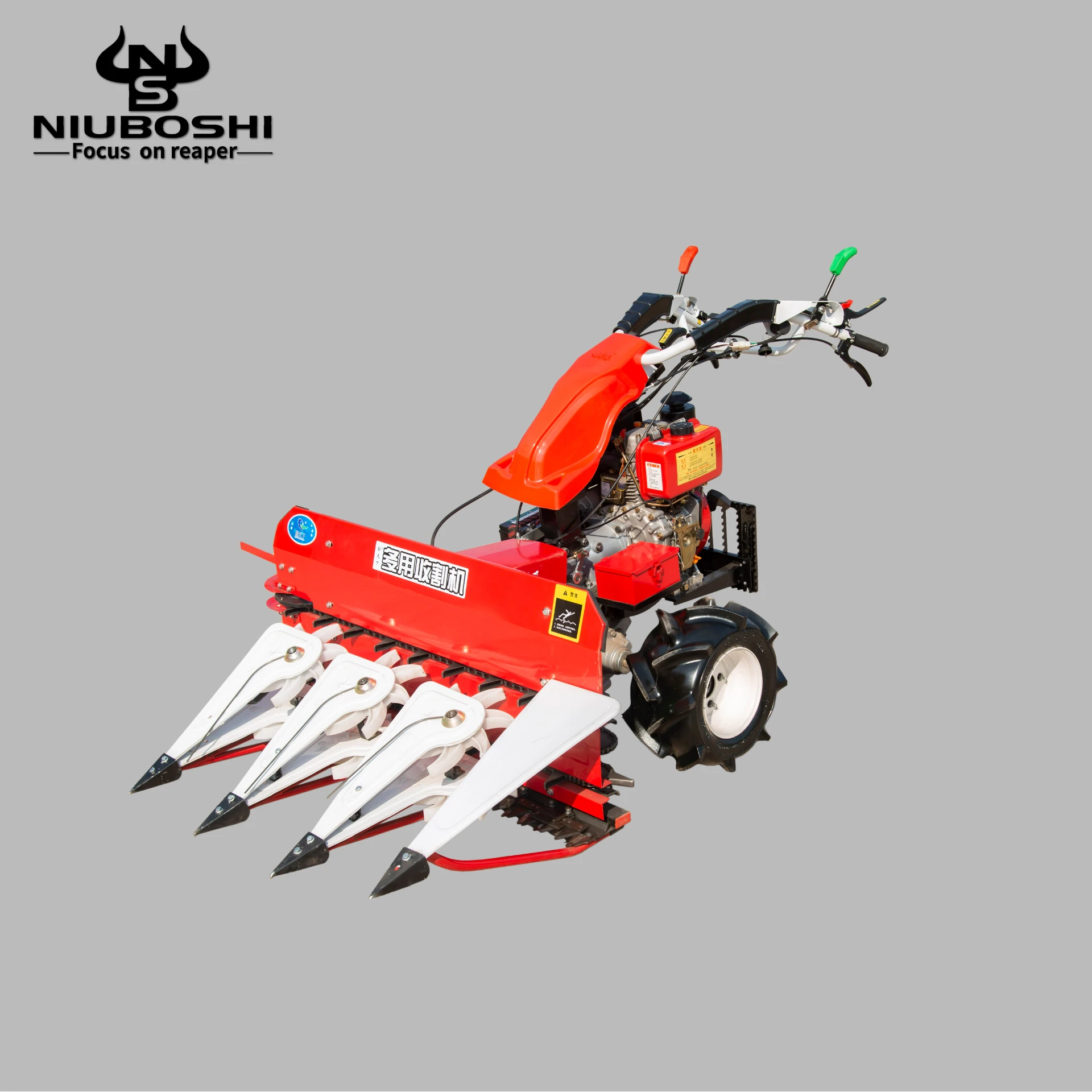
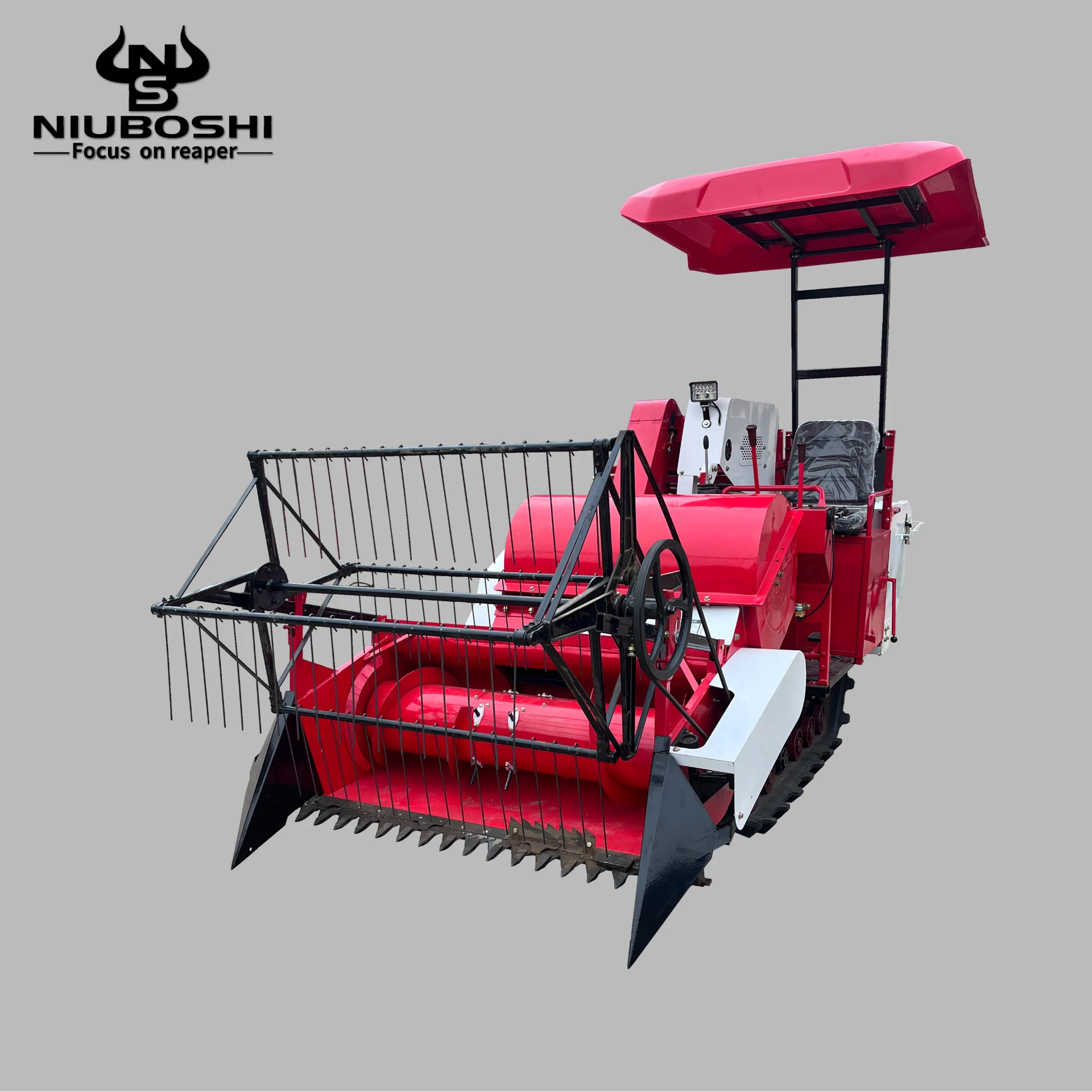
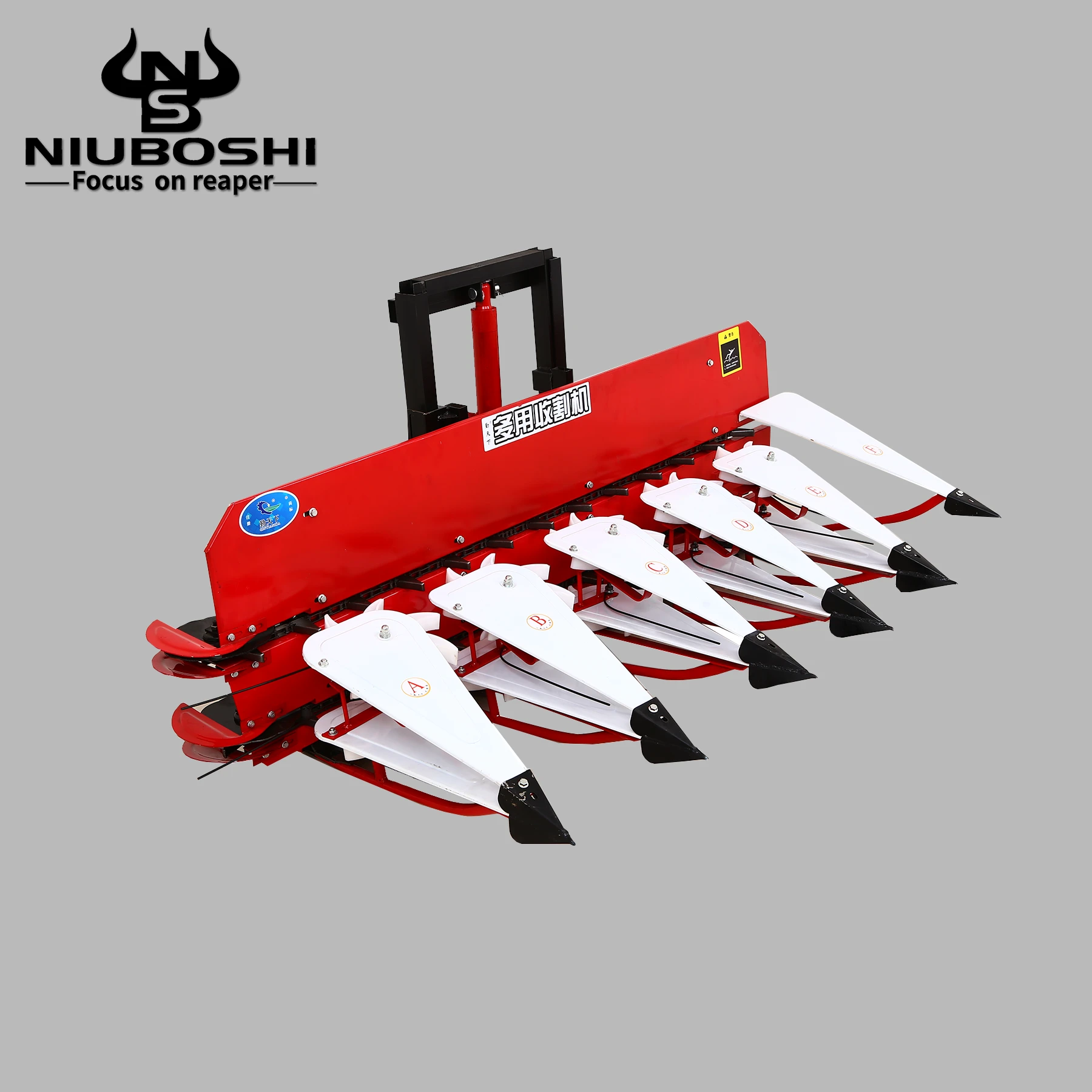
Put plainly, a mini rice cutter machine is a compact mechanical device engineered to cut rice stalks efficiently, replacing manual harvesting tools like sickles. Unlike large combines, it’s lighter, more affordable, and easier to maintain. Many models are designed for operation by just one person, making it incredibly adaptable.
Its connection to modern industry is subtle but crucial — bridging the gap between traditional farming methods and mechanized agriculture, especially in regions lacking infrastructure. On the humanitarian side, these machines can also enable faster food production post-disaster or in resource-poor areas.
Core Components of a Mini Rice Cutter Machine
1. Durability and Build Quality
Many engineers emphasize that while compact, a mini rice cutter must withstand humid, muddy environments. Materials like stainless steel blades and rust-resistant alloys are common to ensure long lifespan even in tough climates.
2. Portability and Ease of Use
Farmers often have to carry equipment over uneven terrain or navigate small paddies. Lightweight frames, ergonomic handles, and simple controls make a huge difference here.
3. Cutting Efficiency and Precision
Good models slice rice stalks close to the root without damaging grains, ensuring maximum yield. Adjustable cutting widths customize the operation per field conditions.
4. Power Source and Energy Consumption
Some machines rely on small gasoline engines, while others have electric battery options for zero emissions. This flexibility aligns with farmer preferences and sustainability goals.
5. Maintenance and Serviceability
The mini rice cutter’s simplicity means local technicians or farmers can perform basic servicing, reducing downtime and repair costs.
Mini takeaway: Even small devices carry big design challenges — balancing power, reliability, and accessibility goes beyond just “cutting rice.”
Global Applications & Use Cases of Mini Rice Cutter Machines
You’ll find mini rice cutter machines mostly in Asia, where rice is king. Thailand, Vietnam, and the Philippines showcase widespread smallholder adoption. But African countries like Nigeria and Tanzania are catching on fast, thanks to NGOs promoting agricultural mechanization.
In post-disaster relief operations, such as after floods in Bangladesh, these machines help restore food production quickly, preventing hunger cycles.
In remote industrial zones, where labor is scarce and rice farming remains vital, mini rice cutters help maintain steady harvests. This is crucial for local food security and prevents over-reliance on costly food imports.
Interestingly, some urban community farms experimenting with vertical or rooftop growing also use these compact cutters for quick rice harvesting, adapting rural tech for modern spaces.
Advantages & Long-Term Value of Mini Rice Cutter Machines
- Cost Efficiency: The initial investment is far below full-size combines, with low operational fuel and maintenance costs.
- Sustainability: By lowering labor input and improving harvest speed, food waste post-harvest diminishes.
- Social Impact: Farmers gain dignity and physical relief from back-breaking manual reaping.
- Reliability: Built to last seasons with basic care, making it a trustworthy partner across years.
Emotionally, farmers often express a “sense of pride” when transitioning from sickles to mechanized cutters — feeling they can better provide for families and markets.
Product Specification Table of a Typical Mini Rice Cutter Machine
| Feature | Specification |
|---|---|
| Engine Type | 2-stroke gasoline or electric motor (optional) |
| Cutting Width | 25–30 cm adjustable blade |
| Weight | Approx. 8–10 kg (depending on model) |
| Fuel Consumption | 0.5–0.8 L/hour (gasoline models) |
| Operation | Manual push/guide by operator, one-person operation |
| Maintenance | Blade sharpening, engine oils, periodic checks |
Vendor Comparison: Popular Mini Rice Cutter Machine Providers
| Brand | Price Range (USD) | Power Type | Weight | Warranty |
|---|---|---|---|---|
| AgroCut Mini | $350 - $420 | Gasoline | 9 kg | 12 months |
| GreenRice Pro | $480 - $530 | Electric Battery | 8.3 kg | 18 months |
| FarmEase Cutter | $300 - $380 | Gasoline | 10 kg | 12 months |
Emerging Trends and Innovations in Mini Rice Cutter Machines
In real terms, the field of mini rice cutter machines is evolving fast. Some manufacturers are experimenting with solar-powered electric models, meaning zero fuel costs and no direct carbon emissions. Lightweight composites—like carbon fiber reinforcements—are popping up to reduce operator fatigue.
Automation, too, is creeping in. Smart sensors that detect rice stalk density and adjust blade speed automatically are beginning to look not just like a sci-fi feature but a practical tool for uneven terrain. Plus, digital connectivity could mean remote diagnostics, which is a game changer for farmers in regions without reliable service centers.
On the policy side, governments and NGOs increasingly back mechanization subsidies aligned with climate-smart agriculture practices — promoting sustainable intensification.
Common Challenges and Practical Solutions
Of course, there are roadblocks. One big issue is affordability—while mini rice cutters are cheaper than full-size combines, initial costs can still be steep for many family farmers. Financing options or cooperative ownership models can ease this.
Another challenge involves blade maintenance in rural areas where replacement parts aren’t always readily available. Designing modular, standardized parts helps vendors and users alike.
Furthermore, training and knowledge gaps sometimes reduce effective use. This is where partnerships between manufacturers, NGOs, and agricultural extension services play a vital role.
Frequently Asked Questions About Mini Rice Cutter Machines
- Q1: How easy is it to operate a mini rice cutter machine for a first-time user?
- A1: Most mini rice cutter machines are designed for simplicity, with basic controls akin to lawn mowers. After a brief orientation—often just a few hours—users can operate them safely and efficiently.
- Q2: Can mini rice cutter machines handle wet or uneven paddies?
- A2: Yes. Many models have adjustable blades and good ground clearance, making them suitable for soft, flooded rice paddies, though operators should move carefully to avoid getting stuck.
- Q3: What kind of maintenance is required to keep the machine in top shape?
- A3: Regular blade sharpening, engine oil checks, and cleaning debris after each use typically suffice. Replacement parts usually last several seasons if well-maintained.
- Q4: Are electric mini rice cutters widely available, and how do they compare to gasoline ones?
- A4: Electric versions are becoming more popular due to environmental concerns, albeit at higher prices. They offer quieter operation and less pollution but require reliable access to batteries or charging facilities.
- Q5: How can smallholder farmers afford mini rice cutter machines?
- A5: Options include micro-financing, cooperatives, rental services, or NGO-supported subsidies. Pooling resources often makes access more feasible.
Wrapping Up: Why You Should Consider a Mini Rice Cutter Machine Today
Looking ahead, investing in a mini rice cutter machine isn’t just about buying a piece of equipment; it’s about embracing a tool that fosters productivity, sustainability, and local empowerment. It’s for farmers aiming to reduce strain, NGOs working toward food security, or rural communities seeking innovation that respects tradition.
Curious to explore models and suppliers that can suit your needs? Do check out our recommended resources starting with mini rice cutter machine specialists who combine quality and innovation.
— Thanks for reading. Sometimes the smallest machines carry the biggest hopes.
References
Latest news
-
Maximize Harvest Efficiency with the Agro Reaper Binder MachineNewsApr.16,2026
-
Boost Harvest Efficiency with the Best Agriculture Reaper MachineNewsApr.09,2026
-
Revolutionizing Agriculture with the Efficient Agriculture Power ReaperNewsApr.07,2026
-
Comprehensive Guide to the 4 Wheel Reaper Binder for Efficient HarvestingNewsApr.04,2026
-
Comprehensive Guide to Reaperbinder Technology for Efficient Hay and Crop HarvestingNewsMar.31,2026
-
Mastering the Art of Reaper Cutting for Enhanced Agricultural EfficiencyNewsMar.28,2026