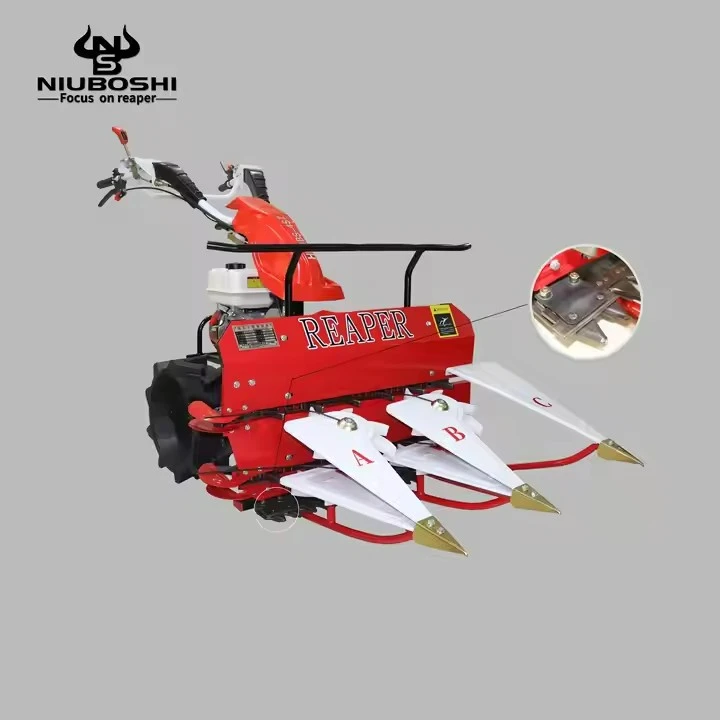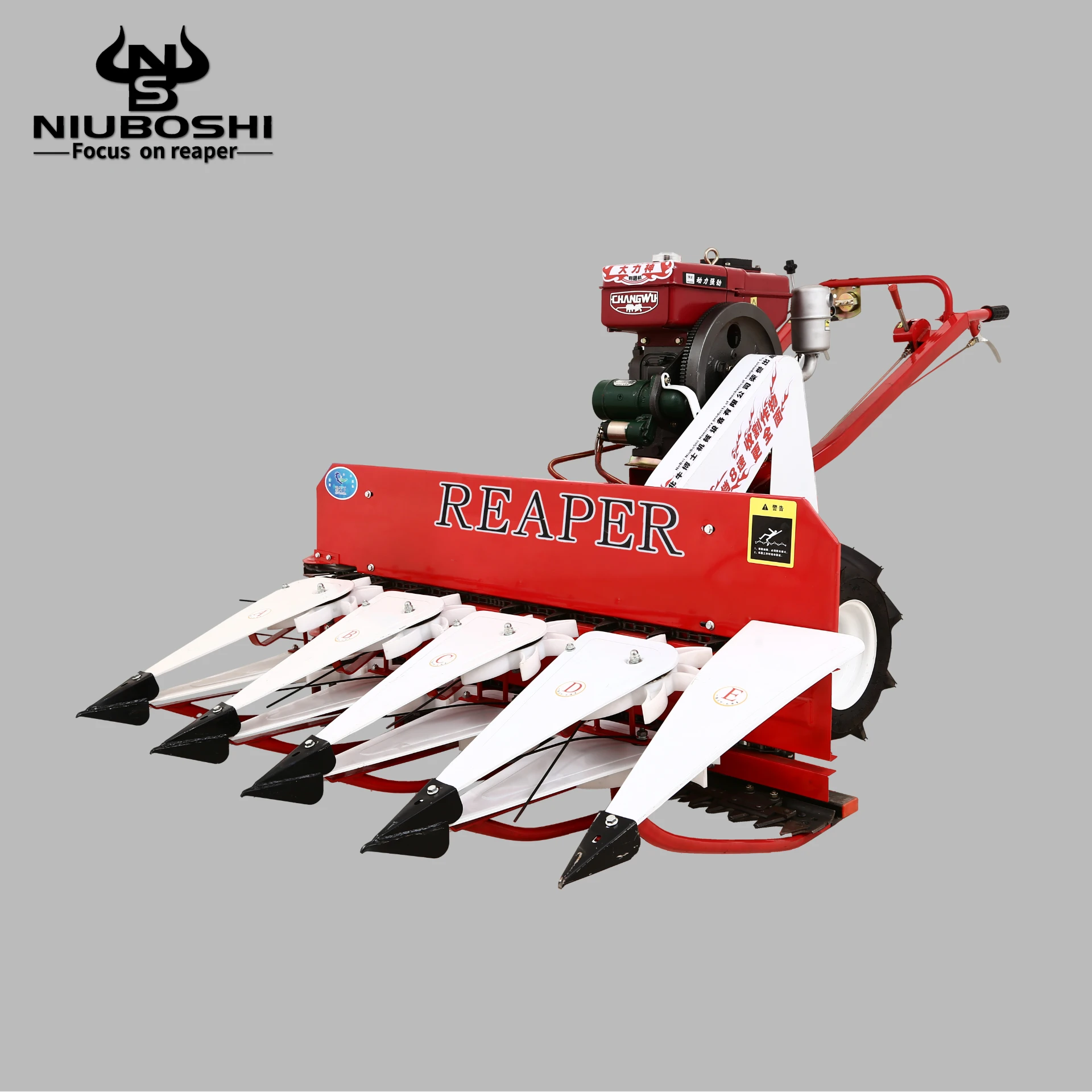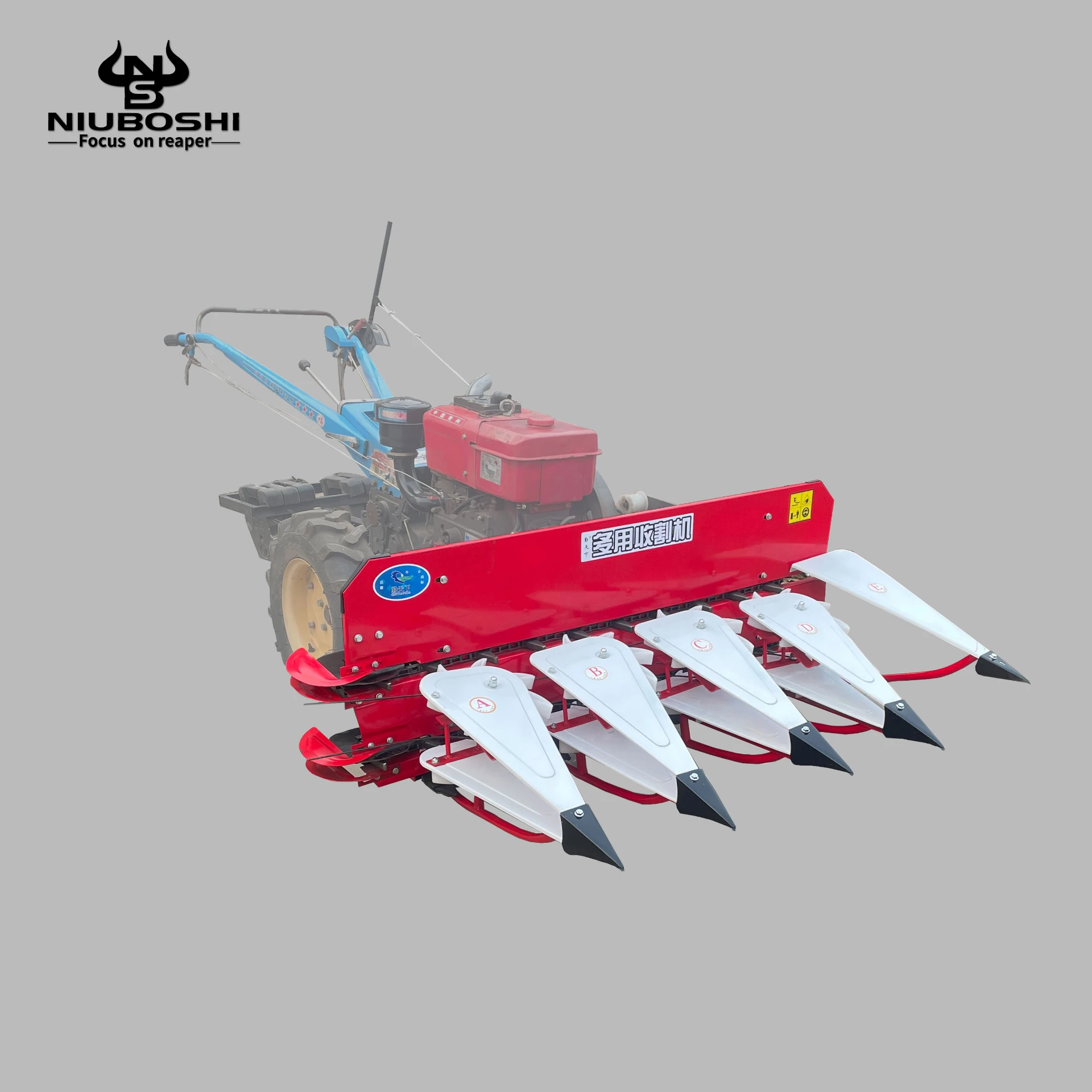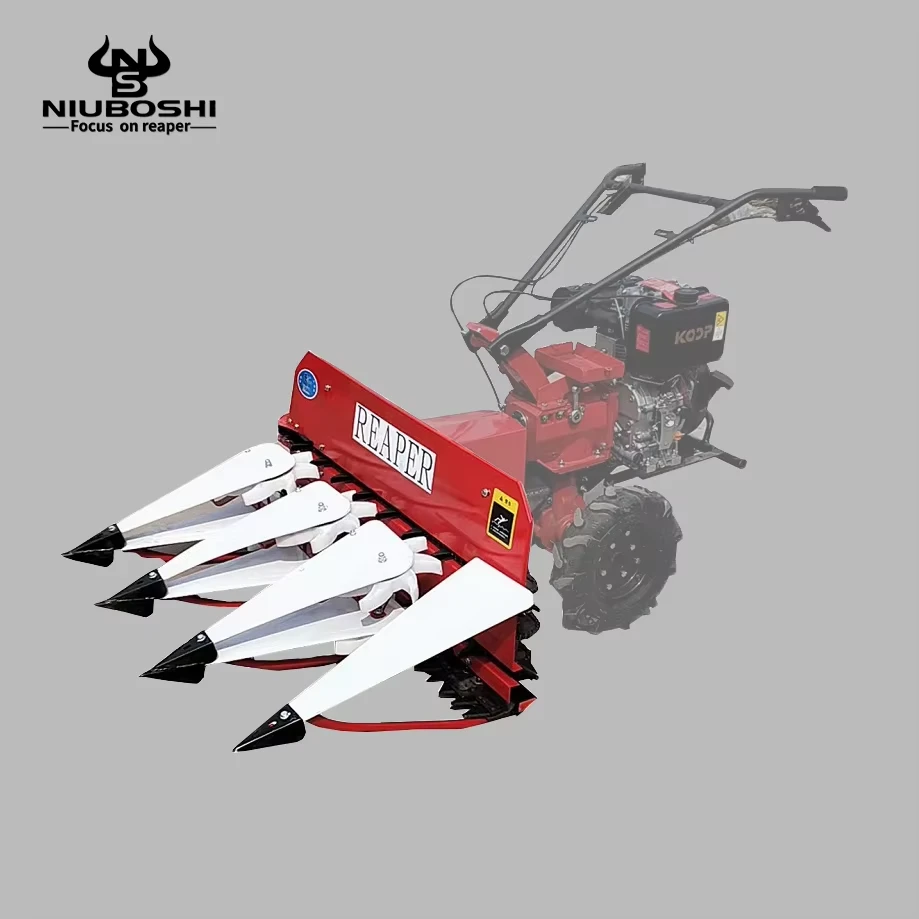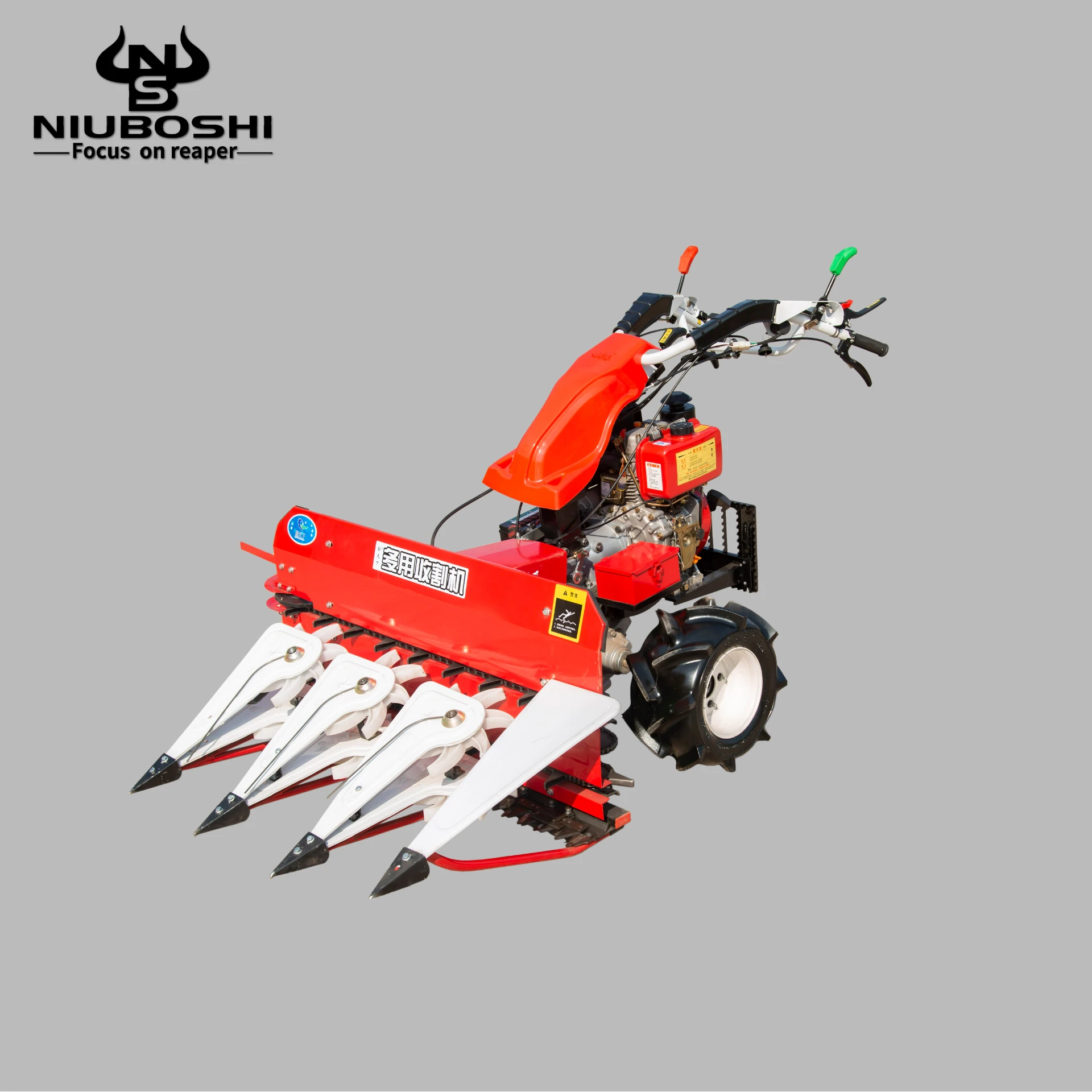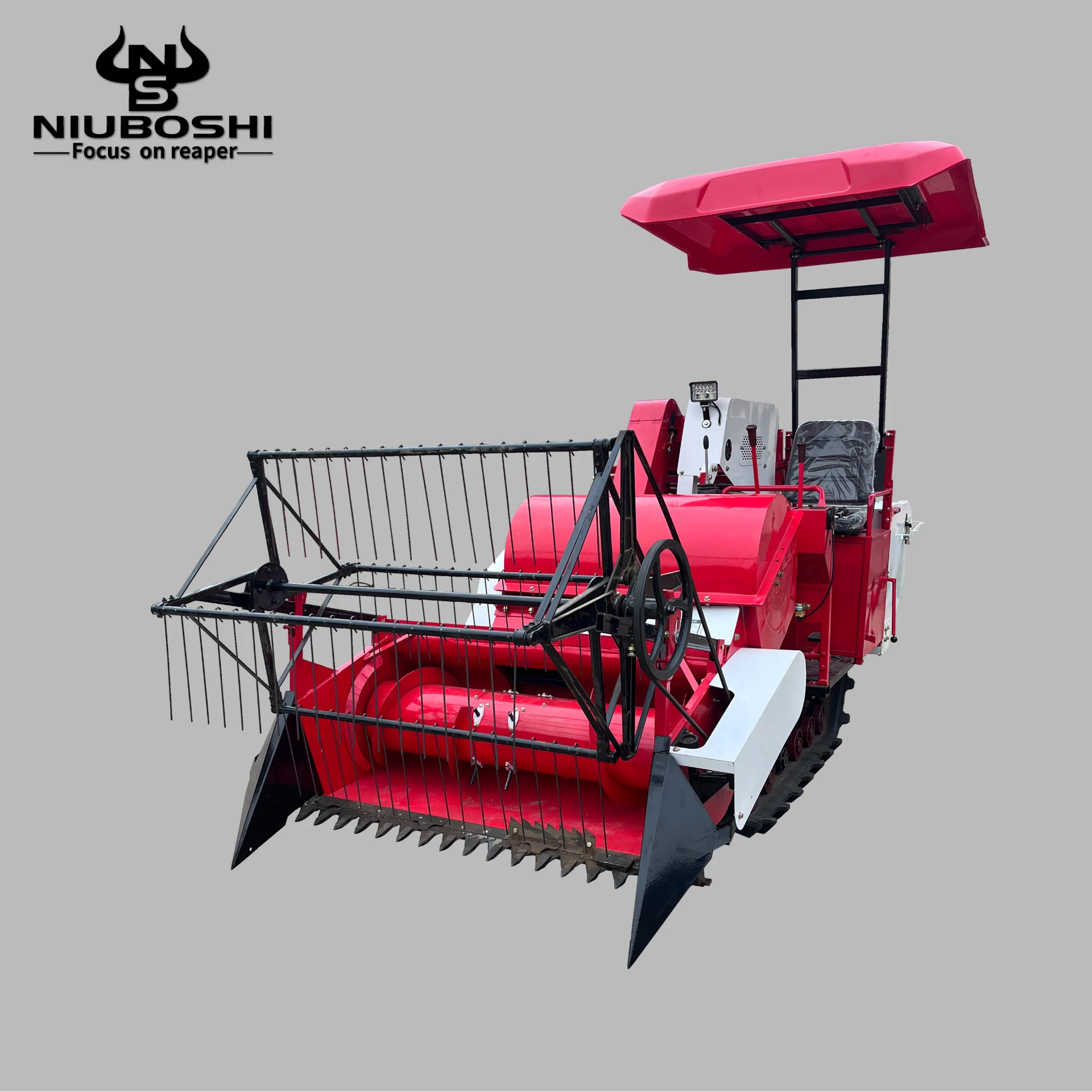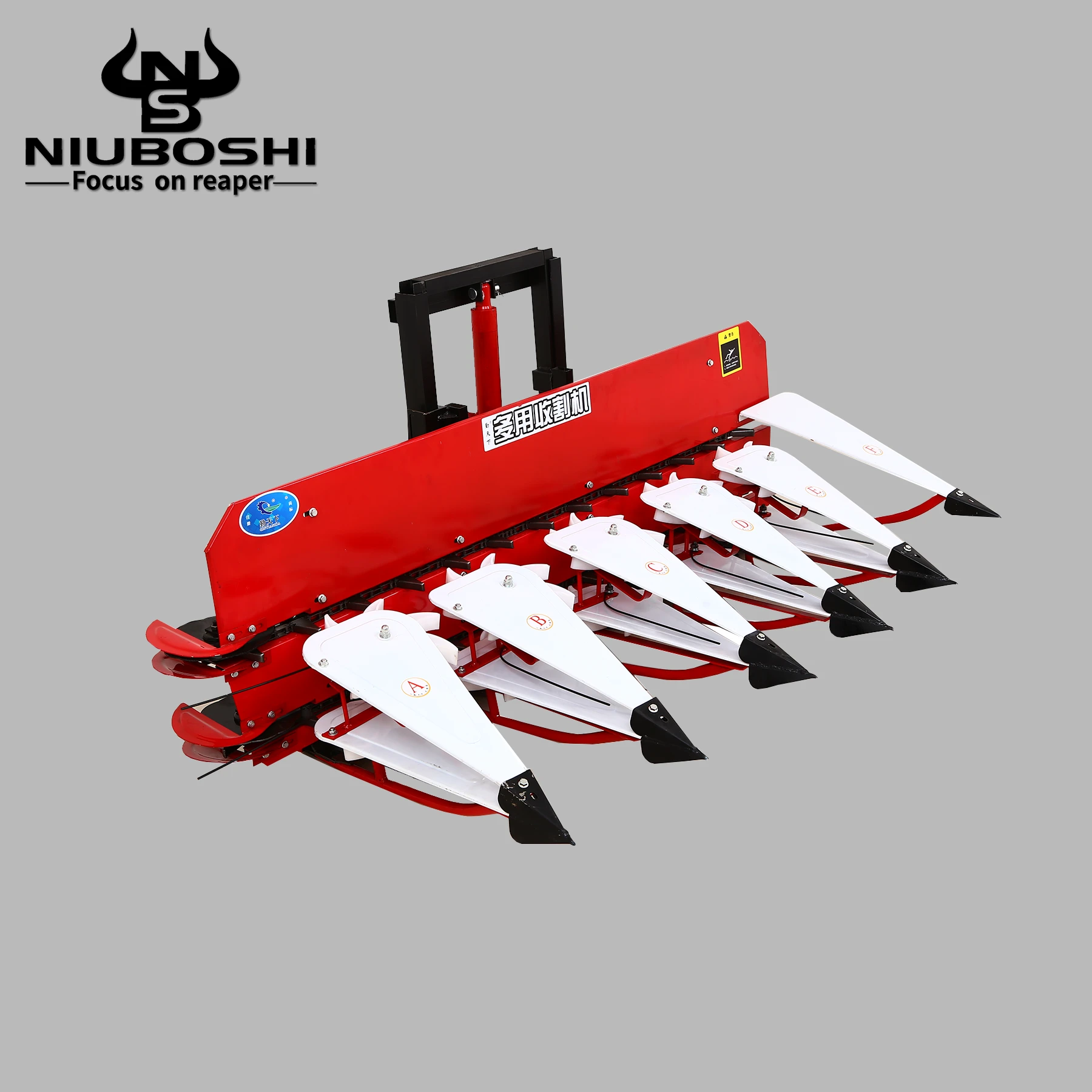
Small Scale Combine Harvester: Affordable Precision for Small Farms
Small Scale Combine Harvester: Precision in Compact Form
What exactly do we mean when we talk about a small scale combine harvester? In a nutshell, it’s a downsized, nimble version of the massive machines you see running through endless fields of wheat or rice. But this compact marvel packs enough punch to revolutionize farming at local levels — particularly for smallholder farmers and regions where big machines just don’t fit the bill.
Why does this matter globally? Roughly half the world’s food is produced by smallholder farms that often lack access to the latest agricultural tech. Providing affordable, efficient harvesting machines tailored to these farmers improves food security, cuts labor loads, and can even uplift entire rural economies. This article unpacks the essentials, current trends, and why this tech is worth watching.
Mini takeaway: Small scale combine harvesters offer a critical link between advanced mechanization and smallholder farming, helping close the technology gap in global agriculture.
Introduction: The Global Context of Small Scale Combine Harvesters
Agriculture remains the backbone for about 40% of the global population’s livelihoods, according to the Food and Agriculture Organization (FAO). Yet, more than 80% of farms worldwide are smaller than 2 hectares — too small or fragmented for standard large combines.
In many developing countries, challenges abound: labor shortages, high operating costs, and unsuitable terrain limit mechanization uptake. Enter the small scale combine harvester: designed to meet these specific conditions, it fills a crucial niche. Adaptability, affordability, and ease of maintenance are the holy trinity of features these machines boast.
Interestingly enough, policies from entities like the World Bank encourage mechanization as a pathway to rural development, making these compact machines all the more relevant.
Mini takeaway: Small combines respond to global agricultural challenges by supporting small farms’ mechanization where big harvesters falter, backed by growing policy and financial support.
Defining a Small Scale Combine Harvester
At its core, a small scale combine harvester is a self-propelled machine that combines three fundamental harvesting tasks: reaping, threshing, and winnowing—just like its larger cousins, but optimized for small plots and varying crop types such as rice, wheat, soybeans, and more.
Typically, these harvesters weigh less than 1,000 kilograms, feature smaller headers (cutting widths of 1–2 meters), and have engines between 10–30 horsepower. They can be operated by one person and often come with straightforward controls, making them accessible even for farmers without heavy machinery experience.
Modern small scale combines tie into broader humanitarian and development goals, providing affordable mechanization that reduces manual labor and post-harvest losses, which are a huge problem in many parts of Asia and Africa.
Mini takeaway: Small scale combine harvesters bring advanced harvesting functions into a compact, user-friendly package designed explicitly for smallholder farmers and challenging environments.
Key Factors to Consider in Small Scale Combine Harvesters
1. Durability and Terrain Adaptability
Unlike flat, vast fields in mechanized farms, small farm plots can be uneven, with narrow access and variable climate conditions. Small scale combines must be rugged yet agile, capable of coping with muddy soils, slopes, and tight field shapes.
2. Cost-Efficiency and Affordability
The purchase price often determines adoption. These machines typically cost between $3,000 to $10,000, far less than large combines that can cost hundreds of thousands. Lower operational costs and fuel-efficient engines also factor heavily in keeping farming profitable for smallholders.
3. Ease of Use and Maintenance
Operators might be farmers or hired hands with minimal machine training, so simplicity is vital. Maintenance should be doable with local tools. Spare parts availability nearby is a game changer, especially in rural zones.
4. Versatility and Crop Compatibility
While rice and wheat predominate, many smallholders grow mixed crops. Machines that can adjust header sizes and threshing settings to different crops maximize value and usability.
5. Environmental and Energy Considerations
Fuel type (diesel, petrol, or newer electric models) and emissions also come into play, especially with sustainability goals tightening globally.
Where and How Are Small Scale Combine Harvesters Used?
Across Asia — especially in India, Vietnam, and Thailand — these machines are commonplace in paddy fields where manual harvesting is labor-intensive. Africa sees rising adoption in nations like Nigeria and Kenya, where post-harvest losses can reach 30–40% without mechanization.
Small scale combines also find use in Latin America, such as in Peruvian quinoa farms or Brazilian smallholder wheat fields. In fact, NGOs and government agencies often supply such machines as part of rural development or post-disaster agricultural recovery programs.
For example, after floods or droughts, rapid crop turnaround is crucial. Small combines, due to their portability and simple maintenance, are exactly the right tool. Oddly enough, farmers I spoke to in Laos say they also appreciate their machines during the “lean season” when work is slow — it supplements income through services to neighbors.
Mini takeaway: From Asian paddy fields to African grain farms, small scale combine harvesters are the tried and true solution for boosting yields and reducing labor on fragmented, small plots around the world.
Advantages and Long-Term Value
- Cost Savings: More affordable upfront and operational costs than large combines, lowering barriers to entry.
- Improved Efficiency: Speeds up harvest, reducing reliance on labor and minimizing crop losses.
- Sustainability: Smaller fuel footprint and potential for adoption of greener energy options.
- Social Impact: Empowers small farmers, enhances food security, and creates local jobs.
- Practical Reliability: Simple design means fewer breakdowns and easier repairs, even with limited resources.
Frankly, for many smallholders, these machines can mean the difference between a decent harvest and losing half their crop to delays or theft. They build trust in farming as a viable livelihood and bring dignity to agricultural work.
Future Trends and Innovations in Small Scale Combine Harvesters
The future is nudging toward even more user-friendly and environmentally sound machines. Manufacturers are experimenting with electric-powered small combines, solar-assisted engines, and IoT-enabled sensors to monitor crop and machine performance in real time.
Digital transformation means farmers might soon control their harvesters via mobile apps or get instant maintenance alerts, reducing downtime. Plus, modular designs for easy customization to specific regional crops are becoming popular.
Policy-wise, subsidies and carbon credit programs under global climate frameworks encourage sustainable harvesting tools, so expect innovation targeting greener solutions.
Challenges and Practical Solutions
Despite many strengths, deploying small scale combine harvesters isn’t without hiccups:
- Access to Finance: Even at lower price points, some farmers need credit solutions to purchase.
- Training Gaps: Lack of operator know-how can lead to misuse or machine damage.
- Spare Parts and Service: Rural availability remains spotty in many regions.
Many vendors partner with local cooperatives or governments who provide micro-financing and training programs. NGOs also play a big role in capacity building. Plus, advances in machine design focusing on modular parts and ruggedness reduce breakdown risks.
FAQ: Frequently Asked Questions About Small Scale Combine Harvester
- Q: What crops can be harvested with a small scale combine harvester?
- A: These machines typically handle rice, wheat, barley, maize, and soybeans. Some models allow adjustable headers and threshing settings for multi-crop versatility.
- Q: How easy is it to maintain these harvesters in rural areas?
- A: Designed with simplicity in mind, the machines use common parts and tools. Most repairs are manageable locally, provided there’s minimal training and spare parts access.
- Q: Are small scale combines suitable for hilly or uneven terrains?
- A: Many models are built ruggedly for slopes and rough soils, but performance varies. Always pick machines with good ground clearance and traction systems for such conditions.
- Q: What is the typical cost range for a small scale combine harvester?
- A: Prices generally range between $3,000 to $10,000. Costs depend on engine size, capabilities, and vendor support services.
- Q: Can NGOs or governments import these machines easily?
- A: Most vendors provide export documents and after-sales services. Partnering with regional suppliers often simplifies logistics and ensures quicker support.
Vendor Comparison: Popular Small Scale Combine Harvesters
Conclusion: Why Small Scale Combine Harvesters Will Keep Growing
In essence, small scale combine harvesters hit a sweet spot—balancing affordability, effectiveness, and adaptability for the millions of farmers working small plots worldwide. The combination of lower costs, reduced labor demands, and advancing technology means these compact machines will only become more prominent in global agriculture.
If you’re curious to explore available models or want to dive deeper into how these machines can help your farm or organization, don’t hesitate to visit our website. Sometimes a small investment in the right tool translates to a big harvest surprise.
Mini takeaway: Small scale combine harvesters are more than machines; they’re stepping stones toward sustainable, inclusive agricultural growth worldwide.
References
Latest news
-
Maximize Harvest Efficiency with the Agro Reaper Binder MachineNewsApr.16,2026
-
Boost Harvest Efficiency with the Best Agriculture Reaper MachineNewsApr.09,2026
-
Revolutionizing Agriculture with the Efficient Agriculture Power ReaperNewsApr.07,2026
-
Comprehensive Guide to the 4 Wheel Reaper Binder for Efficient HarvestingNewsApr.04,2026
-
Comprehensive Guide to Reaperbinder Technology for Efficient Hay and Crop HarvestingNewsMar.31,2026
-
Mastering the Art of Reaper Cutting for Enhanced Agricultural EfficiencyNewsMar.28,2026