Small Corn Combine Harvester – Efficient Harvesting Solutions for Small Farms
Why the Small Corn Combine Harvester Is More Important Than You Might Think
If you’ve ever looked at a cornfield during harvest season, you might catch a glimpse of a small, agile machine quietly doing the work that once demanded a small army of hands. The small corn combine harvester is more than just a piece of equipment; it’s a symbol of efficiency, sustainability, and adaptation in global agriculture. For farmers, especially those with medium to small plots, it’s a game-changer — boosting productivity, cutting labor costs, and helping feed a growing world population.
Understanding its role globally paints a picture of agricultural innovation at work, particularly in regions where large machinery doesn’t quite fit the agricultural landscape — literally and economically. Plus, the benefits of mastering its technology ripple outward: saving greenhouse gas emissions, improving soil health, and sustaining livelihoods.
Global Context: Small Corn Combine Harvester's Role in Feeding the World
According to the United Nations’ Food and Agriculture Organization (FAO), the global demand for cereals like corn is expected to rise by 1.15% annually over the next decade. Corn isn’t just a staple — it’s a foundation for food security, livestock feed, and industrial products worldwide. But farmers face tight windows to harvest with unpredictable climate patterns, labor shortages, and rising costs.
This is where the small corn combine harvester steps in. Unlike gargantuan combines designed for monoculture mega-farms, these smaller machines allow small corn combine harvester operators to move quickly, efficiently, and with less soil compaction. They are a vital tool in regions like Southeast Asia, parts of Africa, and Latin America — areas often underserved by traditional mechanized agriculture.
In other words, this little machine tackles a big problem: bridging the gap between industrial-scale efficiency and the realities of small farmland ownership.
What Exactly Is a Small Corn Combine Harvester?
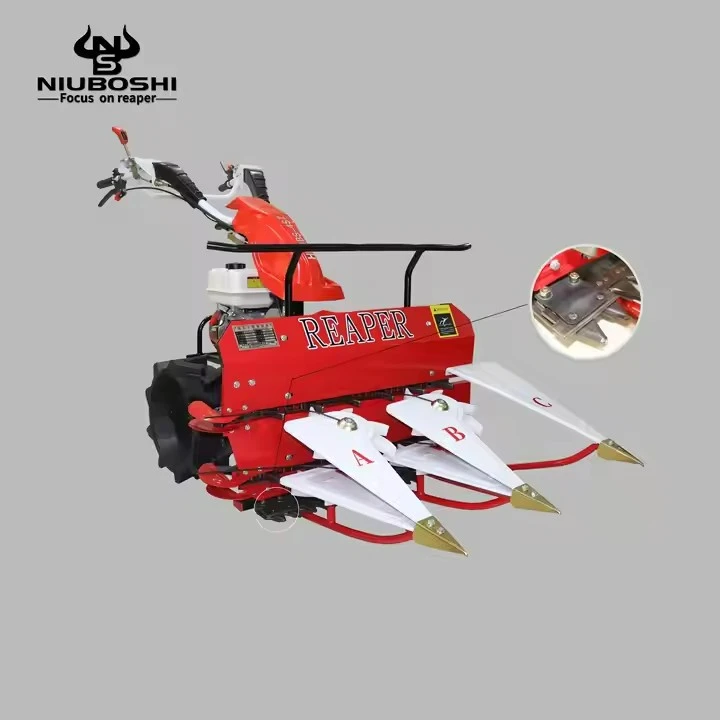
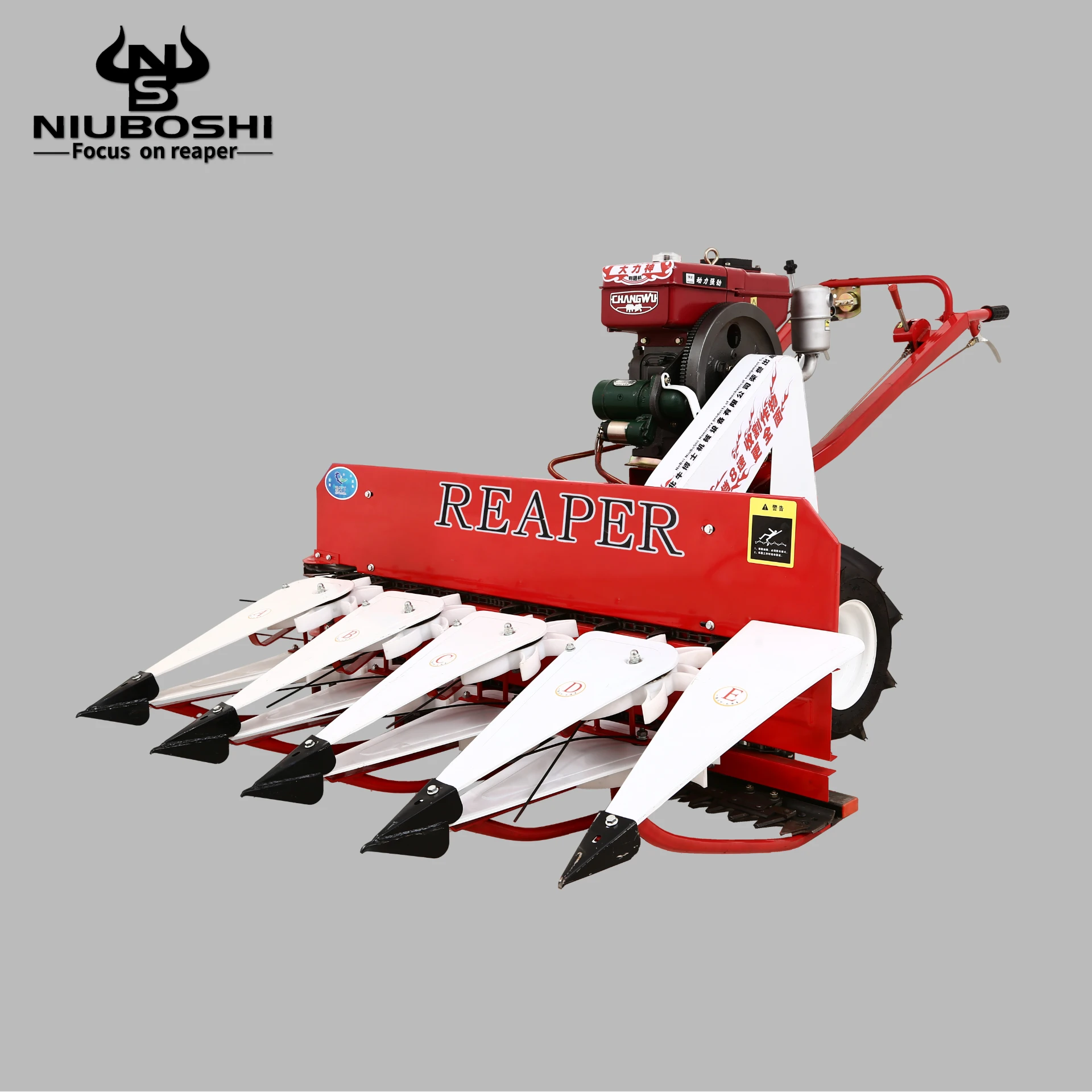
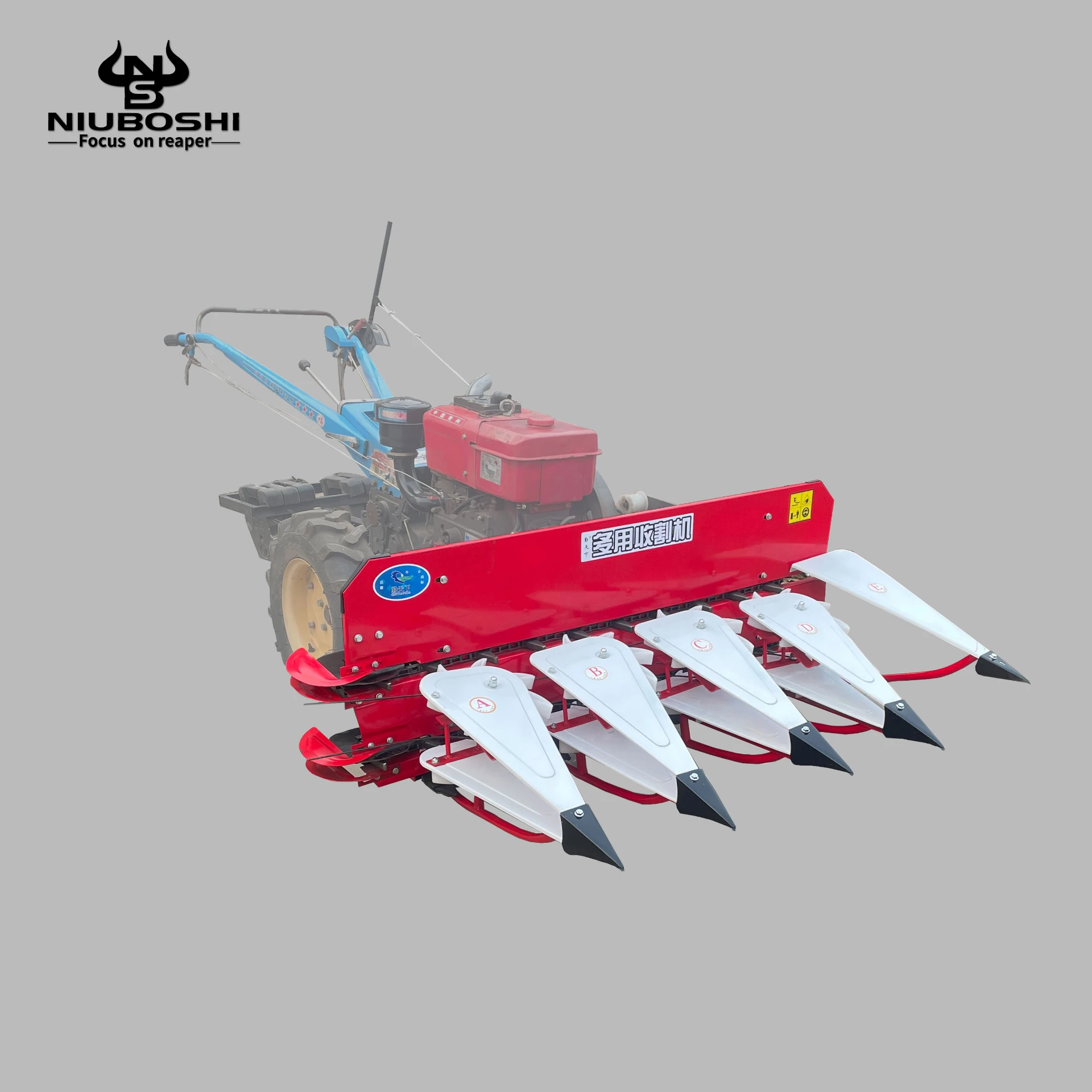
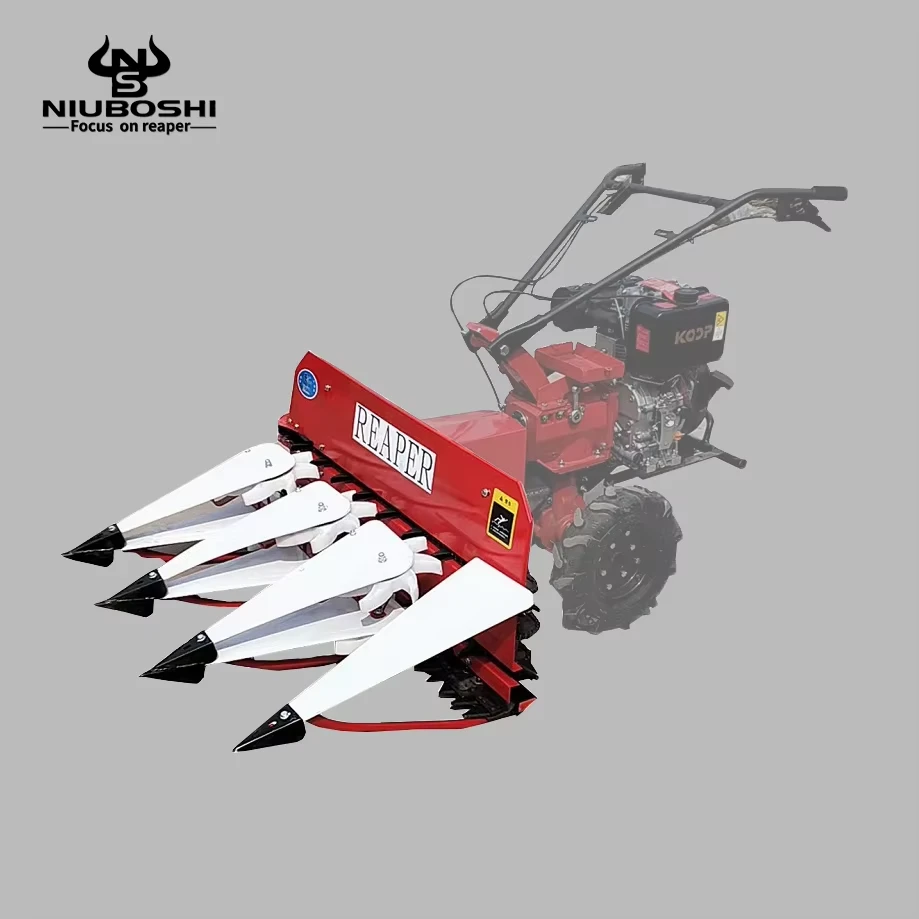
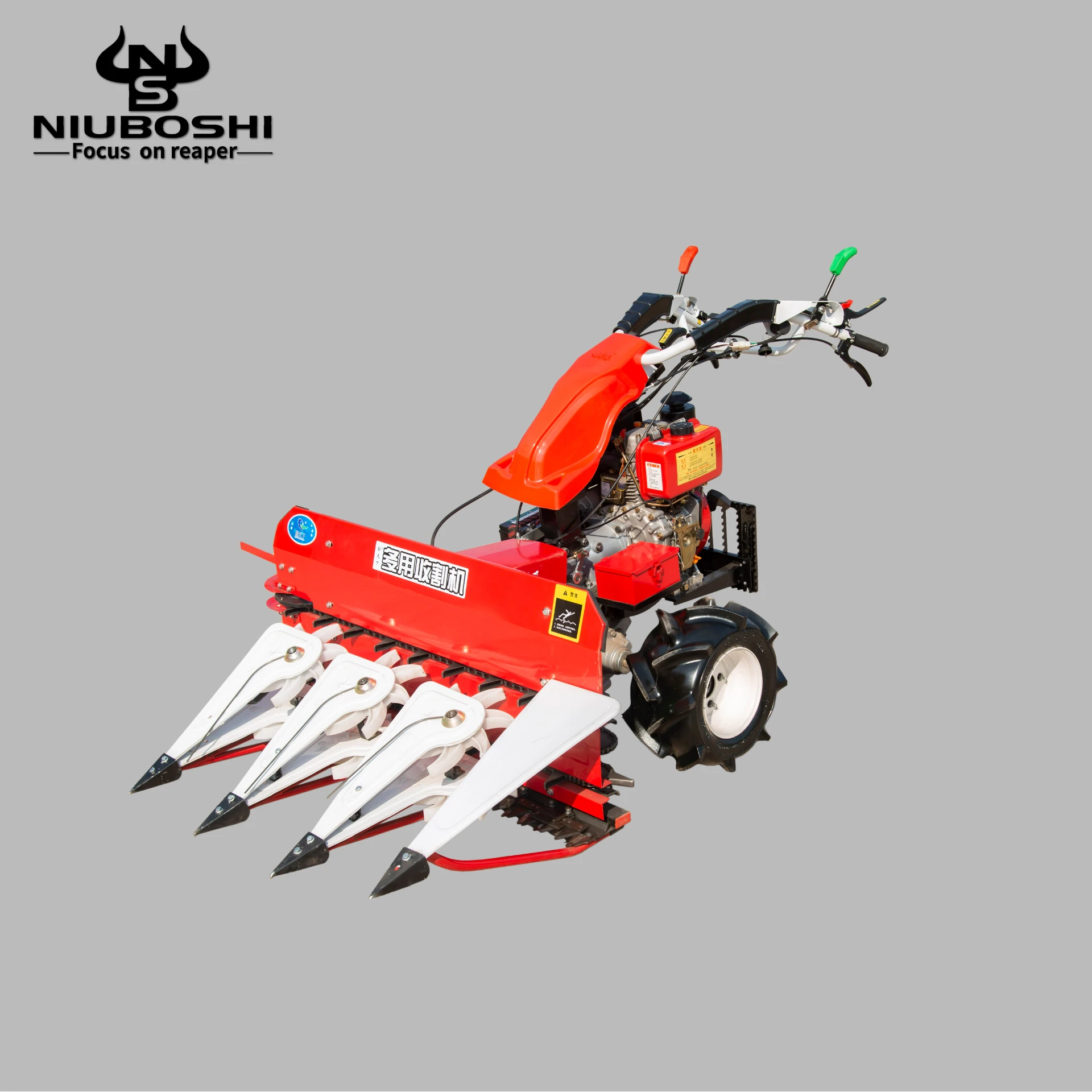
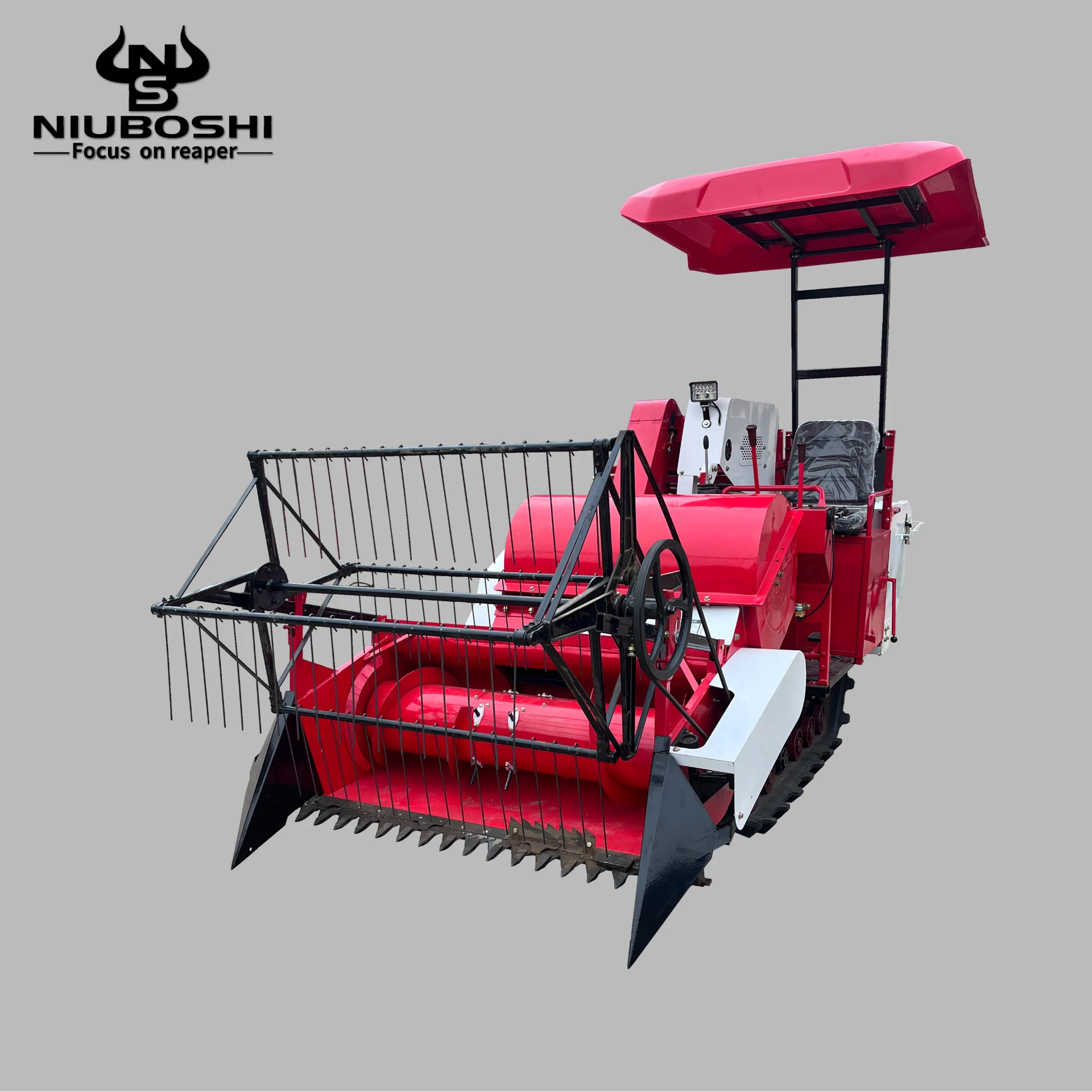
To put it simply, a small corn combine harvester is a compact agricultural machine designed to cut, thresh, and clean corn crops, all in one pass. It combines three major harvesting steps into one smooth process, hence the name “combine.” The “small” refers to its size, engine power typically ranging from 30 to 60 horsepower, and its suitability for farms smaller than 20 hectares.
These units are often either self-propelled or tractor-mounted and can maneuver in tighter field conditions. Modern versions may include GPS tracking, yield-monitoring sensors, or even semi-autonomous features — tailor-made for farmers who want tech without the giant price tag or the super-sized footprint.
Key Components That Make Small Corn Combine Harvesters Tick
1. Durability and Build Quality
Farm machinery lives a tough life. Dust, dirt, occasional bumps, and high hours under the sun can wear down equipment fast. Many manufacturers now use reinforced steel frames along with rust-resistant coatings to ensure that a small corn combine can make it through multiple seasons with minimal downtime.
2. Scalability and Versatility
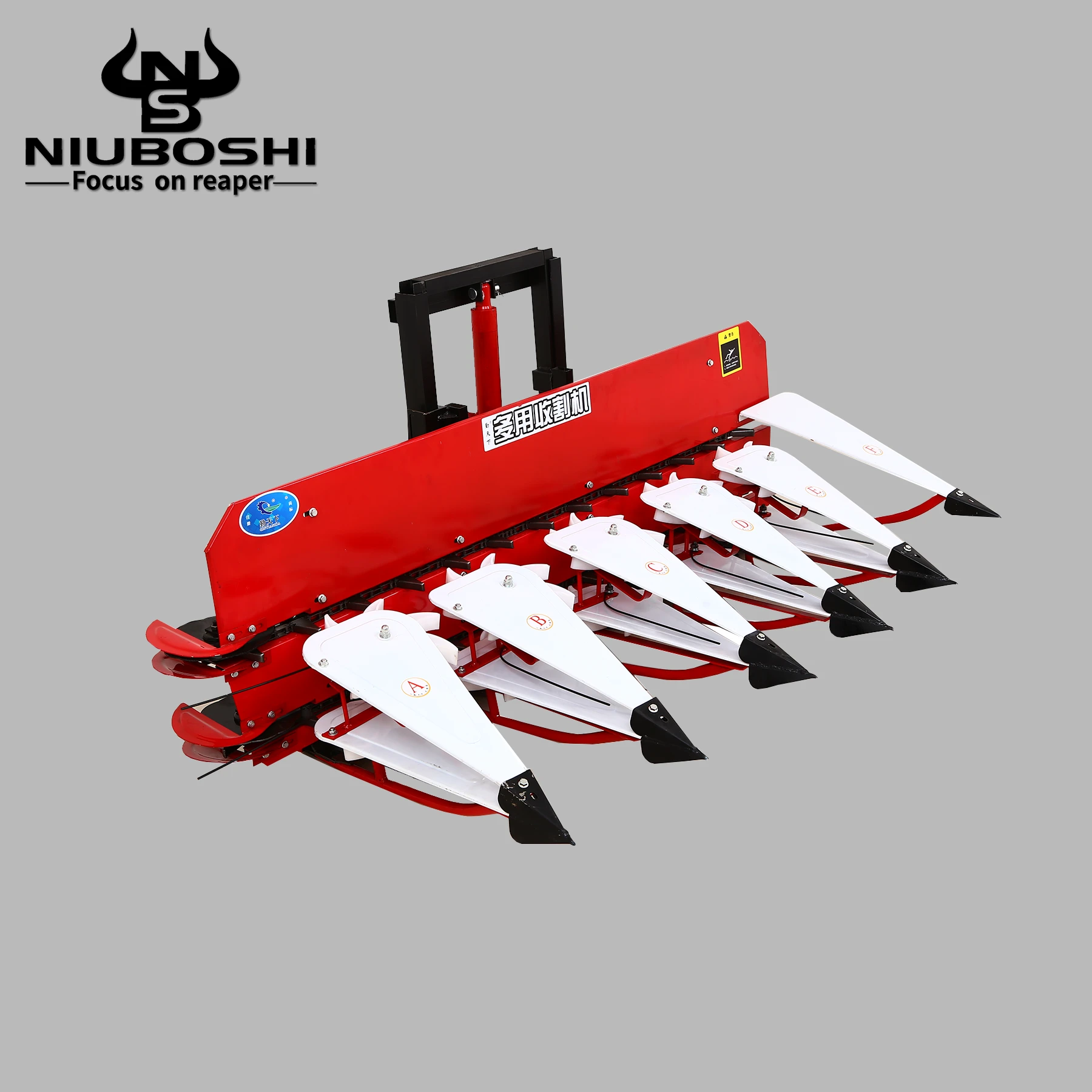
One feature that stands out is the adaptability of these machines. Some designs feature adjustable headers and flexible threshing mechanisms, letting one machine work across various corn varieties or even other crops with minor adjustments. This scalability means farmers can maximize their investment year-round.
3. Cost Efficiency
Labor shortages and operating costs remain a pain point in agriculture. Small corn combine harvesters help trim these expenses by reducing manual labor and improving fuel consumption thanks to compact, fuel-efficient engines. For many farmers, it’s the difference between breaking even and generating actual profit.
4. User-Friendly Operation
Thanks to streamlined controls and sometimes even smartphone-compatible interfaces, the learning curve for these harvesters has flattened considerably in recent years. User empowerment leads to safer, faster operation — which is no small thing when you’re racing against the harvest clock.
5. Environmental Considerations
Modern small corn combine harvesters often incorporate eco-friendly features, like lower emissions engines compliant with Tier 4 standards or options for integrating biofuels. These innovations help reduce the carbon footprint of harvesting, contributing (albeit modestly) to sustainable farming goals.
Mini Takeaway:
Durability, adaptability, and efficiency form the backbone of the small corn combine harvester’s design, striking a balance between rugged dependability and modern convenience.
Real-World Applications Across the Globe
In Eastern Europe, compact harvesters help farmers tackle fragmented land plots left over from historic land reforms. In China, where agricultural modernization drives policy, small corn combine harvesters accelerate mechanization in rural regions without pushing out smallholders.
Oddly enough, these machines have turned up in relief operations too. Following floods in parts of India, small harvesters helped displaced farmers quickly reclaim their fields, simultaneously reducing dependence on ephemeral labor pools strained by disaster recovery. NGOs working with local co-ops laud these machines for their affordability and ease of repair.
In the Americas, especially Brazil and Mexico, small corn combine harvesters fit into farm cooperatives that supply both local markets and export channels. Here, the ability to reap timely and efficiently directly influences grain quality and revenue, bridging a crucial gap between subsistence and commercial farming.
Advantages and Why They Matter Long-Term
- Cost Savings: Reduces the need for large teams of seasonal workers.
- Productivity: Harvest speeds jump, meaning crops are less exposed to weather damage.
- Sustainability: Lower fuel usage and soil compaction.
- Social Impact: Empowers smallholder farmers and stabilizes rural economies.
Emotionally, owning such a machine often represents hope and progress for family farms — the kind of dignity that fuels innovation at the grassroots. It’s not just machinery; it’s an enabler of dreams that, frankly, many of us overlook when we just see “tractor.”
Looking Ahead: Trends Shaping Small Corn Combine Harvesters
The future here is fascinating. We’re seeing slow but steady integration of GPS for precision harvesting, hydraulic systems improving responsiveness, and experimental use of electric or hybrid drives to tackle emissions. Manufacturers also explore IoT connectivity, allowing farmers to monitor machine health remotely — which could cut costly downtime.
Policy-wise, subsidies and training programs (especially in developing countries) aim to increase adoption of tailor-made harvesters, enhancing food security and export competitiveness. Sustainability certifications may soon become a norm, pressuring manufacturers to innovate greener options.
Challenges and How the Industry Is Tackling Them
Common challenges include maintenance in remote areas, affordability for very small farms, and limited spare parts availability. However, companies are responding with modular designs that ease repairs and offering financing/lease options. Local training programs and mobile service units reduce downtime and increase farmer confidence.
In some regions, rough terrain and fragmented plots strain mechanical limits. That’s pushing engineering toward lighter, more nimble models with adjustable headers and tread designs optimized for soft soils. It’s encouraging to watch innovation tailored to such specific conditions.
Frequently Asked Questions About Small Corn Combine Harvester
- How does a small corn combine harvester differ from larger models?
- Small harvesters are more compact, use less fuel, and are designed to work efficiently on smaller or uneven plots. They sacrifice raw speed for maneuverability and cost-effectiveness, making them ideal for small to medium farms.
- Will purchasing a small corn combine harvester increase my farm’s profitability?
- Generally, yes. By reducing labor costs and speeding up harvest time, these machines help reduce crop losses and improve overall efficiency, which commonly translates to better profits.
- Are these machines difficult to operate for farmers new to mechanization?
- Most modern small corn combine harvesters prioritize user-friendly interfaces and come with training. Many models also include safety features and intuitive controls that ease the transition from manual to mechanized harvesting.
- Can small corn combine harvesters be used for crops other than corn?
- Many models offer adjustable settings or interchangeable headers allowing harvest of other grains or crops, like sorghum or wheat, making them versatile investments.
- How do I maintain and service a small corn combine harvester in remote areas?
- Manufacturers typically provide manuals, spare parts kits, and sometimes mobile technicians. Additionally, modular designs help farmers manage basic repairs themselves.
Small Corn Combine Harvester Product Specification
| Specification | Description |
|---|---|
| Engine Power | 40 - 55 HP Diesel Engine |
| Harvesting Width | 1.2 - 1.8 meters Adjustable Header |
| Threshing Drum Diameter | 450 - 600 mm |
| Fuel Tank Capacity | 60 liters |
| Weight | 1,200 - 1,600 kg |
| Field Efficiency | 0.6 - 1.2 hectares/hour |
Vendor Comparison Snapshot
| Vendor | Engine Power (HP) | Price (USD) | Eco-Friendly Features | After-Sales Support |
|---|---|---|---|---|
| AgriTech Solutions | 45 | 13,500 | Tier 4 Engine | Mobile technicians within 200km |
| GreenHarvest Co. | 50 | 15,000 | Biofuel Compatibility | Extensive dealer network |
| FieldSmart Equip | 40 | 12,200 | Electric-Hybrid Option | Online support and tutorials |
Wrapping Up: Why Consider the Small Corn Combine Harvester?
In an agriculture landscape peppered with challenges — from climate unpredictability to labor scarcity — the small corn combine harvester emerges as a humble but highly effective solution. It blends modern tech with the practical needs of a diverse farming world, proving that sometimes, smaller really is better.
If you’re curious to explore options, innovations, or purchase information, don’t hesitate to visit our website where we showcase the latest in efficient, affordable small-scale harvesting technology.
Final Thought
It might seem odd to get excited about a machine’s specs or horsepower, but if you think about what lies beneath — the families fed, economies supported, and environmental footprints lightened — the small corn combine harvester feels a little like an unsung hero of modern agriculture.
References
Latest news
-
Maximize Harvest Efficiency with the Agro Reaper Binder MachineNewsApr.16,2026
-
Boost Harvest Efficiency with the Best Agriculture Reaper MachineNewsApr.09,2026
-
Revolutionizing Agriculture with the Efficient Agriculture Power ReaperNewsApr.07,2026
-
Comprehensive Guide to the 4 Wheel Reaper Binder for Efficient HarvestingNewsApr.04,2026
-
Comprehensive Guide to Reaperbinder Technology for Efficient Hay and Crop HarvestingNewsMar.31,2026
-
Mastering the Art of Reaper Cutting for Enhanced Agricultural EfficiencyNewsMar.28,2026