Mini Harvester Tractor: Compact Farm Machinery Boosting Global Agriculture
Understanding the Mini Harvester Tractor: Small Machine, Big Impact
When you hear “mini harvester tractor,” you might imagine a tiny tractor running around a backyard garden. But, in reality, this compact powerhouse is quietly transforming agriculture and land management worldwide. As mechanization becomes crucial to feeding the planet efficiently, these versatile machines matter a lot more than their size suggests. From improving crop yields in remote regions to aiding smallholder farmers, understanding mini harvester tractors unlocks insights into a global challenge: how to farm smarter, not just bigger.
Why Mini Harvester Tractors Matter Globally
Around 60% of the world’s population relies on agriculture for their livelihood (World Bank, 2023). But many farmers operate on small plots—too limited to justify large, expensive machinery. The mini harvester tractor fills this gap neatly. According to the Food and Agriculture Organization (FAO), mechanization at a smaller scale can increase productivity by up to 30% in developing regions, helping millions move past manual labor. They also help address challenges like labor shortages and climate stress, especially in Asia, Africa, and parts of Latin America.
Yet, the problem isn't just economics. Smaller machines typically use less fuel and can maneuver in tricky terrains where bigger models stumble—mountainsides, flooded paddies, or densely planted fields. This adaptability can reduce soil erosion and environmental damage, making mini harvesters subtle champions of sustainability.
Mini takeaway: Mini harvester tractors are not just tools; they play an essential role in making farming accessible, efficient, and environmentally wise globally.
Defining the Mini Harvester Tractor
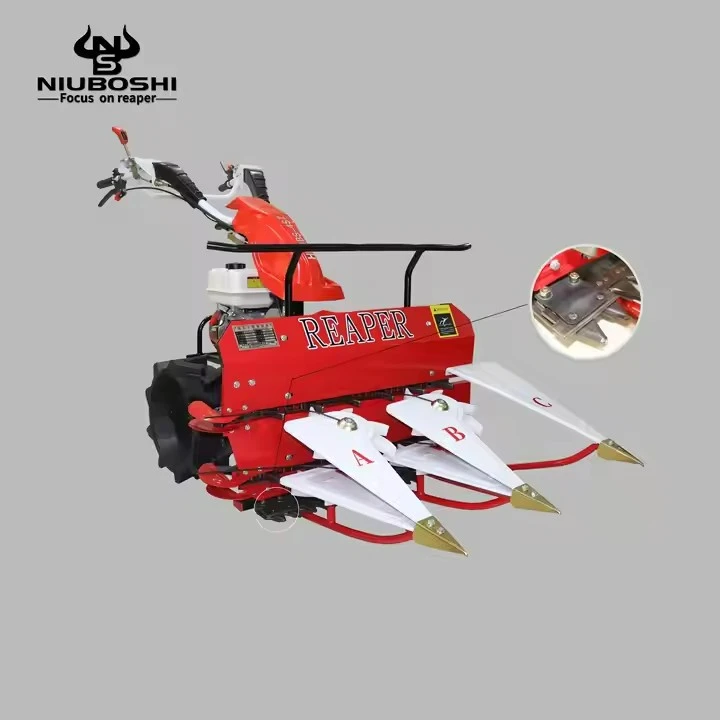
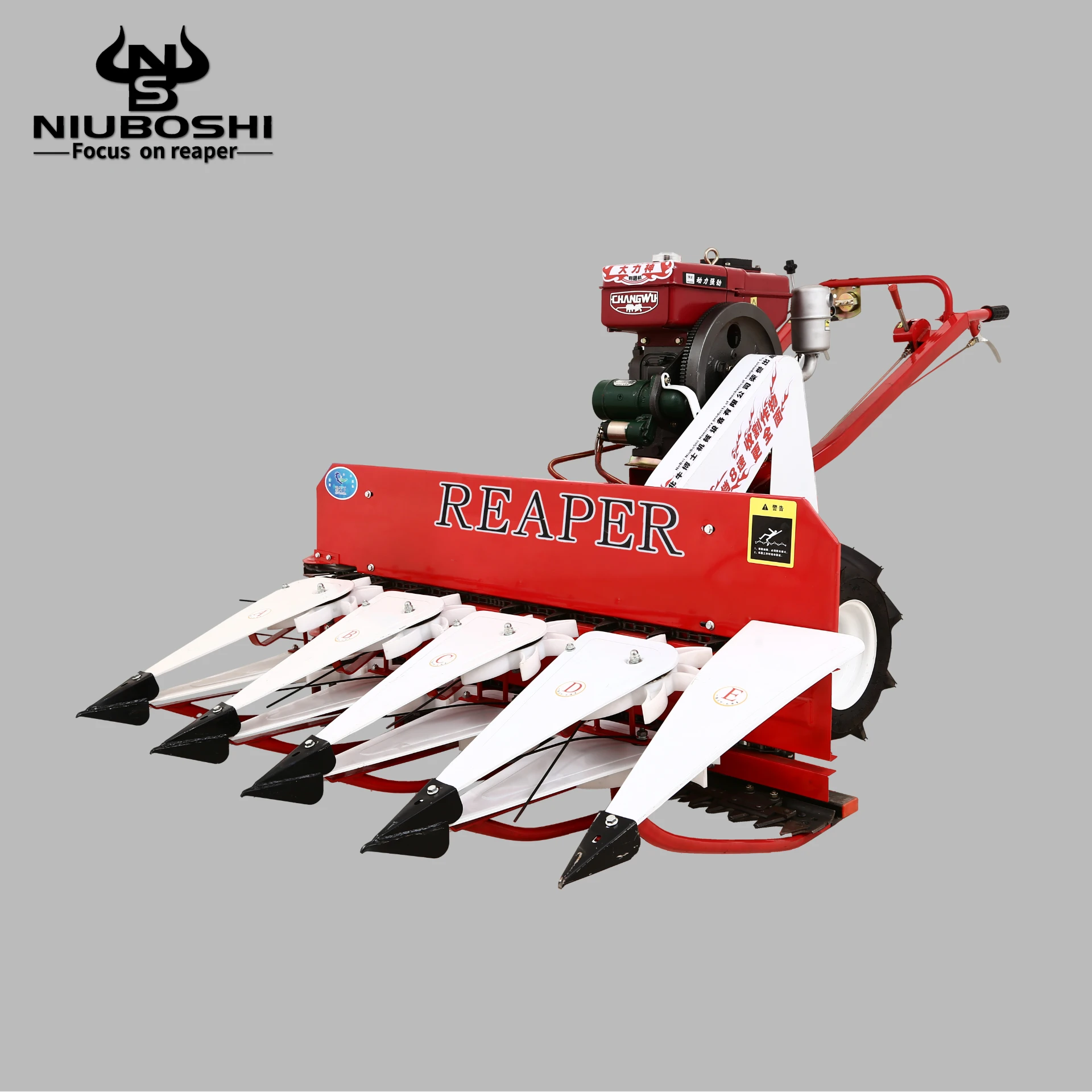
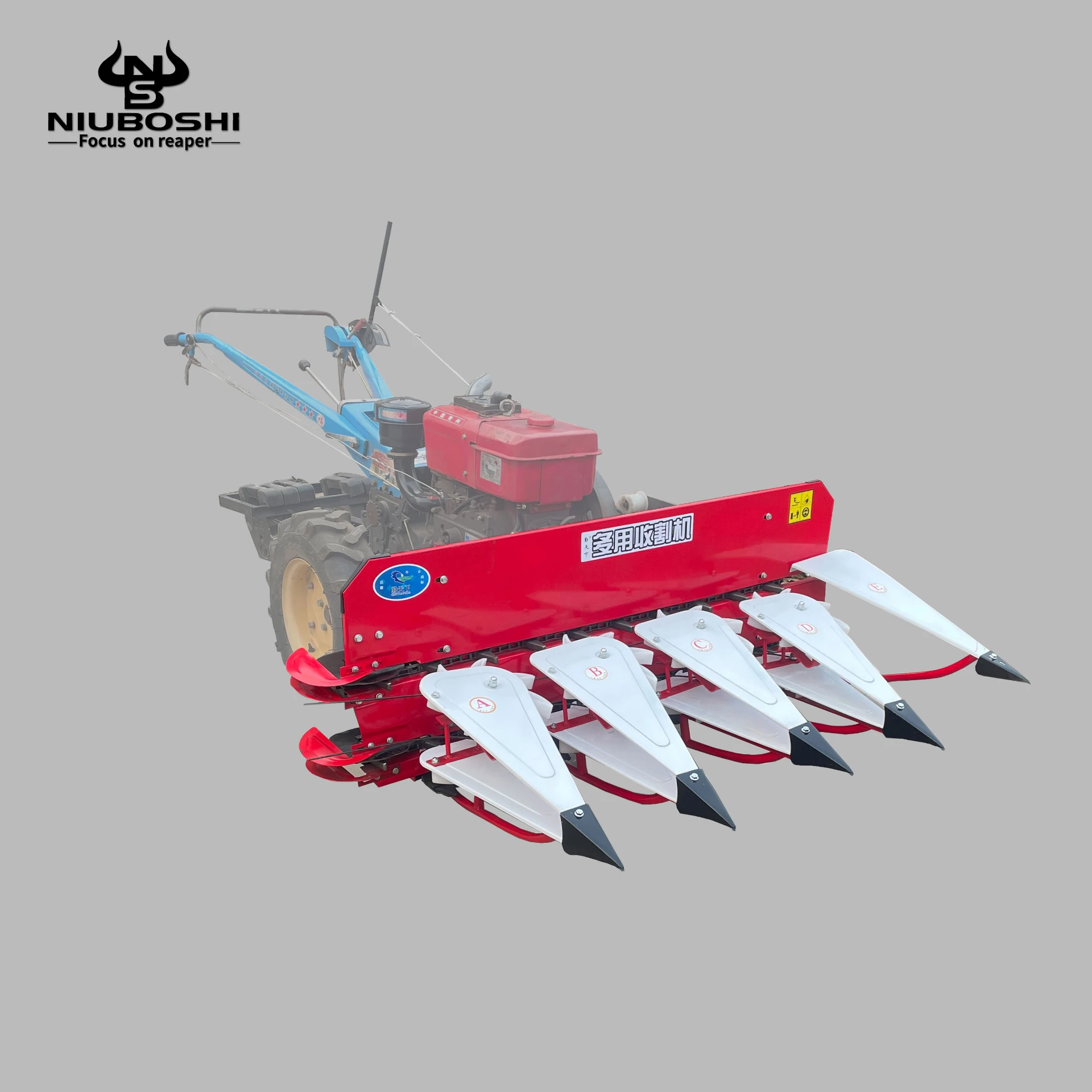
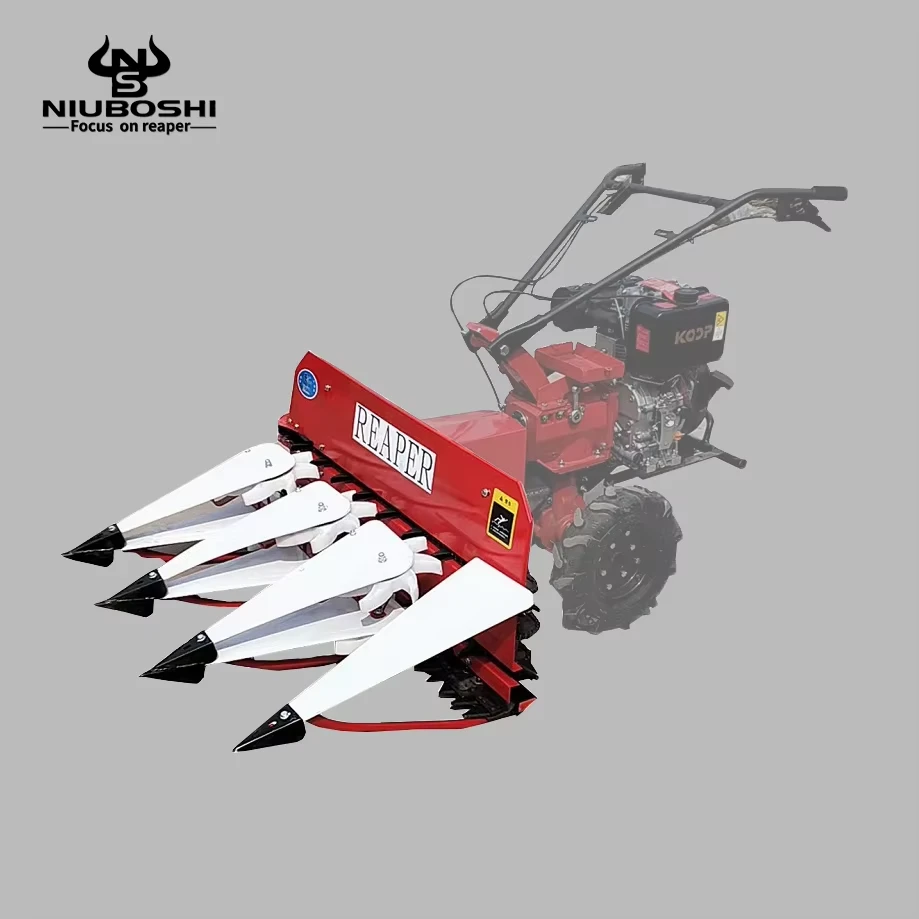
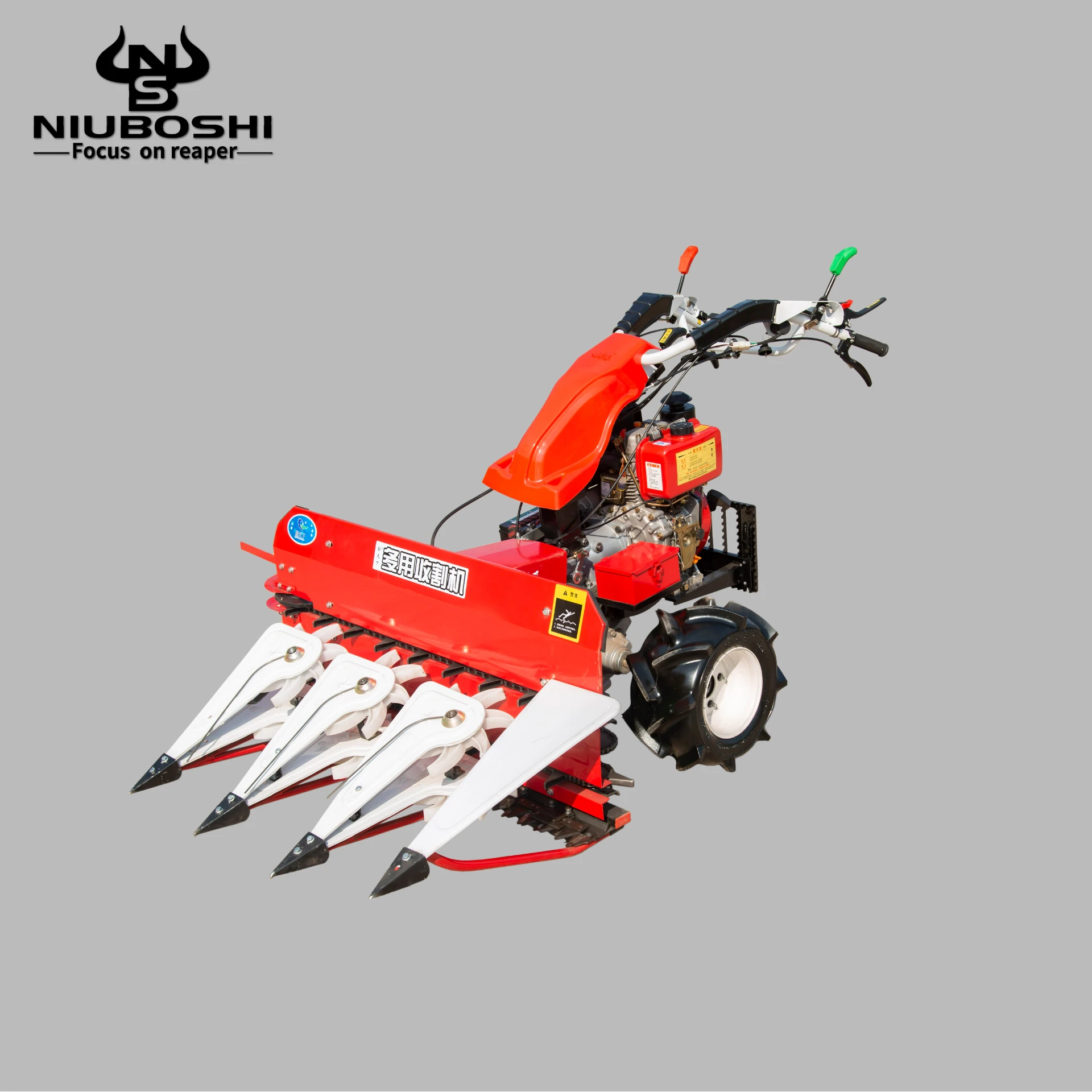
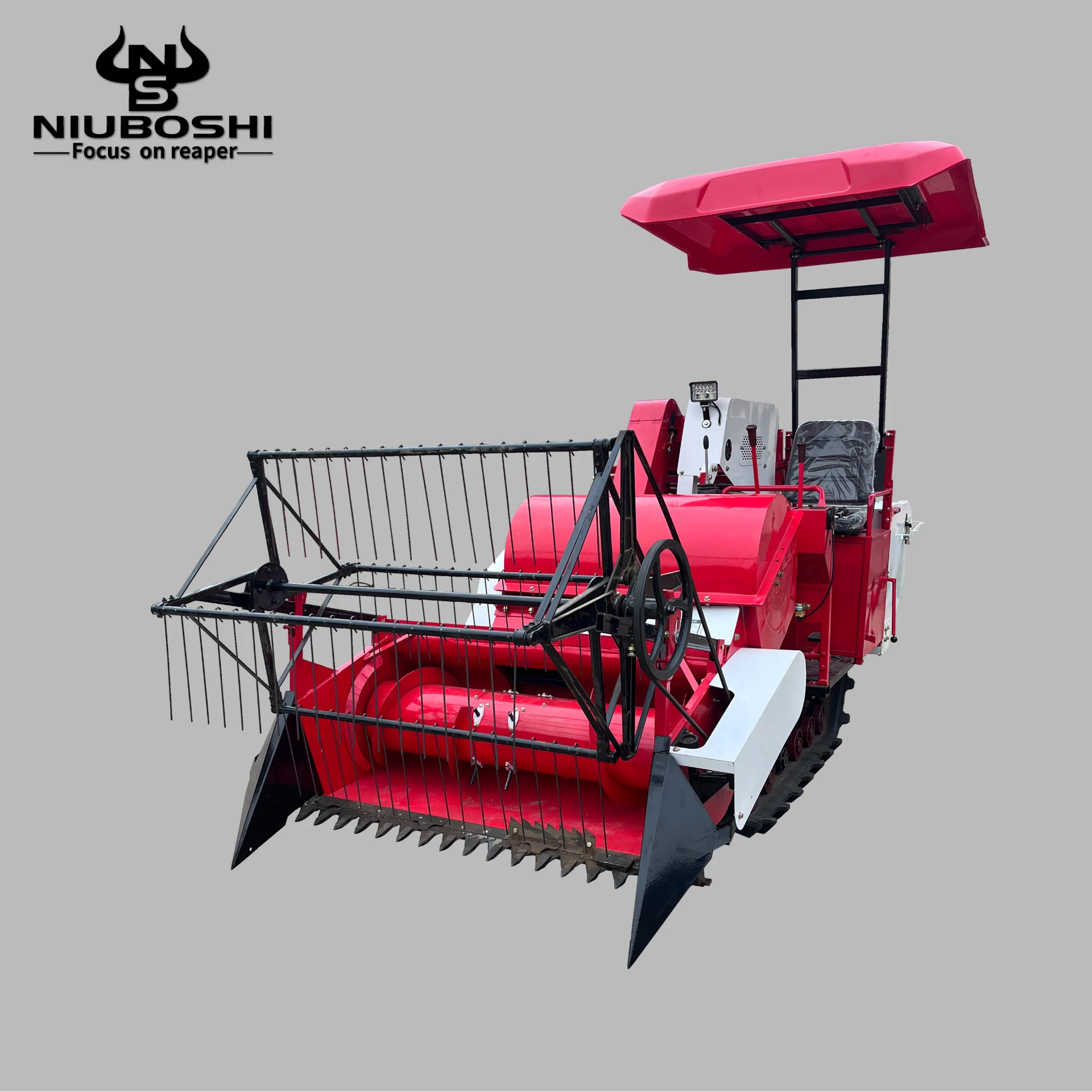
At its core, a mini harvester tractor is a compact agricultural vehicle equipped with harvesting attachments, designed to operate efficiently on small to medium-sized farms. Unlike full-sized harvesters, these are nimble, lightweight, and often equipped with multifunctional capabilities like plowing, tilling, and harvesting. They are sometimes described as “multi-purpose mini-agriculture machines” in technical circles.
These tractors bridge traditional farming's hands-on approach with modern mechanization, supporting humanitarian goals such as food security and poverty alleviation. Their size and flexibility allow farmers to harness tech benefits without heavy investment or knowledge barriers.
Core Components & Key Features of Mini Harvester Tractors
1. Compact Design & Durability
Because they need to work on varying terrains—from steep hills to tangled rice paddies—mini harvesters are built tough but compact. Many use reinforced steel frames and weather-proofed engines optimized for long hours in dusty or wet conditions.
2. Scalability & Versatility
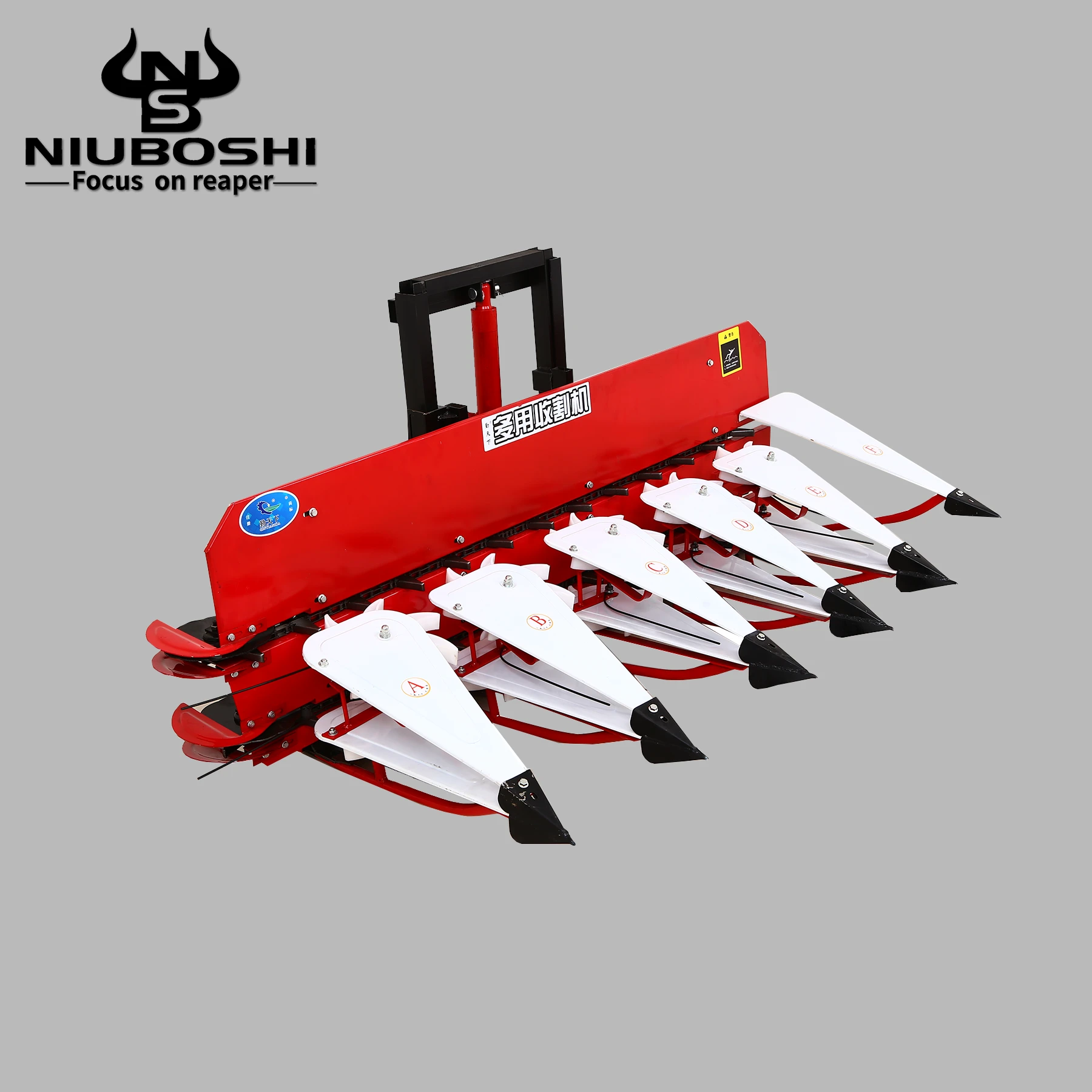
The beauty here: farmers can attach different tools depending on the season or task. A single mini harvester tractor can plow, sow seed, spray pesticides, and then harvest crops, making it a “farm-in-one” solution, especially when budgets are tight.
3. Fuel Efficiency & Environmental Considerations
Mini tractors often run on diesel, but newer models integrate electric or hybrid engines, cutting down emissions. This is critical where sustainability is a priority, aligning with global goals like the United Nations’ Sustainable Development Goal 2 (Zero Hunger).
4. Easy Maintenance & Affordability
Minimizing downtime is key. Manufacturers design these machines for straightforward maintenance; often, parts can be swapped locally or repaired with common tools. Cost-wise, they balance upfront investment with long-term savings on fuel and labor.
5. Navigation & Safety Features
Modern mini harvesters increasingly feature GPS assist or even semi-autonomous functions—helping operators reduce fatigue and improve precision. Safety cages and vibration-reducing seats are becoming standard to protect farmers during long days.
Mini takeaway: A mini harvester tractor isn’t just a scaled-down beast; it’s an engineered marvel of efficiency, versatility, and sustainability.
Real-World Applications Across Continents
Because they’re flexible, mini harvester tractors find homes in many settings:
- South Asia: Smallholder farmers use them extensively for harvesting wheat, rice, and pulses — regions where manual harvesting still dominates.
- Africa: NGOs and cooperatives deploy mini harvesters in post-disaster zones to rebuild agricultural capacity quickly.
- Europe: Vineyards and organic farms utilize them for sustainable practices and terrain-friendly harvesting.
- Latin America: Mini harvesters support coffee and cocoa plantations, reducing labor strain and improving crop turnover.
A recent case in Kenya involved a cooperative that doubled maize yields after adopting mini harvester tractors combined with training programs—a win-win for food security and farmer income.
Mini Harvester Tractor Specification Table
| Specification | Typical Range |
|---|---|
| Engine Power | 15 - 40 HP |
| Working Width | 1.0 - 1.8 meters |
| Weight | 800 - 1500 kg |
| Fuel Type | Diesel / Hybrid / Electric |
| Typical Harvest Capacity | 0.5 - 1.5 tons/hour |
| Price Range (USD) | $5,000 - $18,000 |
Comparing Leading Mini Harvester Tractor Vendors
| Vendor | Strengths | Price Range | Global Reach |
|---|---|---|---|
| AgroMini Co. | High fuel efficiency, easy maintenance | $6,000 - $12,000 | Asia, Africa |
| FieldGard Machines | Advanced GPS features, durable frame | $10,000 - $18,000 | Europe, Latin America |
| HarvestPro Ltd. | Modular attachments, hybrid engine options | $7,500 - $15,000 | Global |
Advantages & Long-Term Value
The mini harvester tractor isn't just about raw efficiency or cost savings. It addresses a core emotional need for many farmers: dignity in work, safety, and a sense of control over their livelihoods. Less backbreaking manual labor means fewer injuries and longer working years. And the reliability factor? When your livelihood depends on timely harvests, a machine that won’t break down easily is priceless.
In the long run, investing in these machines often means family farms become more profitable and sustainable. They support circular economies where local mechanics and parts suppliers flourish. Plus, a smaller carbon footprint aligns with increasing global efforts to combat climate change.
Future Trends & Innovations in Mini Harvester Tractors
Automation isn’t just for the big boys anymore: semi-autonomous mini harvesters with onboard AI are emerging, enabling farmers unfamiliar with heavy machinery to operate confidently. Green energy solutions like solar-assisted hybrid engines are also on the rise, cutting operating costs further.
We’ll also see modular designs improving, giving farmers the freedom to customize the machine precisely to their needs—a big win for both innovation and cost control.
Challenges & Solutions in Adoption
No tech is perfect. Common issues include affordability for the poorest smallholders, lack of training, and access to quality after-sales service. However, many NGOs and governments address these through subsidies, leasing programs, and mobile repair units. Surprisingly, peer-to-peer training networks in villages have proved potent in speeding up adoption.
Innovation in connectivity—like pairing mini harvesters with smartphone apps for diagnostics—also helps bridge knowledge gaps. It’s a slow, often bumpy road, but progress is steady.
FAQ: Your Common Mini Harvester Tractor Questions Answered
- Q1: Can a mini harvester tractor work on steep or uneven terrain?
- A: Yes. Most mini harvester tractors are designed with rugged chassis and low center-of-gravity to operate safely in hilly or uneven fields typical of many small farms. Always check specific model specs for slope limits.
- Q2: How fuel-efficient are mini harvester tractors compared to larger harvesters?
- A: They generally consume 30-50% less fuel than full-sized machines due to smaller engines and lighter weight, making them economical for small-scale farming.
- Q3: Are electric or hybrid mini harvesters widely available?
- A: Electric and hybrid models are increasingly entering the market, particularly in Europe and Asia. However, they remain pricier and less common in some developing regions.
- Q4: What maintenance is required to keep a mini harvester tractor running smoothly?
- A: Regular oil changes, filter cleaning, inspection of belts and chains, and timely replacement of worn parts keep machines in good shape. Many parts are standardized, making local repairs feasible.
- Q5: Where can I learn more or purchase a mini harvester tractor?
- A: Reliable vendors often have local dealers or partner organizations. For an overview and purchase options, check out mini harvester tractor suppliers online.
Wrapping Up: Why Mini Harvester Tractors Are Here to Stay
These compact machines pack a serious punch. They solve very real problems for small farmers worldwide—boosting productivity, sustainability, and safety without the intimidation of oversized equipment. I guess, in a way, it's a reminder that sometimes the best things really do come in small packages.
Interested in learning more or even upgrading your farm workflow? Don’t hesitate to visit our website: mini harvester tractor. You might just find the perfect fit for your needs.
References:
1. World Bank, Agriculture and Food Data, 2023.
2. Food and Agriculture Organization of the United Nations (FAO), 2022.
3. UN Sustainable Development Goals, www.un.org/sustainabledevelopment
Latest news
-
Maximize Harvest Efficiency with the Agro Reaper Binder MachineNewsApr.16,2026
-
Boost Harvest Efficiency with the Best Agriculture Reaper MachineNewsApr.09,2026
-
Revolutionizing Agriculture with the Efficient Agriculture Power ReaperNewsApr.07,2026
-
Comprehensive Guide to the 4 Wheel Reaper Binder for Efficient HarvestingNewsApr.04,2026
-
Comprehensive Guide to Reaperbinder Technology for Efficient Hay and Crop HarvestingNewsMar.31,2026
-
Mastering the Art of Reaper Cutting for Enhanced Agricultural EfficiencyNewsMar.28,2026