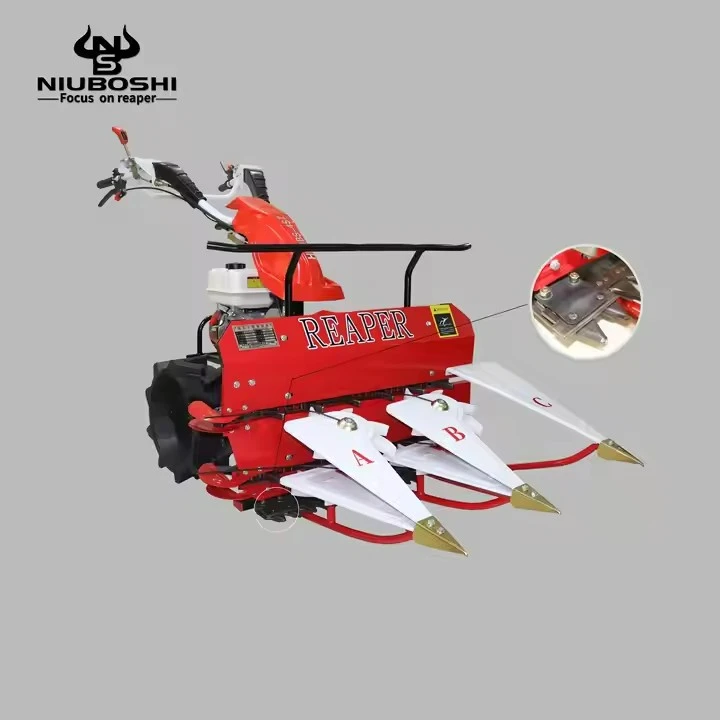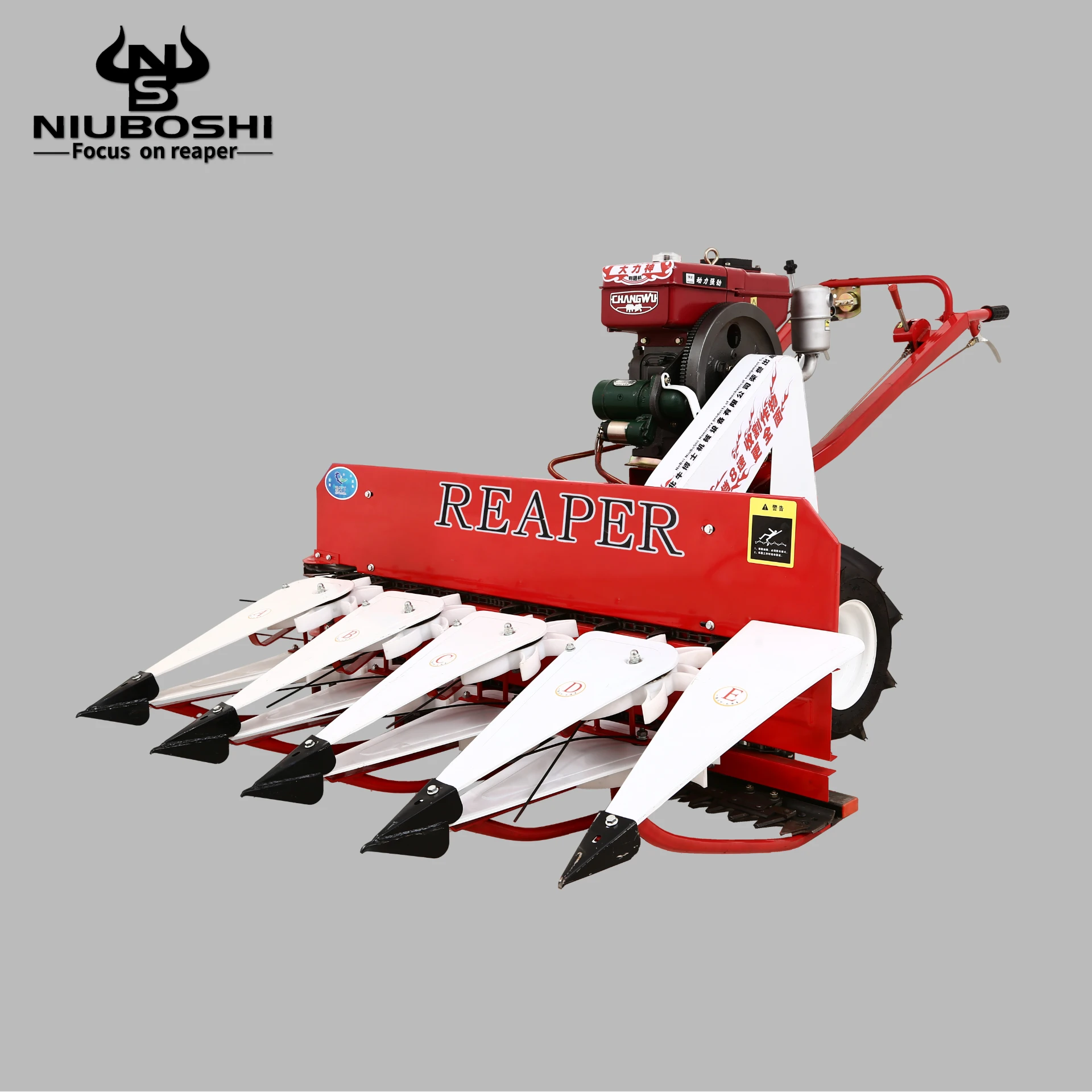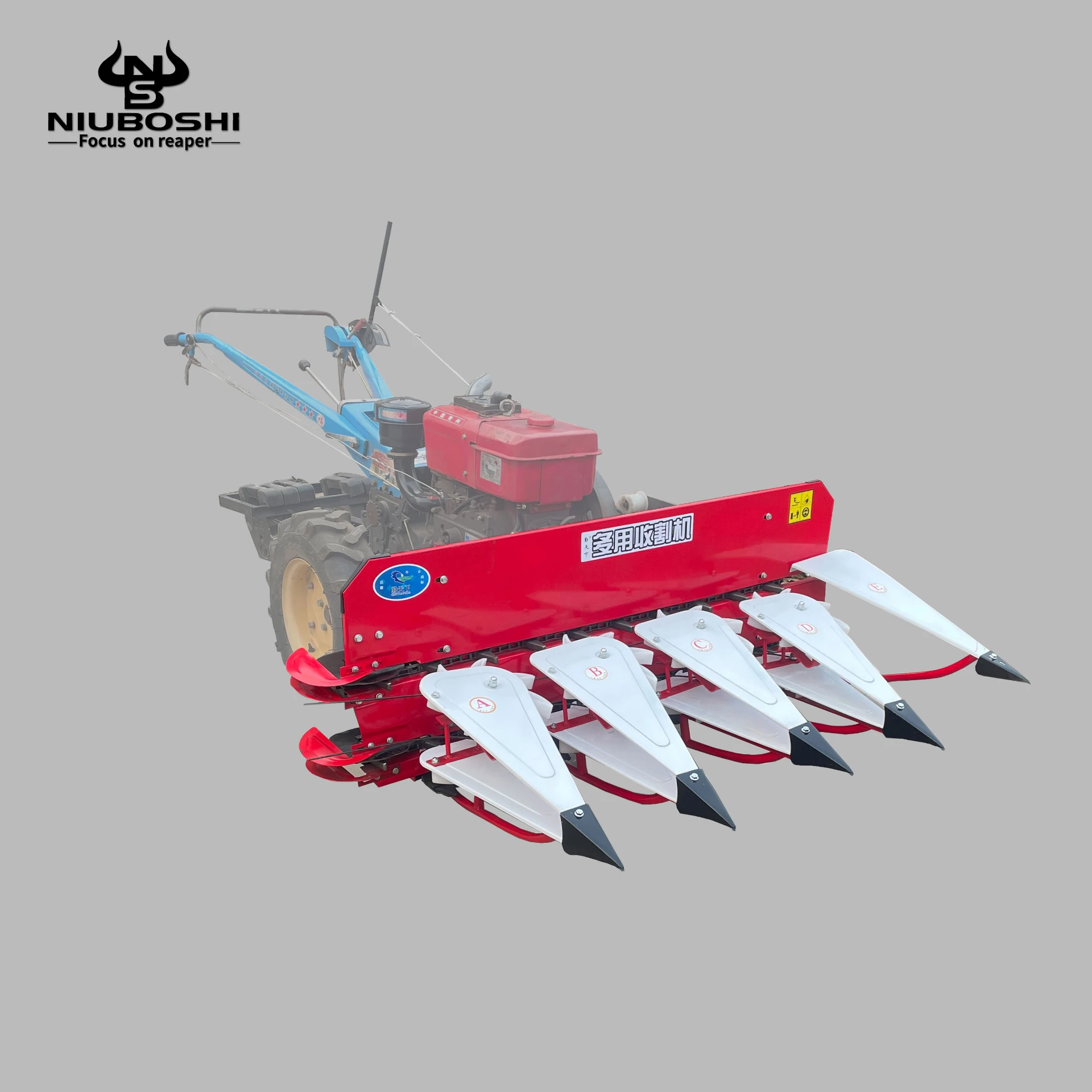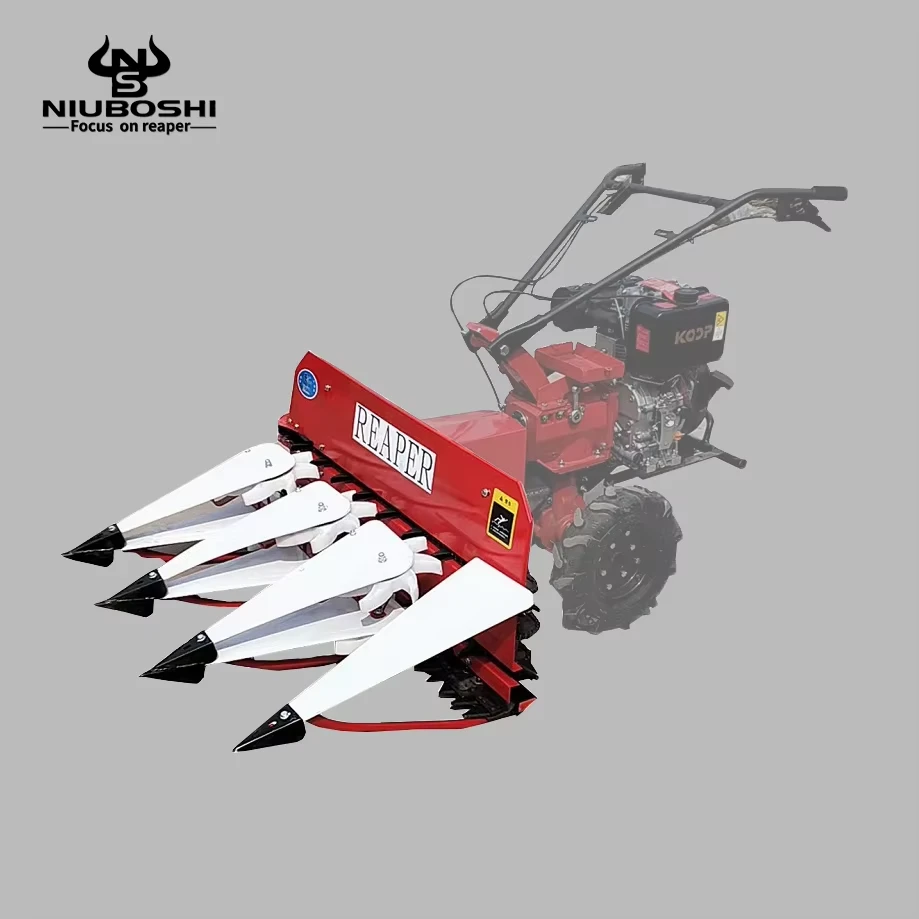
Mini Combine Harvester for Sale | Affordable Agricultural Machinery for Small Farms
The Growing Importance of Mini Combine Harvesters in Agriculture
In a world increasingly focused on sustainable agriculture and food security, the mini combine harvester for sale has quietly become a vital player. With smallholder farms constituting over 90% of the world’s farms according to the Food and Agriculture Organization (FAO), compact yet efficient machinery is not just a luxury — it’s a necessity. These machines help farmers boost yields, reduce harvest losses, and save labor costs, especially in regions where large-scale equipment is impractical.
Understanding the technology and market behind mini combine harvesters is essential not only for farmers but also agribusinesses, policy makers, and humanitarian organizations aiming to enhance rural livelihoods globally.
Why Mini Combine Harvesters Matter Globally
Small to mid-scale agriculture remains the backbone of many developing economies and emerging markets. The World Bank reports that about 2 billion people depend on small-scale farming worldwide, and mechanization is the lever for improving both productivity and sustainability in these sectors. However, traditional large combine harvesters don't always fit the bill—too expensive, too large for fragmented plots, and unsuitable for uneven terrains.
This is where mini combine harvester for sale options fill the gap. Offering a cost-effective, adaptable, and scalable solution, these machines address fundamental challenges such as labor shortages and post-harvest losses, particularly in Asia, Africa, and Latin America. Oddly enough, even some developed nations with niche small farms are taking notice.
What Exactly is a Mini Combine Harvester?
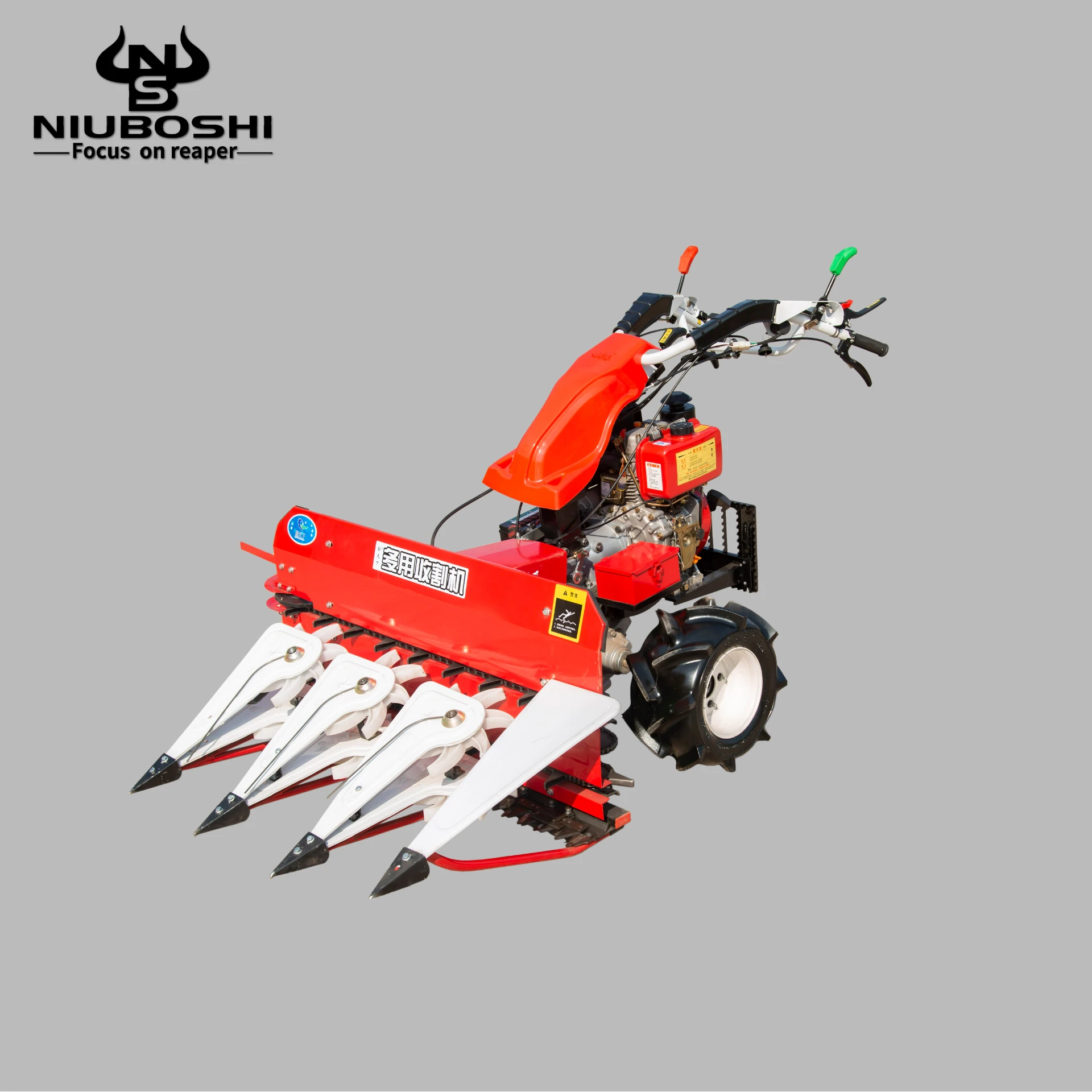
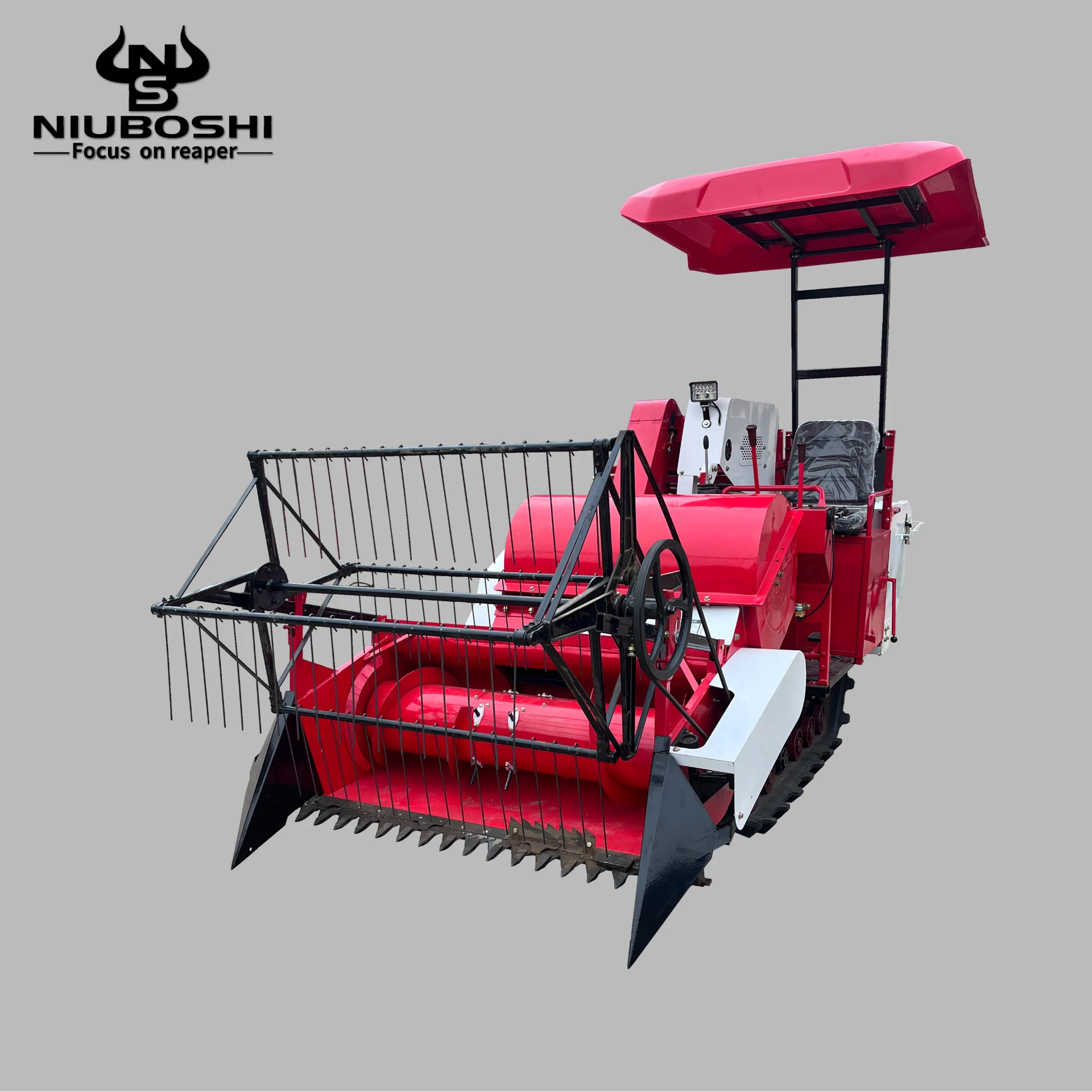
Simply put, a mini combine harvester is a smaller, lighter, and more affordable version of traditional combine harvesters designed to reap, thresh, and clean grains in one pass. Typically ranging from 0.8 to 1.5 meters in cutting width and weighing less than 1 ton, these compact machines suit smaller fields often missed by larger equipment.
Not just a farming tool, they touch on broader issues too—like fostering food security, reducing physical labor (a boon in aging rural populations), and enabling rapid, localized responses to agricultural challenges. NGOs and governments increasingly integrate them in rural development projects as a way to empower smallholder farmers and boost rural incomes in eco-friendly ways.
Key Factors Driving Mini Combine Harvester Utility
1. Durability and Terrain Adaptability
Mini combines must endure diverse field conditions—from wet paddies to rocky soils. Many manufacturers equip their machines with track or wide tire options for better traction and stability. In real terms, this means fewer breakdowns and more harvest days in tricky weather.
2. Cost Efficiency and Affordability
Both upfront and operating costs are critical. Many small farmers operate on razor-thin margins, so machines have to be priced accessibly without sacrificing reliability. Fuel economy and ease of maintenance are equally important — those are the little things that add up month to month.
3. Scalability and Modularity
Thanks to modular designs and customizable attachments, these machines can shift from rice to wheat, or even maize, without much fuss. This flexibility is vital for farmers growing multiple crops or needing machines that evolve with land use.
4. User-Friendly Controls and Safety
Ergonomic designs, simple interfaces, and safety shields protect operators, many of whom may not have formal training. The goal: minimize accidents and learning curves.
5. Environmental Considerations
Lower emissions and fuel-efficient engines are becoming standard, reflecting global pressure towards greener farming solutions. Some new models even explore electric or hybrid powertrains—though those are still niche.
Where Are Mini Combine Harvesters Making a Difference?
From the lush rice terraces of Southeast Asia to the sprawling wheat belts in Eastern Europe, mini combine harvesters are gaining ground. In countries like Vietnam and Bangladesh, they’re standard in mechanization schemes, helping farmers cut harvest times drastically. In Africa, organizations like the UN’s Food and Agriculture Organization promote them as part of sustainable farming initiatives, particularly in arid or fragmented lands.
In post-disaster zones, when large machinery can’t access damaged fields, these smaller harvesters serve a critical role to rapidly salvage crops and safeguard food supplies. Industrial zones and research farms also use them for trial plots or demonstration projects — allowing innovation on a manageable scale.
Mini Combine Harvester for Sale: Key Specifications Compared
| Specification | Model A | Model B | Model C |
|---|---|---|---|
| Cutting Width | 1.2 m | 1.0 m | 0.9 m |
| Engine Power | 12 hp | 10 hp | 8 hp |
| Weight | 850 kg | 730 kg | 680 kg |
| Fuel Type | Diesel | Diesel | Gasoline |
| Maximum Speed | 5 km/h | 4.5 km/h | 4 km/h |
| Suitable Crops | Rice, Wheat, Barley | Rice, Corn | Rice |
How the Leading Vendors Stack Up
| Vendor | Price Range | After-Sales Support | Global Shipping | Warranty |
|---|---|---|---|---|
| NiuBoski Machinery | $3,000–$5,500 | 24/7 Online, Field Service | Yes (Worldwide) | 18 months |
| AgriTech Solutions | $2,800–$4,800 | Business Hours | Limited Regions | 12 months |
| Farmers’ Friend | $3,200–$6,000 | On-Site Training | Asia Only | 24 months |
Advantages and The Long Road Ahead
The benefits of mini combine harvesters aren’t just technical — they’re deeply social and economic. By making mechanization affordable and accessible, they give farmers greater independence, reduce drudgery, and help protect harvests from unpredictable weather or labor shortages. Plus, most models today focus on sustainability — quieter engines, less fuel use — reflecting growing awareness about climate change’s impact on agriculture.
On a personal level, many operators I've spoken to mention how running these mini machines feels empowering. It’s not just farming; it’s a dignified way to modernize tradition.
Looking Forward: What’s Next for Mini Combine Harvesters?
Innovation is speeding up. We’re seeing smart sensors track yield and machine health, GPS-enabled automation beginning to appear, and electric or hybrid powertrains inching closer to market readiness. Policy makers are also stepping in, incentivizing sustainable equipment through subsidies and training programs.
One trend odd yet promising: rental and shared ownership models, especially in remote or resource-poor regions. That sort of community-focused mechanization might be the key to scaling benefits without swelling costs.
Common Challenges and How Industry Is Tackling Them
- Limited Awareness: Many farmers don’t know these machines exist or their benefits. Solutions include extension services and demo farms.
- Maintenance Issues: Lack of local repair shops can be a barrier. Vendors offering training and long warranties address this.
- Terrain Constraints: Some machinery still struggles with highly irregular plots; design improvements seek to enhance maneuverability.
FAQ: Your Questions About Mini Combine Harvester for Sale
Q1: What crops can I harvest with a mini combine?A1: Most mini combine harvesters handle grains like rice, wheat, barley, and corn. Some models come with adaptable headers to switch between crops easily, making them versatile for multi-crop farms.
Q2: How affordable are mini combine harvesters for small farmers?
A2: Prices vary by model and features but generally range from $3,000 to $6,000. This price point is significantly lower than full-sized combines, and many vendors offer financing or leasing options.
Q3: Are mini combine harvesters easy to maintain?
A3: Yes, they’re designed for simplicity. Basic maintenance like cleaning, lubrication, and minor tuning can often be done by operators themselves with minimal training.
Q4: Can these machines operate on rough or small fields?
A4: Absolutely. Their compact size and lightweight build make them ideal for small, uneven, or terraced fields where large machinery is impractical.
Q5: How can I ensure I get reliable after-sales support?
A5: Choose vendors with good reputations for service, warranty coverage, and local support networks. Checking customer reviews and requesting references is a smart move.
In Conclusion: Your Next Step in Agricultural Efficiency
The mini combine harvester for sale isn’t just another machine — it’s a door to smarter, faster, and more sustainable farming. Whether you’re a smallholder trying to save time and labor, an NGO looking to aid rural economy, or an agribusiness exploring new markets, these machines unlock real potential.
To explore top-quality options and discover tailored solutions, visit: https://www.hbniuboshi.com. Agriculture is evolving — and maybe a mini combine harvester is exactly what your farm needs next.
References:
Latest news
-
Maximize Harvest Efficiency with the Agro Reaper Binder MachineNewsApr.16,2026
-
Boost Harvest Efficiency with the Best Agriculture Reaper MachineNewsApr.09,2026
-
Revolutionizing Agriculture with the Efficient Agriculture Power ReaperNewsApr.07,2026
-
Comprehensive Guide to the 4 Wheel Reaper Binder for Efficient HarvestingNewsApr.04,2026
-
Comprehensive Guide to Reaperbinder Technology for Efficient Hay and Crop HarvestingNewsMar.31,2026
-
Mastering the Art of Reaper Cutting for Enhanced Agricultural EfficiencyNewsMar.28,2026