Mini Crop Harvester — Compact Farming Solutions for Global Food Security
Why Mini Crop Harvesters Are Quietly Changing Global Farming
When you think about modern agriculture, you probably picture huge, shiny machines harvesting endless fields of wheat or corn. But what about the smaller, less flashy players? Enter the mini crop harvester — compact, agile, and surprisingly powerful tools that are quietly reshaping small-scale farming worldwide. Whether it’s helping farmers in remote villages or boosting food security in rapidly urbanizing areas, these machines matter a lot more than most people realize.
Understanding the value of these compact harvesters not only helps in promoting more efficient farming practices but also ties into larger conversations around sustainability, rural development, and technological equity. Let’s dig in — it’s a topic ripe with insights.
Global Context: Why Mini Crop Harvesters Matter More Than Ever
Globally, agriculture occupies almost 40% of the Earth’s land area, according to the FAO. Yet, with mechanization rates varying wildly between regions, the challenge remains: how do developing countries or smallholders adopt technologies that suit their scale and budget? That’s where mini crop harvesters come in.
Reports from the World Bank highlight that mechanization can boost yields by up to 20–30%, but full-sized equipment often isn't affordable or even practical for small farms that might be less than a hectare. Plus, smaller machines mean less soil compaction and can better navigate uneven or terraced land.
Consider this: over 80% of farms worldwide are classified as smallholders (usually under 2 hectares). The mini crop harvester is literally their ticket to improved productivity and reduced labor intensity, especially in labor-scarce rural zones where migration to cities is draining the workforce.
Quick takeaway: Mini crop harvesters fill a critical tech gap, empowering countless small farmers with manageable, efficient harvesting solutions that align with their realities.
What Exactly Is a Mini Crop Harvester?
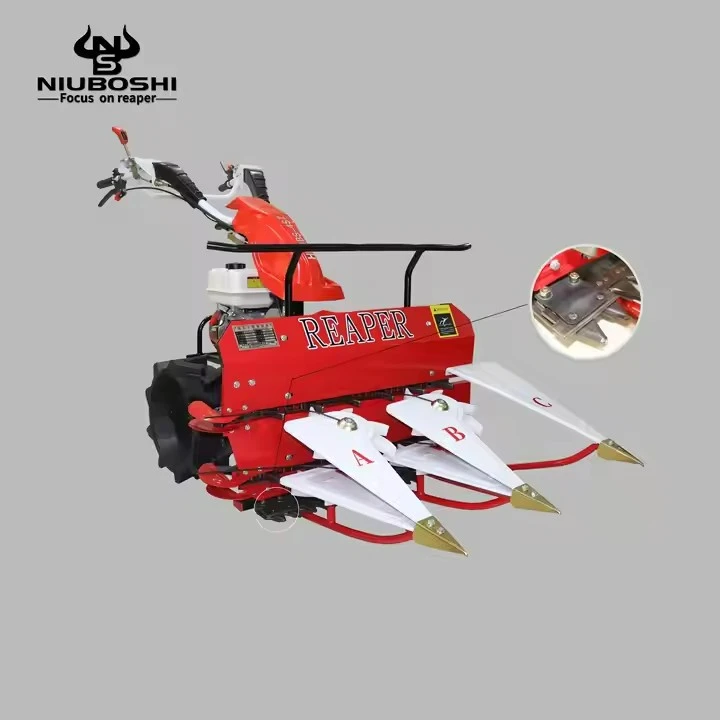
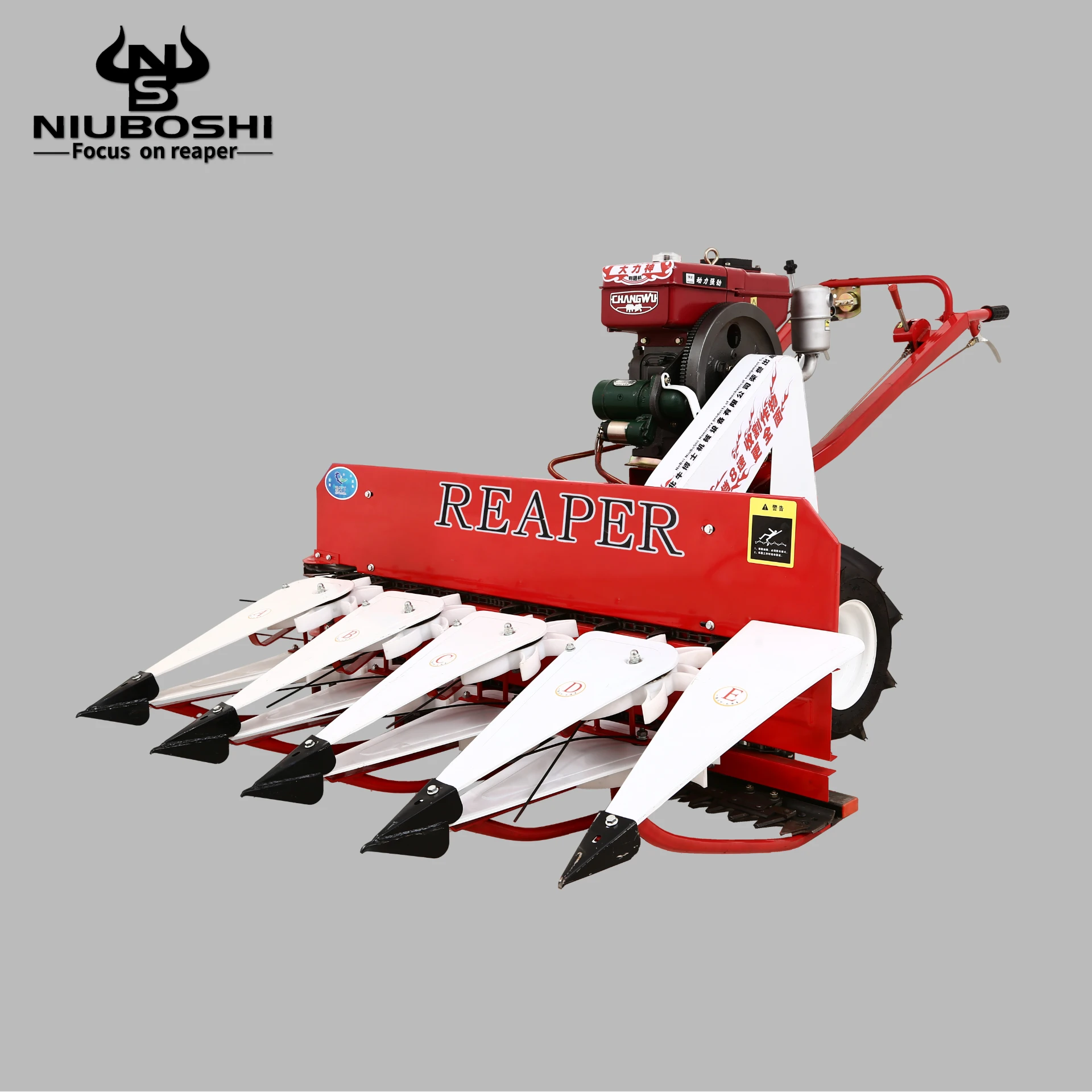
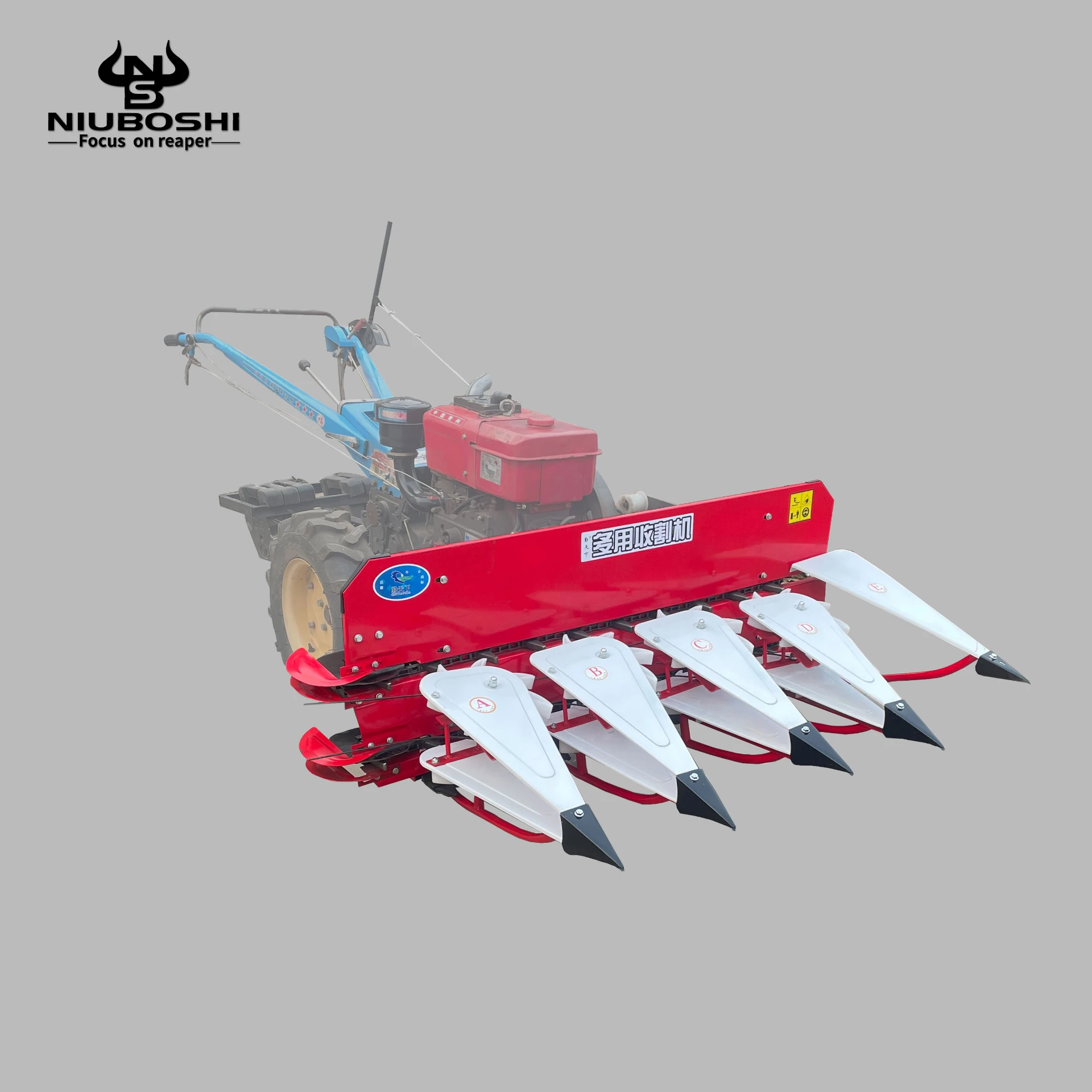
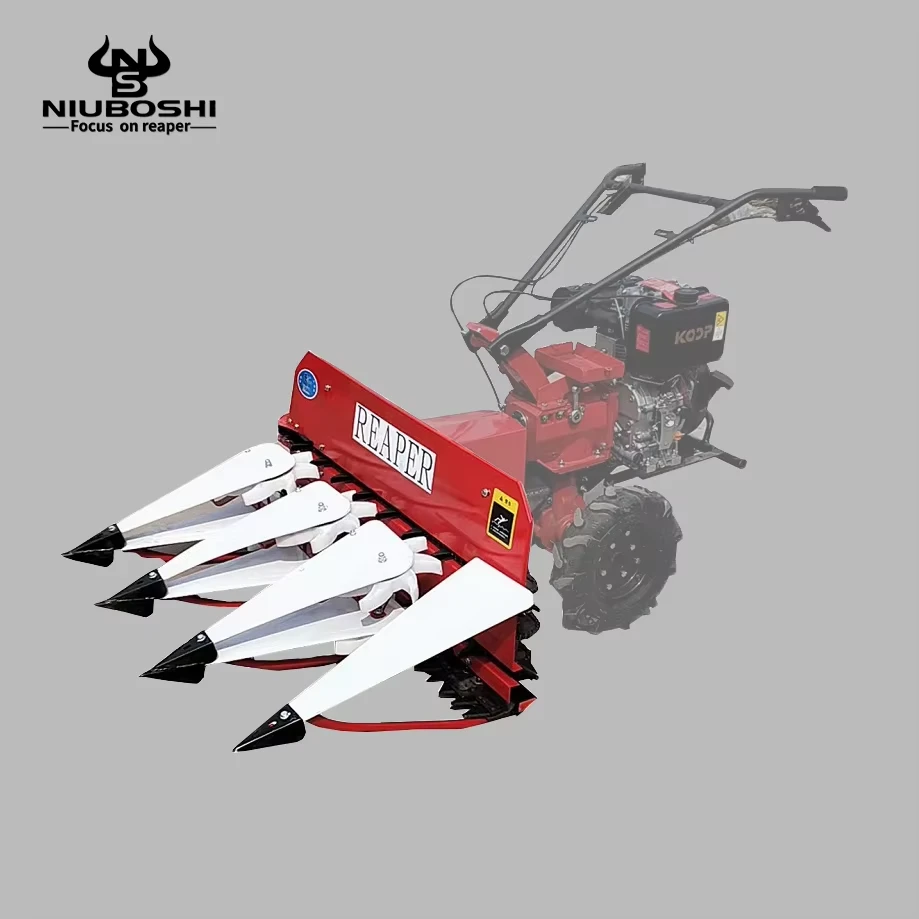
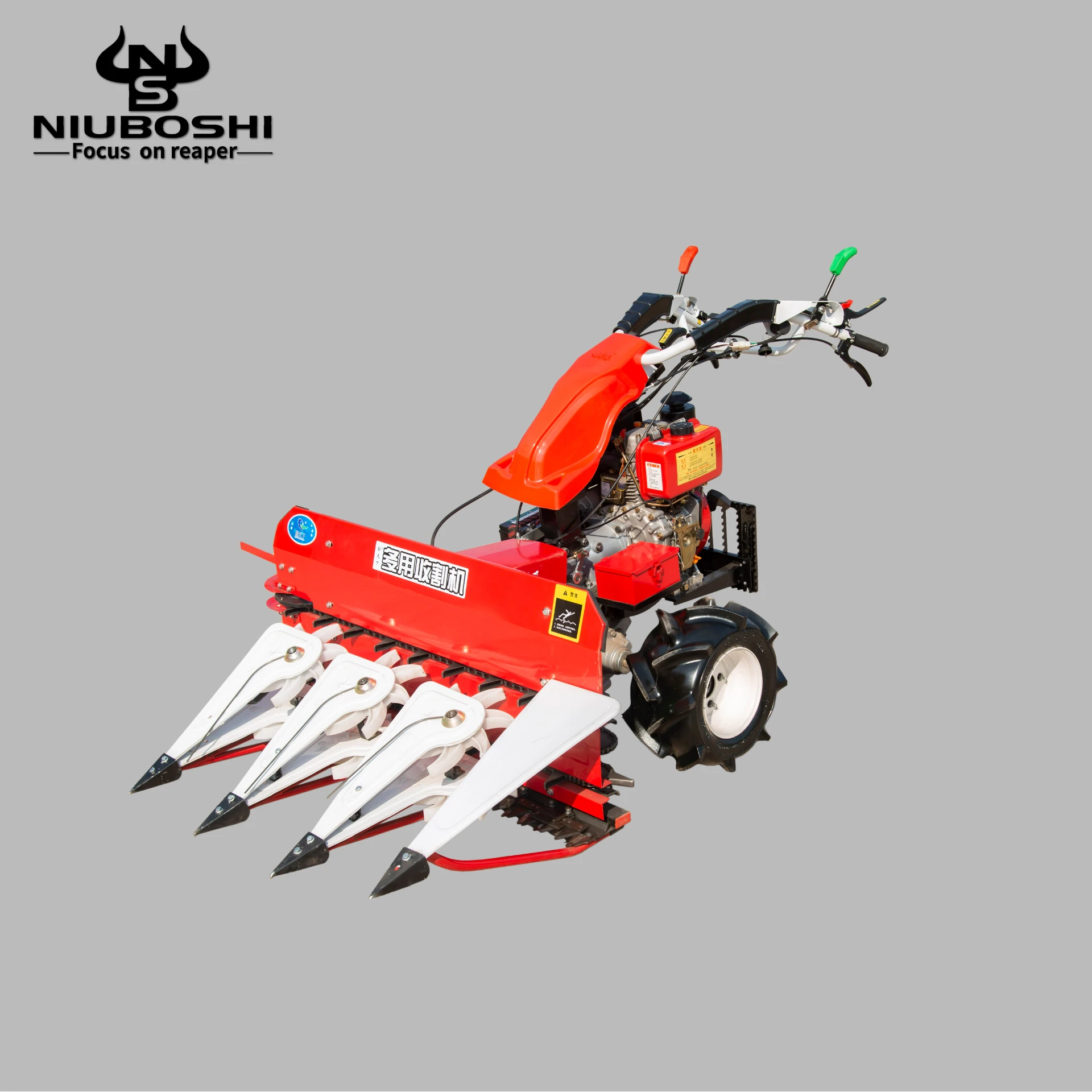
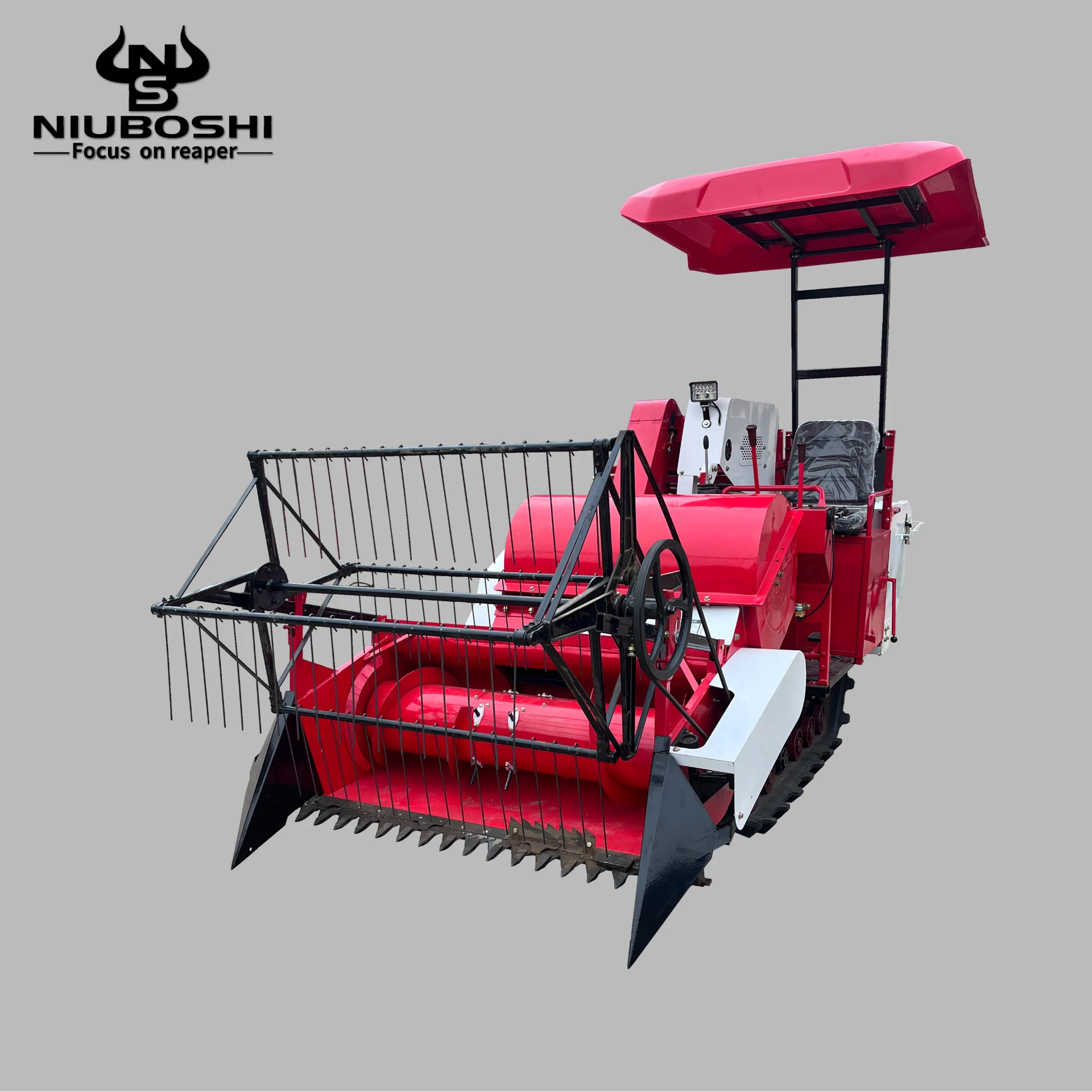
Simply put, a mini crop harvester is a compact machine designed to harvest cereal grains, legumes, or vegetables on small to medium plots of land. Unlike large combines that can be prohibitively expensive and cumbersome, these smaller variants feature lighter engines, reduced fuel consumption, and nimble frames.
They’re often used for crops like rice, wheat, barley, maize, beans, and sometimes specialized crops such as sorghum or millet. Many models come with adjustable headers and cutting widths tailored for different plants, making them versatile for a range of crops.
In terms of humanitarian or socio-industrial application, mini crop harvesters can be crucial players in food security initiatives, post-disaster recovery (where swift harvesting can prevent losses), and sustainable farming projects bolstered by NGOs.
Core Components That Make a Mini Crop Harvester Tick
1. Engine and Powertrain
A smaller diesel or gasoline engine ranging from 10 to 25 horsepower typically powers these machines. Their design must balance power with fuel efficiency, since many target users have limited access to costly fuels or maintenance facilities.
2. Cutting and Threshing Mechanisms
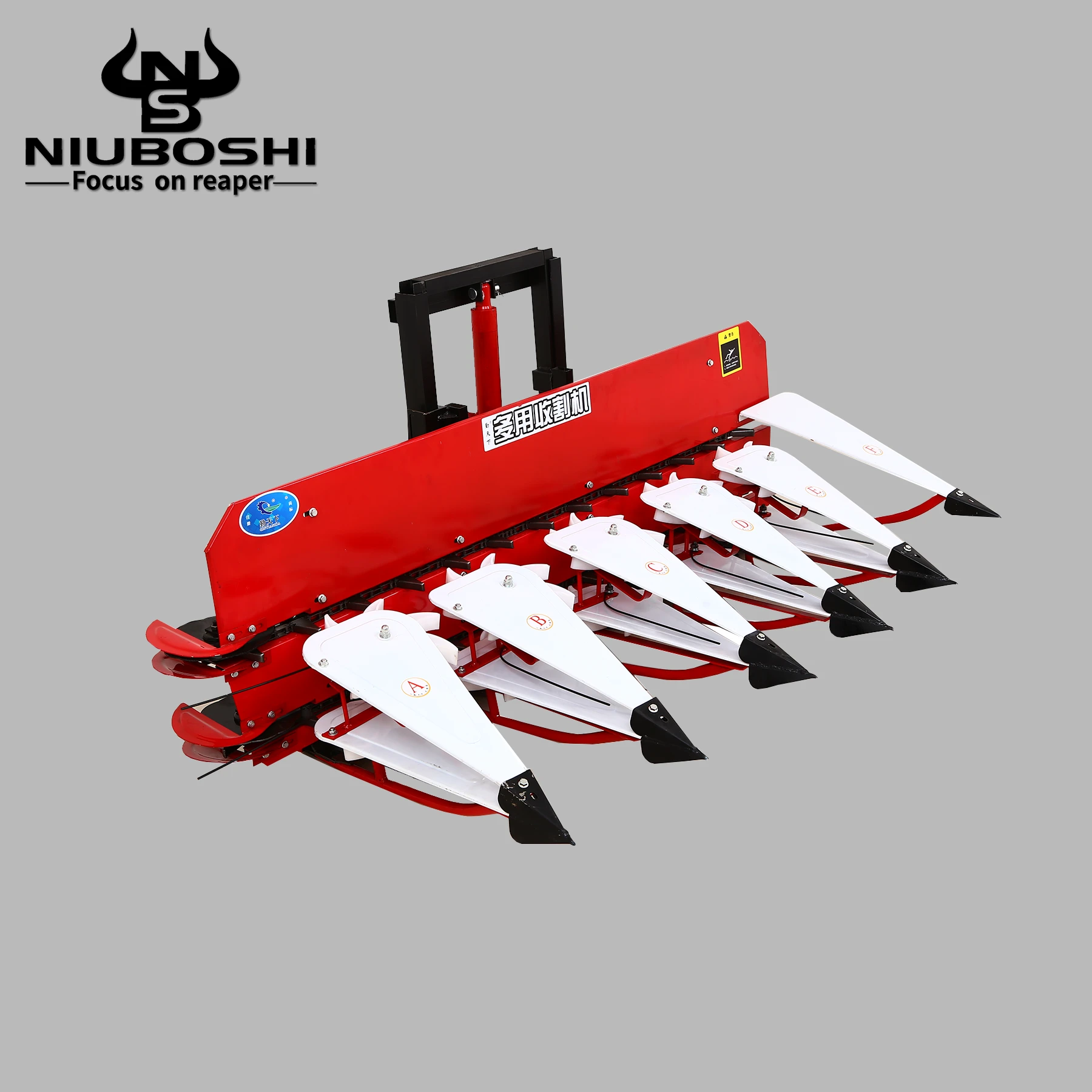
One of the key technical challenges is to effectively cut and thresh without damaging grains. Mini harvesters generally use a reciprocating knife bar and rotary threshers optimized for minimal grain breakage.
3. Lightweight, Maneuverable Frame
Most are designed to be under 1 ton, sometimes with tracks instead of wheels for better traction on muddy or sloped terrains common in small farms.
4. Grain Collection and Storage
They feature modest-capacity bins (around 100–300 kg) that are easy to unload manually or via simple conveyor attachments, allowing farmers to work without bulky infrastructure.
5. Ease of Use and Maintenance
Simplicity is key; farmers should be able to troubleshoot or repair with minimal tools or technical training. Quick access panels and modular parts help.
Summary:
Durability and adaptability paired with precision differ these machines from both traditional manual tools and oversized combines.
Real-World Impact: Applications and Use Cases Globally
Mini crop harvesters thrive wherever full-size machines can’t. In Southeast Asia, for instance, paddy fields are often small and terraced — and mini harvesters with narrow profiles and even tracked wheels manage the job beautifully.
In Africa, countries like Kenya and Ethiopia have introduced these machines to reduce labor costs and speed harvesting during critical weather windows. NGOs such as mini crop harvester suppliers often work with local cooperatives to provide affordable leasing schemes.
Post-disaster scenarios can benefit too. After floods or storms, timely harvesting before crops spoil is vital; the mini crop harvester’s portability means it can be moved quickly between fields.
Even in developed countries, these machines aid niche operators — organic farmers or vineyards, for example — who manage fragmented land plots and appreciate compact, eco-friendlier machinery.
Advantages & Long-Term Value You Can’t Ignore
- Cost efficiency: Lower upfront and operating costs than full-sized combines.
- Sustainability: Reduced soil compaction and fuel consumption.
- Empowerment: Enable smallholders to increase yields, income, and food security.
- Reliability: Easier maintenance boosts uptime; trusted by farmers worldwide.
- Social impact: Less dependence on seasonal labor; safer working conditions.
Emotionally, these machines enhance farmers’ dignity by modernizing their work without forcing large-scale industrial models. You can see the trust build when farmers share how the machine “makes harvest day something to look forward to.”
What’s Next? Emerging Trends and Innovations
The future of mini crop harvester tech is bright and evolving. Digitization is creeping in with onboard GPS and IoT sensors for data-driven decisions. Meanwhile, hybrid or electric powertrains promise quieter operation and lower emissions, especially valuable in environmentally sensitive zones.
Material scientists are exploring more lightweight and durable composites to reduce wear and extend machine life, while manufacturers are aiming for modular designs to streamline upgrades or replace parts quickly in the field.
Challenges and Clever Solutions
Of course, mini harvesters have downsides. They collect less grain per run and sometimes struggle with very uneven terrain. Additionally, capital investment, even if low, can still be a hurdle for the smallest farmers.
To address this, business models such as cooperative ownership or rented fleets have proven effective. Governments and NGOs support training programs to improve operator skills, thus maximizing the equipment’s potential. Plus, some companies now offer solar-charged attachments or ultra-lightweight variants to expand accessibility.
Product Specification Table: Typical Mini Crop Harvester Features
| Feature | Specification |
|---|---|
| Engine Power | 12–25 HP Diesel / Gasoline |
| Cutting Width | 0.8 – 1.5 meters |
| Threshing Capacity | 300 - 500 kg/hour |
| Weight | 600 – 900 kg |
| Fuel Consumption | 2–4 L/hour |
| Grain Bin Capacity | 150 – 300 kg |
Vendor Comparison: Mini Crop Harvester Market Leaders
| Vendor | Price Range (USD) | Unique Selling Point | Service & Support |
|---|---|---|---|
| AgriMiniTech | $5,000 - $7,500 | Hybrid engine, eco-friendly | Local training centers worldwide |
| FieldLite Harvesters | $4,200 - $6,000 | Modular design, easy parts replacement | 24/7 online support, spare parts |
| RuralPro Machines | $3,800 - $5,500 | Focus on affordability, reliable manuals | Mobile service van network |
FAQ: Common Questions About Mini Crop Harvesters
Q1: How do mini crop harvesters compare to traditional manual harvesting?
A: Mini harvesters significantly reduce harvesting time and physical labor. Where manual methods might take days, these machines can finish in hours. They also reduce grain loss and improve efficiency, though initial investment costs and operator training are considerations.
Q2: Can mini crop harvesters be used on uneven or sloped terrain?
A: Many models come with tracked wheels or adjustable frames allowing better grip and stability on uneven or terraced farms. However, extremely steep terrains might still pose challenges that require specific adaptations.
Q3: Are spare parts and maintenance easy to manage?
A: Most manufacturers design these machines with straightforward assembly and common parts to reduce downtime. Cooperative ownership and vendor training programs also help ensure accessible maintenance options.
Q4: Can these harvesters improve sustainability for small farms?
A: Absolutely. Mini harvesters use less fuel, cause less soil compaction, and can prevent waste through quicker harvesting — all contributing to more sustainable farming practices.
Q5: Where can I find reliable mini crop harvesters?
A: Trusted vendors include AgriMiniTech, FieldLite Harvesters, and RuralPro Machines; local agricultural dealers and regional distributors also often stock models for specific climates or crops. For more info, visit mini crop harvester.
Wrapping Up: Why Mini Crop Harvesters Are Here to Stay
In the grand scheme of agriculture’s future, the mini crop harvester might just be one of the quiet heroes — blending practicality with innovation to empower smallholders worldwide. These machines offer a smart balance of cost, efficiency, and environmental responsibility, and their value is only set to grow as farming faces ever more complexity.
They’re not simply tools but bridges linking traditional farming with progressive technology, helping secure a more sustainable and food-secure future. Interested in exploring detailed specs or vendor options? Head over to mini crop harvester and see what might suit your farm or project.
References
Latest news
-
Maximize Harvest Efficiency with the Agro Reaper Binder MachineNewsApr.16,2026
-
Boost Harvest Efficiency with the Best Agriculture Reaper MachineNewsApr.09,2026
-
Revolutionizing Agriculture with the Efficient Agriculture Power ReaperNewsApr.07,2026
-
Comprehensive Guide to the 4 Wheel Reaper Binder for Efficient HarvestingNewsApr.04,2026
-
Comprehensive Guide to Reaperbinder Technology for Efficient Hay and Crop HarvestingNewsMar.31,2026
-
Mastering the Art of Reaper Cutting for Enhanced Agricultural EfficiencyNewsMar.28,2026