Mini Cotton Harvester – Compact, Efficient Cotton Picking Solutions for Small Farms
The Mini Cotton Harvester: Small Machine, Big Impact
Let’s kick things off with the basics: what exactly is a mini cotton harvester, and why does it deserve some of your attention? At its core, a mini cotton harvester is a compact agricultural machine designed specifically to pick cotton in smaller fields or terrains where traditional, larger harvesters just don’t fit. But the story doesn’t stop there — this nifty little piece of machinery is rapidly becoming a game-changer in global cotton farming, particularly for smallholder farmers and developing regions.
Cotton is one of the world’s leading natural fibers, woven into millions of textiles daily. Yet, harvesting cotton can be a labor-intensive and time-consuming process. Enter the mini cotton harvester: a blend of innovation and practicality that not only improves efficiency but also brings new hope to farmers who might not otherwise afford the big iron.
Global Context: Why Mini Cotton Harvesters Matter More Than Ever
If you take a quick peek at data from the United Nations and the Food and Agriculture Organization (FAO), you’ll see that cotton is cultivated on approximately 33 million hectares worldwide, producing around 27 million tonnes annually. Many cotton farms are small-scale, especially in regions like Sub-Saharan Africa, South Asia, and parts of Central America. That's where the mini cotton harvester steps in — making mechanized cotton harvesting feasible even on modest-sized plots.
Consider this: manual picking still dominates in many countries due to lack of access to machinery, which limits productivity and strains rural labor forces. Economically, this constraint impacts farmers’ livelihoods and the supply chain’s reliability. Mini cotton harvesters help bridge this gap by providing a cost-effective, scalable solution tailored for smaller farms — improving yield and bringing cotton farming into the mechanized age.
What Is a Mini Cotton Harvester? Breaking It Down
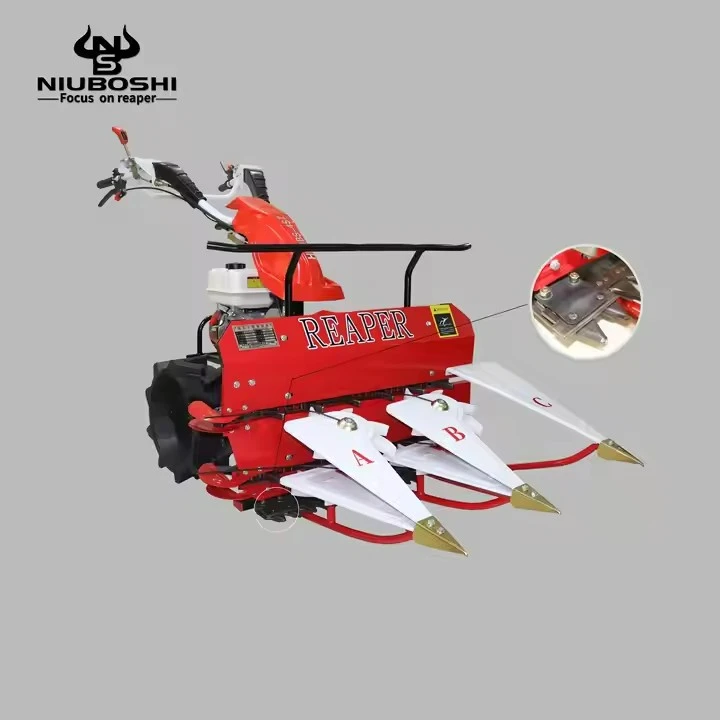
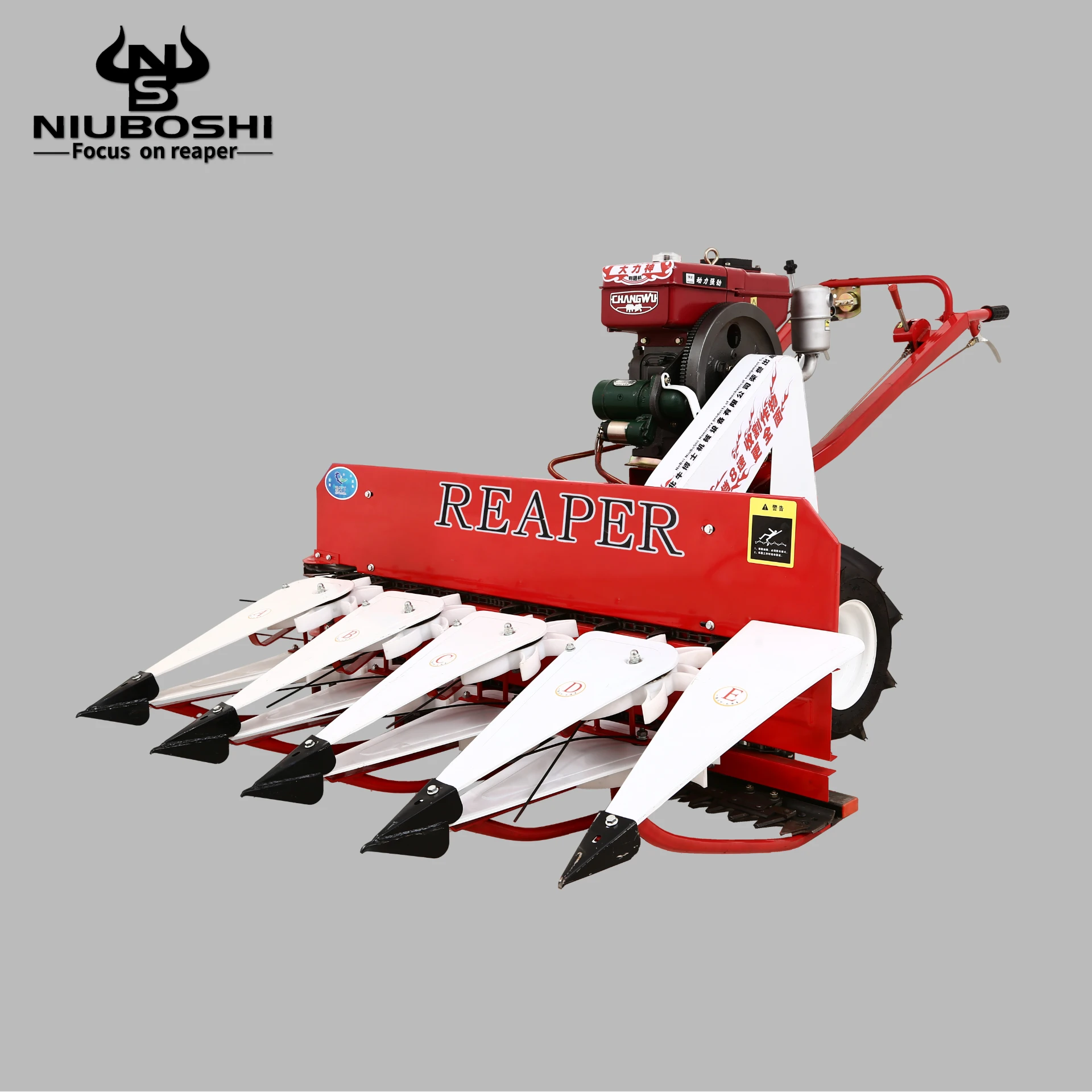
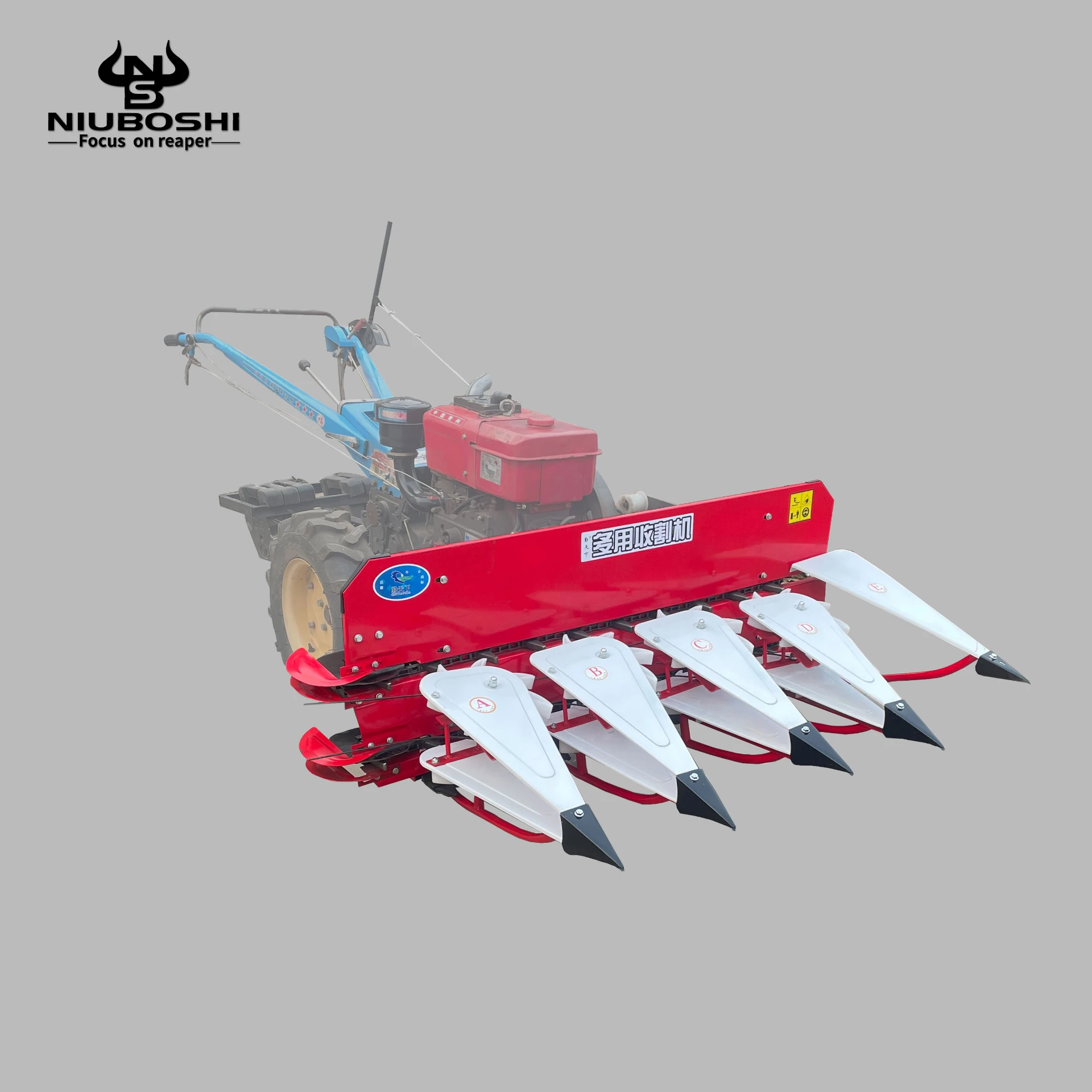
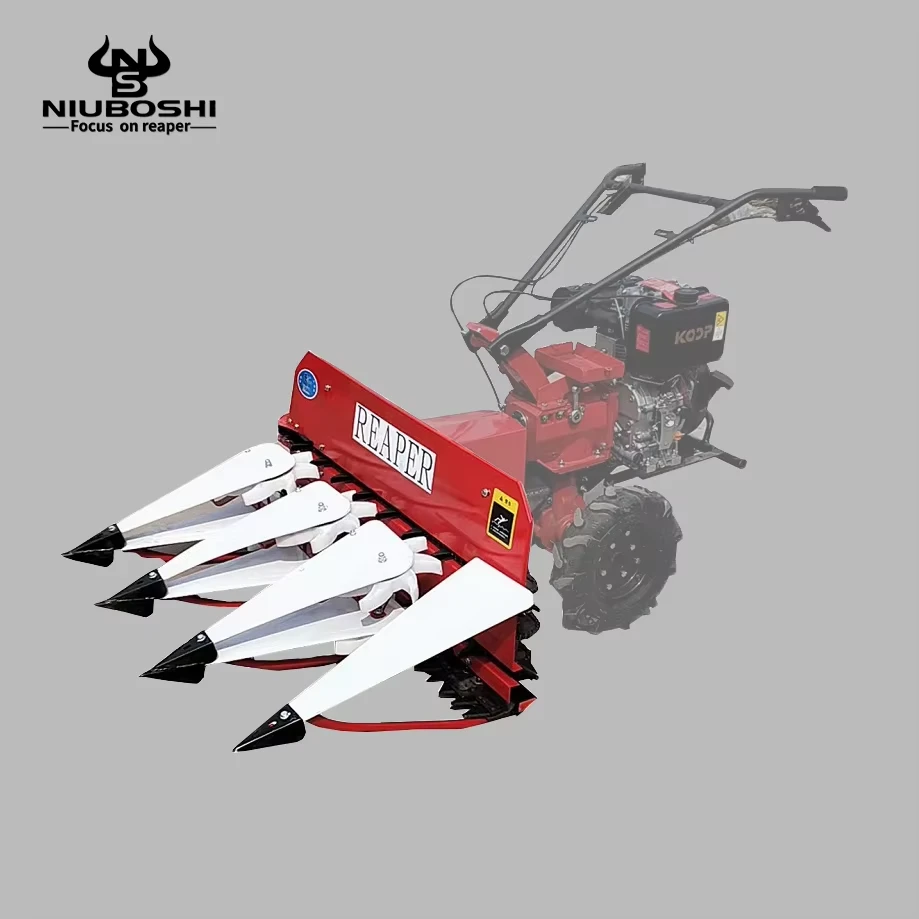
Simply put, a mini cotton harvester is a smaller, lightweight cotton-picking machine usually powered by a small engine or electric motor. Unlike industrial-size harvesters that can weigh upwards of several tons and demand massive fields, these mini versions are designed for portability, ease of operation, and lower maintenance costs.
For smallholders and emerging economies, they offer a chance to boost cotton yields without the capital-intensive investment traditional machinery demands. In humanitarian terms, improving cotton harvest efficiency translates to better economic resilience — a vital factor in food security and rural development.
Core Components and Key Features
1. Compact Design and Maneuverability
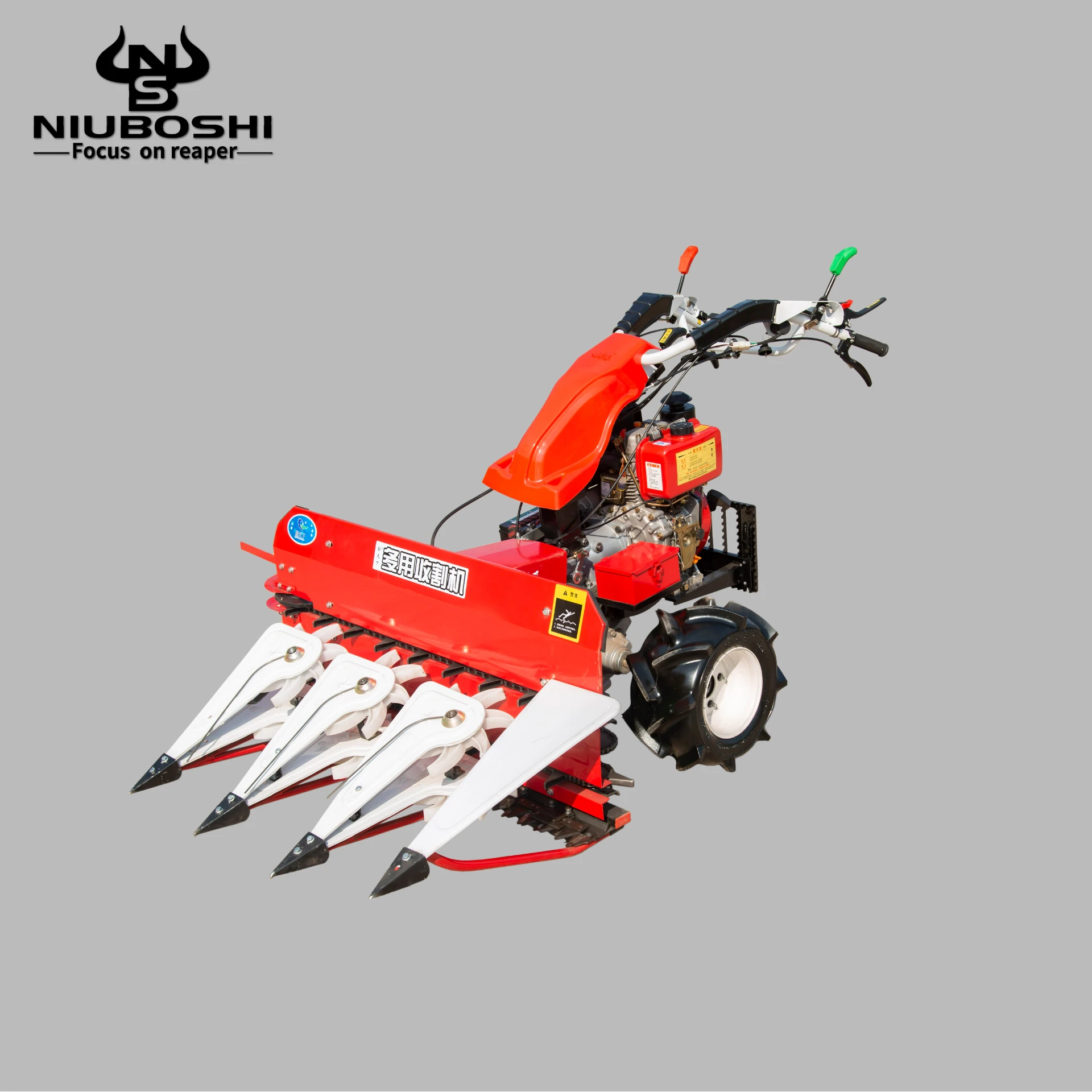
The compact size is the biggest selling point. These harvesters are usually under 350 kg, often designed as walk-behind models or small ride-ons. This means they can navigate tighter rows and uneven terrain without damaging the crop or soil.
2. Efficient Cotton Picking Mechanism
Many mini cotton harvesters employ gentle picking methods that minimize fiber damage and contamination, using rotating spindles or brushes that pluck cotton bolls instead of blunt tearing.
3. Cost Efficiency
Upfront and ongoing costs are noticeably lower compared to full-scale machines, including reduced fuel consumption, simpler maintenance, and often locally available parts.
4. Power Source Flexibility
Some models run on gasoline or diesel engines, but increasingly electric-powered variants are gaining traction, especially in regions focusing on sustainability.
5. Ease of Training and Operation
Considering the users are often smallholder farmers without formal training, these harvesters are designed to be as user-friendly as possible.
| Specification | Mini Cotton Harvester Model ZX-200 |
|---|---|
| Weight | 320 kg |
| Engine | Single-Cylinder Diesel, 7 HP |
| Picking Rate | 0.5 hectares/hour |
| Fuel Consumption | 1.2 L/h |
| Dimensions (L×W×H) | 1.5 m × 0.9 m × 1.2 m |
| Price Range | $4,000 – $6,000 |
Mini takeaway: In a nutshell, a mini cotton harvester blends smart design with practical features to compact the typically grueling cotton harvest into a manageable, efficient process.
Mini Cotton Harvesters in Real-World Operations
Globally, mini cotton harvesters have carved out significant niches. In West Africa, farmers with plots smaller than one hectare use these machines followed by mini cotton harvester solutions for improving harvest times and quality. In India’s cotton belt, NGOs have introduced them as part of sustainable farming initiatives to reduce labor drudgery and improve crop margins.
Another noteworthy context: in post-disaster recovery zones or conflict-affected rural areas, smaller-scale mechanized harvesters become a lifeline — ensuring farmers can capitalize on what crops they’ve managed to grow without relying solely on scarce, manual labor.
Example: A cooperative near Pakistan’s Punjab region reported a 35% increase in cotton yield per hectare after integrating mini cotton harvesters, even during erratic seasonal conditions.
Advantages & Long-Term Value of Mini Cotton Harvesters
- Cost Savings: Lower operational and maintenance costs mean more profit left in farmers’ pockets.
- Time Efficiency: Faster harvest cycles reduce crop exposure to bad weather or pests.
- Social Impact: Reducing manual labor intensity helps preserve health and improves quality of life.
- Environmental Benefits: Electric models reduce emissions, and smaller machines cause less soil compaction.
- Trust & Innovation: Farmers gain confidence through reliable machine performance and easier management.
Looking Ahead: Future Trends in Mini Cotton Harvesting
The future’s looking lively here. We’re seeing a push towards integrating IoT (Internet of Things) sensors for monitoring machine health and crop data — helping farmers fine-tune operations in real time. Battery-powered electric mini cotton harvesters are reducing dependence on fossil fuels, a plus for regions with unreliable fuel supply or strong sustainability goals.
Automation is creeping up too. Although full autonomy remains complex in small fields, semi-autonomous guidance systems are emerging — think GPS-assisted navigation and obstacle detection, aiding even novice operators.
Common Challenges and How They’re Addressed
Naturally, small machines come with some trade-offs. Limited picking speeds and capacity can sometimes frustrate efficiency goals, especially for slightly larger farms. That’s why many engineers stress modularity — machines designed with attachable components that can scale output.
Also, access to affordable spare parts remains a barrier in some regions, but local manufacturing efforts and training programs are making repairs and maintenance more feasible. Lastly, operator training can’t be overlooked — many suppliers now bundle hands-on training and follow-up support.
Vendor Comparison: A Quick Look at Popular Mini Cotton Harvesters
| Vendor | Model | Engine Type | Picking Speed (ha/hr) | Price Approx. | Key Feature |
|---|---|---|---|---|---|
| AgriTech Inc. | ATC-150 | Gasoline, 6HP | 0.45 | $3,800 | Lightweight, easy transport |
| FarmMaster | FM-ZX200 | Diesel, 7HP | 0.50 | $4,500 | Robust build, low fuel use |
| GreenHarvest | GH-E100 | Electric, 5kW | 0.40 | $5,200 | Zero emissions, quiet operation |
FAQ: Your Questions About Mini Cotton Harvesters Answered
- Q: How does a mini cotton harvester differ from a standard cotton harvester?
- A: Mini cotton harvesters are smaller, more affordable, and designed for small-to-medium farms where large machinery isn’t practical. They prioritize maneuverability and ease of use over sheer scale.
- Q: Are mini cotton harvesters suitable for uneven terrain?
- A: Absolutely. They’re specifically designed with compact size and flexible handling to work well in fields with uneven ground, narrow rows, or limited access — key advantages for many smallholder farmers.
- Q: What is the typical maintenance requirement for these machines?
- A: Maintenance is generally straightforward, involving regular cleaning, oil changes, and checking the cotton-picking components for wear. Many brands offer local training and support programs to ease upkeep challenges.
- Q: Can electric mini cotton harvesters be used in remote areas?
- A: Yes, provided there’s sufficient access to electricity or charging stations. Solar-powered battery packs are also being developed, making electric models increasingly viable in off-grid locations.
- Q: Where can I find trusted mini cotton harvester vendors?
- A: Trusted suppliers range from specialized agricultural machinery companies to regional dealers. Checking certifications, warranty terms, and after-sales service are good starting points. You can also explore reputable manufacturers online like mini cotton harvester providers.
Wrapping Up: Why Mini Cotton Harvesters Deserve a Spot in Your Cotton Field
The mini cotton harvester isn’t just another machine; it’s a story of accessibility, sustainability, and technological progress suited for the realities of today’s cotton farmers. Whether you’re a smallholder aiming to improve yield or a development agency seeking effective agricultural solutions, these compact harvesters offer a clever middle ground.
Interested? Take a closer look — visit https://www.hbniuboshi.com for a lineup of options tailored to diverse needs and budgets. Sometimes the smallest tools make the biggest difference — and in cotton harvesting, that’s definitely the case.
References
Latest news
-
Maximize Harvest Efficiency with the Agro Reaper Binder MachineNewsApr.16,2026
-
Boost Harvest Efficiency with the Best Agriculture Reaper MachineNewsApr.09,2026
-
Revolutionizing Agriculture with the Efficient Agriculture Power ReaperNewsApr.07,2026
-
Comprehensive Guide to the 4 Wheel Reaper Binder for Efficient HarvestingNewsApr.04,2026
-
Comprehensive Guide to Reaperbinder Technology for Efficient Hay and Crop HarvestingNewsMar.31,2026
-
Mastering the Art of Reaper Cutting for Enhanced Agricultural EfficiencyNewsMar.28,2026