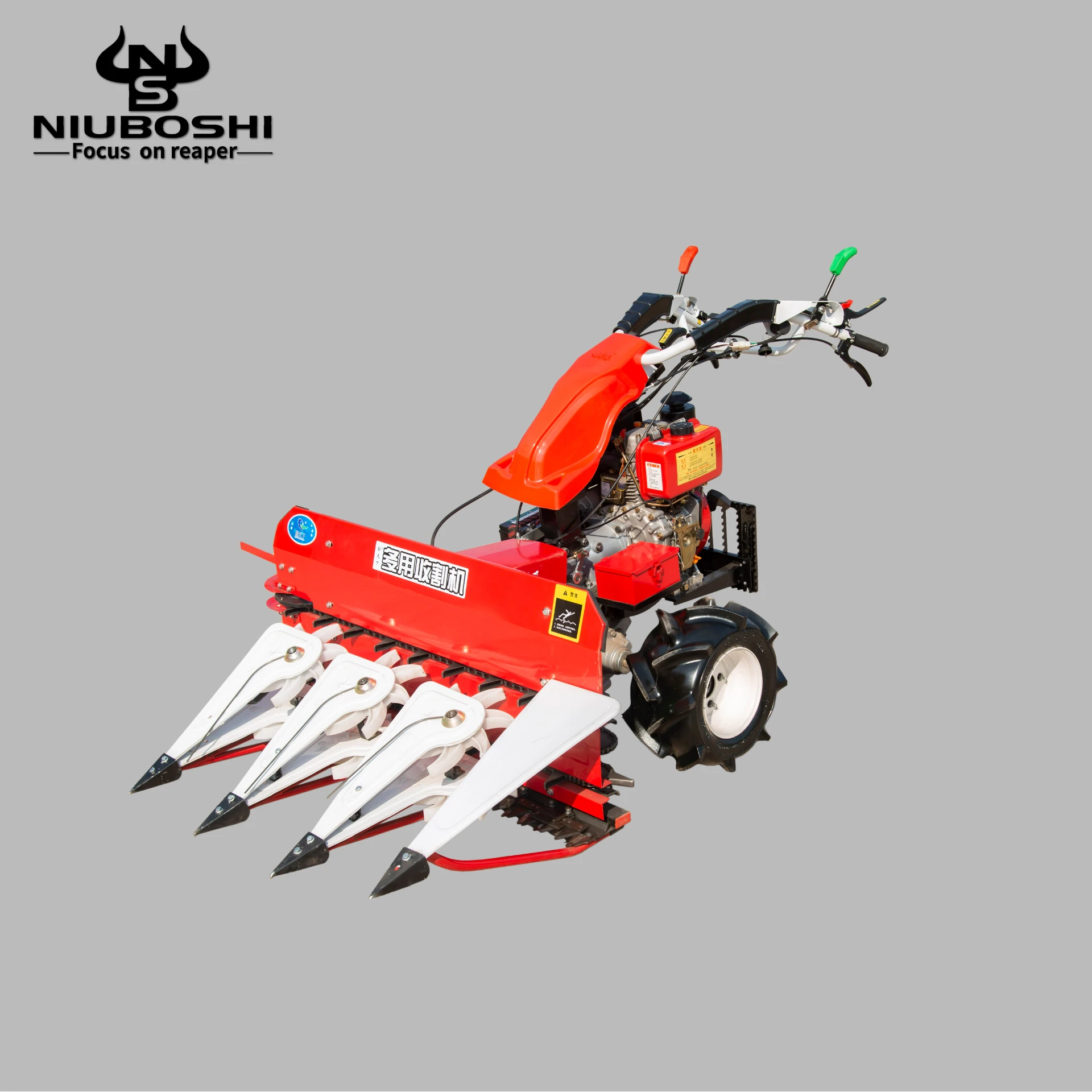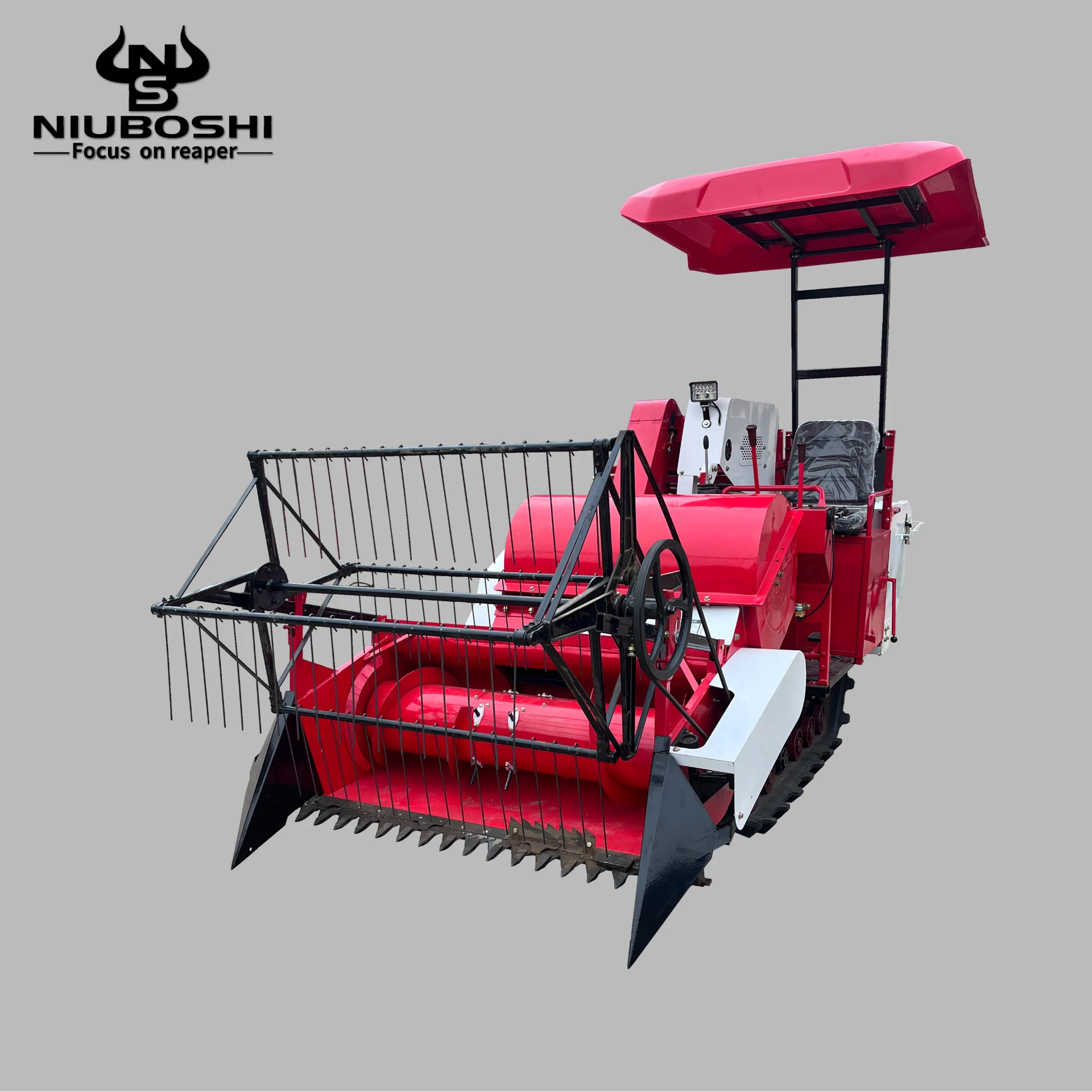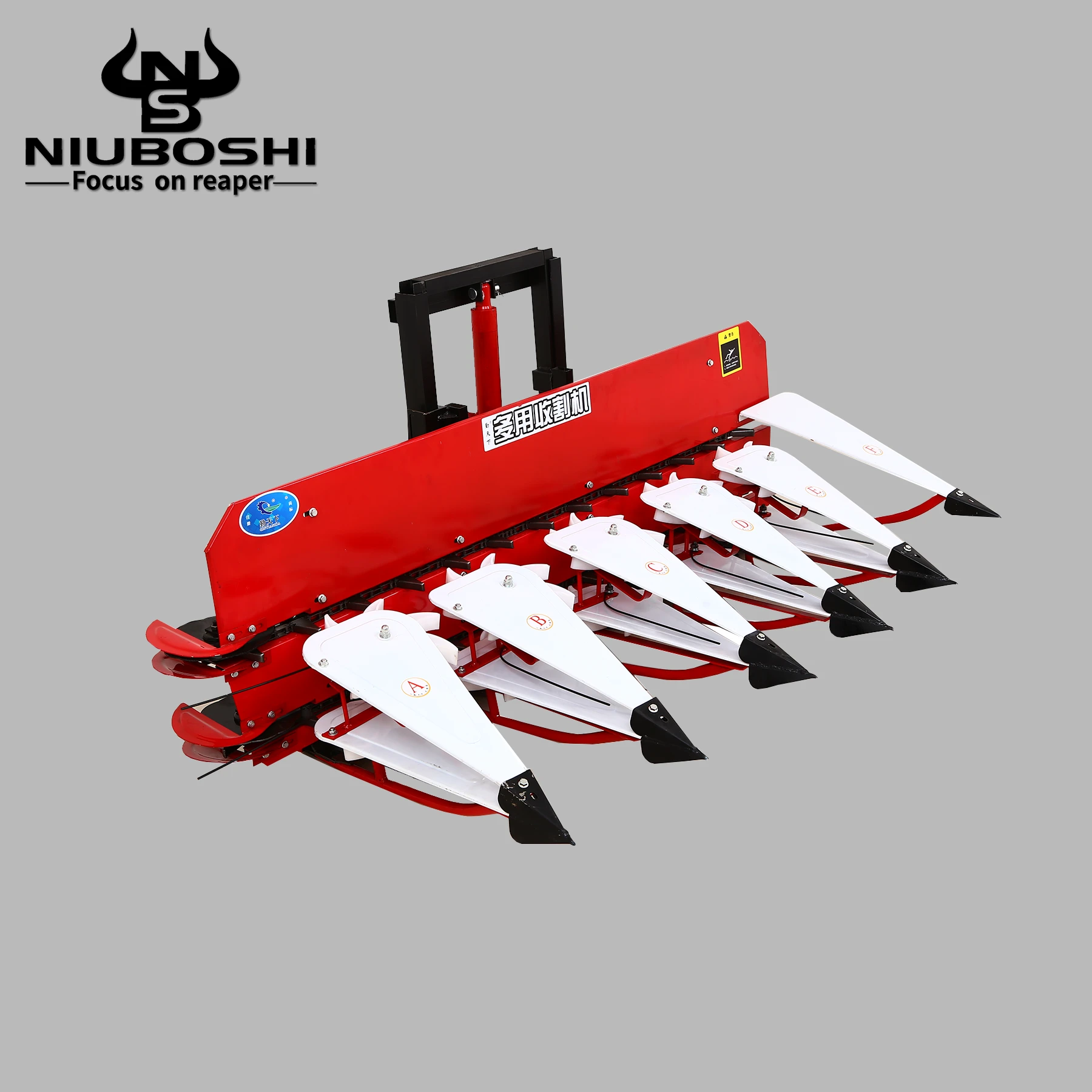
Mini Combine Tractor Harvester – Compact Efficiency for Smallholder Farming
Mini Combine Tractor Harvester: Small Size, Big Impact
Amid a growing world population and tightening arable land, agricultural efficiency isn’t just a buzzword—it’s a survival imperative. The mini combine tractor harvester emerges as an unexpected ally in this challenge, offering compact power, adaptability, and cost-effective harvesting suited to the modern farmer’s reality. It’s fascinating how these compact machines are quietly reshaping the farming landscape globally, ensuring harvests don’t just happen but thrive. Let’s unpack the why, what, and how behind this deceptively simple farming tool.
Why Mini Combine Tractor Harvesters Matter Globally
Globally, agriculture employs roughly 27% of the workforce and produces food critical for billions (World Bank, 2023). Still, smallholder farms—those typically under two hectares—dominate the sector in developing nations, and yet much of the machinery available is oversized and ill-suited for them. Enter the mini combine tractor harvester, a game-changer specifically designed to bridge this gap. According to the Food and Agriculture Organization (FAO), mechanization of small farms can boost productivity by up to 30% while drastically reducing labor woes.
The challenge is that traditional combine harvesters are bulky, expensive, and need infrastructure many rural areas lack. Mini versions compact that power to an accessible scale, offering practical benefits to farmers in Asia, Africa, and Latin America — where much of global food production depends on small farms. They help solve the paradox of needing high-tech yet affordable tools tailored to ecosystems with patchy road networks and limited space. So, beyond hopping on a fancy tech trend, these machines are about survival, dignity, and smart resource use.
Mini Takeaway:
Mini combine tractor harvesters matter because they bring mechanization to small farms worldwide, improving yields and easing labor without the big price tag or infrastructure demands.
What Exactly Is a Mini Combine Tractor Harvester?
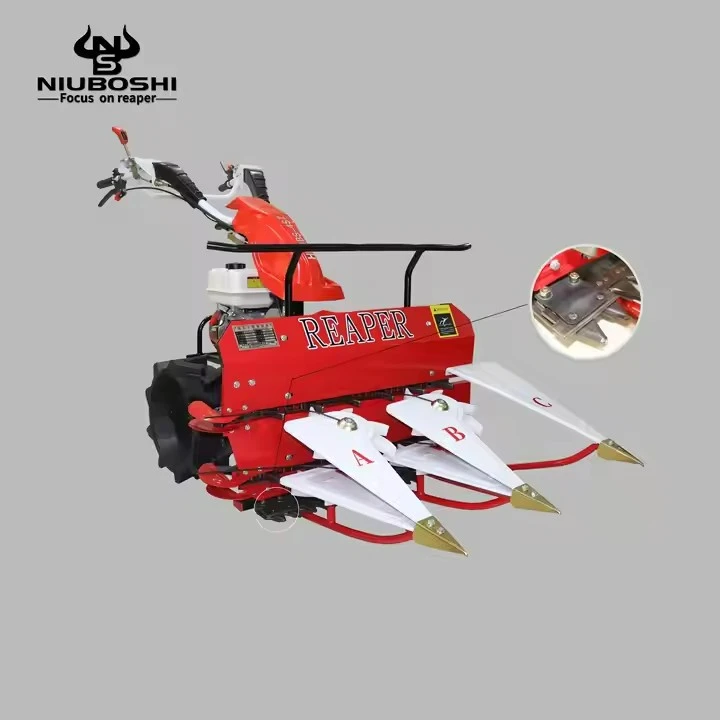
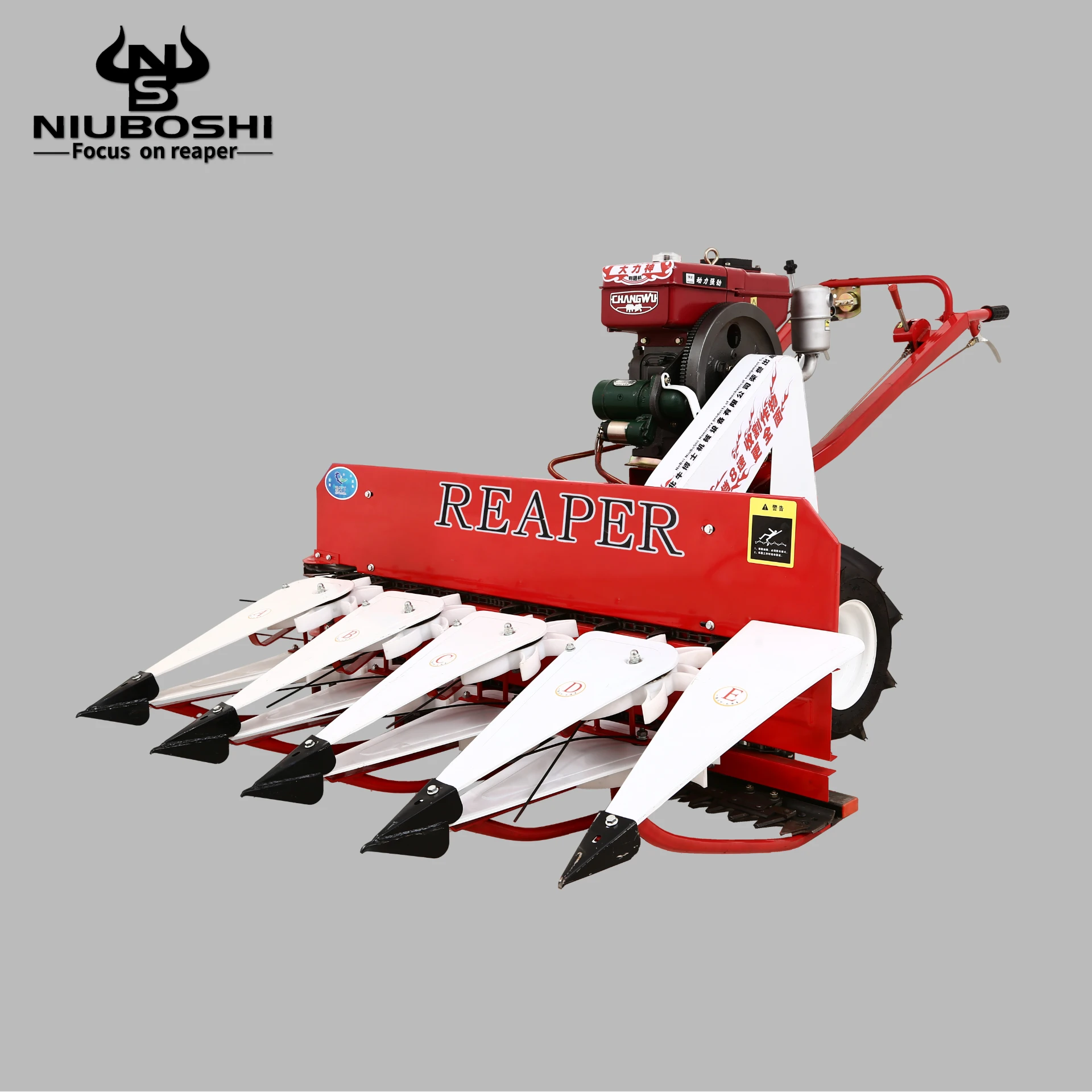
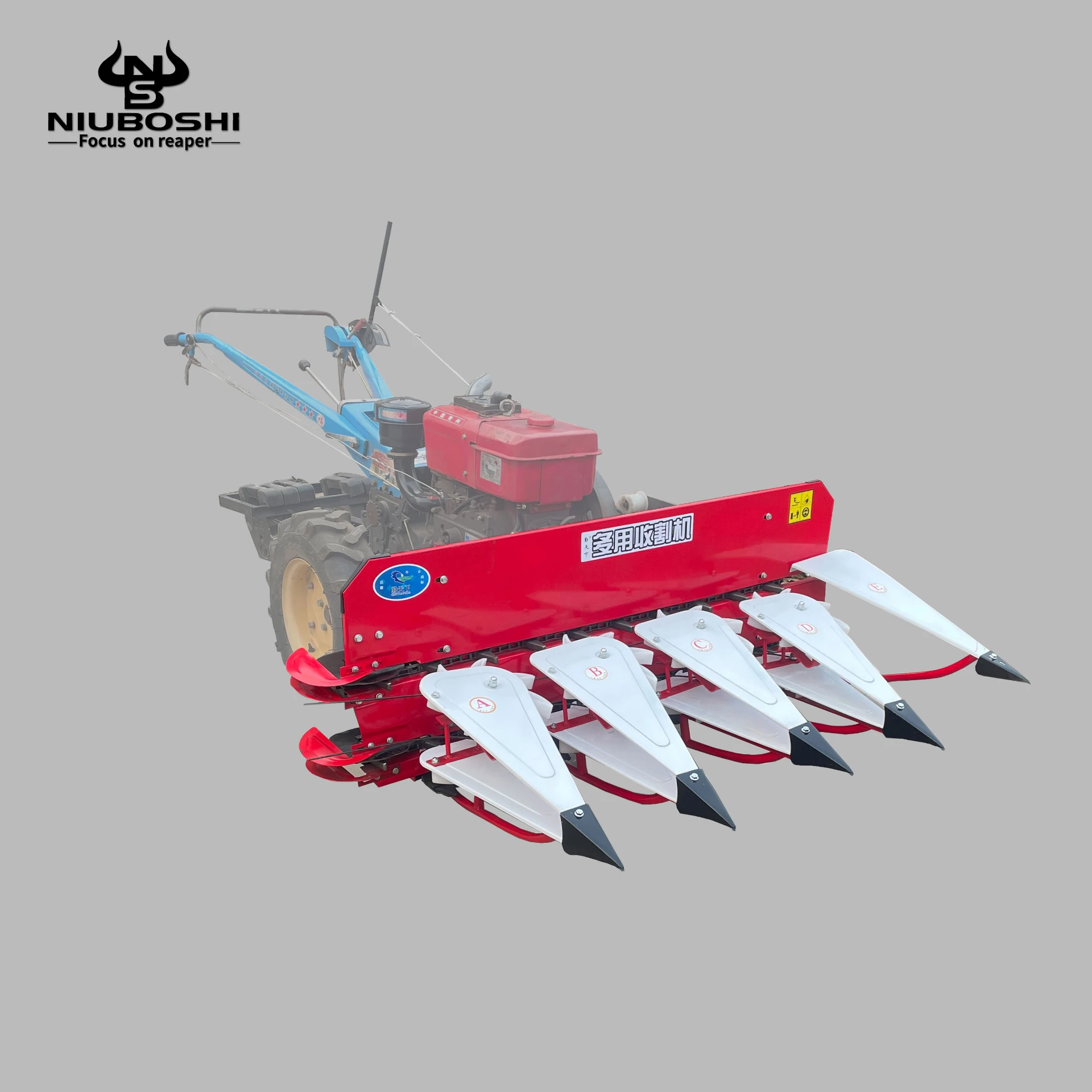
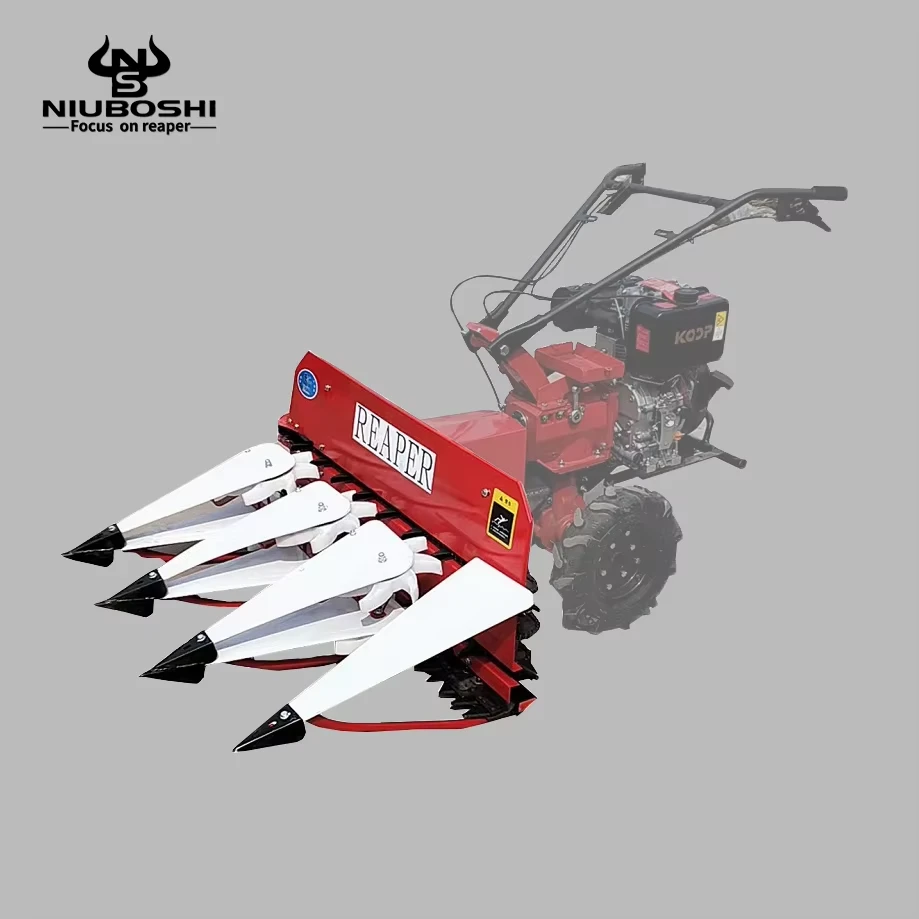
At its core, a mini combine tractor harvester is a scaled-down agricultural machine combining multiple harvesting operations—cutting, threshing, and cleaning grain—into one compact suited for smaller fields and less powerful tractors. Unlike traditional large combines with long cutter bars and heavy tonnage, mini versions typically weigh under 2 tons and have headers ranging from 1.2 to 2.5 meters wide.
These harvesters make mechanized harvesting accessible for farmers who couldn’t otherwise manage heavy equipment, nor afford costly fuel or maintenance. They often feature simpler designs, easier controls, and reduce downtime, making them practical for both crop diversity and terrain challenges—think terraces or narrow plots. Essentially, they distill the efficiency of mechanized harvesting into something mobile, affordable, and adaptable, lending them a crucial role in feeding both local and global populations.
Mini Takeaway:
Simply put, mini combine tractor harvesters are the compact workhorses of modern small-scale farming, integrating multiple harvesting functions into one user-friendly machine.
Core Features and Components of Mini Combine Tractor Harvesters
1. Durability and Robustness
Though small, these machines must endure rough terrain and frequent use. Engineers typically use reinforced steel frames and weather-resistant coatings to balance weight with toughness. Oddly enough, many designs borrow heavily from industrial equipment standards (ISO 12100 for safety applies here), ensuring they last several harvest seasons—even in intense conditions.
2. Scalability and Adaptability
Mini harvesters can be hitched to diverse tractor models or even operate standalone with small engines. Adjustable headers accommodate various crop types like rice, wheat, barley, or soybeans. Many farmers value the flexibility to switch crops during different seasons without heavy retrofitting.
3. Fuel Efficiency and Cost Management
Fuel consumption is roughly 30-50% less than larger machines, thanks to compact engines often rated at 15–30 HP. This reduction diminishes total operational costs, making machinery ownership viable for many who’d otherwise rent or rely solely on manual labor.
4. Ease of Maintenance and Operation
Keeping things simple wins here. Operators typically find ready access to crucial parts like belts, sieves, and filters—less downtime, fewer headaches. Plus, controls are intuitive, often manual or semi-automated, suited for users who aren’t always formally trained technicians.
5. Environmental Impact and Sustainability
Less soil compaction due to lighter weight, lower fuel emissions, and supports precision farming techniques that reduce wastage—mini harvesters tick many eco-friendly boxes, which increasingly matter to buyers worldwide.
Mini Takeaway:
- Long-lasting design, adjustable for crops and tractors.
- Cost- and fuel-efficient, simple to operate.
- Eco-conscious features suited for sustainable farming.
Typical Specifications of a Mini Combine Tractor Harvester
| Feature | Specification |
|---|---|
| Engine Power | 15–30 HP diesel |
| Harvesting Width | 1.2 to 2.5 meters |
| Weight | 1,000–1,800 kg |
| Fuel Consumption | 3–5 liters/hour |
| Suitable Crops | Rice, wheat, barley, soybean |
| Operational Speed | 2–4 km/h |
The Global Reach: Where and How Mini Combine Tractor Harvesters Are Used
Regions in Southeast Asia, Sub-Saharan Africa, and Latin America are hotbeds for mini combine adoption. Why? Farmlands there are often small, fragmented, and uneven—perfect territory where a large combine would flop. For example, in the Philippines, many rice farmers started switching to mini combine tractor harvesters in the last decade, cutting harvesting time by 40% and reducing labor costs by as much as half.
Organizations like the UN’s Food and Agriculture Organization promote mini combines for post-disaster recovery, where fast, efficient harvesting “windows” can mean the difference between food security and famine. In mountainous Nepal, smaller-sized, maneuverable harvesters allow terraced farms to keep pace with modern farming expectations.
Oddly enough, some high-tech startups in Europe are taking the mini combine into organic farms and vineyards, where precision and minimal soil disturbance matter. It feels like a “big machine in a small package” story that really spans continents.
Mini Takeaway:
The mini combine tractor harvester thrives globally on small, fragmented farms, emergency response, and even some specialized agricultural niches.
Comparing Some Popular Mini Combine Tractor Harvester Vendors
| Vendor | Engine Power (HP) | Header Width (m) | Weight (kg) | Price Range (USD) |
|---|---|---|---|---|
| AgriMini | 18 | 1.5 | 1,300 | 4,200–5,000 |
| FieldSprint | 25 | 2.2 | 1,700 | 5,500–6,300 |
| HarvestPro | 20 | 1.8 | 1,400 | 4,800–5,700 |
What Are the Biggest Benefits of Mini Combine Tractor Harvesters?
- Cost-effectiveness: Lower upfront and operational costs encourage ownership.
- Increased efficiency: Faster harvesting times free up labor for other tasks.
- Lower environmental footprint: Less fuel, less soil compaction, and suitability for sustainable farming.
- User-friendly: Easier to operate and maintain without expert technicians.
- Empowerment of smallholders: Lifts productivity and incomes, contributing to rural development.
There’s also a less tangible value: peace of mind that harvest can be completed reliably. For many farmers, that safety net translates to family security and community stability.
Mini Takeaway:
Beyond efficiency and cost, these machines bring a social and environmental lifeline that modern agriculture truly needs.
Where Is Innovation Taking Mini Combine Tractor Harvesters Next?
The future looks bright and a bit buzzing: integration with GPS for precision harvesting, electric or hybrid powertrains to cut emissions, and IoT-enabled analytics to predict maintenance and optimize fuel use are on the horizon. Some manufacturers are testing AI-based crop condition sensors that dynamically adjust harvesting settings mid-field—imagine a mini combine that can "think" on its feet.
Additionally, lightweight composite materials are replacing steel frames to reduce weight without sacrificing strength. Globally, policies promoting climate-smart agriculture encourage investment in more efficient, greener mini combines, tapping into sustainability funding streams.
Mini Takeaway:
The mini combine tractor harvester is poised for smarter, cleaner, and more connected farming, changing the game yet again.
Common Challenges and How Experts Are Solving Them
Despite all the benefits, mini combine tractor harvesters face hurdles: parts availability in remote areas can be tricky; operator training isn’t always widespread, and initial costs—though lower than full combines—can still be substantial for some farmers. Moreover, adapting machines perfectly to very different crops and terrains remains a design puzzle.
Innovative solutions include modular designs with interchangeable headers to cut costs, mobile training programs for operators, and after-sales service networks facilitated by local cooperatives or NGOs. Some companies use 3D printing for spare parts on demand, easing logistics snags. Frankly, the model is evolving as fast as the challenges appear.
FAQ: Frequently Asked Questions About Mini Combine Tractor Harvester
- Q: What size of farm is a mini combine tractor harvester best suited for?
- A: Farms between 0.5 and 5 hectares benefit most, especially where large machines can't operate efficiently or are cost-prohibitive.
- Q: How difficult is it to maintain a mini combine tractor harvester?
- A: Maintenance is generally straightforward; routine checks and cleaning after harvest keep machines running. Many models are designed with easy-access parts to reduce downtime.
- Q: Can mini combine tractor harvesters handle different crops?
- A: Most are adaptable for grains like rice, wheat, barley, and soy, with adjustable headers and settings enabling basic crop variation.
- Q: Are mini combines fuel-efficient compared to larger machines?
- A: Yes, they consume roughly 30–50% less fuel, reducing operational costs and environmental impact significantly.
- Q: How do smallholder farmers typically finance purchase?
- A: Many rely on microfinance, cooperative purchases, government subsidies, or rent-to-own schemes facilitated by NGOs and local authorities.
Wrapping Up: Why Mini Combine Tractor Harvester Is a Smart Investment
In summary, mini combine tractor harvesters offer a blend of practicality, innovation, and social impact that meet the pressing needs of agriculture today and tomorrow. They democratize mechanization, turning the impossible into everyday viability for countless smallholders. Whether your priorities are cost, sustainability, or simply finishing the harvest on time, these machines have a role to play.
Curious to see the latest models and explore options? Visit our website at https://www.hbniuboshi.com, where innovation meets field-tested experience.
Final Thought:
Mechanization doesn’t have to mean big machines and big costs. Sometimes, smaller really is stronger.
References
- World Bank Group (2023). Agriculture and Food. worldbank.org/en/topic/agriculture
- Food and Agriculture Organization of the United Nations (2022). Mechanization in Agriculture. fao.org/mechanization
- International Organization for Standardization - ISO 12100:2010 Safety of machinery - General principles. iso.org/standard/51528.html
Latest news
-
Maximize Harvest Efficiency with the Agro Reaper Binder MachineNewsApr.16,2026
-
Boost Harvest Efficiency with the Best Agriculture Reaper MachineNewsApr.09,2026
-
Revolutionizing Agriculture with the Efficient Agriculture Power ReaperNewsApr.07,2026
-
Comprehensive Guide to the 4 Wheel Reaper Binder for Efficient HarvestingNewsApr.04,2026
-
Comprehensive Guide to Reaperbinder Technology for Efficient Hay and Crop HarvestingNewsMar.31,2026
-
Mastering the Art of Reaper Cutting for Enhanced Agricultural EfficiencyNewsMar.28,2026