Mini Combine Harvester Price Guide: Global Trends, Benefits & Buying Tips
Understanding the Mini Combine Harvester Price: What You Need to Know
If you’re involved in agriculture or agritech, you’ve probably bumped into discussions about the mini combine harvester price. These compact machines are game-changers for small to medium-sized farms, especially in regions where large harvesters just aren’t practical or affordable. But why does tracking the price of mini combine harvesters matter so much, globally? Well, these machines impact more than just crop yields—they touch on food security, labor efficiency, and rural economies in a serious way.
Globally, more than 570 million farms operate on less than two hectares of land (FAO, 2021). Mini combine harvesters offer these farmers mechanization without breaking the bank. Understanding their price, therefore, isn’t just a commercial concern; it’s part of a bigger picture involving sustainable production and rural development. The benefits include eased labor requirements, reduced harvest time, and ultimately, better livelihoods for farmers. Diving into the key aspects of these machines may also help policymakers and businesses make informed procurement decisions.
Mini Combine Harvester Price in the Global Context
To offer a bit more context: according to the World Bank, mechanization in agriculture can increase productivity by 30% or more, especially in developing countries. But the upfront cost of full-sized combines often stifles adoption. That’s why mini versions—lighter, less powerful, and cheaper—fill a niche. Oddly enough, despite their significance, mini combine harvester prices can vary widely, influenced by factors from manufacturing origin to technological features.
In places like Southeast Asia, Africa, and parts of Eastern Europe, mini combines are essential tools. For example, Vietnam’s rice harvest season has seen increased reliance on mini combine harvesters, bringing down labor costs and boosting output (Vietnam Ministry of Agriculture, 2022). Yet, farmers often hesitate, waiting to understand if the price tag truly matches long-term value.
Defining the Mini Combine Harvester Price
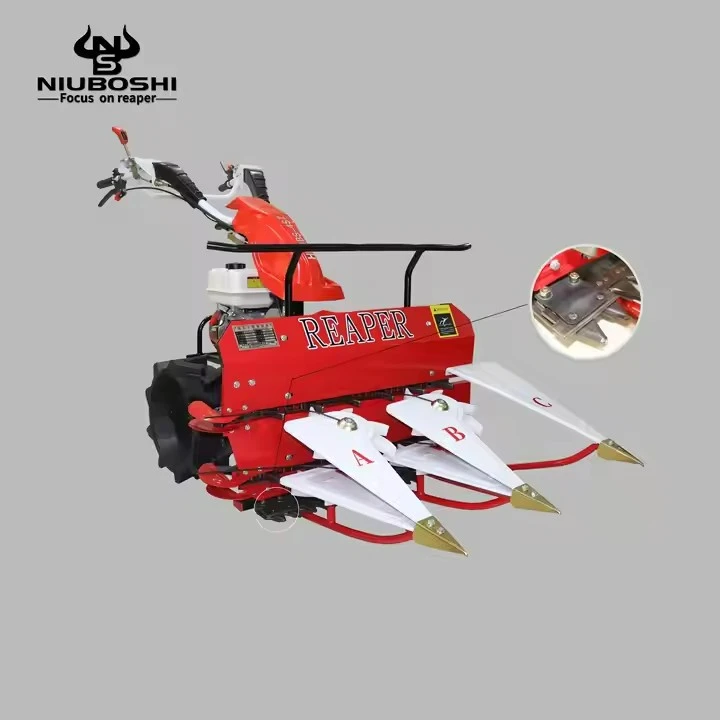
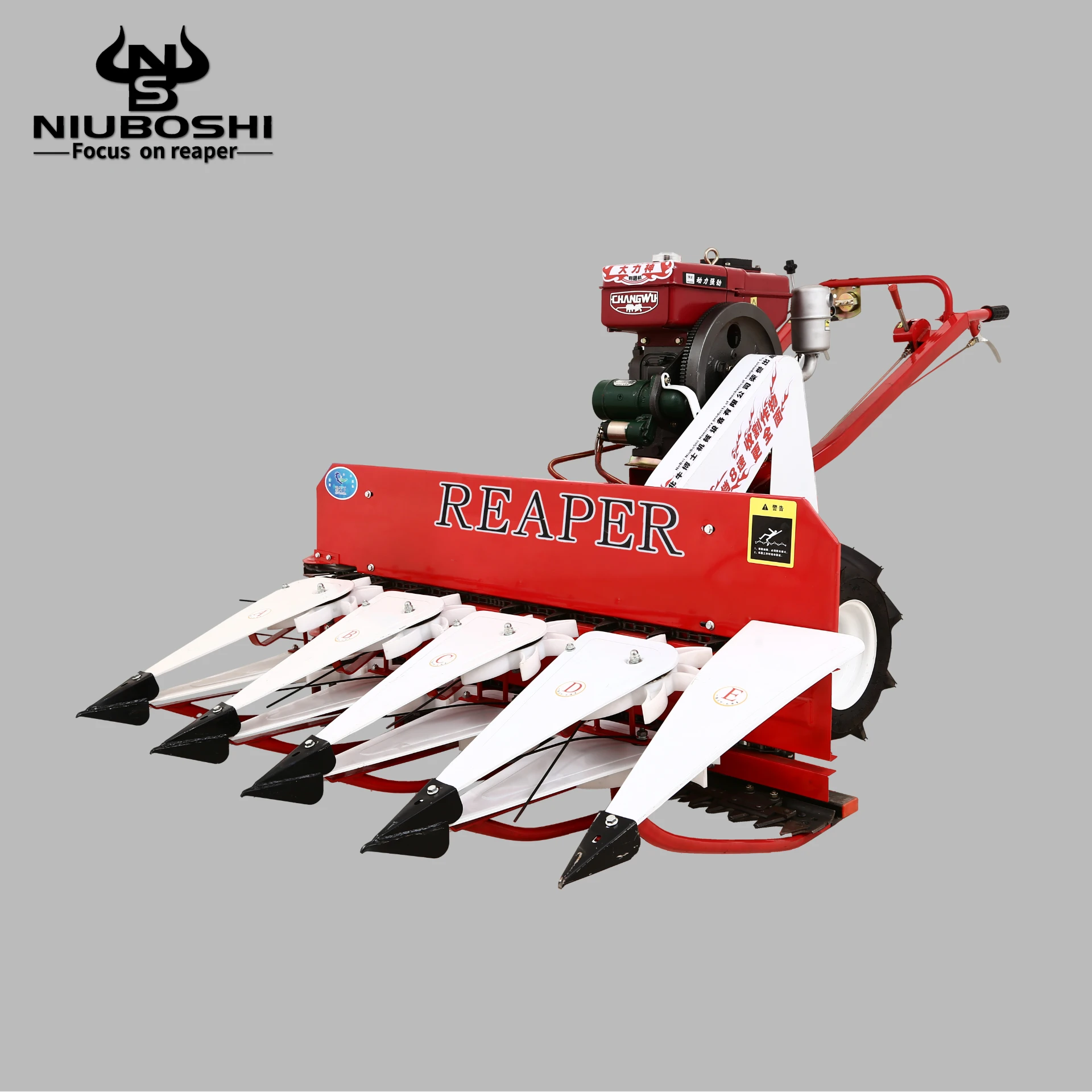
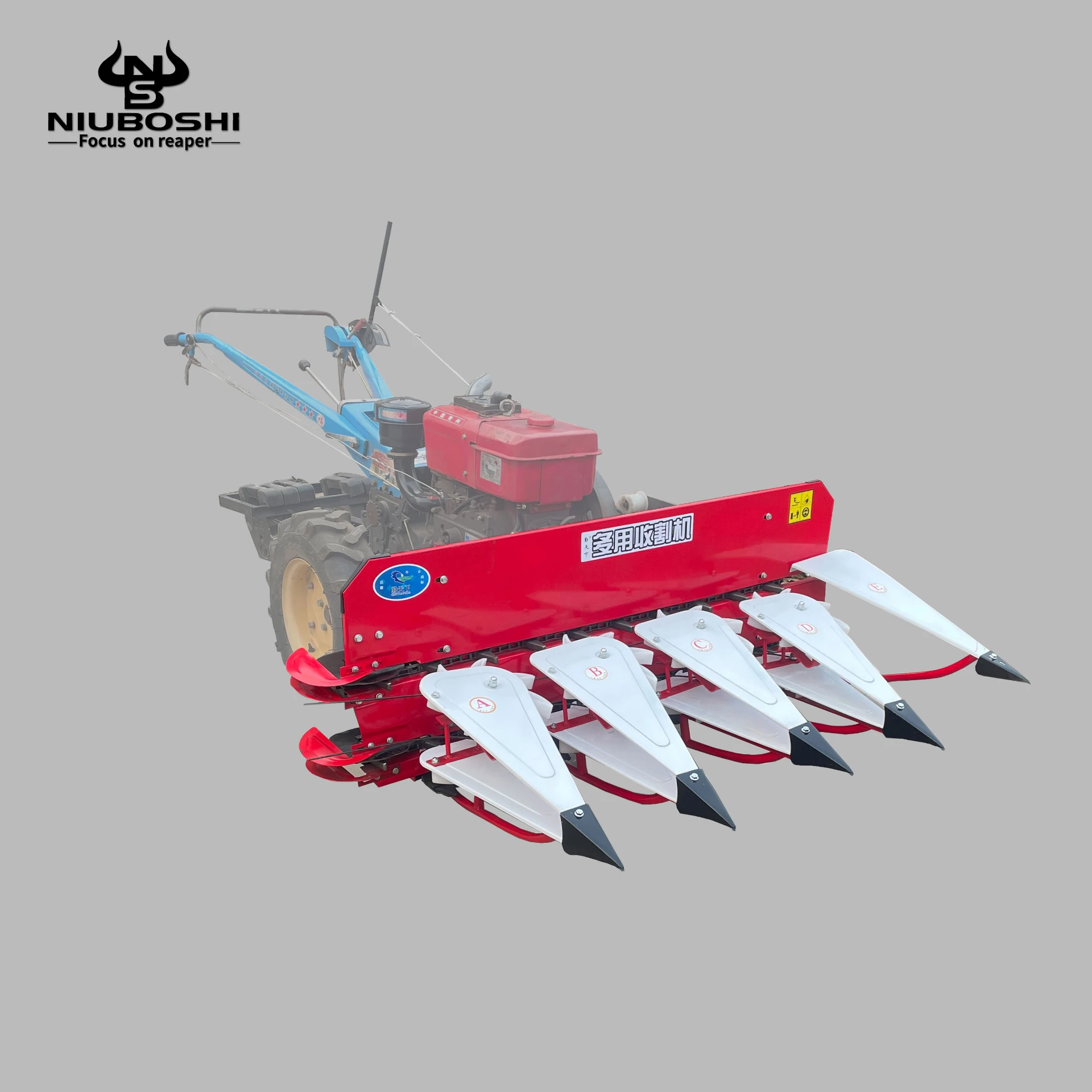
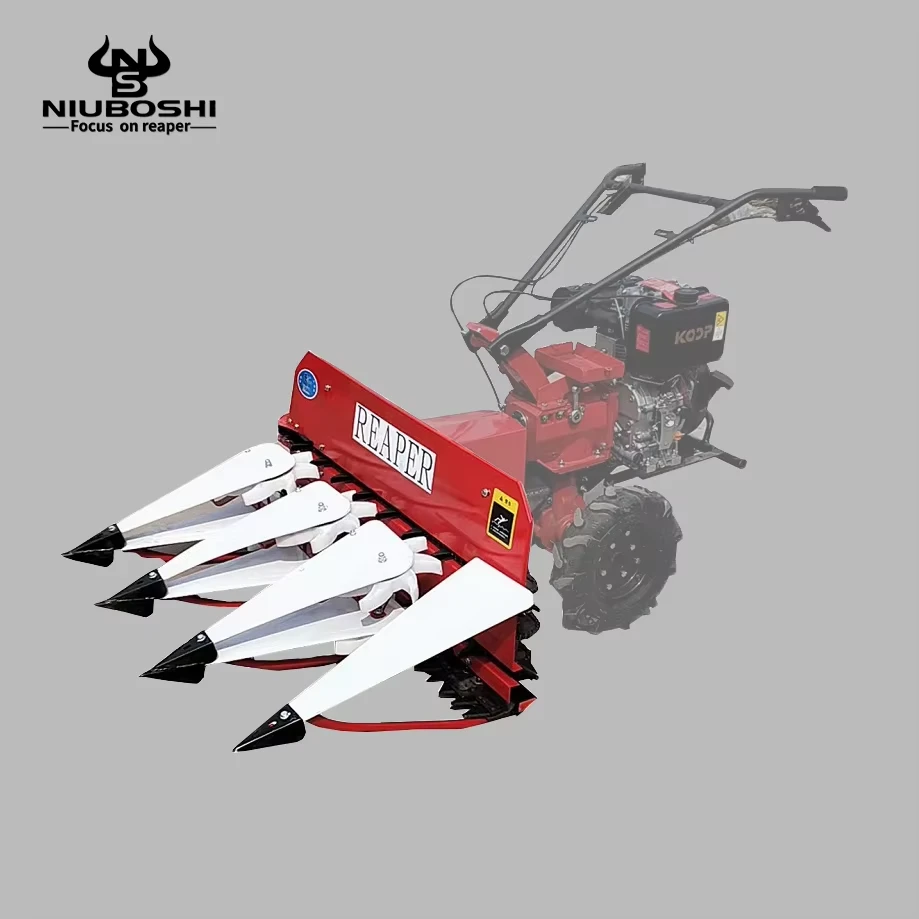
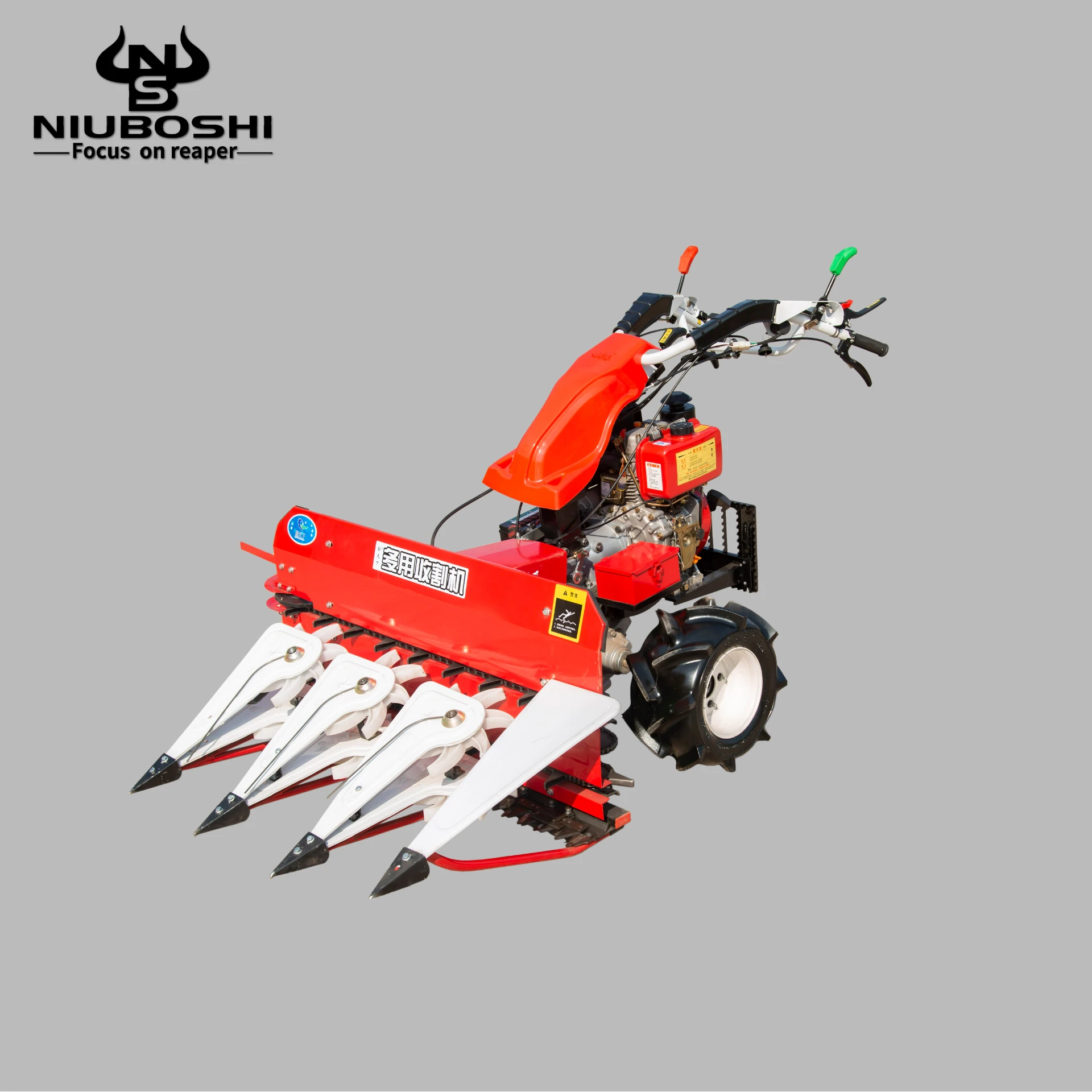
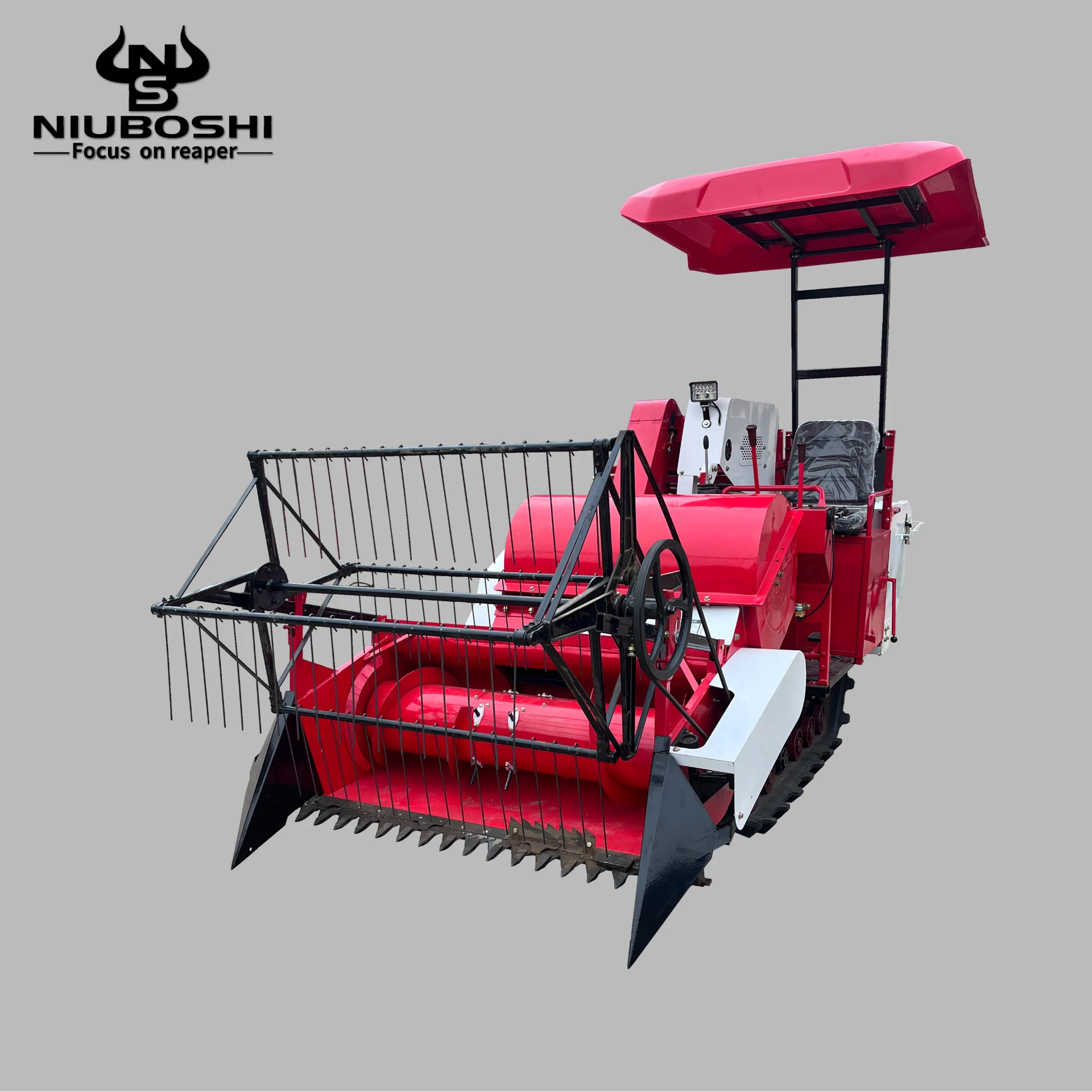
What exactly do we mean by the mini combine harvester price? Simply put, it’s the market cost you’d pay to acquire a compact agricultural harvester that combines reaping, threshing, and winnowing functions into a single machine. These machines typically weigh between 0.5 to 2.5 tonnes and are designed to work on smaller plots of land efficiently.
Their prices differ from country to country, model to model, but generally range from $3,000 to $12,000 USD. This contrasts with full-sized combines that often exceed $150,000. The price integrates manufacturing quality, engine capacity, fuel efficiency, and additional features like automated controls or adaptability to different crops.
Key Factors Influencing Mini Combine Harvester Price
1. Durability and Build Quality
Many smallholders depend on their harvester for years, sometimes with limited maintenance. So, machines built from rust-resistant materials or backed by solid warranties reflect in slightly higher prices but often yield better value. In dusty or wet environments, build robustness is a major consideration.
2. Engine Power & Fuel Efficiency
The engine size affects how quickly and effectively the harvester works. Mini combines usually offer engines from 15 to 35 HP. The more power you get, the better performance – but fuel consumption rises too. Fuel-efficient engines are a hot topic, especially as diesel prices fluctuate globally.
3. Scalability and Adaptability
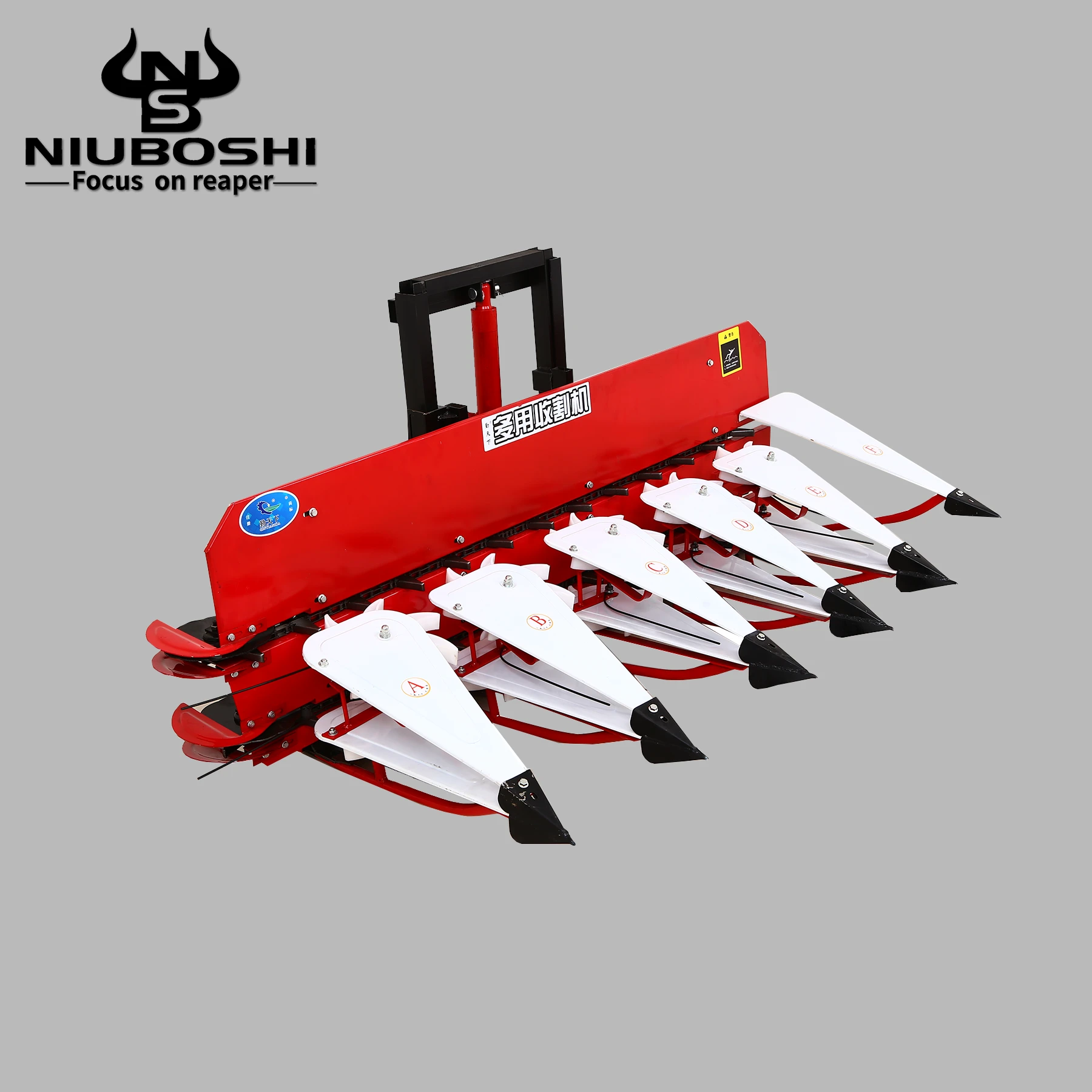
Some mini combine harvesters come with modular parts or adjustable cutting widths, allowing users to upgrade or switch between crops like rice, wheat, or maize. This flexibility often nudges prices up but widens usability.
4. Technology and Automation Features
The industry is slowly welcoming GPS-driven guidance or automated grain separation on mini harvesters. These fancy add-ons raise the price but promise ease of use and improved precision.
5. After-Sales Service and Warranty
Price sometimes includes a support package. Access to spare parts and service centers can influence not just cost but buyer confidence. International buyers should especially note shipping and customs fees, which add to the final outlay.
| Feature | Specification Range |
|---|---|
| Engine Power | 15 – 35 HP |
| Weight | 500 – 2500 kg |
| Cutting Width | 0.9 – 1.5 meters |
| Fuel Type | Diesel/Petrol |
| Grain Tank Capacity | 0.5 – 1.2 tons |
Global Applications and Real-World Use Cases
Mini combine harvesters aren't just for standard farms. They’re crucial in places where terrain or plot sizes limit traditional machinery. In Southeast Asia, these machines harvest rice paddies that are too small or terraced for large combines. In East Africa, NGOs distribute them to improve harvests for smallholder maize farmers.
Interestingly, in disaster-stricken zones where food production falters due to loss of manpower or equipment, small combines can rapidly accelerate post-crisis recovery, helping re-establish local food stocks. Agricultural startups in South America also combine the mini harvester with IoT-enabled sensors—an innovation helping farmers track crop yields in real time.
Advantages and Long-Term Value
- Cost Efficiency: Compared to manual labor or renting bigger combines, investing in a mini combine harvester usually pays off within a few harvest seasons.
- Sustainability: Smaller size means reduced soil compaction and lower fuel use, supporting eco-friendly farming.
- Labor Relief: It cuts down the drudgery of manual harvesting, increasing safety and dignity for workers.
- Innovation Trust: Many farmers report trust in local suppliers or brands offering reliable after-sales service.
So, the price is more than a number—it’s about what the machine represents in livelihood sustainability.
Vendor Comparison of Popular Mini Combine Harvesters
| Brand | Starting Price (USD) | Engine HP | Warranty | Key Feature |
|---|---|---|---|---|
| Niuboshi | $5,500 | 18 HP | 2 years | Durable, easy maintenance |
| Kubota | $8,000 | 22 HP | 3 years | Advanced automation |
| Yanmar | $7,200 | 20 HP | 1.5 years | Fuel efficiency focus |
Future Trends and Innovations Impacting Mini Combine Harvester Price
Looking ahead, the mini combine harvester’s price will undoubtedly reflect innovations in green energy, such as electric or hybrid engines replacing diesel. A few manufacturers are testing solar-powered threshers, which, frankly, could be a game changer in off-grid rural areas.
Automation isn’t just about fancy GPS either — even basic sensor integration to optimize grain separation or reduce fuel consumption is bubbling up in newer models. Mini combine harvester price will also increasingly factor in these smart upgrades.
Challenges and Solutions
Of course, cost alone isn’t the only barrier. Maintenance availability, quality assurance, and farmer training sometimes lag behind. Many manufacturers and NGOs are now bundling training programs with sales or rentals to close this gap.
Innovative financing, like lease-to-own or group ownership schemes that spread out the upfront cost, are gaining traction. This helps farmers acquire essential machinery without crushing debt, while vendors secure longer customer relationships.
FAQs: What People Often Ask About Mini Combine Harvester Price
- Q: How does mini combine harvester price compare to manual labor costs?
- A: Investing in a mini combine usually saves money over a couple of seasons compared to paying daily harvest wages, especially during peak seasons when labor is scarce or costly.
- Q: Are there financing options available for purchasing mini harvesters?
- A: Yes, many companies and NGOs offer credit or leasing plans tailored for farmers, which help mitigate the upfront financial burden and spread payments over harvest cycles.
- Q: What maintenance should I expect, and will that affect the price?
- A: Routine maintenance like oil changes and blade sharpening is essential but manageable. Warranties and after-sales support can add to initial price but reduce long-term costs.
- Q: Can mini combine harvesters be customized for different crops?
- A: Many are designed with adjustable cutting widths and threshing mechanisms that adapt to grains like wheat, rice, barley, and maize, offering versatility to farmers.
Conclusion: Why Keeping an Eye on Mini Combine Harvester Price Matters
To wrap it up, knowing about the mini combine harvester price isn’t just about saving a few bucks upfront. It’s about weighing durability, efficiency, and the big-picture impact on farming livelihoods worldwide. As agriculture evolves, so do the machines—and their prices reflect that dynamic. For farmers, agribusinesses, and policymakers alike, staying informed means smarter investments, better harvests, and stronger rural economies.
If you’re curious or ready to explore options, you might want to check out mini combine harvester price listings and get a feel for what’s available in today’s market.
Good luck with your harvesting adventures—sometimes, the right machine at the right price can make all the difference.
Mini takeaway: The price of mini combine harvesters encapsulates more than just cost—it reflects evolving technology, regional needs, and the push towards sustainable farming worldwide.
Latest news
-
Maximize Harvest Efficiency with the Agro Reaper Binder MachineNewsApr.16,2026
-
Boost Harvest Efficiency with the Best Agriculture Reaper MachineNewsApr.09,2026
-
Revolutionizing Agriculture with the Efficient Agriculture Power ReaperNewsApr.07,2026
-
Comprehensive Guide to the 4 Wheel Reaper Binder for Efficient HarvestingNewsApr.04,2026
-
Comprehensive Guide to Reaperbinder Technology for Efficient Hay and Crop HarvestingNewsMar.31,2026
-
Mastering the Art of Reaper Cutting for Enhanced Agricultural EfficiencyNewsMar.28,2026