Efficient Soybean Mini Harvester – Compact Solutions for Smallholder Farming
Understanding the Soybean Mini Harvester: Small Machine, Big Impact
At first glance, a soybean mini harvester might seem like a niche agricultural gadget. But globally, this compact mechanical marvel plays an outsized role in making soybean farming more accessible and efficient, particularly in small-scale or challenging environments. Given the rapid growth in soybean demand — thanks to global food supply chains, livestock feed, and even renewable biofuels — finding smarter, affordable harvesting solutions like mini harvesters is more crucial than ever.
Frankly, the idea of a machine built specifically to tackle soybean harvesting on a smaller scale addresses a surprisingly wide set of problems, from labor shortages in rural areas to logistics in developing countries. Understanding this simple yet innovative equipment helps shed light on how modern agriculture is evolving with more emphasis on automation, precision, and sustainability.
Global Context: Why the Soybean Mini Harvester Matters Now
As of recent UN statistics, soybean production topped 360 million metric tons worldwide, with countries like Brazil, the USA, and Argentina leading the pack. Yet, many smaller farmers and rural communities struggle with efficient harvesting due to limited capital or large-scale machinery impracticalities. This is where the soybean mini harvester enters the scene.
According to the Food and Agriculture Organization (FAO), mechanized harvesting can increase crop yields by up to 15% through reduced losses and quicker processing times. However, traditional harvesters are often prohibitively expensive or cumbersome. The soybean mini harvester fills this niche, making modernization tangible for smallholder farmers around the world.
Many industry analysts argue that mini harvesters could be pivotal in regions such as Southeast Asia and Africa, where small plots and fragmented landholdings dominate. The challenge it addresses is straightforward: how to harvest efficiently without investing in mammoth equipment or relying heavily on manual labor, which is both time-intensive and costly.
What Is a Soybean Mini Harvester?
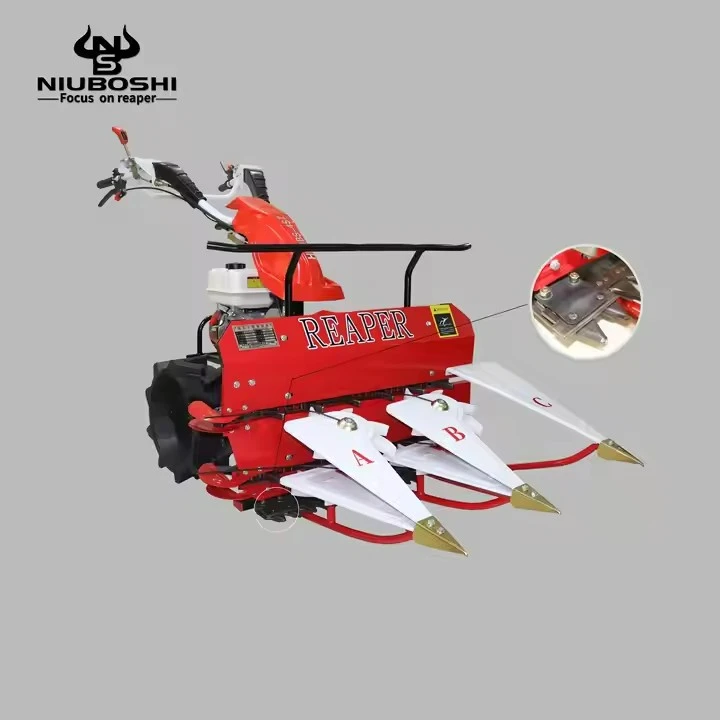
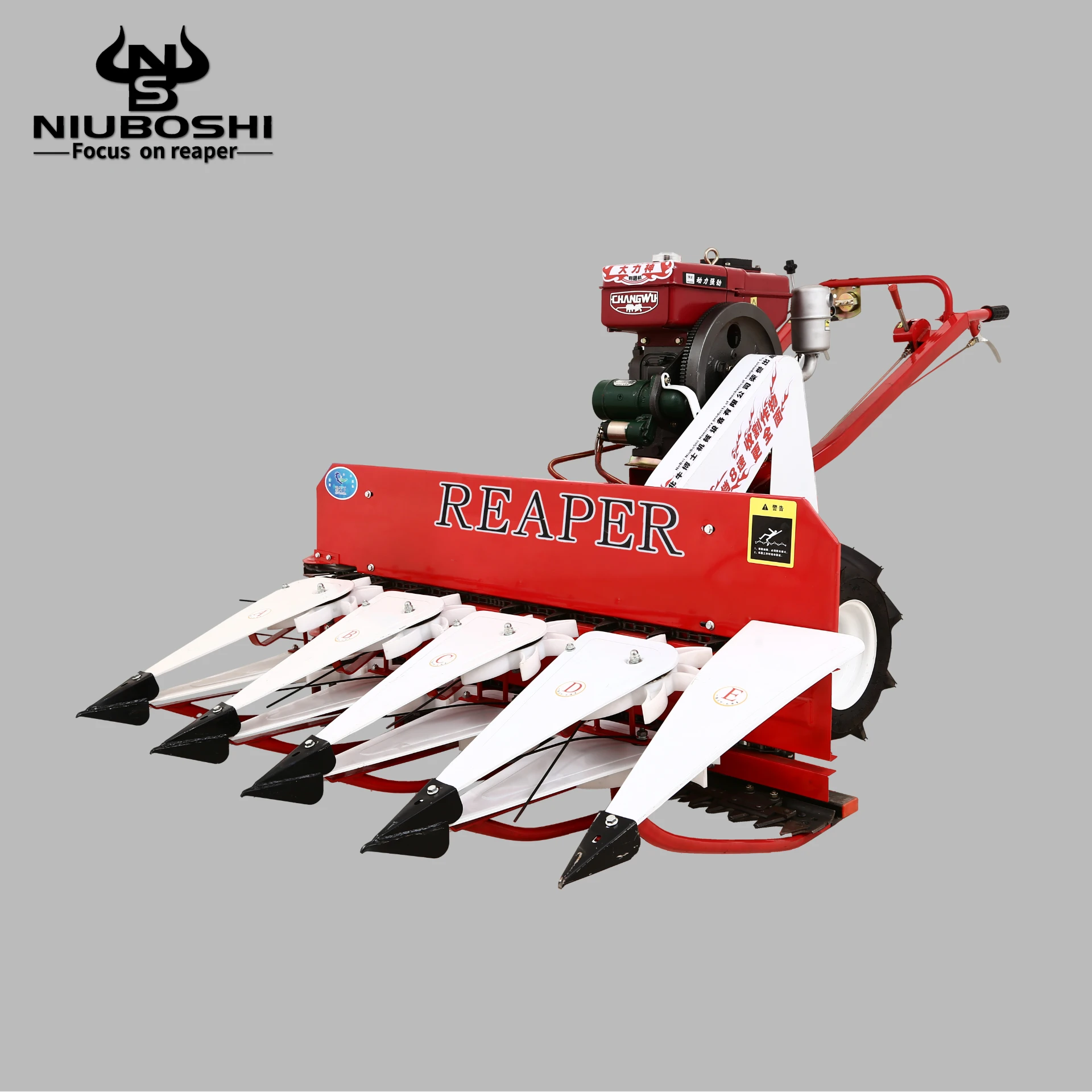
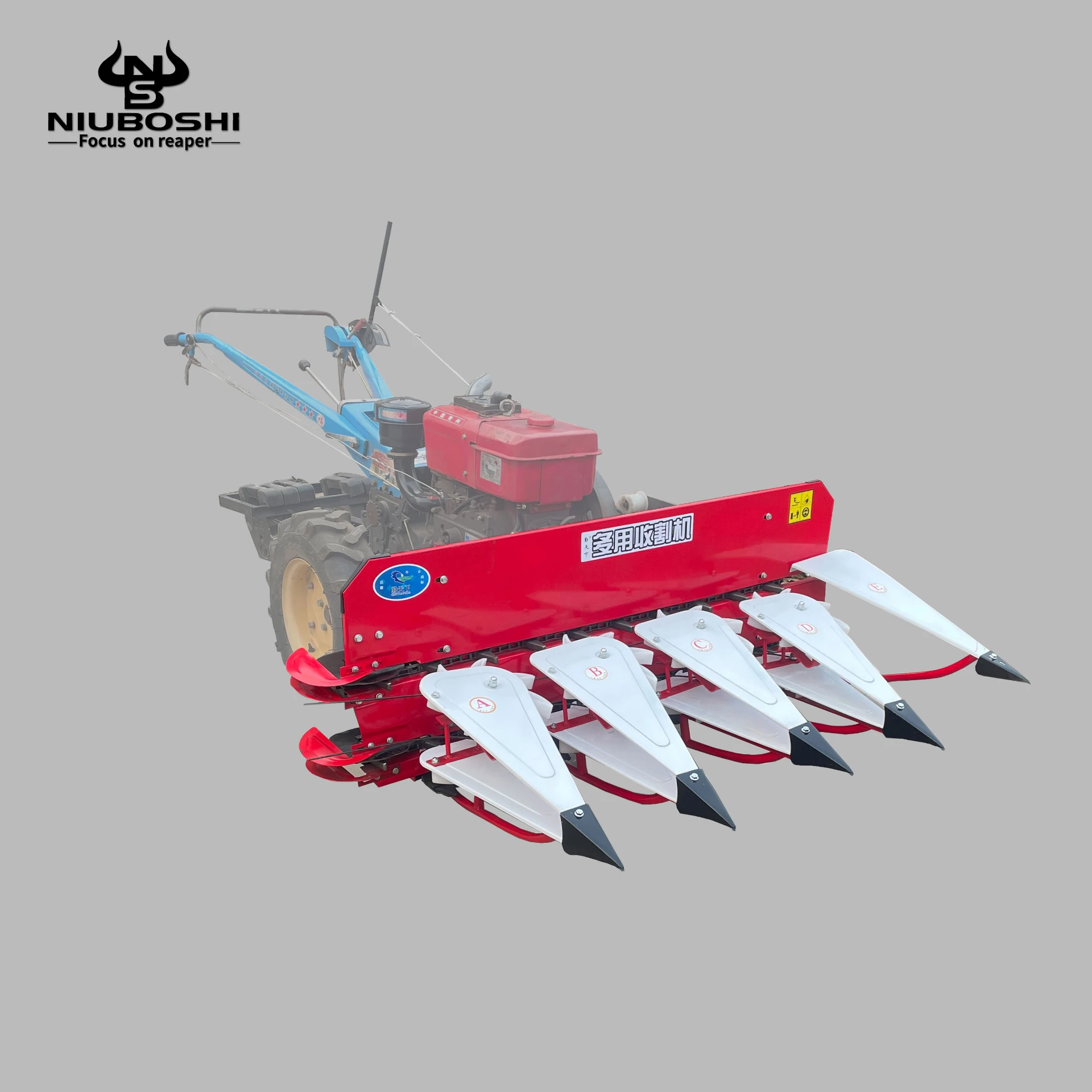
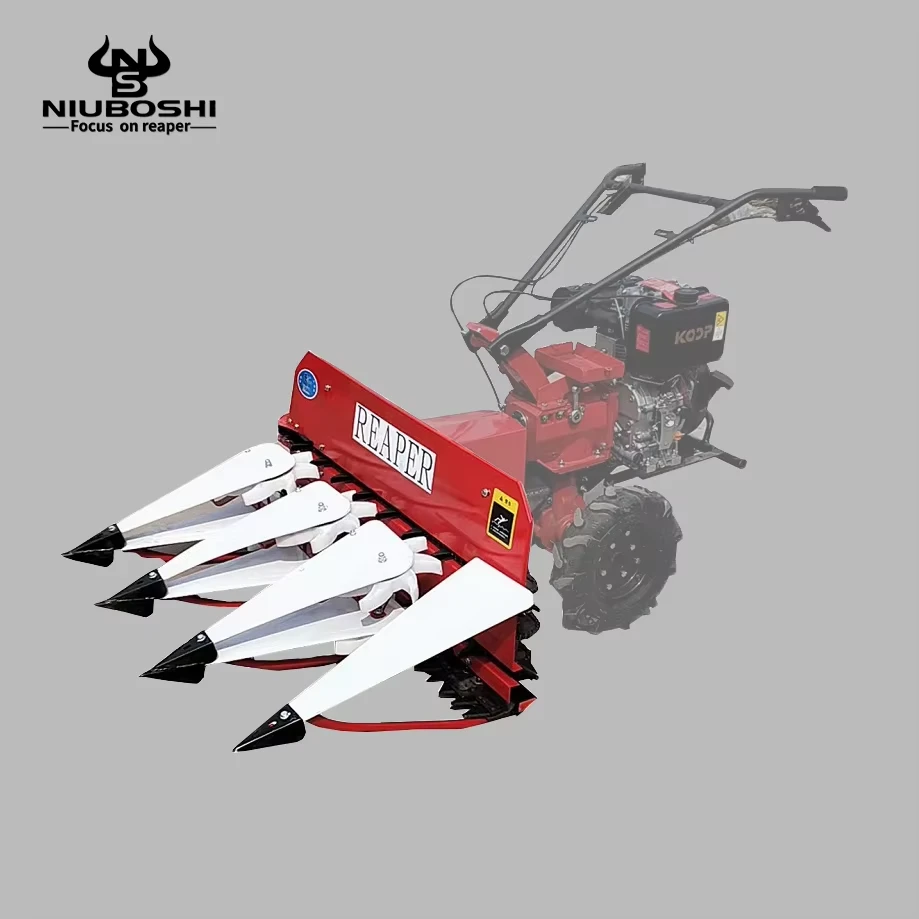
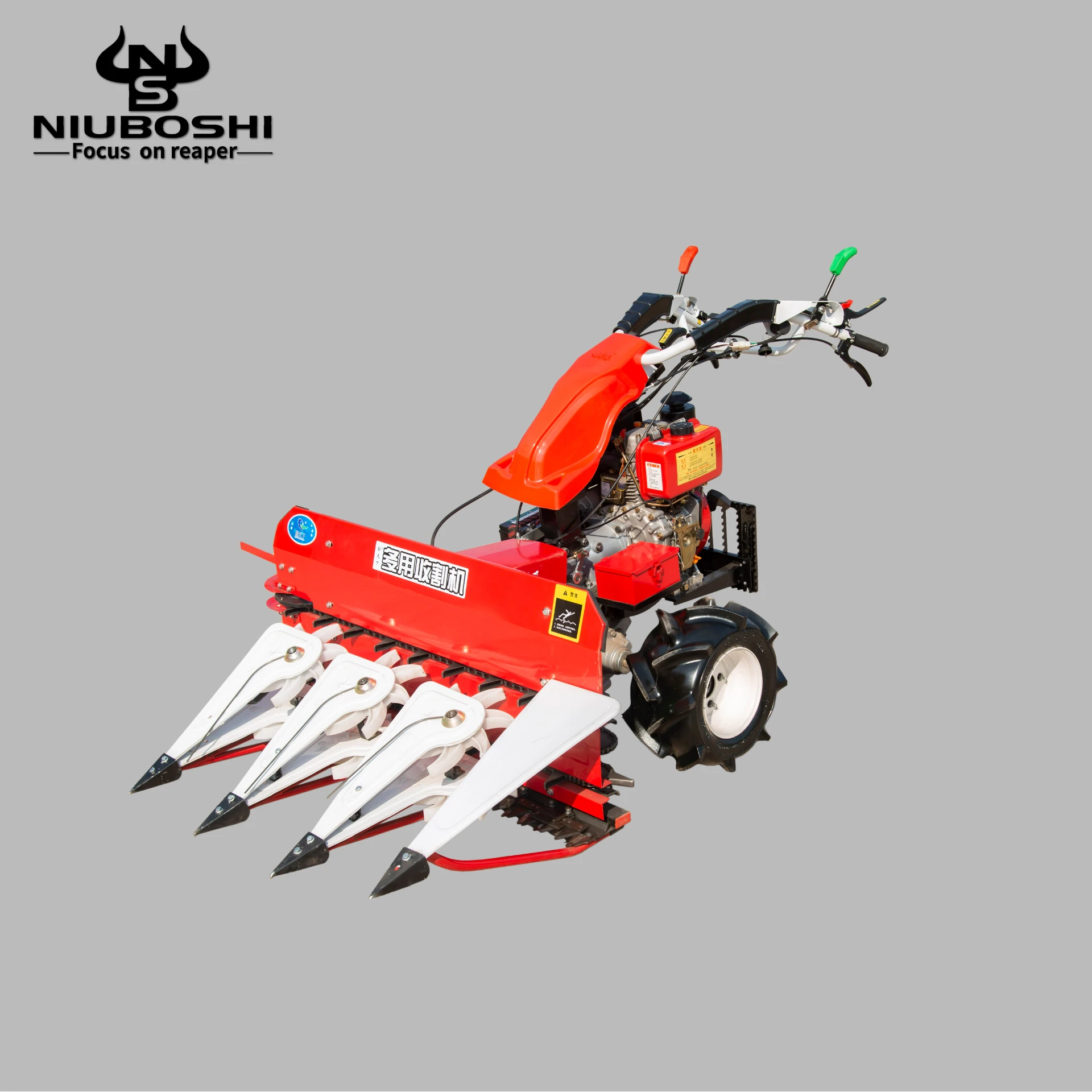
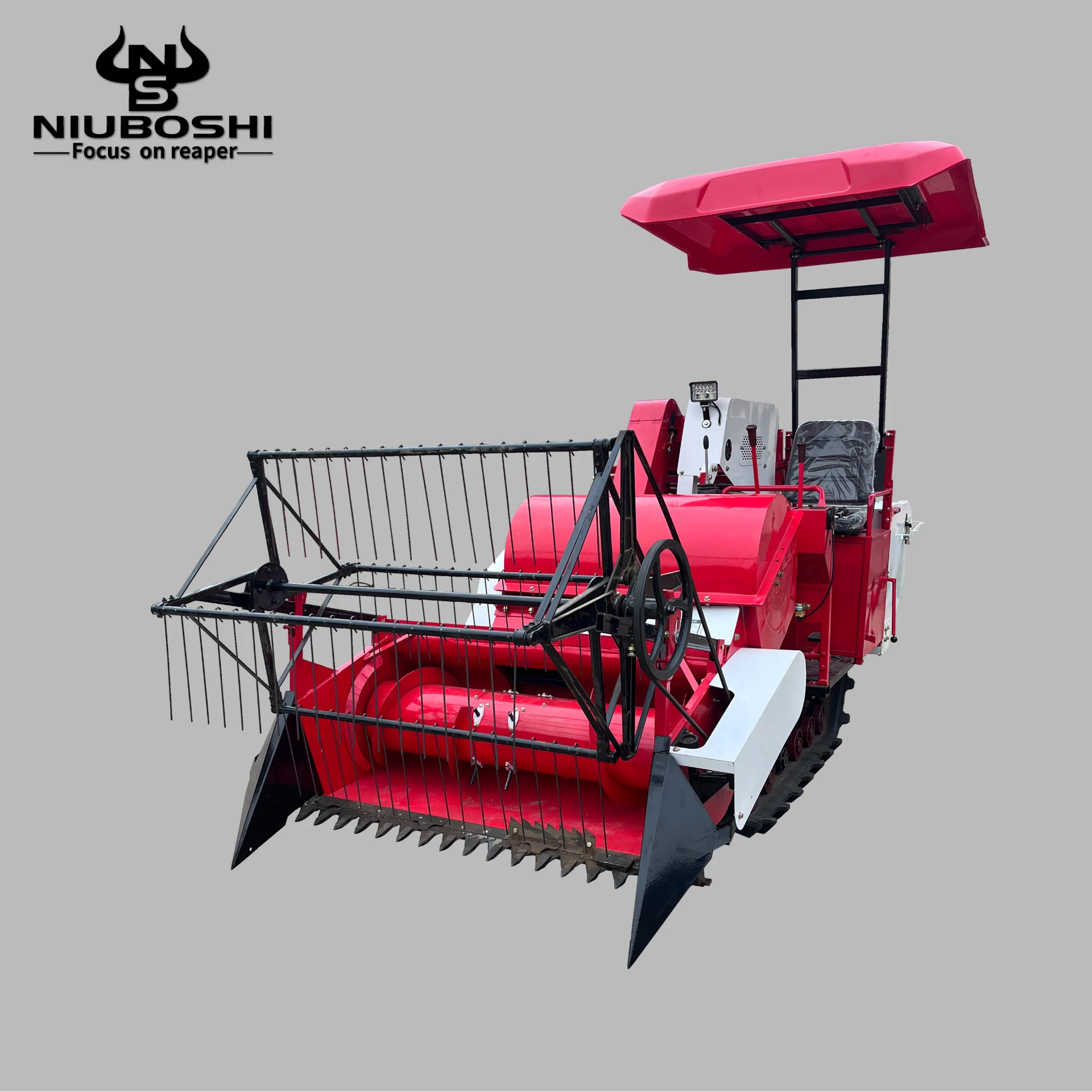
Simply put, a soybean mini harvester is a lightweight, compact machine designed specifically to cut, thresh, and collect soybeans on small- to medium-sized farms. Unlike giant combines, these smaller models are easy to operate, transport, and maintain, making them perfect for areas where traditional farming machinery just can’t fit (or afford the cost).
It’s fascinating how these mini harvesters connect mechanization with humanitarian needs. For instance, in disaster-affected zones or remote communities, they enable food production and economic stability, which ultimately contributes to food security and resilience.
Key Components of a Soybean Mini Harvester
1. Durability and Build Quality
Most mini harvesters are constructed with robust steel frames and corrosion-resistant components. Since they often operate in varied climates — from humid tropics to dusty plains — durability is vital. It’s a balance between keeping weight down but ensuring the machine won’t break down halfway through harvest season.
2. Scalability and Portability
Many machines boast modular features, allowing farmers to adapt the harvester size depending on the field. You can often disassemble or fold certain parts for easy transport on rough roads — an essential feature in rural sectors lacking paved infrastructure.
3. Cost Efficiency
Compared to large combines, soybean mini harvesters cost a fraction, both upfront and in maintenance. What’s more, fuel consumption is significantly lower, typically running on gasoline or diesel engines optimized for low mileage but steady power. This economic aspect opens mechanization to a broader market.
4. Operator Usability
Intuitive controls, ergonomic handles, and safety features make these harvesters manageable even for operators with minimal technical training. Many models include adjustable cutting heights and threshing settings to accommodate crop maturity and field conditions.
5. Environmental Impact
Surprisingly, many recent mini harvesters incorporate eco-friendly designs, like low-emission engines or options for electric power in experimental versions. This trend aligns with sustainability goals increasingly adopted by farmers worldwide.
Mini Takeaway:
The soybean mini harvester represents an elegant convergence of mechanical design and practical farming needs. Durable, portable, cost-friendly, and user-centric — it’s a toolbox for small farmers to punch above their weight.
Global Applications and Real-Life Use Cases
Universally, the soybean mini harvester finds its strongest suit in smallholder farming systems. For instance:
- Southeast Asia: Fragmented land and hilly terrains make large equipment incompatible. Mini harvesters help farmers achieve quicker collection times.
- Sub-Saharan Africa: With labor shortages and rising costs, compact harvesters fill a vital gap, often supported by NGOs and agricultural extension services.
- Latin America: Particularly in family-owned farms, using mini harvesters boosts productivity without forcing farmers to lease or buy expensive combines.
- Post-Disaster Zones: In areas recently affected by floods or storms, these lightweight harvesters resume planting and harvesting activities faster, stimulating rapid recovery.
In some remote industrial agro-processing zones, the nimble size helps navigate narrow rows and reduces soil compaction compared to heavy machinery.
Advantages and Long-Term Value of Using a Soybean Mini Harvester
It’s not just about numbers — although in real terms, reduced losses by 10-15% and labor cost cuts are tangible. There’s an emotional element, too. These machines give farmers a sense of pride, autonomy, and dignity because they can operate modern equipment without massive loans or outsourcing.
Sustainability is another big plus. Less fuel consumption and minimized soil damage contribute to long-term environmental stewardship. Plus, quicker harvesting means better quality produce, which can fetch higher market prices and elevate farmers’ trust in technology.
| Feature | Typical Range | Notes |
|---|---|---|
| Engine Power | 5 - 15 HP | Gasoline/diesel options available |
| Cutting Width | 0.8 - 1.5 m | Adjustable on most models |
| Threshing Capacity | 0.3 - 0.8 tons/hour | Varies by crop conditions |
| Weight | 100 - 250 kg | Light enough for manual transport |
| Fuel Efficiency | 1 - 1.5 L/hour | Depends on terrain and operator skill |
Comparing Leading Soybean Mini Harvester Vendors
| Vendor | Price Range | Warranty | Notable Features |
|---|---|---|---|
| GreenField AgriTech | $3,000 - $5,000 | 2 years | Eco-friendly low emission engines |
| FarmMini Solutions | $2,500 - $4,200 | 1.5 years | Modular parts for transport ease |
| HarvestEase Corp | $3,800 - $6,000 | 3 years | Enhanced threshing system, safety sensors |
Emerging Trends and Innovations in Mini Harvesting
Looking ahead, the soybean mini harvester landscape is shifting quickly. Many manufacturers are experimenting with electric variants powered by solar recharging — which is especially promising in sunny, off-grid farming areas.
Integration of IoT sensors and GPS mapping also start to appear, allowing farmers to collect data about harvest yields and soil conditions in real-time. It's a bit surprising to see such tech pay off even on smaller machines, but innovation doesn’t always follow size.
Moreover, policy makers in agricultural sustainability are increasingly pushing for cleaner fuel standards, pushing vendors toward greener design philosophies. This isn't just a future pipe dream — you can already find hybrid models in test markets.
Challenges Faced and How to Address Them
Of course, it's not all smooth sailing. Mini harvesters sometimes face issues of limited capacity for larger farms, potential parts availability in remote areas, and operator training demands. Weather conditions like heavy rains can disrupt harvesting schedules too.
Based on field reports, innovative leasing schemes and localized maintenance hubs have proved effective solutions. Some NGOs even provide operator workshops, making sure the machines are used to their full potential. Also, ongoing R&D efforts aim to create multi-crop adaptable machines, increasing versatility.
FAQs About Soybean Mini Harvester
- How much area can a soybean mini harvester cover in a day?
- Typically, a soybean mini harvester can process between 1 to 3 hectares per day depending on terrain, crop density, and operator skill. It's ideal for smallholder farms rather than vast plantations.
- Are these harvesters difficult to learn to operate?
- Not really. Most manufacturers design user-friendly controls with safety in mind. Basic operator training (usually a few days) is sufficient for most users to operate competently.
- Can a mini harvester handle crops other than soybeans?
- Many models offer adjustable settings and attachments to handle similar legumes or grains, but they typically excel with soybeans or equivalent crops.
- What is the estimated lifespan of a soybean mini harvester?
- Properly maintained units can last 7-10 years, sometimes longer if used seasonally and stored carefully during off-seasons.
- Is financing available for purchasing a mini harvester?
- In many regions, agricultural loans, microfinance, or NGO subsidies help farmers acquire mini harvesters. It’s worth exploring local programs or vendor financing options.
In Conclusion: Small Machines That Make a Difference
In the grand scheme of agricultural mechanization, the soybean mini harvester punches above its weight. Providing efficiency, affordability, and sustainability, it empowers small-scale farmers and communities to keep pace with global food production demands. Plus, the ongoing innovations hint at an even brighter, greener future ahead.
Why not take a closer look yourself? Visit our website at https://www.hbniuboshi.com for the latest in soybean mini harvester models and expert guidance.
References
Latest news
-
Maximize Harvest Efficiency with the Agro Reaper Binder MachineNewsApr.16,2026
-
Boost Harvest Efficiency with the Best Agriculture Reaper MachineNewsApr.09,2026
-
Revolutionizing Agriculture with the Efficient Agriculture Power ReaperNewsApr.07,2026
-
Comprehensive Guide to the 4 Wheel Reaper Binder for Efficient HarvestingNewsApr.04,2026
-
Comprehensive Guide to Reaperbinder Technology for Efficient Hay and Crop HarvestingNewsMar.31,2026
-
Mastering the Art of Reaper Cutting for Enhanced Agricultural EfficiencyNewsMar.28,2026