The Small Combine Harvester: A Global Game-Changer for Small-Scale Farming
Understanding the Small Combine Harvester: Global Importance and Benefits
The small combine harvester might not be the headline-grabber in agricultural tech, yet its role is quietly transformative — particularly in small-scale farming around the world. Why does it matter? Well, nearly 2 billion people worldwide rely on smallholder farms, and affordable, efficient machinery like this can mean the difference between food security or scarcity. Its compact size, adaptability, and cost-efficiency make it a lifeline for farmers in developing regions and those with fragmented land plots.
Understanding the small combine harvester isn't just about machinery; it's about empowering communities, improving yields, and sustaining livelihoods. Plus, it aligns well with sustainable agriculture goals, reducing waste and labor intensity.
Introduction: The Global Context of Small Combine Harvesters
According to the United Nations Food Systems Summit, smallholder farmers provide up to 80% of food consumed in Asia and sub-Saharan Africa. Yet, mechanization remains limited in many of these regions. That's the catch — mechanization like traditional large combines is often too expensive, bulky, or infrastructure-dependent for fragmented small farms.
Enter the small combine harvester: a machine designed with these constraints in mind. It tackles real challenges such as labor shortages, time-sensitive harvesting, and soil degradation caused by overuse of manual tools. And with global population projections rising, scalable tech solutions are not just helpful — they're imperative.
Definition & Meaning: What Exactly Is a Small Combine Harvester?
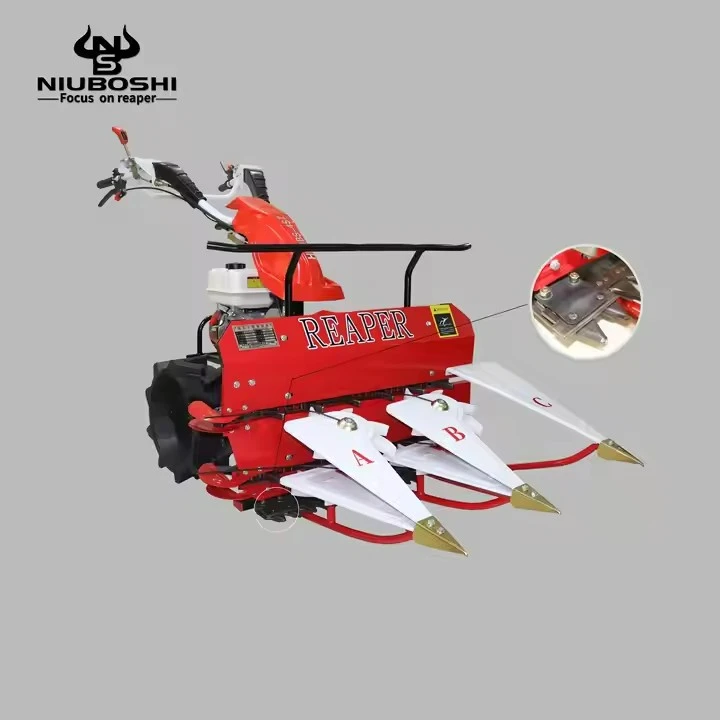
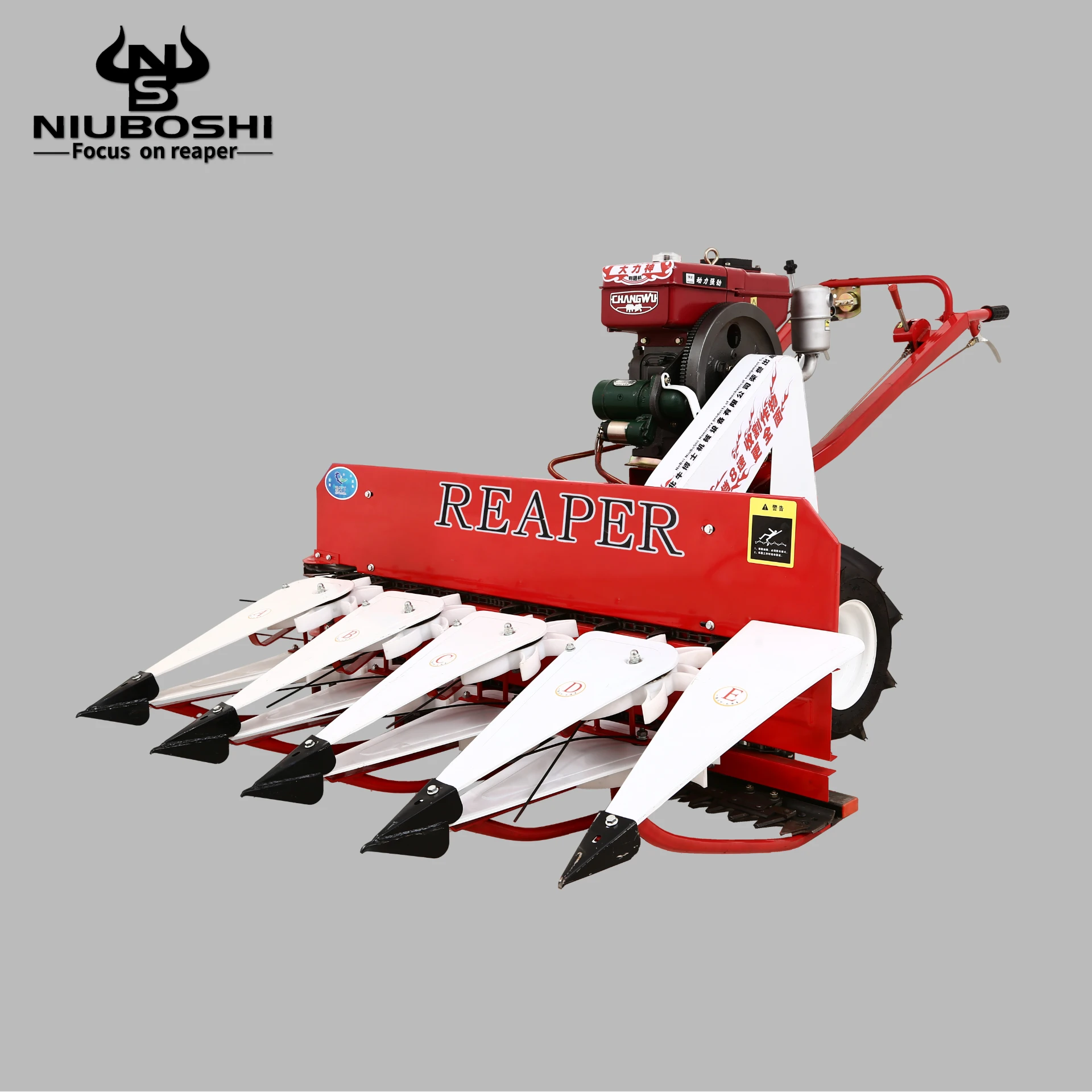
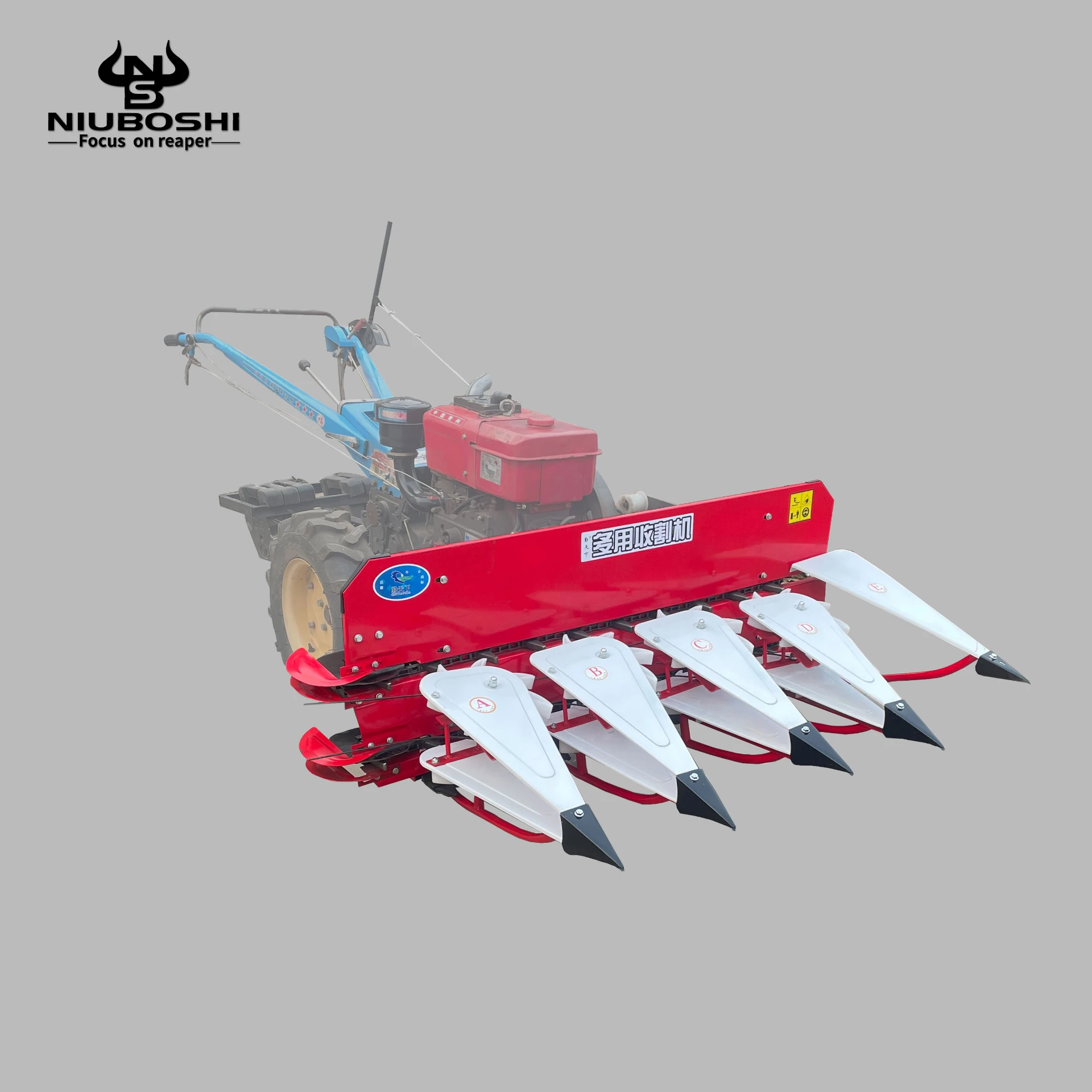
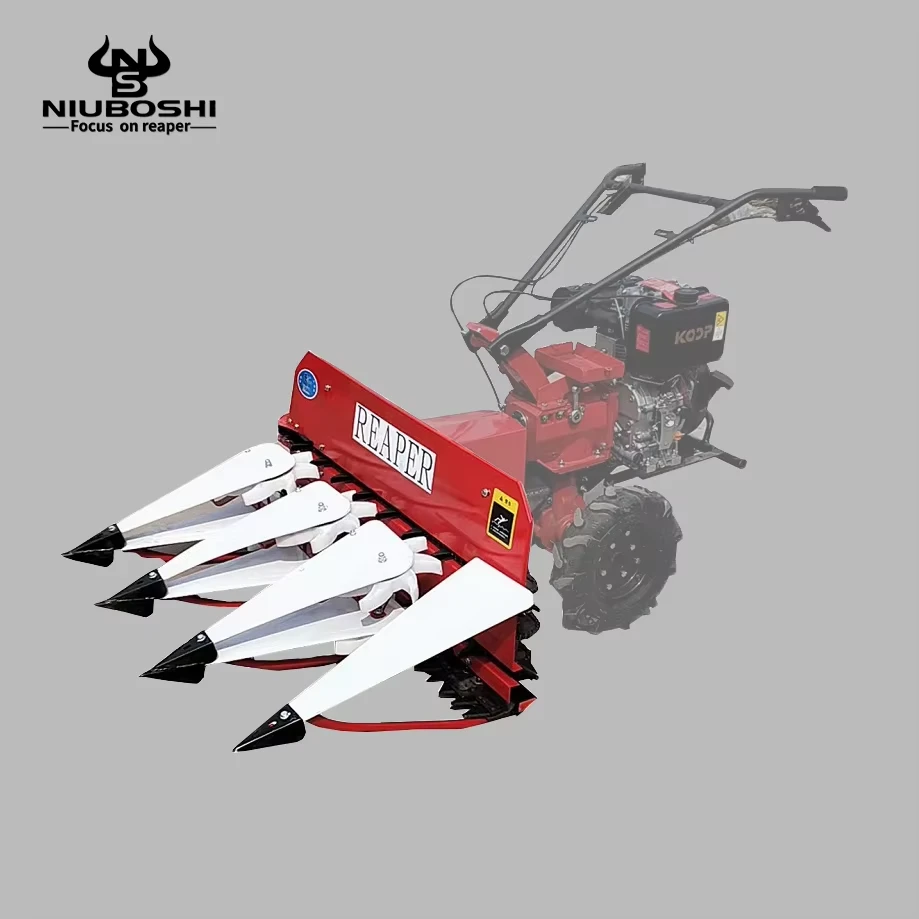
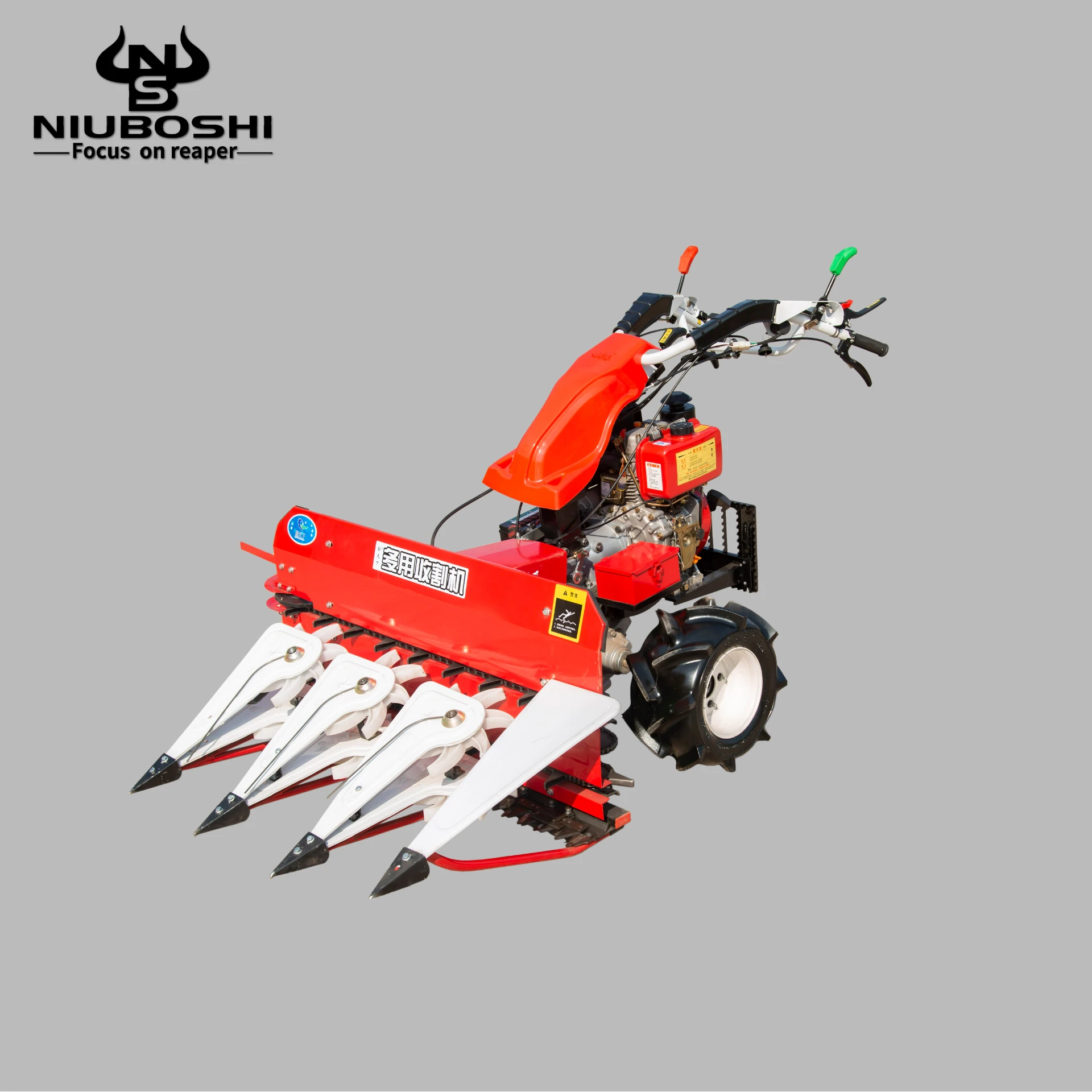
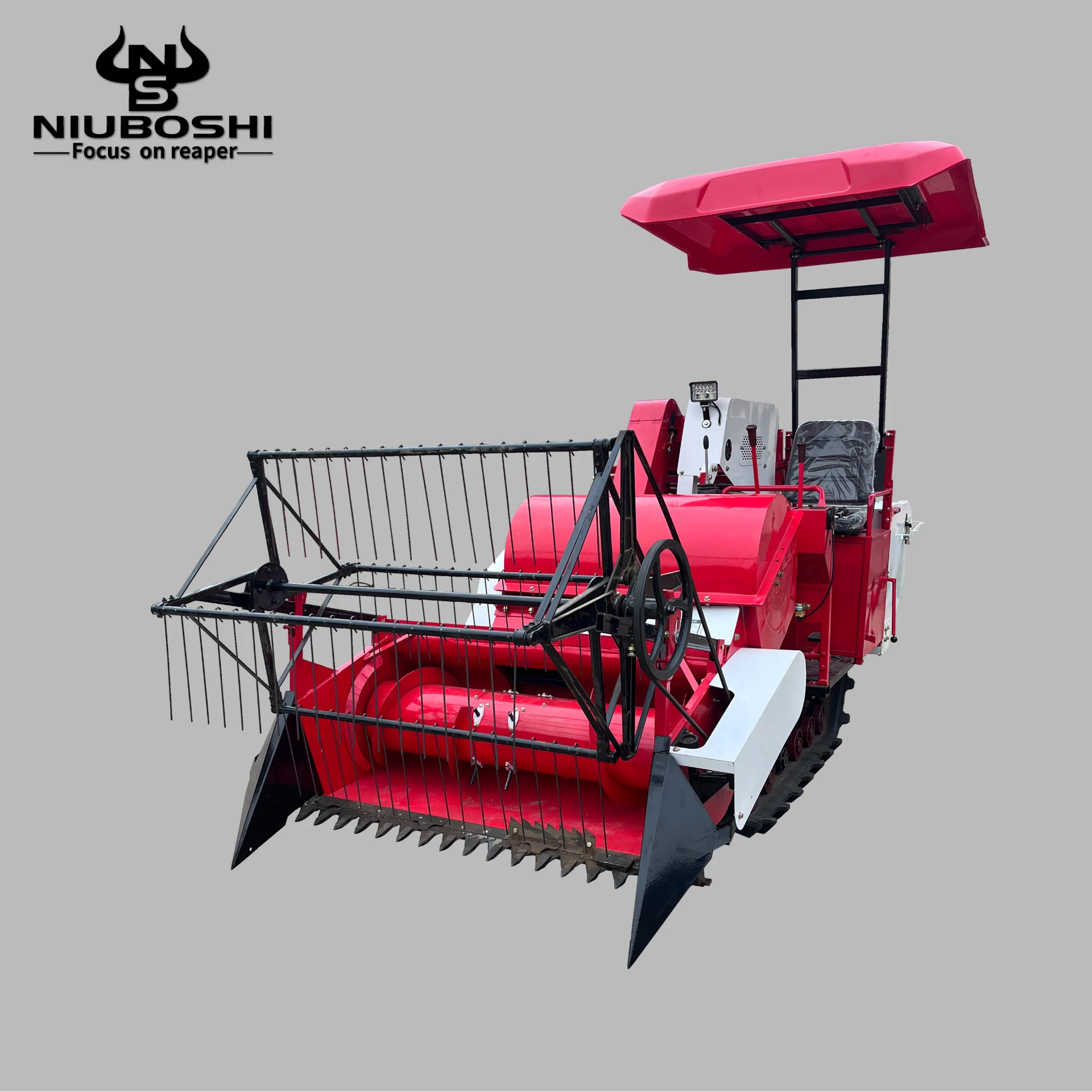
Put simply, a small combine harvester is a compact agricultural machine designed to reap, thresh, and clean grain crops in one operation — but tailored in size and capacity for small or medium-sized farms. Unlike their colossal counterparts that dominate large commercial fields, these machines prioritize maneuverability, affordability, and ease of maintenance.
In the broader agricultural industry, they represent a step toward democratizing farm mechanization. On the humanitarian front, small combined harvesters help post-disaster or impoverished communities reclaim food production without the excessive cost and complexity tied to bigger machines.
Key Factors of Small Combine Harvesters
1. Durability & Build Quality
A small combine harvester must endure diverse operating conditions from muddy rice terraces to dry wheat fields. Longevity and robust construction ensure farmers are not stranded mid-season due to machine breakdowns.
2. Scalability & Versatility
Often, these machines are modular or adaptable to multiple crop types — be it rice, wheat, barley, or maize. This flexibility is crucial for farmers who rotate crops or service diverse plots.
3. Cost Efficiency
High upfront cost can deter adoption in low-income areas. Small combine harvesters manage to keep purchase and operating costs low, often through simpler engines and fewer complex electronics.
4. Ease of Use and Maintenance
Many operators in rural areas have limited mechanization experience, so a user-friendly interface and availability of local parts are key factors.
5. Environmental Impact
Emissions, fuel consumption, and soil compaction are increasingly scrutinized — smaller machines often score better here, especially with emerging battery or hybrid-powered versions.
Product Specifications of a Typical Small Combine Harvester
| Specification | Details |
|---|---|
| Engine Power | 15 - 30 HP Diesel Engine |
| Harvesting Width | 1.2 - 1.8 meters |
| Crop Handling Capacity | 0.5 - 1.5 tons/hour |
| Weight | 800 - 1200 kg |
| Fuel Consumption | 4 - 6 liters/hour |
| Threshing System | Axial flow or Drum-based |
| Price Range | USD 5,000 - 15,000 (varies by model) |
Global Applications & Use Cases
The small combine harvester finds strong footholds in:
- Asia: In countries like Vietnam and Indonesia, the machine suits terraced rice fields where large machinery cannot reach.
- Africa: Smallholder maize farmers in Kenya and Nigeria benefit as the harvester reduces harvest time during the short rainy season.
- Latin America: Remote coffee or cocoa producers in parts of Peru use adapted combine harvesters for grain and bean crops.
- Post-disaster response: NGOs deliver small combines to rebuild agricultural livelihoods quickly after floods or droughts.
For instance, in Nepal, NGOs partnered with local government programs to subsidize small combine harvesters to increase post-harvest efficiency and reduce physical labor demands on farmers.
Vendor Comparison: Top Small Combine Harvester Brands
| Brand | Price Range | Power (HP) | Features | Warranty |
|---|---|---|---|---|
| Niuboshi | USD 6,000 - 12,000 | 18 - 28 | Compact, easy to maintain, suitable for rice & wheat | 2 years |
| Kubota | USD 8,000 - 14,000 | 20 - 30 | High durability, wide support network | 2 years |
| Yanmar | USD 7,000 - 13,000 | 16 - 25 | Fuel efficient, ergonomic design | 2 years |
Advantages & Long-Term Value of Small Combine Harvesters
Beyond the obvious — cutting harvest time and reducing labor — these machines bring sustainability benefits. Because they fit smaller plots, they often avoid soil compaction which can degrade soil health. Their efficiency also means less crop loss during threshing.
Emotionally, owning a small combine harvester boosts farmers' dignity and independence: no longer do they have to rely solely on laborers or rental services that might be unreliable. There's trust in the technology that steadily delivers results season after season.
Future Trends & Innovations
Oddly enough, the small combine harvester market is catching up rapidly with green tech trends. Hybrid or electric models are accelerating in development to reduce emissions. Digital transformation means some include GPS guidance or harvest yield mapping — tools once exclusive to industrial farms.
Furthermore, IoT-based remote diagnostics and simplified user manuals in local languages are enhancing both reliability and accessibility. Given climate unpredictability, some models now sport adaptable harvest heads to switch crops faster.
Challenges & Solutions
Despite progress, hurdles remain, like initial affordability in cash-poor regions or lack of after-sales service. Maintenance knowledge gaps also constrain adoption.
However, community-based ownership models, microfinance schemes, and improved dealer networks are tackling these head-on. Training videos and mobile apps tailored for farmers are another surprise game-changers.
FAQ: Frequently Asked Questions About Small Combine Harvester
- Q: What is the ideal farm size for a small combine harvester?
A: Generally, these machines work best on farms ranging from 1 to 10 hectares. Smaller units excel when fields are fragmented or terraced, where bigger combines can’t operate efficiently. - Q: How easy is it to maintain these harvesters in remote areas?
A: Most models prioritize simple mechanics and availability of parts through local dealers or third-party workshops. User manuals often include routine maintenance steps, but local training is highly recommended. - Q: Can small combine harvesters be used for multiple crops?
A: Yes, many models offer interchangeable headers or adjustments for rice, wheat, barley, and maize. Always check the specifications for crop compatibility before purchase. - Q: Are there eco-friendly or electric versions available?
A: Although still emerging, electric models are entering the market, especially targeting regions with renewable energy infrastructure, reducing carbon emissions and fuel costs. - Q: How does this machinery integrate with smallholder cooperative models?
A: Small combine harvesters are ideal for cooperative ownership, spreading costs and maximizing use, which boosts financial feasibility and local skill sharing.
Conclusion + Call to Action
The small combine harvester is more than a machine — it’s an enabler of sustainable agriculture, rural empowerment, and global food security. It perfectly fits the needs of smallholder farmers across various terrains and economic realities, driving efficient and dignified farming practices.
Whether you're a farmer, NGO, or policy maker, exploring the potential of small combine harvesters is a smart move. Interested in seeing how these machines could transform your agricultural practices? Visit our website: small combine harvester for detailed product information and consultation.
Mini takeaway: In real terms, innovating small-scale mechanization unlocks big opportunities — for farmers and food systems alike.
References
Latest news
-
Maximize Harvest Efficiency with the Agro Reaper Binder MachineNewsApr.16,2026
-
Boost Harvest Efficiency with the Best Agriculture Reaper MachineNewsApr.09,2026
-
Revolutionizing Agriculture with the Efficient Agriculture Power ReaperNewsApr.07,2026
-
Comprehensive Guide to the 4 Wheel Reaper Binder for Efficient HarvestingNewsApr.04,2026
-
Comprehensive Guide to Reaperbinder Technology for Efficient Hay and Crop HarvestingNewsMar.31,2026
-
Mastering the Art of Reaper Cutting for Enhanced Agricultural EfficiencyNewsMar.28,2026