Small Rice Harvester Machine – Compact Solutions for Efficient Harvesting | Niuboshi
Why Small Rice Harvester Machines Matter More Than You Think
In the grand scheme of global agriculture, the small rice harvester machine stands out like a modest but vital hero. Rice feeding billions worldwide isn’t harvested by hand forever — and these compact, efficient machines are quietly changing the game. By making harvesting faster, less labor-intensive, and more accessible to smallholders, they bring a cascade of benefits: boosting productivity, improving livelihoods, and enhancing sustainability. Even though the average consumer might never see one, understanding these tools is key if you care about food security and rural development.
Introduction: A Global Look at Small Rice Harvesting
Rice is the staple for nearly half of the world’s population, yet harvesting it remains incredibly labor-intensive in many regions. According to the UN Food and Agriculture Organization, Asia produces roughly 90% of global rice—much of it grown on small-scale farms. The challenge? Labor shortages, rising wages, and climate pressures are squeezing farmers. Enter the small rice harvester machine. Compact, affordable, and adaptable, these machines are helping farmers scale up without waiting for big, expensive machinery that many just can’t afford or use on small plots.
Interestingly, these machines often come in handy for humanitarian efforts too — in post-disaster zones where rebuilding food systems fast is critical, they can empower local farmers to bounce back. So, it's not just about agriculture industry, but food sovereignty and resilience.
Mini Takeaway:
- Small rice harvester machines respond to real-world challenges: labor shortages, climate change impacts, and small-scale farming needs.
- They serve both commercial farmers and humanitarian initiatives.
What Is a Small Rice Harvester Machine, Anyway?
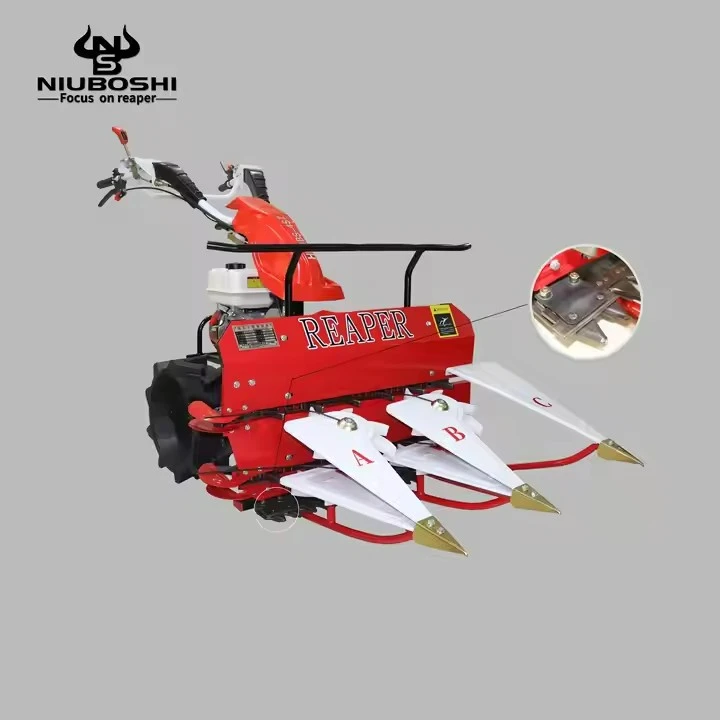
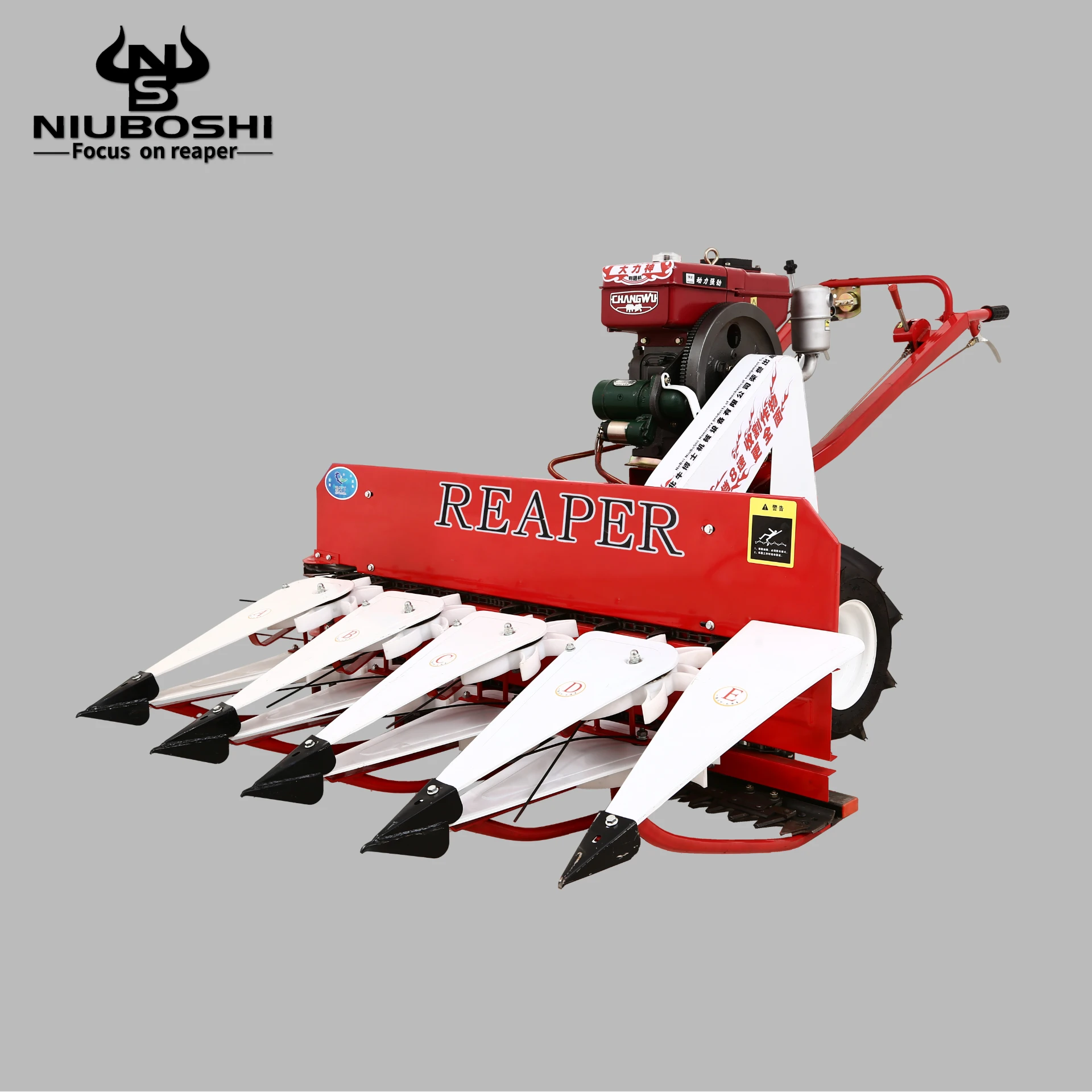
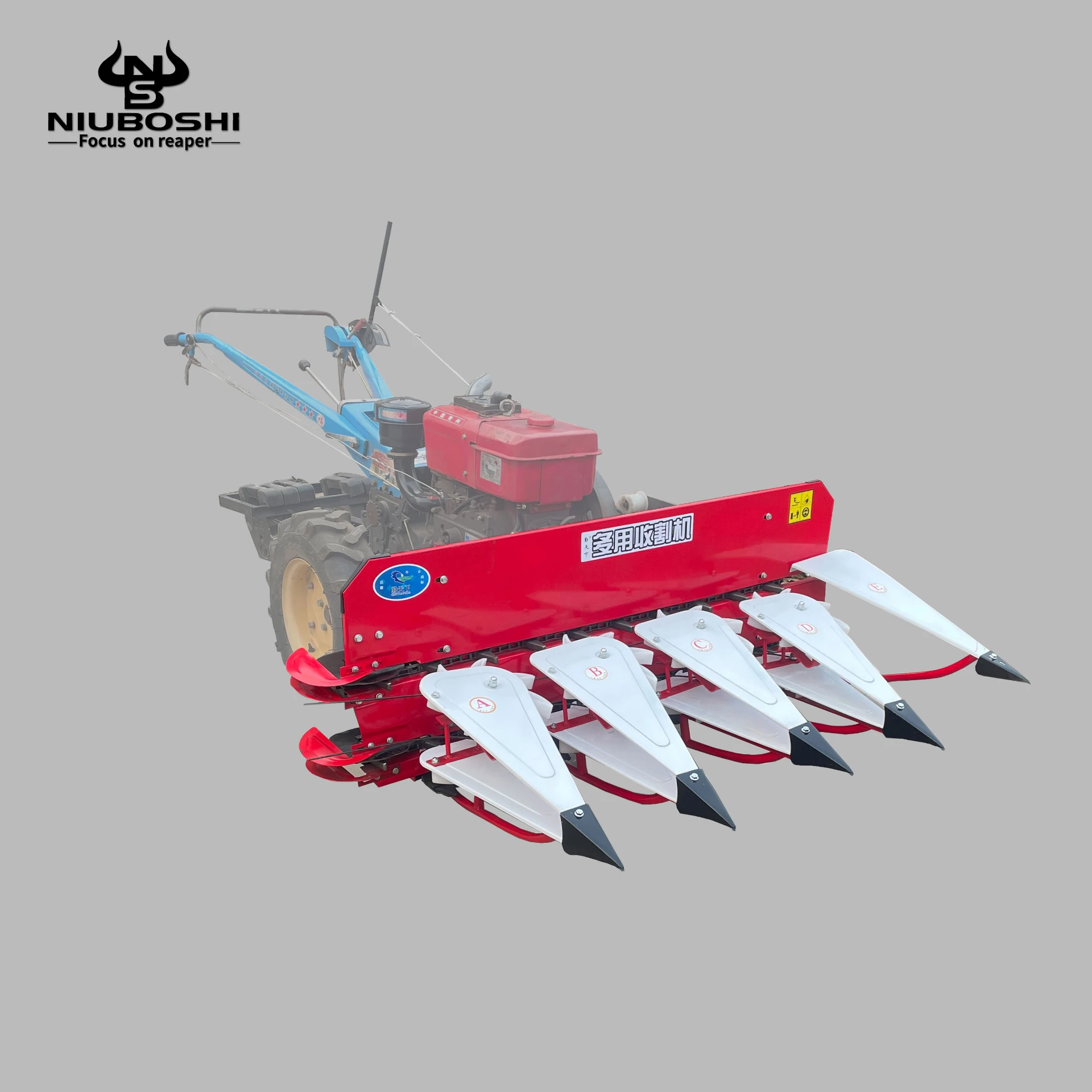
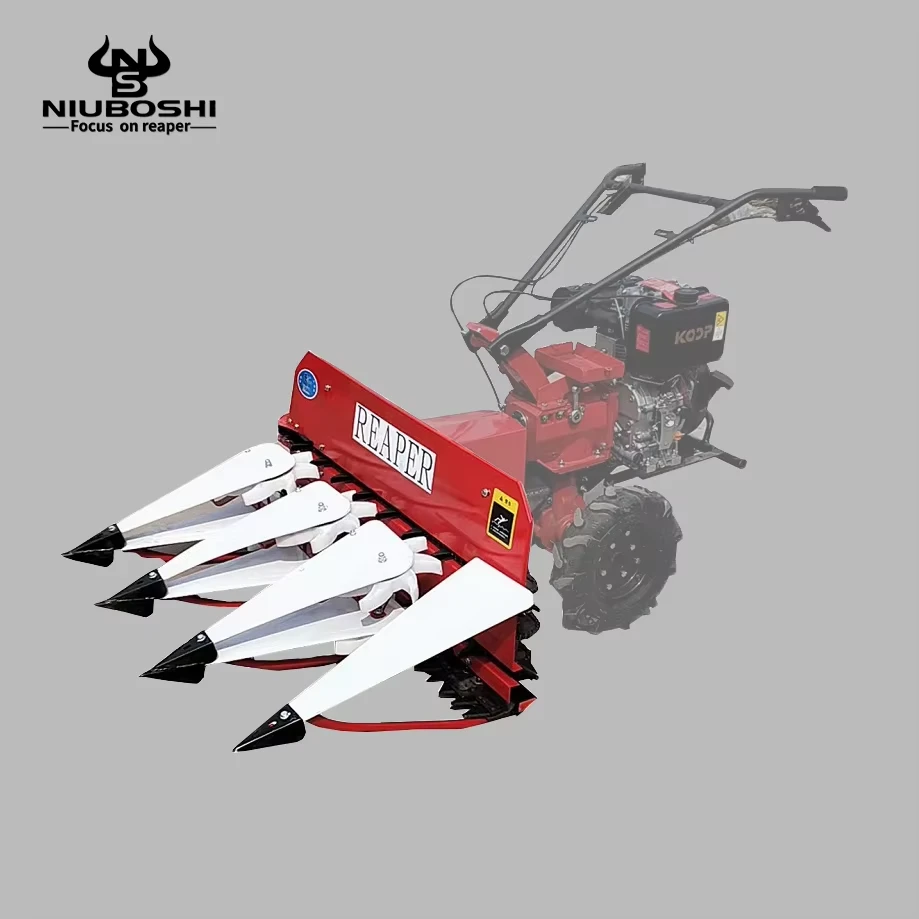
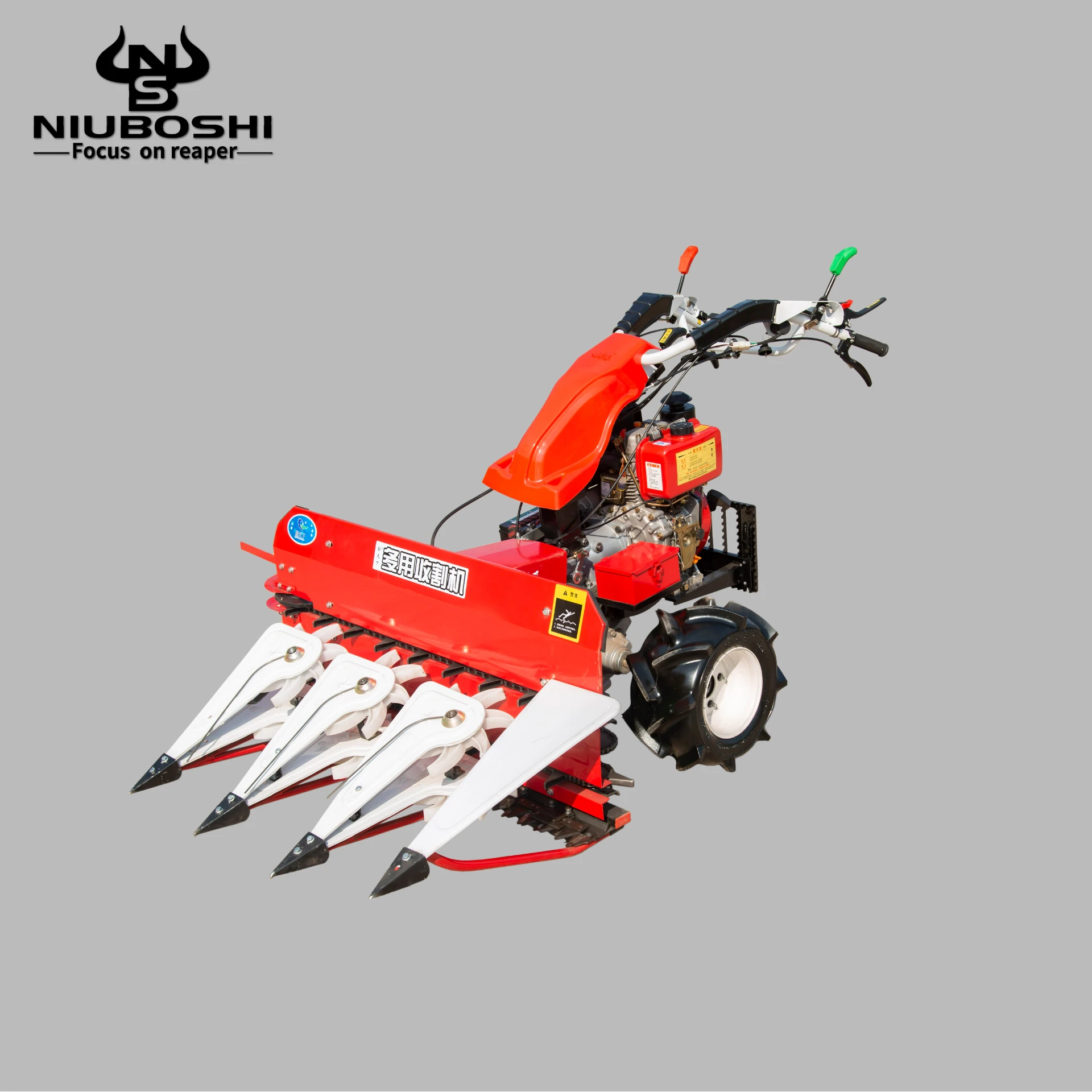
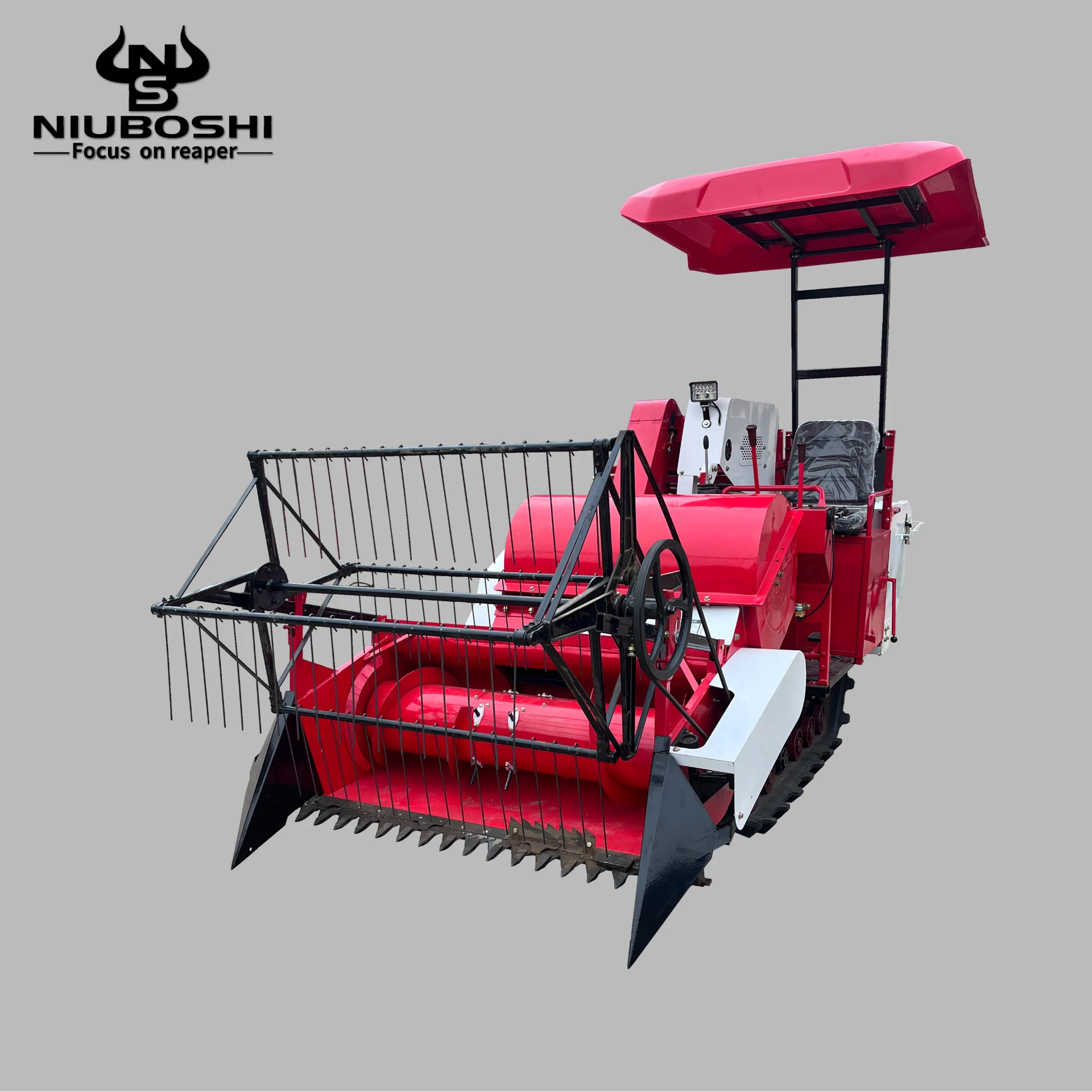
At its core, a small rice harvester machine is exactly what it sounds like: a compact, mechanized device designed to efficiently reap rice stalks. Unlike large combines used in industrial farms, these machines typically weigh a few hundred kilograms and work well on smaller or uneven plots. They combine cutting, threshing, and sometimes winnowing—all in one pass or by linking multiple simple attachments.
These little machines have evolved from simple hand-held reapers to motorized units with rotating blades, capable of slicing through dense paddy fields. They’re crucial for modern agriculture because they bridge the gap between traditional manual labor and fully industrialized farming, especially given the growing global demand for sustainable, efficient crop harvesting.
Core Components & Key Features
1. Compact Size & Portability
These machines need to navigate small, fragmented fields or terraces where big combines can’t go. Many models feature lightweight steel frames and foldable handles for easy transport.
2. Cutting and Threshing Efficiency
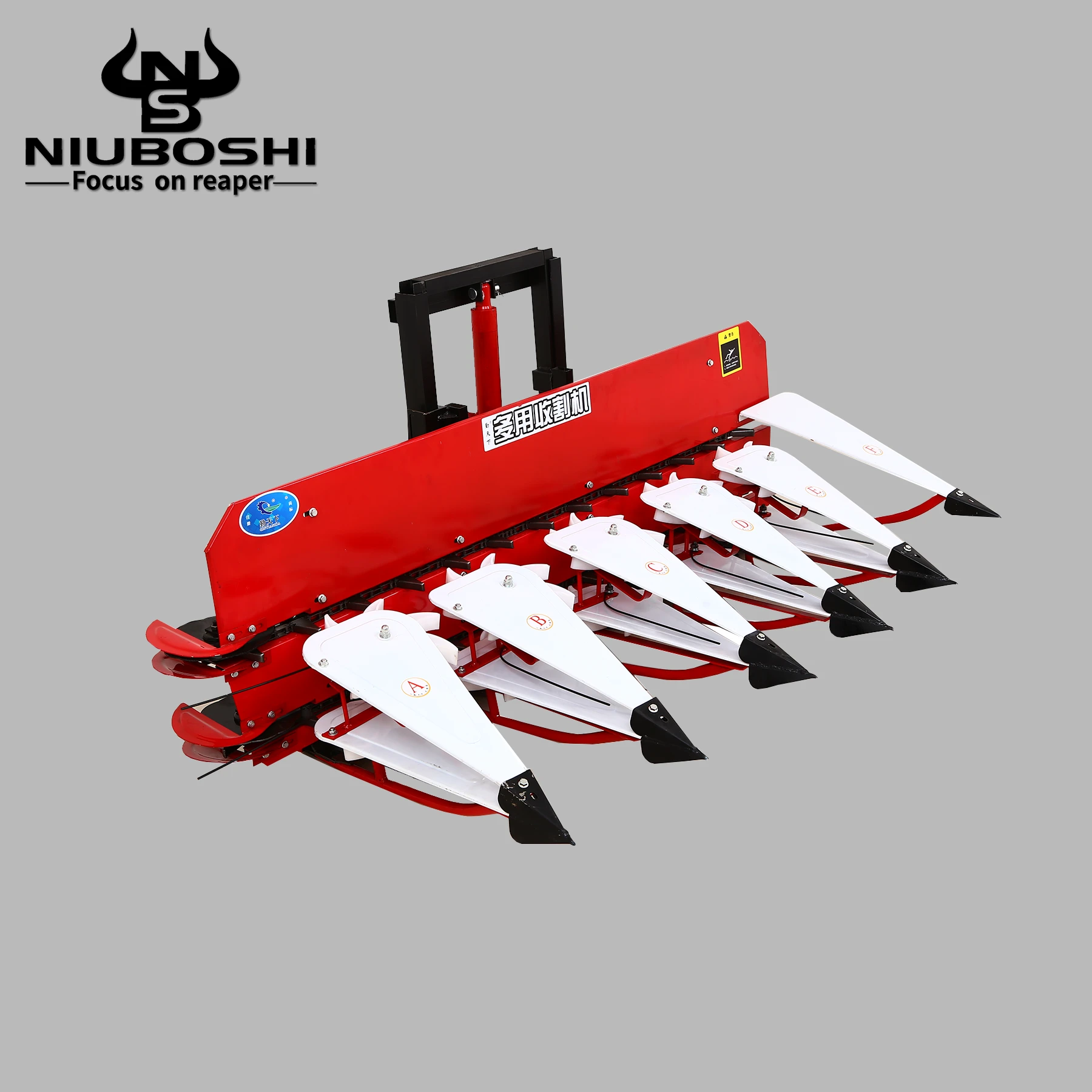
A small rice harvester typically uses a sickle or rotary blade combined with a threshing drum or rollers. The balance between speed and gentle handling protects grain quality.
3. Fuel Type & Efficiency
Most run on small diesel engines, though some newer electric or battery-operated models are emerging, reducing noise and emissions.
4. Ease of Use & Maintenance
Simple controls and low maintenance mean local farmers can repair and operate machines easily, without needing extensive technical support.
5. Cost-Effectiveness
Lower initial and operational costs relative to large combines open the door to adoption by smallholder farmers.
Mini Takeaway:
- Small rice harvester machines blend mobility, efficiency, and affordability — key for diverse small-scale farms.
- Technology is evolving steadily to include greener energy options and smarter controls.
How Small Rice Harvesters Are Transforming Agriculture Worldwide
From the paddies of Southeast Asia to remote regions of Africa, these machines are enabling farmers to harvest more efficiently and with less exhaustion. Vietnam and the Philippines, for example, have widely adopted these harvesters to reduce manual labor. In post-flood areas of Bangladesh, small rice harvesters have been critical for quick recovery planting seasons.
Nonprofits and agencies often distribute these machines as part of rural development plans. They help increase yields, reduce post-harvest loss, and empower women and older farmers who can't handle backbreaking manual harvests.
In tech-savvy Japan and South Korea, small rice harvesters are often GPS-assisted or include sensors monitoring grain moisture—a perfect blend of tradition and modernity.
Mini Takeaway:
- Small rice harvesters improve yields, reduce labor intensity, and prevent post-harvest losses globally.
- They promote social inclusion by helping vulnerable populations participate in farming.
The Long-Term Advantages of Using a Small Rice Harvester Machine
- Cost Savings: Compared to manual labor or large combines, these machines save money, especially in labor-scarce areas.
- Sustainability: Smaller fuel consumption and potential electric models lower environmental impact.
- Social Impact: Facilitates safer, less strenuous work — crucial in rural communities.
- Reliability: Proven durability and ease of maintenance mean long service life and trusted operation.
- Innovation Empowerment: By adopting these machines, farmers often leverage additional tech (like precision farming), driving ongoing improvements.
Looking Forward: What’s Next for These Machines?
Innovations are buzzing around these harvesters. Battery-powered versions are getting better range and power. Solar charging and hybrid engines promise cleaner, cheaper operation. Smart sensors can optimize cutting speed, reduce grain loss, and connect to smartphones for data tracking.
Policies supporting rural mechanization, coupled with microfinance options, are making these machines more accessible. Some researchers even explore AI-assisted autonomous small harvesters, though that’s still in early days.
Obstacles and Ways To Overcome Them
Challenges remain. Sometimes cost is still high for the poorest farmers. Training is essential so operators use machines effectively. Fuel supply and spare parts availability can be inconsistent in remote areas.
Programs focused on maintenance training and local manufacturing partnerships help close these gaps. Plus, sharing success stories and evidence-based benefits encourages wider adoption.
Product Specification Table
| Feature | Typical Specification | Notes |
|---|---|---|
| Weight | 150–250 kg | Lightweight for portability |
| Engine Power | 6–10 HP Diesel | Some models offer gas or electric |
| Cutting Width | 800–1000 mm | Adequate for small plots |
| Fuel Consumption | 0.8–1.2 L/hour | Efficient for engine size |
| Threshing System | Rotary drum or beaters | Minimizes grain damage |
| Price Range | $800 – $3500 USD | Varies by features & brand |
Vendor Comparison: Choosing The Best Small Rice Harvester Supplier
| Vendor | Price | Warranty | After-sale Service | Customization Options |
|---|---|---|---|---|
| AgriMech Co. | $$$ | 2 Years | Excellent; on-site tech | Yes; various cutting widths |
| HarvestPro Ltd. | $$ | 1 Year | Good; phone support | Limited; fixed specs |
| EcoHarvesters | $$$ | 3 Years | Strong; online tutorials + parts | Yes; electric & hybrid models |
| Niuboshi Machinery | $$ | 2 Years | Very responsive; global shipping | Yes; customizable for regions |
Frequently Asked Questions About Small Rice Harvester Machines
- How does a small rice harvester machine compare to manual harvesting?
- Small rice harvesters dramatically reduce the time and physical effort required compared to manual reaping. While manual harvesting can take days for a small plot, these machines typically cut it to hours, improving efficiency and reducing crop loss caused by delays.
- Can these machines handle uneven or hilly terrains?
- Yes, this is one of their key advantages over larger combines. Their lightweight, compact design allows operation on terraced or uneven fields common in many rice-growing regions, ensuring better accessibility for smallholder farmers.
- Are electric small rice harvesters a viable option?
- Electric models are gaining traction, especially in areas with electricity access and environmental concerns. They offer quieter operation and zero local emissions, though battery life and upfront cost remain challenges in some places.
- What kind of maintenance do these machines require?
- Maintenance typically involves cleaning blades, checking engine oil, and lubricating moving parts. Many farmers can carry out basic servicing themselves, while vendors usually provide training and spare part support to extend machine life.
- Where can I find reliable small rice harvester machines?
- Trusted sources include brands like Niuboshi Machinery, EcoHarvesters, and regional authorized dealers. It's essential to compare product specs, warranty, and after-sale service before purchase.
In Conclusion: Why This Little Machine Means a Lot
The humble small rice harvester machine packs a powerful punch in modern agriculture and humanitarian contexts alike. It’s more than metal and gears—it's a tool that supports food security, empowers small farmers, and bridges tradition with technology. Whether you're a farmer, development worker, or industry enthusiast, it's worth keeping an eye on how these machines evolve and spread. Curious to explore options? Visit Niuboshi Machinery for some of the best small rice harvester models out there.
Final Mini Recap:
- Small rice harvester machines address critical agricultural challenges of efficiency and inclusivity worldwide.
- They’re evolving fast with greener powertrains and smarter tech features.
- Choosing the right model requires balancing cost, terrain needs, and after-service quality.
Stay curious, and next time you enjoy a bowl of rice, spare a thought for the little machines — and hands — that helped bring it to your table.
References
Latest news
-
Maximize Harvest Efficiency with the Agro Reaper Binder MachineNewsApr.16,2026
-
Boost Harvest Efficiency with the Best Agriculture Reaper MachineNewsApr.09,2026
-
Revolutionizing Agriculture with the Efficient Agriculture Power ReaperNewsApr.07,2026
-
Comprehensive Guide to the 4 Wheel Reaper Binder for Efficient HarvestingNewsApr.04,2026
-
Comprehensive Guide to Reaperbinder Technology for Efficient Hay and Crop HarvestingNewsMar.31,2026
-
Mastering the Art of Reaper Cutting for Enhanced Agricultural EfficiencyNewsMar.28,2026