Mini Maize Harvester Machine: Efficient Small-Scale Solutions for Global Agriculture
Mini Maize Harvester Machine: Small in Size, Big in Global Impact
If you’ve ever wondered how small-scale farmers and agro-industries around the world keep up with the demands of modern agriculture, the mini maize harvester machine might just become your new favorite topic. While it may sound like a niche gadget, this compact marvel is quietly transforming farming communities by boosting efficiency in maize harvesting, cutting labor costs, and aiding sustainable practices. And why does it matter? Well, maize (or corn) ranks among the world’s staple crops, with more than 1.2 billion tons produced annually (FAO, 2023). That means a machine that helps improve harvesting — especially in regions where large machinery can’t reach or afford — plays a starring role in food security and rural economies.
So, stick around! We’ll unpack why this tool matters globally and explore how it’s reshaping the landscape of agricultural technology.
Setting the Scene: Why Mini Maize Harvesters Matter Now
Global maize production feeds billions, fuel bioenergy demand, and sustains countless livelihoods. According to the United Nations Food and Agriculture Organization (FAO), over 196 million hectares worldwide grow maize, mostly in developing economies where manual labor is costly and time-consuming.[1] But here’s the catch: many smallholder farmers can’t run the heavy, complex harvesters that dominate industrial farms. Enter the mini maize harvester machine — a compact, affordable, and versatile response to these challenges.
Why the urgency? Climate change, labor shortages, and rising costs mean that farmers need smarter, adaptable solutions. The mini harvester addresses this by easing manual work while improving productivity and crop quality — often in areas traditional machinery can’t even access.
What Exactly Is a Mini Maize Harvester Machine?
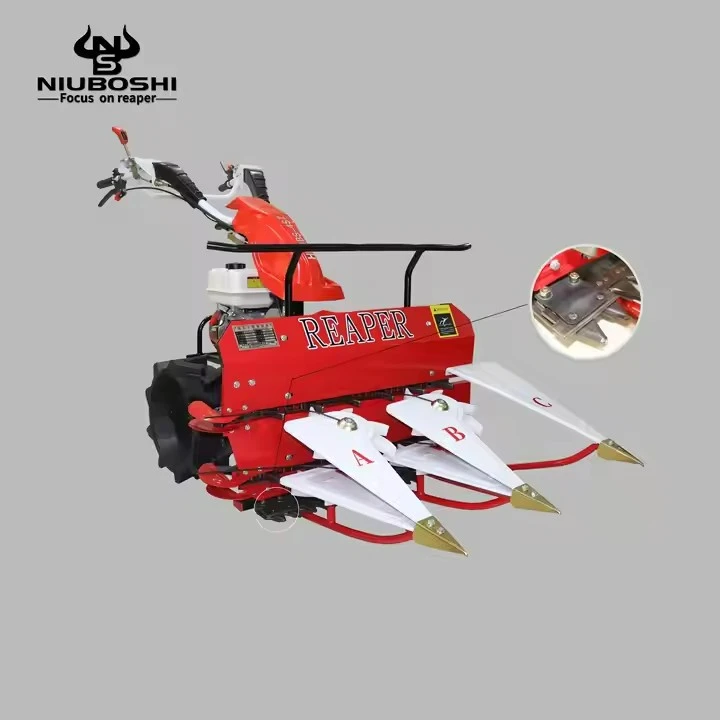
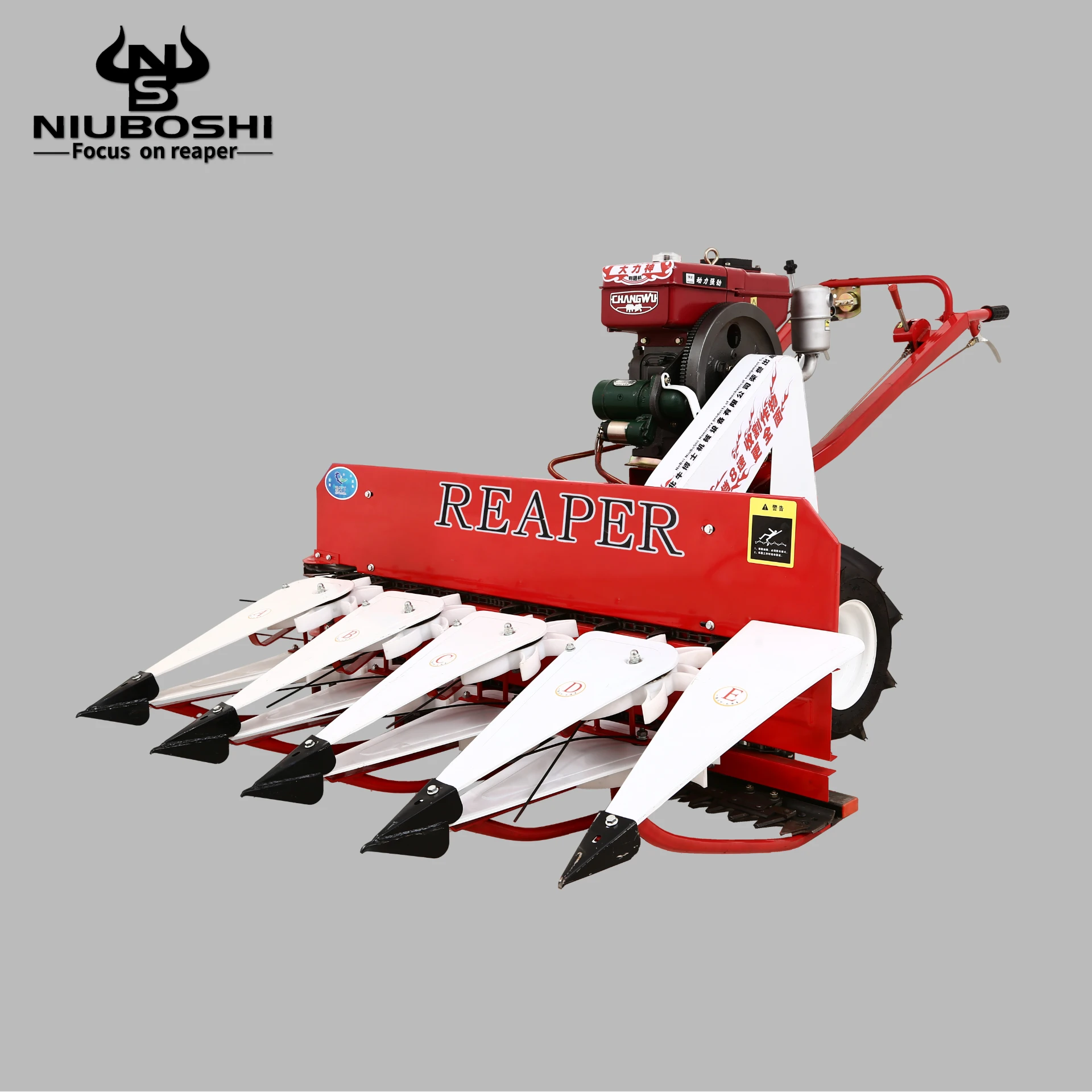
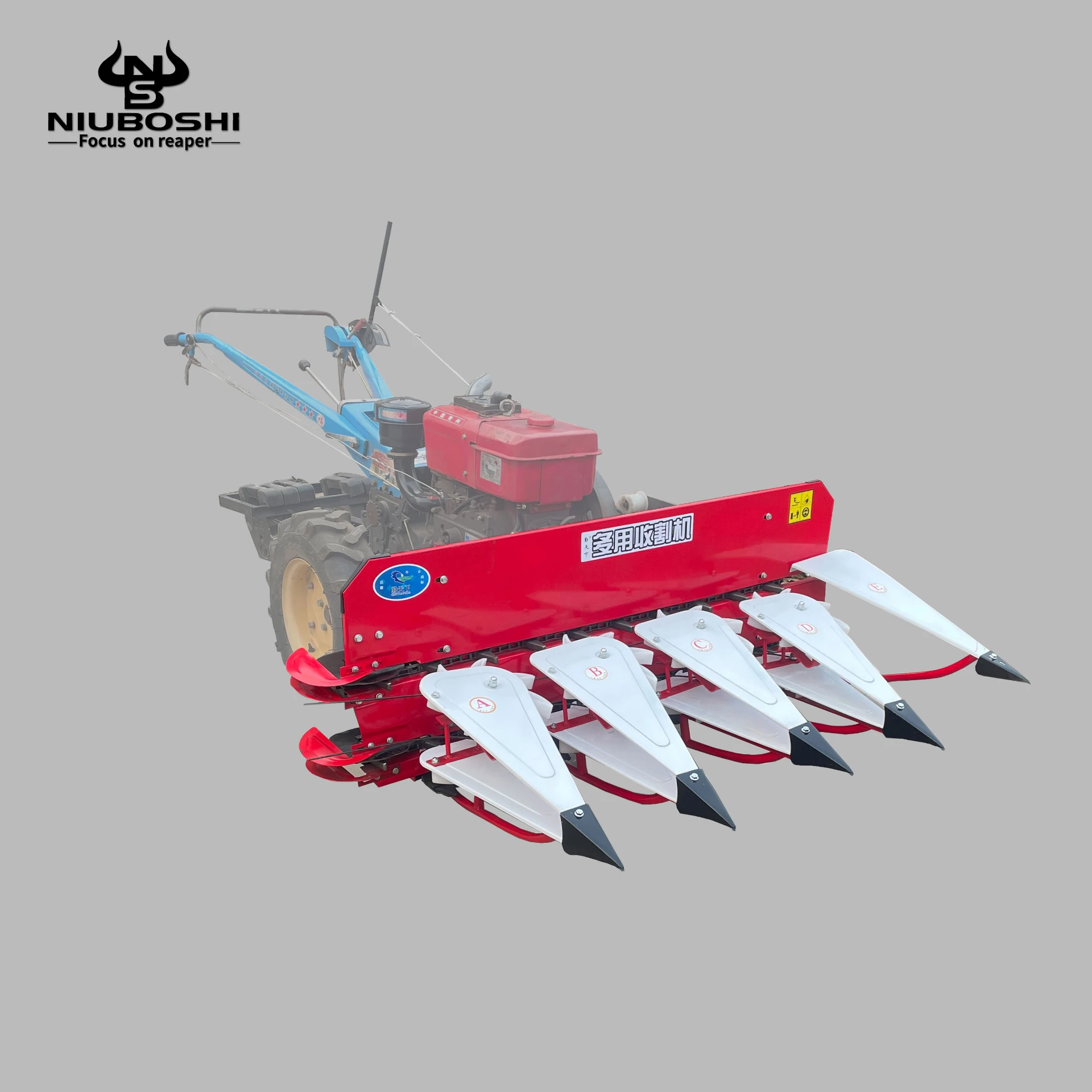
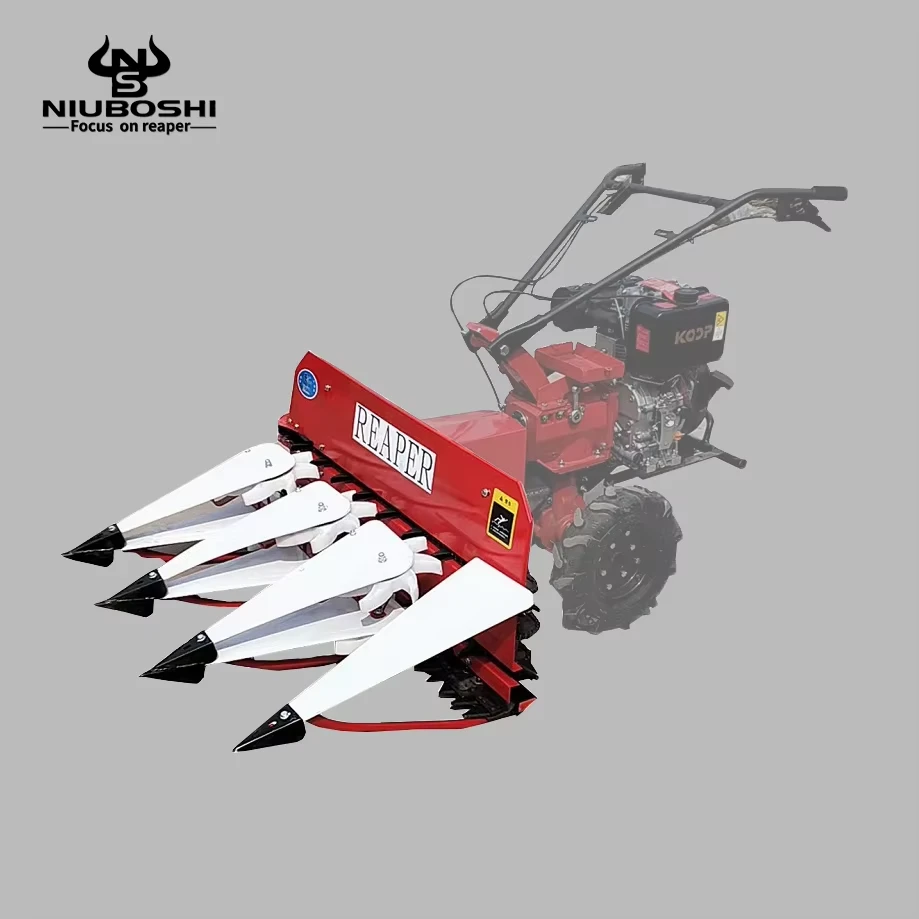
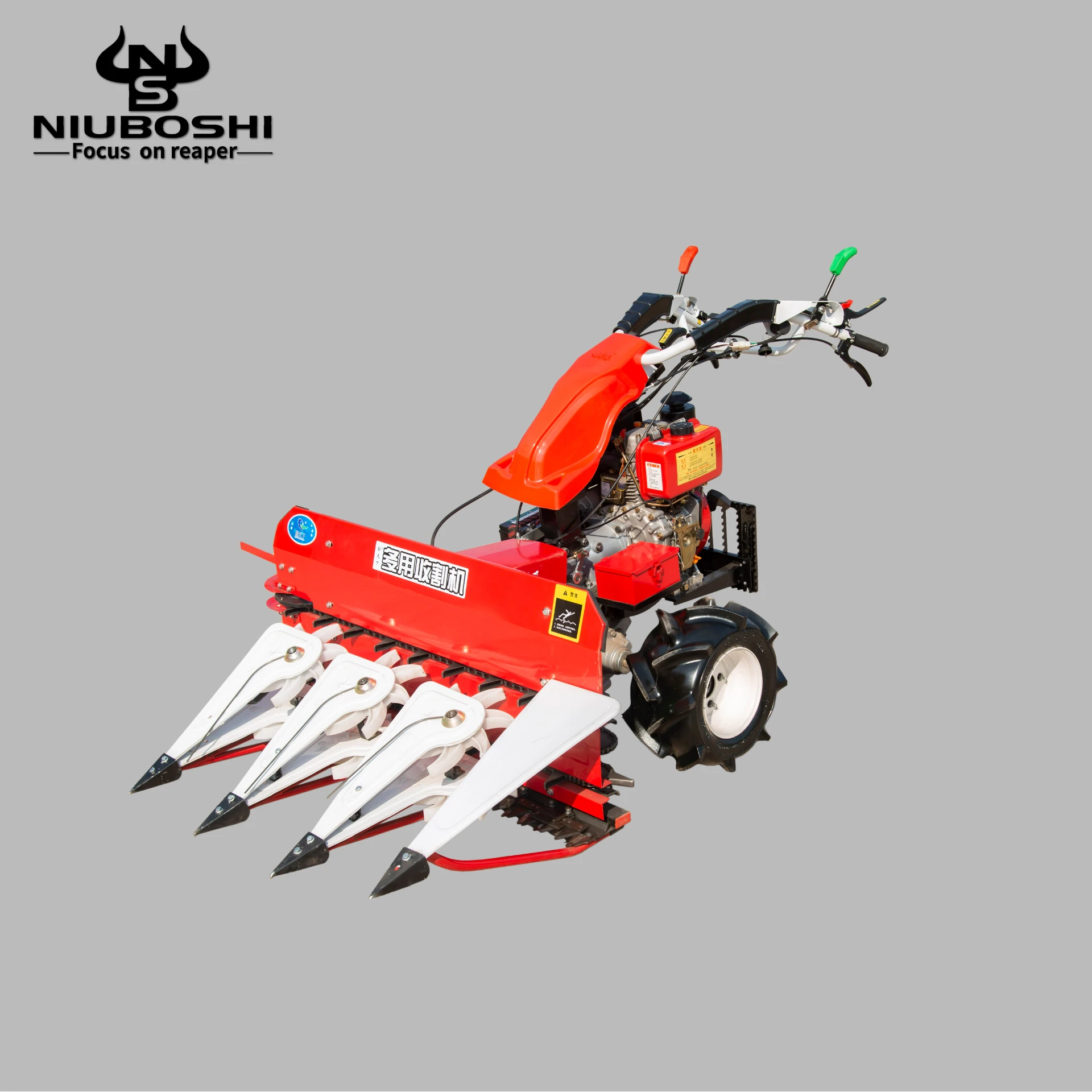
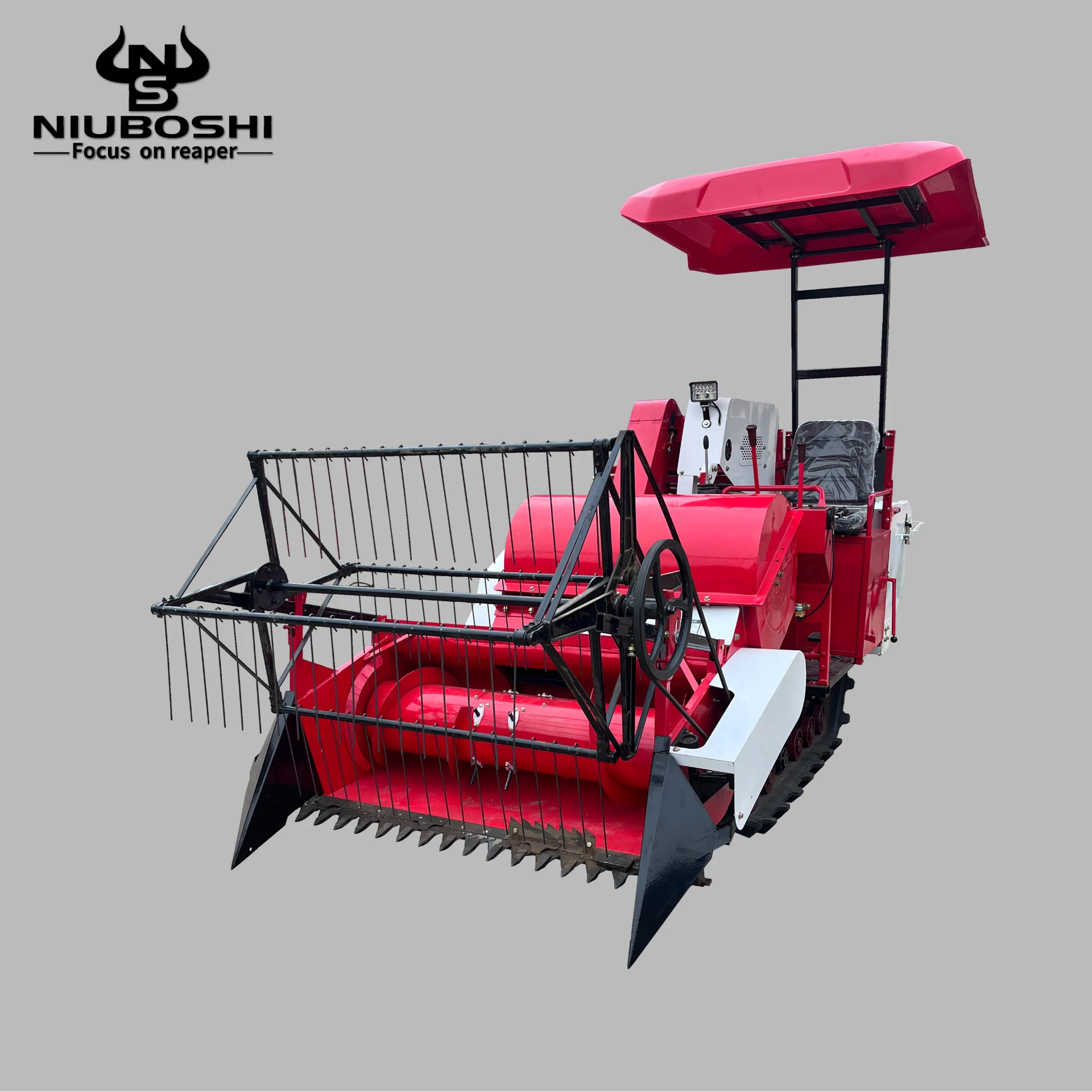
In simple terms, a mini maize harvester machine is a downsized combine harvester specifically designed for maize crops, tailored to work efficiently in smaller plots, rugged terrains, or regions lacking large-scale farming infrastructure. It harvests maize cobs from stalks mechanically, drastically reducing the need for manual labor while being light enough to maneuver through narrow fields.
Think of it as a nimble helper—somewhere between a lawn mower and a giant industrial harvester—that can peel off maize cobs, sort residues, and leave fields ready for the next cycle. Its compact size links directly to modern farming’s push for scalability and sustainability, while also supporting humanitarian goals like reducing drudgery in rural communities and increasing food resilience.
Key Features that Make These Machines Tick
1. Compact Design and Maneuverability
One of the most obvious strengths is size: typically weighing under 300kg and measuring roughly 1.5 meters in width, these machines slip through tight rows and uneven ground with ease. They fit smallholder farms where turning radius and soil pressure limit conventional harvesters.
2. Fuel Efficiency and Cost Effectiveness
Many mini harvesters are powered by small diesel or petrol engines, which chew far less fuel than big rigs. This translates to lower operating costs — a crucial factor for farmers with tight budgets. Bonus: some newer models integrate electric or hybrid power to cut emissions further.
3. Crop Quality and Loss Reduction
While small, these machines still deliver respectable threshing and separation performance, reducing grain damage and loss at harvest — often halving what manual harvesting might lose to spillage or pest infestation.
4. Durability and Simple Maintenance
To be useful where resources are tight, rugged construction and easy-to-fix parts come standard. Users appreciate when they can spot and replace worn components themselves rather than calling in a full-service crew months away.
5. Multipurpose Capability
Some models also allow for crop customization — adjusting for cob size, stalk height, or residue management — letting farmers harvest different maize varieties or even other grains.
Worldwide Applications and Success Stories
Mini maize harvesters are not just theoretical toys; they’re real-world companions to farmers and organizations. In East Africa, for example, smallholders in Kenya and Uganda leverage these machines to harvest during tight weather windows, improving yield quality and income. NGOs working in food security have found them invaluable in post-disaster relief operations too, speeding up maize harvesting when time is literally critical.
In parts of India, mini harvesters bridge the gap between traditional manual labor and expensive large machinery, allowing women farmers better access to mechanization without borrowing gigawatts of resources. Even in remote industrial zones where the terrain discourages big tractors, these handy machines help maintain consistent food supply chains.
| Specification | Typical Range |
|---|---|
| Weight | 180–280 kg |
| Engine Type | Single cylinder diesel/petrol (5-8 HP) |
| Operating Width | 1.2–1.5 meters |
| Harvest Capacity | 0.1–0.3 hectares/hour |
| Fuel Consumption | |
| Price Range | $1,200 – $3,500 (varies by region and specs) |
Why Choose Mini Maize Harvesters? The Advantages Are Compelling
- Cost Savings: They drastically cut down on manual labor expenses and reduce post-harvest losses.
- Sustainability: Lower fuel consumption means smaller carbon footprints, with some electric models furthering green credentials.
- Social Impact: By empowering smallholder farmers, they reduce drudgery and support rural economies, especially benefiting women and youth.
- Reliability: Robust designs mean fewer breakdowns in remote areas.
Many farmers I’ve spoken with mention how the confidence from faster, cleaner harvests lets them expand planting areas or experiment with crop varieties — which feels like a huge, intangible win.
The Next Frontier: Innovations & Future Trends
The future for mini maize harvester machines looks dynamic. Increasingly, manufacturers are exploring hybrid or fully electric drives to meet tougher environmental standards. IoT integration and GPS-assisted navigation are beginning to trickle down, allowing farmers to track machine health or performance remotely — handy if you’re managing several units across different fields. Additionally, advances in lightweight, durable materials promise machines that weigh even less but last longer.
Policy incentives promoting sustainable agriculture also boost demand, especially in countries investing in tech-driven rural development programs. In fact, there’s ongoing research into AI-powered selective harvesting — where machines distinguish between ripe and unripe maize — but we might be a few years out from that hitting the small-scale market.
Common Challenges and How They’re Tackled
Of course, no technology is perfect. Mini maize harvester machines sometimes face hurdles such as limited capacity compared to full-scale harvesters, occasional difficulty with high-moisture maize, and constraints servicing very uneven or rocky terrain.
Experts recommend careful model selection tailored to field conditions and adequate operator training. Some companies now offer modular attachments to improve versatility or emphasize local repair & maintenance networks to minimize downtime. The rise of community-based farming cooperatives owning pooled mini harvesters is another practical workaround for cost and usability obstacles.
FAQ: Your Mini Maize Harvester Questions Answered
- Q: How does a mini maize harvester machine compare to manual harvesting in terms of speed?
A: Typically, a mini harvester can cover 2–5 times more area per hour than manual labor, depending on field conditions — making it a significant time saver for smallholders. - Q: Can these machines handle different maize varieties?
A: Yes, many models feature adjustable settings for cob size and stalk height to optimize harvesting efficiency across varieties. - Q: Are mini maize harvesters easy to maintain?
A: Most are designed with simple mechanics and widely available parts, so local technicians or farmers with basic skills can perform maintenance and repairs. - Q: Is the initial investment for a mini maize harvester justified?
A: While upfront costs can be a hurdle, the return on investment is usually achieved within 1–2 harvest seasons due to reduced labor costs and higher crop quality. - Q: Where can I find reliable suppliers or more info?
A: Trusted manufacturers often have global distribution channels, and websites like mini maize harvester machine offer detailed product info and vendor comparisons.
Comparing Leading Mini Maize Harvester Vendors
| Vendor | Model Range | Price | Fuel Type | Key Features |
|---|---|---|---|---|
| NiuBos | NB-MH150, NB-MH200 | $1,600–$2,900 | Diesel | Lightweight, easy maintenance, good terrain adaptability |
| AgriTech Solutions | MiniHarvest X1 | $2,000 | Petrol | Compact, user-friendly, adjustable harvesting width |
| GreenFields | GF-MH200E | $3,300 | Electric / Hybrid | Eco-friendly, low noise, remote monitoring |
Wrapping It Up: Why Mini Maize Harvesters Are Here to Stay
In the whirlwind of global agricultural tech, the mini maize harvester machine stands out for its blend of simplicity, affordability, and practical impact. It’s not just a tool — it’s a gateway for smallholder farmers to break free from back-breaking manual labor, gain more control over their harvest, and ultimately improve their livelihoods.
If you’re curious or ready to explore solutions for your fields or projects, I recommend visiting mini maize harvester machine for trusted products and expert insights.
Here’s to smarter, stronger harvests — small machines making a big difference.
References
Latest news
-
Maximize Harvest Efficiency with the Agro Reaper Binder MachineNewsApr.16,2026
-
Boost Harvest Efficiency with the Best Agriculture Reaper MachineNewsApr.09,2026
-
Revolutionizing Agriculture with the Efficient Agriculture Power ReaperNewsApr.07,2026
-
Comprehensive Guide to the 4 Wheel Reaper Binder for Efficient HarvestingNewsApr.04,2026
-
Comprehensive Guide to Reaperbinder Technology for Efficient Hay and Crop HarvestingNewsMar.31,2026
-
Mastering the Art of Reaper Cutting for Enhanced Agricultural EfficiencyNewsMar.28,2026