Efficient Mini Paddy Harvester for Small-Scale Rice Farming | HB Niuboshi
Mini Paddy Harvester: Compact Power for Modern Rice Farming
Having spent more than a decade around industrial farming equipment, I’ve seen plenty of machinery come and go. But oddly enough, the mini paddy harvester continues to impress me for what it brings to smallholder and mid-sized rice farms. I suppose it’s partly because this little beast strikes a nice balance between efficiency and maneuverability — which, if you ask me, is exactly what a modern rice farmer needs.
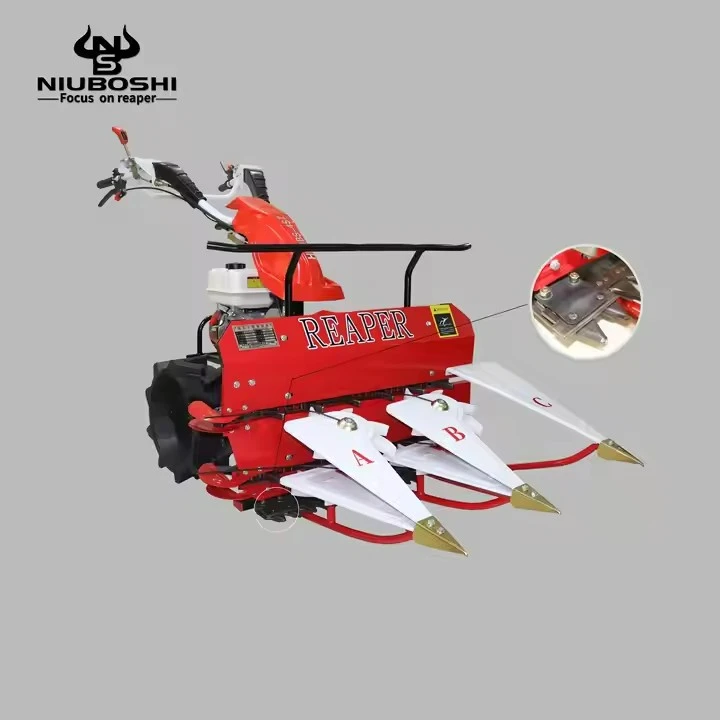
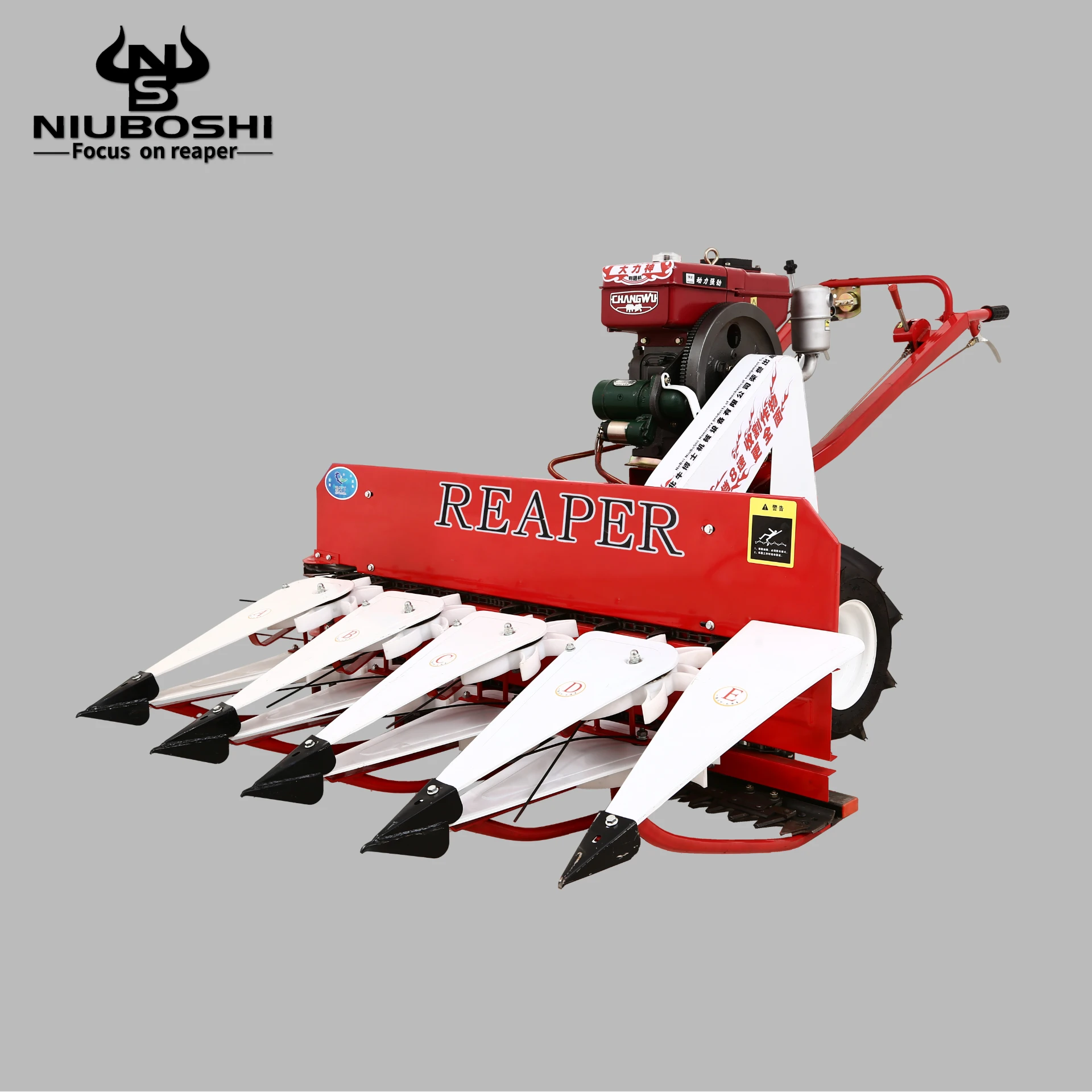
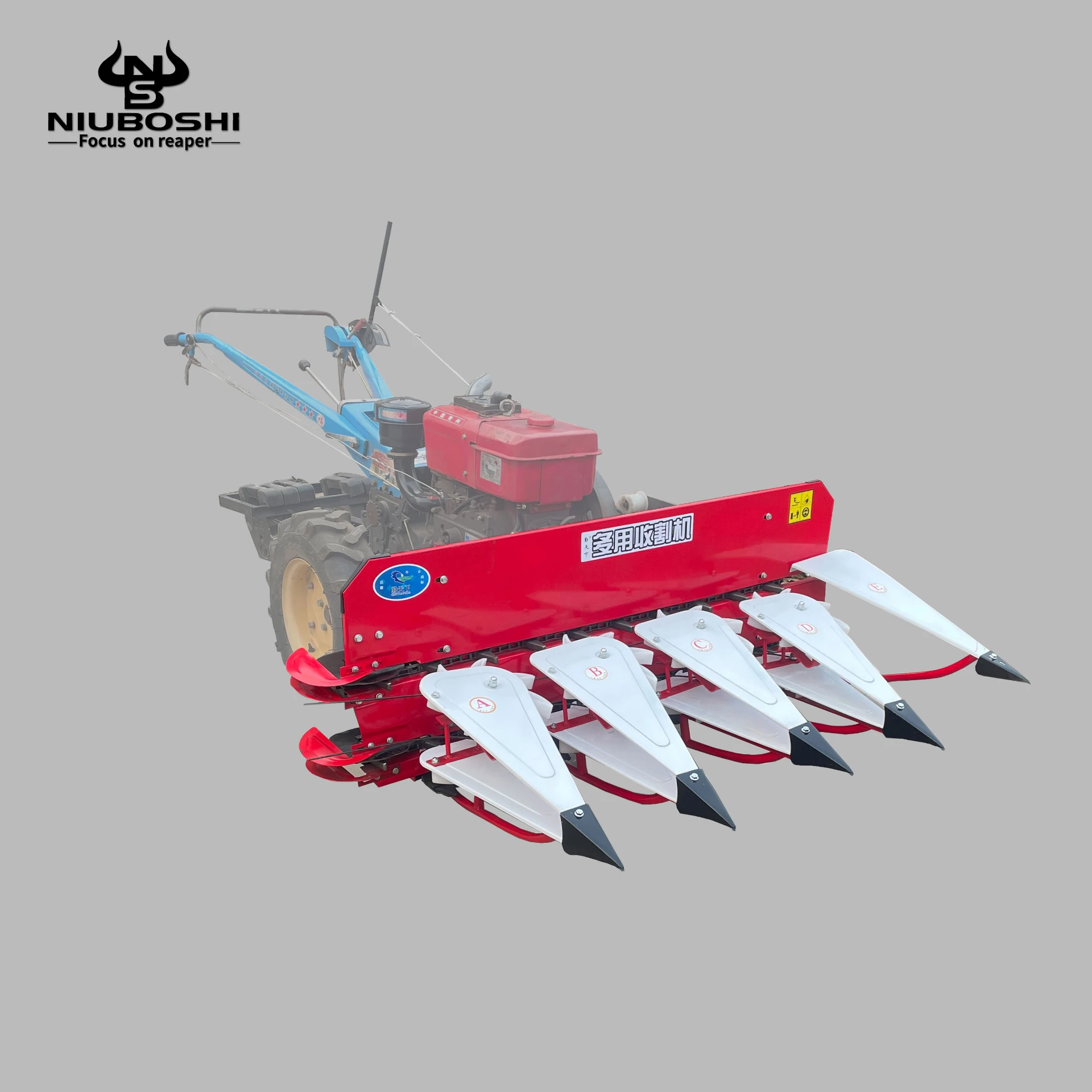
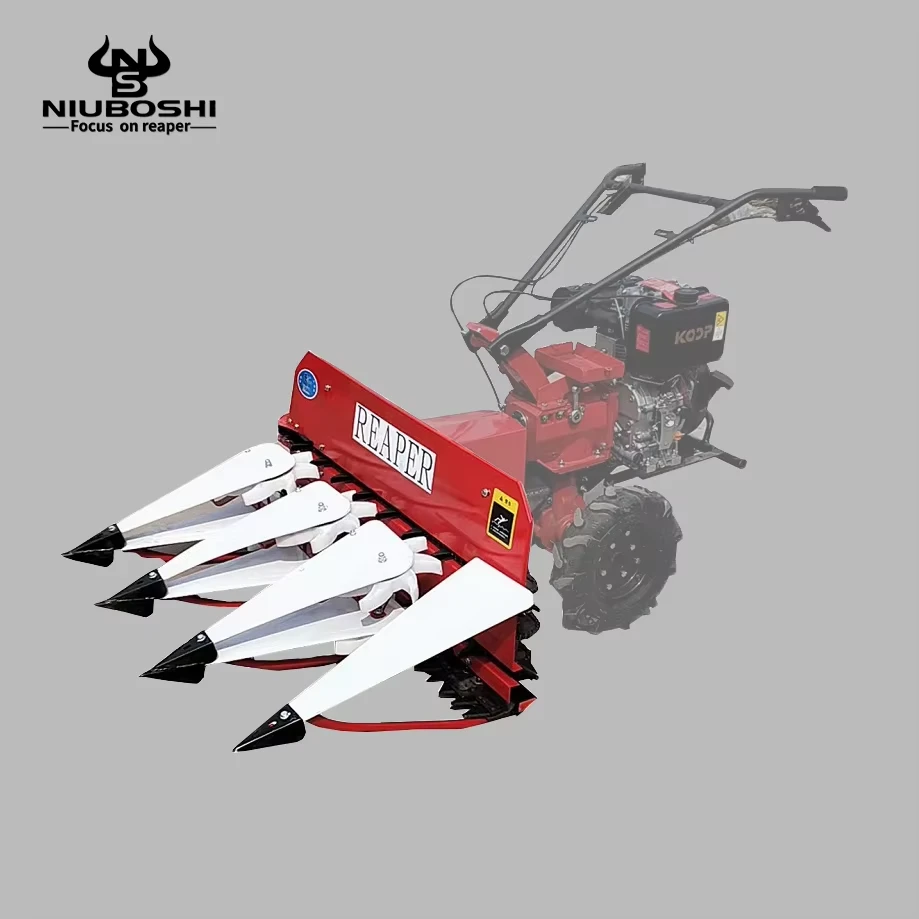
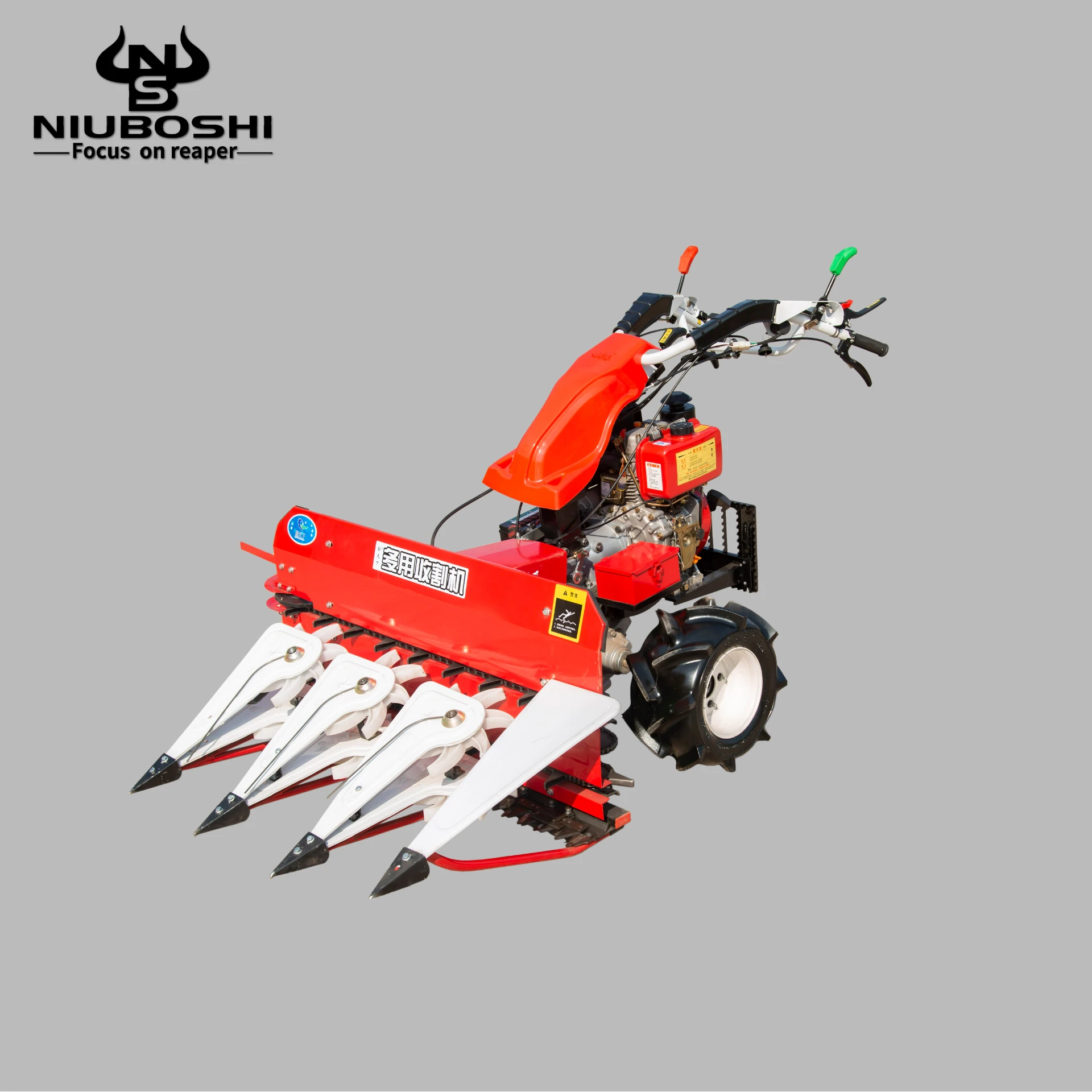
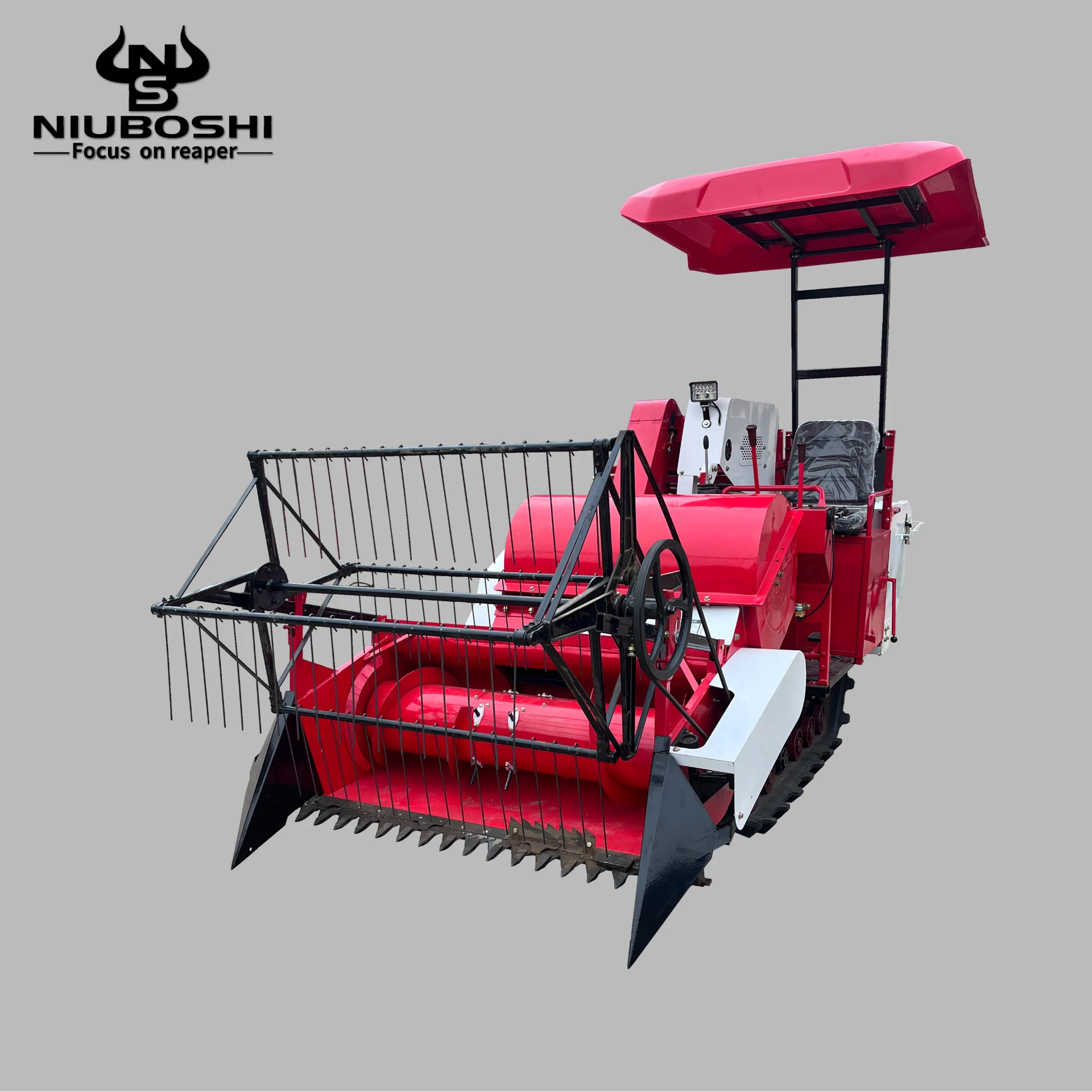
For those unfamiliar, a mini paddy harvester is a compact machine designed specifically for harvesting rice in smaller, often terraced, or fragmented fields. Unlike their larger counterparts, these guys are nimble. You can almost think of them as the motorcycles of the agricultural machinery world; they get the job done without demanding acres of open space or massive fuel tanks.
The development in this niche has been thoughtful. Many manufacturers focus on quality materials combined with ergonomic design to reduce operator fatigue. Frankly, when I first hopped onto one, I was surprised at how user-friendly it felt. The controls were intuitive, and you’re less likely to get bogged down in muddy paddies because the chassis is engineered to keep things light yet durable.
Why Mini Paddy Harvesters Are Gaining Traction
In real terms, these machines help farmers save time during harvest seasons, which are notoriously tight. The ability to cover a good swathe of field quickly without the need for large-scale infrastructure investments is a huge plus. Plus, many engineers I’ve talked with praise mini harvesters for their fuel efficiency and easier maintenance routines. This means fewer surprises in the field and more consistent output.
A little anecdote for you: last harvest season, a friend of mine in Vietnam told me how his 2-hectare farm saw a 30% boost in harvested area coverage per day after switching to a mini harvester. Not to mention, the cleaner cuts reduced post-harvest losses — a detail often overlooked but crucial for small-scale farmers who can’t afford wastage.
Product Specifications of a Typical Mini Paddy Harvester
| Feature | Specification |
|---|---|
| Engine Power | 8–15 HP (Diesel) |
| Weight | 300–450 kg |
| Cutting Width | 850–1200 mm |
| Fuel Tank Capacity | 8–12 liters |
| Harvesting Capacity | 0.1–0.3 hectares/hour |
| Ease of Maintenance | Designed for field-level servicing |
I should mention that this spec range is typical of models you might find on the market today. In particular, I encourage you to check out trusted vendors who often list detailed specs online. One solid example is mini paddy harvester offerings that blend practical design with affordability.
Vendor Comparison: Popular Mini Paddy Harvester Brands
| Brand | Price Range (USD) | Fuel Efficiency | Warranty | Availability |
|---|---|---|---|---|
| HB Niuboshi | $3,500 - $4,200 | Good (approx. 2L/hr) | 1 year | Global |
| Kubota | $4,000 - $5,000 | Very good | 2 years | Asia, Americas |
| Yanmar | $3,800 - $4,500 | Good | 18 months | Global |
Of course, pricing and availability can vary by region, and frankly, post-sale service is a critical factor. That’s one reason I’ve seen many farmers lean towards brands like HB Niuboshi — they balance cost and support well, and their machines feel robust for small-scale to mid-sized operations.
Customization and Practical Tips
Another point worth mentioning is the adaptability of mini paddy harvesters. You often find options for different reel speeds, cutting heights, and grain collection methods. If you work with a dealer or directly with manufacturers, you can get configurations tailored to your particular soil type or crop density.
In my experience, always ask about demo units or test runs before purchase. You want to see how it handles under real conditions, especially if your paddies have uneven terrain or sticky mud. And don’t underestimate training — you know, some dealers include hands-on guidance, which cuts down the learning curve tremendously.
To wrap up, I’d say if you're a rice farmer looking to upgrade your post-sowing efficiency without committing to heavy machinery, the mini paddy harvester is definitely worth your consideration. It’s practical, increasingly sophisticated, and frankly, kind of satisfying to operate once you get the hang of it.
— Just some thoughts from years in the field.
References
- FAO Rice Market Monitor, 2023
- Agricultural Machinery Industry Reports, 2022
- Site visits and interviews with Southeast Asia rice farmers, 2021–2023
Latest news
-
Maximize Harvest Efficiency with the Agro Reaper Binder MachineNewsApr.16,2026
-
Boost Harvest Efficiency with the Best Agriculture Reaper MachineNewsApr.09,2026
-
Revolutionizing Agriculture with the Efficient Agriculture Power ReaperNewsApr.07,2026
-
Comprehensive Guide to the 4 Wheel Reaper Binder for Efficient HarvestingNewsApr.04,2026
-
Comprehensive Guide to Reaperbinder Technology for Efficient Hay and Crop HarvestingNewsMar.31,2026
-
Mastering the Art of Reaper Cutting for Enhanced Agricultural EfficiencyNewsMar.28,2026