Mini Tractor Harvester: Efficient Farming Solutions for Smallholders Worldwide
Understanding the Mini Tractor Harvester: Small Machine, Big Impact
When you hear “mini tractor harvester,” you might imagine a small farming machine quietly working a patch of land. But globally, these nifty machines are quietly transforming agriculture and small-scale farming — especially in regions where large machinery can’t easily go, or where budgets are tight and agility is key. They help bridge the gap between hand labor and big industrial equipment, making farming more accessible, efficient, and sustainable in many parts of the world.
Why Mini Tractor Harvesters Matter on a Global Scale
To put it simply, the global demand for food is expected to increase by around 50% by 2050, according to estimates from the United Nations Food and Agriculture Organization (FAO)[1]. But modern farming faces challenges: land fragmentation, shortage of skilled operators, and environmental concerns. Mini tractor harvesters address some of these by offering scalable agricultural power that’s easier to handle, cheaper to maintain, and adaptable to smaller plots.
For instance, in parts of Asia, Africa, and Eastern Europe, smallholders form the backbone of agricultural productivity. These machines often mean the difference between harvesting a good crop or simply losing yield to inefficient manual labor.
Mini takeaway: The mini tractor harvester isn’t just convenient gear; it’s a vital tool addressing food security and economic empowerment for small farmers worldwide.
What Exactly is a Mini Tractor Harvester?
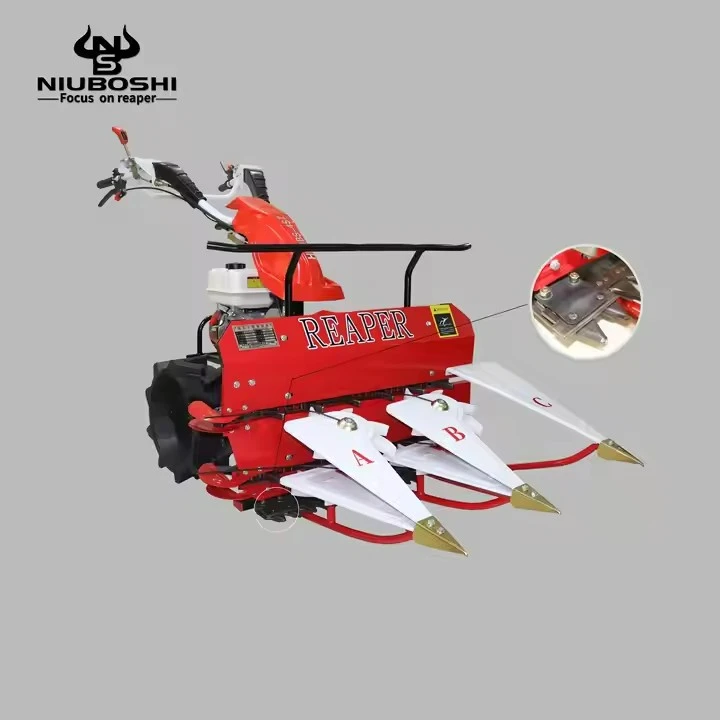
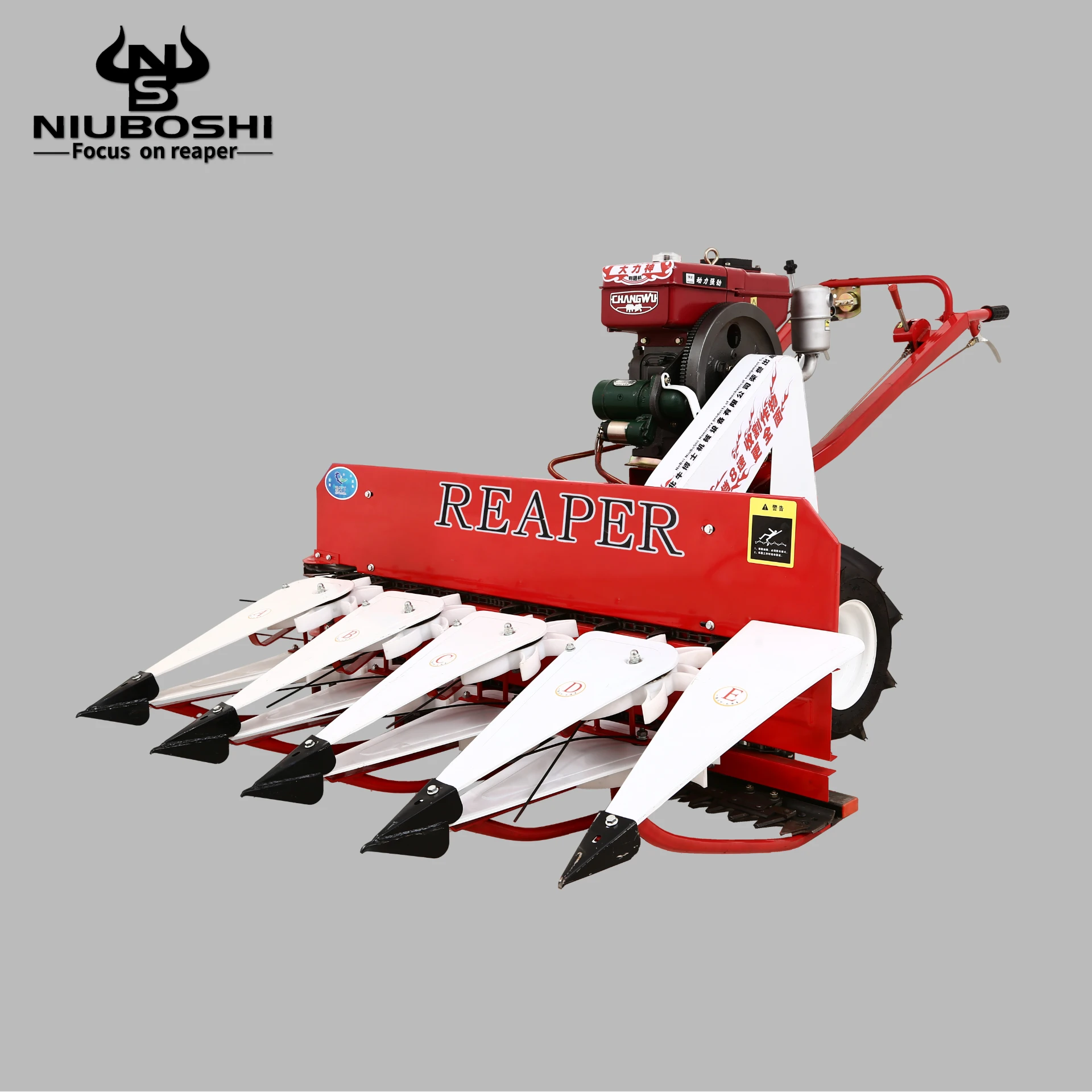
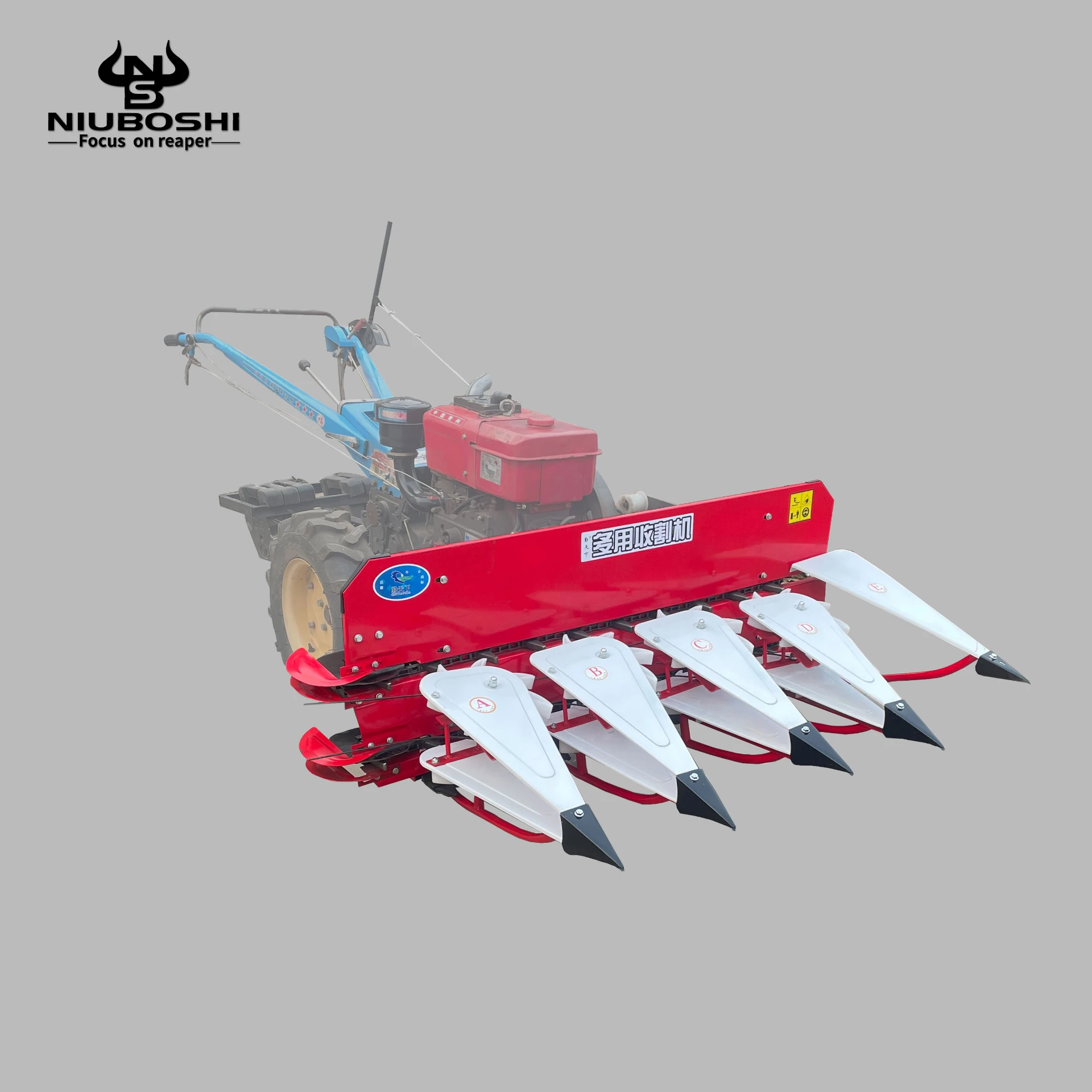
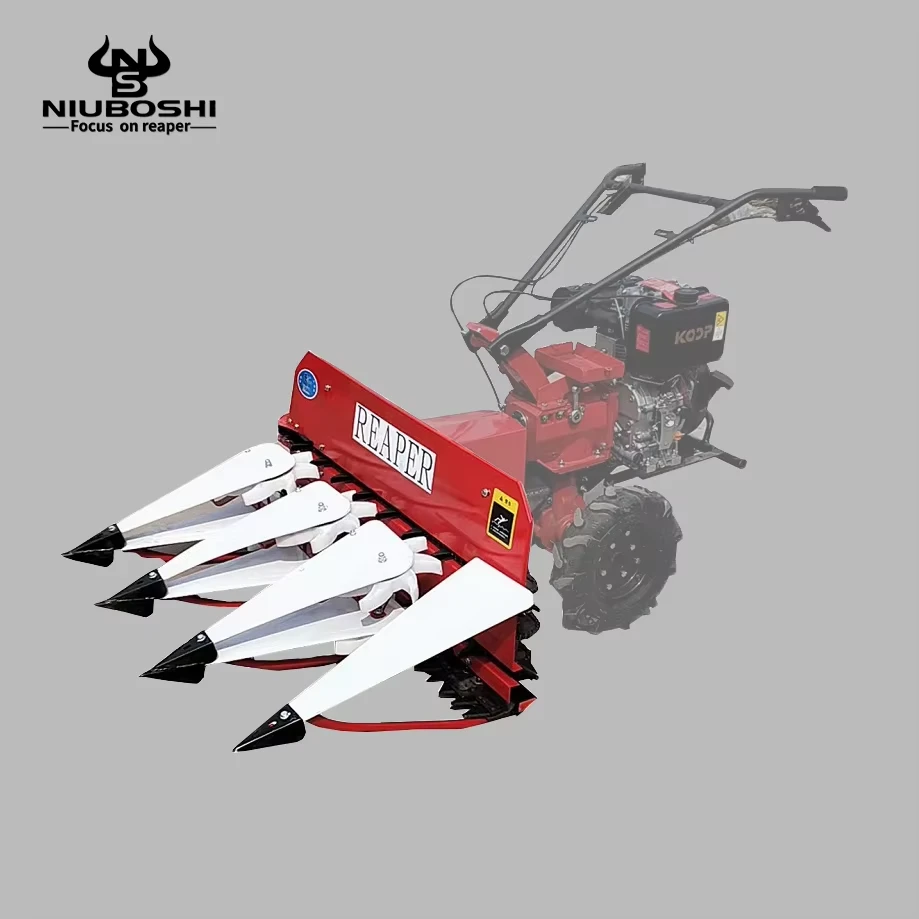
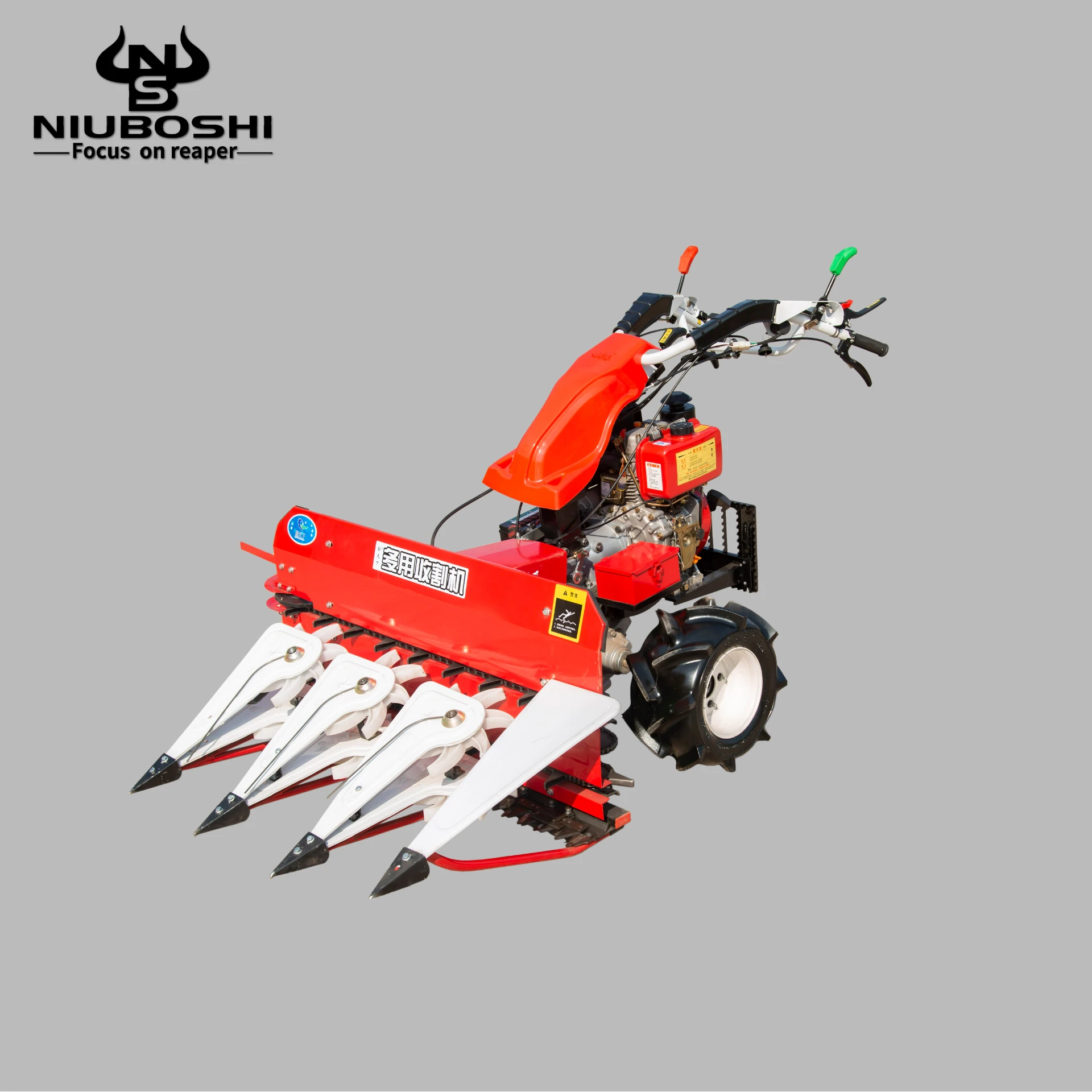
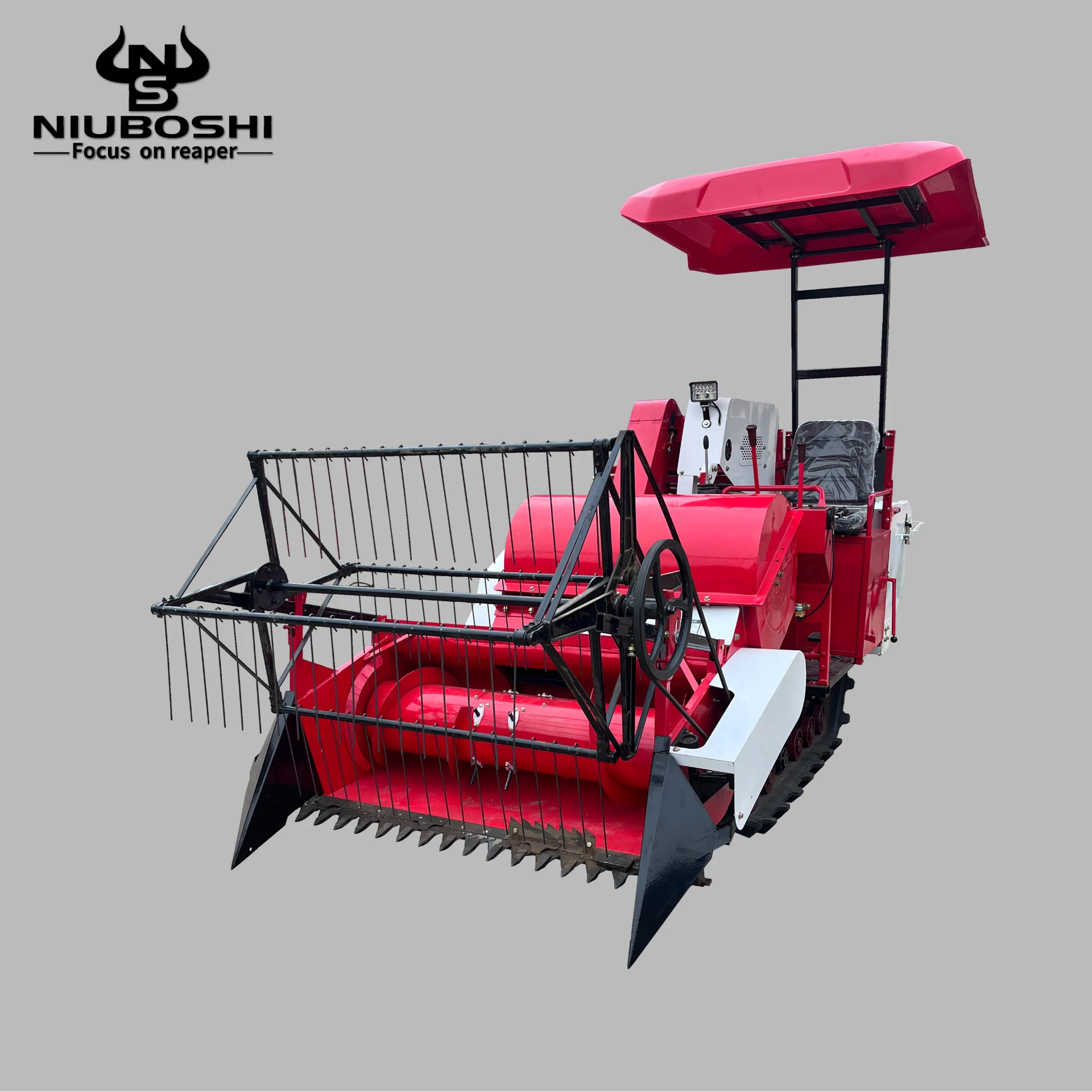
At its core, a mini tractor harvester is a compact, multi-functional agricultural machine designed to pull, till, and harvest various crops — all in one handy package. It’s smaller than your typical tractor-harvester combo but powerful enough to handle essential tasks ranging from plowing to threshing.
Think of it as a “jack of all trades” in the farming world — a machine that can fit into tighter fields and navigate uneven terrain where big machines would struggle or even damage the land.
The design usually combines a mini tractor chassis with mechanical harvesting attachments tailored by crop type, enabling flexible operation. This makes it perfect not only for traditional crop-growing but also for specialized sectors like vegetable farming or rice cultivation.
Core Components That Make the Difference
1. Compact Engine & Powertrain
Most mini tractor harvesters pack a diesel engine ranging from 15 to 30 horsepower, delivering enough punch without guzzling fuel like a larger model might.
2. Modular Attachments
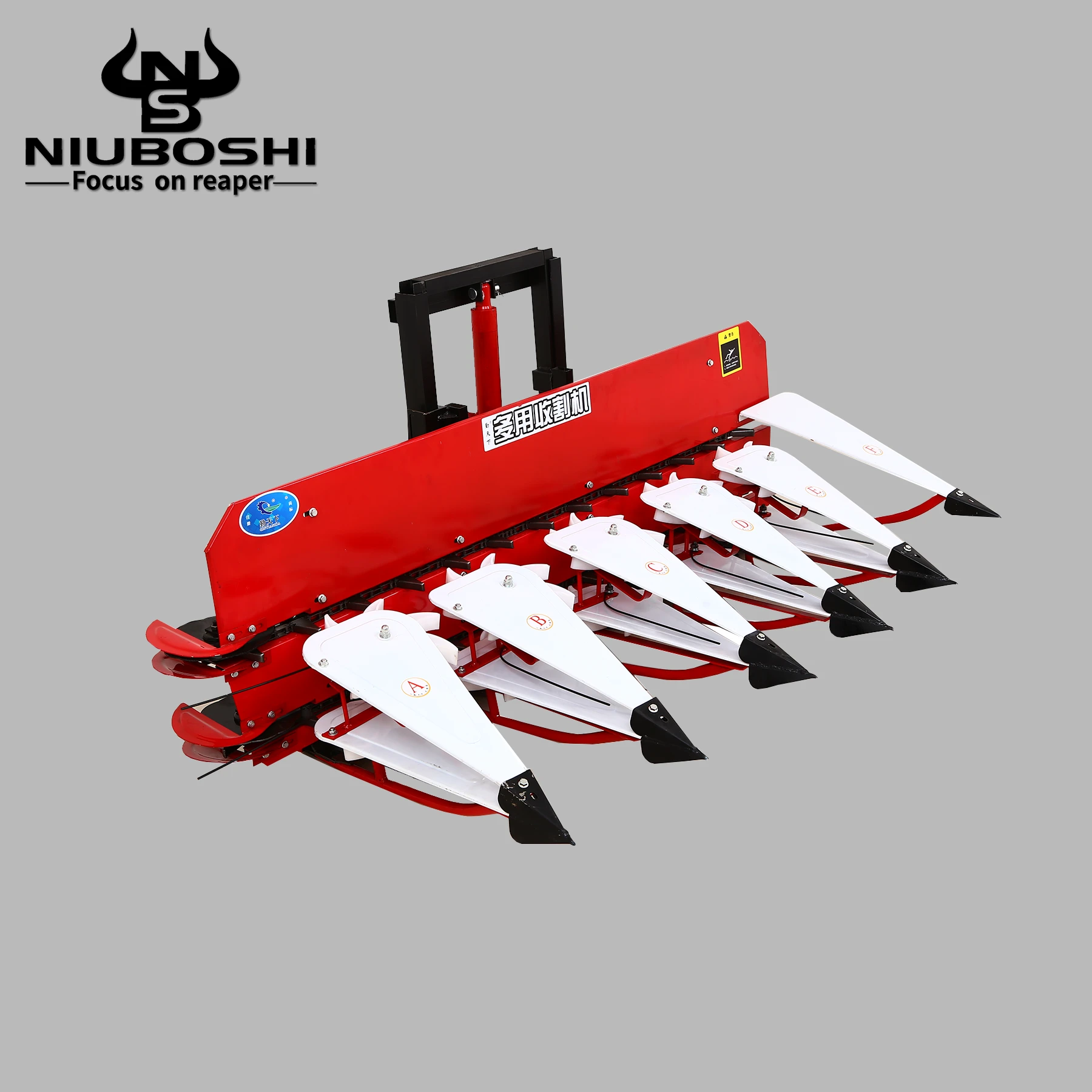
Harvesters often include swappable tools—like reapers, threshers, or loaders—letting operators customize the machine according to crop and field conditions.
3. Durable Frame & Tires
Many manufacturers reinforce frames to handle rough, uneven terrains with oversized, low-pressure tires minimizing soil compaction—essential for preserving fertile land.
4. User-friendly Controls
Simple levers and controls reduce operator fatigue and facilitate learning curves for new farmers, crucial for widespread adoption.
Mini tractor harvester specs at a glance:
| Specification | Typical Range | Notes |
|---|---|---|
| Engine Power | 15 - 30 HP | Usually diesel-powered |
| Harvest Attachments | Reaper, Thresher, Loader | Swappable based on crop |
| Weight | 800 - 1500 kg | Light enough for easy transport |
| Operating Speed | 3 - 7 km/h | Varies by task |
| Fuel Efficiency | 4 - 6 L/hour | Depends on terrain and load |
Mini takeaway: These machines balance power and compactness; they’re designed for the long haul but never bulky or overwhelming.
Where and How Mini Tractor Harvesters Are Changing the Game
Their real magic shows up when you consider where they’re used. Across Southeast Asia, notably in Vietnam and Indonesia, mini tractor harvesters revolutionize rice paddies — maneuvering narrow plots without trampling young seedlings. Meanwhile, in East African countries like Kenya and Tanzania, they’re becoming mainstays for smallholders growing maize and beans.
Oddly enough, these small machines also help in humanitarian contexts, such as post-disaster agricultural recovery programs, restoring livelihoods when manual labor resources are scarce.
Even some urban farms and research stations use mini tractor harvesters to quickly experiment with crops or clear debris, showing just how versatile they can be.
mini tractor harvester units' portability and multi-functionality are a big win, especially in remote or rugged regions where typical tractors are just impractical.
Mini takeaway: Wherever land is small or conditions tricky, these machines fill a very real gap in machinery options.
Why Investing in Mini Tractor Harvesters Makes Sense
- Cost Efficiency: Lower fuel consumption and maintenance costs compared to larger machinery.
- Accessibility: Easier for small-scale farmers to purchase, operate, and repair.
- Sustainability: Smaller footprint reduces soil compaction and energy use.
- Social Impact: Enables farmers, especially youth and women, to mechanize farming without massive upfront investments.
Many farmers report not only improved yields but also the dignity of working with reliable equipment that respects their environment and budget constraints. There’s something reassuring about a machine that hums along without getting in the way.
Looking Ahead: Trends and Innovations in Mini Tractor Harvesters
The industry isn’t standing still. We’re seeing advances like:
- Electric and hybrid powertrains to make these machines greener and quieter.
- Smart sensors and IoT connectivity for precision farming — tracking soil data and performance remotely.
- 3D-printed components for faster and cheaper replacement parts.
- Modular designs allowing farmers to swap attachments faster, even in the field.
Manufacturers are also exploring rental and cooperative ownership models to lower financial barriers — quite a practical approach.
Challenges Still on the Horizon — and How to Meet Them
Of course, the mini tractor harvester isn’t perfect. Some common concerns:
- Limited power: Can struggle on very steep or tough terrains.
- Spare parts access: Particularly in remote regions, parts may be delayed.
- Operator training: Even small machines require some know-how to maintain and run safely.
But innovations in local manufacturing and digital training apps are helping. Plus, many companies now have better after-sales support networks — it's not just a machine anymore but a full lifecycle service.
Vendor Comparison: Popular Mini Tractor Harvester Brands
| Brand | Horsepower | Starting Price (USD) | Available Attachments | After-sales Support |
|---|---|---|---|---|
| AgroMini | 18 HP | $5,500 | Reaper, Thresher, Loader | Global partners, 2-year warranty |
| FieldEase | 22 HP | $6,200 | Thresher, Seeder, Loader | Regional service centers, 3-year warranty |
| TerraCrop | 15 HP | $4,800 | Reaper, Seeder | On-demand parts, limited regional offices |
Frequently Asked Questions About Mini Tractor Harvester
- Q: How much land can a mini tractor harvester handle effectively?
- A: Typically, these machines are best suited for small to medium plots ranging from 1 to 10 hectares per day depending on terrain and crop. For larger farms, multiple units or bigger machinery might be more efficient.
- Q: Can mini tractor harvesters be used in hilly or uneven terrain?
- A: They can manage moderate slopes and uneven ground — thanks to their lightweight and low-pressure tires — but steep or rocky terrain may require specialized equipment. Operator caution is key to avoid tipping.
- Q: Are these harvesters easy to maintain for owners without much mechanical experience?
- A: Yes, generally they’re designed with user-friendly maintenance in mind. Most routine tasks — oil changes, filter cleaning — can be done with minimal training. That said, having a local technician or support network is important.
- Q: How do mini tractor harvesters support sustainable farming?
- A: Their smaller size reduces soil compaction and fuel consumption, promoting healthier soil ecosystems. Plus, many newer models adopt eco-friendly engines or electric options.
- Q: Where can I find trusted suppliers of mini tractor harvesters?
- A: Look for manufacturers with proven track records and after-sale support from regional distributors or international partners. For a good start, visit mini tractor harvester providers specialized in small-scale agricultural machines.
Wrapping Up: Why Mini Tractor Harvesters Are Here to Stay
In an age where sustainability, efficiency, and accessibility are non-negotiable, mini tractor harvesters quietly but firmly claim their space. They stand as practical, affordable, and versatile tools — empowering farmers, fostering innovation, and pushing forward global food security.
If you're looking to upgrade your agricultural toolkit or explore small-scale mechanization, don’t overlook the potential of a mini tractor harvester. These machines might be "mini" in size, but their impact can be mighty.
Visit our website for more details and options tailored to your farming needs: https://www.hbniuboshi.com
References
- Food and Agriculture Organization of the United Nations (FAO), “The Future of Food and Agriculture – Trends and challenges” (2017). https://www.fao.org/3/i6583e/i6583e.pdf
- International Organization for Standardization (ISO), Agricultural machinery standards. https://www.iso.org/committee/54914.html
- United Nations Environment Programme (UNEP), Sustainable agricultural practices. https://www.unep.org/resources/report/sustainable-agriculture
Latest news
-
Maximize Harvest Efficiency with the Agro Reaper Binder MachineNewsApr.16,2026
-
Boost Harvest Efficiency with the Best Agriculture Reaper MachineNewsApr.09,2026
-
Revolutionizing Agriculture with the Efficient Agriculture Power ReaperNewsApr.07,2026
-
Comprehensive Guide to the 4 Wheel Reaper Binder for Efficient HarvestingNewsApr.04,2026
-
Comprehensive Guide to Reaperbinder Technology for Efficient Hay and Crop HarvestingNewsMar.31,2026
-
Mastering the Art of Reaper Cutting for Enhanced Agricultural EfficiencyNewsMar.28,2026