Combined Mini Harvester: Affordable Mechanization for Smallholder Farms
The Combined Mini Harvester: Revolutionizing Small-Scale Agriculture Worldwide
When you think about harvesting machines, giant, loud tractors might come to mind. But there's a quieter, more versatile player transforming farms, especially in tight spaces and emerging economies: the combined mini harvester. This tool might seem niche, but understanding its value unlocks a broader story about global food security, rural livelihoods, and sustainable farming.
Introduction: Why Combined Mini Harvesters Matter Globally
According to the UN Food and Agriculture Organization, nearly 500 million smallholder farms feed over two billion people worldwide. Yet, many of these farms face challenges in mechanization due to fragmented land plots and limited capital. This is where combined mini harvesters step in. Combined mini harvesters offer an affordable, adaptable harvesting solution designed for smaller fields and diverse crops. Frankly, they address a critical bottleneck: making mechanized harvesting accessible to farmers who can't operate or afford full-sized machines.
Global population growth combined with climate change pressures demands more efficient food production methods. Small-scale mechanization like this becomes a key piece of that puzzle, enabling timely harvests while reducing manual labor burdens.
Defining the Combined Mini Harvester
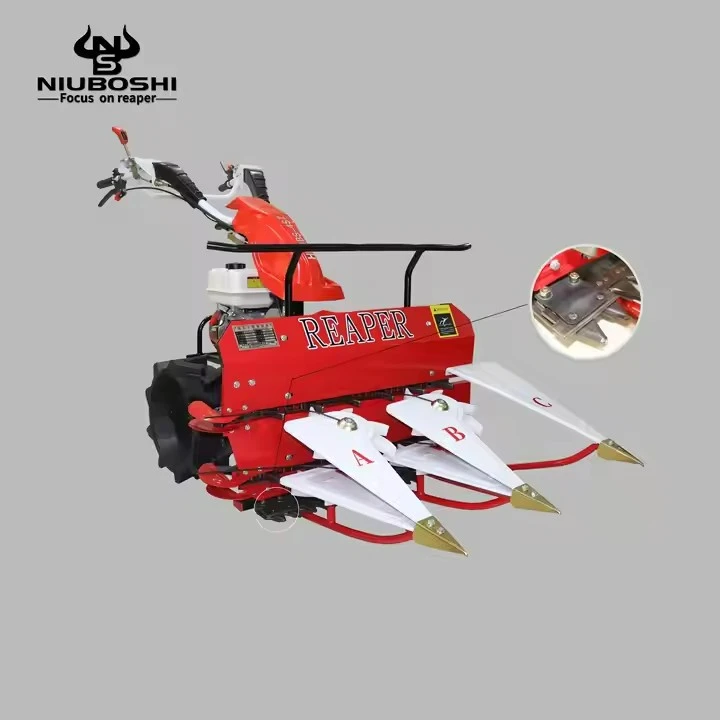
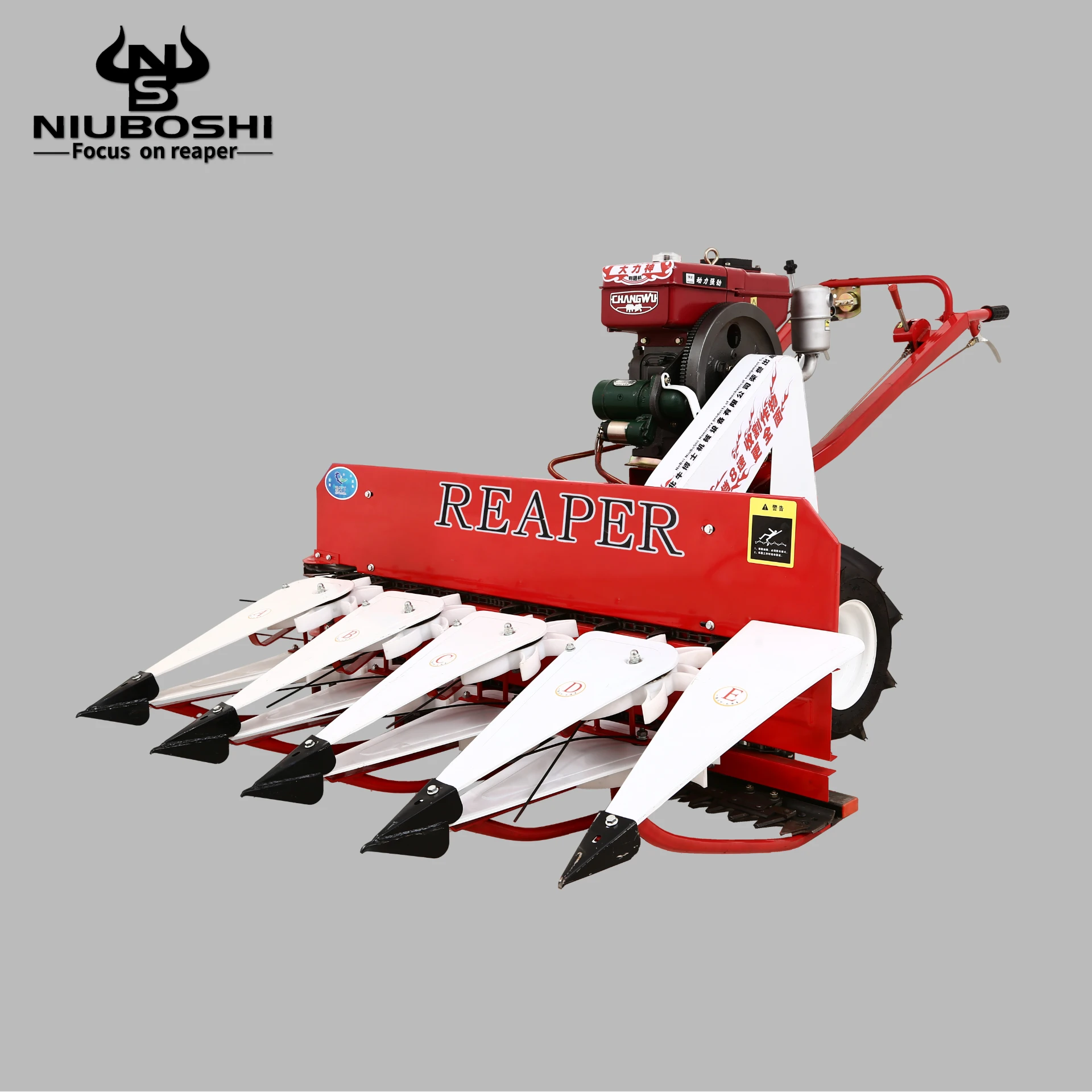
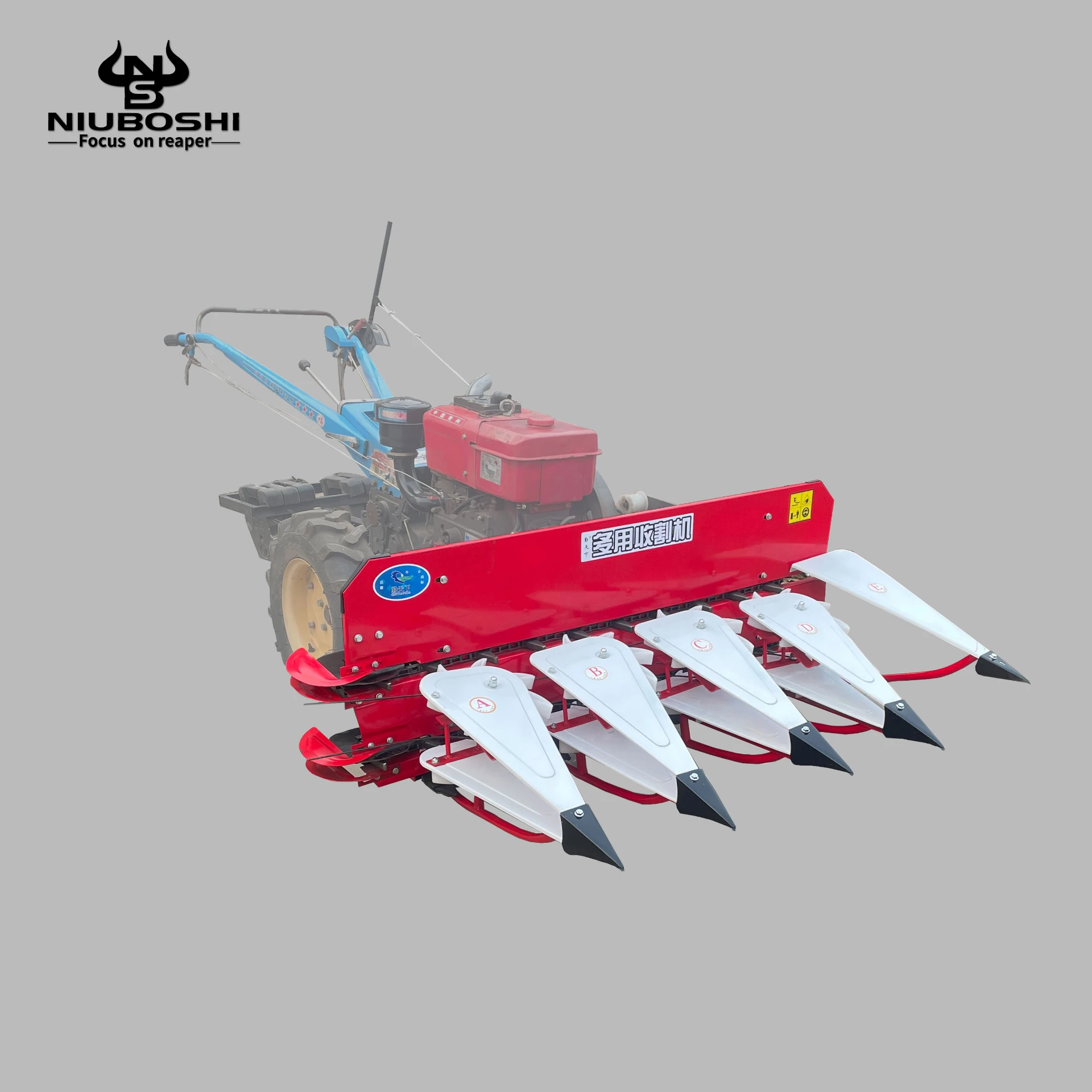
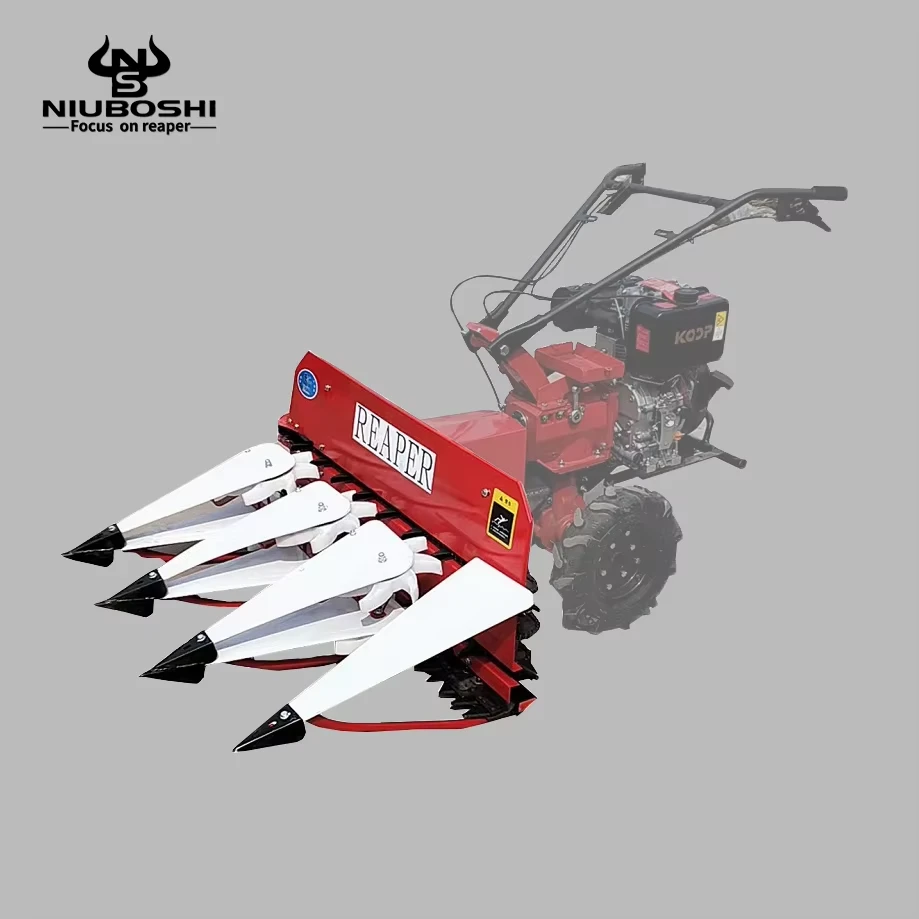
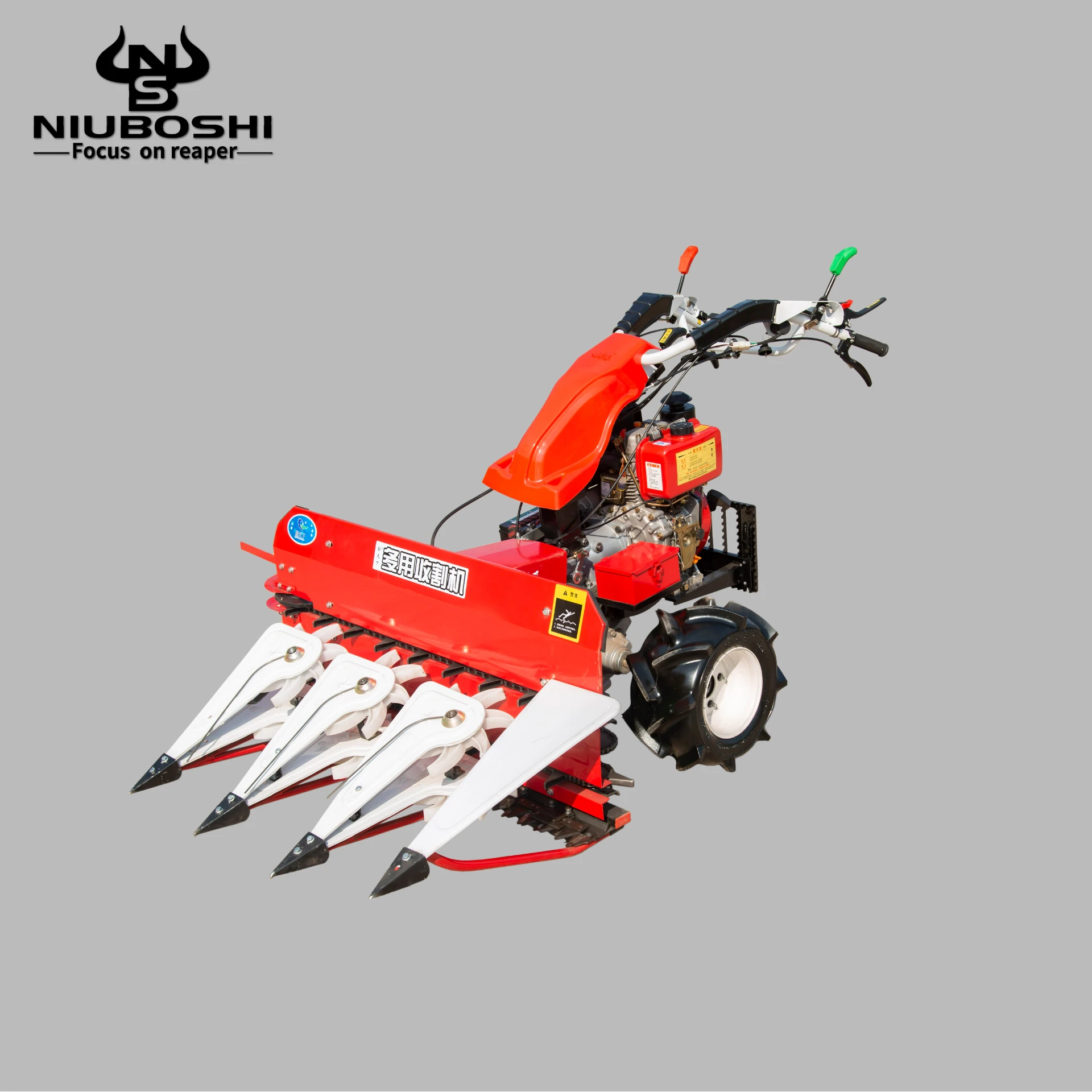
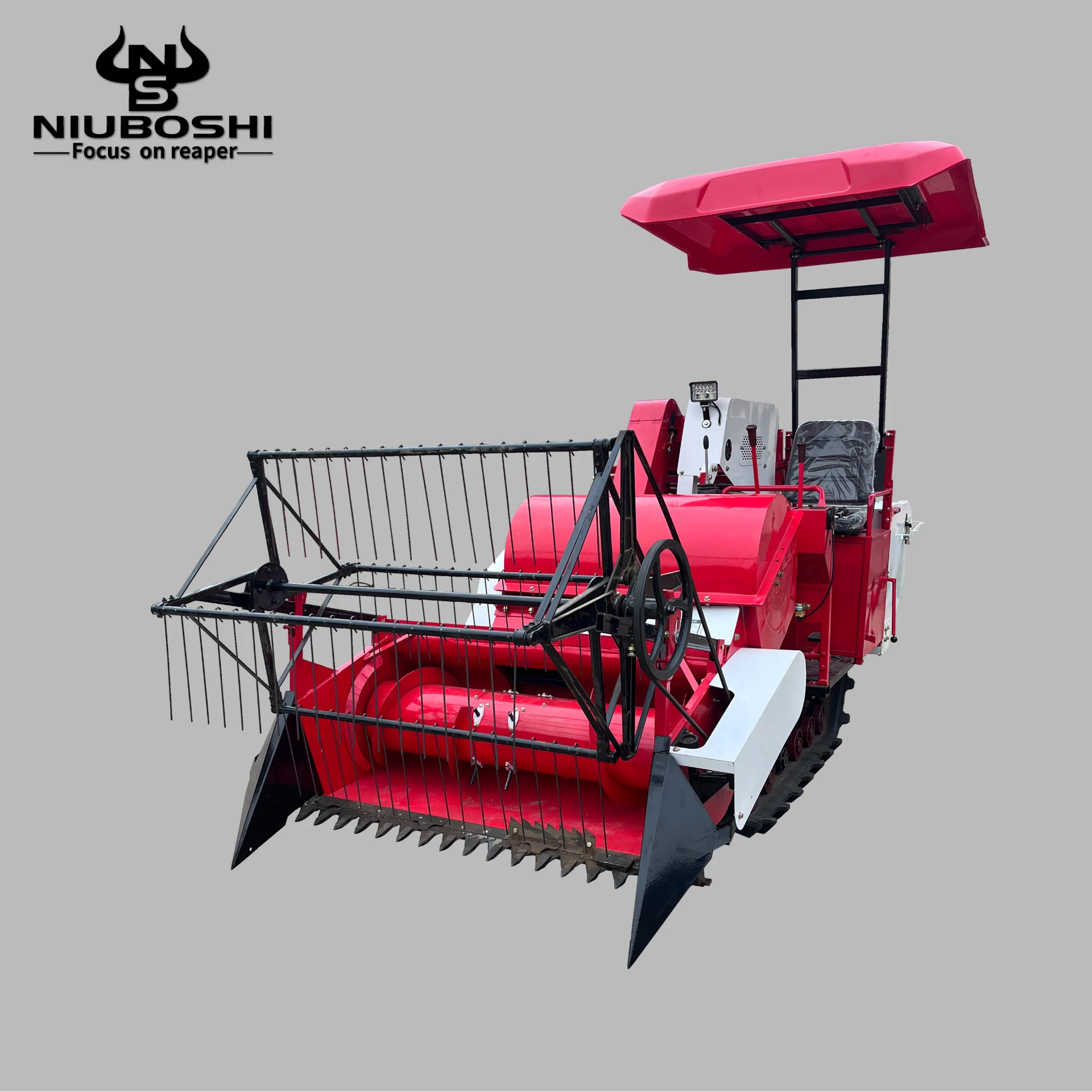
So what exactly is a combined mini harvester? In simple terms, it's a compact, multipurpose agricultural machine that can cut, thresh, and clean grains (like wheat, rice, barley) all in one pass. Compared to conventional harvesters, “mini” means lower weight, smaller size, and better maneuverability. This makes it ideal for small plots, terraced farms, and even challenging terrains.
Beyond agriculture, the technology reflects broader humanitarian and industrial needs—to automate labor-intensive tasks in resource-limited environments, improving productivity while respecting economic and environmental constraints.
Key Components and Core Features
1. Durability
Mini harvesters must withstand harsh outdoor conditions while remaining easy to maintain. Robust steel frames and modular parts allow farmers to perform repairs locally without expensive downtime.
2. Scalability and Versatility
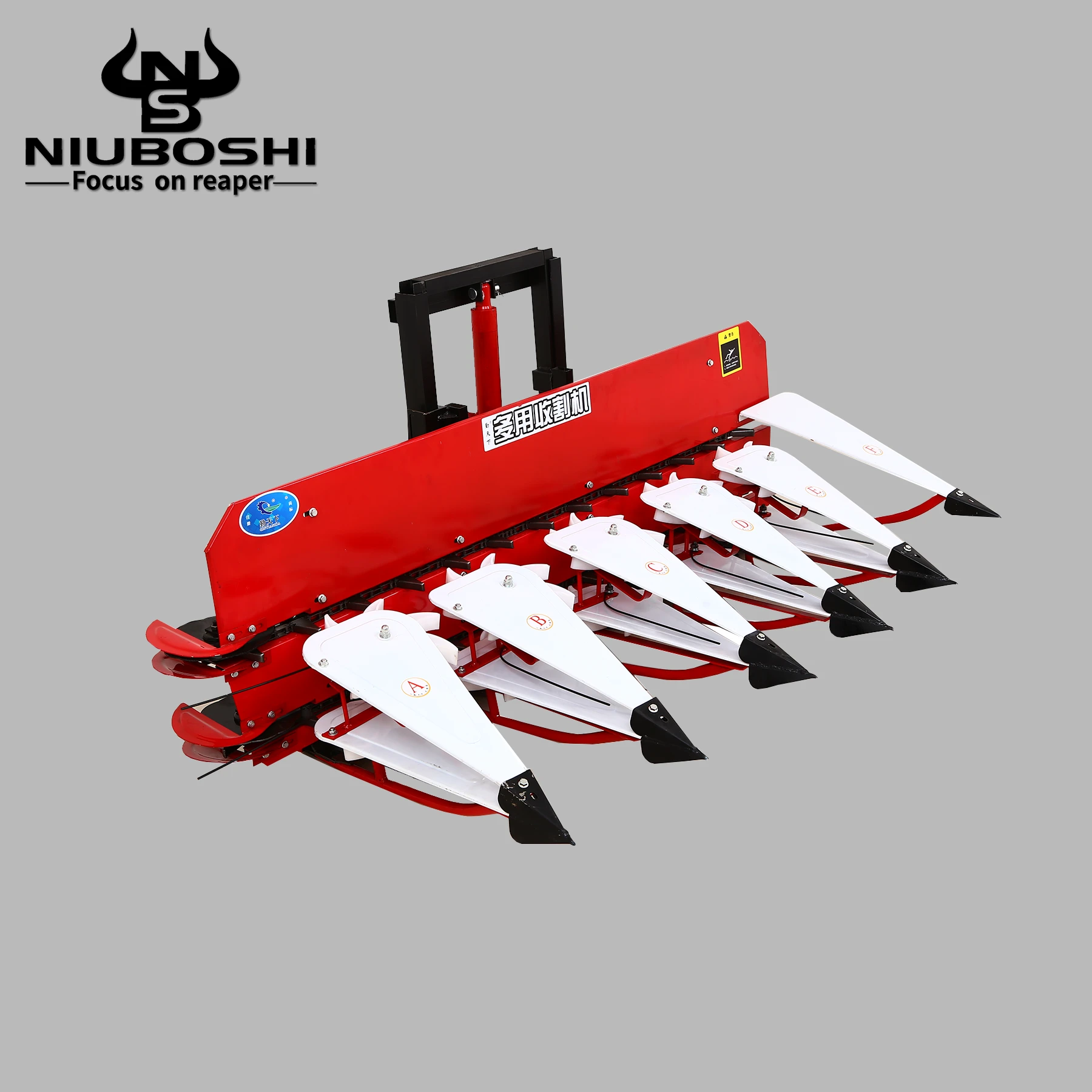
These machines adapt to different crop types and field sizes. Some models even feature interchangeable headers for rice, corn, or soybean harvesting, which is crucial in diversified farming systems.
3. Cost Efficiency
Mini harvesters cost a fraction of large combines—sometimes under 1/10th of the price—making mechanization feasible for smallholder farmers or community cooperatives pooling resources.
4. Mobility and Ease of Operation
Compact size and lightweight design mean less soil compaction and easier movement through narrow pathways or hilly terrain. Operators generally receive simple training with straightforward controls.
5. Fuel Consumption and Emissions
Many combined mini harvesters run on low-displacement diesel engines, optimizing fuel use and reducing emissions—an important factor for sustainable farming practices.
Combined Mini Harvester Specifications Overview
| Specification | Typical Mini Harvester Model |
|---|---|
| Engine Power | 12 - 25 HP Diesel Engine |
| Working Width | 800mm – 1200mm |
| Threshing Capacity | 0.3 - 0.6 hectares/hour |
| Fuel Consumption | 1.2 - 2.5 L/hr |
| Weight | 400 - 650 kg |
| Crop Types | Wheat, Rice, Barley, Corn |
Mini takeaway: The combined mini harvester packs multifunctionality and efficiency into a machine designed specifically to overcome the limits of small-scale farming.
Global Applications & Use Cases
Across Asia, Africa, and Latin America, these mini harvesters are empowering farmers in regions where fragmented plots and low mechanization levels have long limited productivity.
- Post-disaster relief: In flood-affected rural Bangladesh, the portability of mini harvesters has sped up grain collection when large machines can’t operate.
- Remote mountainous zones: In Nepal's terraced farming areas, small machines reduce manual labor that wears out farmers’ bodies over decades.
- Community cooperatives: In Kenya, farmer groups share combined mini harvester ownership, making mechanized harvesting affordable to many.
Oddly enough, even some urban vertical farms experiment with compact mechanical harvesters to speed up yields in constrained spaces.
Advantages & Long-Term Value
The benefits are both practical and emotional. Beyond cutting harvest time and labor costs, these machines enhance food security and dignity by helping farmers stay productive on their own land.
- Cost Savings: Small fuel and maintenance expenses mean lower operational costs.
- Sustainability: Less soil compaction and reduced emissions contribute to greener farming.
- Reliability: Durable design minimizes downtime in places without fast repair services.
- Social Impact: Automating repetitive labor frees up time for education and community involvement.
It’s not just a machine, it’s a game-changer for rural resilience.
Future Trends & Innovations
The combined mini harvester is evolving fast. Some manufacturers are integrating electric drivetrains or hybrid engines to lower carbon footprints.
Digital upgrades, like GPS tracking and IoT-enabled diagnostics, might soon provide real-time analytics for precision farming. Meanwhile, innovations in lightweight composite materials promise even lighter yet stronger frames.
In some regions, policies support subsidized mechanization aimed explicitly at smallholder farmers, signaling institutional recognition of this technology’s importance.
Challenges & Solutions
Sure, there are obstacles. Availability of spare parts can be sketchy in remote areas, and operator training resources are often limited.
Yet, many vendors collaborate with local communities to establish service networks and hands-on training programs. Modular designs allow parts swapping between models, lessening supply chain woes.
Engine emissions and noise could improve further as more electric technology becomes viable for these machines — the coming decade promises some exciting breakthroughs.
Frequently Asked Questions About Combined Mini Harvester
- What crops can a combined mini harvester handle effectively?
- Most mini harvesters are built for staples like wheat, rice, barley, and corn. However, some models offer adjustable settings or interchangeable harvest heads to manage mixed crops.
- How does the cost of a mini harvester compare to full-size harvesters?
- Combined mini harvesters typically cost less than 10% of full-size combines, making them affordable for smallholders and cooperatives without sacrificing key functionalities.
- Is it difficult to train operators on these machines?
- Not really. The controls are generally straightforward, and many vendors offer on-site hands-on training. Local user manuals and video tutorials help ease the learning curve.
- Can mini harvesters be maintained easily in rural zones?
- Yes, they are designed with simple mechanics and widely available spare parts. Many manufacturers encourage local workshops to stock common components for quick repairs.
- Are combined mini harvesters environmentally friendly?
- Compared to manual labor and larger machines, mini harvesters reduce fuel consumption and emissions. New electric and hybrid models add green credentials.
Comparing Leading Combined Mini Harvester Vendors
| Vendor | Price Range (USD) | Engine Type | Warranty | After-sales Service |
|---|---|---|---|---|
| AgriMini Co. | $3,200 - $4,500 | Diesel, 18 HP | 2 Years | Local dealerships & training centers |
| HarvestSmart Ltd. | $2,800 - $4,000 | Hybrid (Diesel and Electric) | 3 Years | Online support and spare parts shipping |
| GreenField Machines | $3,500 - $5,000 | Electric | 1 Year | Limited to urban centers |
Conclusion: Embracing Combined Mini Harvesters for Sustainable Farming
In real terms, combined mini harvesters are more than just machinery—they’re enablers for a resilient, sustainable agricultural future. They bridge the gap between labor-intensive tradition and costly mechanization. The long-term benefits stretch from economic upliftment to environmental stewardship and social empowerment.
Interested in exploring the right combined mini harvester for your farm or community? Visit our website: https://www.hbniuboshi.com to learn more about models, customization options, and how to get started.
Oddly enough, sometimes innovation comes in small packages — and combined mini harvesters prove that big change doesn’t always need a huge machine.
Final takeaway: Small-scale mechanization holds massive promise; the combined mini harvester is just the start.
References
Latest news
-
Maximize Harvest Efficiency with the Agro Reaper Binder MachineNewsApr.16,2026
-
Boost Harvest Efficiency with the Best Agriculture Reaper MachineNewsApr.09,2026
-
Revolutionizing Agriculture with the Efficient Agriculture Power ReaperNewsApr.07,2026
-
Comprehensive Guide to the 4 Wheel Reaper Binder for Efficient HarvestingNewsApr.04,2026
-
Comprehensive Guide to Reaperbinder Technology for Efficient Hay and Crop HarvestingNewsMar.31,2026
-
Mastering the Art of Reaper Cutting for Enhanced Agricultural EfficiencyNewsMar.28,2026