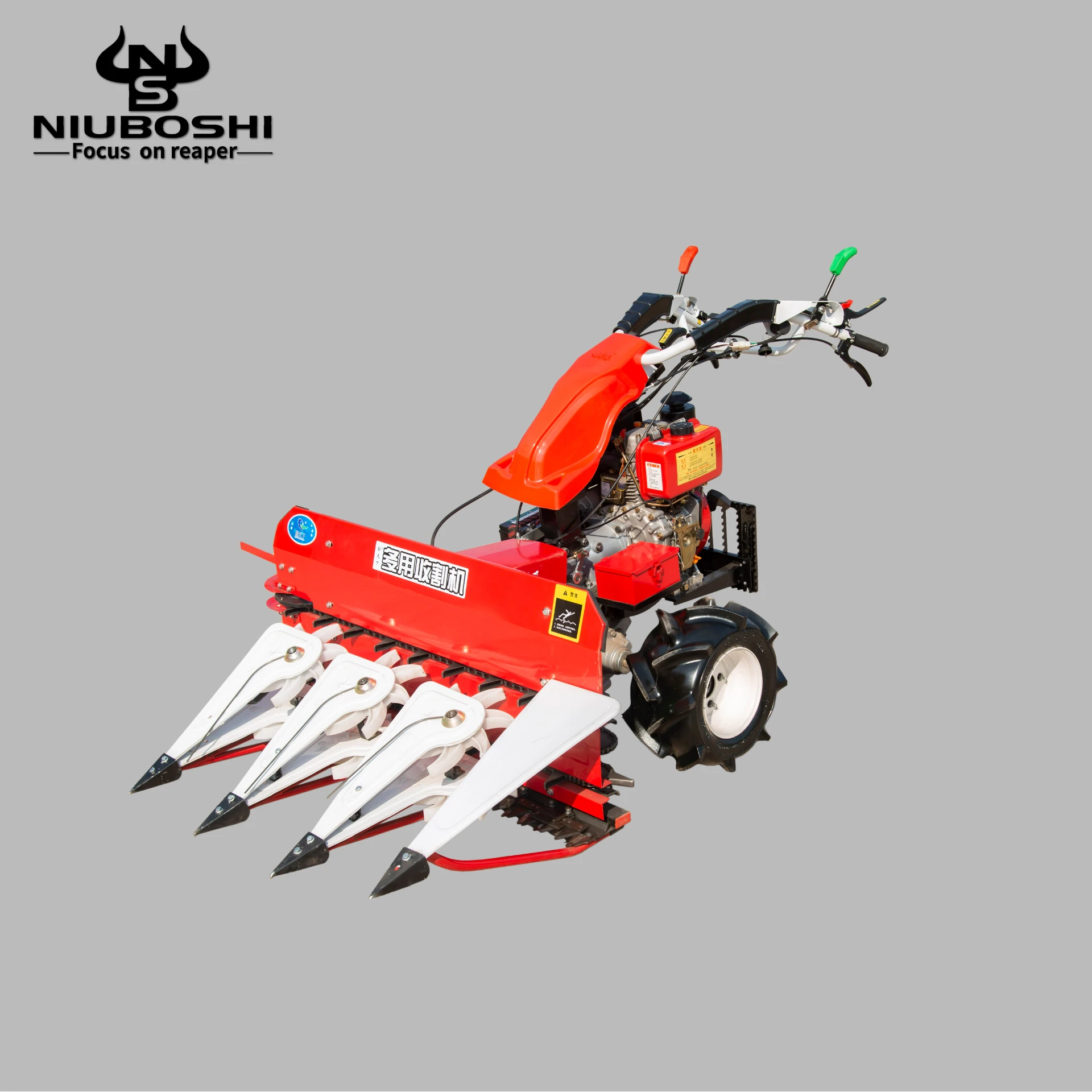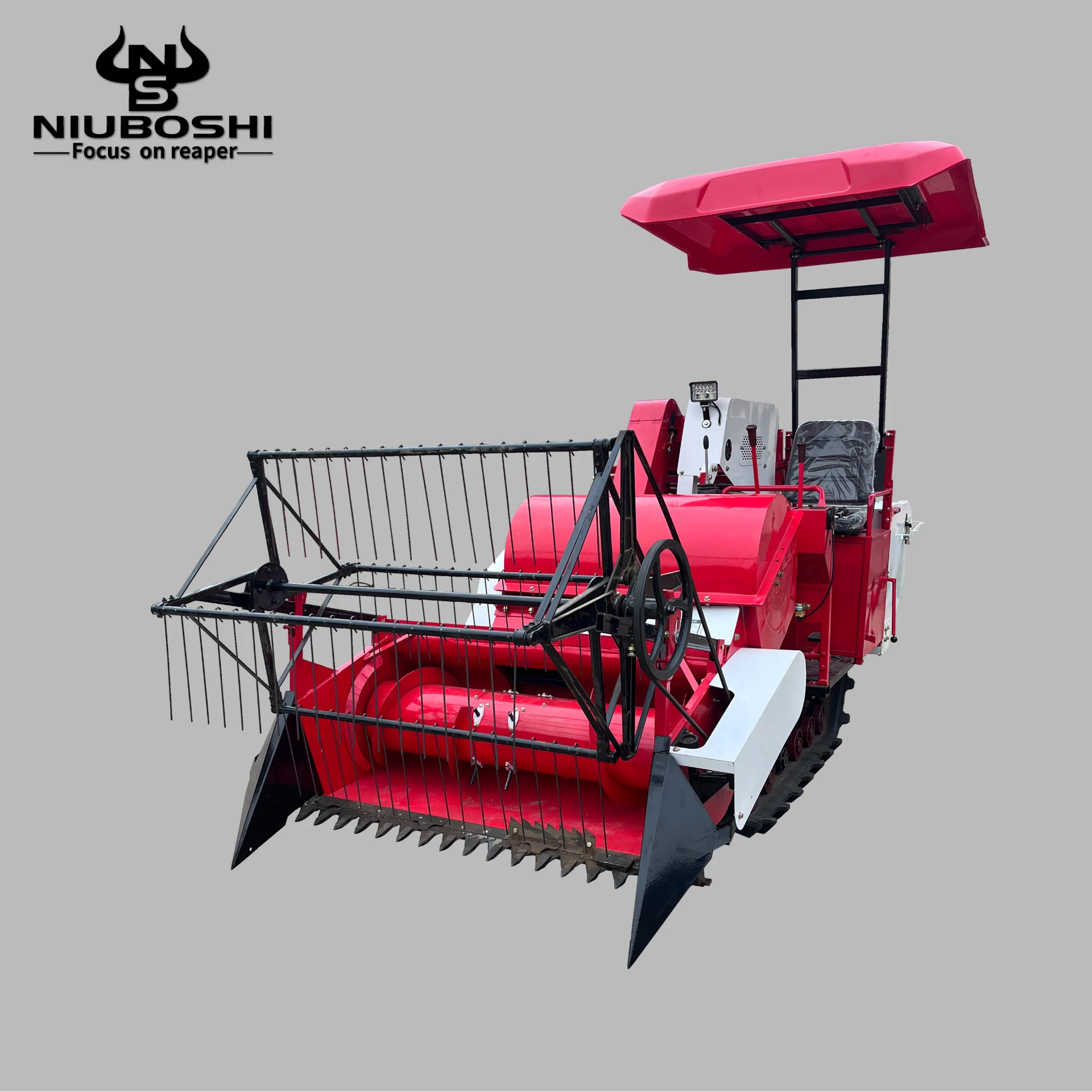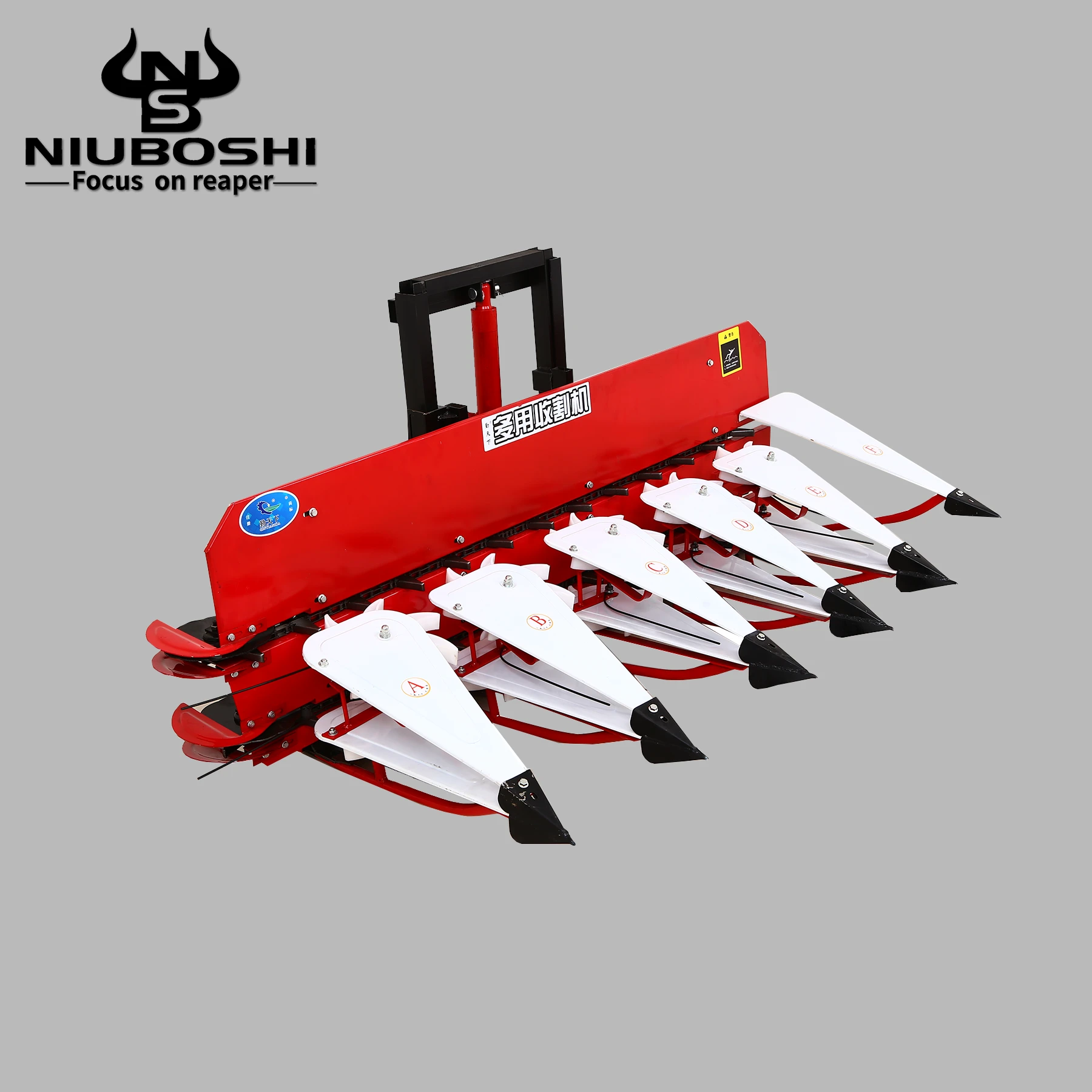
Mini Wheat Harvesting Machine: Compact Innovation for Global Crop Efficiency
What Is a Mini Wheat Harvesting Machine and Why It Matters Globally
If you wander through agricultural innovations these days, one thing becomes clear: the mini wheat harvesting machine is no longer just a niche tool. Across the globe, this compact but mighty equipment tackles wheat harvesting challenges in small and medium farms with surprising efficiency. Why? Because its blend of portability, lower cost, and impressive yield gains makes it a game changer for regions where big combines just don’t fit — literally or financially.
Understanding these machines offers us more than industrial insight. We glimpse solutions to pressing food security issues, sustainable farming, and even rural employment upliftment. Oddly enough, what seems like a simple harvest helper is actually tied into global efforts spanning climate resilience to economic development.
Mini Wheat Harvesting Machines: The Global Context and Urgent Need
Wheat feeds roughly 2.5 billion people worldwide, acting as a staple cornerstone in many diets. The Food and Agriculture Organization of the UN notes that over 215 million hectares worldwide are dedicated to wheat cultivation (FAO, 2023). Yet, many smallholder farmers in developing countries struggle to harvest crops efficiently due to lack of access to large, expensive machinery.
That’s where the mini wheat harvesting machine steps in, addressing critical bottlenecks in mechanization. It fits smaller plots while reducing harvested crop loss and labor costs. According to recent reports, mechanization can increase farm productivity by up to 40% in rural Asia and Africa, where manual harvesting remains the norm. Yet, small machines are still underutilized due to fragmented markets and awareness gaps.
In short: the challenge is clear — how to spread affordable, adaptable harvesting tech that’s scalable and environmentally mindful. This is why the mini wheat harvesting machine is in focus, offering a tailored fix.
Defining the Mini Wheat Harvesting Machine
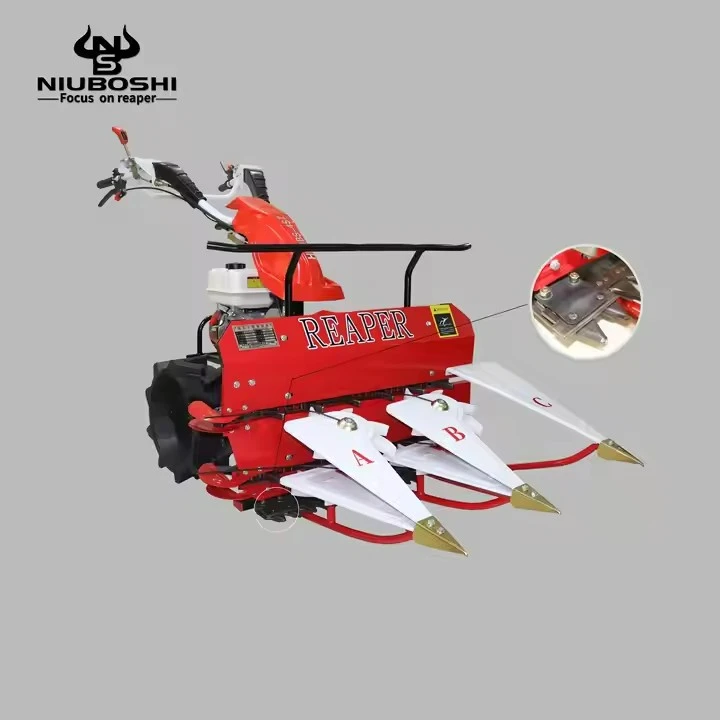
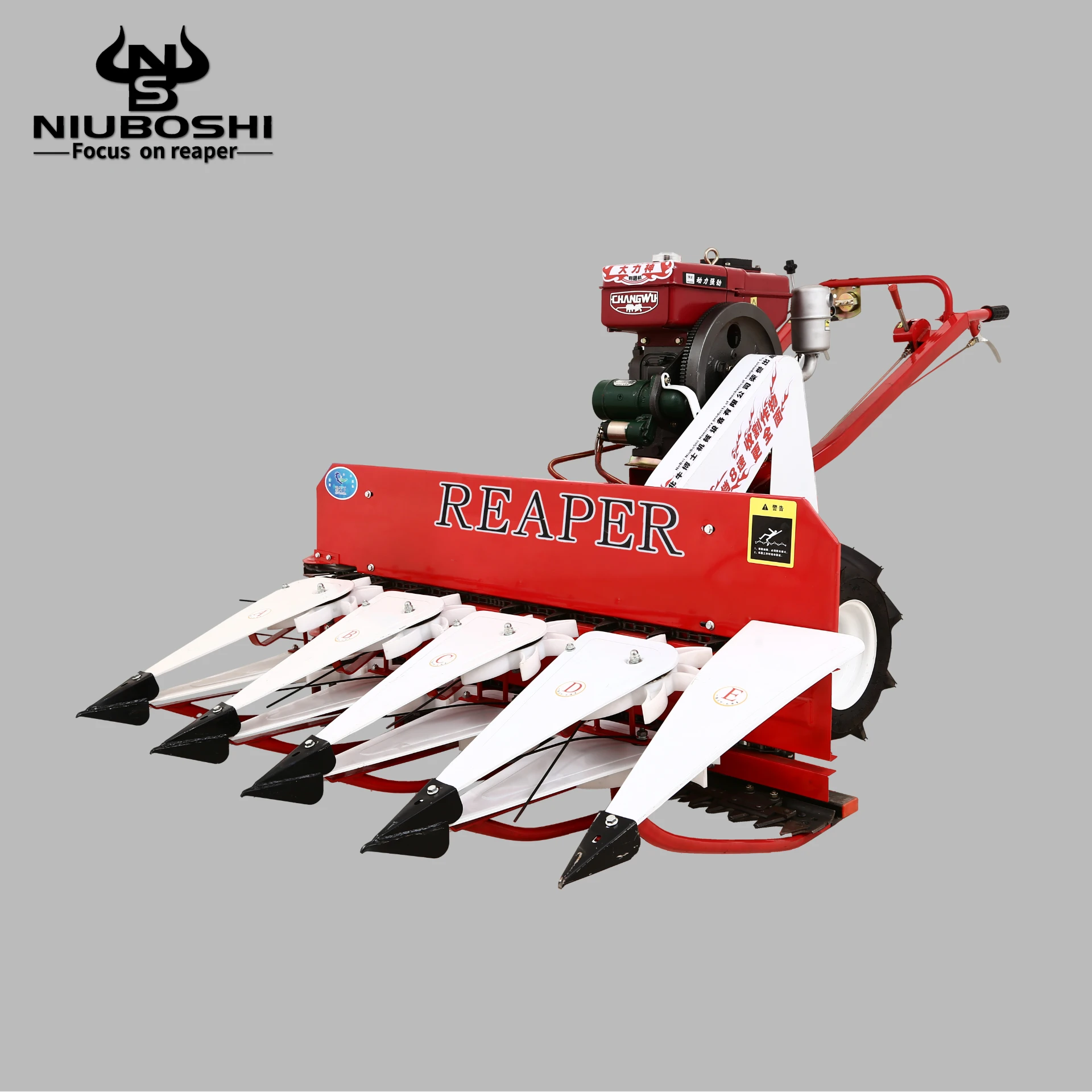
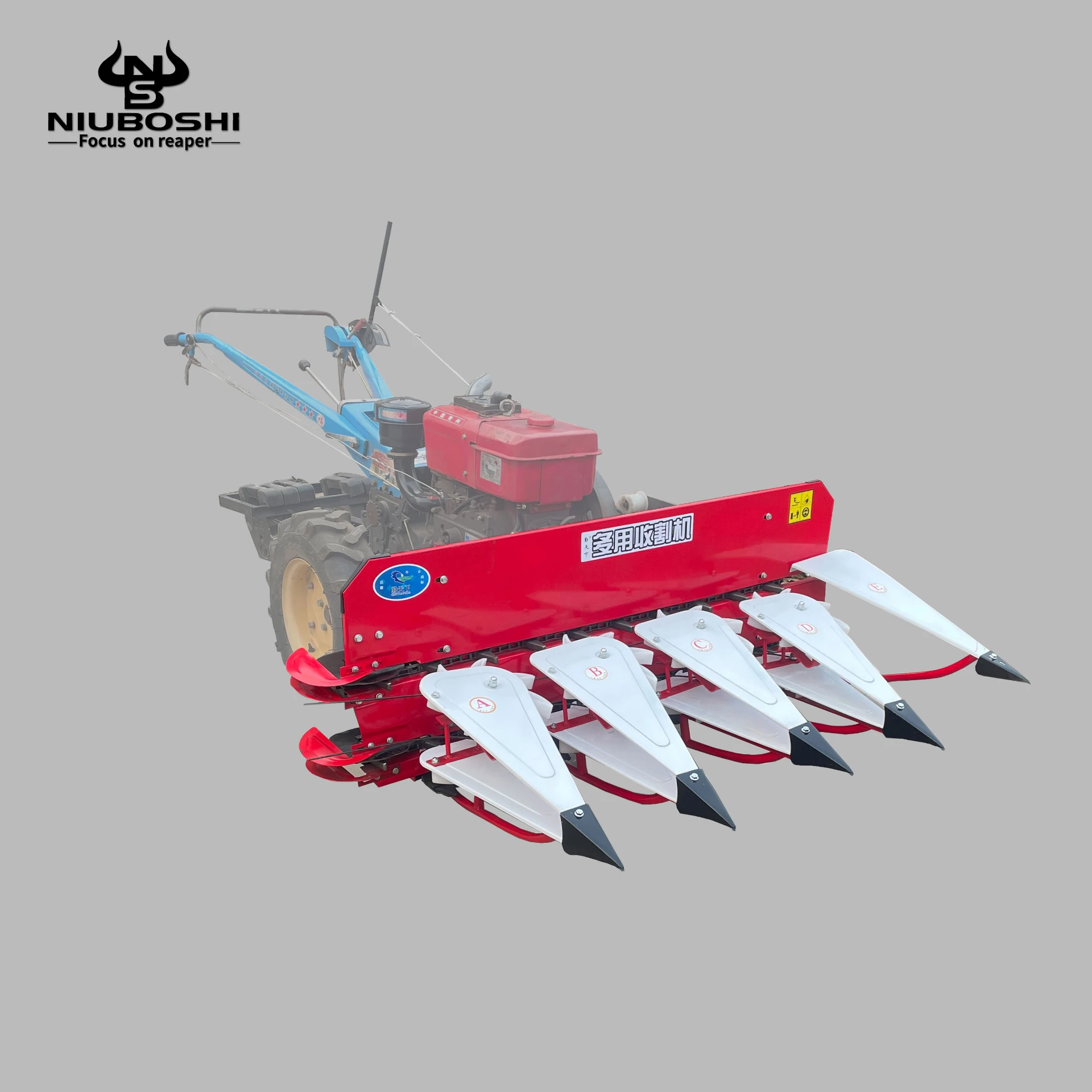
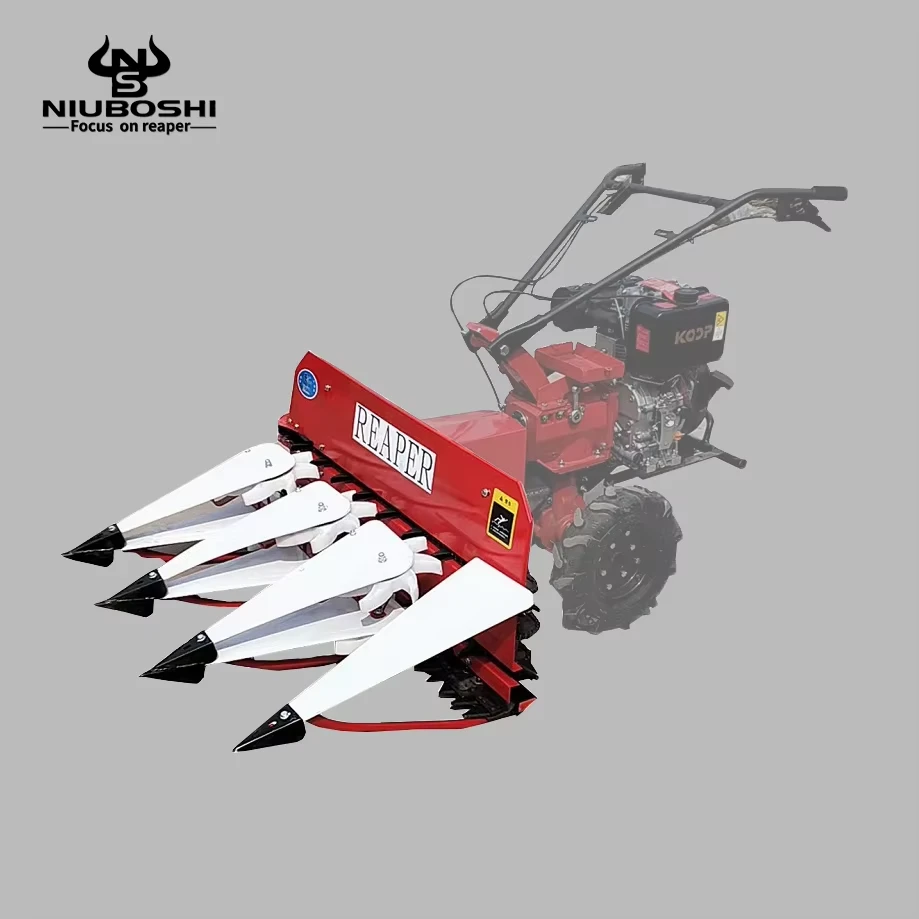
So, what exactly is a mini wheat harvesting machine? At its core, it’s a compact mechanized unit designed specifically to harvest wheat from smaller or uneven fields where large combines aren't practical. Think of it as a smart, downsized version of traditional combines, often weighing under half a ton and fitting on tight plots with ease.
Unlike the agricultural giants that power extensive farms, mini harvesters are built for marginal lands, remote villages, and specialty crops — linking modern agritech with traditional food systems. Some models even run on electric or biofuels, aligning with growing pushes for sustainable agriculture.
Core Components and Factors Behind Mini Wheat Harvesting Machines
1. Portability
Most mini wheat harvesters are designed for quick transport — crucial in patchy terrains. This means smaller wheels, lighter chassis, and sometimes foldable or modular parts for easy movement between fields or even roads.
2. Efficiency and Yield Preservation
Despite their size, many machines achieve threshing and cleaning rates comparable to larger models but with less grain loss. Clever designs reduce vibration and grain damage — important for market quality.
3. Cost Efficiency
Purchase prices range broadly but often sit under 50% of the cost of full-sized combines. This opens up mechanization to many smallholders and cooperatives who otherwise couldn’t afford it.
4. Adaptability
Some units come with interchangeable headers or settings to harvest other grains or manage weeds simultaneously. This flexibility matters in diversified farming systems.
5. Power Source & Sustainability
While many use traditional diesel engines, electric and hybrid models are gaining traction, lowering pollution and improving operational costs.
Mini Takeaway:
The mini wheat harvesting machine is much more than a scaled-down combine. Its clever balance of portability, efficiency, and cost makes it an essential tool for small and medium farms, linking practical needs with sustainable agriculture goals.
Global Applications: Who Uses Mini Wheat Harvesting Machines and How?
From sub-Saharan Africa’s wheat belts to remote parts of Central Asia, these machines have found many homes. In countries like India and Pakistan, farmers use compact harvesters to overcome the challenge of fragmented landholdings. In Eastern Europe, cooperatives pool resources to purchase mini harvesters, enabling timely harvest and reducing losses.
Post-disaster relief operations sometimes employ these harvesters to speed up recovery efforts, allowing displaced farmers to quickly harvest any standing crops before seasonal rains arrive. Similarly, in mountainous or hilly regions where machinery footprint can’t be too big, mini harvesters provide a workable solution to mechanization without hurting the environment.
Manufacturers like Niuboshi have tailored models for varying regional needs — you can check out their range of mini wheat harvesting machine options.
Advantages and Long-Term Benefits
- Cost Savings: Lower initial investment and fuel consumption reduce overhead.
- Increased Productivity: Mechanization accelerates harvest timelines to prevent crop loss from weather.
- Sustainability: Electric and fuel-efficient engines cut carbon footprints relative to older methods.
- Social Impact: By enabling smallholder farmers to mechanize, rural incomes and food security improve.
- Safety: Less manual labor reduces injury risk and health hazards associated with long harvest days.
Honestly, the emotional comfort of knowing you can harvest your crop efficiently and reliably — that’s priceless for many in rural communities.
Future Trends & Innovations in Mini Wheat Harvesting Machines
The next decade promises some nifty upgrades. Automation and AI-powered navigation are trickling down from larger combines to mini harvesters, enabling semi-autonomous operation even in difficult terrain. Imagine a machine that senses crop density and adjusts accordingly — reducing grain loss further.
Alongside this, bio-based composite materials will lighten designs for better portability, while solar-powered battery packs become standard in off-grid regions. Digital integration — IoT sensors monitoring machine health and performance — will improve maintenance and uptime.
Table: Typical Specifications of a Mini Wheat Harvesting Machine
| Specification | Typical Value/Range |
|---|---|
| Weight | 400-800 kg |
| Engine Power | 12-25 HP |
| Fuel Type | Diesel / Electric / Hybrid |
| Working Width | 1.2 - 1.8 meters |
| Threshing Rate | 90-95% |
| Harvest Capacity | 0.3 - 0.5 acres/hour |
Challenges & Solutions for Widespread Adoption
Frankly, the enthusiasm for mini wheat harvesting machines is tempered by a few real-world hurdles. Affordability still limits uptake among the smallest farmers, and maintenance infrastructure is patchy in rural zones. Some designs struggle with crop residues or varying moisture, impacting performance.
Experts recommend boosting farmer training, offering microcredit schemes, and building localized service centers to address these issues. Open-source hardware approaches are also emerging, letting communities adapt designs and maintain machines independently.
Vendor Comparison: Top Mini Wheat Harvester Manufacturers
| Manufacturer | Price Range (USD) | Power Options | Best For |
|---|---|---|---|
| Niuboshi | 3,000 - 6,000 | Diesel, Hybrid | Small-medium farms, cooperatives |
| AgriCompact | 2,500 - 5,500 | Diesel only | Budget-sensitive users |
| GreenHarvest | 4,500 - 7,000 | Electric | Eco-conscious smallholders |
Frequently Asked Questions About Mini Wheat Harvesting Machines
- Q: How does a mini wheat harvesting machine compare in efficiency to a full-sized combine?
- A: Although smaller, mini wheat harvesters typically achieve a threshing efficiency of 90-95%, which is fairly close to larger combines, especially on smaller fields. The trade-off is in speed and scale, but gains come from cost savings and maneuverability.
- Q: Are mini wheat harvesters suitable for hilly or uneven terrain?
- A: Yes, one of their main advantages is adaptability to uneven plots. Their lighter weight and compact design enable easier navigation on hilly or fragmented farms where large harvesters struggle.
- Q: What is the typical lifespan of these machines in harsh rural conditions?
- A: With proper maintenance, mini wheat harvesters often last 8-12 years. Durability depends on usage intensity and access to spare parts, so local service networks are crucial.
- Q: Can these machines harvest other cereals besides wheat?
- Many machines come with adaptable headers or adjustable settings to harvest similar grains such as barley, rye, or oats, increasing their utility.
- Q: How can smallholders finance these machines?
- Microfinance programs, farmer cooperatives pooling resources, or government subsidies often make mini wheat harvesting machines affordable for small-scale farmers.
Conclusion: Small Machine, Big Impact
The mini wheat harvesting machine may look diminutive beside its hulking relatives, but it carries outsized promise for farmers worldwide. In a world grappling with food insecurity, climate change, and rural livelihoods, investing in these machines means more than just better harvests — it means stronger communities and a sustainable future.
Curious to explore options and transform your farming? Check out mini wheat harvesting machines by Niuboshi. Trust me, it’s worth a closer look.
References
Latest news
-
Maximize Harvest Efficiency with the Agro Reaper Binder MachineNewsApr.16,2026
-
Boost Harvest Efficiency with the Best Agriculture Reaper MachineNewsApr.09,2026
-
Revolutionizing Agriculture with the Efficient Agriculture Power ReaperNewsApr.07,2026
-
Comprehensive Guide to the 4 Wheel Reaper Binder for Efficient HarvestingNewsApr.04,2026
-
Comprehensive Guide to Reaperbinder Technology for Efficient Hay and Crop HarvestingNewsMar.31,2026
-
Mastering the Art of Reaper Cutting for Enhanced Agricultural EfficiencyNewsMar.28,2026