Harvester Mini Combine: Compact Agricultural Machinery Transforming Global Farming
Understanding the Harvester Mini Combine: A Global Agricultural Game-Changer
When you think of agricultural machinery, images of massive combines cutting through endless fields may immediately come to mind. But what about the smaller, more nimble versions? The harvester mini combine is quietly reshaping global farming practices — especially for smallholder farmers and emerging markets. It’s a nifty solution tackling key challenges in food production, efficiency, and sustainability around the world.
Why does understanding this compact combine matter? Globally, agriculture employs over 25% of the workforce and accounts for roughly 10% of GDP in many developing countries (World Bank). Yet many farmers lack access to affordable, efficient machinery. Mini combines fill this gap — enhancing productivity without the massive investment or logistical nightmare of full-size machines.
Takeaway: The harvester mini combine bridges a crucial technology gap for small-scale farmers worldwide, offering accessible and efficient harvesting tools that boost productivity.
Global Context: Why Mini Combines Matter Now More Than Ever
With the global population projected to exceed 9.7 billion by 2050 (UN DESA), pressure on food systems intensifies. Post-pandemic supply chain disruptions and climate shocks further strain agricultural productivity. Modern mechanization, scaled appropriately, can improve yield quality and timeliness.
The challenge is nuanced: many farmers in Asia, Africa, and South America manage small plots that can't justify large machines. Enter the mini combine—engineered to operate efficiently on smaller land areas, reduce labor bottlenecks, and minimize fuel consumption.
Recent data shows that mechanized harvesting with mini combines can reduce grain loss by up to 20% compared to manual methods, and cut harvest times by nearly 40% (FAO).
Defining the Harvester Mini Combine
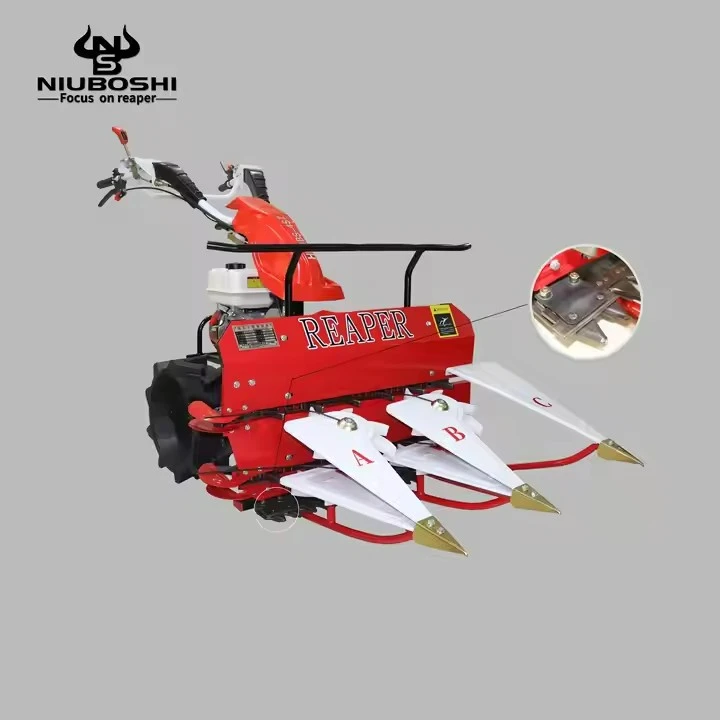
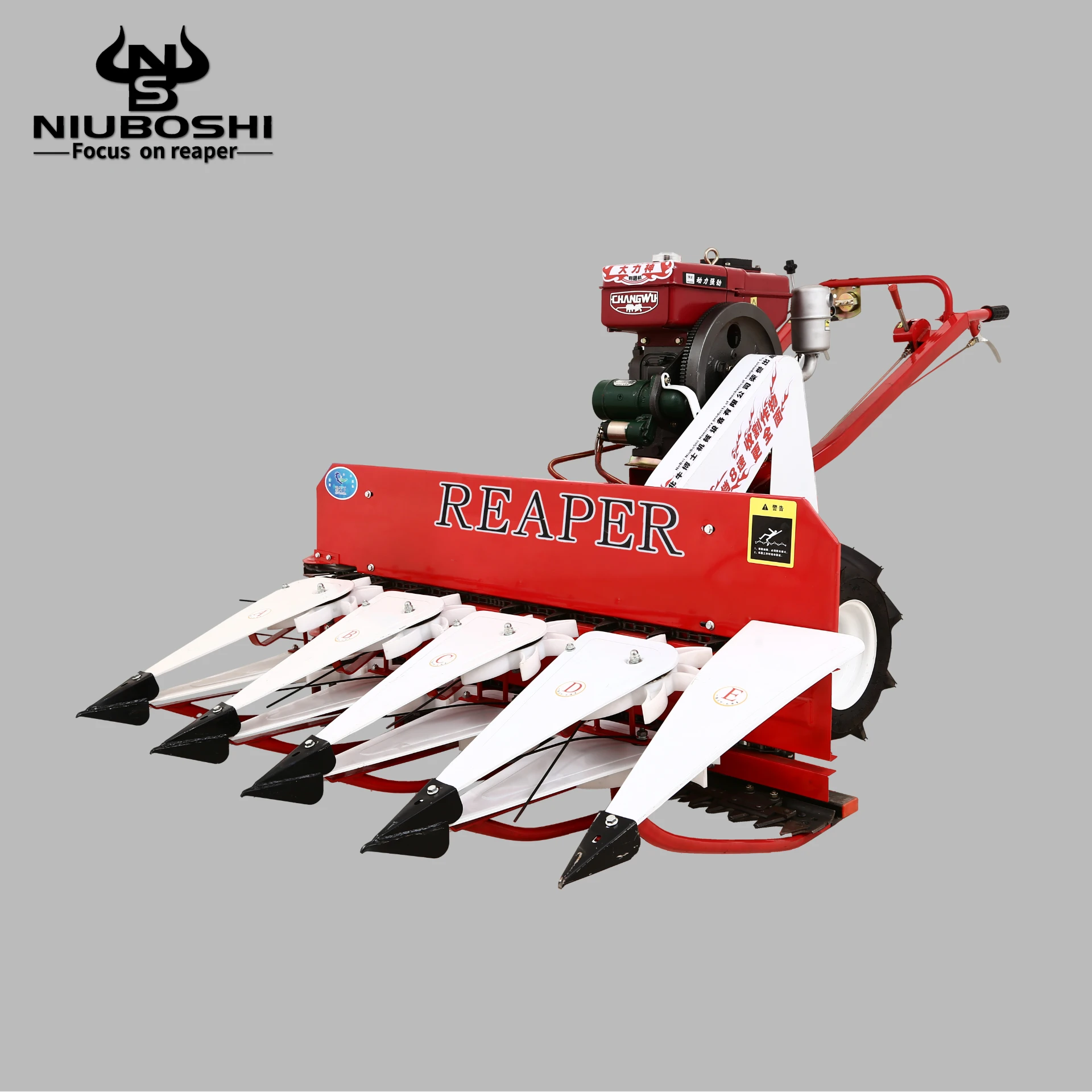
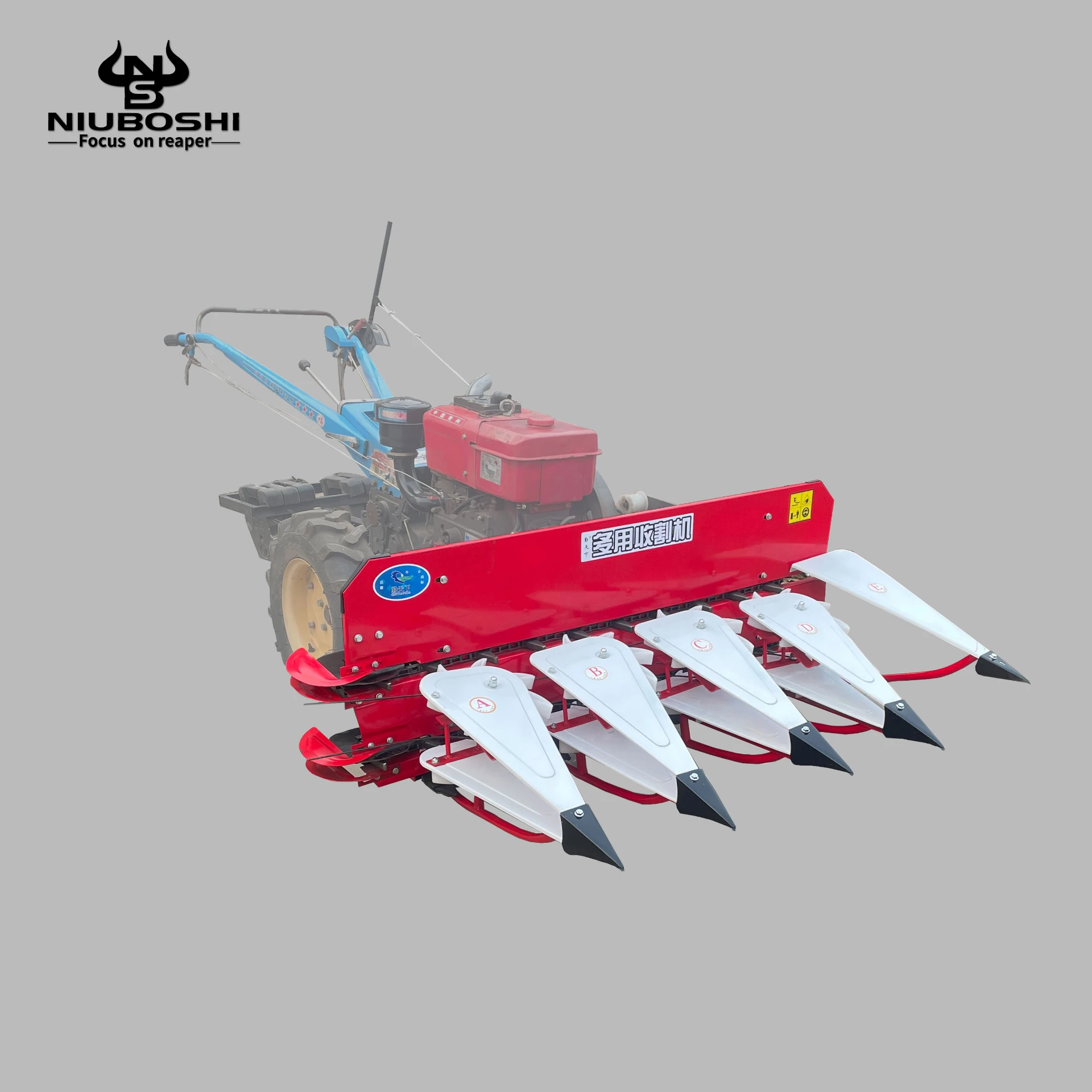
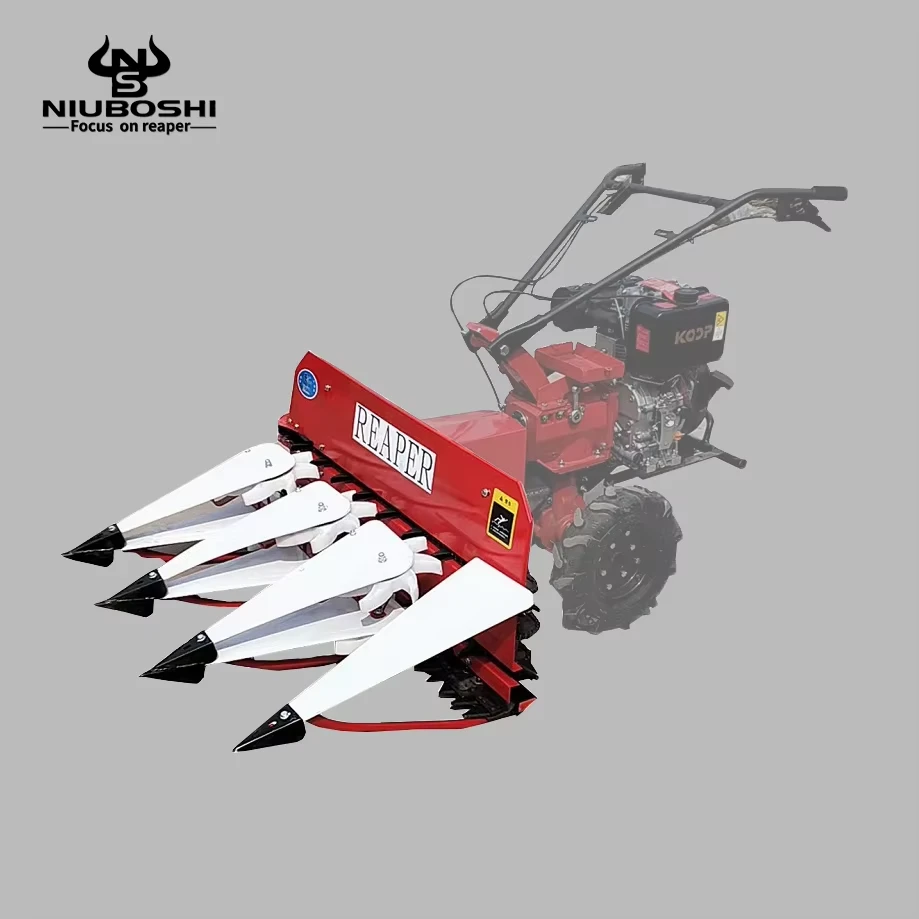
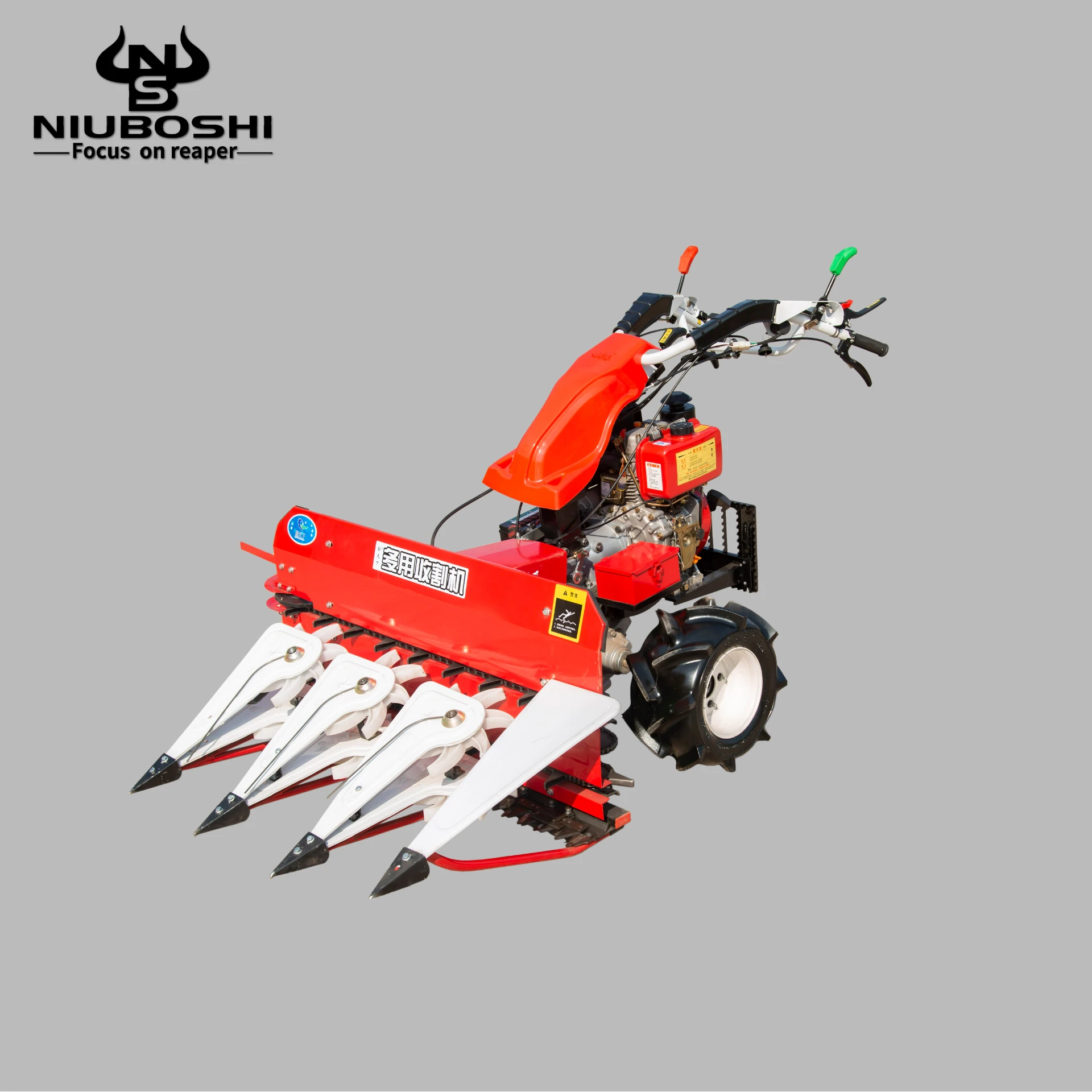
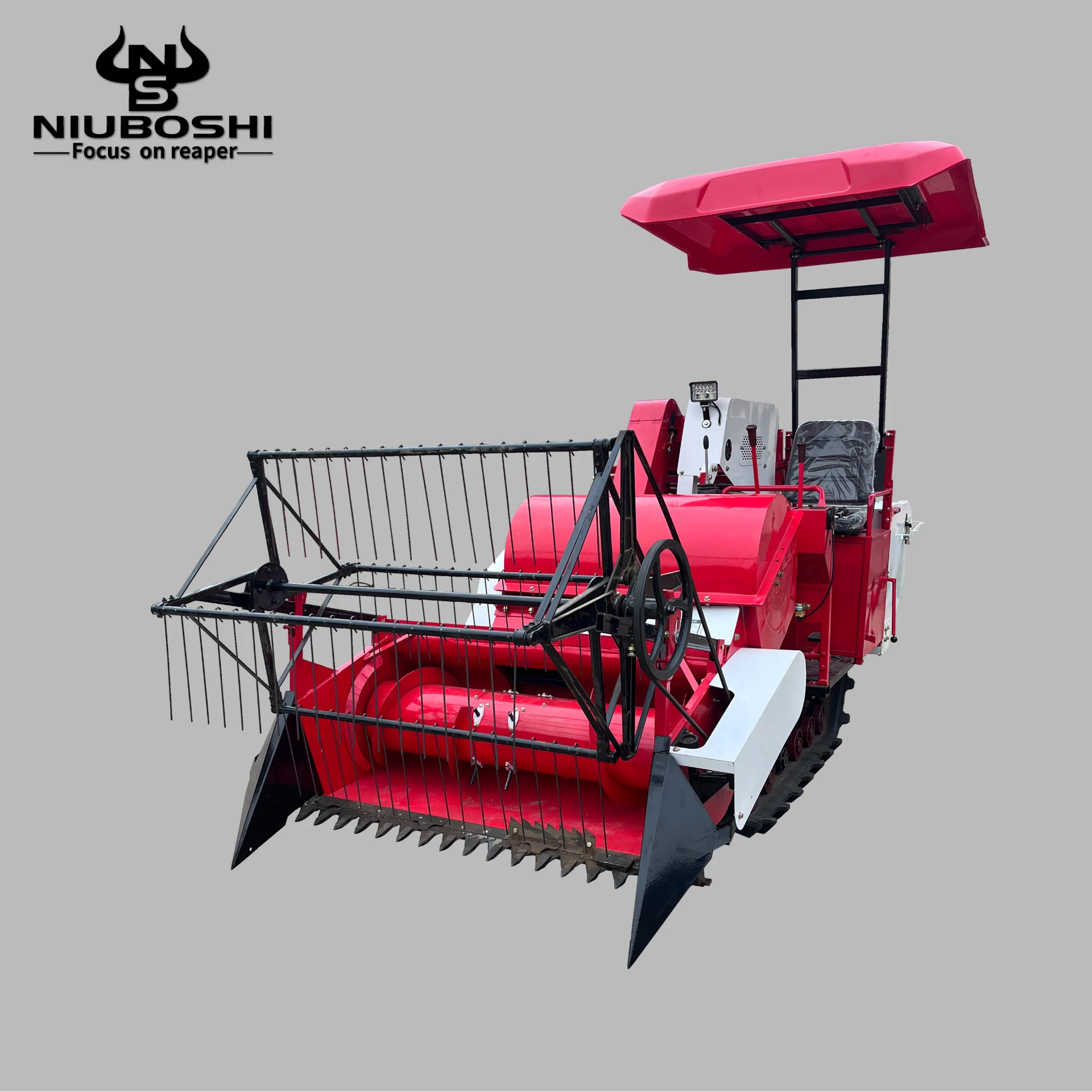
Simply put, a harvester mini combine is a lightweight agricultural machine that performs the functions of cutting, threshing, and cleaning grain crops, but on a smaller scale than traditional combines. These machines typically weigh between 500 to 1500 kilograms and are designed for compact fields and terraces.
They’re not just farm gadgets; they're vital links connecting crop production to markets, food security, and rural livelihoods. Mini combines contribute to reducing labor intensity, a crucial humanitarian aspect in regions where farming is manual and often a family endeavor.
Core Components and Features of Mini Combines
- Compact Design & Maneuverability: Suitable for small, irregular plots—ideal for hilly or terraced regions where full-sized combines can’t tread.
- Cost Efficiency: Lower price point – often 30-50% less than standard combines – making them accessible to cooperatives and individual farmers.
- Fuel Economy: Smaller engines consuming less diesel or unleaded fuel, improving operational costs and reducing emissions.
- Versatility: Can harvest various crops such as rice, wheat, barley, and pulses, enhancing utility across diverse regions.
- Durability & Easy Maintenance: Designed often with simplicity in mind, repairable locally without need for specialized tools or parts.
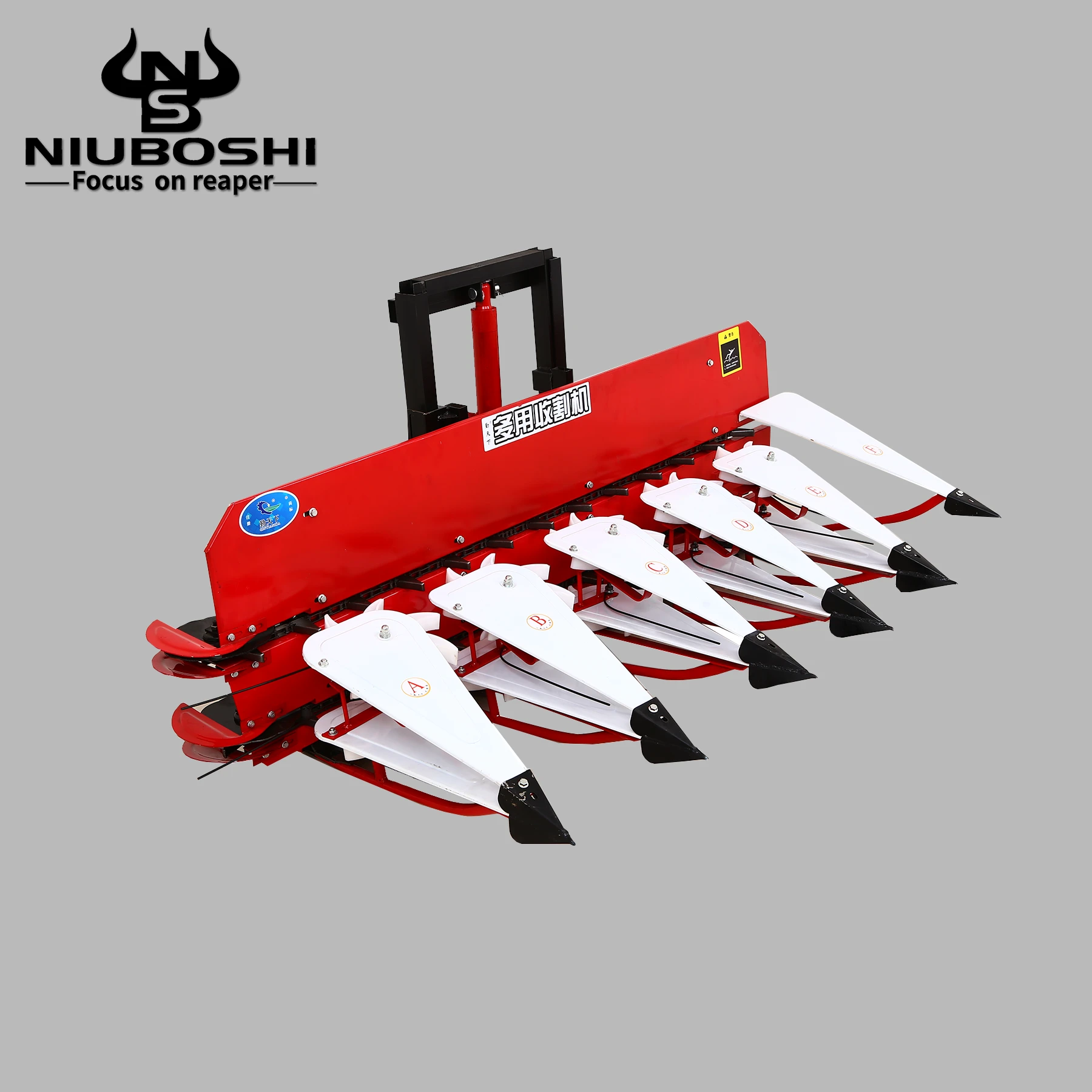
- Scalability & Attachments: Some models offer detachable headers or seeders, enabling multi-functional use.
These factors make mini combines a go-to machine in transitional farming systems striving for modernity without excessive capital or energy inputs.
Takeaway: Mini combines blend efficiency, affordability, and adaptability, ticking boxes that larger combines simply can't meet in smallholder contexts.
Product Specifications at a Glance
| Specification | Typical Range |
|---|---|
| Weight | 500 - 1500 kg |
| Engine Power | 10 - 20 HP |
| Harvesting Capacity | 0.2 - 0.6 hectares/hour |
| Fuel Type | Diesel / Petrol / Electric (emerging) |
| Crop Types | Rice, Wheat, Maize, Barley, Pulse crops |
| Price Range | $3,000 - $7,500 USD |
Vendor Comparison: Leading Harvester Mini Combine Manufacturers
| Vendor | Price Range | Engine Power | Fuel Type | Warranty |
|---|---|---|---|---|
| AgriTech Mini | $3,200 - $4,800 | 12 HP | Diesel | 2 years |
| FieldMaster Mini Combine | $5,000 - $7,000 | 20 HP | Petrol | 3 years |
| EcoHarvest | $4,500 - $6,500 | 15 HP | Electric hybrid | 2.5 years |
Global Applications & Use Cases
Mini combines excel in environments where large-scale machines are either impractical or simply unaffordable. For example:
- Smallholder farms in Southeast Asia — where rice paddies often span less than a hectare.
- Sub-Saharan Africa — communities transition from manual harvesting to mechanization, boosting labor productivity.
- Post-disaster agriculture recovery — quick deployment of light machinery helps restore food production after floods or droughts.
- Terraced farming in Nepal or Peru — the terrain requires small, maneuverable tools to maintain productivity.
- Urban and peri-urban farms — as farming shifts to smaller, highly managed plots near cities.
These cases underscore why adaptable, efficient mini combines are not just tools but engines of rural development.
Takeaway: Mini combines prove their worth worldwide by fitting diverse agricultural models — small plots, tough terrains, and shifting economic realities.
Advantages & Long-Term Value
The advantages are tangible, but they also resonate emotionally. Practically, mini combines:
- Save labor time and reduce drudgery, impacting farmers' quality of life.
- Lower fuel consumption reduces operating costs and carbon footprint.
- Increase harvest efficiency — allowing farmers to sell higher quality grain faster.
- Bring dignity and safety to farming communities by removing the need for hazardous manual work.
- Foster innovation, as many manufacturers offer modular upgrades adapting to evolving climate or crop patterns.
In real terms, investing in a mini combine is investing in rural prosperity and sustainability.
Future Trends & Innovations
Where is the technology headed? Frankly, we’re seeing intriguing advances:
- Electric and hybrid models — responding to environmental concerns by minimizing emissions.
- GPS- and sensor-enabled mini combines — allowing precision harvesting and maintenance alerts.
- 3D-printed parts — which could simplify repairs in remote locations.
- Integration with digital farm management platforms — enhancing data collection and crop decision-making.
- Policy support — governments increasingly subsidize mini combines to bolster national food security strategies.
In essence, mini combines aren’t just catching up — they’re leading a small-scale agri-tech renaissance.
Challenges & Innovative Solutions
That said, challenges remain:
- Access to finance: Even affordable machines are a stretch for some farmers.
- Maintenance and spare parts: Availability in rural areas can be patchy, risking downtime.
- Training: Operators often need practical skills to maximize the machine’s potential.
Many vendors now partner with microfinance institutions or cooperatives to ease ownership. Additionally, mobile workshops and mechanic training programs are popping up to provide localized service. It’s exciting to see how these solutions nurture sustainability beyond the farm.
FAQ: Top Questions About Harvester Mini Combine
- What crops can a harvester mini combine handle?
- Mini combines typically harvest grains such as rice, wheat, barley, maize, and various pulses, adapting well to the harvest requirements of small- and medium-sized farms.
- How does a mini combine compare cost-wise to full-size machines?
- Generally, mini combines cost between $3,000 and $7,500, considerably less than full-size combines, which can exceed $100,000. Lower costs make them accessible for smallholder farmers and cooperatives.
- Can mini combines be used on hilly or terraced land?
- Yes, one of their main advantages is compact size and maneuverability, enabling effective harvesting in uneven, sloped terrains where larger machines can’t operate.
- Is it difficult to maintain a mini combine in remote areas?
- Maintenance is designed to be straightforward, with simpler mechanics and common parts. Still, access to spare parts and trained technicians varies regionally, so vendors often offer training and support.
- Are electric mini combines a viable option today?
- Electric and hybrid models are emerging, especially appealing for reducing smoke emissions and noise. Adoption is growing, though fuel-powered models still dominate due to infrastructure limitations in some regions.
Conclusion
In the grand scheme of agricultural innovation, the harvester mini combine holds a vital space. It offers an affordable, flexible, and efficient harvesting solution that empowers small farmers, improves food security, and fosters sustainable practices globally.
If you’re curious about integrating these machines into your farming operation or cooperative, do visit our website — we provide expert support and detailed product options suited to diverse contexts.
All in all, mini combines are much more than small machines. They are big enablers of progress.
Oddly enough, the smallest machines often make the biggest impact — especially in agriculture where scale and accessibility truly matter. The harvester mini combine is a testament to that.
Latest news
-
Maximize Harvest Efficiency with the Agro Reaper Binder MachineNewsApr.16,2026
-
Boost Harvest Efficiency with the Best Agriculture Reaper MachineNewsApr.09,2026
-
Revolutionizing Agriculture with the Efficient Agriculture Power ReaperNewsApr.07,2026
-
Comprehensive Guide to the 4 Wheel Reaper Binder for Efficient HarvestingNewsApr.04,2026
-
Comprehensive Guide to Reaperbinder Technology for Efficient Hay and Crop HarvestingNewsMar.31,2026
-
Mastering the Art of Reaper Cutting for Enhanced Agricultural EfficiencyNewsMar.28,2026