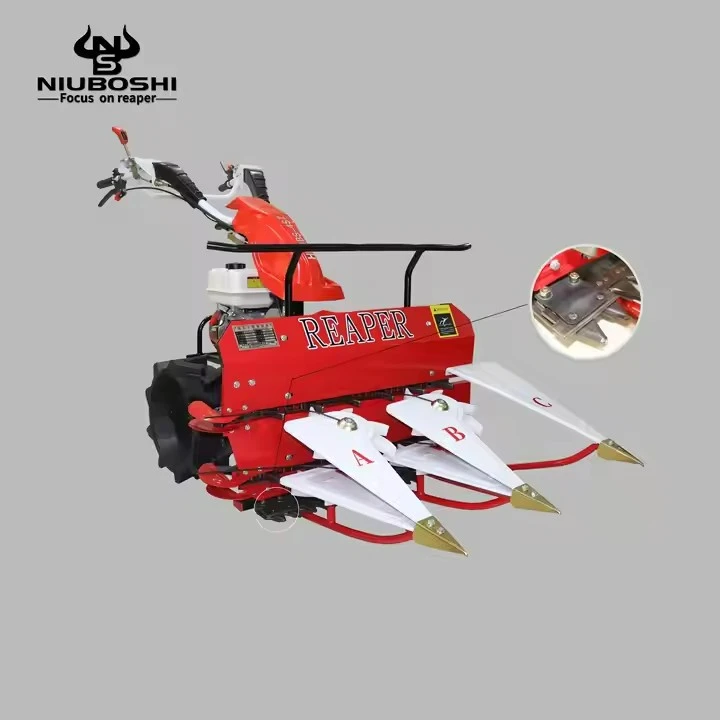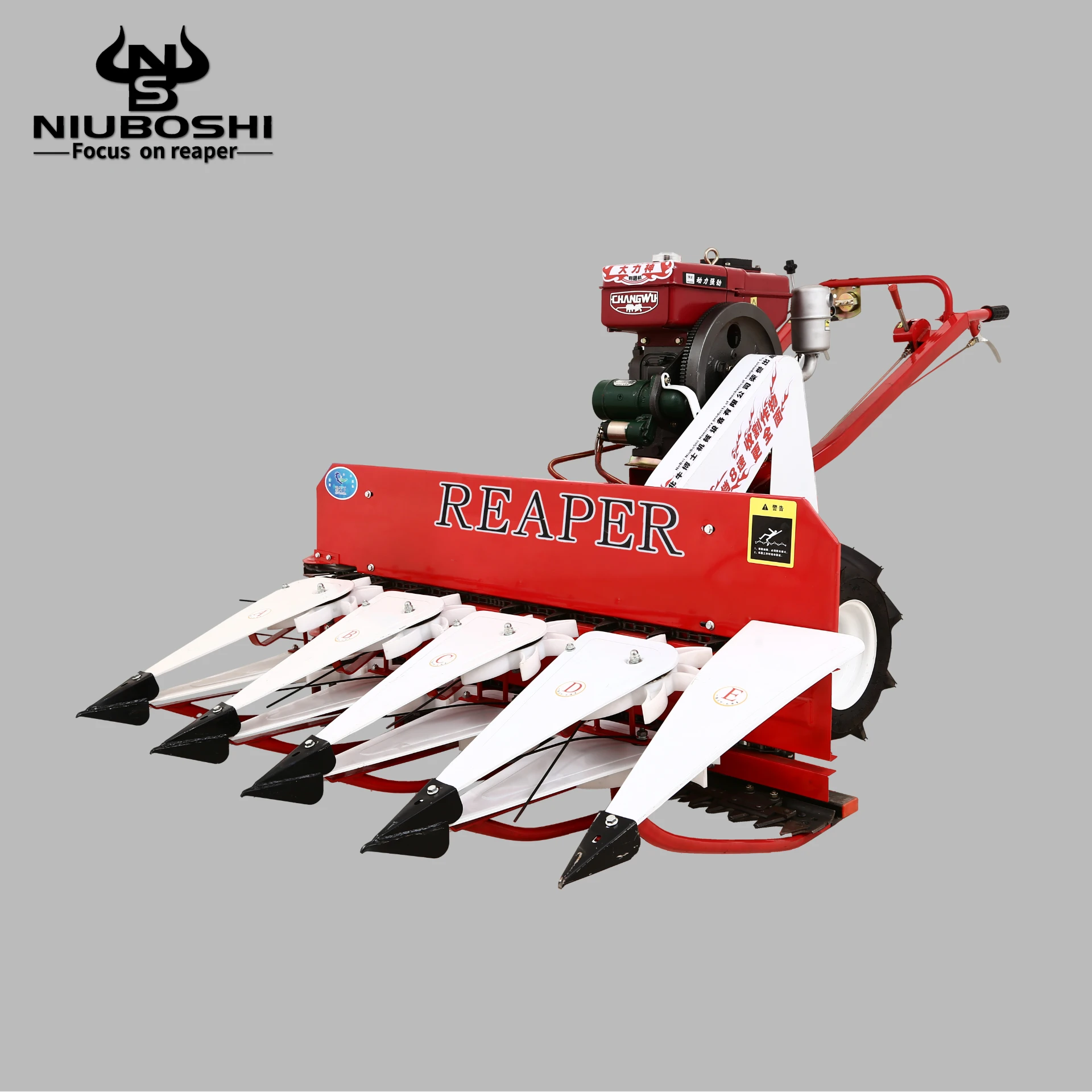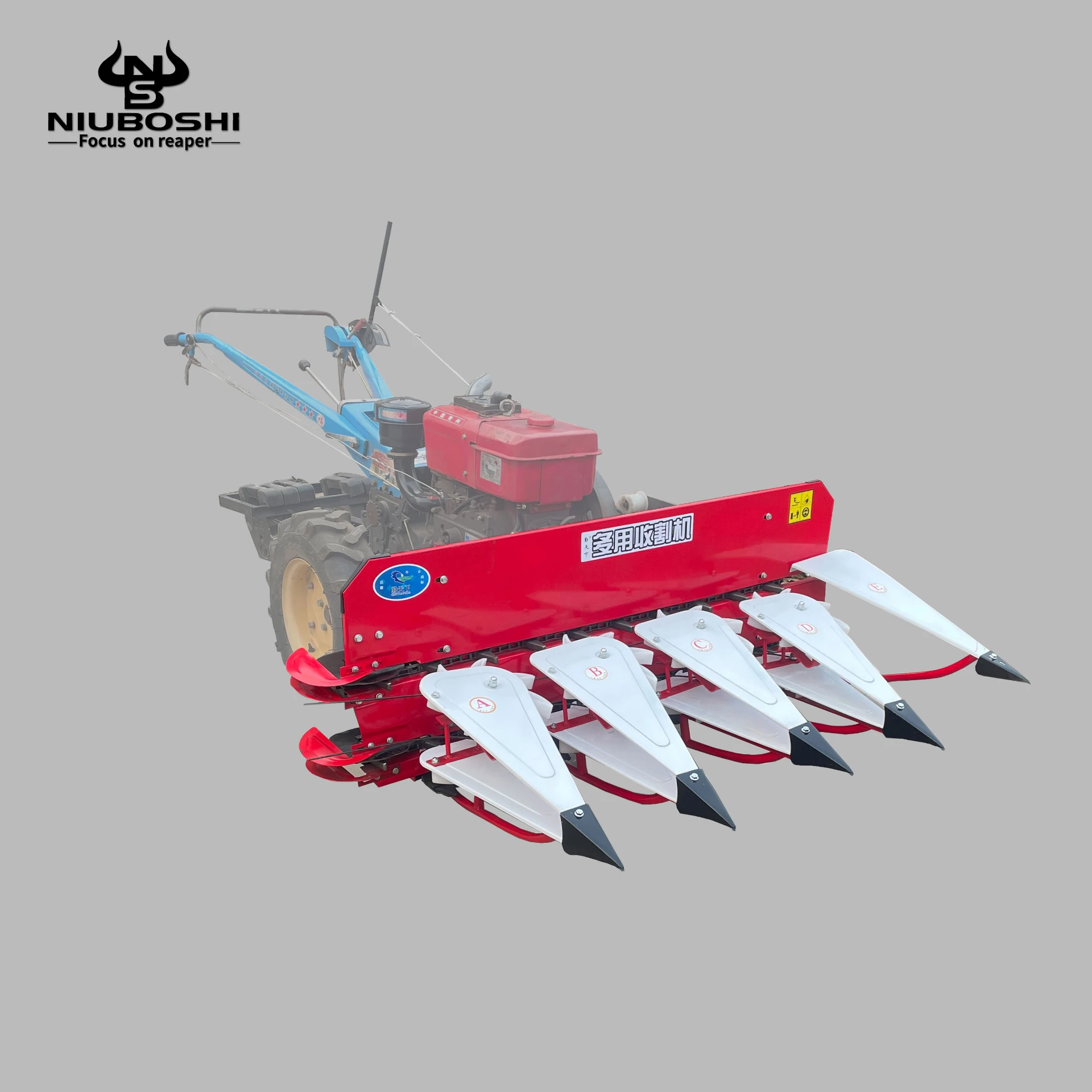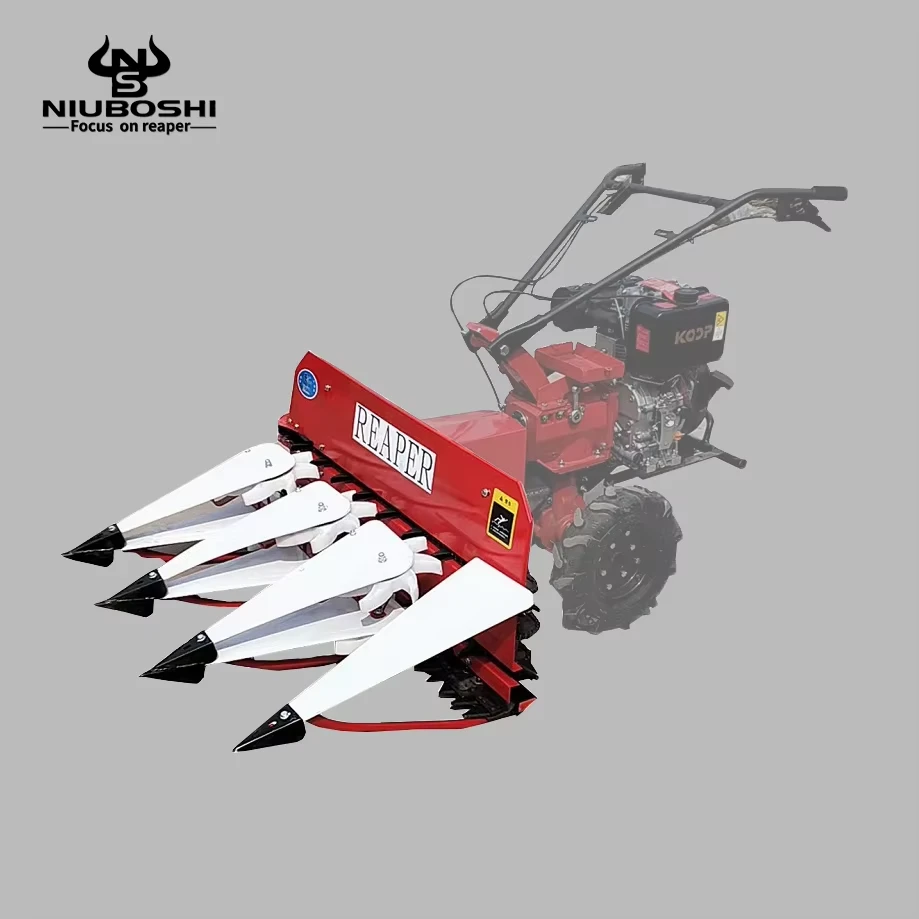
Combine Mini Harvester Price Guide: What You Need to Know in 2024
Understanding Combine Mini Harvester Price: What You Should Know
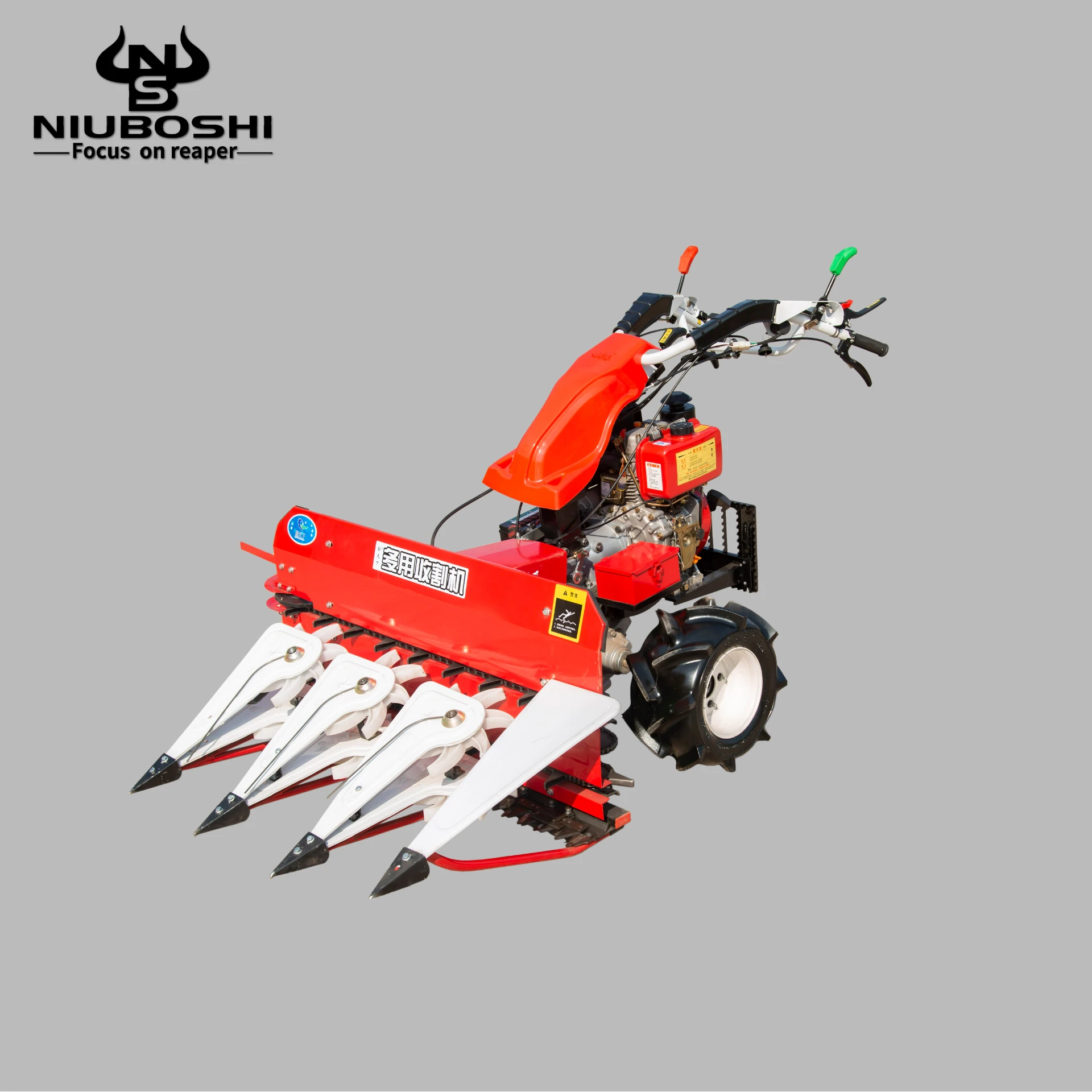
Having spent over a decade working with industrial agricultural equipment, I can say this much: when it comes to combine mini harvester price, it’s not just about the numbers on the sticker. There’s a whole lot more wrapped up in that figure — design choices, build quality, even subtle things you might not notice until you’re knee-deep in the field.
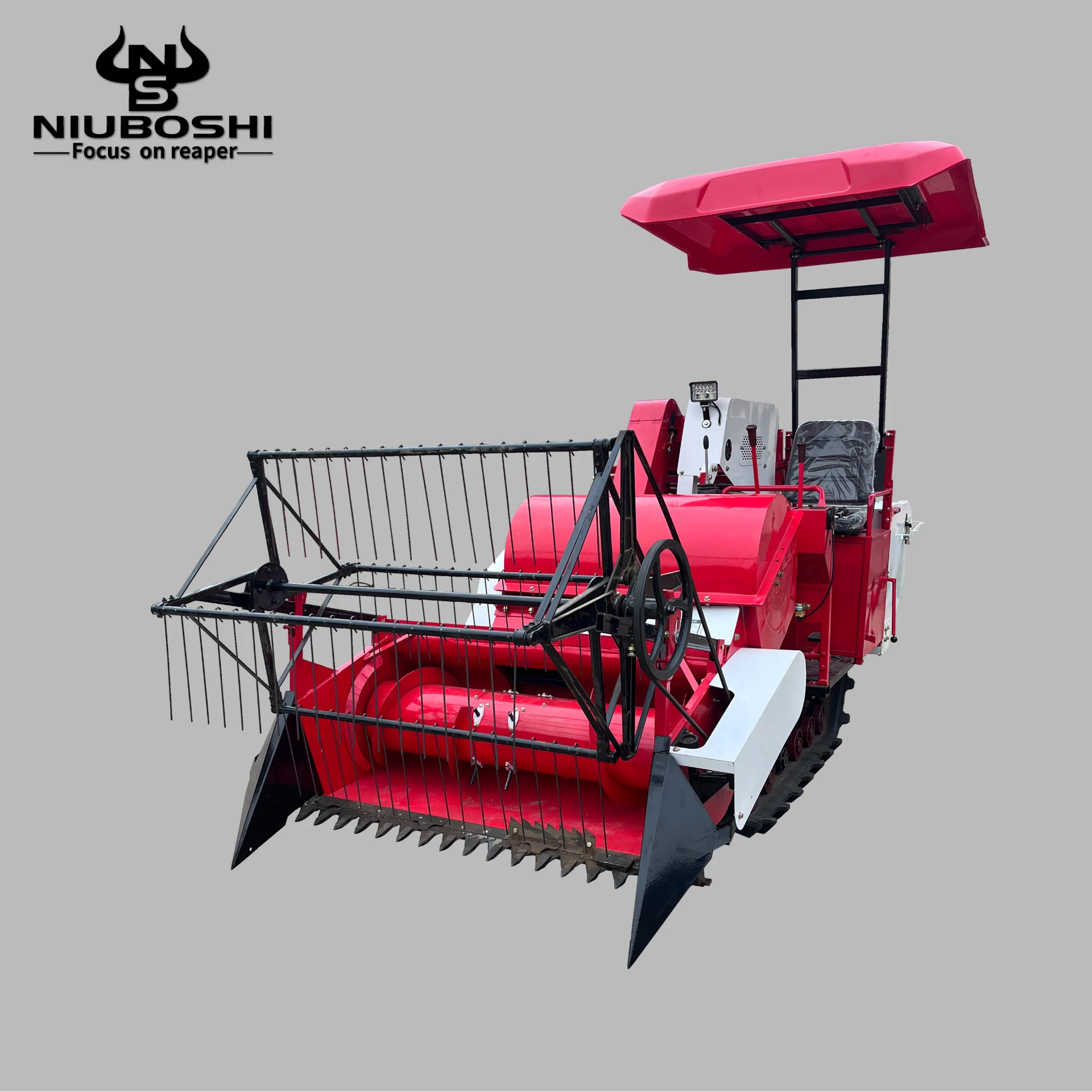
Oddly enough, these machines have evolved a lot in recent years. Mini harvesters aren’t just smaller versions of full-sized combines anymore; they’re becoming smarter, more efficient, and frankly, better suited for smaller farms or specialized crops where full-sized machines might be overkill. But with those improvements come changes in cost — some justified, some less so.
Key Factors Influencing Combine Mini Harvester Price
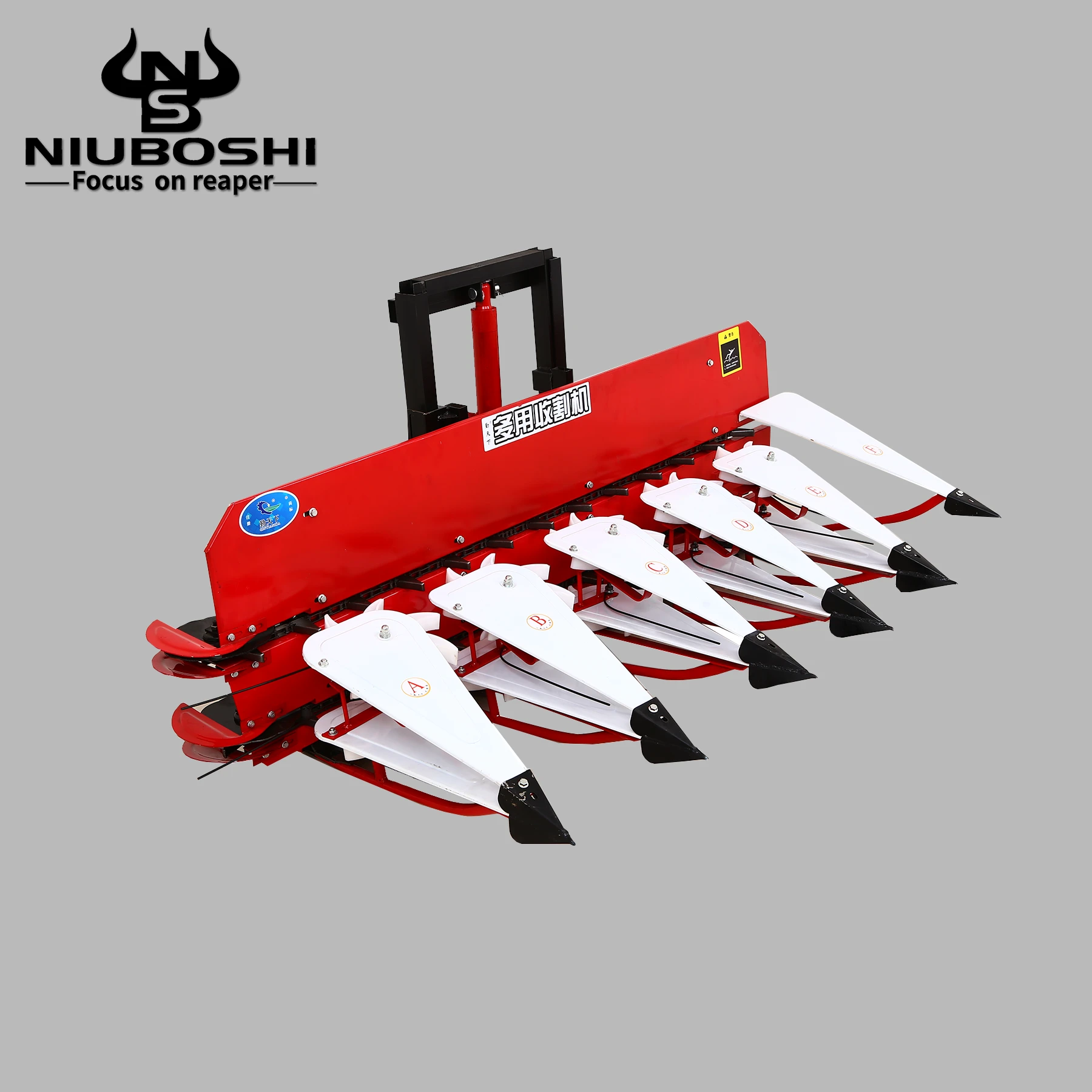
So why does the price jump around so much? Well, first off, materials matter. Many manufacturers have shifted to lighter yet durable alloys, improving fuel efficiency and maneuverability. For example, the chassis and cutter bar are no longer just steel plates welded together; they often include corrosion-resistant coatings and reinforced joints. This drives up upfront cost but usually pays off over time.
Then there’s the engine. I noticed that many popular models now come with refined diesel engines that meet stricter emissions standards — talk about future-proofing your purchase. Some mini harvesters incorporate small turbocharged engines to pack more punch without bigger fuel tanks or added weight. Naturally, these tech upgrades tick up the price.
Customizability is also quite a factor. In real terms, farmers might want adaptable header sizes, grain tank variations, or even different threshing settings depending on the crop. A highly configurable machine tends to cost more, but it also means you’re not investing in a one-size-fits-none solution. I’ve seen customers willing to stretch budgets slightly because the flexibility meant better yields and less downtime.
And finally, there’s testing and after-sales service. Many reputable vendors pride themselves on running extensive field trials under various conditions — something I think is often overlooked when shopping just by price tag. Trust me, good support and parts availability can save you much bigger headaches in the long run.
Common Specifications of Industrial Combine Mini Harvesters
| Specification | Typical Range/Value |
|---|---|
| Engine Power | 18 - 45 HP |
| Cutting Width | 1.2 - 2.5 meters |
| Fuel Tank Capacity | 30 - 60 liters |
| Grain Tank Capacity | 0.6 - 1.5 cubic meters |
| Weight | 600 - 1200 kg |
Comparing Vendors: What You Get for Your Money
Over the years, I’ve worked alongside several vendors and seen their trade-offs, especially on pricing and value added. Here’s how three of the well-known brands stack up:
| Vendor | Price Range (USD) | Key Feature | Warranty & Support |
|---|---|---|---|
| AgriMax | $8,500 - $12,000 | Robust chassis, fuel-efficient engine | 2 years, on-site support |
| FieldPro | $9,000 - $13,500 | Customizable headers, advanced threshing | 3 years, remote diagnostics |
| Niubo | $7,800 - $11,200 | Compact design, easy maintenance | 1.5 years, regional parts network |
I remember one client, a mid-sized rice farm owner named Wei, who chose a Niubo mini harvester after wrestling with several models. The deciding factors? Ease of maintenance and a lighter price tag without compromising power. It feels like those “small but steady” machines really do make a difference, especially for farms transitioning from manual harvest or larger, less nimble combines.
To wrap it up, combine mini harvester price might seem straightforward, but it’s deeply tied to a machine’s build, capabilities, and the supplier’s service. So, if you’re in the market — and you probably are, given you’re reading this — don’t just shop by cost alone. Consider what actually works best for your land, crops, and long-haul reliability. It’s a marathon, not a sprint.
Quick takeaway: Investing wisely in the right mini harvester pays back more than just harvest output—it saves time, hassle, and sometimes even your sanity.
- Industry trends from AgriEquip Journal, 2023.
- Technical insights based on in-field testing reports, 2022.
- User testimonials from regional farming consortiums.
Latest news
-
Maximize Harvest Efficiency with the Agro Reaper Binder MachineNewsApr.16,2026
-
Boost Harvest Efficiency with the Best Agriculture Reaper MachineNewsApr.09,2026
-
Revolutionizing Agriculture with the Efficient Agriculture Power ReaperNewsApr.07,2026
-
Comprehensive Guide to the 4 Wheel Reaper Binder for Efficient HarvestingNewsApr.04,2026
-
Comprehensive Guide to Reaperbinder Technology for Efficient Hay and Crop HarvestingNewsMar.31,2026
-
Mastering the Art of Reaper Cutting for Enhanced Agricultural EfficiencyNewsMar.28,2026