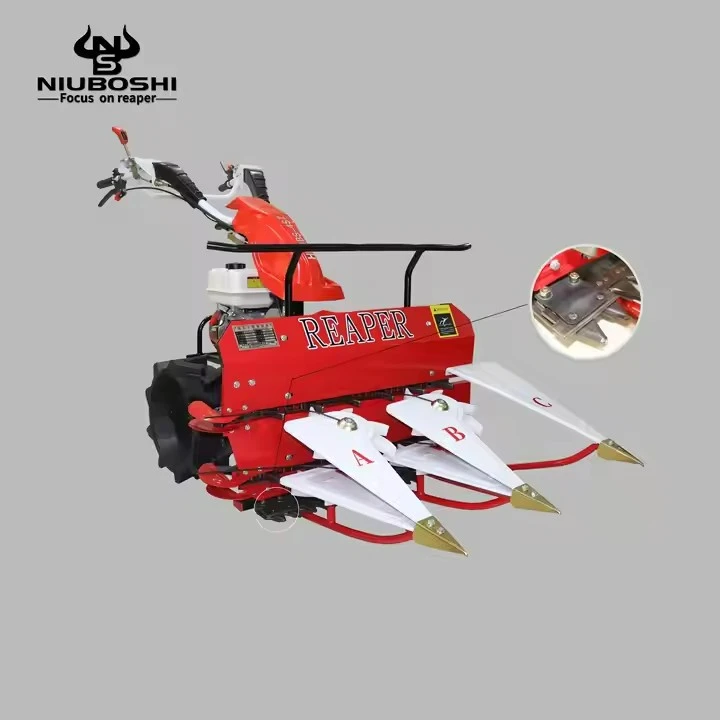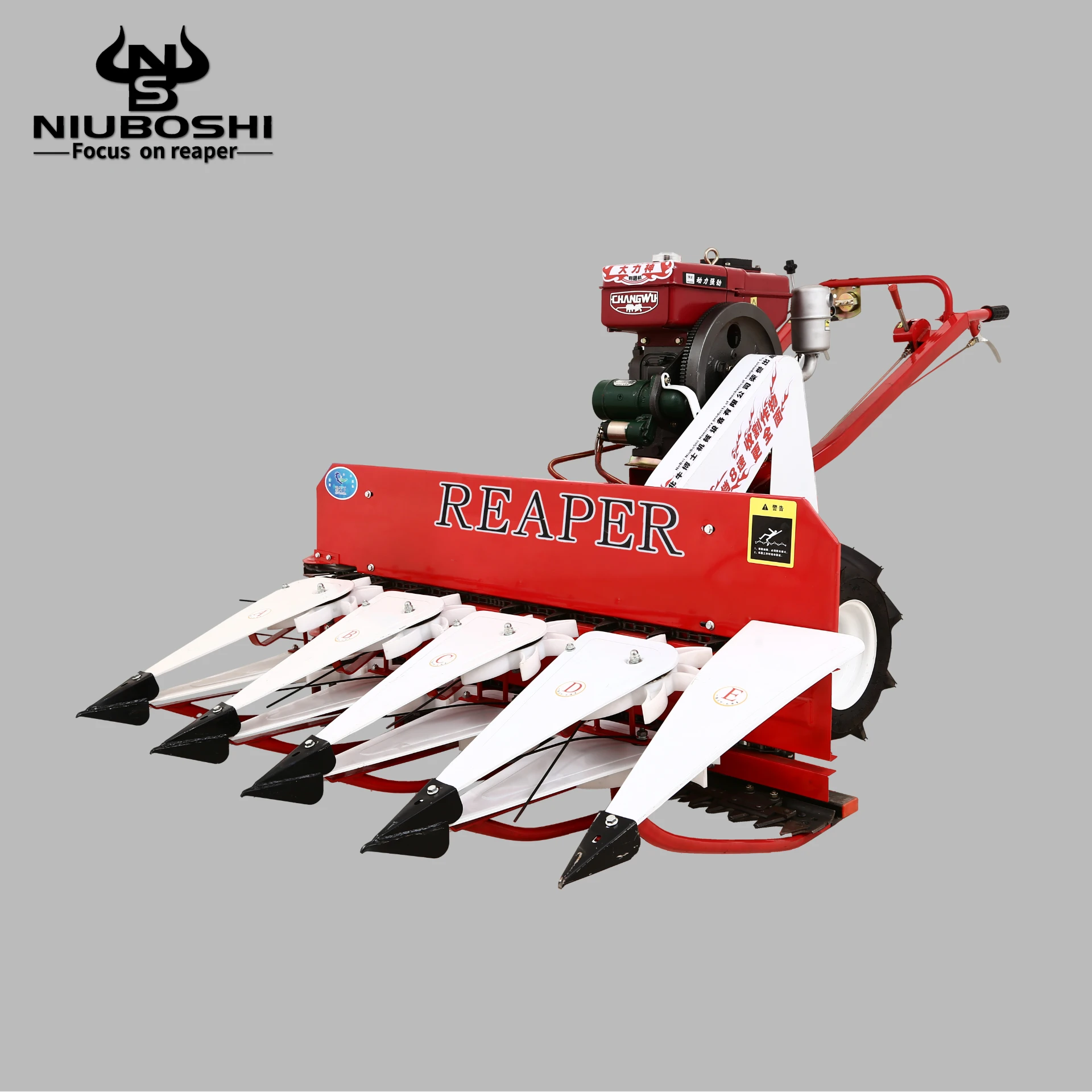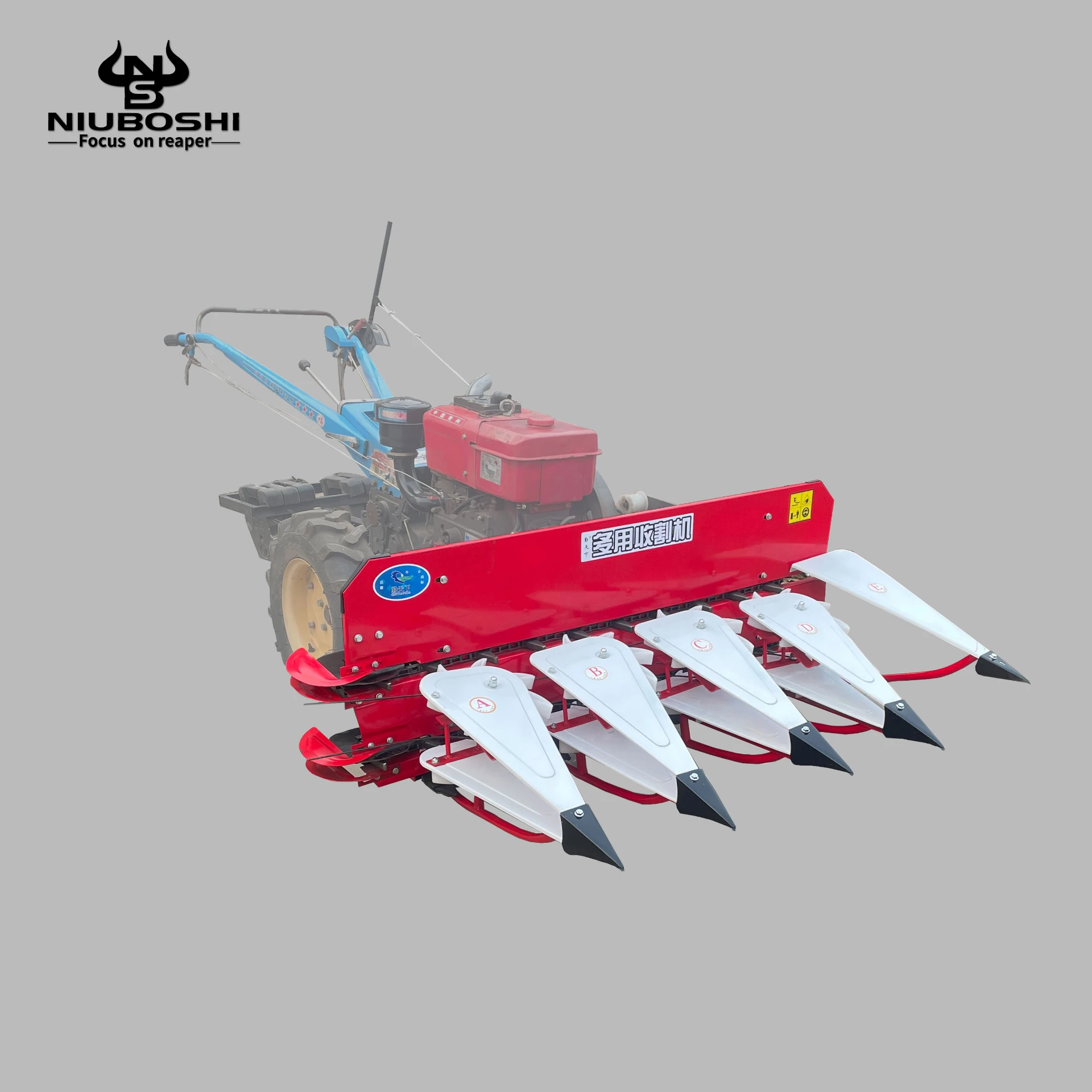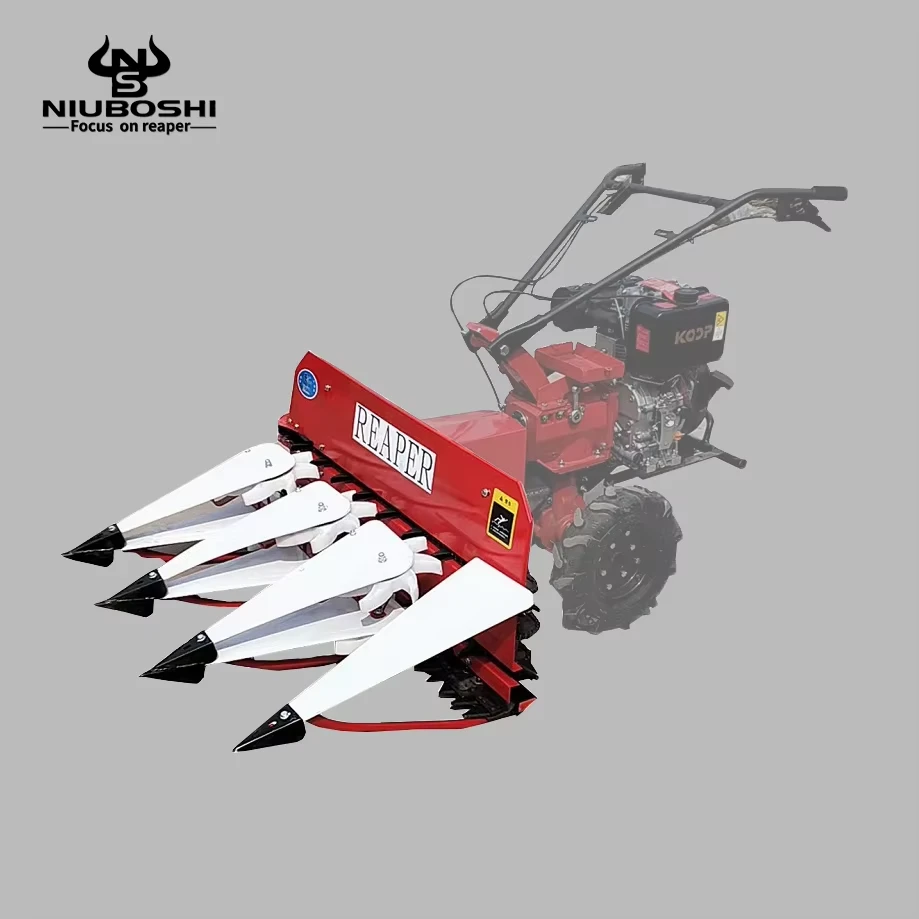
Small Farm Combine Harvester – Efficient Mechanized Harvesting Solutions for Smallholders
The Small Farm Combine Harvester: A Game-Changer for Agricultural Efficiency
When you think of farming machinery, large-scale combines often steal the spotlight. But small farm combine harvesters are quietly revolutionizing agriculture for smaller plots worldwide, sharpening productivity while keeping costs manageable. Understanding these machines isn’t just about farming tech — it’s about supporting sustainability, food security, and the livelihoods of millions, particularly in emerging economies.
Introduction: Why Small Combine Harvesters Matter Globally
According to recent UN reports, over 70% of the world’s farmers operate on plots smaller than 2 hectares. These smallholders feed billions yet often lack access to mechanized tools adapted to their scale. Enter the small farm combine harvester, an innovation that fills a critical gap.
Why is this so important? Well, traditional large-scale combines can be overkill — costly, fuel-intensive, and impractical for tight, terraced fields common in Asia, Africa, and parts of Latin America. The World Bank highlights the mechanization bottleneck as a major limiting factor for increased agricultural yields in small farms. Small combine harvesters address this, offering affordable, efficient, and easy-to-maintain solutions that boost productivity without sacrificing soil health or farmer autonomy.
Mini takeaway: Small-scale mechanization holds the key to empowering the majority of the world's farmers and improving global food security sustainably.
What Exactly Is a Small Farm Combine Harvester?
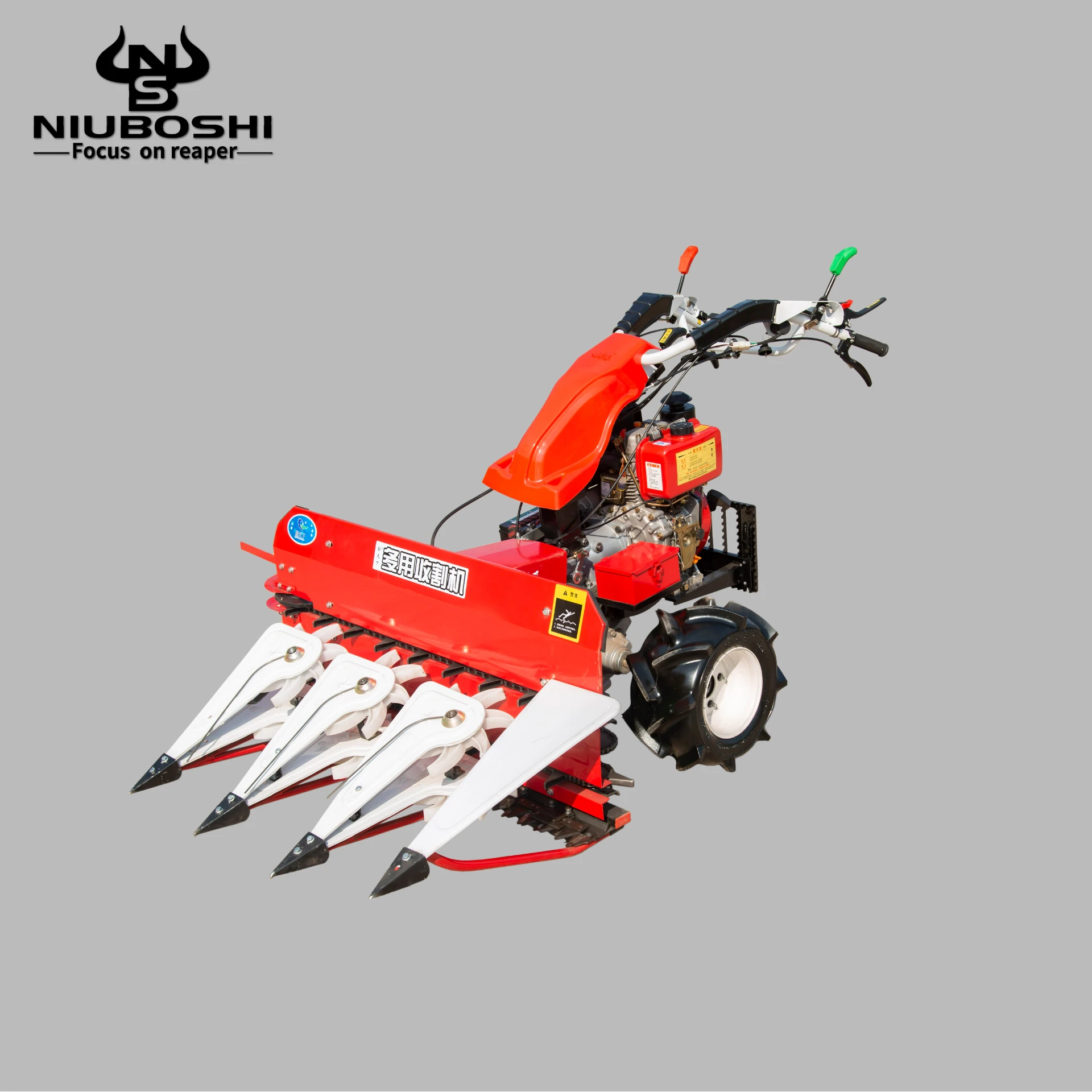
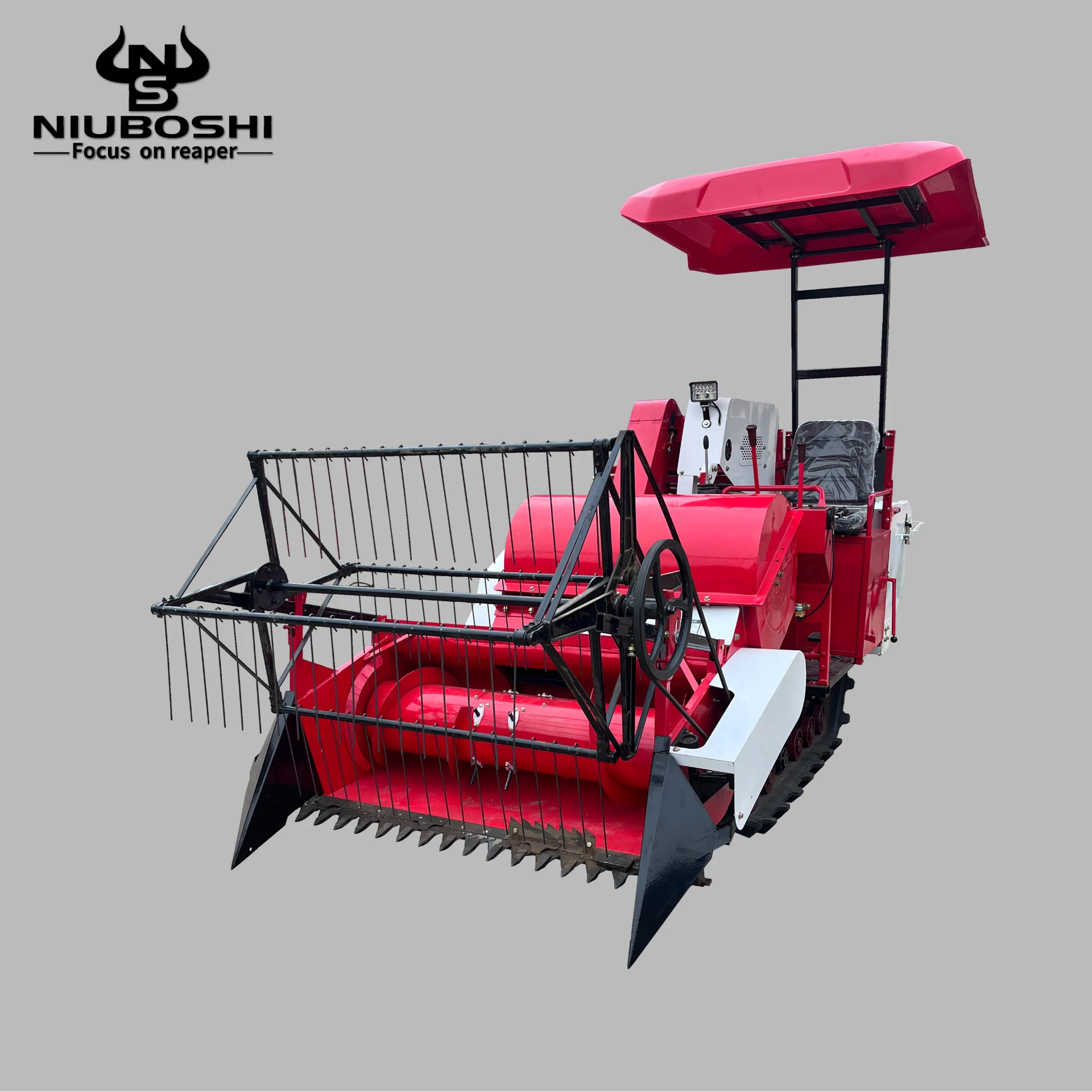
Put simply, a small farm combine harvester is a compact machine designed to combine three essential harvesting operations — reaping, threshing, and winnowing — into one efficient process, tailored specifically for small agricultural plots. Unlike their large industrial cousins, these machines are lighter, more maneuverable, and generally single-operator friendly.
On a deeper level, they act as bridges between traditional manual harvesting and full-scale industrial mechanization, and they respond to humanitarian needs, especially in areas where labor shortages coincide with limited access to modern agriculture machinery.
Core Components & Key Factors of Small Farm Combine Harvesters
1. Durability and Build Quality
Farm equipment lives a rough life, exposed to dust, moisture, and rough terrain. A well-designed small harvester uses robust materials like galvanized steel and impact-resistant plastics to withstand wear and tear. Many farmers tell me how crucial that toughness really is — a broken combine during harvest season? That’s a nightmare.
2. Fuel Efficiency and Power Source
Smaller engines (usually between 8-20 HP) combined with efficient cutting and threshing designs keep fuel consumption low. Some models offer a two-stroke diesel or petrol engine, others innovative electric or hybrid options, lightening environmental impact.
3. Scalability and Adaptability
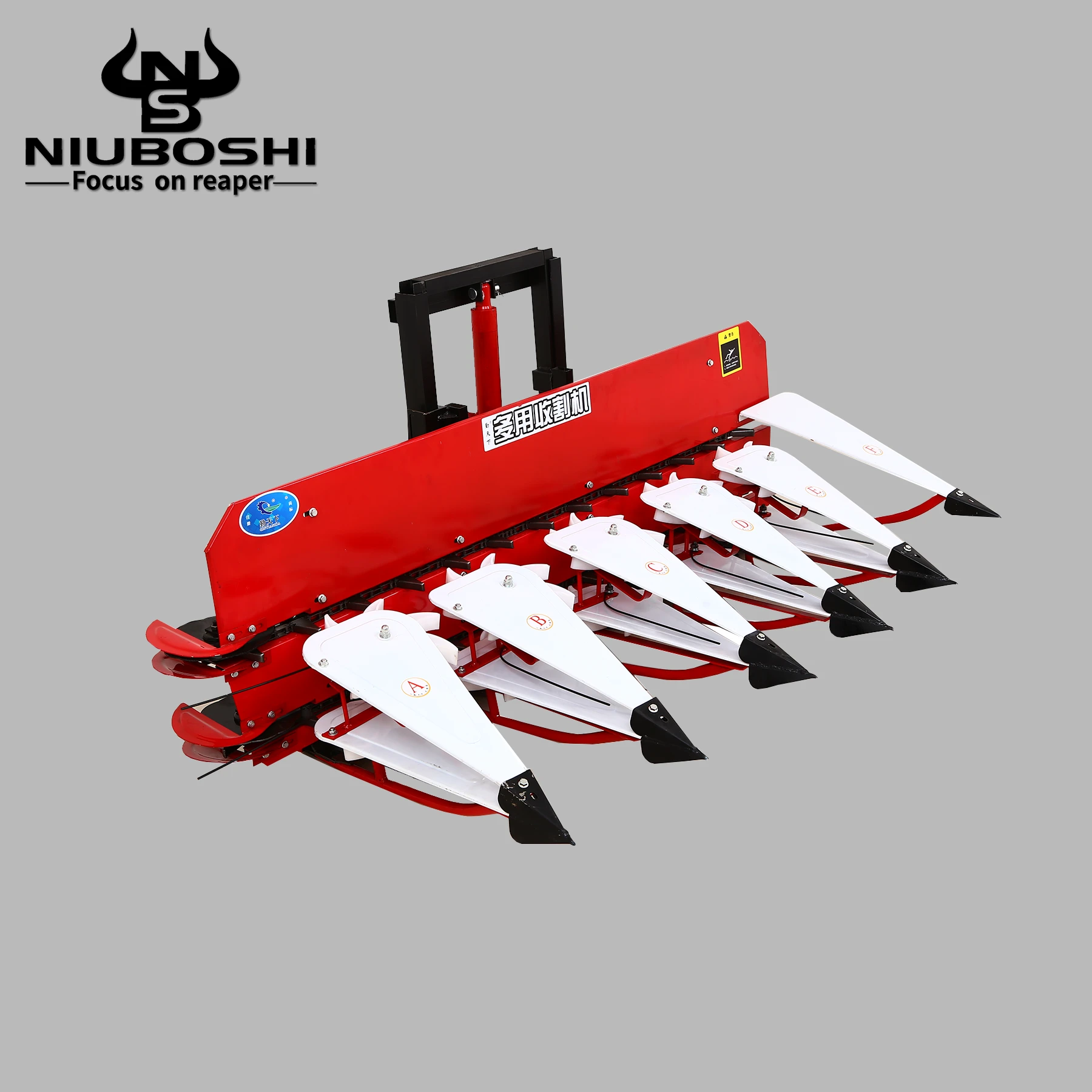
These harvesters are designed to adapt to different crops — wheat, rice, maize, barley, and even pulses. Adjustable headers and threshing settings ensure optimal performance in diverse climates and soil conditions.
4. Cost Efficiency and Ease of Maintenance
Small combines generally cost a fraction of industrial models and require minimal technical skill for repairs — vital in rural areas that can’t call a mechanic quickly. Spare parts tend to be basic and locally available, reducing downtime.
5. Operator Safety and Comfort
Though compact and relatively simple, modern designs emphasize ergonomics. Comfortable seats, intuitive controls, and shields against dust and moving parts keep operators safer while working long harvesting hours in the sun.
| Specification | Details |
|---|---|
| Engine Power | 8-20 HP petrol/diesel |
| Weight | 200-350 kg |
| Cutting Width | 1.0 - 1.5 meters |
| Crop Types | Rice, wheat, maize, barley, pulses |
| Fuel Efficiency | ~2-3 liters/hour |
Mini takeaway: These key features illustrate how small farm combine harvesters balance capability with affordability to meet farmers’ needs.
Where Are Small Farm Combine Harvesters Making a Difference?
Regions with a dense concentration of small-holder farms tend to benefit most — think Southeast Asia, sub-Saharan Africa, parts of Latin America, and even some Eastern European countries. Organizations like the Food and Agriculture Organization (FAO) advocate mechanization approaches tailored for these smallholders to improve food security.
For example, in Nepal, farmers using small combines on terraced rice paddies report harvest time reductions of up to 50%, alleviating labor shortages common during peak seasons. Similarly, African smallholders find these machines more affordable and serviceable locally, avoiding expensive imports.
In post-disaster environments, where quick replanting and harvesting save livelihoods, the lightweight design allows for rapid transport and use in challenging terrains — very different from the bulky combines that need paved roads and large fields.
Advantages and Long-Term Value of Small Combine Harvesters
- Cost Savings: Lower purchase and operational costs make mechanized harvesting accessible to more farmers.
- Sustainability: Efficient fuel use plus reduced crop loss help preserve resources and reduce emissions.
- Social Impact: Reduces backbreaking manual labor, improving farmers' health and freeing time for other activities and education.
- Reliability: Easy maintenance means machines last longer with fewer breakdowns, trusted season after season.
It’s more than machines; it’s about dignity, independence, and innovation filtering into rural communities — a subtle but powerful revolution.
Looking Ahead: Trends and Innovations
Keep your eyes peeled for electric-powered small combine harvesters. Battery technology improvements are starting to make zero-emission harvesters viable, a huge plus for regions struggling with fuel costs or pollution. Digital integrations like GPS guidance and crop-yield monitoring are trickling down from big agri-machines, promising smarter, data-driven farming for smallholders.
Also, modular designs allowing easy conversion between crops or combining functions (like harvesting and planting) are gathering interest, especially from manufacturers focused on flexibility.
Challenges and Practical Solutions
One sticking point is after-sales service. In rural or remote regions, finding trained technicians or spare parts can be tough. The solution? Manufacturers partnering with local cooperatives or mobile service units to improve support.
Another challenge is upfront financing. Even a cheaper small combine can be out of reach. Microfinance and government subsidy programs have started to fill this gap, enabling wider adoption.
| Vendor | Price Range (USD) | Service Network | Key Feature |
|---|---|---|---|
| AgriCompact | $2,500 - $3,200 | Regional support in Asia & Africa | Fuel-efficient diesel engine |
| MiniHarvest Co. | $2,700 - $3,500 | Global, via partners | Modular headers for multiple crops |
| EcoThresh | $3,000 - $4,000 | Mainly Africa & South America | Electric hybrid model |
FAQ: Your Small Farm Combine Harvester Questions Answered
- Q: Can a small farm combine harvester handle wet or uneven fields?
- A: Many small combine models come with adjustable cutting angles and tracks or wider tires to improve traction on wet or uneven terrain. However, extremely boggy or rocky fields might still require manual or adapted harvesting methods.
- Q: How difficult is it to maintain these machines for a first-time user?
- A: Small combines are generally designed for ease of maintenance — with accessible parts, simple manuals, and sometimes video tutorials. Some brands also provide training sessions or partner with local technicians, making upkeep manageable even for beginners.
- Q: Is the initial investment really worth it for smallholders?
- A: When you factor in saved labor costs, reduced crop losses, and faster harvest times, many small-scale farmers find that the machine pays for itself within a couple of seasons, provided it’s used properly and maintained.
- Q: Are there any eco-friendly options available?
- A: Yes. Some vendors now offer electric or hybrid models with lower emissions and noise levels, which help reduce the carbon footprint. This is a growing trend aligned with sustainable agriculture goals.
- Q: How can I source parts or support if the machine breaks down far from cities?
- A: Many suppliers collaborate with local cooperatives or mobile repair services. Plus, common wear parts like belts, filters, and blades are usually stocked locally or easy to ship. It pays to buy from vendors with good after-sales networks.
Wrapping Up: The Long-Term Promise of Small Farm Combine Harvesters
While they may seem humble compared to their industrial cousins, small farm combine harvesters embody resilience, innovation, and hope for millions of smallholder farmers. By improving efficiency, cutting costs, and supporting sustainable practices, these machines help bridge the gap between subsistence and thriving agribusiness.
Want to explore the latest models and specs? Visit small farm combine harvester to learn more and take a confident step toward mechanized farming tailored to your needs.
References:
Latest news
-
Maximize Harvest Efficiency with the Agro Reaper Binder MachineNewsApr.16,2026
-
Boost Harvest Efficiency with the Best Agriculture Reaper MachineNewsApr.09,2026
-
Revolutionizing Agriculture with the Efficient Agriculture Power ReaperNewsApr.07,2026
-
Comprehensive Guide to the 4 Wheel Reaper Binder for Efficient HarvestingNewsApr.04,2026
-
Comprehensive Guide to Reaperbinder Technology for Efficient Hay and Crop HarvestingNewsMar.31,2026
-
Mastering the Art of Reaper Cutting for Enhanced Agricultural EfficiencyNewsMar.28,2026