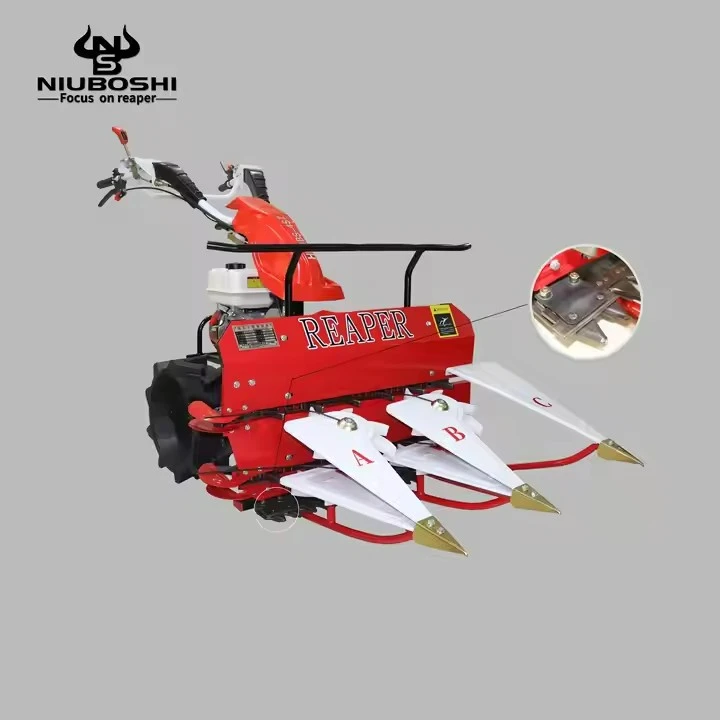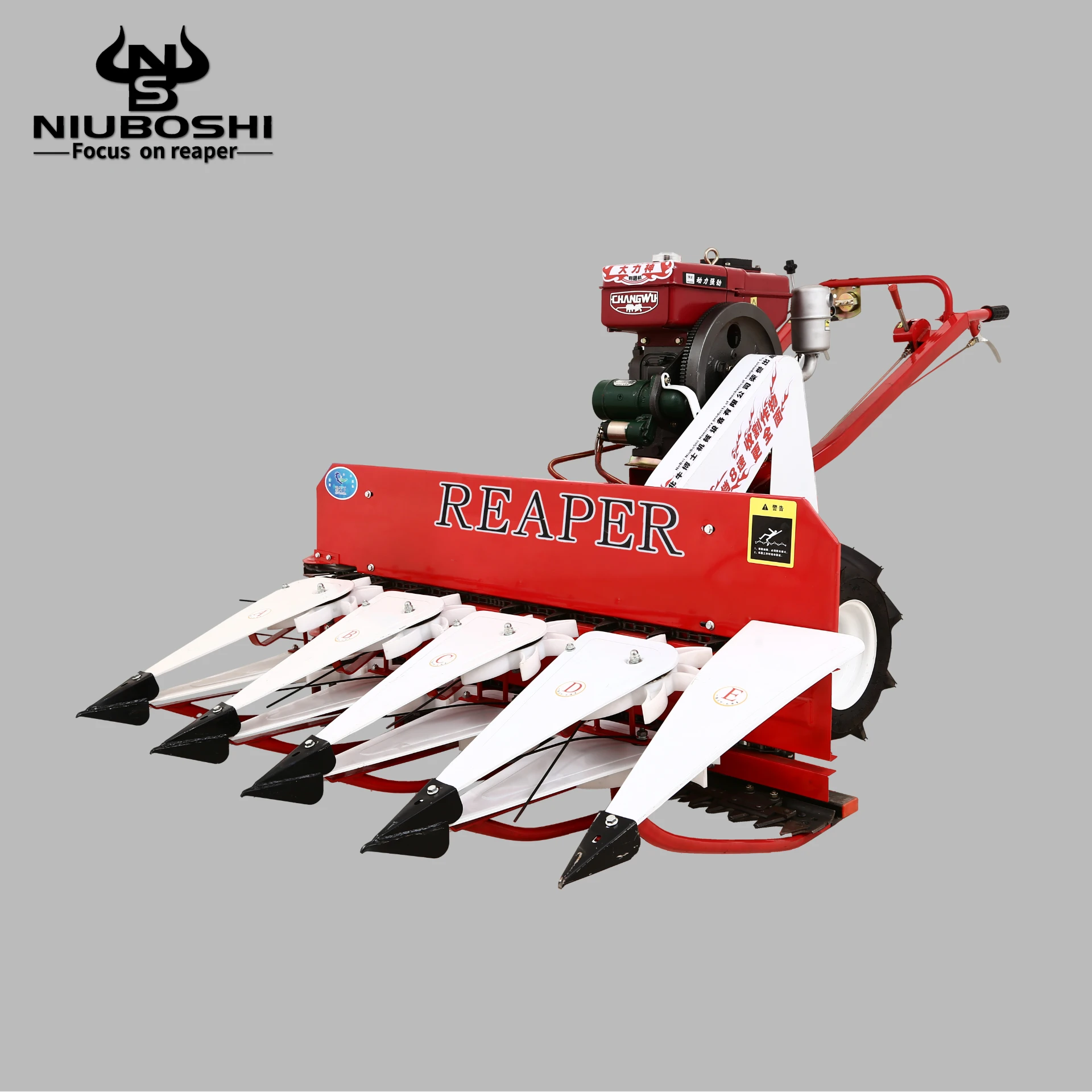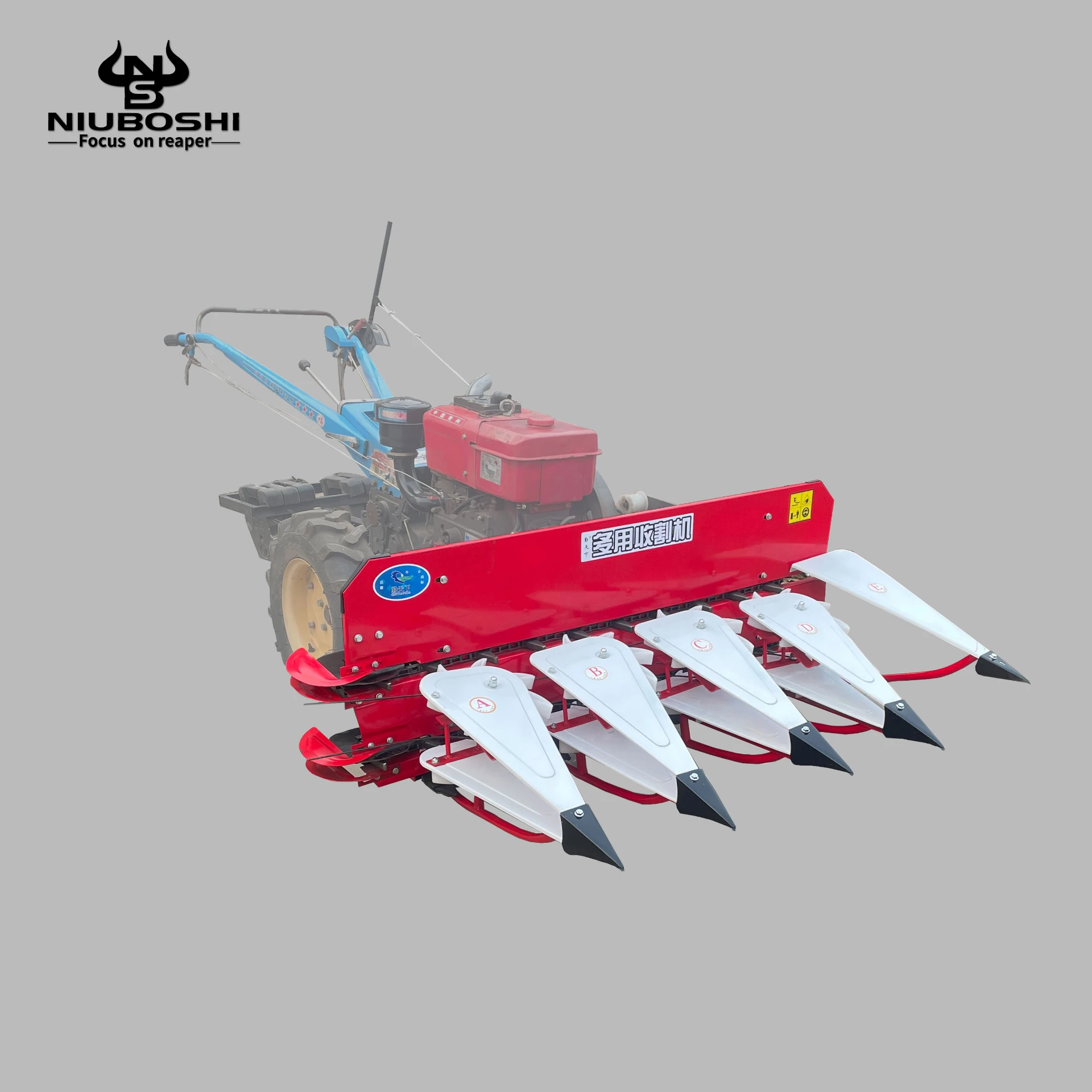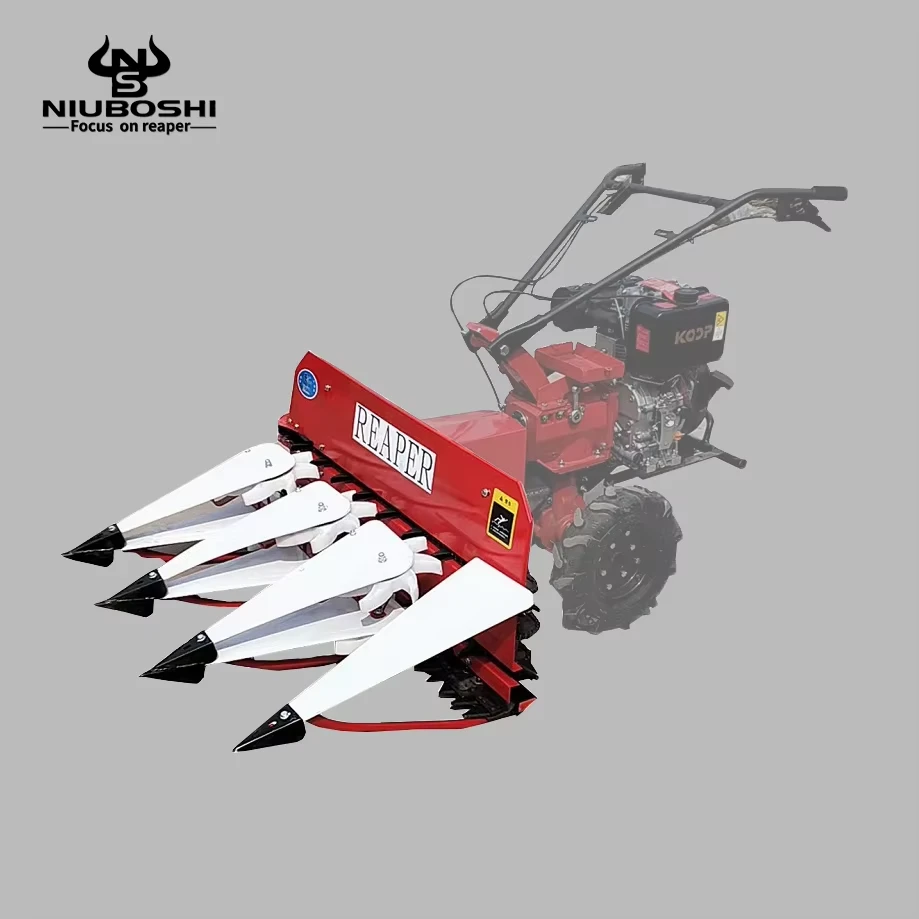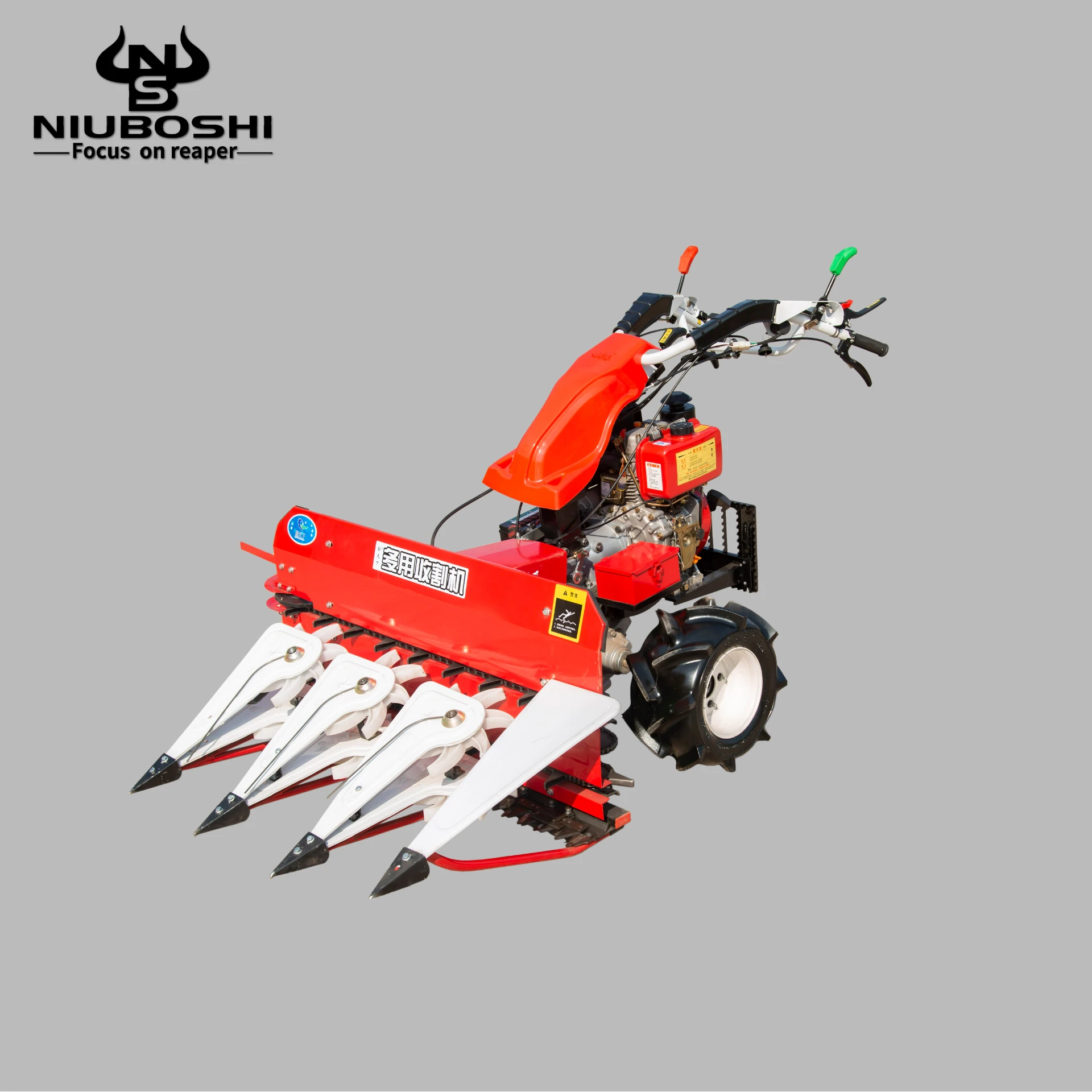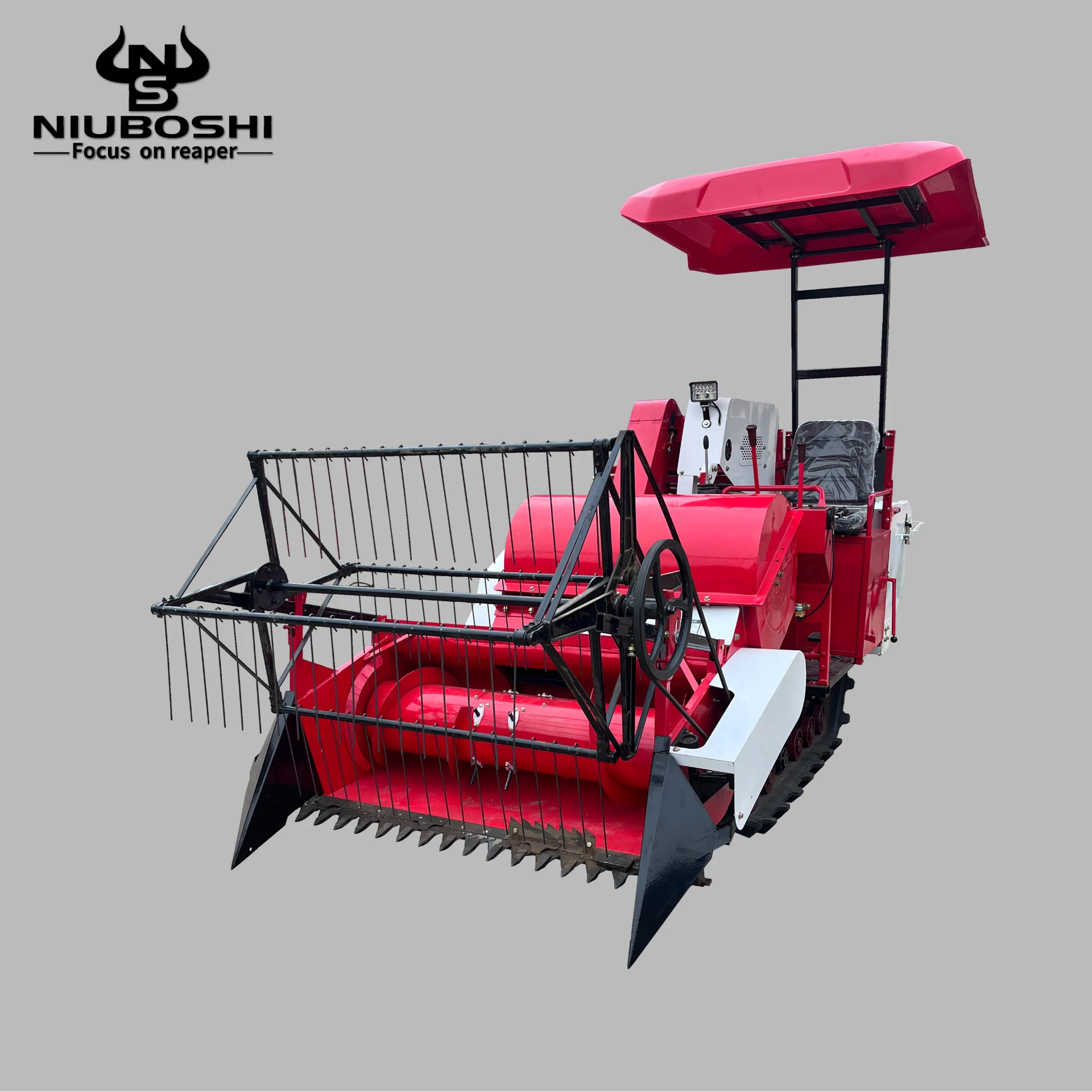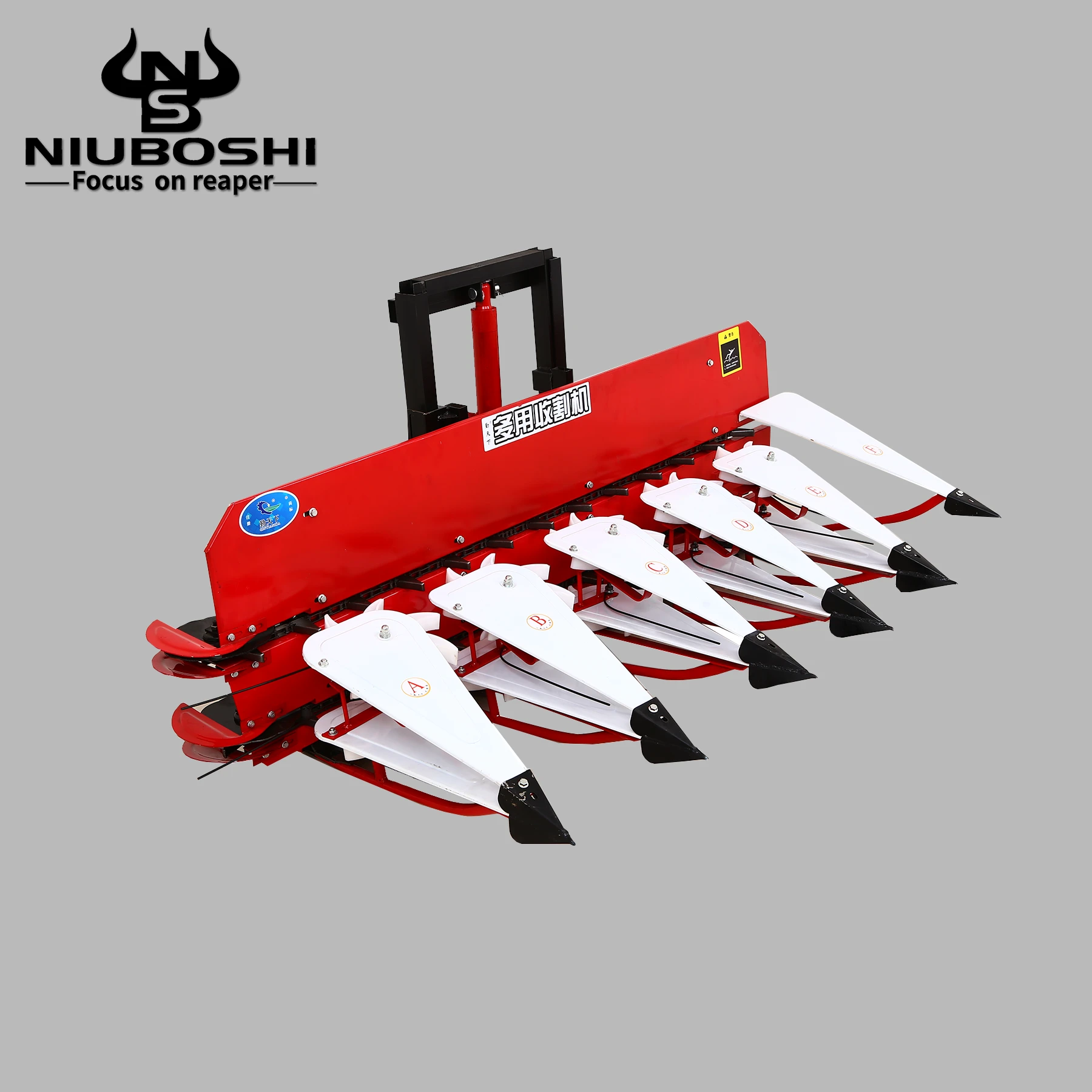
Mini Combined Harvester – Compact Farm Machinery for Small-Scale Agriculture
What Exactly Is a Mini Combined Harvester — And Why Should We Care?
When you hear the term mini combined harvester, what springs to mind? A huge machine towering over golden fields? Well, not quite. Mini combined harvesters are compact, versatile agricultural machines that combine reaping, threshing, and winnowing into one neat device, designed specifically for small-scale farms or hard-to-reach places.
Why do these small but mighty machines matter? Globally, with a rapidly growing population and shrinking arable land, the pressure on agriculture to be more efficient and accessible has never been greater. Mini combined harvesters help tackle this by enabling farmers in marginal areas, remote regions, or simply those with smaller plots, to harvest their crops efficiently. For many developing countries and smallholders, this boost in productivity means not just increased income, but improved food security and sustainability.
Plus, understanding these machines opens a window into modern agricultural innovation — a kind of quiet revolution in farm tech waiting just outside the traditional giant tractor shadow.
Mini takeaway: Mini combined harvesters are transforming small-scale farming by making crop harvesting faster, more efficient, and accessible worldwide.
Global Context: How Mini Combined Harvesters Fit Into The Agricultural Puzzle
Let’s set the stage with some numbers. The Food and Agriculture Organization of the United Nations (FAO) estimates that smallholder farms constitute about 80% of all farms worldwide and produce a significant chunk of the world’s food supply. However, these farms often operate with limited capital and old equipment, leading to lower productivity.
This is where mini combined harvesters come in. According to recent industry reports, demand for small-scale mechanization solutions is growing steadily in Asia, Africa, and parts of Latin America — regions marked by fragmented farmlands and often challenging cultivation conditions.
The challenge? Many mini harvesters must balance efficiency with affordability, durability, and ease of use. In other words, they need to perform under rugged conditions but remain accessible to farmers who can’t afford massive equipment or complex maintenance. This sweet spot in agricultural machinery is in high demand to support food security amid climate change and rapidly evolving rural economies.
Mini takeaway: Mini combined harvesters are a key solution to increase food production efficiency in smallholder farming, especially where traditional large machinery falls short.
Defining the Mini Combined Harvester: A Simple Explanation
A mini combined harvester is a compact agricultural machine that integrates multiple harvesting functions — cutting the crop, threshing the grains from stalks, and cleaning the grains — all in one pass. Unlike their full-sized counterparts, mini models usually weigh less than 2,000 kg and are designed to operate on smaller plots or terrains that large harvesters cannot access efficiently.
They might remind you of slightly scaled-down versions of traditional combined harvesters you see in industrial agriculture, but their design emphasizes maneuverability, lower fuel consumption, and lighter compaction — all crucial for small to medium farms.
In modern agriculture, these machines embody the convergence of technology and sustainability, allowing improved yields with minimal environmental impact.
Mini takeaway: Think of mini combined harvesters as the agile, economical versions of full-sized harvesters — perfect for versatile, small-scale farming needs.
Core Components & Features of Mini Combined Harvesters
1. Durability and Build Quality
These machines are built to last, often featuring steel frames reinforced with corrosion-resistant coatings to handle rough field conditions. Many engineers emphasize the importance of high-quality materials because constant exposure to dust, moisture, and vibration is the norm.
2. Scalability and Adaptability
Mini combined harvesters often come with adjustable headers and modular threshing units. This adaptability means they can work with various crops like wheat, rice, barley, and maize. Flexibility is key, especially in regions where farmers grow multiple types of grains seasonally.
3. Fuel Efficiency and Low Emissions
Smaller engines and optimized mechanics help keep fuel consumption low — a serious advantage in rural areas where fuel might be costly or hard to come by. Some newer models incorporate diesel-electric hybrid variants or meet stringent emissions standards, which is encouraging from both economic and environmental viewpoints.
4. Ease of Maintenance
Simple mechanical designs, easily accessible parts, and supportive vendor networks mean farmers can undertake routine maintenance themselves, cutting downtime. This feature fulfills a big hurdle for many small farmers lacking constant mechanic support.
5. Safety Features
Despite their size, safety doesn’t take a back seat. Operators benefit from protective guards, ergonomic controls, and sometimes even simple digital dashboards monitoring engine health.
6. Mobility and Transportability
Lightweight frames and small dimensions mean mini combined harvesters can be moved using common small trucks or even tractors, making them suitable for farms with difficult access or multiple small plots.
Mini takeaway: The blend of durability, adaptability, and ease of use gives mini combined harvesters their staying power on small farms.
Mini Combined Harvester Specification Table
| Specification | Typical Range / Value |
|---|---|
| Weight | 1,200 – 1,800 kg |
| Engine Power | 20 – 40 HP (diesel) |
| Harvesting Width | 1.2 – 1.8 meters |
| Fuel Consumption | 3 – 5 L/hr |
| Crop Types | Wheat, Rice, Barley, Maize |
| Threshing Speed | 1500 – 2200 rpm |
Where Are Mini Combined Harvesters Making The Biggest Impact?
In real-world terms, these mini harvesters are all over Asia — particularly in countries like China, Vietnam, India, and Indonesia — where fragmented land ownership means massive traditional harvesters just won’t fit.
Similarly, in parts of sub-Saharan Africa, where post-harvest losses often run high due to manual harvesting, these machines offer a much-needed productivity leap. For instance, a smallholder rice farmer in the Mekong Delta explained how switching to a mini combine doubled harvest speed, reducing losses from unpredictable rains.
Oddly enough, they also find use in humanitarian contexts; in post-disaster regions or refugee settlements, nimble machines like these help resume agricultural activity quickly, sustaining displaced populations.
Industrially, some agro-processing companies use compact units to demonstrate mechanization before scaling up.
Mini combined harvesters essentially serve as the bridge between manual labor and mechanized agriculture for communities and enterprises previously cut off from modern farming tech.
Mini takeaway: From rice paddies to refugee fields, mini combined harvesters prove their worth worldwide, cutting costs and increasing yield.
The Advantages That Keep Small-Scale Farmers Coming Back
- Cost Savings: Lower initial and running costs compared to large combines make them affordable assets.
- Energy Efficiency: Less fuel consumption reduces expenses and carbon footprint.
- Sustainability: By making farming viable on smaller plots, they encourage diversified cropping and soil preservation.
- Social Impact: Helps empower farmers, translating to better livelihoods and community health.
- Reliability: Rugged designs reduce breakdowns during critical harvest windows.
- Emotional Benefits: Farming is tied to dignity. Using modern, efficient tools uplifts morale and trust in technology.
Farmers often tell me that working with mini combined harvesters, they feel part of a wider tech movement, and not left behind in the agri-industrial revolution.
Mini takeaway: These machines don’t just save money — they improve lives on several levels.
The Future of Mini Combined Harvesters: What’s Around the Bend?
It feels like the next decade will bring exciting innovations — electrification is advancing faster than many expected. The use of electric or hybrid engines promises quieter, cleaner operation.
Automation? Companies are prototyping GPS-guided mini harvesters to reduce skill barriers. Add in IoT connectivity to monitor machine health remotely, and you get a recipe for minimizing downtime and maximizing efficiency.
Material science advances — lightweight but durable composites could further reduce weight without sacrificing strength, enhancing transportability.
Plus, policy push for sustainable agriculture will hopefully coax more governments into subsidies or microfinance tailored for purchasing such machines.
Mini takeaway: The blend of green energy and digital transformation will make mini combined harvesters smarter and greener.
Challenges in Today’s Mini Combined Harvester Market & Practical Solutions
No technology is perfect. Common hurdles include limited availability of spare parts, lack of trained operators in rural areas, and sometimes mechanical inefficiencies compared to full-sized combines.
Innovative dealers are trying modular designs that simplify repairs and supply chains. Meanwhile, training workshops and demonstration farms help rotate knowledge back to communities. Sometimes, local modifications custom-fit machines to regional crop conditions, enhancing performance.
Funding is another snag for many farmers. Solutions like cooperative ownership or rent-to-own schemes are gaining traction to make these machines reach more people.
Mini takeaway: Practical solutions paired with community-focused programs keep overcoming mini combine challenges.
FAQ: Mini Combined Harvester Basics Answered
Q1: How small is a mini combined harvester compared to traditional models?
A: Mini combined harvesters typically weigh between 1,200 to 1,800 kg and have harvesting widths around 1.2 to 1.8 meters, much smaller than full-sized combines which can weigh over 10,000 kg and cut 3 meters or wider per pass.
Q2: Can mini combined harvesters work on uneven or hilly terrain?
A: Yes, their lightweight and maneuverable design allows them to operate effectively on uneven or sloped fields where large harvesters struggle or cause excessive soil compaction.
Q3: Are these machines suitable for multiple crop types?
A: Most mini combines are adaptable to various cereals like wheat, rice, barley, and maize by adjusting the header and threshing units — a key advantage for diversified smallholder farms.
Q4: What kind of maintenance do mini combined harvesters require?
A: Generally, routine checks include cleaning threshing areas, lubricating moving parts, and fuel system checks. Their simpler designs mean farmers can often handle many tasks themselves or with local mechanic help.
Q5: Where can I find reliable mini combined harvesters and manufacturer support?
A: Several specialized agricultural equipment vendors offer mini combines globally.Check here for trusted manufacturers known for quality and after-sales service.
Vendor Comparison: What to Expect When Shopping for Mini Combined Harvesters
| Vendor | Price Range (USD) | Warranty | Servicing Network | Special Features |
|---|---|---|---|---|
| AgriPro MiniComb | $8,000 – $12,000 | 2 Years | Global, including rural depots | Diesel-electric hybrid model |
| HarvestMate Compact | $7,500 – $10,500 | 1.5 Years | Asia-focused, limited rural reach | Adjustable threshing speed |
| GreenField MiniHarv | $9,000 – $13,000 | 3 Years | Strong African and Latin America presence | Low emissions, biofuel compatible |
Wrapping It Up: Why Mini Combined Harvesters Matter Long-Term
The humble mini combined harvester is quietly reshaping agricultural realities across the globe. From boosting smallholder yields to reducing labor fatigue and environmental footprint, these machines pack a punch far above their size.
If you’re involved in modern farming, rural development, or agricultural tech, keeping an eye on mini combines is wise. They hold the keys to more equitable, sustainable, and productive agriculture — plus, they’re kind of fun to watch at work.
Ready to grab your own or learn more? Visit our website where you can explore a range of high-quality mini combined harvesters designed for the next generation of farmers.
Thanks for sticking around, and happy harvesting!
References
Latest news
-
Maximize Harvest Efficiency with the Agro Reaper Binder MachineNewsApr.16,2026
-
Boost Harvest Efficiency with the Best Agriculture Reaper MachineNewsApr.09,2026
-
Revolutionizing Agriculture with the Efficient Agriculture Power ReaperNewsApr.07,2026
-
Comprehensive Guide to the 4 Wheel Reaper Binder for Efficient HarvestingNewsApr.04,2026
-
Comprehensive Guide to Reaperbinder Technology for Efficient Hay and Crop HarvestingNewsMar.31,2026
-
Mastering the Art of Reaper Cutting for Enhanced Agricultural EfficiencyNewsMar.28,2026