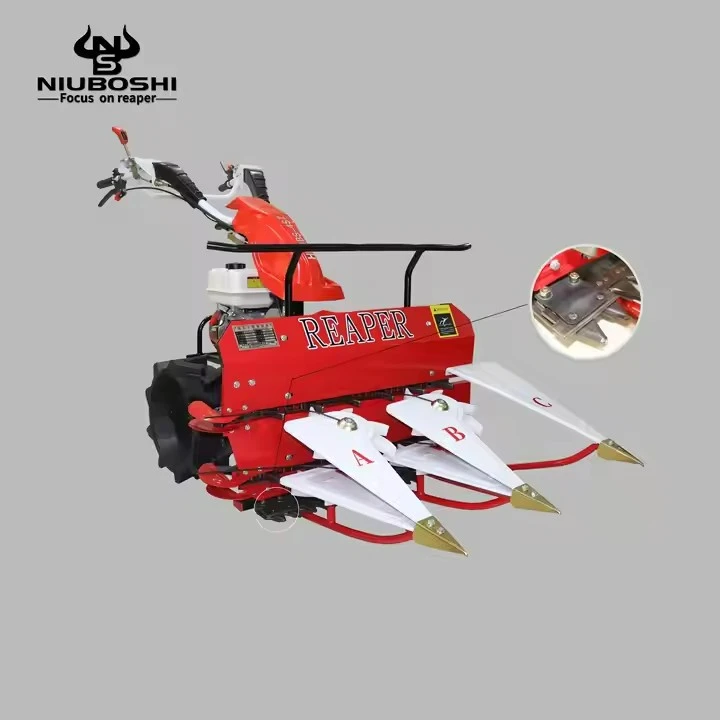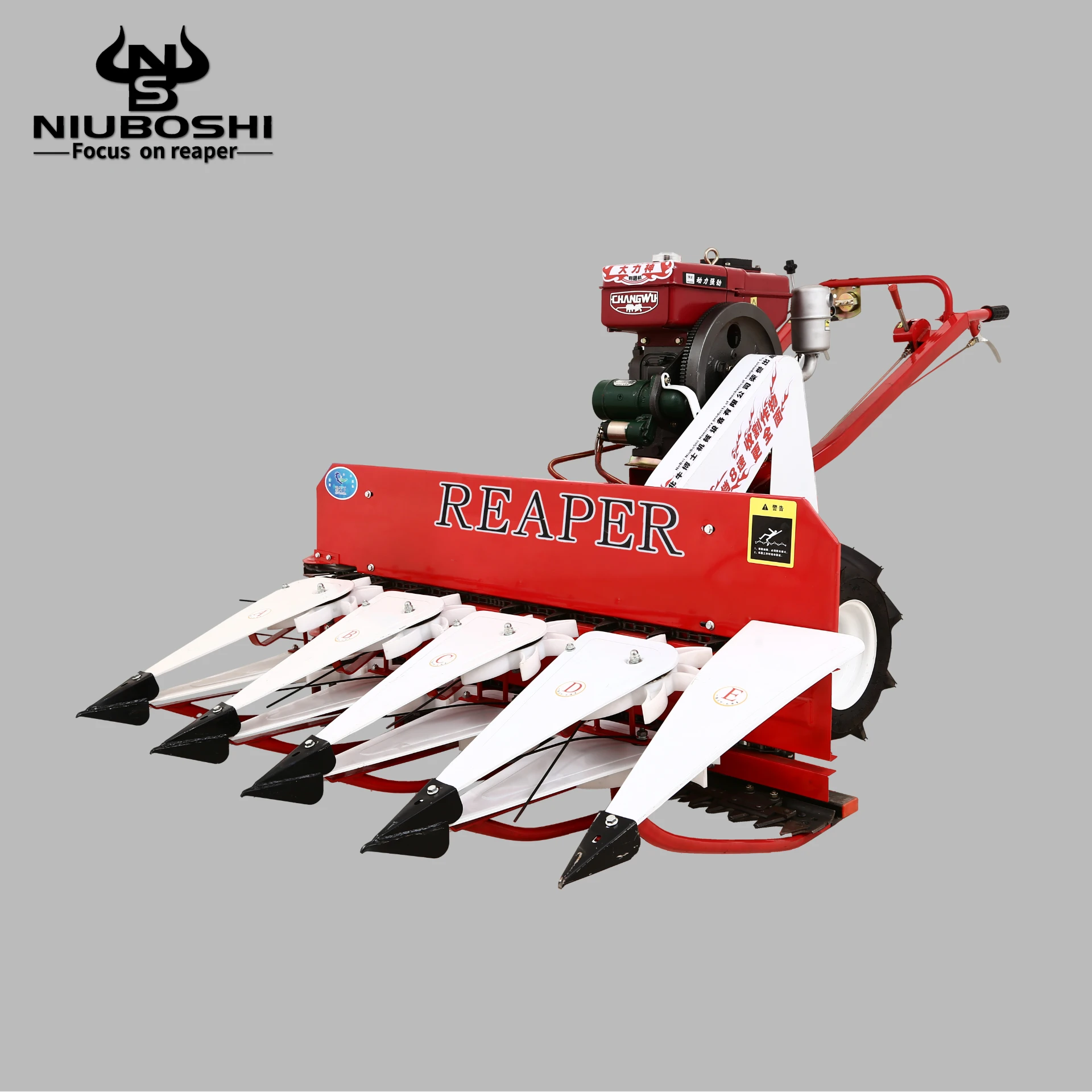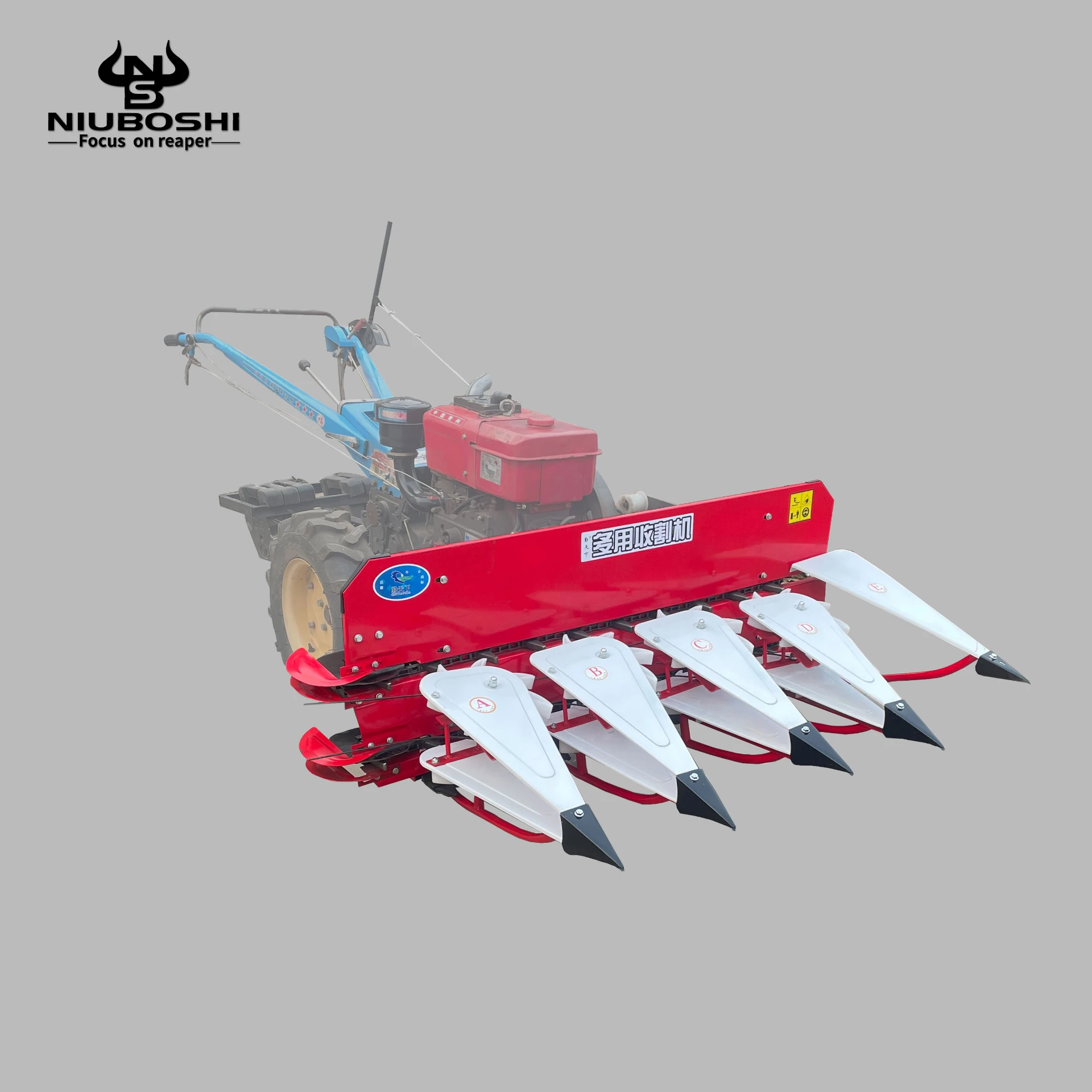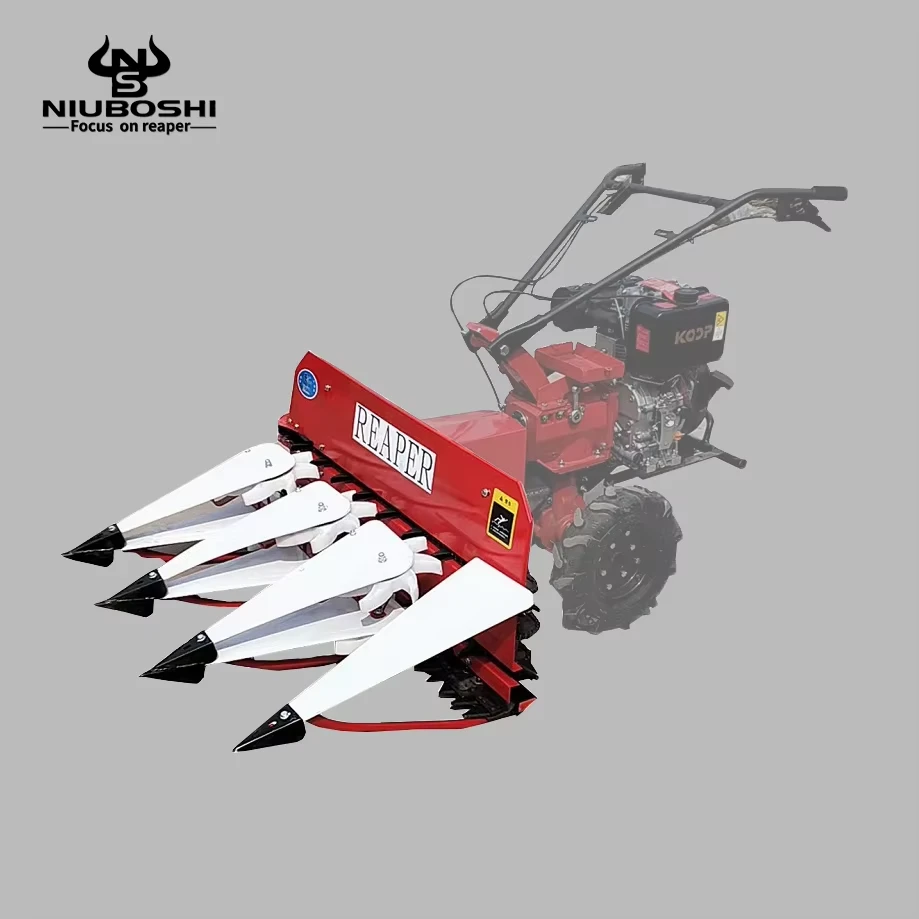
The Mini Combine: Efficient Harvesting Solutions for Modern Businesses
Mini Combine is a key solution in the industry, specifically within agricultural harvesting and light industrial processes. This article explores how https://www.hbniuboshi.com supports professionals with durable, high-performance products, and explains why this product is an ideal choice for businesses in these sectors.
Table of Contents
- Mini Combine Overview
- Benefits & Use Cases of Mini Combine
- Cost, Maintenance & User Experience
- Sustainability & Market Trends
Mini Combine Overview
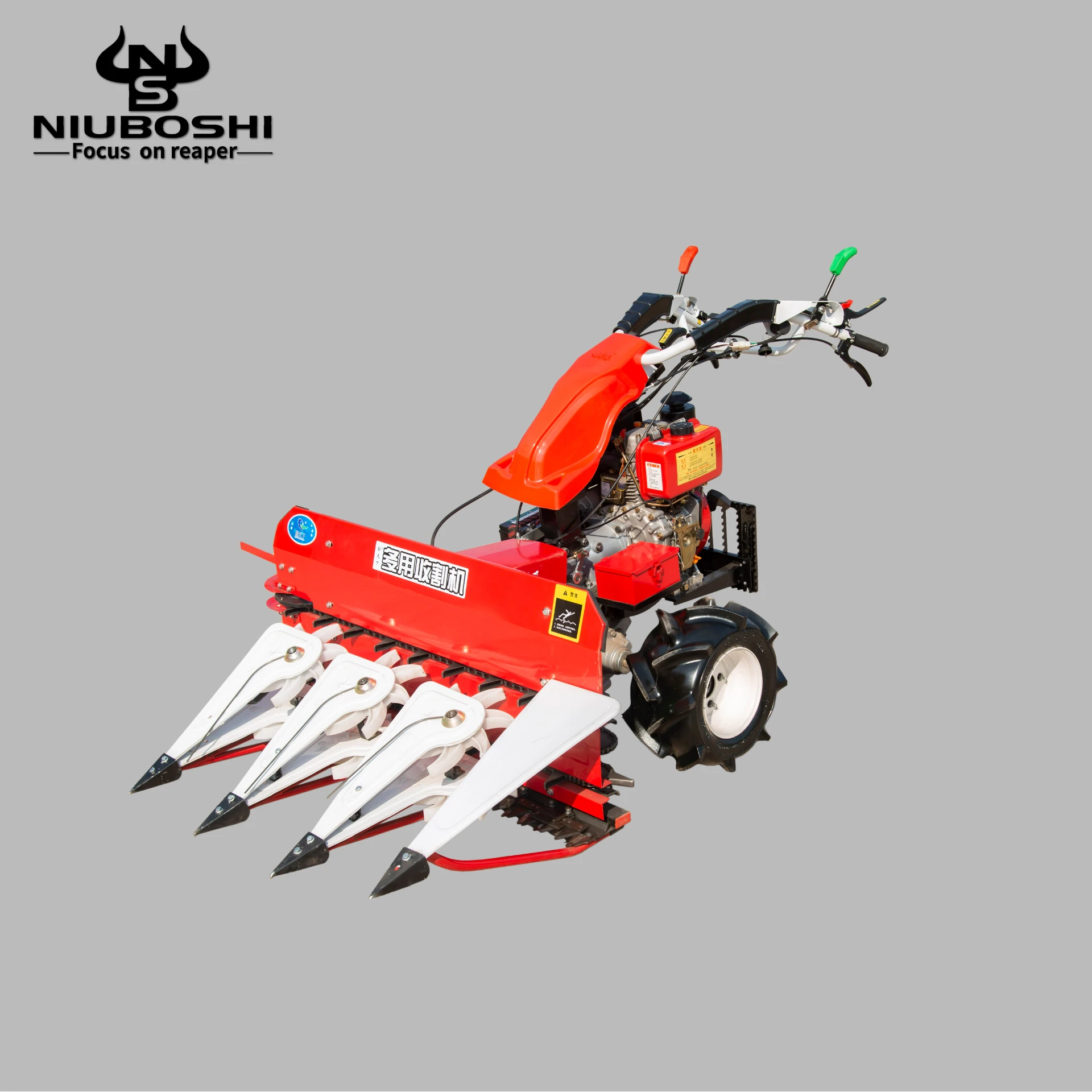
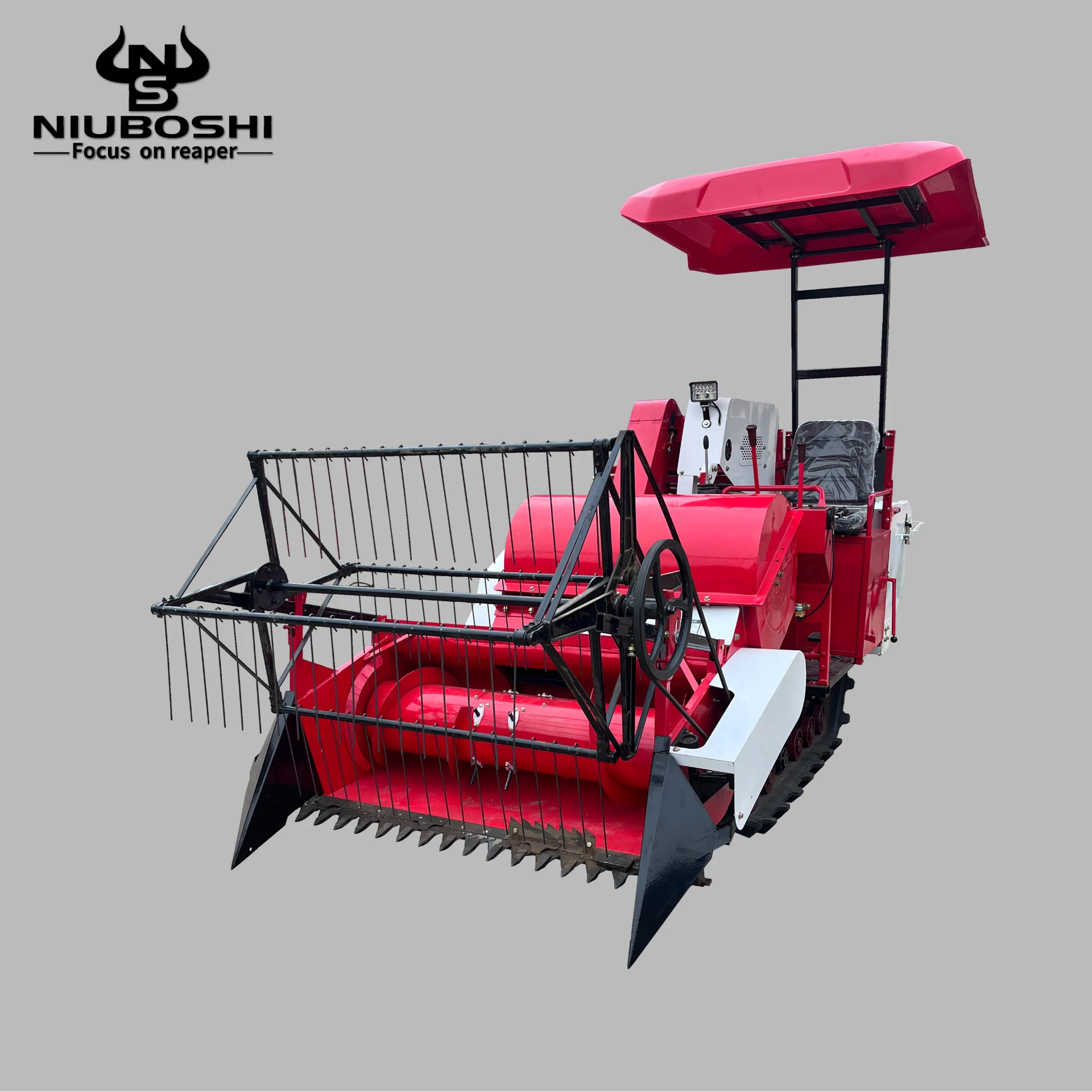
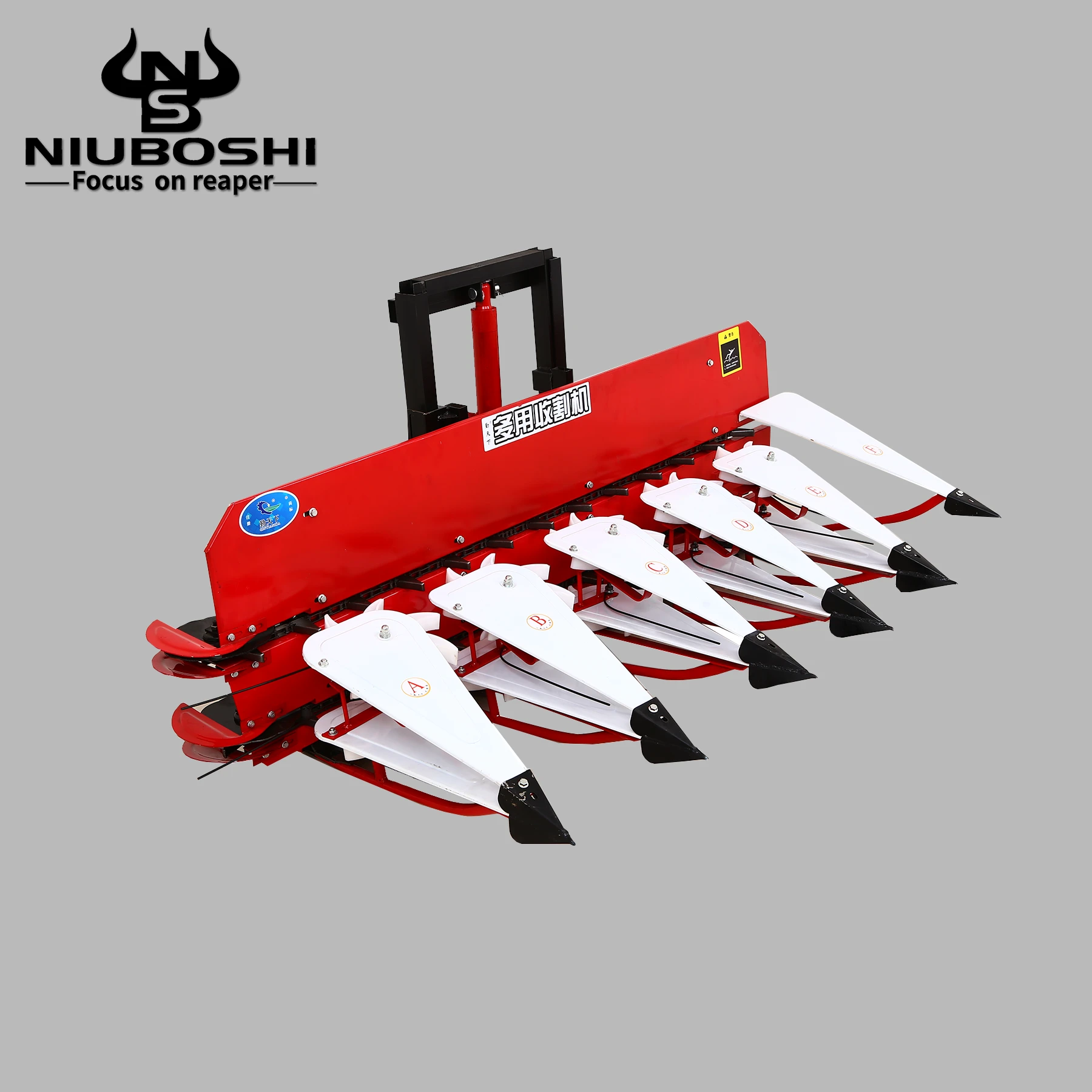
The Mini Combine combines compact design with powerful harvesting capabilities, making it a standout in sectors where space and efficiency are at a premium. Essentially, it’s a scaled-down version of the traditional combine harvester, designed especially for smaller-scale farms or targeted industrial applications.
- It’s built for versatility — handling crops like wheat, barley, and rice with remarkable efficiency despite its size.
- Technically, it features a lightweight chassis, efficient threshing and separation systems, plus user-friendly controls geared toward maximizing uptime.
For example, one case study showed a mid-sized farm reduced harvest time by 30% after switching to a Mini Combine, largely thanks to the machine’s agility and precise cutting mechanisms.
| Specification | Mini Combine Model X |
|---|---|
| Engine Power | 45 HP Diesel |
| Cutting Width | 1.5 meters |
| Threshing Drum Diameter | 450 mm |
| Grain Tank Capacity | 0.8 m³ |
| Weight | 1,250 kg |
Benefits & Use Cases of Mini Combine
In practical terms, what really sets the Mini Combine apart is its adaptability in tight conditions — something that larger, bulkier combines simply can’t manage. This makes it invaluable not only for small farms but also enterprises looking to diversify or experiment without large upfront investments.
- It excels in vineyards, orchards, and uneven terrains where traditional harvesting machinery struggles.
- Operators appreciate the fuel efficiency and ease of maneuverability, enabling longer working hours with less fatigue.
- Compared to competitors, its innovative grain separation technology reduces loss and increases output quality — a serious edge when every kilogram counts.
Cost, Maintenance & User Experience
Of course, the sticker price and upkeep are where many decision makers pause. Fortunately, the Mini Combine strikes a nice balance: it’s affordable to acquire, and its upkeep is surprisingly straightforward thanks to modular parts and accessible engine components.
- Total Cost of Ownership (TCO) tends to be much lower than using larger machines, especially when considering fuel savings and less frequent maintenance cycles.
- Customer reviews consistently mention the intuitive controls and responsive service from suppliers, which reduces downtime and lost revenue.
- One user from northern China reported a 15% ROI in their first season, attributing gains to both machine reliability and the efficient harvest windows the Mini Combine enables.
| Vendor | Price (USD) | Fuel Efficiency | Customer Ratings | Warranty (years) |
|---|---|---|---|---|
| Niuboshi | 11,000 | 8.5 L/hr | 4.7/5 | 3 |
| Competitor A | 13,500 | 9.2 L/hr | 4.3/5 | 2 |
| Competitor B | 10,500 | 9.5 L/hr | 4.0/5 | 1.5 |
Sustainability & Market Trends
Sustainability in agri-machinery is no longer a buzzword — it’s a mandate. Mini Combine’s reduced fuel consumption and smaller carbon footprint fit neatly into both current environmental regulations and growing market demands for greener farming solutions.
- The compact size means less soil compaction too, preserving arable land quality over time, which, frankly, pays dividends down the road.
- Industry growth forecasts actually suggest rising interest in machines like Mini Combine, especially in regions moving toward more sustainable, smallholder-friendly farming models.
- In real terms, using products from trusted vendors like those at HBNiuboshi means you’re also tapping into ongoing innovation supported by regulatory compliance and VOC-reduction efforts.
Frequently Asked Questions about Mini Combine
- What is Mini Combine and how does it work?
- The Mini Combine is a compact harvesting machine that integrates cutting, threshing, and grain separation in one unit. It works by cutting crops with its header, threshing them inside to separate grains from stalks, and collecting the grain efficiently for storage. Its design emphasizes maneuverability and efficiency on smaller fields or difficult terrain.
- What are the main benefits of using Mini Combine in industrial applications?
- Key benefits include compact size that saves space, fuel efficiency that lowers costs, and robust performance that increases productivity. It's also easier to maintain than larger machines and ideal for varied crops and ground conditions, reducing downtime and improving output quality.
- How does Mini Combine compare to traditional alternatives?
- Compared to traditional combines, Mini Combine offers greater agility and lower operating costs. While it may not match the capacity of large harvesters, it compensates with ease of use, fuel savings, and suitability for smaller or specialized operations — which is often exactly what smaller businesses need.
- What industries can benefit most from Mini Combine implementation?
- Primarily agricultural sectors with small to medium farm sizes, including grain production, fruit orchards, and even some industrial crop harvesting. It also finds applications in landscaping and groundskeeping where crop collection efficiency is valued.
Conclusion on Mini Combine from china
At the end of the day, the Mini Combine represents a sweet spot for businesses seeking to boost their operational efficiency without overspending on farm machinery. Durable, efficient, and backed by reputable vendors, it’s a solid choice that’s already making waves. For those interested, visit our website to explore further options: https://www.hbniuboshi.com.
- Recap the value of Mini Combine as an efficient, cost-effective harvesting solution.
- Highlight the accessible purchase options and ongoing vendor support from China-based manufacturers.
Reflecting on the Mini Combine’s place in today’s agriculture, I find it’s one of those tools that quietly transform the day-to-day realities of farms and small enterprises. Its modest size belies its impact, and judging from feedback and trends, it’s not just a passing trend but part of a meaningful shift toward smarter, more sustainable farming machinery.
Latest news
-
Maximize Harvest Efficiency with the Agro Reaper Binder MachineNewsApr.16,2026
-
Boost Harvest Efficiency with the Best Agriculture Reaper MachineNewsApr.09,2026
-
Revolutionizing Agriculture with the Efficient Agriculture Power ReaperNewsApr.07,2026
-
Comprehensive Guide to the 4 Wheel Reaper Binder for Efficient HarvestingNewsApr.04,2026
-
Comprehensive Guide to Reaperbinder Technology for Efficient Hay and Crop HarvestingNewsMar.31,2026
-
Mastering the Art of Reaper Cutting for Enhanced Agricultural EfficiencyNewsMar.28,2026