Small Rice Harvester: Efficient Mechanization for Sustainable Rice Farming
The Growing Importance of Small Rice Harvesters in Global Agriculture
Rice is a staple food for over half the world's population, and harvesting it efficiently remains a crucial challenge, especially in small-scale farms. The small rice harvester is gaining attention worldwide as a game-changer in agricultural mechanization. These compact machines bring much-needed relief to millions of subsistence farmers, enabling faster harvesting, reduced labor costs, and higher productivity. Understanding their impact is essential — not only for crop yield but for food security and rural livelihoods globally.
Global Context: Why Small Rice Harvesters Matter Today
According to the Food and Agriculture Organization (FAO), Asia alone contributes nearly 90% of the world’s rice production, but much of this comes from small farms. Unfortunately, many still rely on manual harvesting methods, which are time-consuming, labor-intensive, and susceptible to delays caused by weather or workforce shortages. The small rice harvester provides a timely solution — minimizing post-harvest losses by speeding up the process.
Global organizations, from the UN’s Food Security programs to various NGOs, have emphasized mechanization as a key step toward sustainable agriculture and rural development. The World Bank reports that countries investing in affordable mechanization see measurable improvements in productivity and farmer incomes. Still, expensive large-scale combines remain out of reach for many, which is where small rice harvesters come in.
What Exactly is a Small Rice Harvester?
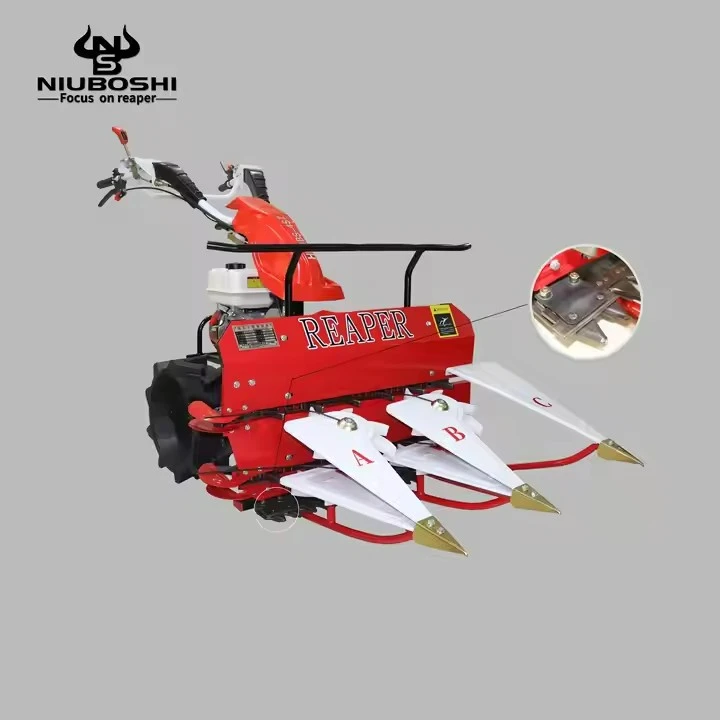
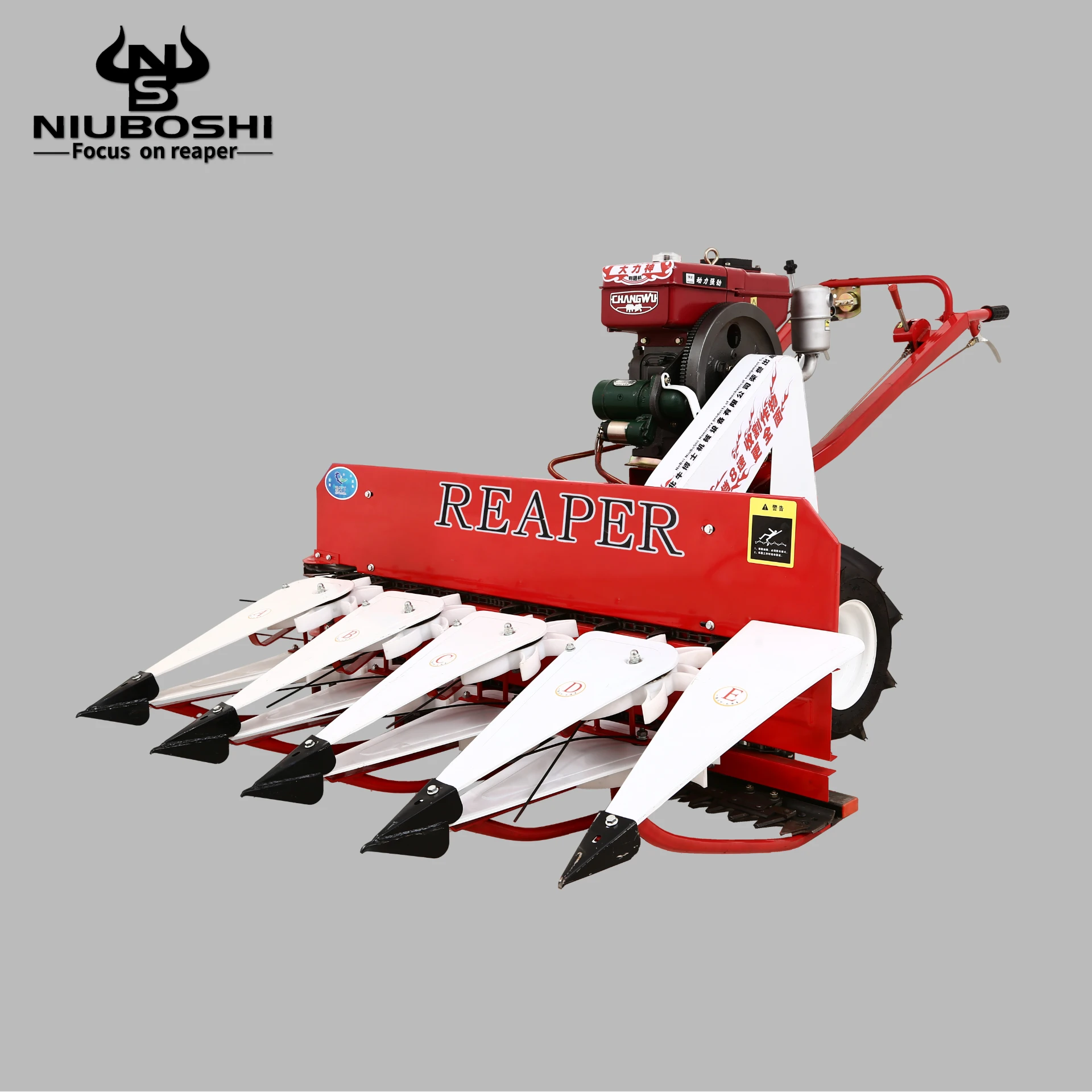
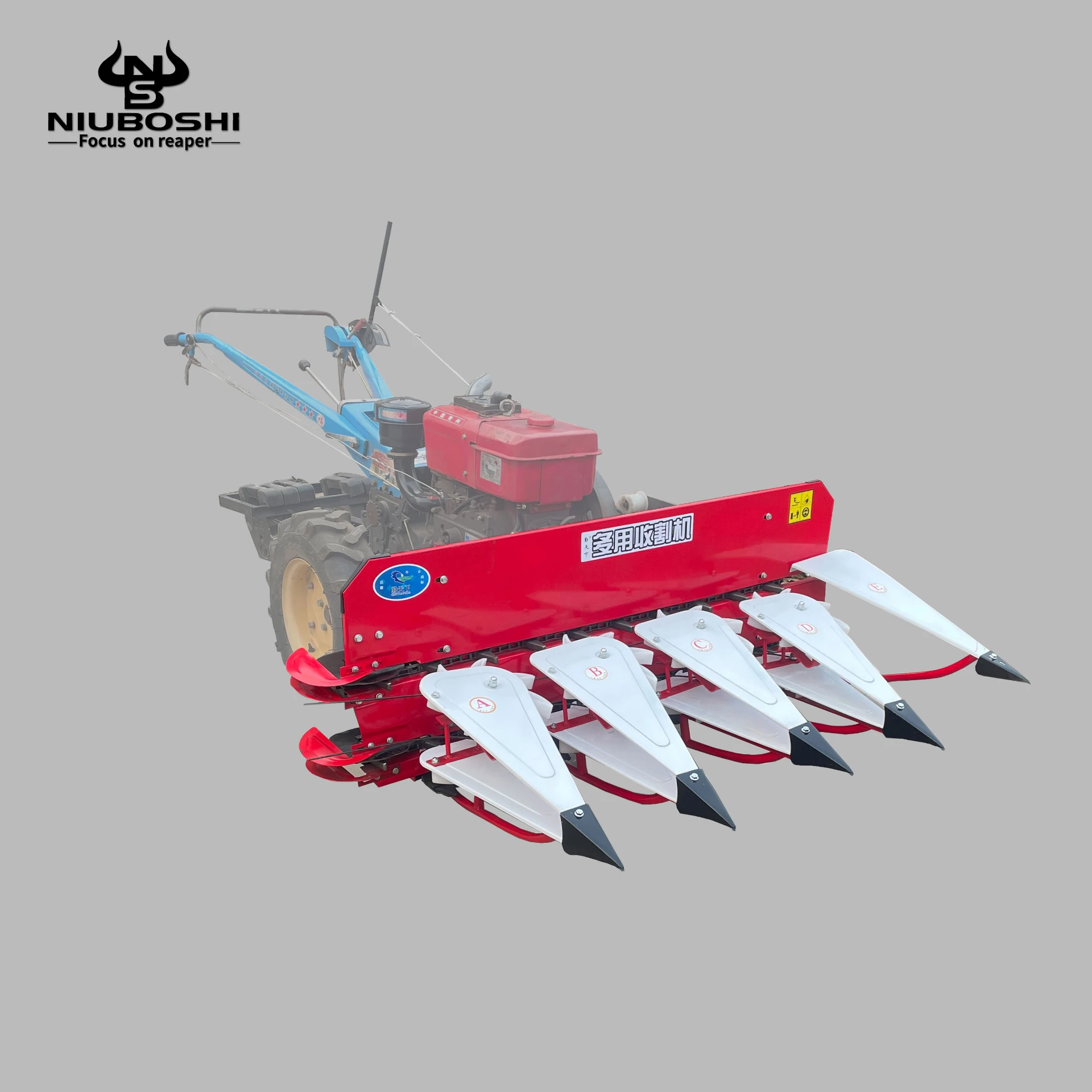
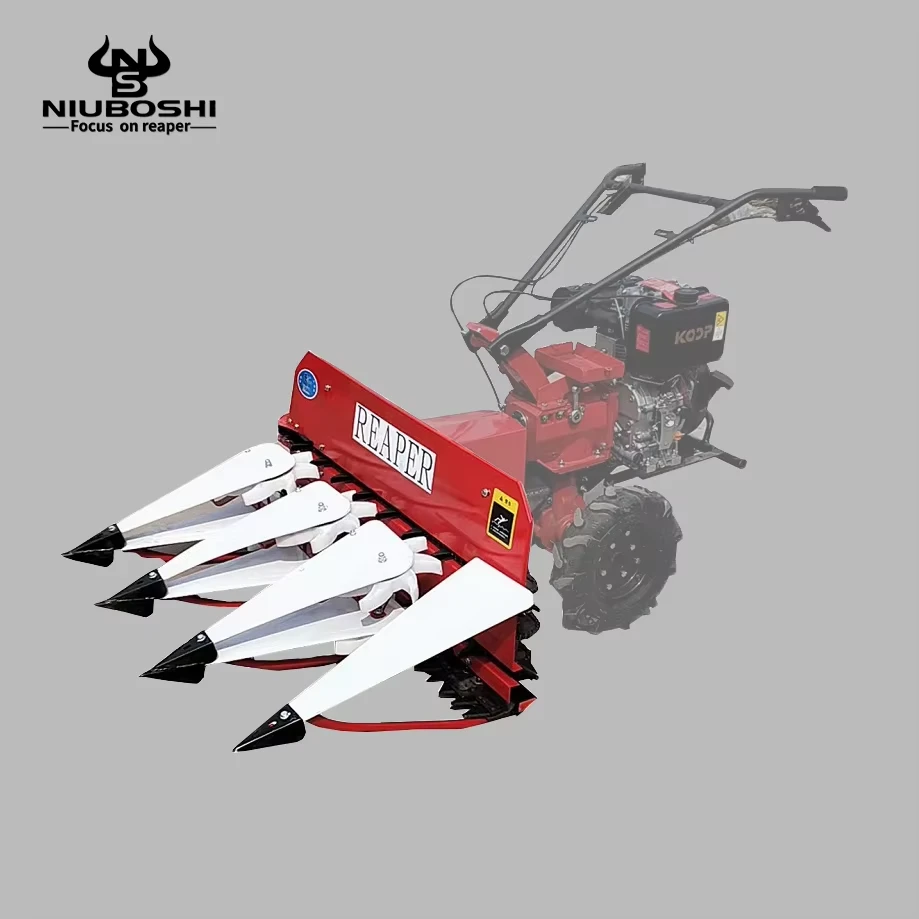
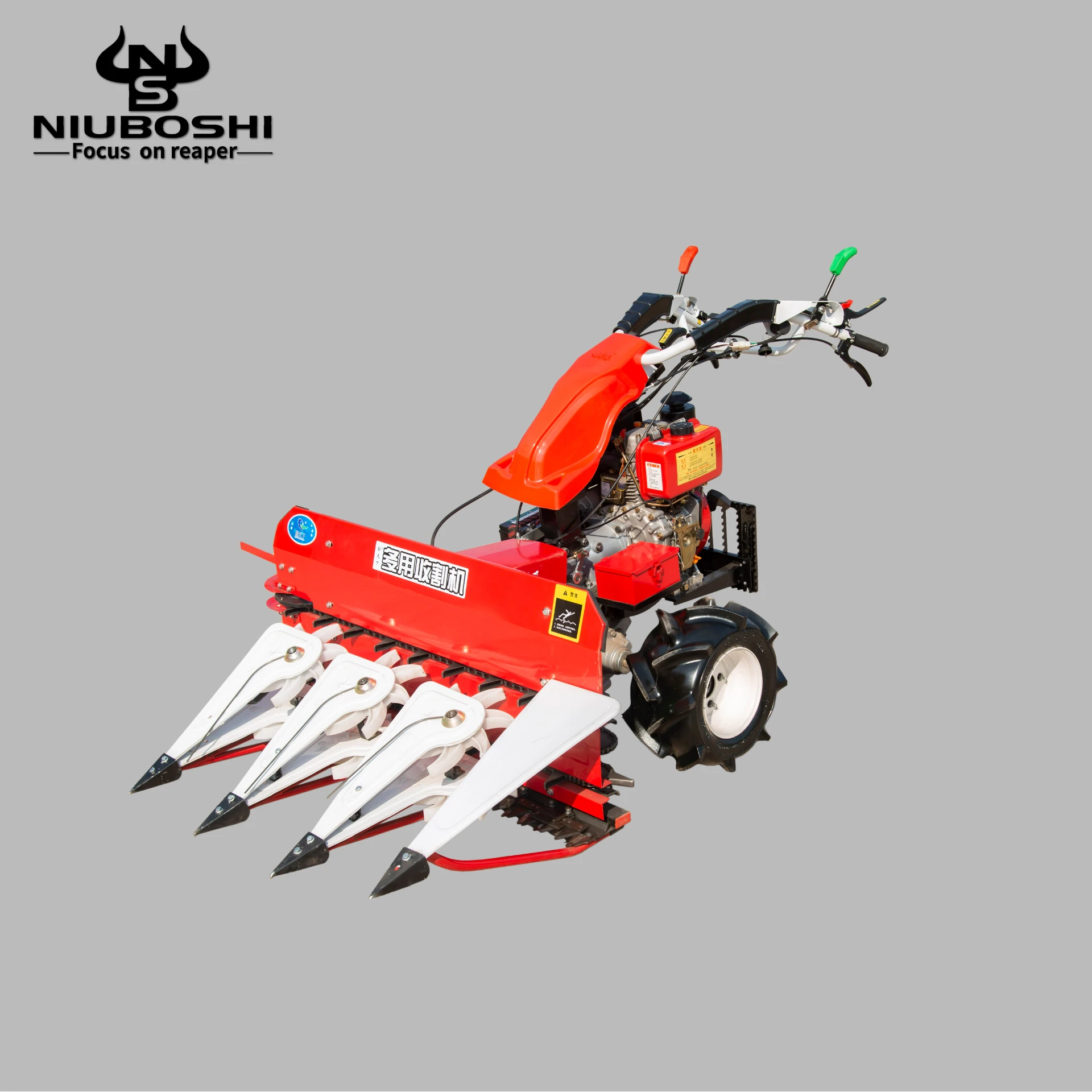
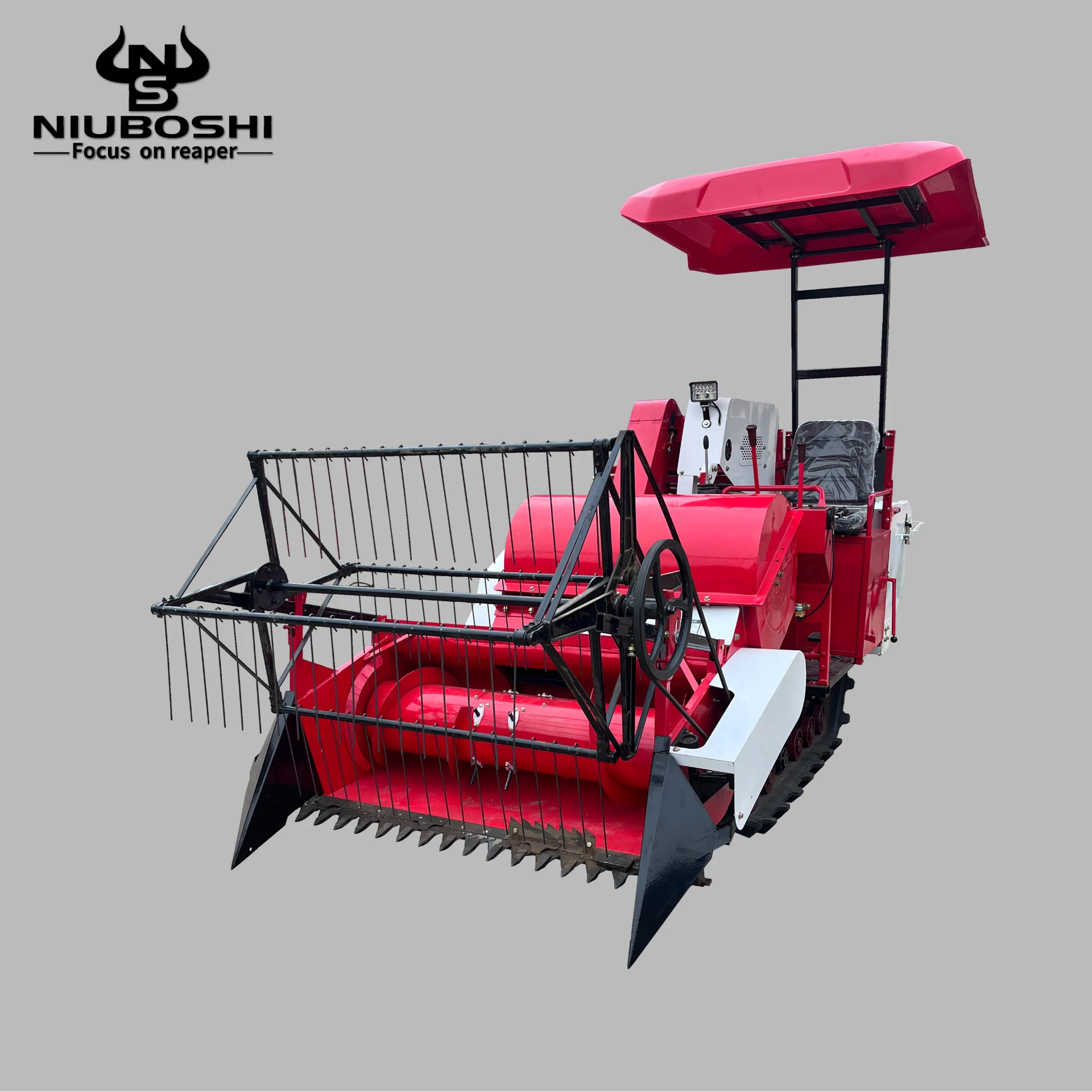
In essence, a small rice harvester is a compact, often walk-behind or mini-tractor powered machine designed specifically to cut and thresh rice crops on small or fragmented plots of land. Unlike monstrous combines designed for big farms, these harvesters prioritize maneuverability and affordability, typically weighing less than 400 kg and operable by just one person.
Technically, they combine several tasks — cutting the stems, separating grains from stalks, and collecting the rice — all in one go. This helps speed things up and reduces the strenuous manual labor traditionally involved. In humanitarian contexts, these machines even aid post-disaster areas, where quick harvests prevent food shortages and stabilize communities.
Key Features That Define Small Rice Harvesters
1. Durability
Farmers often work in tough conditions — muddy terraces, uneven fields, or humid climates. A robust frame and corrosion-resistant materials ensure the harvester endures repeated use season after season. Many manufacturers use anti-rust steel and easy-to-maintain engines, giving a lifespan of 5–7 years or more.
2. Scalability & Portability
These machines must be light enough to transport on small vehicles yet powerful to cover sizable fields efficiently. Often, they are modular for maintenance or parts replacement, which is a win for remote areas where repair shops are scarce.
3. Cost Efficiency
The initial investment is generally a fraction of what a full-size combine costs. Lower fuel consumption, minimal labor needs, and reduced post-harvest losses translate into significant savings — critical for smallholder farmers.
4. User-Friendliness
Simple controls, easy start engines (often diesel or petrol), and minimal training requirements mean even farmers without mechanization experience can use them. Accessibility drives adoption.
5. Environmental Impact
Smaller engines and less aggressive operation decrease soil compaction and pollution. Some modern harvesters now incorporate eco-friendly engines or hybrid options, aligning with global sustainability goals.
Mini takeaway: It’s a balance between ruggedness and simplicity, power and economy — small rice harvesters tick these boxes, making them uniquely suitable for the nuances of rice farming.
Real-World Applications: Where Do Small Rice Harvesters Shine?
- Asia and Southeast Asia: The epicenter of small rice farms, countries like Vietnam, Bangladesh, and the Philippines rely heavily on these harvesters to improve harvest efficiency by 30–50%, according to recent agricultural reports.
- Africa’s Emerging Markets: In nations like Nigeria and Ghana, NGOs have introduced small rice harvesters to uplift rural farmers and combat food insecurity.
- Disaster Relief Operations: Following floods or typhoons, rapid rice harvesting prevents rot and loss. Disaster response teams integrate small rice harvesters in recovery toolkits.
- Organic and Specialty Farms: Their precision and manageable size avoid damage to adjacent crops and terrain, perfect for specialized or experimental cultivation.
For instance, in a rural community in northern Vietnam, a cooperative of 50 farmers reported increased rice yield by over 20% after introducing small rice harvesters, enabling them to meet local demand without expensive labor.
Advantages & Long-Term Value of Using Small Rice Harvesters
The benefits are tangible and blend both logical and emotional aspects:
- Cost Savings: Lower initial investment and operating expenses compared to full-scale combines.
- Sustainability: Reduced fuel use and less soil disturbance promote environmental health.
- Social Impact: Less backbreaking labor, improved safety, and greater dignity for farmers who trust in technology.
- Reliability & Speed: Faster harvest cycles reduce vulnerability to weather losses.
- Innovation & Trust: Adopting this tech signals progress, fostering confidence among local communities and investors.
In short, small rice harvesters are more than machines — they’re catalysts of rural economic empowerment.
Small Rice Harvester Specifications at a Glance
| Specification | Typical Model Features |
|---|---|
| Weight | Approx. 250–350 kg |
| Engine Type | Single cylinder diesel or petrol, 7–12 HP |
| Cutting Width | 800–1200 mm |
| Harvest Capacity | 0.1–0.2 hectares per hour |
| Threshing Method | Integrated Cylinder or Rotary |
| Fuel Consumption | 1.0–1.5 L/hour |
Vendor Comparison: Who Offers What?
| Feature | Vendor A | Vendor B | Vendor C |
|---|---|---|---|
| Price (USD) | $1,200 | $1,450 | $1,100 |
| Engine Power | 12 HP Diesel | 10 HP Petrol | 9 HP Diesel |
| Warranty | 2 Years | 1 Year | 3 Years |
| Portability | Medium (requires trailer) | High (lightweight) | Medium |
| Best For | Mid-sized fields | Small fragmented fields | Budget-conscious farmers |
What’s Next? Emerging Trends & Innovations in Small Rice Harvesters
Tech evolution never stops. Frankly, it feels like yesterday these machines were simple mechanical beasts, but now, several innovations are shaping their future:
- Integration with GPS and Smart Sensors: Enhancing precision, minimizing grain loss, and even tracking maintenance schedules.
- Hybrid and Electric Powertrains: Reducing fossil fuel dependency and pollution, especially in dense farming zones.
- Adaptive Cutting Mechanisms: To handle diverse stalk sizes and wet conditions, improving efficiency in tricky terrain.
- Community Rental Models: New business models offering access without ownership, fostering wider adoption.
One could say the future leans heavily toward socio-technical synergy — where machines don’t just work but connect with the farmer’s needs.
Tackling Challenges Head-On
No technology is perfect. Here are some common hurdles with small rice harvesters, plus solutions observed:
- Maintenance & Parts Availability: Remote areas often struggle here. Solution: Vendors increasingly provide mobile service units and training local mechanics.
- Affordability: Even small units can be costly upfront. That’s where microloans, subsidies, and public-private partnerships come in.
- Technical Skills: Operating machinery can intimidate farmers. Ongoing community workshops and demonstration farms help bridge that gap.
- Suitability in Rainy or Flooded Fields: Waterproof designs, adjustable cutting height, and protective shields are evolving hand-in-hand with field realities.
FAQ: Answers to Common Questions About Small Rice Harvesters
- Q1: Can a small rice harvester work efficiently on terraced or irregular fields?
- A: Yes, many models are designed with agility in mind, featuring adjustable cutting widths and tread patterns to handle uneven terrain. However, performance varies, so selecting a model suited for your field’s topography is key.
- Q2: How does using a small rice harvester impact labor needs?
- A: It significantly reduces manual labor—what used to take teams of workers days may be accomplished by one operator in a few hours, liberating labor for other farm tasks or even non-agricultural work.
- Q3: Is it cost-effective to maintain a small rice harvester?
- A: Generally yes. Routine maintenance is straightforward and affordable, but unexpected repairs can be costly without proper support. That's why choosing suppliers with good after-sales service matters.
- Q4: Can these machines thresh as well, or is separate equipment needed?
- A: Many small rice harvesters combine cutting and threshing, but the efficiency differs among models. For very large volumes, supplementary threshers might still be used.
- Q5: Where can I buy reliable small rice harvesters?
- A: Local agricultural dealers, specialized manufacturers, and online platforms, including our recommended site small rice harvester, offer a variety of options depending on your needs.
Wrapping Up: Small Rice Harvester — A Small Machine with Big Impact
The small rice harvester sits at a fascinating intersection of technology, economy, and social progress. It empowers farmers, conserves time and resources, and nurtures sustainable agricultural practices. As innovation continues, the humble small rice harvester promises to reshape rural landscapes even further.
If you’re considering stepping into mechanized harvesting or upgrading your gear, I encourage you to explore our offerings — the right machine can make all the difference.
Happy harvesting, and may your fields flourish!
References
Latest news
-
Maximize Harvest Efficiency with the Agro Reaper Binder MachineNewsApr.16,2026
-
Boost Harvest Efficiency with the Best Agriculture Reaper MachineNewsApr.09,2026
-
Revolutionizing Agriculture with the Efficient Agriculture Power ReaperNewsApr.07,2026
-
Comprehensive Guide to the 4 Wheel Reaper Binder for Efficient HarvestingNewsApr.04,2026
-
Comprehensive Guide to Reaperbinder Technology for Efficient Hay and Crop HarvestingNewsMar.31,2026
-
Mastering the Art of Reaper Cutting for Enhanced Agricultural EfficiencyNewsMar.28,2026