Mini Paddy Harvester – Affordable & Efficient Rice Harvesting Solutions
Mini Paddy Harvester: Compact Efficiency for Tomorrow's Rice Fields
Rice feeds half the world’s population, so any tool that makes harvesting that essential grain easier and more cost-effective truly matters on a global scale. That’s where the mini paddy harvester enters the picture—small, nimble, and surprisingly powerful. Understanding these machines isn’t just about farming tech; it relates to food security, rural livelihoods, and sustainable agriculture worldwide.
Why Mini Paddy Harvesters Are Becoming a Global Game-Changer
Rice cultivation spans every continent but is especially crucial in Asia, Africa, and parts of Latin America. According to the Food and Agriculture Organization (FAO), nearly 90% of global rice production happens in smallholder farms, many of which can’t afford large, expensive machinery. This creates a challenge: How to harvest rice efficiently without huge investments? Mini paddy harvesters answer that call — offering affordable, scalable tech suited for smaller fields.
In countries like India, Bangladesh, and Vietnam, these compact machines have increased harvest speed by up to 40%, reducing labor costs and post-harvest losses. That’s significant at a time when rural populations face shrinking farm sizes and aging workforces.
What Exactly Is a Mini Paddy Harvester?
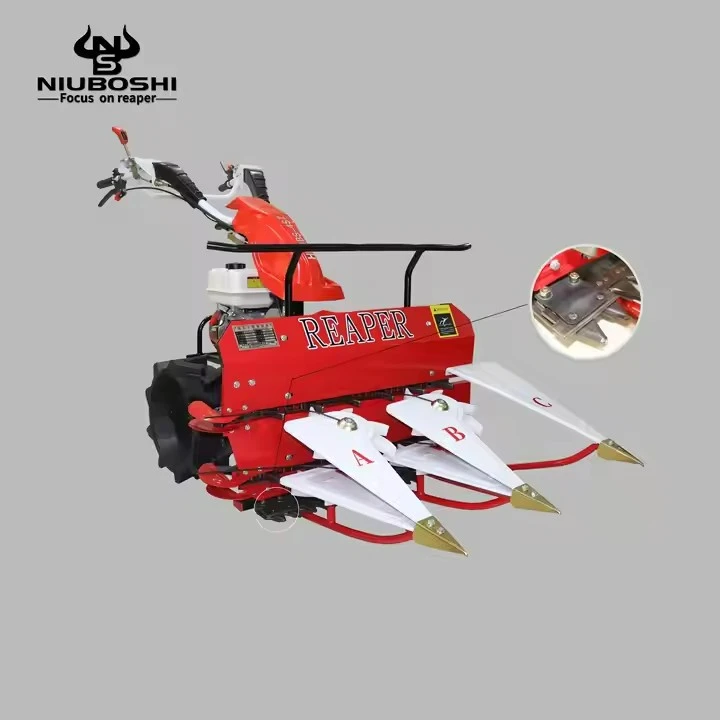
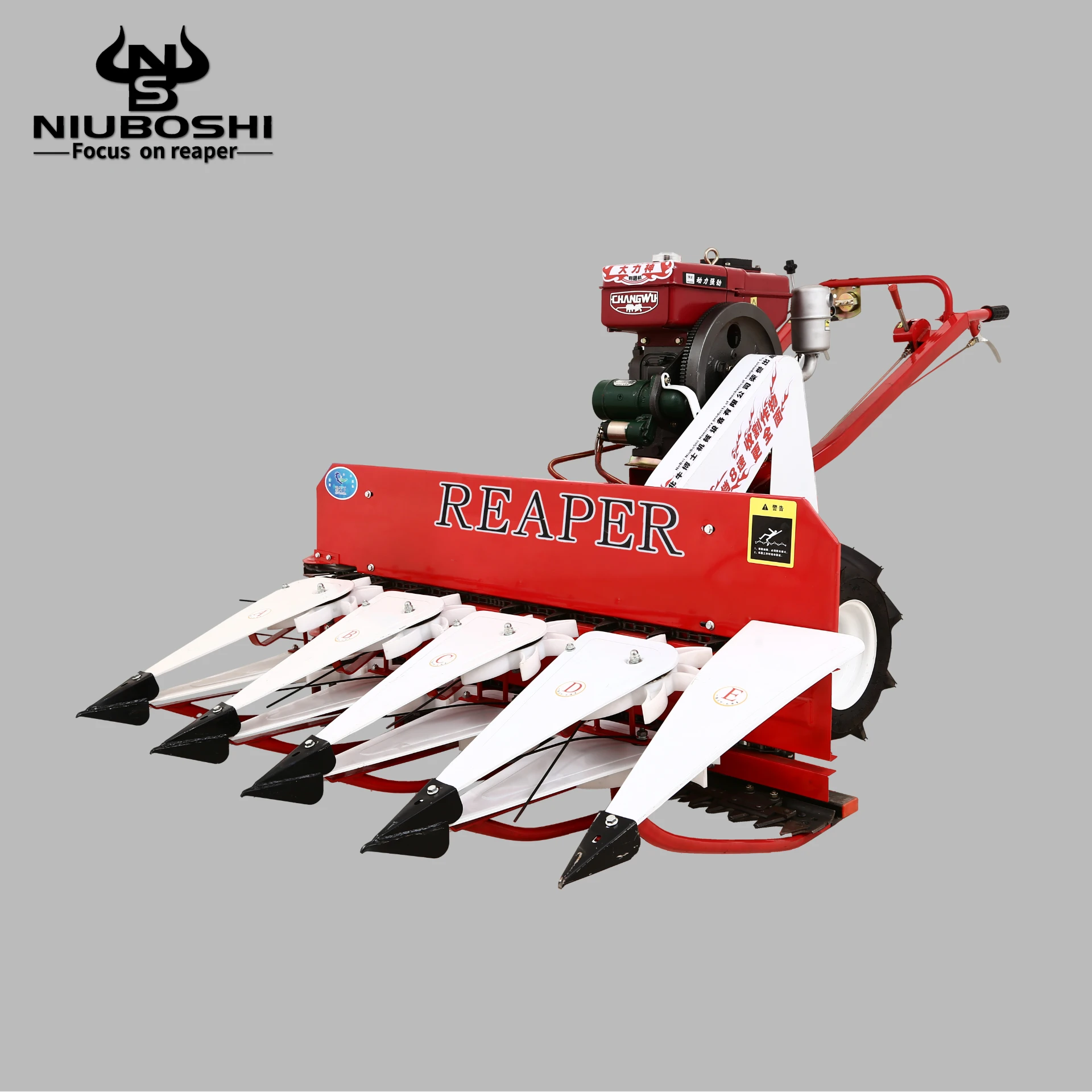
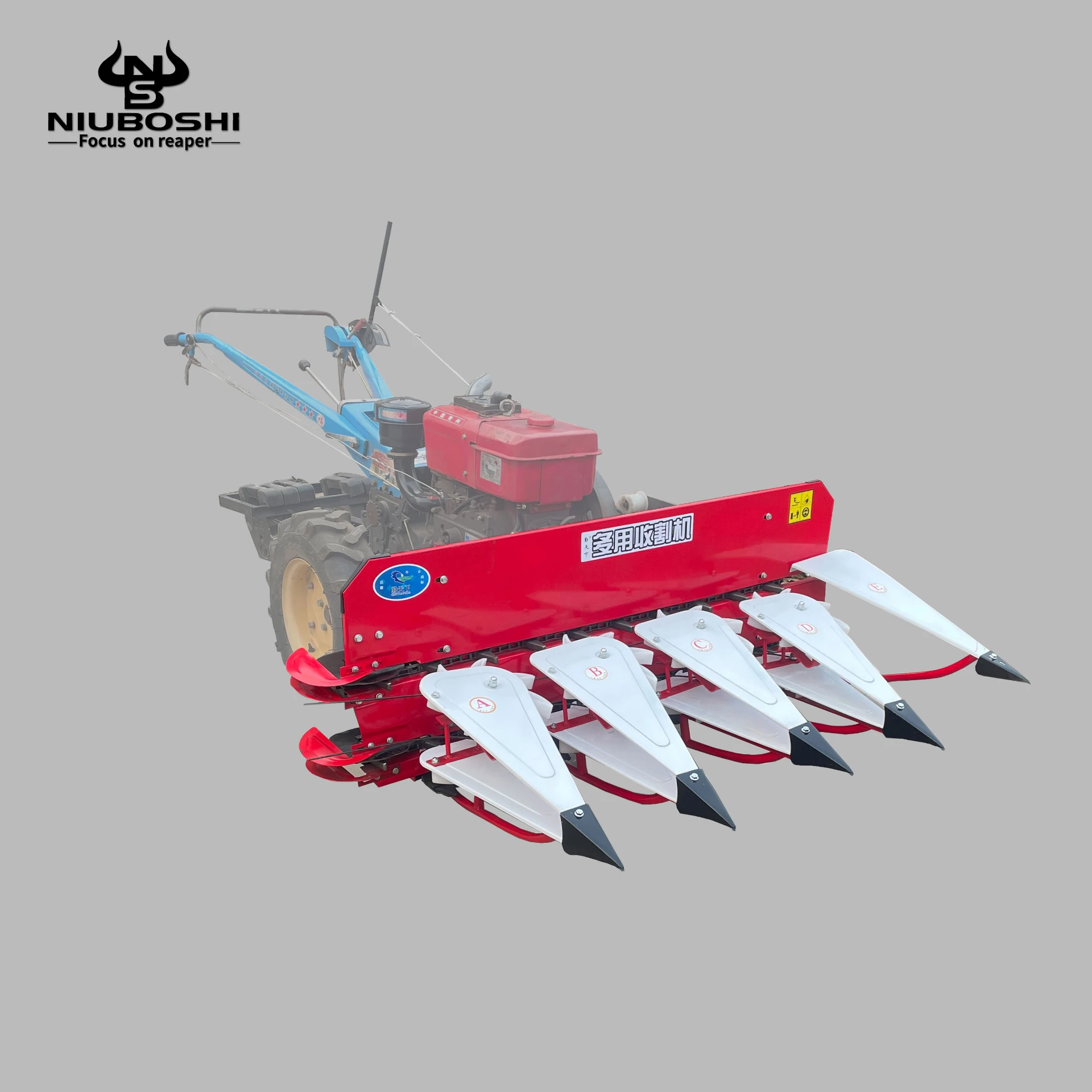
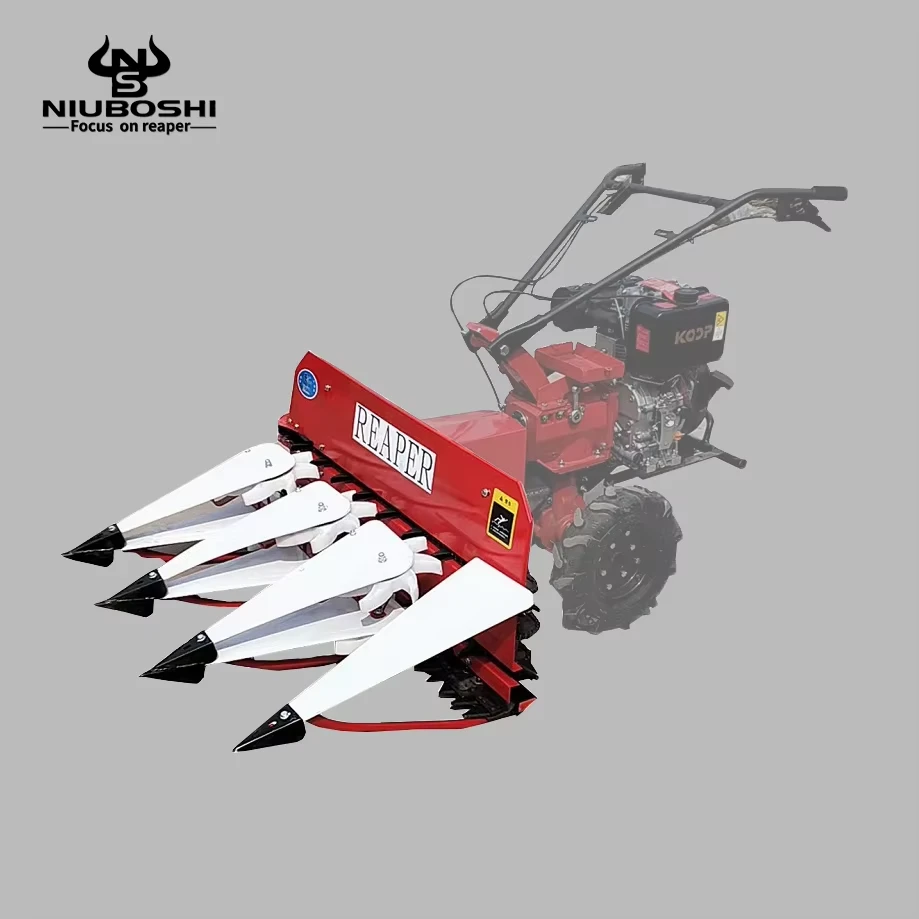
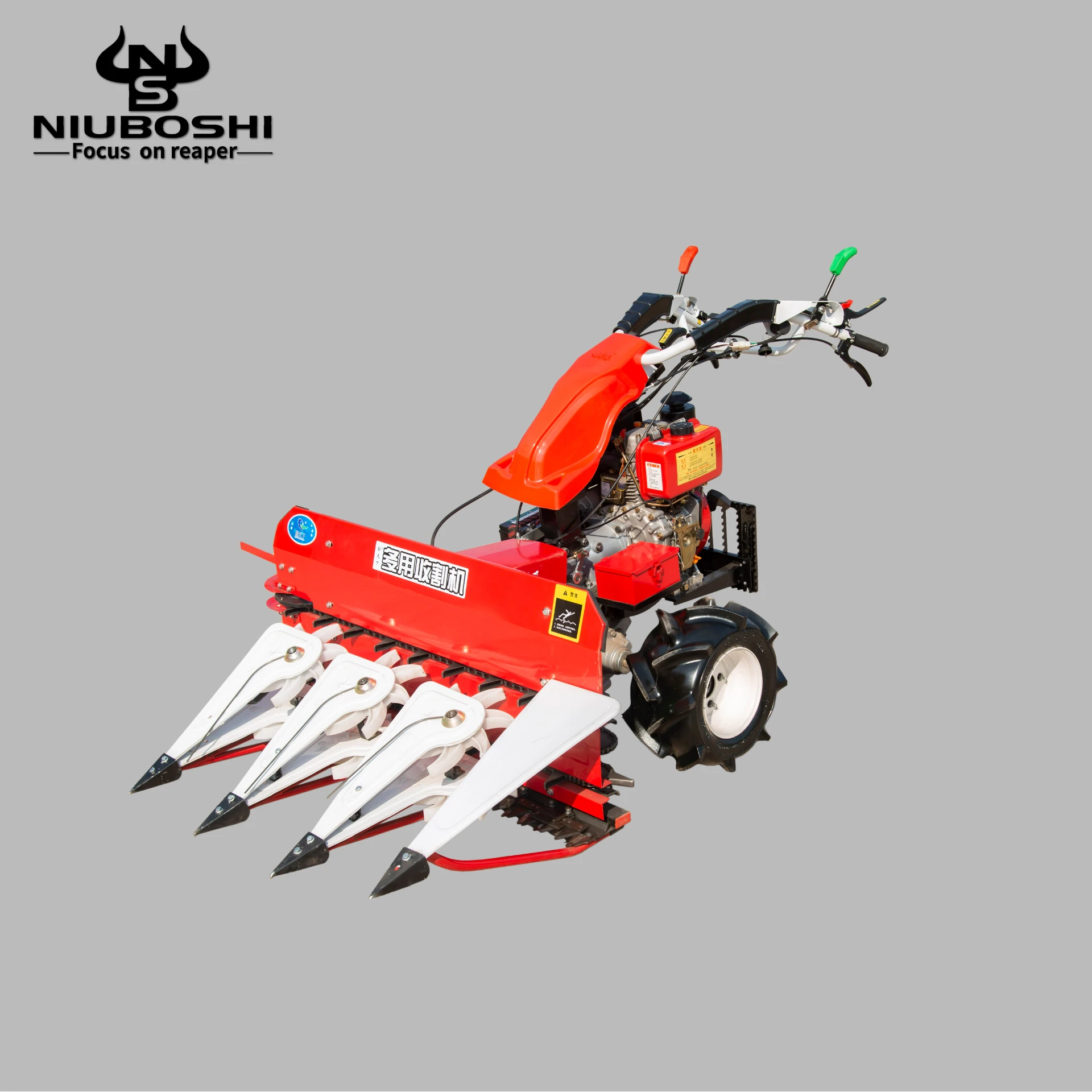
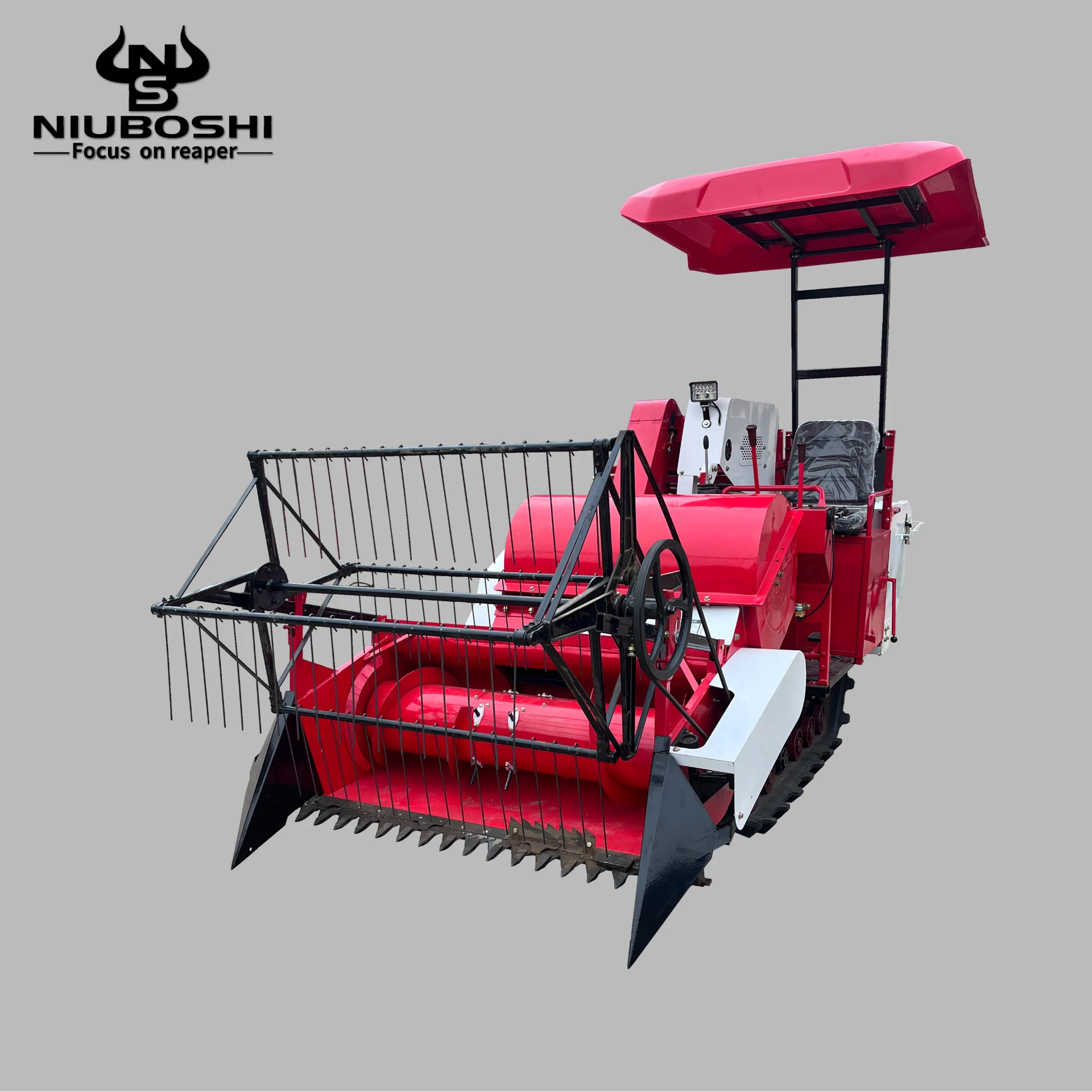
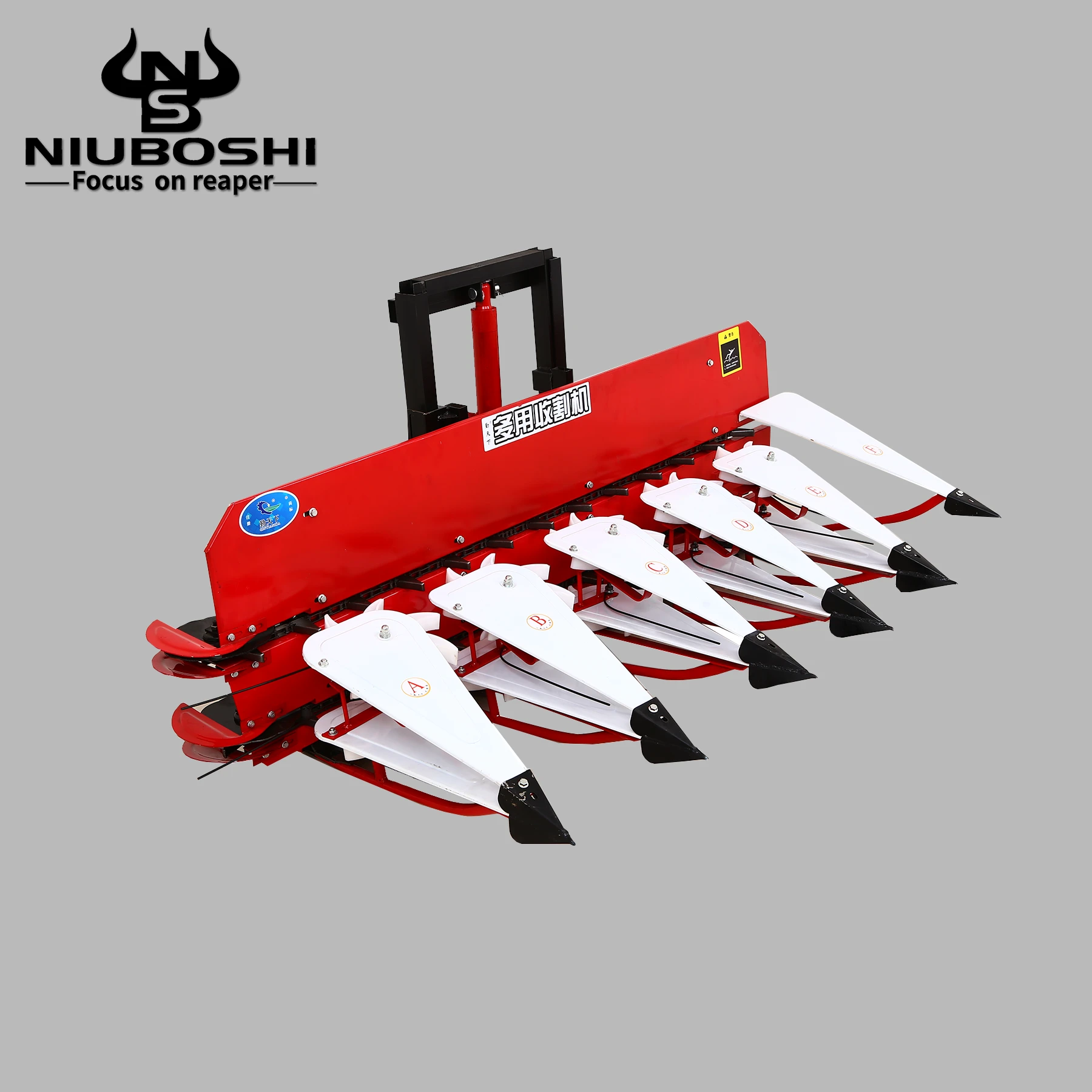
At its core, a mini paddy harvester is a downsized combine designed specifically for rice (or paddy) harvesting on smaller plots of land. Unlike big combines used on vast farms, these mini harvesters are lightweight, more maneuverable, and often optimized to work in wet or uneven terrains where traditional machines struggle. They're usually diesel-powered or sometimes petrol, equipped with cutting and threshing units compact enough to handle paddies under 2 hectares efficiently.
These machines bridge a simple yet vital gap: modern mechanized harvesting to farmers who historically relied on manual labor or sickle cutting — a time-consuming and backbreaking process. It’s also an indirect humanitarian boost, easing rural poverty by raising productivity and crop quality.
Key Aspects That Make Mini Paddy Harvesters Practical
1. Durability
Most models boast sturdy steel frames and corrosion-resistant parts, given their exposure to muddy, wet environments during harvest season. A reliable machine means less downtime — a key concern during the narrow harvesting window.
2. Scalability and Size Matters
The compact design suits fragmented landholdings typical in Asia and Africa. Its smaller footprint allows entry into narrow fields and terraces where larger harvesters simply won’t fit.
3. Cost Efficiency
From purchase to fuel, mini harvesters cost considerably less to maintain. For farms averaging 0.5 to 2 hectares, this translates into a reduced capital barrier and quicker ROI compared to full-sized combines.
4. Ease of Operation
Many models are designed with farmers in mind who are less experienced with heavy machinery. Controls are simplified, sometimes including training support from vendors or government programs.
5. Environmental Sustainability
Lower fuel consumption and reduced soil compaction make mini harvesters a greener choice, particularly important to meet environmental standards set by governing bodies globally.
Mini takeaway: The design of mini paddy harvesters thoughtfully balances engineering robustness with real-world farming conditions, offering a practical solution for millions of smallholder farmers.
How Mini Paddy Harvesters Are Making a Difference Worldwide
Their impact shines most in South Asia — in states like West Bengal and Uttar Pradesh, where small farms are the norm. In fact, government subsidy programs have pushed their adoption up by 25% in recent years. Meanwhile, countries like the Philippines and Indonesia are expanding use into flood-prone regions, where quick, lightweight machines help farmers beat unpredictable weather.
Beyond Asia, NGOs working in Sub-Saharan Africa see mini paddy harvesters as tools to modernize traditional farming, increasing yields and food availability. For example, a pilot project in Senegal combined training with access to mini harvesters, doubling productivity on test plots.
Even on remote farms in Latin America and parts of Europe, smaller mechanized solutions find traction because they reduce dependency on seasonal labor — a growing challenge everywhere.
Advantages that Outweigh the Costs
- Lower operational expenses: Mini harvesters consume less fuel and need simpler maintenance.
- Faster harvests: Speeding up harvest cycles prevents rice losses to storms or pests.
- Social empowerment: By mechanizing labor-intensive tasks, farmers gain time and improve quality of life.
- Environmental benefits: Reduced soil damage and emissions align with sustainable agriculture principles.
- Reliability: Many vendors offer modular spare parts designed to be replaced in the field — limiting costly downtime.
Future Trends: What’s Next for Mini Paddy Harvesters?
Technology keeps pushing this niche forward. Automated steering is beginning to enter the mini harvester world, borrowing from precision agriculture trends. Imagine GPS-guided harvesters that optimize cutting paths, minimizing overlap and fuel use.
Green energy developments have also introduced electric mini harvesters, although the challenge remains significant given field conditions. Still, battery improvements and solar power integrations could soon make these machines more eco-friendly.
Digital monitoring systems — offering real-time feedback on machine health or yield data — are also becoming standard, enabling farmers to fine-tune operation and maintenance schedules.
Common Challenges and How Experts Propose Solutions
Adoption is not without hurdles. For many farmers, the initial cost, however lower than full combines, is still a stretch. Microlending schemes or cooperative ownership models are emerging to address this.
Also, the diversity of rice varieties and field types means a single machine can’t be one-size-fits-all. Manufacturers are increasingly offering modular attachments or customizable features to meet local needs.
Finally, operator training remains crucial. A trend shows governments partnering with vendors to provide hands-on workshops, ensuring the machines are used to their full potential.
FAQs About Mini Paddy Harvester
- Q1: How much area can a mini paddy harvester cover in a day?
- A typical mini paddy harvester can manage approximately 1 to 3 hectares per day, depending on field conditions and operator experience. This is ideal for small farms where rapid but precise harvesting is needed.
- Q2: Are mini paddy harvesters suitable for all rice varieties?
- Most mini harvesters are designed to handle common rice types, but adaptability depends on the model. Some allow adjustments for grain length and stalk height, making them versatile across different cultivars.
- Q3: What maintenance is required to keep a mini paddy harvester running smoothly?
- Routine tasks include cleaning debris to prevent clogging, checking blades for wear, lubricating moving parts, and ensuring the diesel engine is serviced as per guidelines. Many vendors provide easy-to-follow manuals.
- Q4: Can mini paddy harvesters operate in flooded or muddy paddies?
- Yes, one selling point is the lightweight design and track systems that improve traction in wet, muddy terrain compared to conventional harvesters.
Mini Paddy Harvester Specifications At a Glance
| Specification | Details |
|---|---|
| Engine Type | Diesel, 7-15 HP |
| Cutting Width | 900 mm to 1200 mm |
| Weight | 400 to 600 kg |
| Fuel Consumption | 1.5 to 2.5 liters/hour |
| Threshing Capacity | Up to 1.5 tons/hour |
| Price Range | $1,200 - $3,500 USD |
Comparing Top Mini Paddy Harvester Suppliers
| Vendor | Base Price (USD) | Warranty | Key Feature |
|---|---|---|---|
| AgriCompact Co. | $1,300 | 2 years | Low fuel consumption |
| RicePro Ltd. | $1,800 | 3 years | Adjustable threshing |
| HarvesTech Solutions | $2,500 | 3 years | GPS-assisted steering |
If you’re curious to see these harvesters in action or want to explore your options, I recommend checking out trusted suppliers, including our recommended partner, mini paddy harvester. Their models balance affordability with innovative features worth exploring.
A Brief Reflection on the Mini Paddy Harvester Revolution
Walking through rice fields with these small machines buzzing efficiently instead of sickles clinking by hand, you realize it's not just about technology but progress — small machines empowering small farmers, boosting productivity, and nudging global food security forward. Sure, there’s room for improvement, especially in affordability and tech integration, but mini paddy harvesters already show us how thoughtful engineering can serve real-world needs.
References
Latest news
-
Maximize Harvest Efficiency with the Agro Reaper Binder MachineNewsApr.16,2026
-
Boost Harvest Efficiency with the Best Agriculture Reaper MachineNewsApr.09,2026
-
Revolutionizing Agriculture with the Efficient Agriculture Power ReaperNewsApr.07,2026
-
Comprehensive Guide to the 4 Wheel Reaper Binder for Efficient HarvestingNewsApr.04,2026
-
Comprehensive Guide to Reaperbinder Technology for Efficient Hay and Crop HarvestingNewsMar.31,2026
-
Mastering the Art of Reaper Cutting for Enhanced Agricultural EfficiencyNewsMar.28,2026