Comprehensive Guide to Reaper for Mini Tractor: Technology, Benefits & Trends
Understanding the Reaper for Mini Tractor: A Game Changer in Small-Scale Farming
The reaper for mini tractor is more than just an attachment; it’s a transformative tool that’s quietly reshaping how smallholder farmers and agricultural entrepreneurs approach harvesting. Globally, agriculture accounts for nearly 28% of employment, according to the UN Food and Agriculture Organization (FAO), with millions dependent on smaller farm units. That’s why efficiently harvesting crops on compact farms is critically important—not just for food security but economic sustainability.
Why focus on mini tractor reapers? Because they solve a universal challenge: scaling mechanization down without losing efficiency. Traditional harvesters often require large tractors awkward for smaller plots, and manual harvesting, while precise, is painfully slow and labor-intensive. This gap has left many smallholders without affordable, practical solutions...
Introduction: The Global Context of Mini Tractor Reapers
In developing nations especially, farms are typically small, fragmented, and labor resources limited. Data from the World Bank indicates that nearly 80% of farms in Asia and Africa are smaller than 2 hectares. Large machinery simply isn’t feasible there. Enter the reaper for mini tractor: a relatively compact, affordable mechanization solution that boosts harvest speed and reduces labor.
This trend is gaining momentum alongside rising food demand; the UN projects population growth to hit 9.7 billion by 2050, pushing farms to be more productive. Yet small farms must find cost-effective methods without buying huge equipment. Mini tractor reapers offer an answer by striking a balance between mechanization and accessibility.
What Is a Reaper for Mini Tractor?
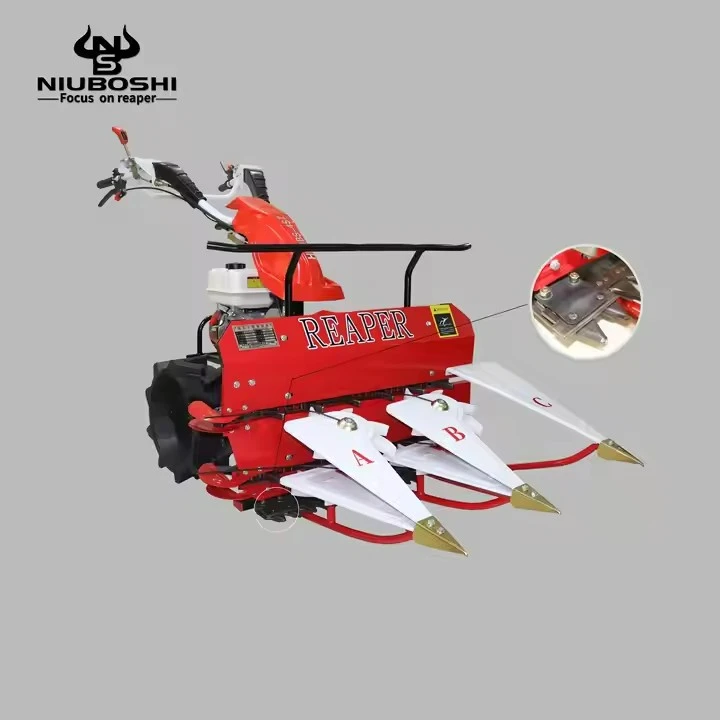
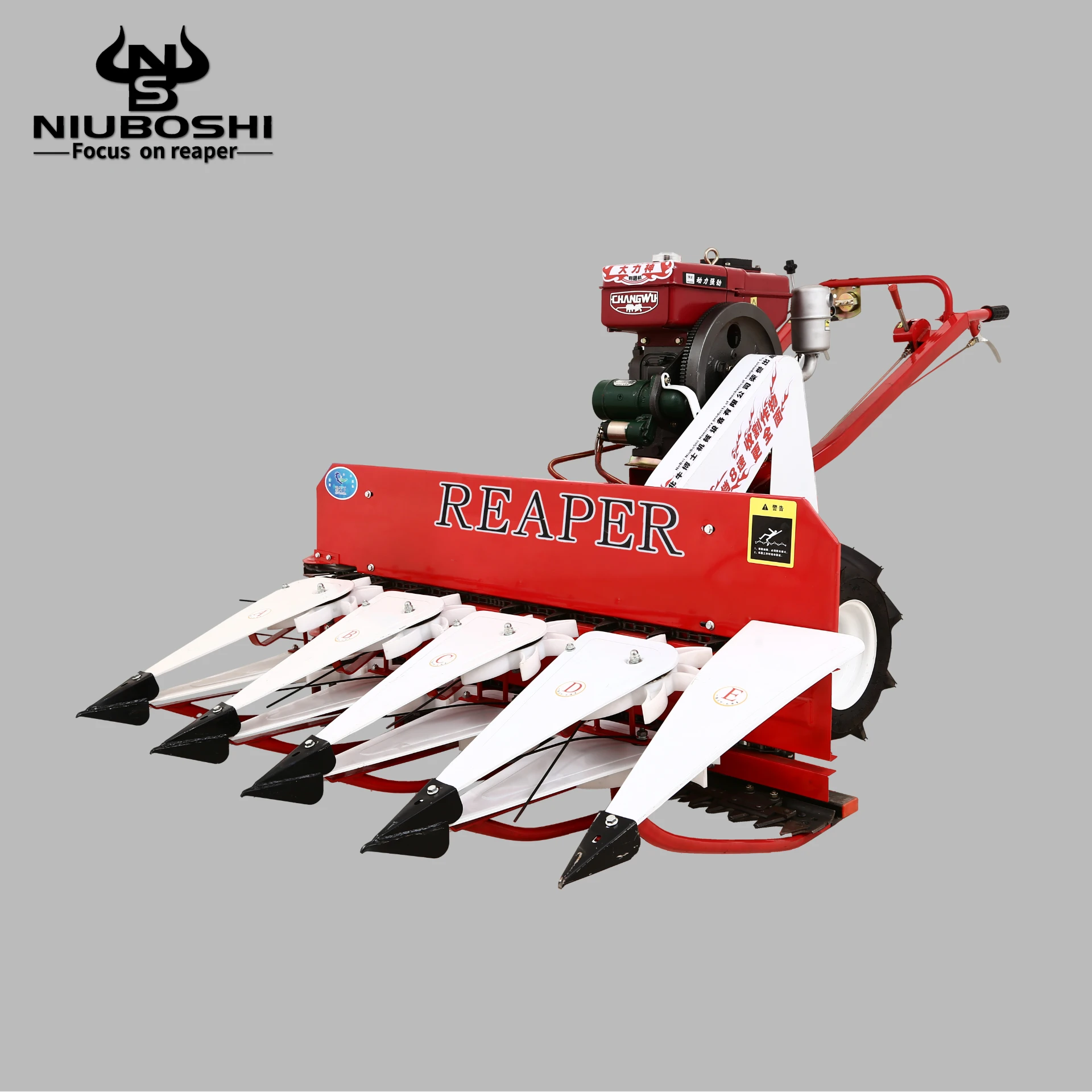
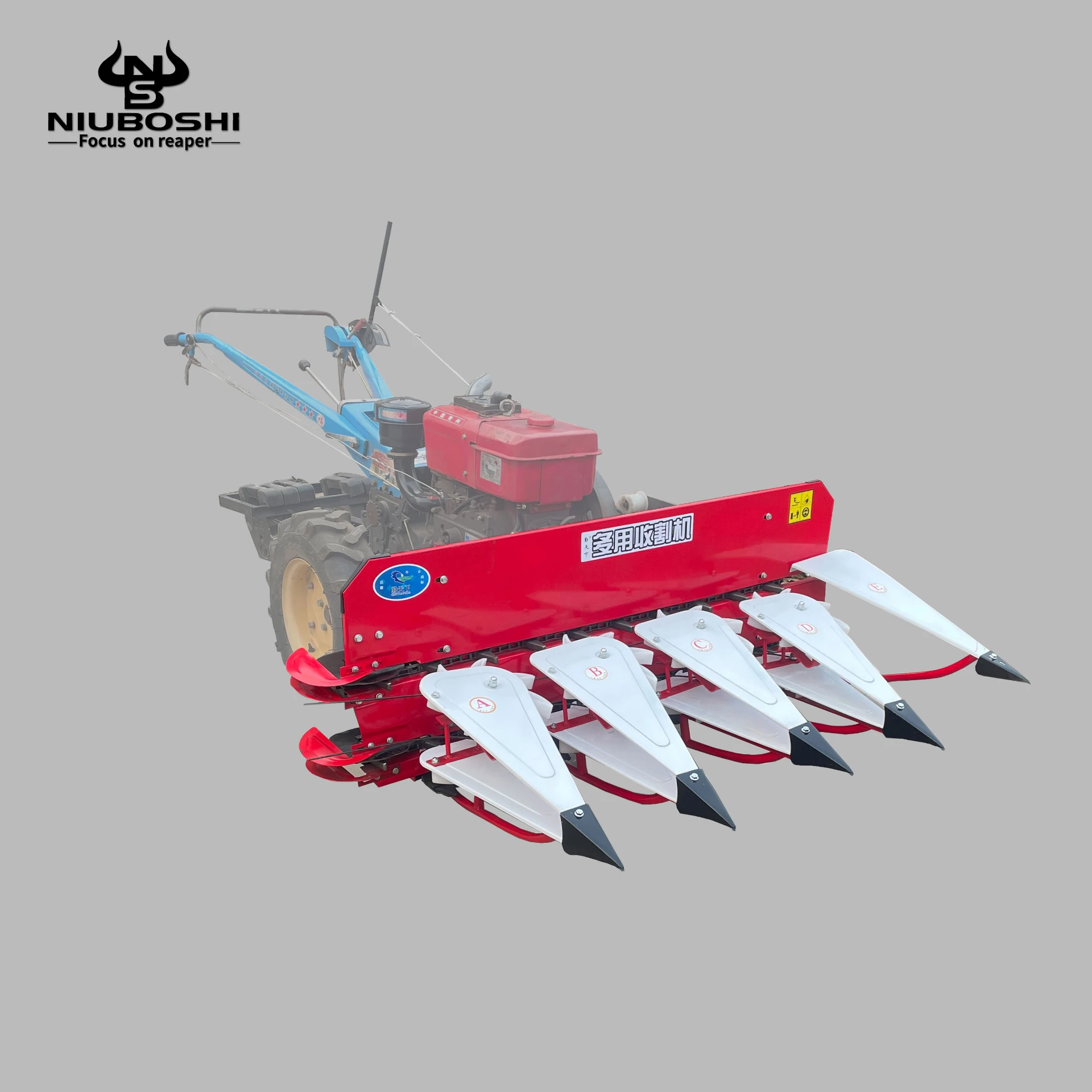
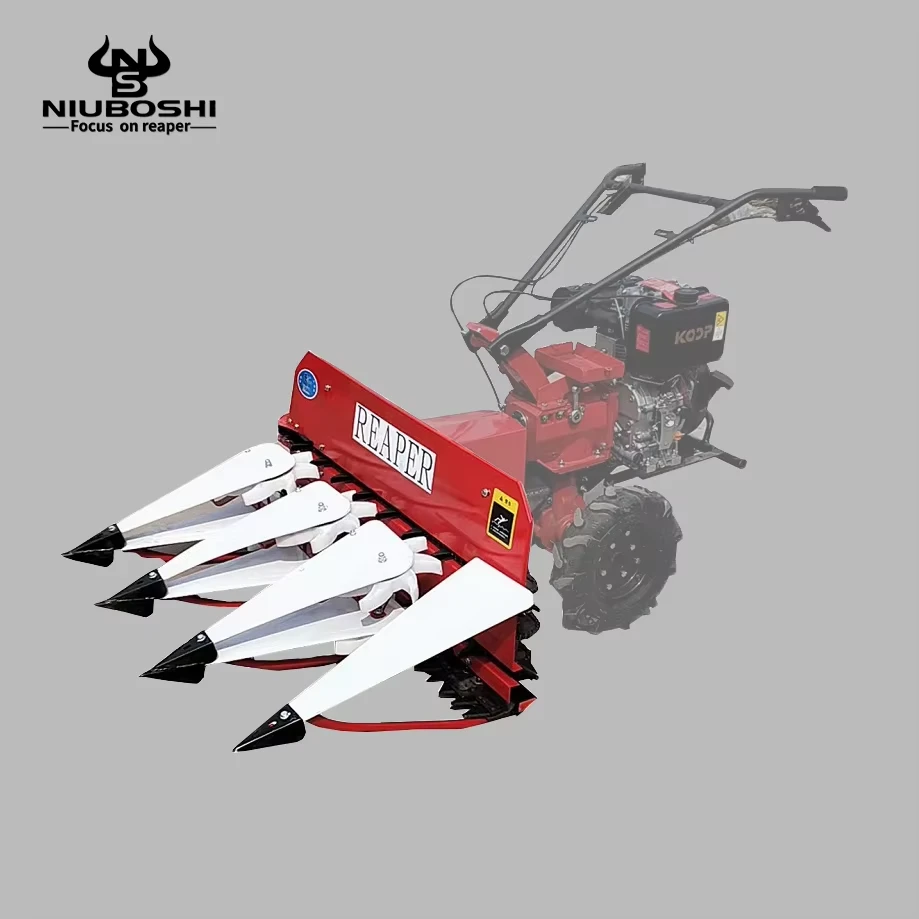
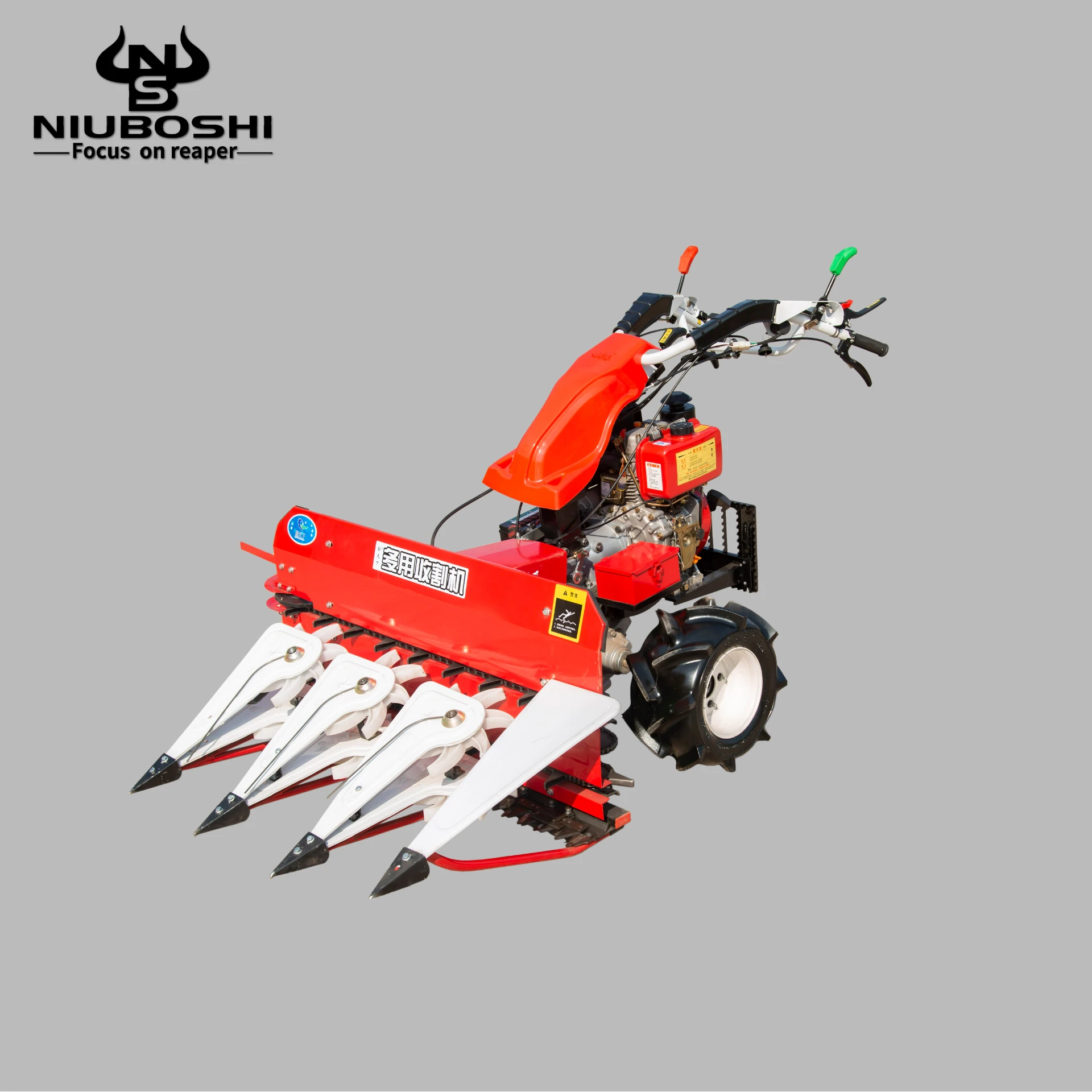
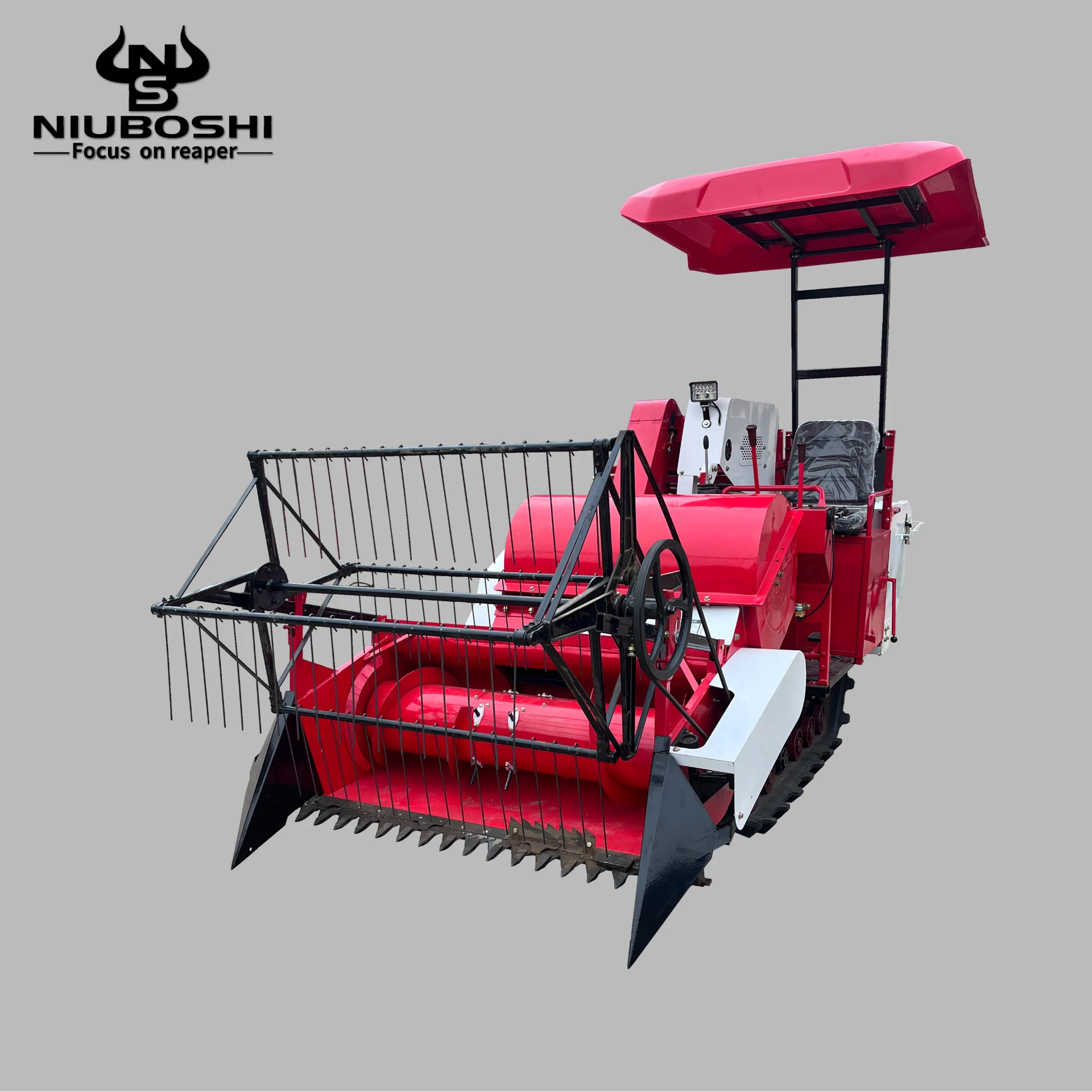
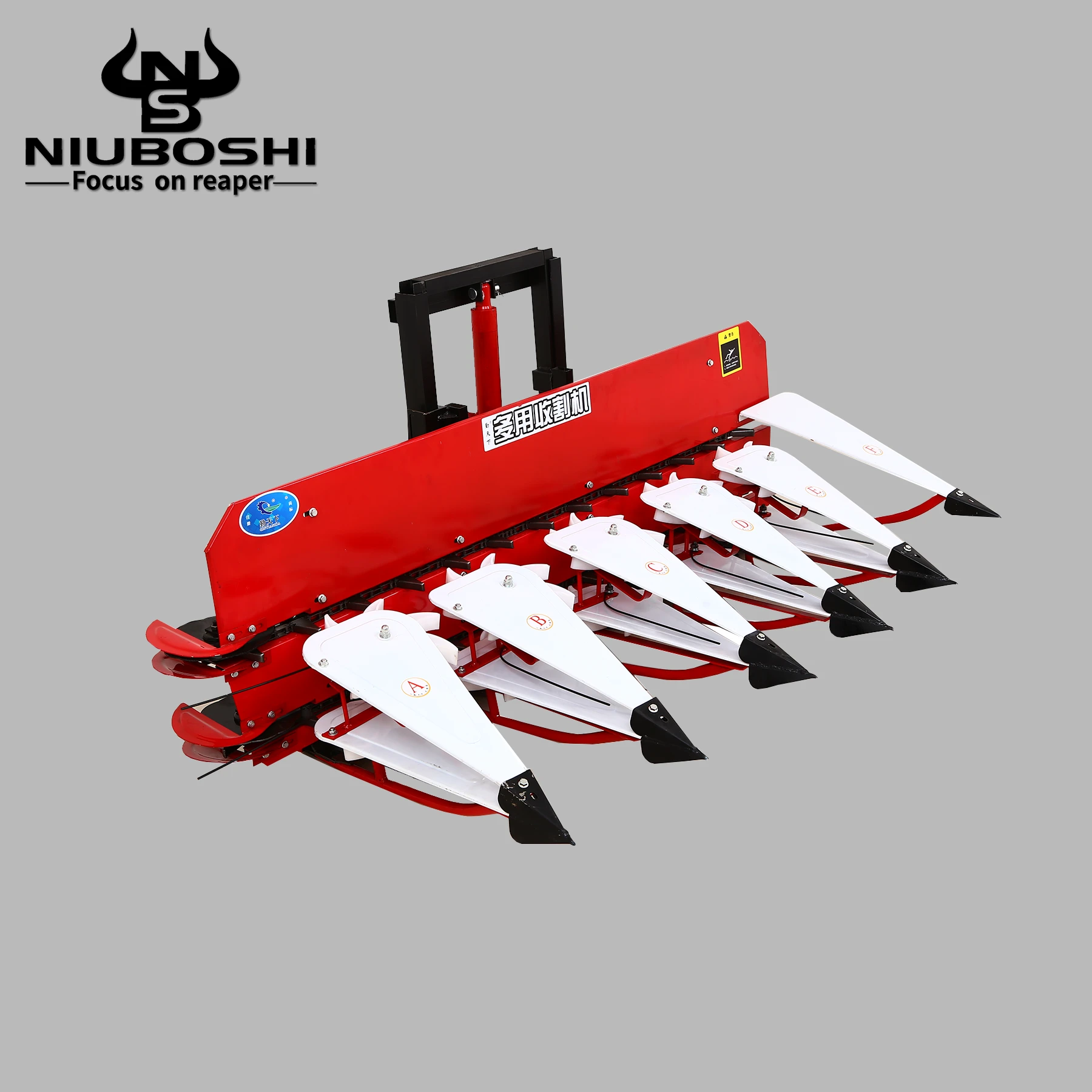
Simply put, a reaper for mini tractor is a mechanical device attached to a small tractor (usually under 30 horsepower) designed to cut and gather crops like wheat, rice, barley, and even certain grasses. Unlike full-sized reapers or combine harvesters, these are smaller, lighter, and compatible with compact tractors common in hilly or fragmented terrain.
While manual harvesting remains common, these reapers greatly lighten the physical workload. From an industry perspective, they're a step forward in democratizing agricultural technology, enabling small-scale farmers to modernize without massive investments. They also help reduce post-harvest losses by enabling timely cutting, crucial in climates prone to sudden rain.
Key Factors of the Reaper for Mini Tractor
1. Durability and Build Quality
Mini tractor reapers typically face varied field conditions—mud, stones, uneven terrain. Good machines are built from tough steel alloys with corrosion resistance to handle extended use. Parts like sickle blades must stay sharp but durable, a tricky balance that manufacturers solve via tempered steel components.
2. Scalability and Versatility
Many models come with adjustable cutting widths (ranging roughly from 1.0m to 1.8m). This allows farmers to tailor harvesting speed to field size and crop types—whether dense cereal grain fields or lighter fodder grasses. Versatility extends to ease of attaching/detaching to various mini tractor brands and models.
3. Cost Efficiency
The beauty of these reapers lies in their affordable price point relative to larger machines. Initial investment is low, and ongoing maintenance costs remain manageable. In real terms, this means faster ROI for farmers who otherwise might depend on expensive hired labor for harvesting.
4. Ease of Use
Simple-to-operate designs aid smallholder farmers who may have limited machinery experience. Many manufacturers emphasize lightweight construction, making it easier to handle even when detached. Training or mechanical literacy often isn’t a barrier.
Typical Product Specifications
| Specification | Typical Range | Notes |
|---|---|---|
| Cutting Width | 1.0 - 1.8 meters | Adjustable on many models |
| Power Requirement | 15 - 30 HP tractors | Compatible with mini tractors |
| Weight | 150 - 220 kg | Light enough for manual handling |
| Cutting Speed | 4 - 6 km/h | Depends on tractor and terrain |
Global Applications and Use Cases
Mini tractor reapers find their sweet spot in various regions:
- South Asia: India, Nepal, and Bangladesh rely heavily on these attachments where fragmented landholdings are typical.
- Africa: Countries like Kenya and Tanzania use these to boost yields on family farms that larger machines can’t access.
- Latin America: Small coffee or grain plantations in parts of Peru and Colombia benefit from mechanized harvesting without breaking the bank.
- Post-disaster relief: In situations where harvest windows are short due to climate shocks, quick-attachment reapers help save food stocks.
For example, a rice farmer in Vietnam using a reaper for mini tractor noted a 50% reduction in harvest time compared to manual cutting, improving income stability and reducing crop losses during unexpected rainfalls.
Advantages & Long-Term Value
Frankly, the benefits extend well beyond just cutting speed:
- Cost Savings: Lower labor costs and better yield retention.
- Sustainability: Less pronounced soil compaction from lightweight machines compared to larger harvesters.
- Social impact: Reduces physical strain on farmworkers, promoting safer work conditions.
- Reliability: Proven tech—many models have decades of field use and incremental improvements.
Vendor Comparison: Popular Mini Tractor Reaper Brands
| Brand | Cutting Width | Compatible Tractor HP | Price Range | Warranty |
|---|---|---|---|---|
| AgriPro | 1.5m | 20-30 HP | $1,200 - $1,500 | 2 years |
| FarmTech | 1.2 - 1.8m | 15-25 HP | $900 - $1,300 | 1 year |
| HarvestEasy | 1.0 - 1.5m | 18-28 HP | $1,100 - $1,400 | 18 months |
Future Trends & Innovations
Looking ahead, these implements are expected to evolve with emerging tech, like:
- Digital monitoring: Sensors that track cutting speed and optimal maintenance windows.
- Eco-friendly materials: Using composites to reduce weight without sacrificing durability.
- Electric mini tractors: Integration with battery-powered units, lowering emissions.
There’s also talk about modular attachments to let farmers switch quickly between reaping and other tasks like plowing.
Challenges & Solutions
Though promising, the reaper for mini tractor isn’t without hurdles:
- Terrain limits: Steep slopes or extremely uneven ground still challenge machine stability.
- Maintenance access: In remote areas, parts and service can be scarce.
- Cost barriers: Even a few hundred dollars can be out of reach for subsistence farmers.
To address these, community cooperatives often pool resources to buy and share equipment. Local workshops providing affordable servicing also help. Some manufacturers even offer leasing or microcredit schemes.
FAQs About Reapers for Mini Tractor
- What crops can a reaper for mini tractor harvest?
- These reapers excel at cutting cereal grains like wheat, rice, barley, oats, and certain grasses. Their design suits crops that require clean, close-to-soil cuts for optimal yield.
- Can a mini tractor reaper work on uneven terrain?
- While designed for small farms, very steep or rocky fields remain challenging. Some models offer adjustable frames to help, but extreme slopes might still require manual or alternative harvesting methods.
- How do I maintain the blades on a mini tractor reaper?
- Regular sharpening with files or grinders and cleaning after use minimizes wear. Many designs use easily replaceable sickle sections to simplify upkeep.
- Is it difficult to attach a reaper to a mini tractor?
- Most are designed for quick coupling with standard 3-point hitch systems common on mini tractors. Operators usually learn to attach/detach in under 10 minutes with minimal tools.
- Where can I buy a reliable mini tractor reaper?
- Manufacturers like AgriPro, FarmTech, and HarvestEasy offer robust products worldwide. For localized options, check dealers or sites such as reaper for mini tractor.
Conclusion & Call to Action
In sum, the reaper for mini tractor is redefining how thousands of small-scale farmers harvest crops efficiently, affordably, and sustainably. Its blend of compact design, adaptability, and cost-effectiveness makes mechanization within reach for the many, not just the few. As global food demands increase and climate challenges persist, tools like this attachment will be vital for agricultural resilience and prosperity.
If you’re looking to modernize your harvesting methods or simply want to explore available models, do visit our website for more insights and options. Better harvests await!
Mini takeaways: The reaper for mini tractor is a cost-effective mechanization solution tailored for smaller farms, reducing labor while increasing harvest efficiency. It’s poised to play an integral role in smallholder farming futures worldwide.
References
Latest news
-
Maximize Harvest Efficiency with the Agro Reaper Binder MachineNewsApr.16,2026
-
Boost Harvest Efficiency with the Best Agriculture Reaper MachineNewsApr.09,2026
-
Revolutionizing Agriculture with the Efficient Agriculture Power ReaperNewsApr.07,2026
-
Comprehensive Guide to the 4 Wheel Reaper Binder for Efficient HarvestingNewsApr.04,2026
-
Comprehensive Guide to Reaperbinder Technology for Efficient Hay and Crop HarvestingNewsMar.31,2026
-
Mastering the Art of Reaper Cutting for Enhanced Agricultural EfficiencyNewsMar.28,2026