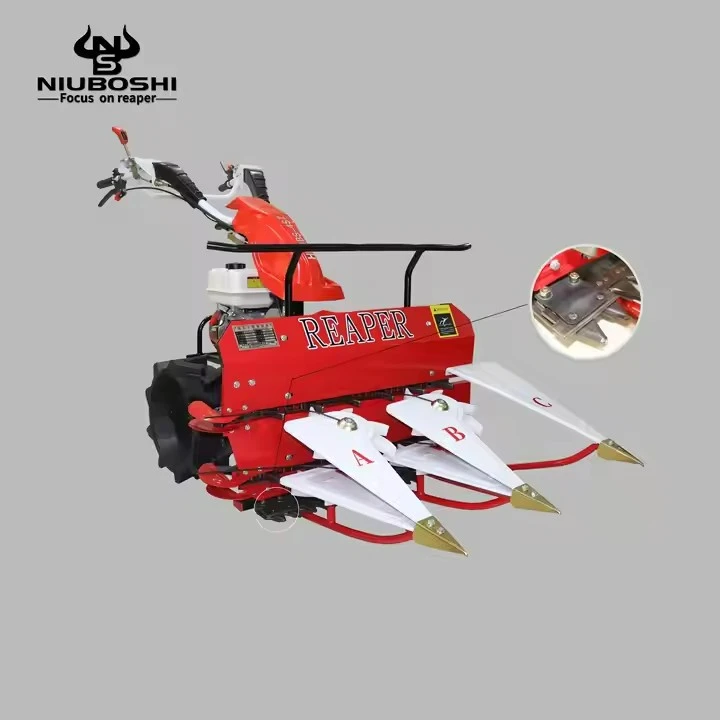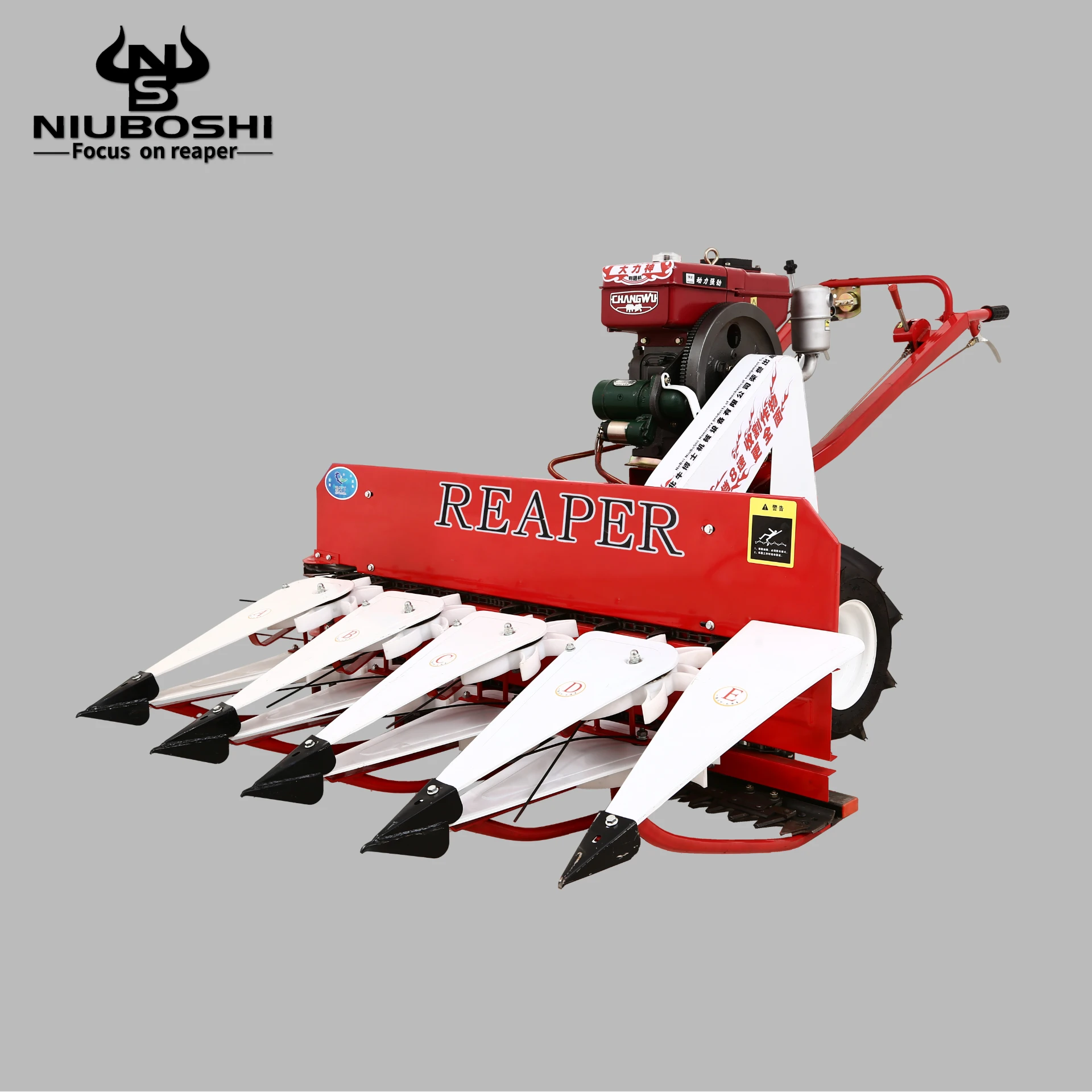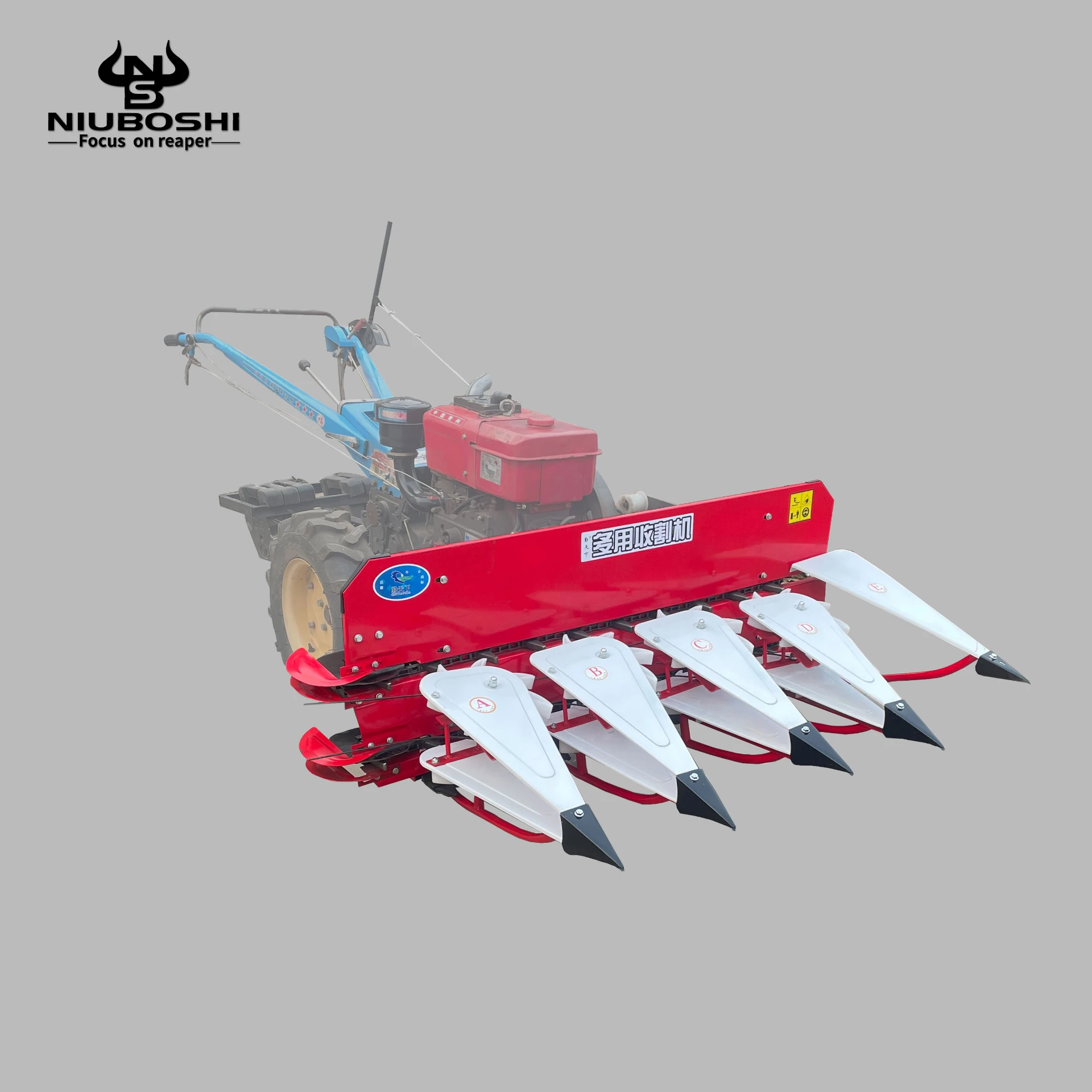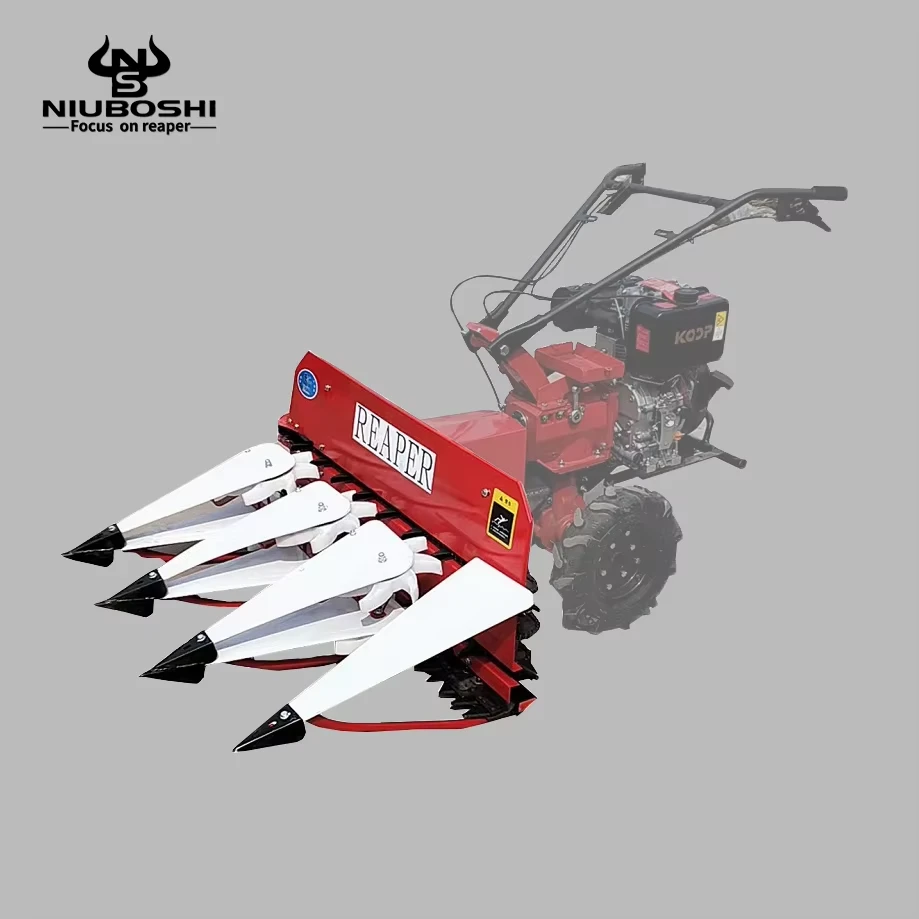
New Mini Harvester – Compact, Powerful Forestry Equipment
The New Mini Harvester: Efficiency Meets Compact Power
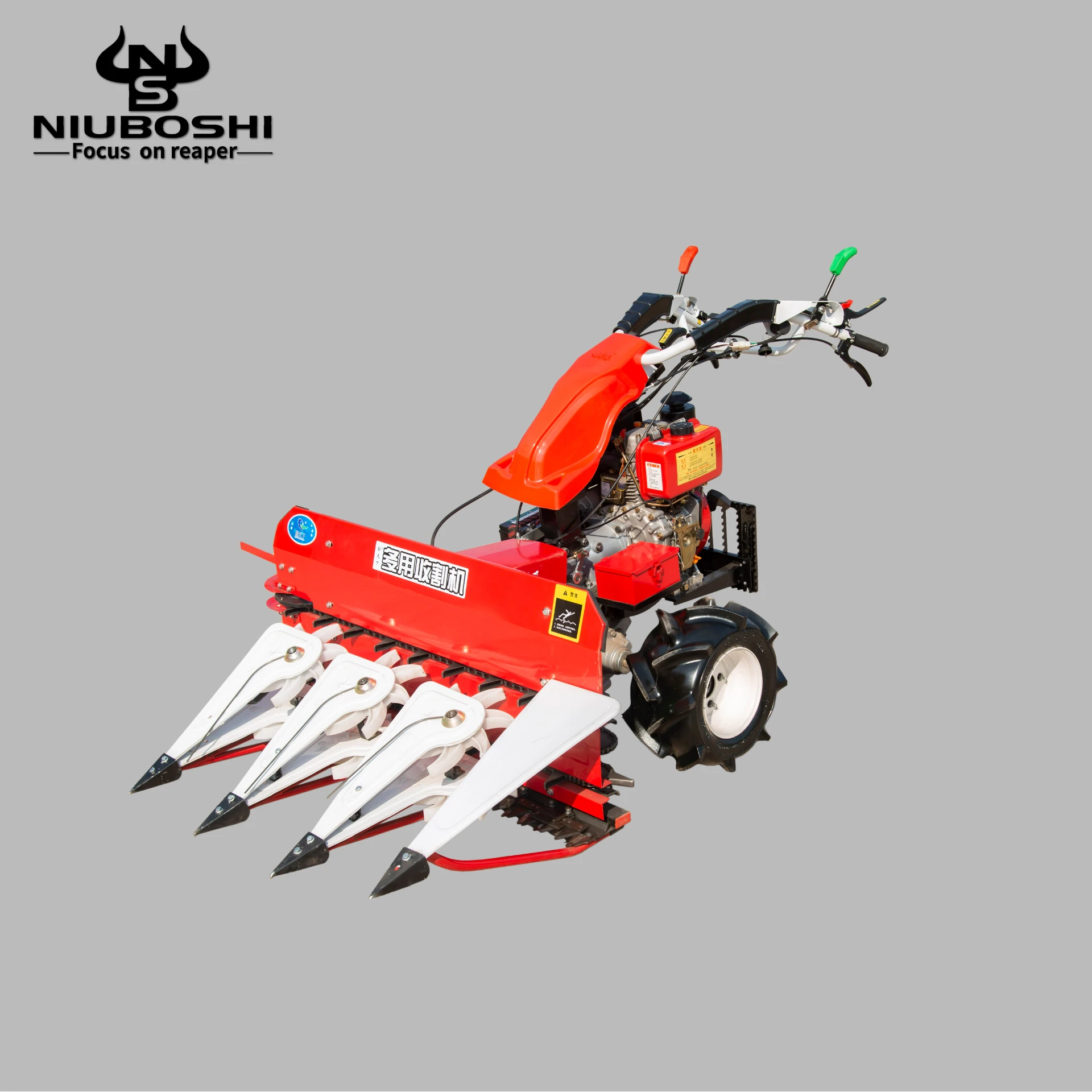
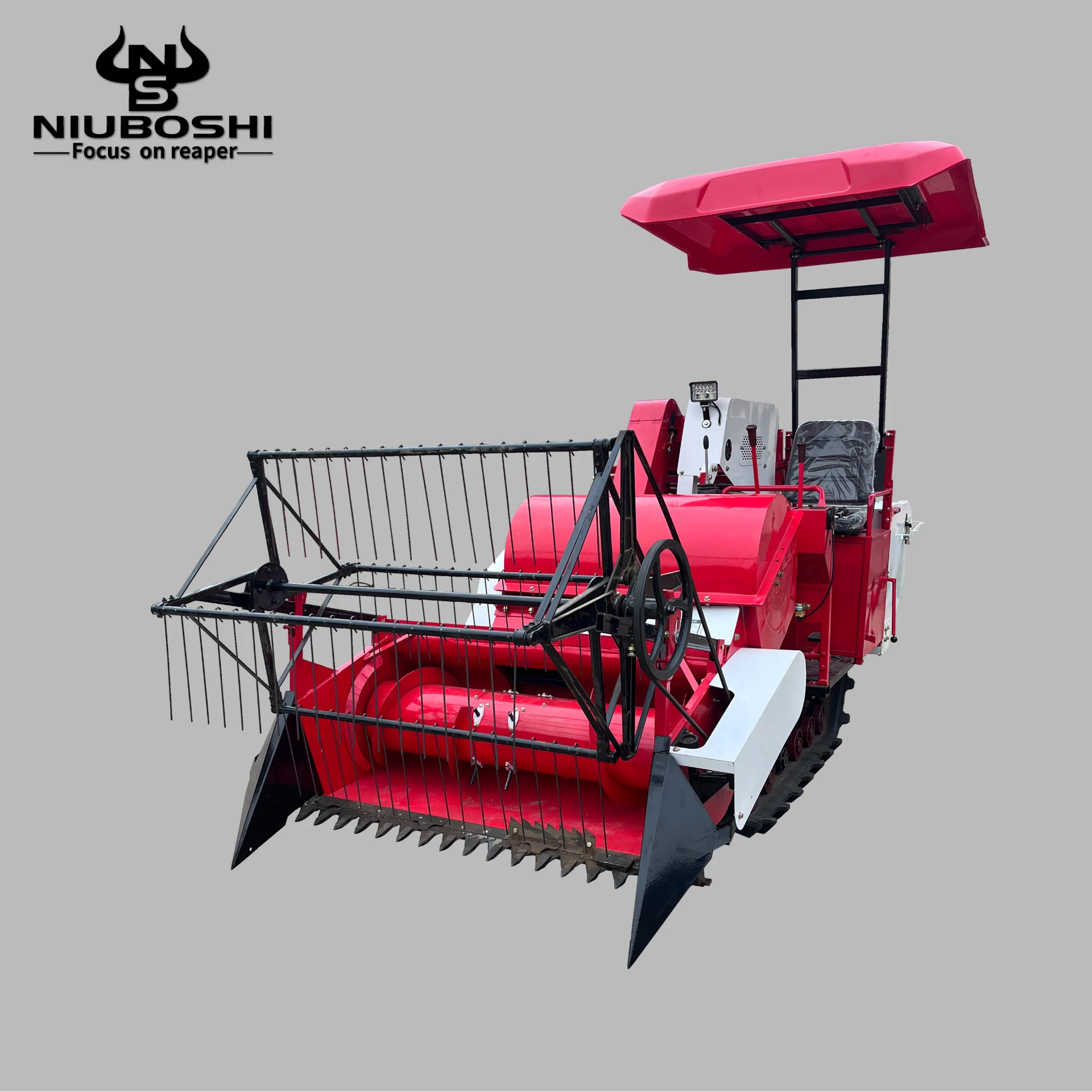
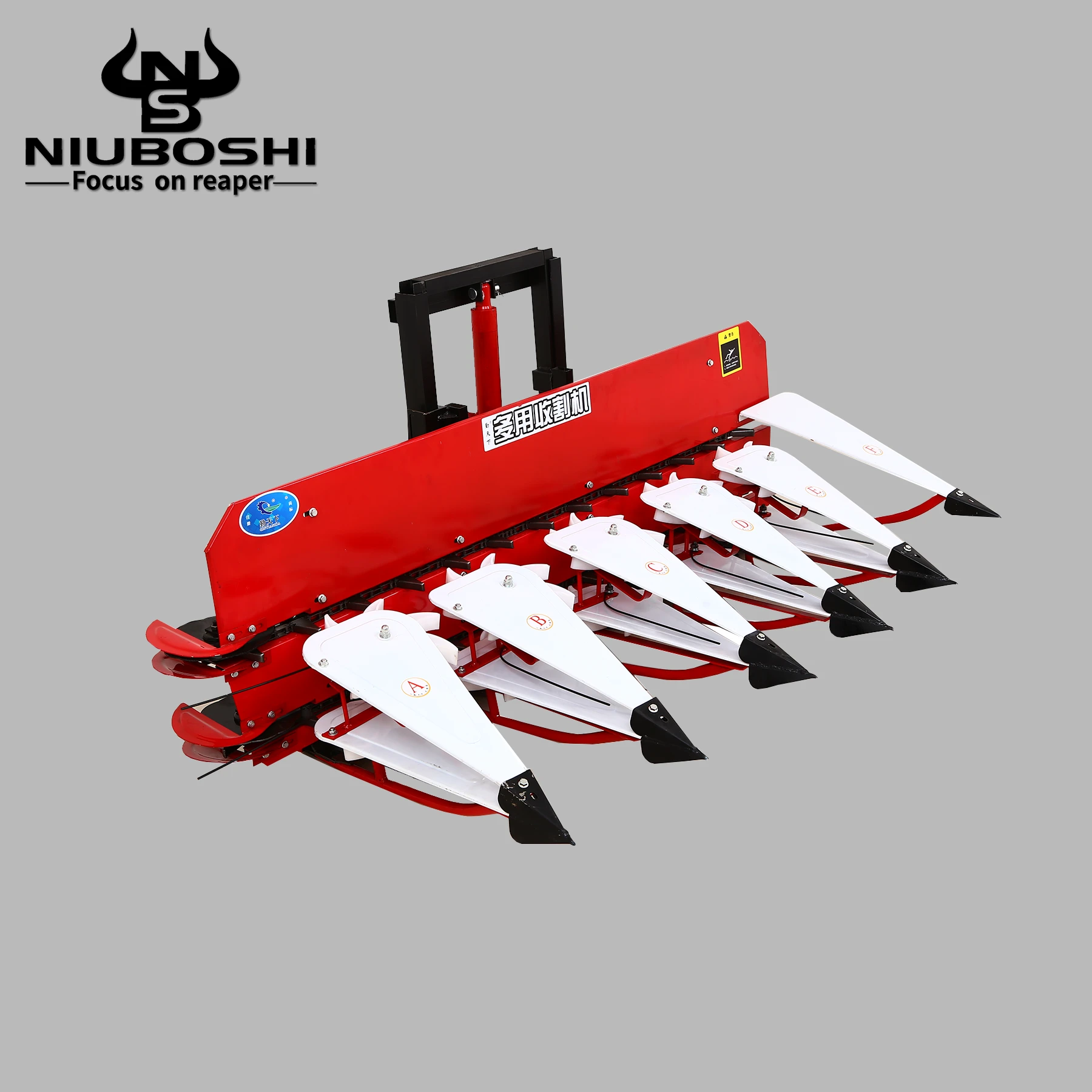
Having spent nearly two decades in the industrial equipment world, I’ve learned to spot innovations that genuinely shake things up. The new mini harvester on the block is one such machine — a surprisingly nimble powerhouse designed for forestry tasks where space and precision really matter.
Now, you might wonder why a "mini" harvester deserves this kind of attention. Frankly, when working on varied terrain or smaller-scale logging, a hulking behemoth isn’t always the best fit. The new mini harvester offers an ideal balance — it’s compact without sacrificing the core capabilities we’ve expected from full-sized harvesters. Oddly enough, it feels like the industry is returning to its roots but with a modern twist.
Talking about design, this machine emphasizes not just size but intelligent engineering. The manufacturers used high-strength steel alloys to keep the frame lightweight yet durable — something many operators really appreciate in rough woodland conditions. Plus, the hydraulic system is notably agile, allowing for quick and smooth manipulation of the boom and cutting head. I recall a colleague mentioning how this precision reduced branch damage during thinning operations, which frankly helps with sustainable forestry.
| Feature | Specification |
|---|---|
| Engine Power | 85 kW / 114 HP |
| Operating Weight | 9,500 kg |
| Max Reach | 7.8 meters |
| Cutting Diameter Capacity | 380 mm |
| Fuel Tank Capacity | 160 liters |
Usability is another highlight. The operator's cabin, though compact, is surprisingly comfortable — ergonomically designed with great visibility and noise dampening. It reminds me of early conversations with operators who emphasized how fatigue can sneak up after long shifts; this kind of attention to detail isn’t just a luxury, it’s a necessity.
In real terms, one small logging business I worked with tested this mini harvester over a three-month period. Their site was notoriously difficult—dense forest, uneven hills, and narrow paths. They noted not only improved maneuverability but also a substantial drop in fuel consumption compared to the older, bulkier machines they’d used before. There's something satisfying about a machine that works smarter, not harder—or at least, more efficiently.
| Brand | Operating Weight | Reach (m) | Cutting Capacity (mm) | Price (USD) |
|---|---|---|---|---|
| Niubo Mini Harvester | 9,500 kg | 7.8 | 380 | $95,000 |
| Compact Timber Pro | 10,200 kg | 8.0 | 400 | $105,000 |
| ForestMaster Lite | 8,900 kg | 7.5 | 360 | $92,500 |
Customization options also stand out with the new mini harvester. From adjustable booms, various cutting heads, to software upgrades for data logging and machine diagnostics — these features turn it from just another tool into an integrated asset for forestry operations. Many engineers I've talked to say that digital integration like this is the future. It can save uncounted hours in maintenance and operational downtime.
All that said, it’s not perfect for every situation (what machine is?). Operators focused on large-volume clear-cutting will likely still lean on bigger machines. But this smaller harvester carves its niche nicely, especially where access is limited or the site requires more finesse. Honestly, it feels like a machine designed with the operator’s real-world challenges in mind — a breath of fresh air in a sector often stubborn about change.
If you find yourself in need of a compact, versatile, and solidly engineered harvester, you might want to check out the new mini harvester. It’s not just about having the right tool—it’s about having the right tool that’s ready when and where you need it.
Tinker with the specs, try before you buy, and remember: sometimes less really is more.
References:
1. Equipment Testing Report, Independent Forestry Services, 2023
2. Niubo Machinery Manufacturer Specs Sheet, 2024
3. Interview with Forest Operator J. Thomason, 2023
Latest news
-
Maximize Harvest Efficiency with the Agro Reaper Binder MachineNewsApr.16,2026
-
Boost Harvest Efficiency with the Best Agriculture Reaper MachineNewsApr.09,2026
-
Revolutionizing Agriculture with the Efficient Agriculture Power ReaperNewsApr.07,2026
-
Comprehensive Guide to the 4 Wheel Reaper Binder for Efficient HarvestingNewsApr.04,2026
-
Comprehensive Guide to Reaperbinder Technology for Efficient Hay and Crop HarvestingNewsMar.31,2026
-
Mastering the Art of Reaper Cutting for Enhanced Agricultural EfficiencyNewsMar.28,2026