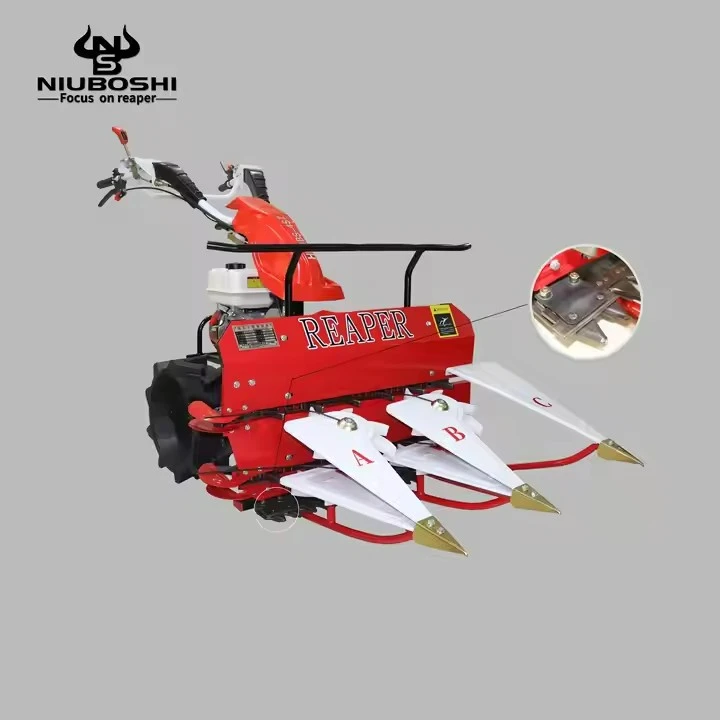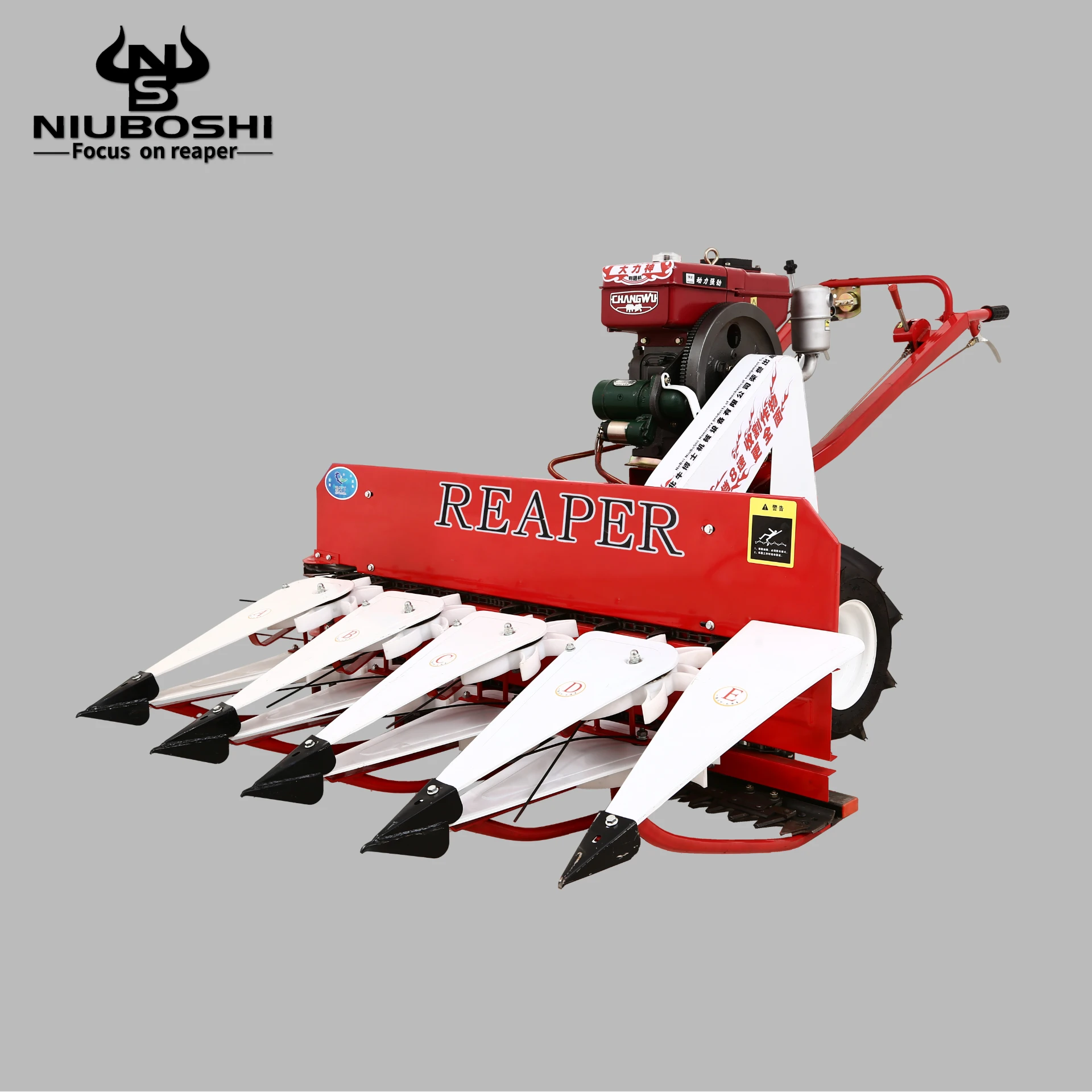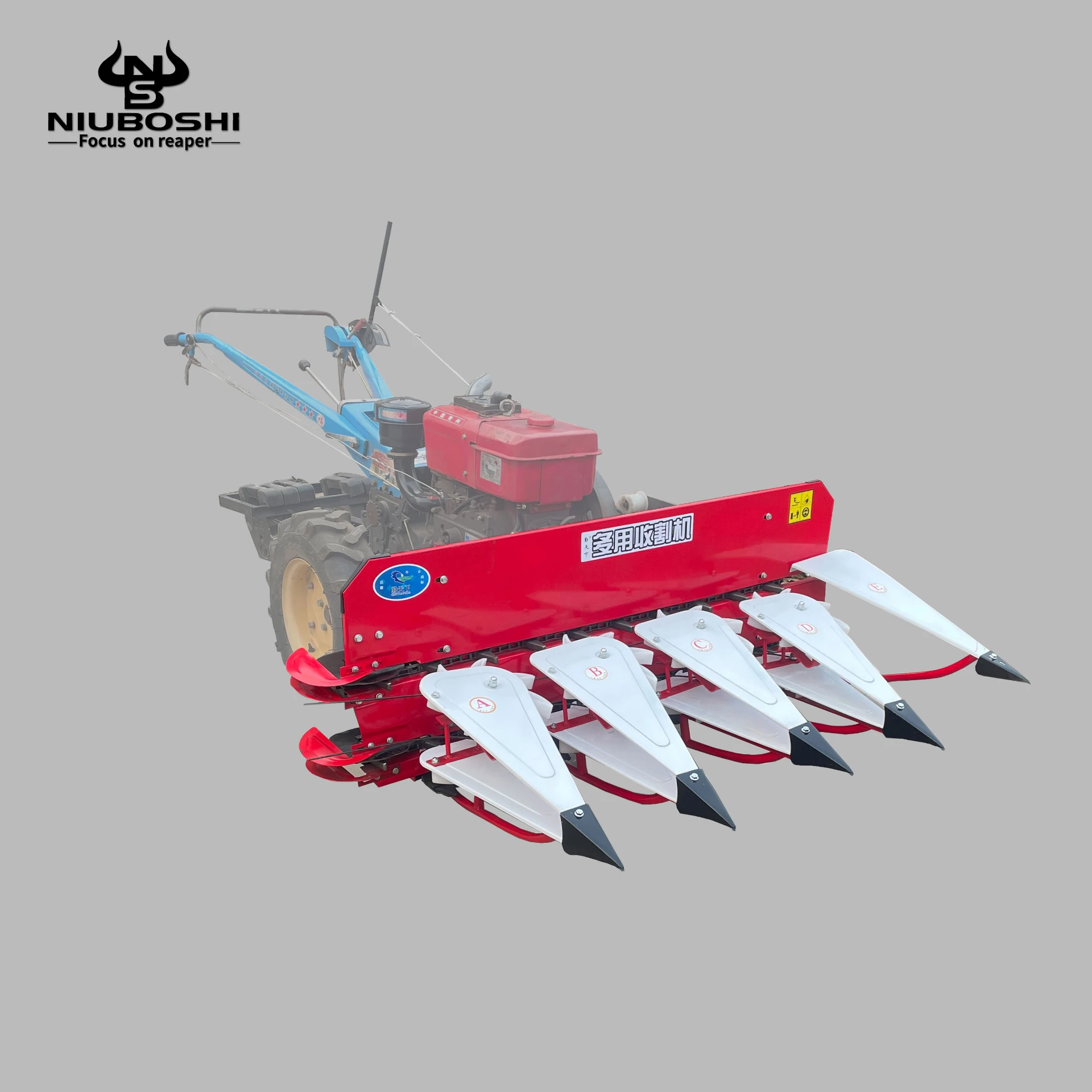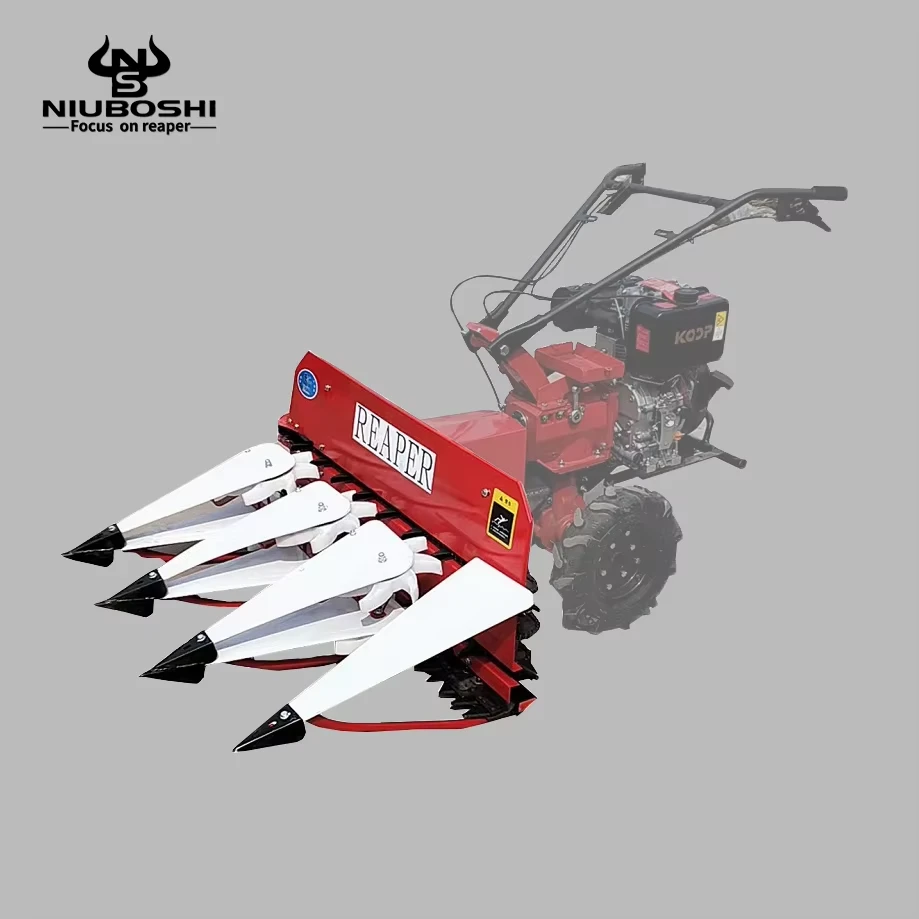
Mini Combine Tractor Harvester: Compact Farming Machines with Global Impact
What Is a Mini Combine Tractor Harvester and Why It Matters Globally
If you haven’t yet come across the term mini combine tractor harvester, you’re in for a practical discovery that ties together modern agriculture and industrial efficiency. In simple terms, it’s a smaller, versatile machine designed to streamline crop harvesting and related tasks on farms where using full-sized equipment either isn’t feasible or economical. But the story is bigger than just farming: globally, mini combines address food security, sustainable agriculture, and economic empowerment — especially in regions where small-scale farming drives livelihoods.
Understanding this mini marvel is key, because, frankly, it’s shaping a future where efficiency and sustainability don’t need to be mutually exclusive.
Introduction: The Global Context of Mini Combine Tractor Harvesters
Worldwide, agriculture accounts for nearly 28% of employment according to the United Nations Food and Agriculture Organization (FAO). However, the landscape is changing rapidly. Intensive farming techniques often require large machinery, but smallholder farms (which produce over 70% of the world’s food) tend to be too fragmented or small for such tools. Enter the mini combine tractor harvester — a nimble solution designed with those farms in mind.
Oddly enough, as urbanization spreads and farm sizes shrink, many farmers find themselves wedged by the high costs and impracticalities of traditional machinery. The mini combine tackles a problem that so many face: harvesting efficiently without breaking the bank or soil.
Definition & Meaning: What Exactly Is a Mini Combine Tractor Harvester?
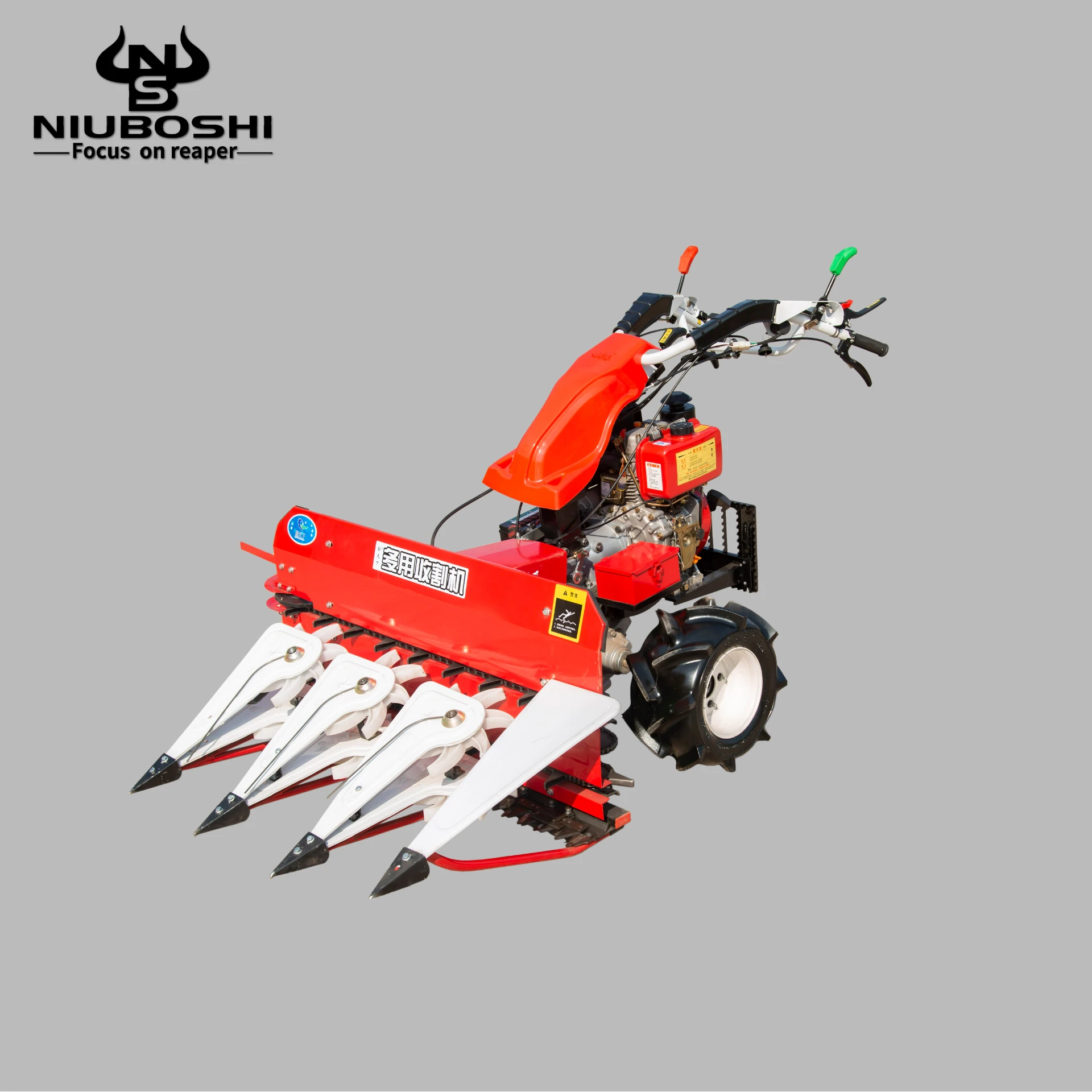
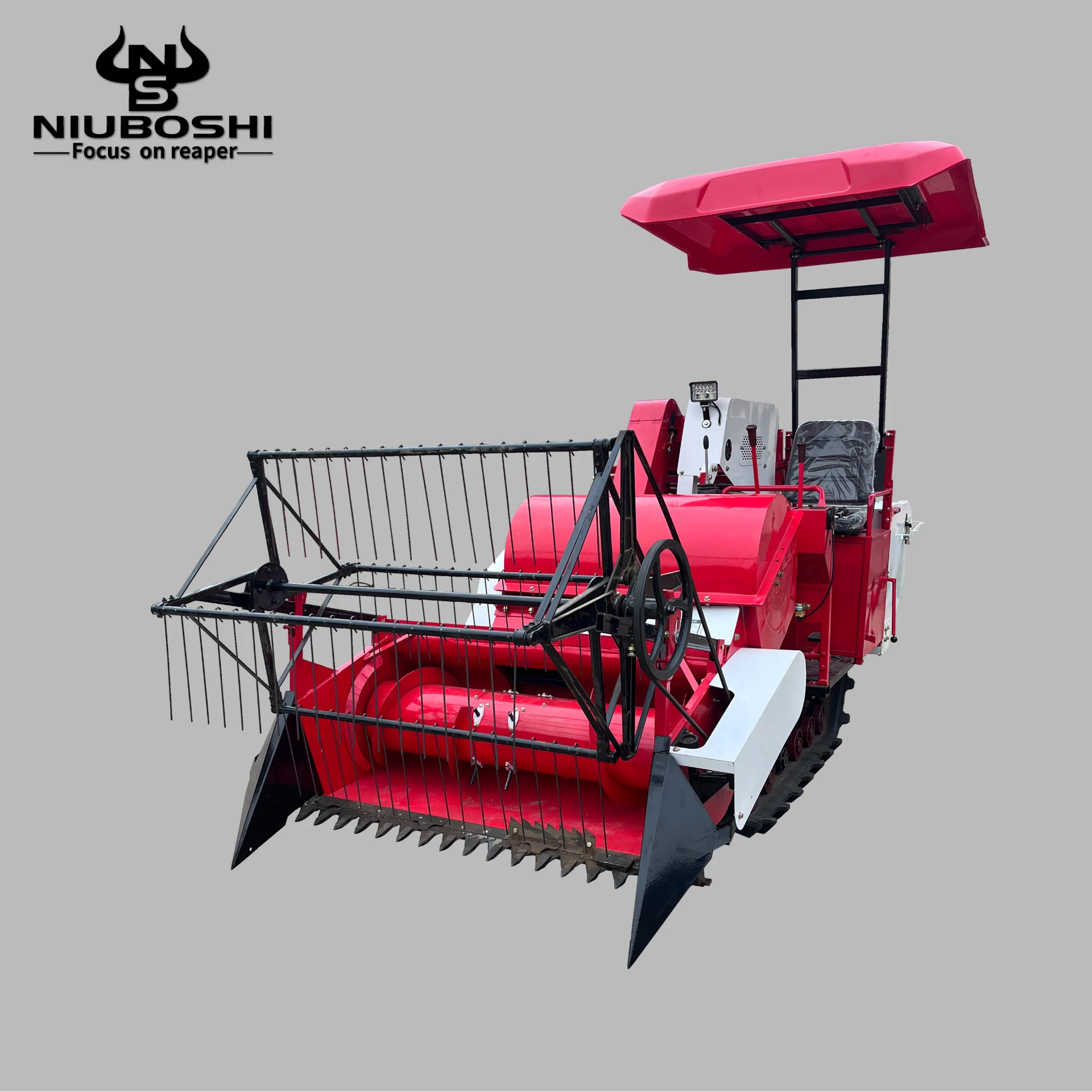
A mini combine tractor harvester is essentially a compact agricultural machine integrating the functions of a tractor and a combine harvester. In practice, this means it can prepare fields, cut crops, thresh grain, and clean it — all in a single pass. The “mini” aspect emphasizes its smaller size and maneuverability, perfect for nuanced terrains or limited land areas.
Crucially, beyond typical agriculture, these machines contribute to humanitarian efforts by enabling food production in disaster-affected or remote regions, where larger harvesters just cannot reach.
Key Factors & Core Components
- Compact Design: Designed to operate in narrow fields and uneven terrains, these machines are easy to transport and deploy rapidly.
- Durability: Made with robust steel frames and precision-engineered moving parts, mini harvesters handle intense workloads with longevity.
- Cost Efficiency: Lower fuel consumption and reduced maintenance costs translate into affordability, critical for small-scale farmers.
- Versatile Crop Handling: From rice and wheat to maize and soy, these units adapt to multiple crop types through adjustable cutting and threshing settings.
- Ease of Operation: Intuitive controls reduce operator training times — which helps when labor skills are scarce or seasonal.
- Environmental Impact: Smaller engines and optimized fuel use mean less pollution, supporting sustainable farming practices aligned with ISO 14001 standards.
Mini takeaway: The blend of durability, versatility, and cost-efficiency makes these machines a powerhouse in small-scale farming worldwide.
Global Applications & Use Cases
Across Asia’s rice paddies, Europe’s small grain farms, and Africa’s emerging agricultural sectors, mini combine tractor harvesters transform productivity. For example:
- South Asia: In India and Bangladesh, they enable millions of farmers with less than 2 hectares of land to harvest efficiently during short seasonal windows.
- Africa: NGOs deploy mini combines in rural areas to boost local food production, often partnering with microfinance institutions to facilitate purchases.
- Post-Disaster Zones: After floods in Southeast Asia, compact harvesters have helped farms resume quickly, minimizing food scarcity.
- Industrial Zones: Some remote mining or forestry operations integrate mini combine functionality for onsite food supplies, supporting worker welfare.
If you want to see these machines in action, check out the range at mini combine tractor harvester suppliers who cater to these diverse needs.
Advantages & Long-Term Value
It’s not just about the specs — owning a mini combine harvester means reduced harvest times, decreased labor costs, and lower fuel bills. But beyond dollars and cents, farmers often remark on the sense of pride and control gained: no longer dependent on external harvest contractors, they reclaim dignity through technology.
Plus, the environmental benefits shouldn’t be underestimated. With scaled-down emissions and soil-friendly harvesting methods, these machines support healthier soils and contribute meaningfully to climate-smart agriculture.
Future Trends & Innovations
The industry is moving towards greener, smarter minis. Upcoming models often incorporate electric or hybrid engines, reducing carbon footprints drastically. Automation is making inroads too — envision remote-controlled combines navigating fields while farmers monitor yields on smartphones.
Policy-wise, increasing subsidies for sustainable agricultural tech worldwide may soon make these mini combines even more accessible. The embrace of IoT (Internet of Things) in agritech means predictive maintenance and optimization will be standard soon, reducing downtime and boosting profits.
Challenges & Solutions
Of course, mini combine tractor harvesters are not silver bullets. Some limitations include:
- Limited capacity for very large farms.
- The upfront cost can still be high without financing options.
- Sometimes spare parts or maintenance expertise are scarce in remote regions.
Solutions? Partnerships with local training centers, expanded microcredit facilities, and modular design allowing easy part swaps are helping overcome these challenges.
FAQ: Frequently Asked Questions About Mini Combine Tractor Harvester
- What size farm is a mini combine best suited for?
- Mini combines excel on farms ranging from 1 to 10 hectares. They’re ideal where maneuverability is key and full-sized equipment isn’t practical.
- Are mini combine tractor harvesters affordable for smallholder farmers?
- While an initial purchase can be significant, microfinance programs and cooperative buying have made these machines increasingly attainable for small-scale farmers.
- Can mini combine harvesters handle multiple crop types?
- Yes, most models come with adjustable components allowing them to harvest grains like rice, wheat, maize, and soybeans efficiently.
- What maintenance is required for these machines?
- Routine maintenance involves checking belts, blades, and engine oil. Many suppliers provide operator training to ensure long-term reliability.
- How can organizations import mini combine harvesters internationally?
- Typically through authorized dealers or direct contact with manufacturers. Regulatory compliance and shipping logistics are essential; consulting local agricultural ministries can smooth the process.
Mini Combine Tractor Harvester Product Specifications
| Specification | Details |
|---|---|
| Engine Power | 20–35 HP |
| Harvesting Width | 1.0–1.5 meters |
| Fuel Type | Diesel / Hybrid options available |
| Weight | 700–900 kg |
| Crop Types | Rice, Wheat, Maize, Soy |
| Noise Level | 65 dB(A) |
Vendor Comparison Table for Mini Combine Tractor Harvesters
| Feature | Niuboshi | AgroMini | HarvestPro |
|---|---|---|---|
| Engine Power | 25 HP | 22 HP | 30 HP |
| Harvest Width | 1.3 m | 1.1 m | 1.5 m |
| Fuel Type | Diesel | Hybrid | Diesel |
| Price Range (USD) | $5,500 - $7,000 | $6,000 - $7,500 | $6,800 - $8,200 |
| Warranty | 2 Years | 1.5 Years | 2 Years |
Reflecting on this journey into compact farm machinery, one big takeaway is clear: innovation doesn’t always mean bigger — often, it means smarter and accessible.
- United Nations Food and Agriculture Organization. FAOSTAT
- International Organization for Standardization. ISO 14001 Environmental Management
- World Bank Agricultural Data. World Bank
Latest news
-
Maximize Harvest Efficiency with the Agro Reaper Binder MachineNewsApr.16,2026
-
Boost Harvest Efficiency with the Best Agriculture Reaper MachineNewsApr.09,2026
-
Revolutionizing Agriculture with the Efficient Agriculture Power ReaperNewsApr.07,2026
-
Comprehensive Guide to the 4 Wheel Reaper Binder for Efficient HarvestingNewsApr.04,2026
-
Comprehensive Guide to Reaperbinder Technology for Efficient Hay and Crop HarvestingNewsMar.31,2026
-
Mastering the Art of Reaper Cutting for Enhanced Agricultural EfficiencyNewsMar.28,2026