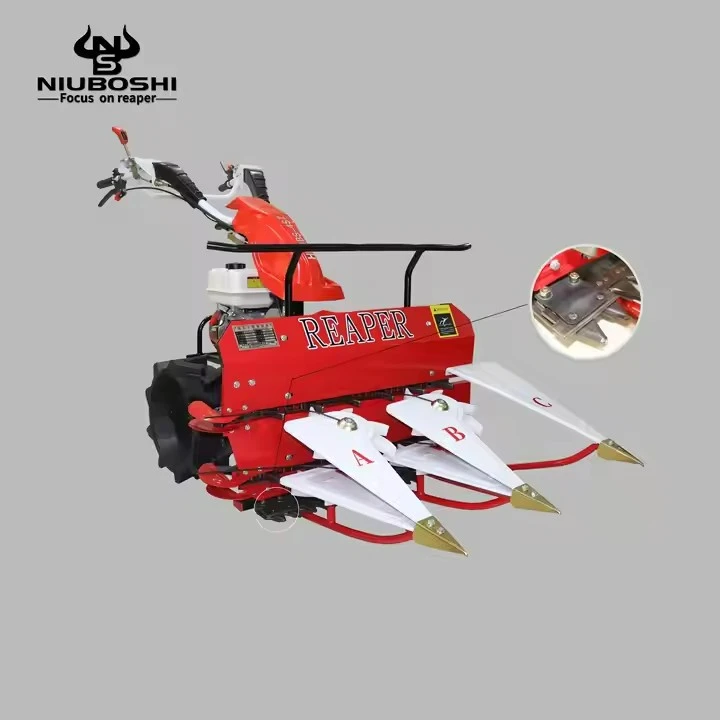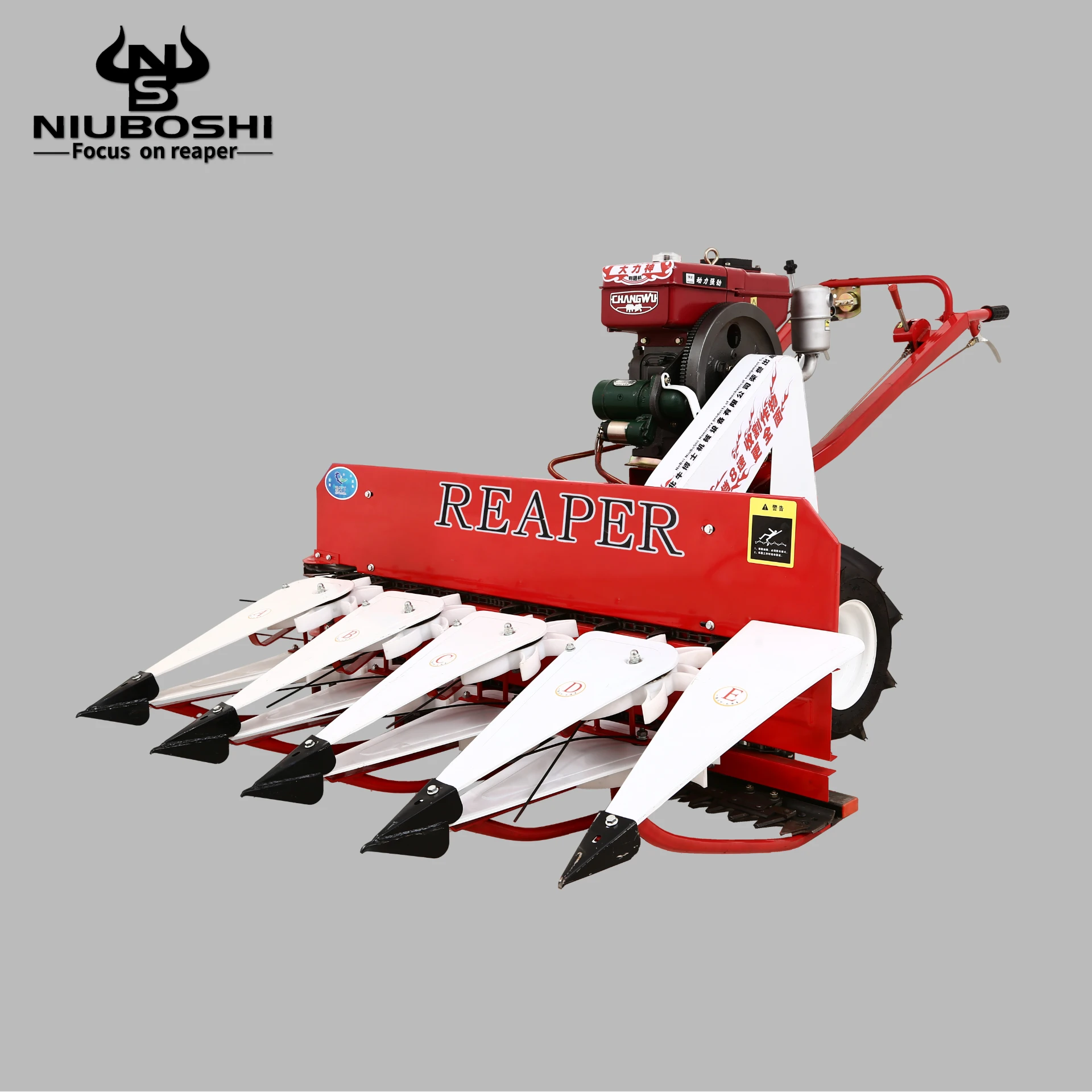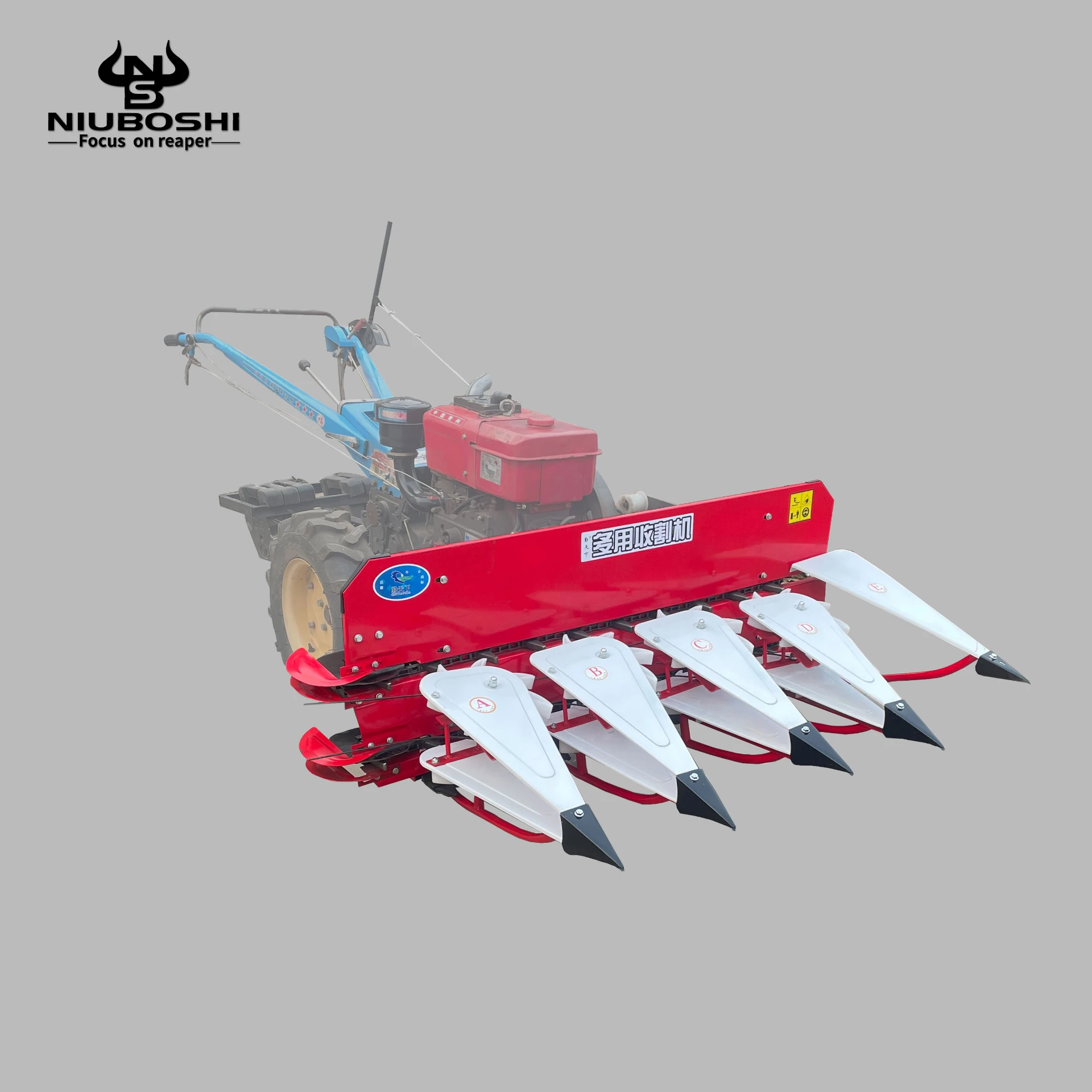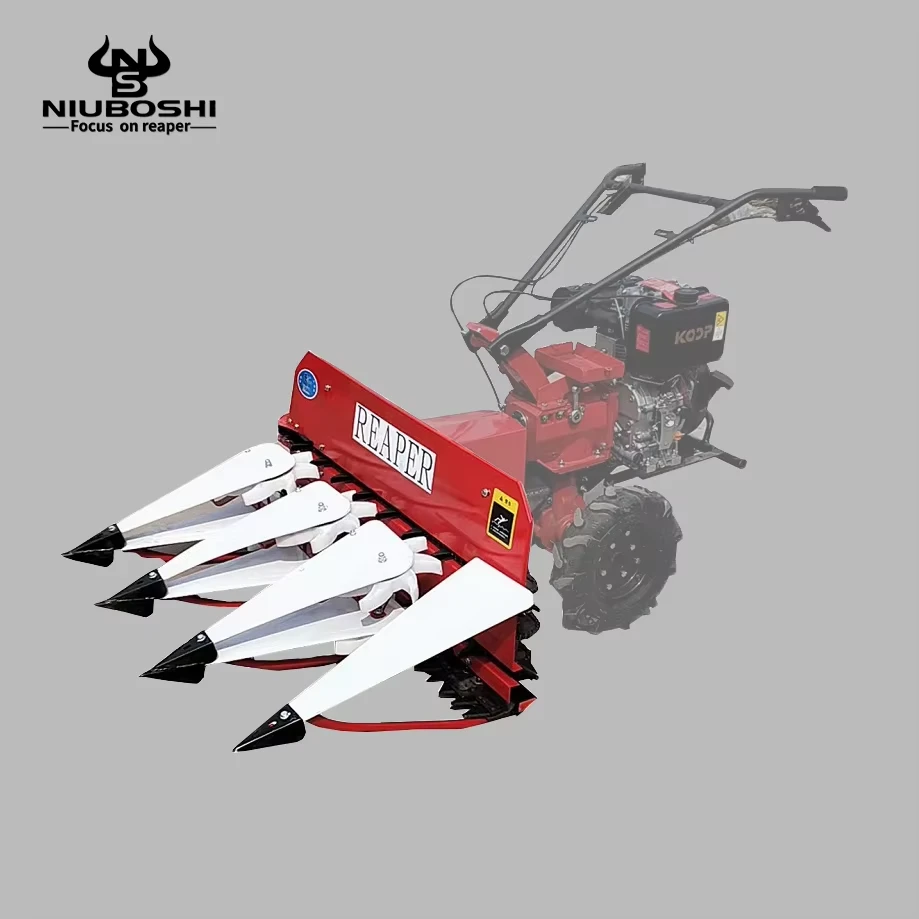
Small Rice Harvester Machine – Efficient, Durable & Cost-Effective Harvesting Solutions
Small Rice Harvester Machine is a key solution in the farming and agribusiness industry, especially for small to mid-scale rice producers aiming to improve harvest efficiency. This article explores how hbniuboshi.com supports professionals with durable, high-performance products, and sheds light on why this product is an ideal choice for businesses navigating the complexities of rice harvesting.
Table of Contents
- Small Rice Harvester Machine Overview
- Benefits & Use Cases of Small Rice Harvester Machine
- Cost, Maintenance & User Experience
- Sustainability & Market Trends
Small Rice Harvester Machine Overview
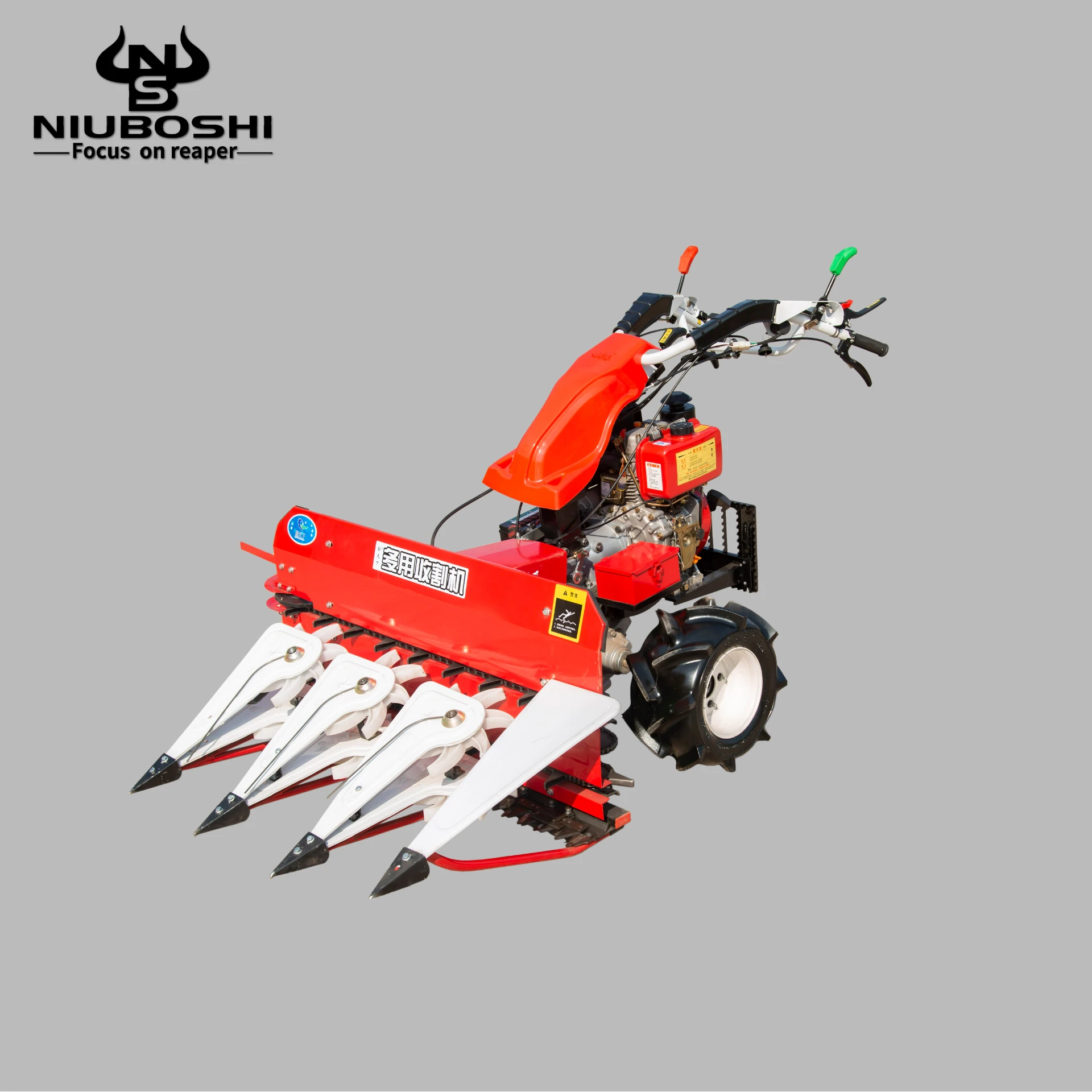
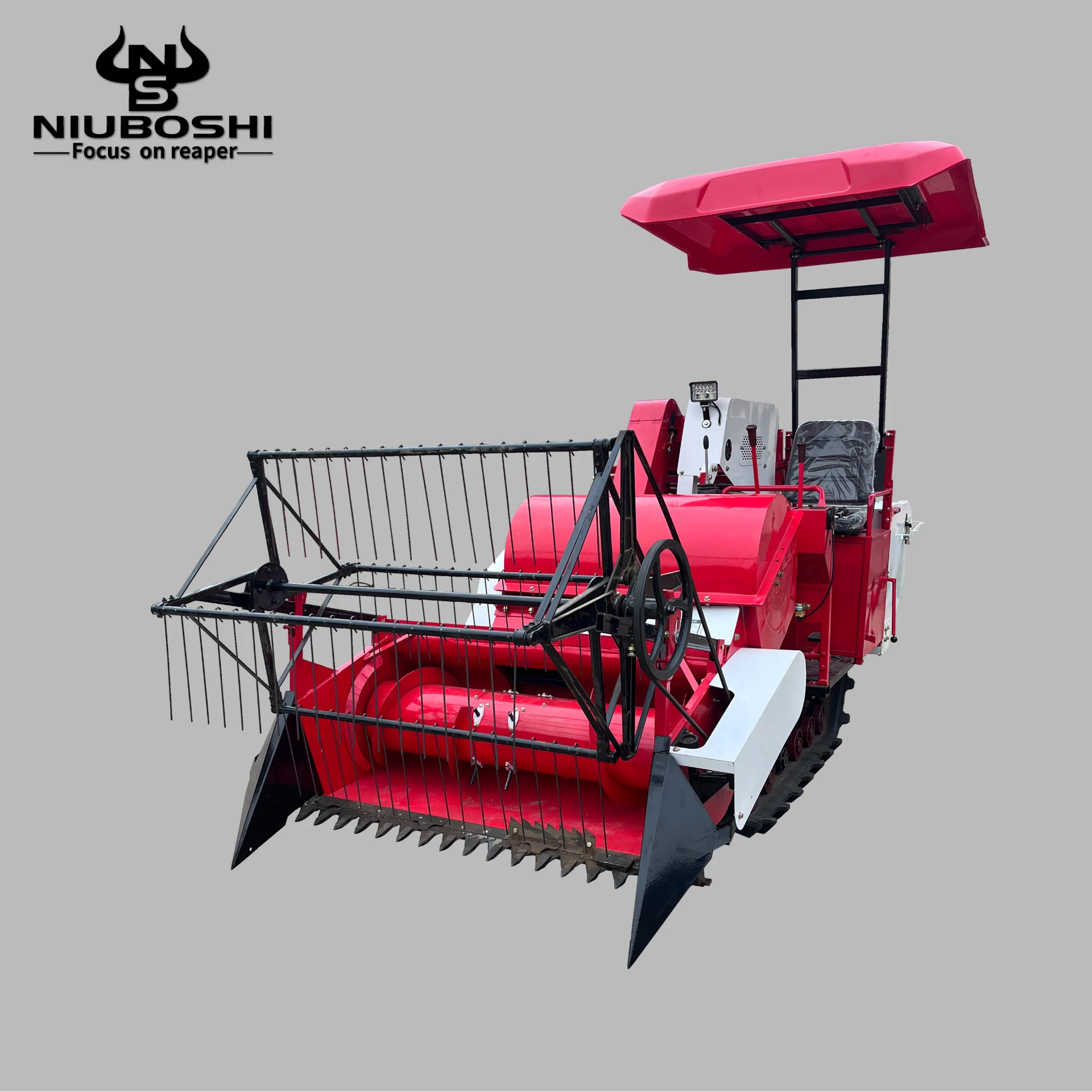
At its core, the Small Rice Harvester Machine is crafted to meet the needs of rice cultivators who want an agile yet robust piece of machinery. It’s designed to cut, thresh, and clean rice stalks efficiently on smaller farming plots where larger combines might simply be overkill or too costly.
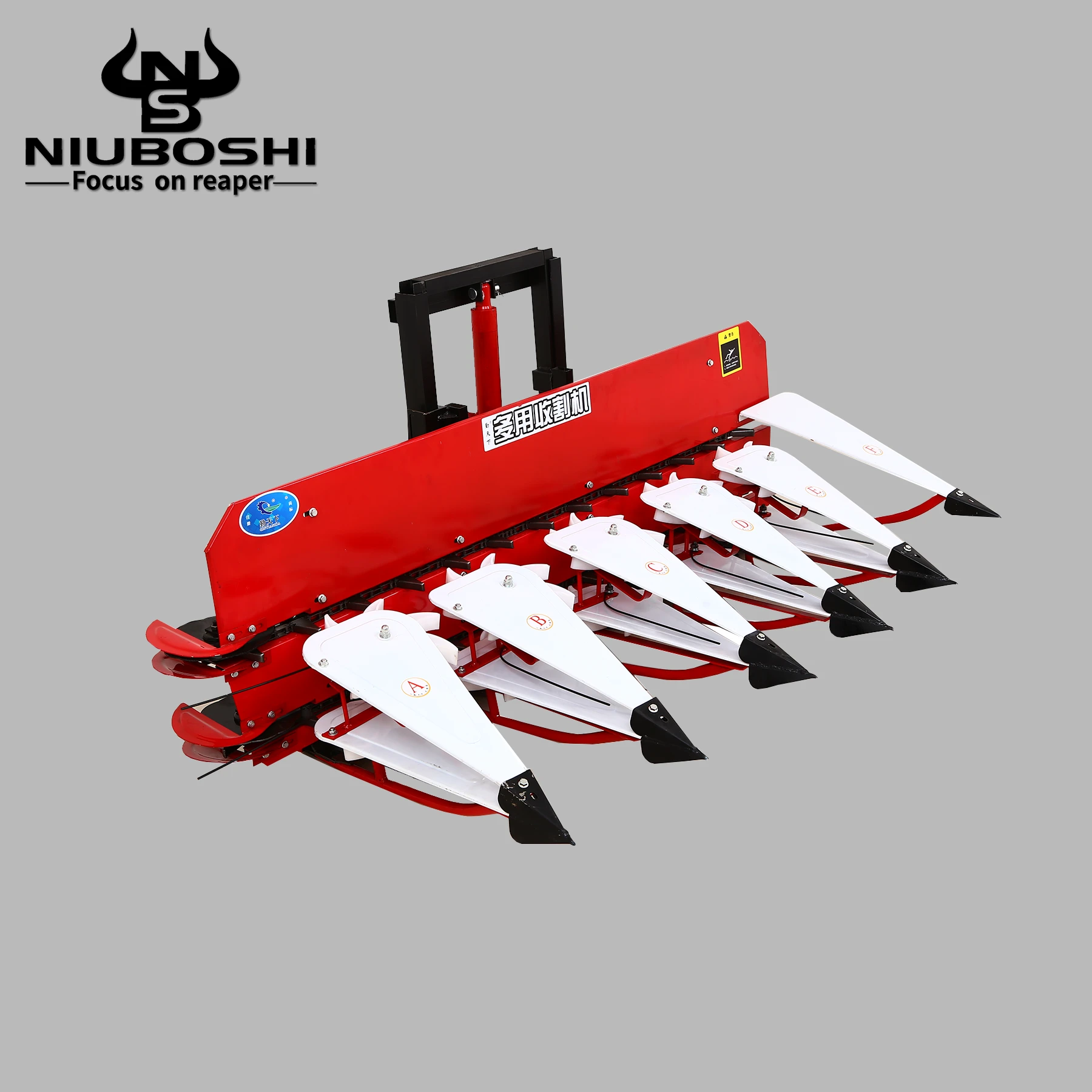
Technically speaking, these machines pack quite a punch for their size. Many employ a compact diesel engine, typically around 8 to 12 horsepower, paired with adjustable cutting widths to match field conditions. With a ground clearance optimized for paddy fields, they minimize damage to the crop and soil. For example, models from hbniboshi.com often feature a 800mm cutting width and a maximum working speed of about 4 km/h—both tailored to optimize productivity without sacrificing control.
| Specification | Value |
|---|---|
| Engine Power | 10 HP Diesel |
| Cutting Width | 800 mm |
| Working Speed | Up to 4 km/h |
| Weight | ~250 kg |
| Fuel Tank Capacity | 5 Liters |
Benefits & Use Cases of Small Rice Harvester Machine
In the real world, this machine is a game changer for farms ranging from a few hectares up to medium-sized family operations or commercial farms that prefer modular scalability. It takes on the challenge of navigating narrow paddy fields and uneven terrain, which, oddly enough, is where larger machines tend to struggle or cause unintended damage.
One of the benefits often quoted by users is how it dramatically cuts down the manual labor demands. Instead of days of backbreaking work with sickles, you’re talking a few hours of efficient harvesting. It’s also customizable — operators can adjust cutting height and speed to work best with different rice varieties or moisture levels. Plus, its compact build means storage and transport are generally simpler.
Frankly, many decision-makers in agriculture appreciate its reliable performance combined with user-friendly maintenance. The machines from hbniuboshi.com come with easy-to-access components and modular parts, making replacements or repairs straightforward—always a plus for minimizing downtime.
Cost, Maintenance & User Experience
Now, regarding costs—while the upfront price of a Small Rice Harvester Machine might seem a bit steep to smaller farms initially, the overall total cost of ownership is often quite competitive. That’s because the savings on labor, the machine’s fuel efficiency, and its low maintenance needs tend to yield a solid return on investment within a couple of harvest cycles.
Many business customers have shared how durable these machines are in real-world conditions, often operating for several years with only minimal part replacements. One customer, a cooperative in Southeast Asia, reported cutting their harvesting time by 70% and saving significantly on seasonal labor costs. The maintenance routines are pretty straightforward — mostly routine cleaning, occasional blade sharpening, and oil checks.
| Vendor | Price Range | Warranty | Customer Support | Key Advantage |
|---|---|---|---|---|
| HBNiuboshi | $1,200 - $1,500 | 1 year | 24/7 multilingual | Durability & modularity |
| Vendor A | $1,000 - $1,300 | 6 months | Business hours only | Lower price |
| Vendor B | $1,400 - $1,600 | 2 years | Limited language options | Extended warranty |
Sustainability & Market Trends
Sustainability is increasingly at the forefront of agritech discussions, and rightly so. The Small Rice Harvester Machine fits well in this shift by promoting efficient fuel use and reducing waste compared to traditional harvesting methods. Its energy consumption is comparatively modest, and its precise cutting reduces crop damage, which means less post-harvest loss.
Regulatory pressures also tilt manufacturers towards enhancing emissions standards and pushing for quieter, less polluting machinery. Meanwhile, the global rice market continues to expand, especially in regions where mechanization has been slower to catch on. This machine helps bridge that gap by making mechanized harvesting accessible and affordable.
Industry growth, coupled with increased investment in rural mechanization, suggests demand for such small but capable harvesters will only grow. It’s a good time for businesses to consider how integrating these machines can future-proof operations against labor shortages and environmental challenges.
Frequently Asked Questions about Small Rice Harvester Machine
- What is Small Rice Harvester Machine and how does it work?
- It’s a compact agricultural machine designed to streamline the rice harvesting process by cutting, threshing, and cleaning grains all in one pass. Typically powered by a small diesel engine, it moves across paddies, cutting rice stalks at a set height and then processing them immediately, which saves time and labor.
- What are the main benefits of using Small Rice Harvester Machine in industrial applications?
- Key benefits include reducing manual labor costs, increasing harvesting speed, improving grain quality by minimizing field losses, and offering flexible operation on smaller or irregularly shaped fields where bigger machines fall short.
- How does Small Rice Harvester Machine compare to traditional alternatives?
- Compared to manual methods or older machines, it delivers superior efficiency, better grain recovery, and a lower physical toll on workers. It’s also often more cost-effective over time due to fuel efficiency and maintenance simplicity.
- What industries can benefit most from Small Rice Harvester Machine implementation?
- Beyond rice farms, agro-processing cooperatives, rural agricultural contractors, and equipment rental businesses find these machines beneficial. They’re especially useful where mechanization is becoming a competitive necessity but space or budget constraints exist.
Conclusion on Small Rice Harvester Machine from china
In conclusion, the Small Rice Harvester Machine represents a blend of practical design, reliable performance, and economic value. It’s an excellent tool for B2B decision makers looking to optimize rice production on a scale that doesn’t require massive, complex equipment. If you want to stay ahead in the evolving agricultural landscape, it’s certainly worth exploring the options available at hbniuboshi.com.
- Recap the value of Small Rice Harvester Machine.
- - Visit our website: https://www.hbniuboshi.com
Interestingly, embracing this kind of machinery feels less like a leap and more like a natural step toward smarter farming.
- FAO reports on mechanization in rice agriculture (2023)
- Field study: Small-scale harvesters’ economic impact, SE Asia (2022)
- HBNiuboshi customer testimonials and product manuals
Latest news
-
Maximize Harvest Efficiency with the Agro Reaper Binder MachineNewsApr.16,2026
-
Boost Harvest Efficiency with the Best Agriculture Reaper MachineNewsApr.09,2026
-
Revolutionizing Agriculture with the Efficient Agriculture Power ReaperNewsApr.07,2026
-
Comprehensive Guide to the 4 Wheel Reaper Binder for Efficient HarvestingNewsApr.04,2026
-
Comprehensive Guide to Reaperbinder Technology for Efficient Hay and Crop HarvestingNewsMar.31,2026
-
Mastering the Art of Reaper Cutting for Enhanced Agricultural EfficiencyNewsMar.28,2026